
Bourbaki Panorama Lucerne
About Bourbaki Panorama Lucerne
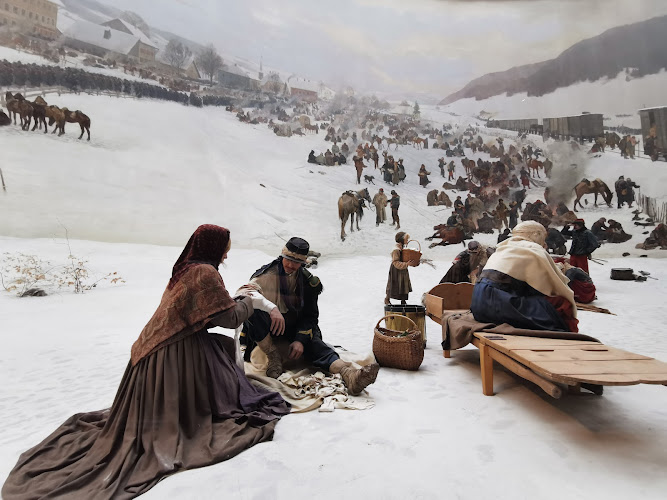
Let’s talk about the Bourbaki Panorama Lucerne, a place in Switzerland that’s honestly left quite an impression on me. And for good reason. If you’re the type of traveler who actually likes to understand the places you visit (not just snap a selfie and scoot off), you’ll find the Bourbaki Panorama not just interesting, but borderline unforgettable. This isn’t your run-of-the-mill museum—oh no. Inside, you’ll find yourself wrapped in a 360-degree painting, a cylindrical marvel created in 1881 by Swiss artist Edouard Castres. The artwork captures a tumultuous, often-overlooked moment in European history: the internment of the French Bourbaki Army in neutral Switzerland, right at the bitter end of the Franco-Prussian War. Trust me, it’s a story as compelling as any Netflix drama, but one most folks outside Switzerland (or maybe French history buffs) don’t even know about.
So what’s the deal? The painting itself is huge—over 10 meters high and 112 meters in circumference. That’s not a typo. You step in and you’re standing smack in the heart of a snow-covered landscape, surrounded by restless French soldiers, weary women, and Swiss Red Cross volunteers. You can almost feel their breath, the chill, the sense of uncertainty clinging to the scene. And there’s something about this piece of 19th-century panoramic art that gets under your skin—it’s not just illustration, it’s an immersive experience that stops time for a while.
The museum’s design is just as clever as the artwork: you enter the panorama building and suddenly you’re back in 1871, watching the humanitarian rescue of an entire army. It’s hard not to get swept up in the emotion and drama, whether you’re a longtime lover of European history or (like me) you just love a good story told well. There are touchscreens, multi-language guides, and more context on the war and Switzerland’s historical neutrality. Some visitors (myself included the first time) discover facts and emotional moments about the Red Cross here that still stick years after visiting.
Of course, some folks will find the experience more moving than others. Some might wish for more interactive exhibits or a bigger venue. But the sheer scale and ambition of the Bourbaki Panorama Lucerne really does set it apart in the city’s museum scene. It’s more than an attraction—it’s a monument to art, history, and Swiss humanitarian values at their finest.
Key Features
- The Panoramic Painting: A jaw-dropping, 10-meter-high, 112-meter-long circular painting by Edouard Castres, vividly depicting the internment of the French Army in 1871 during the Franco-Prussian War.
- Immersive Experience: The panorama creates the illusion of standing amidst the event, letting you see, feel and almost smell the chaos and hope of the time.
- Historical Storytelling: You’ll get the epic tale of General Bourbaki, his French soldiers, and Switzerland’s role as a humanitarian haven—all detailed in ways few other attractions manage.
- Humanitarian Focus: Highlighting the founding spirit of the Swiss Red Cross, this museum goes beyond dry facts to the heart of what makes Switzerland’s neutral stance world-famous.
- Multi-Language Audio Guides: English, French, German, and more—nobody’s left scratching their head unless, well, you left your glasses at the hotel.
- Family-Friendly Environment: Surprisingly engaging for children, with activity stations and easy explanations that make you want to chat about history over dinner.
- Accessibility: Fully wheelchair accessible with adapted restrooms and parking. That may sound like a small thing if you’re able-bodied, but it can be make-or-break for many families and travelers.
- Central Location: Perfect for a rainy day or a break from wandering Lucerne’s Old City and lakeshore. You’re right near other highlights and public transport, so it’s easy to fit into your travel plans.
- Modern Amenities: Clean restrooms, a café/restaurant with local bites, and a paid parking garage that (while a Swiss classic in price) makes life easier for drivers.
- Temporary Exhibitions & Events: Occasionally, there are special events, talks, or small pop-up exhibits that link the panorama’s story to today’s world—look for these on your visit.
Best Time to Visit
This is always one of those questions that feels both easy and complicated, right? Technically, the Bourbaki Panorama Lucerne is open year-round—and because the bulk of it is indoors, weather matters less than, say, going up Mt. Pilatus. Personally, I find autumn and winter especially atmospheric. There’s something about stepping out from the chilly Swiss air and straight into a painted winter scene full of French soldiers battling the cold that’s extra immersive. Summer works too, of course, especially if you want to dodge a sudden rainstorm or trade cruise-ship crowds for contemplation.
Weekdays tend to be quieter than weekends; mid-afternoon slots (say, after 14:00) are usually less crowded. If you want a purely peaceful look around and a chance to sit and ponder, avoid mid-mornings when school groups sometimes swing by. Oh, and if you’re visiting Lucerne during big local festivals (Fasnacht, for example), it might be a welcome break from the party scene. Sometimes, the museum runs temporary exhibitions tied to other events—so check ahead if you love having a little extra to see.
How to Get There
Finding Bourbaki Panorama Lucerne isn’t tough, but as someone who has definitely gotten turned around in European city centers, I’ll offer some guidance. The panorama is plonked right next to Löwenplatz, not far from the famous Lion Monument—if you reach the roaring lion in the rock, you’re almost there. Honestly, you could combine both in one pleasant city stroll.
If you’re arriving at Lucerne’s main train station, it’s about a 10–15-minute walk. Just follow the line of shops and head past the lake, then up toward the Löwenplatz area. Public buses (including line 1 and 19) also stop nearby and are, in true Swiss fashion, accurate to the minute. If you’re coming by car, there’s a paid parking garage below the building. Full disclosure: parking is efficient but can be pricey, as is the norm in Switzerland. Don’t let that put you off, though—walking around this city is half the fun, and this spot is well-signed.
For those with mobility issues, the area and museum entrance are both wheelchair friendly. If you’re cycling or walking from the Old Town, just aim east/northeast from the Chapel Bridge, and you’ll hit Löwenplatz after a pretty, not-too-steep stroll.
Tips for Visiting
- Take Your Time: This isn’t a hit-and-run attraction. Give yourself at least an hour; two if you want to soak in the extra exhibitions, audio guide, and perhaps a coffee afterward.
- Layer Up: Honestly, Swiss weather is unpredictable. You’ll be indoors, but you’ll thank yourself for carrying a light jacket since some areas near the main entrance can get breezy.
- Don’t Skip the Audio Guide: It’s included in admission and makes a world of difference. You’ll learn about General Bourbaki, Edouard Castres’ decision to paint the scene, and why the Red Cross story truly matters today.
- Look for Small Details: There are over 1,000 individual figures in the painting! Kids (and adults with eagle eyes) love spotting hidden animals, touching family reunions, or subtle clues about 19th-century military life.
- Combine with Other Sights: Make this part of a local loop: the Lion Monument, Glacier Garden, and the lakeside paths are minutes away by foot. Your ticket may even get you a bundled deal on nearby attractions, especially off-season.
- Visit Early for Photos: While you’re not supposed to block foot traffic, early morning is best if you want unobstructed selfies or panoramic shots of the painting without crowds.
- Great for Solo Travelers and Groups: You don’t need a posse to enjoy it—if anything, solo travelers get a more contemplative experience. Families, on the other hand, get bonus points for sparking historical curiosity in their kids (it happens more than you’d imagine!).
- Accessibility is Top Notch: Ramps, lifts, restroom access—this place walks the walk. And if you need extra help, the staff are some of the most approachable I’ve met in any Swiss museum.
- Don’t Forget the Restaurant: There’s a café/restaurant on site. Maybe it’s not a three-star Michelin, but it’s perfect for a warm meal or coffee after your mind’s had a workout.
- Check for Temporary Events: Occasionally, there are lectures, art workshops, or themed evenings that tie in with the panorama painting. Worth checking the schedule—these are often a delight and let you dive even deeper into art history or humanitarian themes.
- Know Before You Go: Tickets are best bought ahead in peak months, but you usually won’t have trouble just walking in. Discounts might apply if you have a Swiss Travel Pass, are a student, or travel with family groups.
And a final nugget, from someone who cares maybe a little too much about the stories museums tell: if you slow down, let your eyes linger, and maybe chat with a guide or fellow visitor, you’ll walk away from Bourbaki Panorama Lucerne having witnessed not only a masterful piece of art but also the enduring spirit of Switzerland—compassion, neutrality, and a belief in sanctuary, right there, painted larger than life. In a world of hurried travel and endless “must-sees,” that still feels pretty rare.
Key Features
- 360° monumental panorama painting by Édouard Castres
- Dioramic foreground elements that enhance immersion
- Exhibition on humanitarian history and Swiss refugee aid (1871)
- Historic round exhibition building near Lucerne city center
- Accessible for visitors with reduced mobility (stair lift available)
Nearby Attractions
Chapel Bridge (Kapellbrücke) and Water Tower
Lucerne Old Town (Altstadt) with its painted facades
Lake Lucerne promenade and boat landing
You Might Also Like

Alpineum 3D Diorama of the Alps

Chapel Bridge
Dächliturm
Tours & Activities
GetYourGuide provides this tour inventory. We may earn a commission if you book through it; verify current availability, prices, and terms with the provider.
Visitor Reviews
There are no reviews yet. Be the first one to write one.
Share Your Experience
Have you visited Bourbaki Panorama Lucerne? Help other travelers by leaving a review.