

Bin Helal Fort Al Ain Abu Dhabi
About Bin Helal Fort Al Ain Abu Dhabi
Description
Bin Helal Fort in Al Ain is one of those places that quietly pulls you in with its charm. It doesn’t scream for attention like some of the bigger, more famous forts in the UAE, but that’s exactly what makes it worth the stop. This historic landmark is a snapshot of a time when forts were more than just walls and towers – they were lifelines for communities, a safe haven, and a symbol of strength. Walking through its gates, you can almost hear the echoes of daily life from centuries ago – guards keeping watch, families seeking shelter, and leaders making decisions that shaped the region’s history.
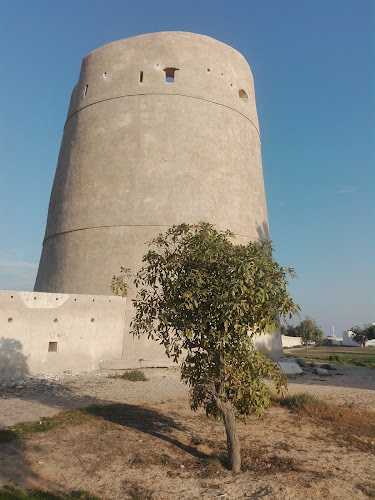
The fort itself is a beautiful example of traditional Emirati architecture, with earthy tones that blend seamlessly into the desert landscape. It’s not overly polished, and honestly, that’s part of its appeal. You can see the textures of the mudbrick walls, the weathering from the sun, and the simple yet clever design that kept people safe and cool in a harsh climate. It’s the kind of place that sparks curiosity – you’ll find yourself wondering how people lived here, how they built it without modern tools, and how it has stood the test of time.
What I personally love about Bin Helal Fort is that it feels approachable. Some historical sites can feel intimidating, like you’re walking into a museum where you have to whisper. But here, it’s different. You can bring kids along, let them explore the open courtyards, and watch as their imaginations take flight. It’s educational without being boring, and it gives you a deeper appreciation of the UAE’s heritage in a very hands-on way. Sure, it’s not the grandest fort you’ll ever see, but it has character – and that’s something you can’t fake.
Key Features
- Traditional mudbrick construction showcasing authentic Emirati architecture
- Compact size, making it easy to explore in under an hour
- Family-friendly environment, safe for children to wander
- Open courtyards that give a glimpse into community life of the past
- Quiet atmosphere, away from the crowds of larger tourist sites
- Photogenic walls and towers that glow beautifully at sunset
- Historical significance as a defensive stronghold in the Al Ain region
Best Time to Visit
If you’re planning a trip, timing makes all the difference. The cooler months between November and March are by far the most pleasant. The desert sun can be brutal in the summer, and while the fort itself is shaded in parts, you’ll enjoy it much more when you’re not sweating through your shirt. I’ve visited in January, and the weather was perfect – a light breeze, clear skies, and that golden desert light that makes everything look like a painting. Late afternoon is especially magical because the sun sets right behind the fort, casting long shadows and giving the walls a warm glow. It’s also a good time for photographers who want that soft, golden-hour light.
Weekdays are generally quieter, so if you prefer exploring without too many other visitors around, aim for a morning or late afternoon during the week. Weekends can see a bit more foot traffic, especially with families, but it never feels overcrowded. And if you’re traveling with kids, cooler weather means they’ll have more energy to run around and actually enjoy the place instead of complaining about the heat.
How to Get There
Reaching Bin Helal Fort is straightforward if you’re already in Al Ain. The city is well connected by road, and the fort sits in a part of town that’s easy to access by car. Driving is the most convenient option, especially if you’re coming from Abu Dhabi or Dubai. The roads are smooth, well-marked, and honestly, the drive itself can be part of the adventure – you’ll pass through stretches of desert, dotted with palm groves and the occasional camel if you’re lucky. Parking is usually not a hassle, which is a relief compared to some other attractions.
Public transport in Al Ain exists but can be a bit limited for reaching specific landmarks like this one. If you’re not driving yourself, a taxi or ride-hailing service is the way to go. They’re affordable and reliable, and drivers are generally familiar with major attractions. I once took a taxi there and ended up chatting with the driver, who shared stories about visiting the fort as a child – it added a whole new layer of appreciation for the place. So don’t be shy about striking up conversations along the way.
Tips for Visiting
A visit to Bin Helal Fort doesn’t require a ton of planning, but a few small things can make your experience smoother and more enjoyable. First, wear comfortable shoes. The ground can be uneven in spots, and you’ll want to wander without worrying about tripping. Second, bring water. Even in cooler months, the desert air can leave you parched faster than you expect. And if you’re visiting with kids, pack a few snacks too – nothing ruins a cultural outing faster than a hungry child.
Photography lovers will want to bring a camera or at least clear some space on their phone. The fort’s earthy textures and the way light plays on its surfaces are a dream for capturing unique shots. Just be mindful not to climb on restricted areas – it’s tempting, but preservation is key. If you’re into history, consider reading up a little about Al Ain’s forts before you go. Knowing the context makes the visit more meaningful, and you’ll find yourself noticing details you might have otherwise overlooked.
And here’s a little personal tip: give yourself time to just sit quietly inside the fort. Don’t rush through. Find a shady corner, take a seat, and let the atmosphere sink in. You’ll hear the wind, maybe a bird or two, and for a moment, you can imagine what life here must have felt like. It’s a grounding experience, and in a world where we’re always rushing from one thing to the next, that kind of pause is priceless.
Lastly, if you’re traveling with kids, turn the visit into a mini adventure. Ask them to imagine being guards on the towers or families living inside the walls. It’s amazing how their creativity can bring the place to life in ways adults sometimes miss. And who knows – you might even find yourself playing along.
Key Features
- Traditional mudbrick construction showcasing authentic Emirati architecture
- Compact size, making it easy to explore in under an hour
- Family-friendly environment, safe for children to wander
- Open courtyards that give a glimpse into community life of the past
- Quiet atmosphere, away from the crowds of larger tourist sites
- Photogenic walls and towers that glow beautifully at sunset
- Historical significance as a defensive stronghold in the Al Ain region
More Details
Updated September 23, 2025
Description
Bin Helal Fort in Al Ain is one of those places that quietly pulls you in with its charm. It doesn’t scream for attention like some of the bigger, more famous forts in the UAE, but that’s exactly what makes it worth the stop. This historic landmark is a snapshot of a time when forts were more than just walls and towers – they were lifelines for communities, a safe haven, and a symbol of strength. Walking through its gates, you can almost hear the echoes of daily life from centuries ago – guards keeping watch, families seeking shelter, and leaders making decisions that shaped the region’s history.
The fort itself is a beautiful example of traditional Emirati architecture, with earthy tones that blend seamlessly into the desert landscape. It’s not overly polished, and honestly, that’s part of its appeal. You can see the textures of the mudbrick walls, the weathering from the sun, and the simple yet clever design that kept people safe and cool in a harsh climate. It’s the kind of place that sparks curiosity – you’ll find yourself wondering how people lived here, how they built it without modern tools, and how it has stood the test of time.
What I personally love about Bin Helal Fort is that it feels approachable. Some historical sites can feel intimidating, like you’re walking into a museum where you have to whisper. But here, it’s different. You can bring kids along, let them explore the open courtyards, and watch as their imaginations take flight. It’s educational without being boring, and it gives you a deeper appreciation of the UAE’s heritage in a very hands-on way. Sure, it’s not the grandest fort you’ll ever see, but it has character – and that’s something you can’t fake.
Key Features
- Traditional mudbrick construction showcasing authentic Emirati architecture
- Compact size, making it easy to explore in under an hour
- Family-friendly environment, safe for children to wander
- Open courtyards that give a glimpse into community life of the past
- Quiet atmosphere, away from the crowds of larger tourist sites
- Photogenic walls and towers that glow beautifully at sunset
- Historical significance as a defensive stronghold in the Al Ain region
Best Time to Visit
If you’re planning a trip, timing makes all the difference. The cooler months between November and March are by far the most pleasant. The desert sun can be brutal in the summer, and while the fort itself is shaded in parts, you’ll enjoy it much more when you’re not sweating through your shirt. I’ve visited in January, and the weather was perfect – a light breeze, clear skies, and that golden desert light that makes everything look like a painting. Late afternoon is especially magical because the sun sets right behind the fort, casting long shadows and giving the walls a warm glow. It’s also a good time for photographers who want that soft, golden-hour light.
Weekdays are generally quieter, so if you prefer exploring without too many other visitors around, aim for a morning or late afternoon during the week. Weekends can see a bit more foot traffic, especially with families, but it never feels overcrowded. And if you’re traveling with kids, cooler weather means they’ll have more energy to run around and actually enjoy the place instead of complaining about the heat.
How to Get There
Reaching Bin Helal Fort is straightforward if you’re already in Al Ain. The city is well connected by road, and the fort sits in a part of town that’s easy to access by car. Driving is the most convenient option, especially if you’re coming from Abu Dhabi or Dubai. The roads are smooth, well-marked, and honestly, the drive itself can be part of the adventure – you’ll pass through stretches of desert, dotted with palm groves and the occasional camel if you’re lucky. Parking is usually not a hassle, which is a relief compared to some other attractions.
Public transport in Al Ain exists but can be a bit limited for reaching specific landmarks like this one. If you’re not driving yourself, a taxi or ride-hailing service is the way to go. They’re affordable and reliable, and drivers are generally familiar with major attractions. I once took a taxi there and ended up chatting with the driver, who shared stories about visiting the fort as a child – it added a whole new layer of appreciation for the place. So don’t be shy about striking up conversations along the way.
Tips for Visiting
A visit to Bin Helal Fort doesn’t require a ton of planning, but a few small things can make your experience smoother and more enjoyable. First, wear comfortable shoes. The ground can be uneven in spots, and you’ll want to wander without worrying about tripping. Second, bring water. Even in cooler months, the desert air can leave you parched faster than you expect. And if you’re visiting with kids, pack a few snacks too – nothing ruins a cultural outing faster than a hungry child.
Photography lovers will want to bring a camera or at least clear some space on their phone. The fort’s earthy textures and the way light plays on its surfaces are a dream for capturing unique shots. Just be mindful not to climb on restricted areas – it’s tempting, but preservation is key. If you’re into history, consider reading up a little about Al Ain’s forts before you go. Knowing the context makes the visit more meaningful, and you’ll find yourself noticing details you might have otherwise overlooked.
And here’s a little personal tip: give yourself time to just sit quietly inside the fort. Don’t rush through. Find a shady corner, take a seat, and let the atmosphere sink in. You’ll hear the wind, maybe a bird or two, and for a moment, you can imagine what life here must have felt like. It’s a grounding experience, and in a world where we’re always rushing from one thing to the next, that kind of pause is priceless.
Lastly, if you’re traveling with kids, turn the visit into a mini adventure. Ask them to imagine being guards on the towers or families living inside the walls. It’s amazing how their creativity can bring the place to life in ways adults sometimes miss. And who knows – you might even find yourself playing along.
Key Highlights
- Traditional mudbrick construction showcasing authentic Emirati architecture
- Compact size, making it easy to explore in under an hour
- Family-friendly environment, safe for children to wander
- Open courtyards that give a glimpse into community life of the past
- Quiet atmosphere, away from the crowds of larger tourist sites
- Photogenic walls and towers that glow beautifully at sunset
- Historical significance as a defensive stronghold in the Al Ain region
Location
Places to Stay Near Bin Helal Fort Al Ain Abu Dhabi
Find and Book a Tour
Explore More Travel Guides
No reviews found! Be the first to review!
Traveler Reviews for Bin Helal Fort Al Ain Abu Dhabi
There are no reviews yet. Be the first one to write one.
Have you visited Bin Helal Fort Al Ain Abu Dhabi? Help other travelers by sharing your review.
You Might Also Like

Al Ain Zoo

Jebel Hafeet Beehive Tombs
Umm Al Quwain Wall
Find Accommodations Nearby
Recommended Tours & Activities
Visitor Reviews
There are no reviews yet. Be the first one to write one.
Share Your Experience
Have you visited Bin Helal Fort Al Ain Abu Dhabi? Help other travelers by leaving a review.