
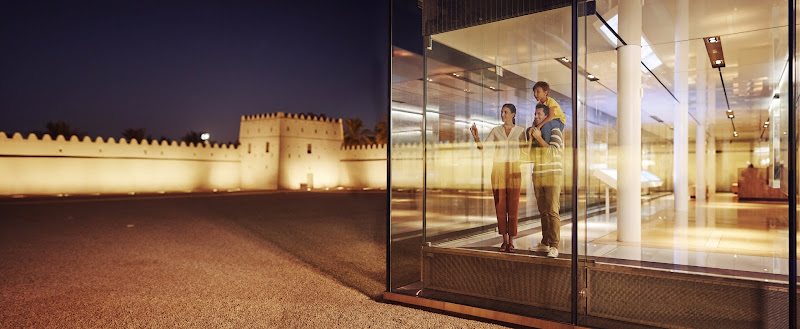
Qasr Al Muwaiji – قصر المويجعي
About Qasr Al Muwaiji – قصر المويجعي
Description
Qasr Al Muwaiji – قصر المويجعي – is one of those places that feels like more than just a stop on a sightseeing itinerary. It’s a fortress, a museum, and a royal palace all rolled into one, and it carries a weight of history that’s hard to ignore when you walk through its gates. This is where Sheikh Khalifa bin Zayed Al Nahyan, the late President of the UAE, was born, which alone makes it a site of deep national pride. But beyond the historical facts, there’s a certain calmness here, a feeling that you’re stepping into a chapter of Emirati life that still echoes through the walls.
The palace has been beautifully restored, blending traditional mud-brick architecture with modern exhibition spaces. Some visitors come purely for the history, while others are drawn to the way the fort grounds open up into courtyards that seem to invite quiet reflection. Sure, not everyone finds it jaw-dropping – some folks expect towering castles or endless galleries – but most leave with a sense of connection to the story of the UAE. And honestly, that’s the magic of Qasr Al Muwaiji: it’s not just about looking at old walls, it’s about understanding how those walls shaped the leaders and the people who lived here.
Key Features
- Birthplace of Sheikh Khalifa bin Zayed Al Nahyan, a pivotal figure in UAE history
- UNESCO World Heritage Site status as part of Al Ain’s historic oases
- Traditional mud-brick fortress architecture combined with modern preservation techniques
- Interactive museum exhibits that tell the story of the Al Nahyan family and Emirati heritage
- Guided tours available, offering deeper insights into the palace’s past
- Family-friendly with accessible facilities and space for children to explore
- Wheelchair accessible entrances, restrooms, and parking
- Onsite amenities including restrooms and the option for contactless payments
Best Time to Visit
If you’re planning a trip, the cooler months between November and March are by far the most comfortable. The desert sun can be relentless in summer, and while the museum interiors are air-conditioned, the outdoor courtyards and walkways are best enjoyed when the weather is kinder. I’ve been in both seasons, and trust me, wandering through the fort under a mild winter sun feels entirely different than darting for shade in July. Late afternoons are especially atmospheric – the light softens, and the mud-brick walls glow in shades of amber. It’s also a quieter time, perfect if you prefer to take your time without the bustle of larger crowds.
How to Get There
Reaching Qasr Al Muwaiji is straightforward if you’re already in Al Ain. Most visitors drive, and the roads are well-marked and easy to navigate. Parking is available nearby, and it’s not usually a hassle to find a spot. If you’re coming from Abu Dhabi or Dubai, expect a drive of about 1.5 to 2 hours depending on traffic. Personally, I recommend making it part of a day trip to Al Ain – the city has a slower pace and other gems like Al Jahili Fort and the Al Ain Oasis, so you can easily fill a day with history and culture. Public transport options are limited, so unless you’re up for a long bus ride, renting a car or hiring a driver is the best bet.
Tips for Visiting
First off, give yourself at least an hour here. It’s not a massive complex, but rushing through means you’ll miss the small details – the inscriptions, the way the exhibits connect the past to the present, and even the quiet corners where you can just pause. Wear comfortable shoes; you’ll be on your feet, and some of the pathways are uneven. And don’t forget water – even in cooler months, the desert climate can sneak up on you.
Photography is allowed, and the fort is incredibly photogenic. I’ve seen travelers spend ages trying to capture the perfect shot of the courtyard arches, and honestly, it’s worth it. But remember, this is a place of cultural significance, so be respectful, especially if there are local families visiting. If you’re traveling with kids, the open spaces are great for them to explore safely, and the exhibits are designed to be engaging without overwhelming.
Lastly, keep an open mind. Some visitors expect a grand palace dripping in gold, and that’s not what Qasr Al Muwaiji is about. It’s about authenticity, about understanding the roots of leadership in the UAE. If you approach it with curiosity rather than a checklist, you’ll walk away with a deeper appreciation of Emirati history – and maybe even a story or two to tell back home.
Key Features
- Birthplace of Sheikh Khalifa bin Zayed Al Nahyan, a pivotal figure in UAE history
- UNESCO World Heritage Site status as part of Al Ain’s historic oases
- Traditional mud-brick fortress architecture combined with modern preservation techniques
- Interactive museum exhibits that tell the story of the Al Nahyan family and Emirati heritage
- Guided tours available, offering deeper insights into the palace’s past
- Family-friendly with accessible facilities and space for children to explore
- Wheelchair accessible entrances, restrooms, and parking
- Onsite amenities including restrooms and the option for contactless payments
More Details
Updated September 23, 2025
Table of Contents
Description
Qasr Al Muwaiji – قصر المويجعي – is one of those places that feels like more than just a stop on a sightseeing itinerary. It’s a fortress, a museum, and a royal palace all rolled into one, and it carries a weight of history that’s hard to ignore when you walk through its gates. This is where Sheikh Khalifa bin Zayed Al Nahyan, the late President of the UAE, was born, which alone makes it a site of deep national pride. But beyond the historical facts, there’s a certain calmness here, a feeling that you’re stepping into a chapter of Emirati life that still echoes through the walls.
The palace has been beautifully restored, blending traditional mud-brick architecture with modern exhibition spaces. Some visitors come purely for the history, while others are drawn to the way the fort grounds open up into courtyards that seem to invite quiet reflection. Sure, not everyone finds it jaw-dropping – some folks expect towering castles or endless galleries – but most leave with a sense of connection to the story of the UAE. And honestly, that’s the magic of Qasr Al Muwaiji: it’s not just about looking at old walls, it’s about understanding how those walls shaped the leaders and the people who lived here.
Key Features
- Birthplace of Sheikh Khalifa bin Zayed Al Nahyan, a pivotal figure in UAE history
- UNESCO World Heritage Site status as part of Al Ain’s historic oases
- Traditional mud-brick fortress architecture combined with modern preservation techniques
- Interactive museum exhibits that tell the story of the Al Nahyan family and Emirati heritage
- Guided tours available, offering deeper insights into the palace’s past
- Family-friendly with accessible facilities and space for children to explore
- Wheelchair accessible entrances, restrooms, and parking
- Onsite amenities including restrooms and the option for contactless payments
Best Time to Visit
If you’re planning a trip, the cooler months between November and March are by far the most comfortable. The desert sun can be relentless in summer, and while the museum interiors are air-conditioned, the outdoor courtyards and walkways are best enjoyed when the weather is kinder. I’ve been in both seasons, and trust me, wandering through the fort under a mild winter sun feels entirely different than darting for shade in July. Late afternoons are especially atmospheric – the light softens, and the mud-brick walls glow in shades of amber. It’s also a quieter time, perfect if you prefer to take your time without the bustle of larger crowds.
How to Get There
Reaching Qasr Al Muwaiji is straightforward if you’re already in Al Ain. Most visitors drive, and the roads are well-marked and easy to navigate. Parking is available nearby, and it’s not usually a hassle to find a spot. If you’re coming from Abu Dhabi or Dubai, expect a drive of about 1.5 to 2 hours depending on traffic. Personally, I recommend making it part of a day trip to Al Ain – the city has a slower pace and other gems like Al Jahili Fort and the Al Ain Oasis, so you can easily fill a day with history and culture. Public transport options are limited, so unless you’re up for a long bus ride, renting a car or hiring a driver is the best bet.
Tips for Visiting
First off, give yourself at least an hour here. It’s not a massive complex, but rushing through means you’ll miss the small details – the inscriptions, the way the exhibits connect the past to the present, and even the quiet corners where you can just pause. Wear comfortable shoes; you’ll be on your feet, and some of the pathways are uneven. And don’t forget water – even in cooler months, the desert climate can sneak up on you.
Photography is allowed, and the fort is incredibly photogenic. I’ve seen travelers spend ages trying to capture the perfect shot of the courtyard arches, and honestly, it’s worth it. But remember, this is a place of cultural significance, so be respectful, especially if there are local families visiting. If you’re traveling with kids, the open spaces are great for them to explore safely, and the exhibits are designed to be engaging without overwhelming.
Lastly, keep an open mind. Some visitors expect a grand palace dripping in gold, and that’s not what Qasr Al Muwaiji is about. It’s about authenticity, about understanding the roots of leadership in the UAE. If you approach it with curiosity rather than a checklist, you’ll walk away with a deeper appreciation of Emirati history – and maybe even a story or two to tell back home.
Key Highlights
- Birthplace of Sheikh Khalifa bin Zayed Al Nahyan, a pivotal figure in UAE history
- UNESCO World Heritage Site status as part of Al Ain’s historic oases
- Traditional mud-brick fortress architecture combined with modern preservation techniques
- Interactive museum exhibits that tell the story of the Al Nahyan family and Emirati heritage
- Guided tours available, offering deeper insights into the palace’s past
- Family-friendly with accessible facilities and space for children to explore
- Wheelchair accessible entrances, restrooms, and parking
- Onsite amenities including restrooms and the option for contactless payments
Location
Places to Stay Near Qasr Al Muwaiji - قصر المويجعي
Find and Book a Tour
Explore More Travel Guides
No reviews found! Be the first to review!
Traveler Reviews for Qasr Al Muwaiji – قصر المويجعي
There are no reviews yet. Be the first one to write one.
Have you visited Qasr Al Muwaiji – قصر المويجعي? Help other travelers by sharing your review.
You Might Also Like
Dahir Sulphur pools
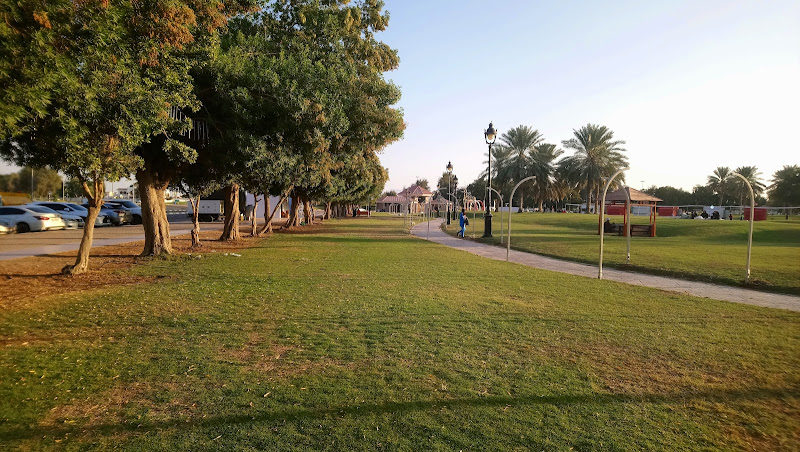
Towayya Park
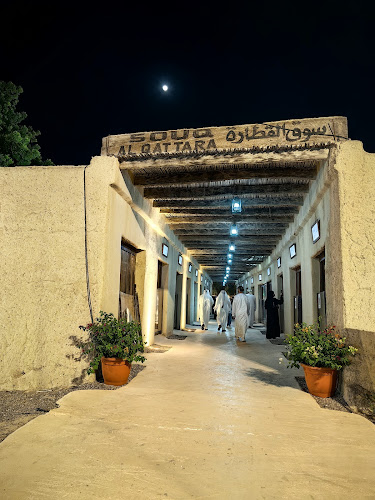
Souq Al Qattara
Find Accommodations Nearby
Recommended Tours & Activities
Visitor Reviews
There are no reviews yet. Be the first one to write one.
Share Your Experience
Have you visited Qasr Al Muwaiji – قصر المويجعي? Help other travelers by leaving a review.