

Al Ain Palace Museum
About Al Ain Palace Museum
Description
The Al Ain Palace Museum is one of those places that quietly sneaks up on you. At first glance, it looks like a simple sand-colored fortress with high walls and wooden doors, but once you step inside, you realize it’s a time capsule of the UAE’s past. Originally built in 1937, this palace was the residence of Sheikh Zayed bin Sultan Al Nahyan, the founding father of the United Arab Emirates, and his family. It wasn’t just a home though—it was also a place where important decisions were made, the kind that shaped the future of the entire country. Later, the estate was converted into a museum, carefully preserving its courtyards, rooms, and artifacts so visitors could experience a slice of history firsthand.
Walking through the palace feels surprisingly personal. You’ll find family rooms, sitting areas, and even everyday furniture that once belonged to the ruling family. It’s not overly polished or staged like some museums can be; instead, it feels authentic, like the family just stepped out for a moment. And that authenticity is probably why so many visitors walk away feeling impressed. Of course, not every corner is jaw-dropping—some people feel it’s a bit quiet or not as flashy as other attractions in Abu Dhabi—but that’s part of its charm. It’s simple, grounded, and deeply connected to the story of the UAE.
For me, the highlight is the courtyard. It’s open, airy, and framed by the traditional architecture that makes you stop and admire the craftsmanship. You can almost imagine children running across it decades ago, or guests arriving to meet Sheikh Zayed. It’s a place that makes you pause and reflect, especially if you’re into history or culture. And if you’re traveling with kids, the museum is calm enough that they won’t feel overwhelmed, but still interesting enough to keep them curious.
Key Features
- Historic residence of Sheikh Zayed bin Sultan Al Nahyan, built in 1937
- Converted into a museum in 1998 and opened to the public in 2001
- Traditional Emirati architecture with courtyards, wind towers, and mud-brick walls
- Authentic displays of furniture, family rooms, and personal belongings
- Exhibits on Emirati heritage, culture, and the ruling Al Nahyan family
- Wheelchair accessible entrance, parking, and restrooms
- Restrooms available on-site, though no restaurant facilities inside
- Family-friendly environment, good for kids and educational visits
Best Time to Visit
If you’re planning a trip, the cooler months between November and March are hands down the best time to go. The weather in Al Ain is much more pleasant then, which makes wandering through the courtyards and outdoor areas far more enjoyable. During summer, the heat can be intense, and while the museum itself provides shade and some relief, the overall experience feels more rushed because you’re just trying to escape the sun.
Weekdays tend to be quieter, so if you prefer a more peaceful visit where you can take your time in each room, aim for a morning or early afternoon slot during the week. Weekends can get busier with families and tour groups, which adds a bit of liveliness but also means sharing the space with more people. Personally, I love visiting just before sunset—the golden light falling on the mud walls makes the whole place glow, and it’s perfect for photos.
How to Get There
Reaching the Al Ain Palace Museum is straightforward if you’re already in Al Ain. It’s located near the Al Ain Oasis, which is another popular attraction, so you can easily combine both in a single day. If you’re coming from Abu Dhabi city, expect a drive of about 90 minutes. From Dubai, it’s closer to two hours, depending on traffic. Driving is the most convenient option because public transport connections aren’t as direct, and taxis can get pricey over long distances.
That said, once you’re in Al Ain, taxis are readily available and affordable for short trips. Parking near the museum is accessible and free, which makes driving a stress-free choice. If you’re the kind of traveler who likes to plan everything down to the minute, you could even book a guided tour that includes transport, but honestly, I think driving gives you more freedom to explore the city at your own pace.
Tips for Visiting
Here’s where the little details make a big difference. First off, dress modestly—it’s a cultural site, and while nobody’s going to scold you for wearing shorts, you’ll feel more comfortable if you respect local customs. Lightweight, breathable clothing is your best bet, especially if you’re visiting in the warmer months.
Bring a bottle of water with you. The museum itself doesn’t have restaurants or cafés inside, so staying hydrated is on you. You’ll find restrooms available, which is handy, but don’t expect food options on-site. If you’re traveling with kids, plan a snack break before or after your visit.
Photography is allowed, and you’ll definitely want to capture the intricate wooden doors, the courtyards, and the traditional décor. But I’d also say, put the camera down for a bit and just soak in the atmosphere. There’s something calming about the place that’s easy to miss if you’re only focused on snapping photos.
One last tip: give yourself at least an hour, maybe two, to wander. It’s not a massive museum, but rushing through doesn’t do it justice. Take your time to read the displays, peek into the family rooms, and imagine what life here must have been like decades ago. And if you’re a history buff like me, you’ll probably want even longer.
Key Features
- Historic residence of Sheikh Zayed bin Sultan Al Nahyan, built in 1937
- Converted into a museum in 1998 and opened to the public in 2001
- Traditional Emirati architecture with courtyards, wind towers, and mud-brick walls
- Authentic displays of furniture, family rooms, and personal belongings
- Exhibits on Emirati heritage, culture, and the ruling Al Nahyan family
- Wheelchair accessible entrance, parking, and restrooms
- Restrooms available on-site, though no restaurant facilities inside
- Family-friendly environment, good for kids and educational visits
More Details
Updated September 23, 2025
Table of Contents
Description
The Al Ain Palace Museum is one of those places that quietly sneaks up on you. At first glance, it looks like a simple sand-colored fortress with high walls and wooden doors, but once you step inside, you realize it’s a time capsule of the UAE’s past. Originally built in 1937, this palace was the residence of Sheikh Zayed bin Sultan Al Nahyan, the founding father of the United Arab Emirates, and his family. It wasn’t just a home though—it was also a place where important decisions were made, the kind that shaped the future of the entire country. Later, the estate was converted into a museum, carefully preserving its courtyards, rooms, and artifacts so visitors could experience a slice of history firsthand.
Walking through the palace feels surprisingly personal. You’ll find family rooms, sitting areas, and even everyday furniture that once belonged to the ruling family. It’s not overly polished or staged like some museums can be; instead, it feels authentic, like the family just stepped out for a moment. And that authenticity is probably why so many visitors walk away feeling impressed. Of course, not every corner is jaw-dropping—some people feel it’s a bit quiet or not as flashy as other attractions in Abu Dhabi—but that’s part of its charm. It’s simple, grounded, and deeply connected to the story of the UAE.
For me, the highlight is the courtyard. It’s open, airy, and framed by the traditional architecture that makes you stop and admire the craftsmanship. You can almost imagine children running across it decades ago, or guests arriving to meet Sheikh Zayed. It’s a place that makes you pause and reflect, especially if you’re into history or culture. And if you’re traveling with kids, the museum is calm enough that they won’t feel overwhelmed, but still interesting enough to keep them curious.
Key Features
- Historic residence of Sheikh Zayed bin Sultan Al Nahyan, built in 1937
- Converted into a museum in 1998 and opened to the public in 2001
- Traditional Emirati architecture with courtyards, wind towers, and mud-brick walls
- Authentic displays of furniture, family rooms, and personal belongings
- Exhibits on Emirati heritage, culture, and the ruling Al Nahyan family
- Wheelchair accessible entrance, parking, and restrooms
- Restrooms available on-site, though no restaurant facilities inside
- Family-friendly environment, good for kids and educational visits
Best Time to Visit
If you’re planning a trip, the cooler months between November and March are hands down the best time to go. The weather in Al Ain is much more pleasant then, which makes wandering through the courtyards and outdoor areas far more enjoyable. During summer, the heat can be intense, and while the museum itself provides shade and some relief, the overall experience feels more rushed because you’re just trying to escape the sun.
Weekdays tend to be quieter, so if you prefer a more peaceful visit where you can take your time in each room, aim for a morning or early afternoon slot during the week. Weekends can get busier with families and tour groups, which adds a bit of liveliness but also means sharing the space with more people. Personally, I love visiting just before sunset—the golden light falling on the mud walls makes the whole place glow, and it’s perfect for photos.
How to Get There
Reaching the Al Ain Palace Museum is straightforward if you’re already in Al Ain. It’s located near the Al Ain Oasis, which is another popular attraction, so you can easily combine both in a single day. If you’re coming from Abu Dhabi city, expect a drive of about 90 minutes. From Dubai, it’s closer to two hours, depending on traffic. Driving is the most convenient option because public transport connections aren’t as direct, and taxis can get pricey over long distances.
That said, once you’re in Al Ain, taxis are readily available and affordable for short trips. Parking near the museum is accessible and free, which makes driving a stress-free choice. If you’re the kind of traveler who likes to plan everything down to the minute, you could even book a guided tour that includes transport, but honestly, I think driving gives you more freedom to explore the city at your own pace.
Tips for Visiting
Here’s where the little details make a big difference. First off, dress modestly—it’s a cultural site, and while nobody’s going to scold you for wearing shorts, you’ll feel more comfortable if you respect local customs. Lightweight, breathable clothing is your best bet, especially if you’re visiting in the warmer months.
Bring a bottle of water with you. The museum itself doesn’t have restaurants or cafés inside, so staying hydrated is on you. You’ll find restrooms available, which is handy, but don’t expect food options on-site. If you’re traveling with kids, plan a snack break before or after your visit.
Photography is allowed, and you’ll definitely want to capture the intricate wooden doors, the courtyards, and the traditional décor. But I’d also say, put the camera down for a bit and just soak in the atmosphere. There’s something calming about the place that’s easy to miss if you’re only focused on snapping photos.
One last tip: give yourself at least an hour, maybe two, to wander. It’s not a massive museum, but rushing through doesn’t do it justice. Take your time to read the displays, peek into the family rooms, and imagine what life here must have been like decades ago. And if you’re a history buff like me, you’ll probably want even longer.
Key Highlights
- Historic residence of Sheikh Zayed bin Sultan Al Nahyan, built in 1937
- Converted into a museum in 1998 and opened to the public in 2001
- Traditional Emirati architecture with courtyards, wind towers, and mud-brick walls
- Authentic displays of furniture, family rooms, and personal belongings
- Exhibits on Emirati heritage, culture, and the ruling Al Nahyan family
- Wheelchair accessible entrance, parking, and restrooms
- Restrooms available on-site, though no restaurant facilities inside
- Family-friendly environment, good for kids and educational visits
Location
Places to Stay Near Al Ain Palace Museum
Find and Book a Tour
Explore More Travel Guides
No reviews found! Be the first to review!
Traveler Reviews for Al Ain Palace Museum
There are no reviews yet. Be the first one to write one.
Have you visited Al Ain Palace Museum? Help other travelers by sharing your review.
You Might Also Like
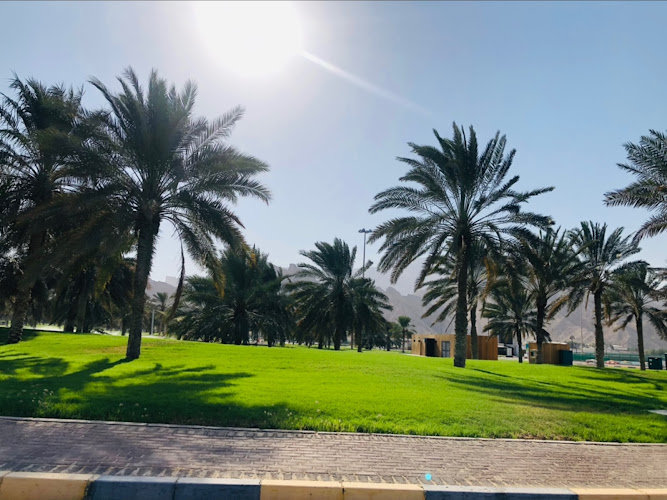
Green Mubazzarah - Public Park

Bin Helal Fort Al Ain Abu Dhabi

Wadi Sena
Find Accommodations Nearby
Recommended Tours & Activities
Visitor Reviews
There are no reviews yet. Be the first one to write one.
Share Your Experience
Have you visited Al Ain Palace Museum? Help other travelers by leaving a review.