
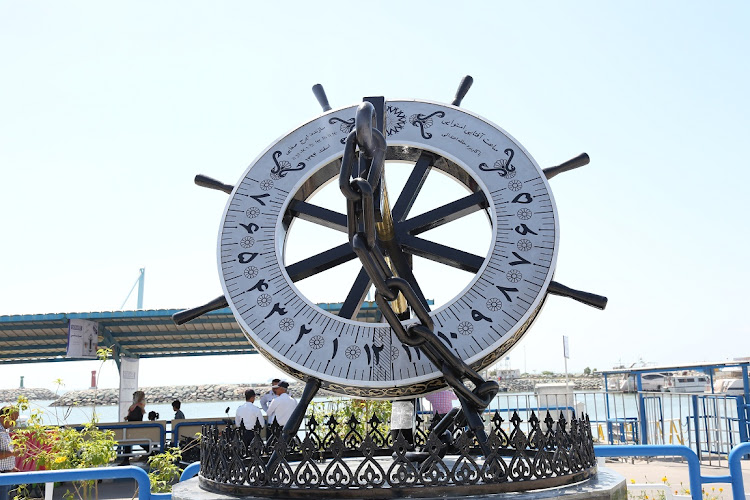
Bandarabbas Sundial
About Bandarabbas Sundial
Description
The Bandarabbas Sundial stands as one of those curious monuments that travelers often stumble upon quite by accident, and honestly, that's part of its charm. Located in the southern Iranian port city of Bandar Abbas, this astronomical instrument represents both the scientific heritage of the region and the practical ingenuity of ancient Persian timekeepers. I've always found sundials fascinating – there's something almost meditative about watching time measured by nothing more than the sun's shadow creeping across stone. This particular sundial isn't just some small garden ornament you'd find at a hardware store back home. The structure demonstrates the sophisticated understanding of celestial mechanics that Persian astronomers developed over centuries. When you stand before it, you're essentially looking at an outdoor clock that's been telling time for generations without batteries, without maintenance crews, without any of the modern conveniences we take for granted. The sundial serves as a reminder that Bandar Abbas has always been a city where science and commerce intersected. Sailors needed accurate timekeeping for navigation, merchants required it for scheduling their deals, and the daily rhythms of prayer called Muslims to worship at specific times. And this instrument answered all those needs simultaneously. The craftsmanship reflects the attention to detail that characterized Persian architecture – every angle calculated, every measurement precise. Most tourists rushing through Bandar Abbas on their way to Hormuz Island or other coastal attractions overlook this gem entirely. But for those who appreciate the quieter historical sites, the ones that don't scream for attention but whisper their stories to patient listeners, the Bandarabbas Sundial offers a contemplative break from the typical tourist circuit.Key Features
The Bandarabbas Sundial presents several noteworthy characteristics that make it worth seeking out during your visit:- Historical Timekeeping Device: Functions as an authentic astronomical instrument that demonstrates ancient Persian understanding of solar movement and time measurement techniques that predate modern clockwork by centuries
- Architectural Design: Features traditional Persian construction methods with carefully calibrated angles and positioning that account for Bandar Abbas's specific latitude and longitude coordinates
- Educational Value: Provides visitors with hands-on understanding of how pre-industrial societies organized their days and coordinated activities without electronic devices or mechanical timepieces
- Photographic Opportunities: Offers unique visual compositions especially during golden hour when the gnomon casts dramatic shadows across the dial face creating striking geometric patterns
- Cultural Significance: Represents the practical application of Islamic Golden Age astronomy and mathematics in everyday Persian life
- Accessible Location: Situated in an area that allows visitors to combine their visit with exploration of surrounding Bandar Abbas attractions without extensive travel
- Free Admission: Provides budget-conscious travelers with a no-cost cultural experience that doesn't compromise on educational or historical value
- Well-Maintained Condition: Despite its age and the harsh coastal climate, the sundial remains in functional condition allowing visitors to actually use it for its intended purpose
Best Time to Visit
Here's where things get a bit ironic – visiting a sundial actually requires some timing considerations of your own. The best time to visit the Bandarabbas Sundial really depends on what you're hoping to experience and, let's be honest, how much heat you can tolerate. From a purely practical standpoint, the cooler months between November and March offer the most comfortable conditions for outdoor exploration in Bandar Abbas. Summer temperatures in this coastal city can climb well above 40°C (104°F), and standing in direct sunlight while examining a sun-measuring device becomes less educational and more an exercise in endurance. I learned this lesson the hard way during a similar trip to southern Iran – there's enthusiastic travel and then there's heat stroke, and the line between them gets pretty thin under the Persian Gulf sun. But here's the thing about visiting a sundial – you actually want some sunshine. Overcast days (rare as they are in this region) render the instrument pretty much useless for demonstration purposes. The magic happens when clear skies allow the gnomon to cast sharp, defined shadows across the dial face. Early morning or late afternoon visits provide the added benefit of longer shadows that make the timekeeping mechanism easier to observe and photograph. If you're visiting during the shoulder seasons of April or October, you'll catch a sweet spot where temperatures remain manageable while tourist crowds stay relatively thin. Bandar Abbas doesn't exactly swarm with international visitors even during peak season, but you'll appreciate having the sundial area more to yourself for contemplation and photography. Time of day matters too. Midday visits show the sundial at its most functional – the sun sits high, the shadows fall precisely, and you can actually verify the accuracy against your smartphone clock (which feels delightfully anachronistic). However, the harsh overhead light creates challenging photography conditions. Golden hour visits sacrifice some functional clarity but reward you with gorgeous lighting that makes your photos pop. Avoid visiting on Fridays if you prefer quieter experiences, as this is the main day off for local families who might be using nearby public spaces. Then again, observing how locals interact with their historical monuments can add cultural dimension to your visit.How to Get There
Getting to the Bandarabbas Sundial requires navigating the city itself, which presents both challenges and opportunities depending on your comfort level with Iranian urban exploration. Bandar Abbas functions as a major port and administrative center, so it's better connected than you might expect for a city that doesn't typically top tourist destination lists. Most international visitors arrive at Bandar Abbas International Airport, which receives domestic flights from Tehran, Shiraz, Isfahan, and other major Iranian cities. Some regional flights connect from Dubai and other Gulf cities, though schedules change frequently so checking current routes makes sense. From the airport, the sundial sits about 15 kilometers away depending on exact location – a taxi ride that should take 20-30 minutes under normal traffic conditions. Taxis remain the most straightforward option for foreign visitors. The ride-hailing app Snapp operates in Bandar Abbas and works similarly to Uber, though you'll need an Iranian SIM card and some Persian language skills (or a helpful hotel receptionist) to set it up. Traditional taxis work fine too, but agree on the fare before departing or insist on using the meter. Having your destination written in Persian script helps tremendously since many drivers speak limited English. If you're already staying in central Bandar Abbas, the sundial might be within walking distance depending on your hotel location. But be realistic about walking in this climate – what looks like a pleasant 2-kilometer stroll on Google Maps becomes considerably less appealing when you're actually doing it in 35°C heat with no shade. Some travelers arrive in Bandar Abbas by bus from other Iranian cities. The main bus terminal connects to most major destinations, and from there you'd need a taxi to reach the sundial. The bus journey from Shiraz takes about 10 hours overnight – not exactly comfortable but certainly economical and giving you a genuine slice of Iranian travel life. For the adventurous, renting a car in Iran is possible with an international driving permit, though traffic patterns in Iranian cities take some adjustment. The advantage is freedom to explore the surrounding region at your own pace. The disadvantage is navigating without reliable GPS in English (though this has improved in recent years).Tips for Visiting
Visiting the Bandarabbas Sundial successfully requires a bit more preparation than just showing up. Let me share some practical wisdom that'll make your experience smoother and more rewarding. First off, bring water. This seems obvious, but dehydration sneaks up on you in this climate faster than you'd expect. There might not be vendors immediately nearby, so come prepared with more than you think you'll need. And wear a hat – protecting yourself from the very sun you're there to observe makes the irony more bearable. The sundial functions as an outdoor monument without entrance fees, admission tickets, or set visiting hours. This means you've got flexibility, but it also means you won't find tour guides, information plaques in English, or visitor facilities. Download some background information before arriving or bring a guidebook that explains sundial mechanics. Understanding how the instrument actually works transforms the experience from "looking at old stuff" to genuinely appreciating human ingenuity. Photography works best without the clutter of modern life in your frame. Scout your angles to minimize traffic, power lines, or other anachronistic elements. The shadows change constantly, so if you're serious about capturing great images, plan to spend 30-45 minutes experimenting with different perspectives as the sun shifts. Dress modestly, especially for women travelers. Iran maintains conservative dress codes, and while Bandar Abbas shows somewhat more relaxed attitudes than cities like Qom or Mashhad, respecting local customs remains essential. Women should wear headscarves and loose clothing covering arms and legs. Men should avoid shorts and sleeveless shirts. Beyond legal requirements, modest dress shows respect and helps you blend in rather than standing out. Learn a few Persian phrases before visiting. "Salam" (hello), "Mersi" (thank you), and "Bebakhshid" (excuse me) go surprisingly far. Locals appreciate even minimal efforts to communicate in their language, and you'll likely encounter curious Iranians who want to chat and share their city's history. These spontaneous conversations often become trip highlights. Combine your sundial visit with other Bandar Abbas attractions to maximize your time. The city offers the Hindu Temple, Portuguese Castle remnants, and the waterfront corniche within relatively close proximity. Planning a logical route prevents wasting time and money on multiple taxi trips across the city. Check current political and travel situations before visiting. Iran's relationship with various countries shifts, and travel advisories change. Ensure you have proper visas, travel insurance that covers Iran, and contact information for your embassy. This isn't meant to scare you – Iran generally treats tourists very well – but responsible travel planning matters. Bring cash in Iranian Rials. International credit cards don't work in Iran due to sanctions, and ATMs won't accept foreign cards. Exchange money at official exchange offices rather than airports for better rates, and carry smaller denominations for taxis and minor purchases. Finally, adjust your expectations. The Bandarabbas Sundial won't compete with Persepolis or Isfahan's Naqsh-e Jahan Square for wow factor. But that's not the point. This monument rewards the curious traveler who appreciates subtlety, scientific history, and the quiet satisfaction of discovering something most tourists miss entirely. Approach it with that mindset, and you'll leave with exactly the experience you came seeking.Key Features
- Large outdoor gnomon and inscribed hour dial visible from the promenade
- Seaside location with views toward the Strait of Hormuz
- Accessible public installation — easy to visit without entry fees
- Popular local photo spot at sunrise and late afternoon
- Nearby benches and pathways encouraging lingering and observation
More Details
Updated March 30, 2026
Table of Contents
Description
The Bandarabbas Sundial stands as one of those curious monuments that travelers often stumble upon quite by accident, and honestly, that’s part of its charm. Located in the southern Iranian port city of Bandar Abbas, this astronomical instrument represents both the scientific heritage of the region and the practical ingenuity of ancient Persian timekeepers. I’ve always found sundials fascinating – there’s something almost meditative about watching time measured by nothing more than the sun’s shadow creeping across stone.
This particular sundial isn’t just some small garden ornament you’d find at a hardware store back home. The structure demonstrates the sophisticated understanding of celestial mechanics that Persian astronomers developed over centuries. When you stand before it, you’re essentially looking at an outdoor clock that’s been telling time for generations without batteries, without maintenance crews, without any of the modern conveniences we take for granted.
The sundial serves as a reminder that Bandar Abbas has always been a city where science and commerce intersected. Sailors needed accurate timekeeping for navigation, merchants required it for scheduling their deals, and the daily rhythms of prayer called Muslims to worship at specific times. And this instrument answered all those needs simultaneously. The craftsmanship reflects the attention to detail that characterized Persian architecture – every angle calculated, every measurement precise.
Most tourists rushing through Bandar Abbas on their way to Hormuz Island or other coastal attractions overlook this gem entirely. But for those who appreciate the quieter historical sites, the ones that don’t scream for attention but whisper their stories to patient listeners, the Bandarabbas Sundial offers a contemplative break from the typical tourist circuit.
Key Features
The Bandarabbas Sundial presents several noteworthy characteristics that make it worth seeking out during your visit:
- Historical Timekeeping Device: Functions as an authentic astronomical instrument that demonstrates ancient Persian understanding of solar movement and time measurement techniques that predate modern clockwork by centuries
- Architectural Design: Features traditional Persian construction methods with carefully calibrated angles and positioning that account for Bandar Abbas’s specific latitude and longitude coordinates
- Educational Value: Provides visitors with hands-on understanding of how pre-industrial societies organized their days and coordinated activities without electronic devices or mechanical timepieces
- Photographic Opportunities: Offers unique visual compositions especially during golden hour when the gnomon casts dramatic shadows across the dial face creating striking geometric patterns
- Cultural Significance: Represents the practical application of Islamic Golden Age astronomy and mathematics in everyday Persian life
- Accessible Location: Situated in an area that allows visitors to combine their visit with exploration of surrounding Bandar Abbas attractions without extensive travel
- Free Admission: Provides budget-conscious travelers with a no-cost cultural experience that doesn’t compromise on educational or historical value
- Well-Maintained Condition: Despite its age and the harsh coastal climate, the sundial remains in functional condition allowing visitors to actually use it for its intended purpose
Best Time to Visit
Here’s where things get a bit ironic – visiting a sundial actually requires some timing considerations of your own. The best time to visit the Bandarabbas Sundial really depends on what you’re hoping to experience and, let’s be honest, how much heat you can tolerate.
From a purely practical standpoint, the cooler months between November and March offer the most comfortable conditions for outdoor exploration in Bandar Abbas. Summer temperatures in this coastal city can climb well above 40°C (104°F), and standing in direct sunlight while examining a sun-measuring device becomes less educational and more an exercise in endurance. I learned this lesson the hard way during a similar trip to southern Iran – there’s enthusiastic travel and then there’s heat stroke, and the line between them gets pretty thin under the Persian Gulf sun.
But here’s the thing about visiting a sundial – you actually want some sunshine. Overcast days (rare as they are in this region) render the instrument pretty much useless for demonstration purposes. The magic happens when clear skies allow the gnomon to cast sharp, defined shadows across the dial face. Early morning or late afternoon visits provide the added benefit of longer shadows that make the timekeeping mechanism easier to observe and photograph.
If you’re visiting during the shoulder seasons of April or October, you’ll catch a sweet spot where temperatures remain manageable while tourist crowds stay relatively thin. Bandar Abbas doesn’t exactly swarm with international visitors even during peak season, but you’ll appreciate having the sundial area more to yourself for contemplation and photography.
Time of day matters too. Midday visits show the sundial at its most functional – the sun sits high, the shadows fall precisely, and you can actually verify the accuracy against your smartphone clock (which feels delightfully anachronistic). However, the harsh overhead light creates challenging photography conditions. Golden hour visits sacrifice some functional clarity but reward you with gorgeous lighting that makes your photos pop.
Avoid visiting on Fridays if you prefer quieter experiences, as this is the main day off for local families who might be using nearby public spaces. Then again, observing how locals interact with their historical monuments can add cultural dimension to your visit.
How to Get There
Getting to the Bandarabbas Sundial requires navigating the city itself, which presents both challenges and opportunities depending on your comfort level with Iranian urban exploration. Bandar Abbas functions as a major port and administrative center, so it’s better connected than you might expect for a city that doesn’t typically top tourist destination lists.
Most international visitors arrive at Bandar Abbas International Airport, which receives domestic flights from Tehran, Shiraz, Isfahan, and other major Iranian cities. Some regional flights connect from Dubai and other Gulf cities, though schedules change frequently so checking current routes makes sense. From the airport, the sundial sits about 15 kilometers away depending on exact location – a taxi ride that should take 20-30 minutes under normal traffic conditions.
Taxis remain the most straightforward option for foreign visitors. The ride-hailing app Snapp operates in Bandar Abbas and works similarly to Uber, though you’ll need an Iranian SIM card and some Persian language skills (or a helpful hotel receptionist) to set it up. Traditional taxis work fine too, but agree on the fare before departing or insist on using the meter. Having your destination written in Persian script helps tremendously since many drivers speak limited English.
If you’re already staying in central Bandar Abbas, the sundial might be within walking distance depending on your hotel location. But be realistic about walking in this climate – what looks like a pleasant 2-kilometer stroll on Google Maps becomes considerably less appealing when you’re actually doing it in 35°C heat with no shade.
Some travelers arrive in Bandar Abbas by bus from other Iranian cities. The main bus terminal connects to most major destinations, and from there you’d need a taxi to reach the sundial. The bus journey from Shiraz takes about 10 hours overnight – not exactly comfortable but certainly economical and giving you a genuine slice of Iranian travel life.
For the adventurous, renting a car in Iran is possible with an international driving permit, though traffic patterns in Iranian cities take some adjustment. The advantage is freedom to explore the surrounding region at your own pace. The disadvantage is navigating without reliable GPS in English (though this has improved in recent years).
Tips for Visiting
Visiting the Bandarabbas Sundial successfully requires a bit more preparation than just showing up. Let me share some practical wisdom that’ll make your experience smoother and more rewarding.
First off, bring water. This seems obvious, but dehydration sneaks up on you in this climate faster than you’d expect. There might not be vendors immediately nearby, so come prepared with more than you think you’ll need. And wear a hat – protecting yourself from the very sun you’re there to observe makes the irony more bearable.
The sundial functions as an outdoor monument without entrance fees, admission tickets, or set visiting hours. This means you’ve got flexibility, but it also means you won’t find tour guides, information plaques in English, or visitor facilities. Download some background information before arriving or bring a guidebook that explains sundial mechanics. Understanding how the instrument actually works transforms the experience from “looking at old stuff” to genuinely appreciating human ingenuity.
Photography works best without the clutter of modern life in your frame. Scout your angles to minimize traffic, power lines, or other anachronistic elements. The shadows change constantly, so if you’re serious about capturing great images, plan to spend 30-45 minutes experimenting with different perspectives as the sun shifts.
Dress modestly, especially for women travelers. Iran maintains conservative dress codes, and while Bandar Abbas shows somewhat more relaxed attitudes than cities like Qom or Mashhad, respecting local customs remains essential. Women should wear headscarves and loose clothing covering arms and legs. Men should avoid shorts and sleeveless shirts. Beyond legal requirements, modest dress shows respect and helps you blend in rather than standing out.
Learn a few Persian phrases before visiting. “Salam” (hello), “Mersi” (thank you), and “Bebakhshid” (excuse me) go surprisingly far. Locals appreciate even minimal efforts to communicate in their language, and you’ll likely encounter curious Iranians who want to chat and share their city’s history. These spontaneous conversations often become trip highlights.
Combine your sundial visit with other Bandar Abbas attractions to maximize your time. The city offers the Hindu Temple, Portuguese Castle remnants, and the waterfront corniche within relatively close proximity. Planning a logical route prevents wasting time and money on multiple taxi trips across the city.
Check current political and travel situations before visiting. Iran’s relationship with various countries shifts, and travel advisories change. Ensure you have proper visas, travel insurance that covers Iran, and contact information for your embassy. This isn’t meant to scare you – Iran generally treats tourists very well – but responsible travel planning matters.
Bring cash in Iranian Rials. International credit cards don’t work in Iran due to sanctions, and ATMs won’t accept foreign cards. Exchange money at official exchange offices rather than airports for better rates, and carry smaller denominations for taxis and minor purchases.
Finally, adjust your expectations. The Bandarabbas Sundial won’t compete with Persepolis or Isfahan’s Naqsh-e Jahan Square for wow factor. But that’s not the point. This monument rewards the curious traveler who appreciates subtlety, scientific history, and the quiet satisfaction of discovering something most tourists miss entirely. Approach it with that mindset, and you’ll leave with exactly the experience you came seeking.
Key Highlights
- Large outdoor gnomon and inscribed hour dial visible from the promenade
- Seaside location with views toward the Strait of Hormuz
- Accessible public installation — easy to visit without entry fees
- Popular local photo spot at sunrise and late afternoon
- Nearby benches and pathways encouraging lingering and observation
Location
Places to Stay Near Bandarabbas Sundial
Find and Book a Tour
Explore More Travel Guides
No reviews found! Be the first to review!
Bandarabbas Sundial is a prominent attractions located in Bandar Abbas.
Visit us at: 57FJ+H62, Bandar Abbas, Hormozgan Province, Iran.
Traveler Reviews for Bandarabbas Sundial
There are no reviews yet. Be the first one to write one.
Have you visited Bandarabbas Sundial? Help other travelers by sharing your review.
Nearby Attractions
You Might Also Like
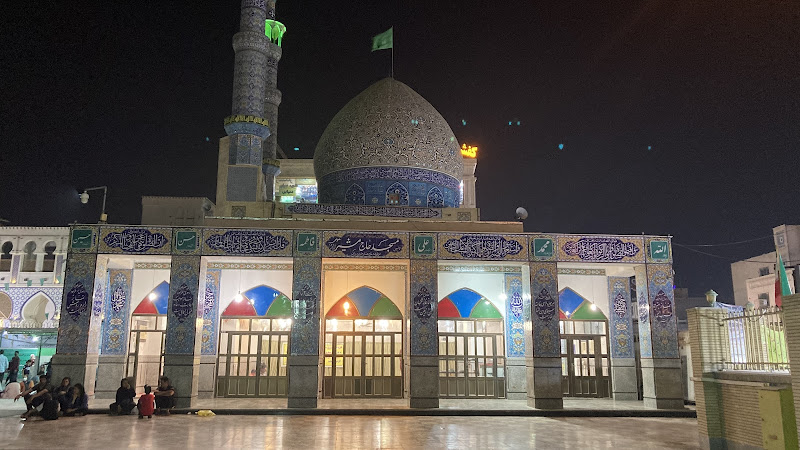
(Imam Mosque) Haj Moshir Mosque

Galedary Historical Public Bath
RRT
Find Accommodations Nearby
Recommended Tours & Activities
Visitor Reviews
There are no reviews yet. Be the first one to write one.
Share Your Experience
Have you visited Bandarabbas Sundial? Help other travelers by leaving a review.