About Bandar Abbās, Hormozgan , Iran

Description

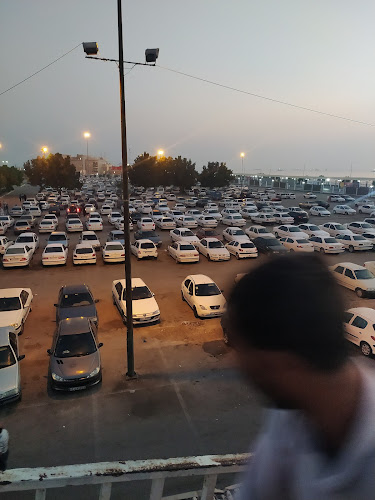
Bandar Abbās stands as one of southern Iran's most intriguing port cities, positioned right where the Persian Gulf meets the Strait of Hormuz. Now, I'll be honest with you – this isn't your typical tourist destination that appears on everyone's Instagram feed, and that's exactly what makes it fascinating. The city operates as the capital of Hormozgan Province, and it's got this authentic, working-port atmosphere that you just don't find in more polished tourist spots. When I first learned about Bandar Abbās, I was struck by how it manages to balance its role as a major commercial hub with some genuinely compelling attractions for travelers who are willing to step off the beaten path. The city sits at a crossroads of cultures, influenced by Persian, Arab, and even African traditions due to its long history as a trading port. You'll notice this immediately in the local architecture, the food, and especially in the faces of the people you meet. The climate here is hot – and I mean really hot during summer months – but that subtropical weather has shaped everything from the local lifestyle to the distinctive wind towers (badgirs) that dot the cityscape. These architectural features aren't just for show; they're ingenious cooling systems that have been keeping buildings comfortable for centuries. Walking through certain neighborhoods, you'll spot these towers rising above traditional houses, and they tell you immediately that you're somewhere with deep historical roots. What sets Bandar Abbās apart from other Iranian cities is its maritime character. The port isn't just an industrial zone tucked away somewhere – it's integral to the city's identity. The smell of salt water, the constant movement of ships, and the diverse population of traders and sailors create an atmosphere that feels worlds away from Iran's interior cities. And honestly, that's the appeal. This is real, working Iran, not a museum piece preserved for tourists.

Key Features

The features that make Bandar Abbās worth your travel time include several aspects that travelers often overlook when planning their Iran itinerary: • The Persian Gulf coastline provides opportunities for beach activities and water-based excursions that you won't find in landlocked Iranian cities • Hindu Temple of Bandar Abbas, a reminder of the city's historical connections with Indian merchants and one of the few Hindu temples remaining in Iran • Traditional bazaars where local commerce still happens the old-fashioned way, with vendors selling everything from spices to textiles imported from across the Gulf • Proximity to Qeshm Island and Hormuz Island, both offering unique geological formations and cultural experiences just a ferry ride away • The city's museum showcasing maritime history and the region's anthropological diversity • Local seafood cuisine that reflects the city's coastal location, featuring dishes you simply cannot find in Tehran or other major Iranian cities • Wind towers and traditional Gulf-style architecture scattered throughout older neighborhoods • The fish market, where daily catches arrive fresh and the atmosphere buzzes with activity from early morning • Salt caves and natural attractions in the surrounding Hormozgan region • Cultural diversity including Arab, Baluchi, and Persian communities living alongside each other

Best Time to Visit

Let me be straight with you about timing – choosing when to visit Bandar Abbās can make or break your experience. The city experiences extreme heat during summer months, with temperatures regularly soaring above 40°C (104°F) and humidity levels that'll have you sweating through your clothes within minutes of stepping outside. I've heard stories from travelers who visited in July or August and spent most of their time hiding in air-conditioned spaces, which kind of defeats the purpose of traveling. Your best bet is visiting between November and March when temperatures become actually tolerable, ranging from about 15°C to 28°C (59°F to 82°F). During these months, you can actually explore the city on foot without feeling like you're melting. The winter months are particularly pleasant, though "winter" here means something very different than it does in most of Iran – you can still wear shorts and t-shirts comfortably. December through February represents the peak period for visitors, and for good reason. The weather during these months feels almost perfect for sightseeing, with mild temperatures and lower humidity. You'll find more tourists around (though still nowhere near the crowds of places like Isfahan), and local tourism infrastructure operates at full capacity. But here's something interesting – if you can handle slightly warmer temperatures, visiting in November or March gives you great weather with even fewer tourists. The shoulder seasons offer this sweet spot where everything's open and accessible, but you're not competing with other visitors for hotel rooms or ferry tickets to nearby islands. Avoid April through October unless you have a specific reason to be there or you genuinely enjoy oppressive heat. Some travelers think they can tough it out, but the combination of heat and humidity in Bandar Abbās during summer months is no joke. Even locals who've lived there their entire lives adjust their schedules around the heat, conducting business early in the morning or late in the evening.

How to Get There

Getting to Bandar Abbās requires some planning, but it's more accessible than you might think for a city on Iran's southern coast. The city has its own international airport – Bandar Abbas International Airport – which connects to major Iranian cities and some international destinations in the Persian Gulf region. Flying from Tehran is probably your easiest option if you're already in Iran. Multiple daily flights operate between Tehran and Bandar Abbās, with a flight time of roughly two hours. Iran Air, Mahan Air, and several other domestic carriers service this route regularly. Booking domestic flights in Iran can be tricky for foreign travelers due to payment processing issues, so many visitors arrange flights through their hotel or a local travel agency. If you're coming from Shiraz, flights take about an hour and fifteen minutes. This route makes sense for travelers doing a southern Iran circuit, as Shiraz offers tremendous historical and cultural attractions that pair well with the coastal experience of Bandar Abbās. For the adventurous, buses connect Bandar Abbās with most major Iranian cities. The bus journey from Tehran takes somewhere between 16 and 18 hours depending on which service you choose. VIP buses offer relatively comfortable seating and air conditioning, and honestly, overnight bus travel in Iran can be quite an experience. You'll see parts of the country you'd miss otherwise, and the cost savings compared to flying are substantial. But be prepared – it's a long haul, and Iranian highways aren't exactly known for smooth surfaces. Driving yourself is possible if you've arranged a rental car, though the distance from Tehran (over 1,300 kilometers) makes it a serious commitment. The roads are generally in decent condition, but the journey takes at least 14-15 hours of actual driving time. Only consider this if you're planning to explore rural Hormozgan Province extensively. Once you arrive in Bandar Abbās, getting around requires taxis or ride-hailing apps like Snapp (Iran's version of Uber). The city doesn't have a metro system, and public buses can be confusing for visitors who don't read Farsi. Taxis are affordable by international standards, though you'll need to negotiate fares in advance or ensure the meter's running.

Tips for Visiting

Visiting Bandar Abbās successfully means preparing for conditions quite different from what you'd experience in other parts of Iran. First off, hydration is absolutely critical here. The climate demands that you drink water constantly, even during cooler months. Carry a water bottle everywhere and refill it frequently. I can't stress this enough – dehydration sneaks up on you in hot, humid environments. Dress appropriately for both the climate and cultural expectations. Yes, Iran has dress codes, but in Bandar Abbās the enforcement tends to be somewhat more relaxed than in places like Qom or Mashhad. Still, women need to observe hijab requirements, though lighter fabrics and looser styles work better in the heat. Men should avoid shorts in most public spaces, though at beaches and more casual settings you'll have more flexibility. Learn a few basic Farsi phrases before arriving. English proficiency in Bandar Abbās is lower than in major tourist cities like Isfahan or Tehran. Having a translation app downloaded on your phone helps immensely, and locals genuinely appreciate when visitors make even small efforts to speak Farsi. Currency matters more here than you might expect. Iran operates largely on a cash basis due to international sanctions affecting credit card systems. Bring enough cash (preferably US dollars or Euros) to exchange for Iranian rials. ATMs won't work with foreign cards, and credit cards are essentially useless. Exchange money at official exchange bureaus or banks rather than on the street. The local cuisine deserves your attention. Bandar Abbās offers seafood dishes you won't find elsewhere in Iran, and the Gulf-style cooking incorporates spices and techniques distinct from Persian cuisine. Try the local fish dishes, especially anything made with hammour or shrimp. Street food here is generally safe if you choose busy vendors with high turnover. Respect local customs around prayer times. When the call to prayer sounds, many shops close temporarily, and you'll notice a shift in the city's rhythm. Plan your activities around these breaks rather than fighting against them. Consider using Bandar Abbās as a base for island excursions rather than just a destination itself. Qeshm and Hormuz islands both offer extraordinary experiences – strange geological formations, colorful soil, dolphins, sea turtles – and they're easily accessible by ferry. Day trips work well, though overnight stays on the islands provide more thorough exploration opportunities. Photography requires some sensitivity. While photographing landscapes and architecture is generally fine, always ask permission before photographing people, especially women. Military and port facilities are strictly off-limits for photography, and you could face serious problems if caught photographing restricted areas. Bargaining is expected in bazaars and with taxi drivers, but approach it respectfully. The goal isn't to squeeze every last rial out of someone – it's a social interaction with economic components. Start at roughly 60-70% of the asking price and negotiate from there with good humor. Finally, adjust your expectations about what constitutes a tourist attraction. Bandar Abbās isn't packed with ancient monuments or UNESCO World Heritage Sites. The appeal lies in experiencing an authentic working port city with layers of history and culture that reveal themselves gradually. If you arrive expecting polished tourist infrastructure and English signage everywhere, you'll be disappointed. But if you come ready to explore, observe, and engage with a genuinely interesting place that most travelers skip, you'll find Bandar Abbās rewarding in unexpected ways.

Key Features

  • Seaside port atmosphere with active commercial docks
  • Access to fresh local seafood and southern Iranian cuisine
  • Proximity to Hormozgan trade and ferry connections
  • Traditional markets and local handicrafts
  • Authentic off-the-beaten-path urban character

More Details

Updated March 30, 2026

Description

Bandar Abbās stands as one of southern Iran’s most intriguing port cities, positioned right where the Persian Gulf meets the Strait of Hormuz. Now, I’ll be honest with you – this isn’t your typical tourist destination that appears on everyone’s Instagram feed, and that’s exactly what makes it fascinating. The city operates as the capital of Hormozgan Province, and it’s got this authentic, working-port atmosphere that you just don’t find in more polished tourist spots.

When I first learned about Bandar Abbās, I was struck by how it manages to balance its role as a major commercial hub with some genuinely compelling attractions for travelers who are willing to step off the beaten path. The city sits at a crossroads of cultures, influenced by Persian, Arab, and even African traditions due to its long history as a trading port. You’ll notice this immediately in the local architecture, the food, and especially in the faces of the people you meet.

The climate here is hot – and I mean really hot during summer months – but that subtropical weather has shaped everything from the local lifestyle to the distinctive wind towers (badgirs) that dot the cityscape. These architectural features aren’t just for show; they’re ingenious cooling systems that have been keeping buildings comfortable for centuries. Walking through certain neighborhoods, you’ll spot these towers rising above traditional houses, and they tell you immediately that you’re somewhere with deep historical roots.

What sets Bandar Abbās apart from other Iranian cities is its maritime character. The port isn’t just an industrial zone tucked away somewhere – it’s integral to the city’s identity. The smell of salt water, the constant movement of ships, and the diverse population of traders and sailors create an atmosphere that feels worlds away from Iran’s interior cities. And honestly, that’s the appeal. This is real, working Iran, not a museum piece preserved for tourists.

Key Features

The features that make Bandar Abbās worth your travel time include several aspects that travelers often overlook when planning their Iran itinerary:

• The Persian Gulf coastline provides opportunities for beach activities and water-based excursions that you won’t find in landlocked Iranian cities

• Hindu Temple of Bandar Abbas, a reminder of the city’s historical connections with Indian merchants and one of the few Hindu temples remaining in Iran

• Traditional bazaars where local commerce still happens the old-fashioned way, with vendors selling everything from spices to textiles imported from across the Gulf

• Proximity to Qeshm Island and Hormuz Island, both offering unique geological formations and cultural experiences just a ferry ride away

• The city’s museum showcasing maritime history and the region’s anthropological diversity

• Local seafood cuisine that reflects the city’s coastal location, featuring dishes you simply cannot find in Tehran or other major Iranian cities

• Wind towers and traditional Gulf-style architecture scattered throughout older neighborhoods

• The fish market, where daily catches arrive fresh and the atmosphere buzzes with activity from early morning

• Salt caves and natural attractions in the surrounding Hormozgan region

• Cultural diversity including Arab, Baluchi, and Persian communities living alongside each other

Best Time to Visit

Let me be straight with you about timing – choosing when to visit Bandar Abbās can make or break your experience. The city experiences extreme heat during summer months, with temperatures regularly soaring above 40°C (104°F) and humidity levels that’ll have you sweating through your clothes within minutes of stepping outside. I’ve heard stories from travelers who visited in July or August and spent most of their time hiding in air-conditioned spaces, which kind of defeats the purpose of traveling.

Your best bet is visiting between November and March when temperatures become actually tolerable, ranging from about 15°C to 28°C (59°F to 82°F). During these months, you can actually explore the city on foot without feeling like you’re melting. The winter months are particularly pleasant, though “winter” here means something very different than it does in most of Iran – you can still wear shorts and t-shirts comfortably.

December through February represents the peak period for visitors, and for good reason. The weather during these months feels almost perfect for sightseeing, with mild temperatures and lower humidity. You’ll find more tourists around (though still nowhere near the crowds of places like Isfahan), and local tourism infrastructure operates at full capacity.

But here’s something interesting – if you can handle slightly warmer temperatures, visiting in November or March gives you great weather with even fewer tourists. The shoulder seasons offer this sweet spot where everything’s open and accessible, but you’re not competing with other visitors for hotel rooms or ferry tickets to nearby islands.

Avoid April through October unless you have a specific reason to be there or you genuinely enjoy oppressive heat. Some travelers think they can tough it out, but the combination of heat and humidity in Bandar Abbās during summer months is no joke. Even locals who’ve lived there their entire lives adjust their schedules around the heat, conducting business early in the morning or late in the evening.

How to Get There

Getting to Bandar Abbās requires some planning, but it’s more accessible than you might think for a city on Iran’s southern coast. The city has its own international airport – Bandar Abbas International Airport – which connects to major Iranian cities and some international destinations in the Persian Gulf region.

Flying from Tehran is probably your easiest option if you’re already in Iran. Multiple daily flights operate between Tehran and Bandar Abbās, with a flight time of roughly two hours. Iran Air, Mahan Air, and several other domestic carriers service this route regularly. Booking domestic flights in Iran can be tricky for foreign travelers due to payment processing issues, so many visitors arrange flights through their hotel or a local travel agency.

If you’re coming from Shiraz, flights take about an hour and fifteen minutes. This route makes sense for travelers doing a southern Iran circuit, as Shiraz offers tremendous historical and cultural attractions that pair well with the coastal experience of Bandar Abbās.

For the adventurous, buses connect Bandar Abbās with most major Iranian cities. The bus journey from Tehran takes somewhere between 16 and 18 hours depending on which service you choose. VIP buses offer relatively comfortable seating and air conditioning, and honestly, overnight bus travel in Iran can be quite an experience. You’ll see parts of the country you’d miss otherwise, and the cost savings compared to flying are substantial. But be prepared – it’s a long haul, and Iranian highways aren’t exactly known for smooth surfaces.

Driving yourself is possible if you’ve arranged a rental car, though the distance from Tehran (over 1,300 kilometers) makes it a serious commitment. The roads are generally in decent condition, but the journey takes at least 14-15 hours of actual driving time. Only consider this if you’re planning to explore rural Hormozgan Province extensively.

Once you arrive in Bandar Abbās, getting around requires taxis or ride-hailing apps like Snapp (Iran’s version of Uber). The city doesn’t have a metro system, and public buses can be confusing for visitors who don’t read Farsi. Taxis are affordable by international standards, though you’ll need to negotiate fares in advance or ensure the meter’s running.

Tips for Visiting

Visiting Bandar Abbās successfully means preparing for conditions quite different from what you’d experience in other parts of Iran. First off, hydration is absolutely critical here. The climate demands that you drink water constantly, even during cooler months. Carry a water bottle everywhere and refill it frequently. I can’t stress this enough – dehydration sneaks up on you in hot, humid environments.

Dress appropriately for both the climate and cultural expectations. Yes, Iran has dress codes, but in Bandar Abbās the enforcement tends to be somewhat more relaxed than in places like Qom or Mashhad. Still, women need to observe hijab requirements, though lighter fabrics and looser styles work better in the heat. Men should avoid shorts in most public spaces, though at beaches and more casual settings you’ll have more flexibility.

Learn a few basic Farsi phrases before arriving. English proficiency in Bandar Abbās is lower than in major tourist cities like Isfahan or Tehran. Having a translation app downloaded on your phone helps immensely, and locals genuinely appreciate when visitors make even small efforts to speak Farsi.

Currency matters more here than you might expect. Iran operates largely on a cash basis due to international sanctions affecting credit card systems. Bring enough cash (preferably US dollars or Euros) to exchange for Iranian rials. ATMs won’t work with foreign cards, and credit cards are essentially useless. Exchange money at official exchange bureaus or banks rather than on the street.

The local cuisine deserves your attention. Bandar Abbās offers seafood dishes you won’t find elsewhere in Iran, and the Gulf-style cooking incorporates spices and techniques distinct from Persian cuisine. Try the local fish dishes, especially anything made with hammour or shrimp. Street food here is generally safe if you choose busy vendors with high turnover.

Respect local customs around prayer times. When the call to prayer sounds, many shops close temporarily, and you’ll notice a shift in the city’s rhythm. Plan your activities around these breaks rather than fighting against them.

Consider using Bandar Abbās as a base for island excursions rather than just a destination itself. Qeshm and Hormuz islands both offer extraordinary experiences – strange geological formations, colorful soil, dolphins, sea turtles – and they’re easily accessible by ferry. Day trips work well, though overnight stays on the islands provide more thorough exploration opportunities.

Photography requires some sensitivity. While photographing landscapes and architecture is generally fine, always ask permission before photographing people, especially women. Military and port facilities are strictly off-limits for photography, and you could face serious problems if caught photographing restricted areas.

Bargaining is expected in bazaars and with taxi drivers, but approach it respectfully. The goal isn’t to squeeze every last rial out of someone – it’s a social interaction with economic components. Start at roughly 60-70% of the asking price and negotiate from there with good humor.

Finally, adjust your expectations about what constitutes a tourist attraction. Bandar Abbās isn’t packed with ancient monuments or UNESCO World Heritage Sites. The appeal lies in experiencing an authentic working port city with layers of history and culture that reveal themselves gradually. If you arrive expecting polished tourist infrastructure and English signage everywhere, you’ll be disappointed. But if you come ready to explore, observe, and engage with a genuinely interesting place that most travelers skip, you’ll find Bandar Abbās rewarding in unexpected ways.

Key Highlights

  • Seaside port atmosphere with active commercial docks
  • Access to fresh local seafood and southern Iranian cuisine
  • Proximity to Hormozgan trade and ferry connections
  • Traditional markets and local handicrafts
  • Authentic off-the-beaten-path urban character

Location

Places to Stay Near Bandar Abbās, Hormozgan , Iran

Find and Book a Tour

Explore More Travel Guides

No reviews found! Be the first to review!

Bandar Abbās, Hormozgan , Iran is a prominent Store located in Bandar Abbas.

Visit us at: Hormozgan Province, Bandar Abbas، Unnamed Road، 57HW+CWF 이란.

Traveler Reviews for Bandar Abbās, Hormozgan , Iran

There are no reviews yet. Be the first one to write one.

Share Your Experience

Have you visited Bandar Abbās, Hormozgan , Iran? Help other travelers by sharing your review.

Nearby Attractions

Hormozgan maritime waterfront and port area Old bazaar (local markets) of Bandar Abbas Ferry departure points to Qeshm and Hormuz islands

Find Accommodations Nearby

Recommended Tours & Activities

Visitor Reviews

There are no reviews yet. Be the first one to write one.

Share Your Experience

Have you visited Bandar Abbās, Hormozgan , Iran? Help other travelers by leaving a review.