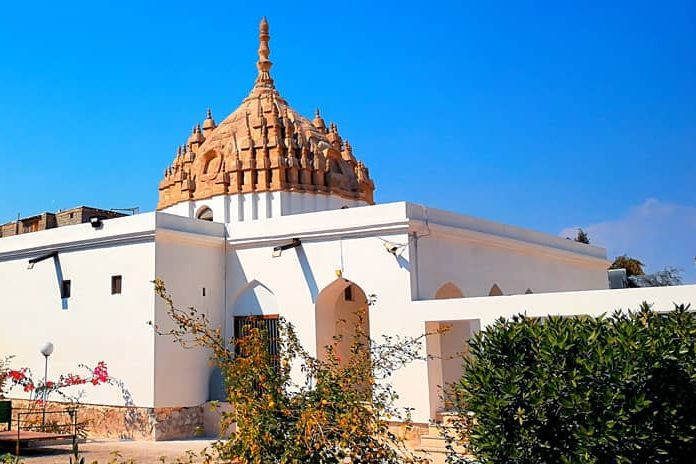
Visiting a Hindu temple offers travelers an authentic glimpse into one of the world’s oldest living religions, and this particular sacred space has been drawing visitors from around the globe for years.
Highlights & Key Features
Key Features
Best Time to Visit
How to Get There
Tips for Visiting
Visitor Guide & Information
Description
Visiting a Hindu temple offers travelers an authentic glimpse into one of the world’s oldest living religions, and this particular sacred space has been drawing visitors from around the globe for years. The temple serves as both a place of worship for the local Hindu community and a cultural destination for curious travelers wanting to understand the rich tapestry of Hindu traditions and architectural beauty.
Walking through the temple grounds, you’ll immediately notice the careful attention to detail in every corner. The architecture reflects centuries-old design principles that have been passed down through generations, and honestly, it’s pretty humbling to witness such devotion to preserving these traditions. I remember my first time visiting a Hindu temple – I was completely unprepared for the sensory experience that awaited me. The smell of incense, the sound of bells ringing, and the sight of intricate carvings all combined to create something I’d never experienced before.
This temple welcomes visitors throughout the week, making it accessible for travelers who might have tight schedules or specific itineraries to follow. The community here has worked hard to create a space that respects religious practices while also being open to those who want to learn and observe. And that’s not always an easy balance to strike, let me tell you.
What makes this temple particularly interesting is how it functions as a living, breathing community center. You’re not just looking at a historical building – you’re witnessing active worship, celebrations, and daily rituals that have remained largely unchanged for generations. The temple serves approximately hundreds of worshippers during regular days, with that number swelling considerably during major Hindu festivals and celebrations.
Key Features
The temple offers several distinctive elements that make it worth including in your travel plans:
Architectural Details – The temple showcases traditional Hindu architectural elements that have been carefully maintained. The craftsmanship visible in the walls, ceilings, and doorways tells stories from Hindu mythology and provides endless opportunities for photography and observation.
Religious Ceremonies – Daily puja ceremonies take place at scheduled times, giving visitors the chance to witness authentic Hindu worship practices. These rituals involve offerings, prayers, and traditional music that create an immersive experience.
Cultural Programs – The temple regularly hosts cultural events, including classical Indian dance performances, music concerts, and educational workshops about Hindu philosophy and traditions.
Deity Shrines – Multiple shrines dedicated to various Hindu deities can be found throughout the temple complex. Each shrine has its own significance and attracts devotees for specific prayers and blessings.
Restroom Facilities – Practical amenities including clean restroom facilities are available on-site, which is honestly a relief when you’re spending several hours exploring the grounds.
Community Kitchen – Many Hindu temples operate a langar or community kitchen where simple vegetarian meals are served. This practice reflects the Hindu principle of seva or selfless service.
Educational Resources – Information boards and sometimes volunteer guides help explain the significance of different aspects of the temple, making it easier for first-time visitors to understand what they’re seeing.
Meditation Spaces – Quiet areas designed for meditation and contemplation provide respite from the busier parts of the temple complex.
Best Time to Visit
Timing your visit to a Hindu temple can significantly impact your experience. The temple welcomes visitors year-round, but certain times offer unique advantages depending on what you’re hoping to see and experience.
For a quieter, more contemplative visit, weekday mornings are ideal. You’ll find fewer crowds and can move through the space at your own pace without feeling rushed. I’ve found that arriving shortly after the temple opens gives you that peaceful atmosphere where you can really soak in the spiritual energy of the place. The morning light also creates beautiful photography conditions, especially if the temple has outdoor courtyards or gardens.
However, if you’re interested in experiencing the temple at its most energetic and seeing it fulfill its role as a community gathering place, weekends and festival days are when you want to be there. The energy is completely different – filled with families, devotees dressed in traditional clothing, and the sounds of celebration filling the air.
Hindu festivals follow a lunar calendar, so the dates change each year. Diwali, the festival of lights, transforms temples into spectacular displays of oil lamps and decorations. Holi brings colorful celebrations, while Navaratri features nine nights of worship and often includes traditional dance performances. But honestly, even smaller festivals can provide fascinating glimpses into Hindu traditions that you won’t find in guidebooks.
Summer months can be quite warm, especially if you’re visiting during midday. The temple may not have air conditioning in all areas since traditional temple architecture relies on natural cooling methods. Early morning or evening visits during hot months make for a more comfortable experience.
Monsoon season, depending on the location’s climate, can affect outdoor areas of the temple complex. Some travelers actually enjoy visiting during light rain – there’s something special about the smell of incense mixing with rain and the sound of water on ancient stones.
How to Get There
Getting to the temple requires some planning, but it’s generally accessible through various transportation methods. The temple’s location makes it reachable for most travelers, though you’ll want to factor in travel time when planning your day.
Public transportation often provides a convenient option for reaching the temple. Buses typically run regular routes that pass near or stop directly at the temple location. Local transit apps can help you navigate schedules and routes, though don’t be surprised if the timing isn’t always precise – that’s part of the adventure, right?
For travelers preferring more direct routes, ride-sharing services and taxis offer door-to-door convenience. Make sure your driver understands your destination – showing them the temple’s name written in the local language can prevent miscommunication. I learned that lesson the hard way once when my pronunciation of a temple’s name led us to a completely different part of town.
If you’re renting a car, parking availability should be considered. The temple has parking facilities, though spaces can fill quickly during festivals and weekend services. Arriving early gives you better chances of finding convenient parking spots close to the entrance.
Walking to the temple might be feasible if you’re staying nearby. This actually gives you the chance to observe the surrounding neighborhood and how the temple fits into the local community fabric. You’ll see small shops selling flowers, incense, and offerings that devotees purchase before entering the temple.
Many travelers also combine their temple visit with exploration of nearby attractions, making it part of a larger day trip itinerary. Tour companies sometimes include the temple in their cultural tours, which can be helpful if you’re unfamiliar with the area or want expert commentary during your visit.
Tips for Visiting
Preparing properly for your temple visit ensures a respectful and enriching experience for everyone involved. Hindu temples have specific customs and expectations that might differ from other religious sites you’ve visited.
Dress modestly – this cannot be emphasized enough. Both men and women should cover their shoulders and knees. Loose, comfortable clothing works best since you’ll likely be sitting on the floor at some point. Many temples require visitors to remove shoes before entering certain areas, so wearing easily removable footwear makes sense. Bring socks if you’re uncomfortable walking barefoot, though the temple floors are generally kept very clean.
Photography policies vary by temple and by specific areas within the temple complex. Some spaces, particularly the inner sanctum or during certain ceremonies, may prohibit photography entirely. Always ask permission before taking photos, and never photograph people engaged in worship without their explicit consent. It’s just common courtesy.
Timing your visit around prayer ceremonies can enhance your experience, but be mindful that you’re observing a religious practice, not a performance. Stand quietly in designated visitor areas and follow the lead of regular worshippers regarding when to sit, stand, or move around. If you’re unsure about something, watching others first is always a safe bet.
The temple may offer prasad – blessed food offerings distributed after prayers. You’re generally welcome to accept this, but use your right hand when receiving it, as the left hand is considered unclean in Hindu tradition. And if you have dietary restrictions, it’s usually safe to accept prasad since temple offerings are vegetarian, though asking about ingredients is perfectly acceptable.
Bringing small bills for donations is appreciated. Temples operate through community support, and even modest contributions help maintain the space and fund community programs. There’s no set amount – give what feels comfortable for you.
Leave strong perfumes and colognes at your hotel. The temple uses incense and flowers for worship, and overpowering scents can be distracting to worshippers and detract from the intended aromatic experience.
Stay hydrated, especially if you’re visiting during warmer months. Exploring temple grounds often takes longer than expected, and you might be standing or walking for extended periods. Some temples have water available, but bringing your own bottle is smart.
Children are welcome, but keeping them close and ensuring they understand the importance of quiet, respectful behavior helps everyone enjoy their visit. Many temples are actually quite welcoming to families and understand that perfect silence from young children isn’t realistic.
Finally, approach your visit with genuine curiosity and respect. Most Hindu communities are incredibly welcoming to sincere visitors who want to learn about their traditions. Don’t be afraid to ask questions at appropriate times – you’ll often find that people are happy to share their knowledge and help deepen your understanding of this ancient faith.
Visiting a Hindu temple offers travelers an authentic glimpse into one of the world’s oldest living religions, and this particular sacred space has been drawing visitors from around the globe for years. The temple serves as both a place of worship for the local Hindu community and a cultural destination for curious travelers wanting to understand the rich tapestry of Hindu traditions and architectural beauty.
Walking through the temple grounds, you’ll immediately notice the careful attention to detail in every corner. The architecture reflects centuries-old design principles that have been passed down through generations, and honestly, it’s pretty humbling to witness such devotion to preserving these traditions. I remember my first time visiting a Hindu temple – I was completely unprepared for the sensory experience that awaited me. The smell of incense, the sound of bells ringing, and the sight of intricate carvings all combined to create something I’d never experienced before.
This temple welcomes visitors throughout the week, making it accessible for travelers who might have tight schedules or specific itineraries to follow. The community here has worked hard to create a space that respects religious practices while also being open to those who want to learn and observe. And that’s not always an easy balance to strike, let me tell you.
What makes this temple particularly interesting is how it functions as a living, breathing community center. You’re not just looking at a historical building – you’re witnessing active worship, celebrations, and daily rituals that have remained largely unchanged for generations. The temple serves approximately hundreds of worshippers during regular days, with that number swelling considerably during major Hindu festivals and celebrations.
Key Features
The temple offers several distinctive elements that make it worth including in your travel plans:
Architectural Details – The temple showcases traditional Hindu architectural elements that have been carefully maintained. The craftsmanship visible in the walls, ceilings, and doorways tells stories from Hindu mythology and provides endless opportunities for photography and observation.
Religious Ceremonies – Daily puja ceremonies take place at scheduled times, giving visitors the chance to witness authentic Hindu worship practices. These rituals involve offerings, prayers, and traditional music that create an immersive experience.
Cultural Programs – The temple regularly hosts cultural events, including classical Indian dance performances, music concerts, and educational workshops about Hindu philosophy and traditions.
Deity Shrines – Multiple shrines dedicated to various Hindu deities can be found throughout the temple complex. Each shrine has its own significance and attracts devotees for specific prayers and blessings.
Restroom Facilities – Practical amenities including clean restroom facilities are available on-site, which is honestly a relief when you’re spending several hours exploring the grounds.
Community Kitchen – Many Hindu temples operate a langar or community kitchen where simple vegetarian meals are served. This practice reflects the Hindu principle of seva or selfless service.
Educational Resources – Information boards and sometimes volunteer guides help explain the significance of different aspects of the temple, making it easier for first-time visitors to understand what they’re seeing.
Meditation Spaces – Quiet areas designed for meditation and contemplation provide respite from the busier parts of the temple complex.
Best Time to Visit
Timing your visit to a Hindu temple can significantly impact your experience. The temple welcomes visitors year-round, but certain times offer unique advantages depending on what you’re hoping to see and experience.
For a quieter, more contemplative visit, weekday mornings are ideal. You’ll find fewer crowds and can move through the space at your own pace without feeling rushed. I’ve found that arriving shortly after the temple opens gives you that peaceful atmosphere where you can really soak in the spiritual energy of the place. The morning light also creates beautiful photography conditions, especially if the temple has outdoor courtyards or gardens.
However, if you’re interested in experiencing the temple at its most energetic and seeing it fulfill its role as a community gathering place, weekends and festival days are when you want to be there. The energy is completely different – filled with families, devotees dressed in traditional clothing, and the sounds of celebration filling the air.
Hindu festivals follow a lunar calendar, so the dates change each year. Diwali, the festival of lights, transforms temples into spectacular displays of oil lamps and decorations. Holi brings colorful celebrations, while Navaratri features nine nights of worship and often includes traditional dance performances. But honestly, even smaller festivals can provide fascinating glimpses into Hindu traditions that you won’t find in guidebooks.
Summer months can be quite warm, especially if you’re visiting during midday. The temple may not have air conditioning in all areas since traditional temple architecture relies on natural cooling methods. Early morning or evening visits during hot months make for a more comfortable experience.
Monsoon season, depending on the location’s climate, can affect outdoor areas of the temple complex. Some travelers actually enjoy visiting during light rain – there’s something special about the smell of incense mixing with rain and the sound of water on ancient stones.
How to Get There
Getting to the temple requires some planning, but it’s generally accessible through various transportation methods. The temple’s location makes it reachable for most travelers, though you’ll want to factor in travel time when planning your day.
Public transportation often provides a convenient option for reaching the temple. Buses typically run regular routes that pass near or stop directly at the temple location. Local transit apps can help you navigate schedules and routes, though don’t be surprised if the timing isn’t always precise – that’s part of the adventure, right?
For travelers preferring more direct routes, ride-sharing services and taxis offer door-to-door convenience. Make sure your driver understands your destination – showing them the temple’s name written in the local language can prevent miscommunication. I learned that lesson the hard way once when my pronunciation of a temple’s name led us to a completely different part of town.
If you’re renting a car, parking availability should be considered. The temple has parking facilities, though spaces can fill quickly during festivals and weekend services. Arriving early gives you better chances of finding convenient parking spots close to the entrance.
Walking to the temple might be feasible if you’re staying nearby. This actually gives you the chance to observe the surrounding neighborhood and how the temple fits into the local community fabric. You’ll see small shops selling flowers, incense, and offerings that devotees purchase before entering the temple.
Many travelers also combine their temple visit with exploration of nearby attractions, making it part of a larger day trip itinerary. Tour companies sometimes include the temple in their cultural tours, which can be helpful if you’re unfamiliar with the area or want expert commentary during your visit.
Tips for Visiting
Preparing properly for your temple visit ensures a respectful and enriching experience for everyone involved. Hindu temples have specific customs and expectations that might differ from other religious sites you’ve visited.
Dress modestly – this cannot be emphasized enough. Both men and women should cover their shoulders and knees. Loose, comfortable clothing works best since you’ll likely be sitting on the floor at some point. Many temples require visitors to remove shoes before entering certain areas, so wearing easily removable footwear makes sense. Bring socks if you’re uncomfortable walking barefoot, though the temple floors are generally kept very clean.
Photography policies vary by temple and by specific areas within the temple complex. Some spaces, particularly the inner sanctum or during certain ceremonies, may prohibit photography entirely. Always ask permission before taking photos, and never photograph people engaged in worship without their explicit consent. It’s just common courtesy.
Timing your visit around prayer ceremonies can enhance your experience, but be mindful that you’re observing a religious practice, not a performance. Stand quietly in designated visitor areas and follow the lead of regular worshippers regarding when to sit, stand, or move around. If you’re unsure about something, watching others first is always a safe bet.
The temple may offer prasad – blessed food offerings distributed after prayers. You’re generally welcome to accept this, but use your right hand when receiving it, as the left hand is considered unclean in Hindu tradition. And if you have dietary restrictions, it’s usually safe to accept prasad since temple offerings are vegetarian, though asking about ingredients is perfectly acceptable.
Bringing small bills for donations is appreciated. Temples operate through community support, and even modest contributions help maintain the space and fund community programs. There’s no set amount – give what feels comfortable for you.
Leave strong perfumes and colognes at your hotel. The temple uses incense and flowers for worship, and overpowering scents can be distracting to worshippers and detract from the intended aromatic experience.
Stay hydrated, especially if you’re visiting during warmer months. Exploring temple grounds often takes longer than expected, and you might be standing or walking for extended periods. Some temples have water available, but bringing your own bottle is smart.
Children are welcome, but keeping them close and ensuring they understand the importance of quiet, respectful behavior helps everyone enjoy their visit. Many temples are actually quite welcoming to families and understand that perfect silence from young children isn’t realistic.
Finally, approach your visit with genuine curiosity and respect. Most Hindu communities are incredibly welcoming to sincere visitors who want to learn about their traditions. Don’t be afraid to ask questions at appropriate times – you’ll often find that people are happy to share their knowledge and help deepen your understanding of this ancient faith.
Explore verified points of interest within walking or short transit distance.
No neighboring places mapped within 5 km yet.
Find Places to Stay Nearby
Stay22 provides this accommodation search. We may earn a commission if you book through it; verify current prices and terms with the provider.
🗺️
Interactive accommodation map requires marketing cookies to display live rates.
Recommended Experiences & Activities
GetYourGuide provides this tour inventory. We may earn a commission if you book through it; verify current availability, prices, and terms with the provider.
Top Viator Experiences & Guided Tours in Bandar Abbas
We may earn a commission if you book through links on this page at no extra cost to you. All tours feature verified customer reviews and flexible cancellation options.