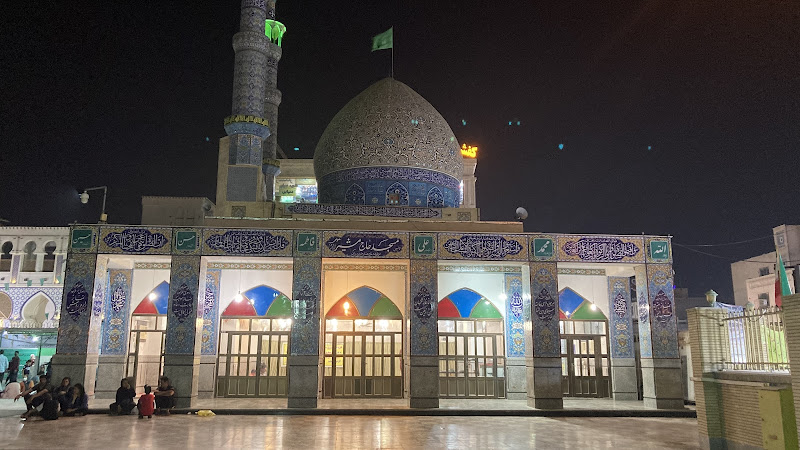
The Haj Moshir Mosque, sometimes referred to as the Imam Mosque in local conversations, stands as one of those architectural gems that tends to fly under the radar when travelers are mapping out their Persian journey.
Highlights & Key Features
Key Features
Best Time to Visit
How to Get There
Tips for Visiting
Visitor Guide & Information
Description
I’ve always believed that some of the best travel experiences happen when you stumble upon places that aren’t plastered all over Instagram. The Haj Moshir Mosque fits that description perfectly. Built during the Qajar period, this mosque represents a fascinating chapter in Islamic architecture where traditional Persian design elements merged with the aesthetic sensibilities of the 19th century. The builders weren’t trying to create the biggest or most ostentatious structure – they were aiming for something more refined and intimate.
What strikes most visitors first is the meticulous tilework. But we’re not talking about the kind of overwhelming grandeur you might find elsewhere. The decorative elements here speak in a quieter voice, with intricate patterns that reward those who take their time to really look. The prayer hall maintains that wonderful balance between ornate decoration and functional space, reminding you that this is, first and foremost, a place where people come to worship and find peace.
The mosque serves its local community actively, which means you’re experiencing an authentic working religious site rather than something that’s been turned into a tourist attraction. That authenticity comes with certain responsibilities for visitors, but it also means you’re witnessing real cultural and spiritual practices rather than a performance staged for cameras.
Key Features
The Haj Moshir Mosque offers several distinctive elements that make it worth adding to your itinerary:
• Traditional Qajar-era architecture that showcases the design principles of 19th-century Iran, with proportions and decorative schemes that differ noticeably from earlier Persian mosques
• Detailed tile work featuring calligraphy and geometric patterns that demonstrate the mathematical precision Islamic artists achieved without modern tools – seriously, when you look closely at how these patterns interlock, it’s mind-boggling
• A prayer hall with carefully considered acoustics, though you’ll only fully appreciate this during prayer times when the space fills with voices
• Relatively peaceful atmosphere compared to more famous religious sites, allowing for actual contemplation rather than just quick photo stops
• Wheelchair accessible entrance, making it one of the more accommodating historic religious sites for visitors with mobility considerations
• Restroom facilities on-site, which trust me, you’ll appreciate after a long morning of sightseeing in the Iranian heat
• Active use by local worshippers, providing genuine cultural insight rather than a museum-like atmosphere
• Architectural details that reflect both religious significance and the aesthetic preferences of its wealthy patron, Haj Moshir himself
Best Time to Visit
Timing your visit to the Haj Moshir Mosque requires thinking about several factors beyond just your travel dates. The mosque welcomes visitors throughout the year, but your experience will vary considerably depending on when you show up.
From a purely practical standpoint, the cooler months between October and April offer the most comfortable conditions for exploring. Iranian summers can be brutally hot, and while the mosque’s traditional architecture provides some natural cooling, you’ll still be dealing with high temperatures if you visit between June and August. But here’s the thing – fewer tourists brave the summer heat, so if you can handle the warmth, you might have the space almost to yourself.
Prayer times significantly impact the visitor experience. The mosque becomes particularly meaningful during these periods, but access for non-worshipping visitors may be restricted or require extra sensitivity. Early mornings, around an hour after sunrise prayers have concluded, often provide that sweet spot where the light is beautiful, the temperature is manageable, and you’re not interrupting religious observances.
Fridays hold special significance as the main congregational prayer day in Islam. While this offers incredible cultural insight if you’re respectful and stay well back from the worshippers, it’s definitely not the time for casual tourism. If you want to observe Friday prayers, you absolutely need to dress appropriately and understand that you’re witnessing something sacred, not entertaining.
I’d personally recommend visiting during the shoulder seasons – late March or early November. The weather is pleasant, you avoid the peak tourist crush that hits Iran’s more famous sites, and the changing light during these transitional periods creates stunning effects on the tilework. The way afternoon sun hits the blues and golds in the decorative elements? That’s the moment you’ll want your camera ready.
Ramadan presents a unique consideration. The mosque takes on special significance during the holy month, with increased activity around iftar time when the daily fast breaks. Unless you’re specifically interested in experiencing Ramadan observances and understand the protocols, you might want to plan your visit for other times of the year.
How to Get There
Getting to the Haj Moshir Mosque requires a bit of local knowledge, but that’s part of the adventure. The mosque sits within the urban fabric of its city, accessible through various transportation methods that each offer their own experience of local life.
Taxis remain the most straightforward option for travelers. Iranian taxi culture can seem confusing at first – you’ve got agency taxis, shared taxis, and ride-hailing apps that work similarly to Uber. For a direct trip to the mosque, arranging a private taxi or using a ride-hailing service ensures you get there without confusion. Make sure you have the mosque’s name written in Persian script on your phone to show drivers, because pronunciation differences can lead to misunderstandings even with the best intentions.
If you’re staying in the central areas, walking might be feasible depending on your exact location and comfort level with navigating unfamiliar streets. Iranian cities aren’t always the most pedestrian-friendly, but exploring on foot gives you those unexpected discoveries – tiny workshops, local bakeries, everyday scenes that package tours completely miss. Download offline maps before you go because cellular data can be unreliable, and GPS works even without internet connection.
Public transportation exists, though figuring out the system requires either good research or a helpful local. Buses serve most areas, but routes can be confusing for non-Persian speakers. The lack of English signage means you’ll need some confidence and perhaps a friendly local willing to point you in the right direction. Honestly, I’ve found that showing someone the mosque’s name in Persian and looking hopeful works wonders.
Many travelers arrange visits through their accommodation. Hotels and guesthouses often have relationships with reliable drivers or can at least help you arrange transportation. This costs a bit more than figuring it out yourself, but the peace of mind can be worth it, especially if you’re dealing with jet lag or tight schedules.
The surrounding area doesn’t have massive parking facilities, so if you’ve rented a car for your Iranian adventure (brave soul), be prepared to park some distance away and walk. Street parking exists but can be chaotic, and you’ll need to understand local parking etiquette to avoid problems.
Tips for Visiting
Visiting the Haj Moshir Mosque successfully means respecting both the religious nature of the space and the cultural context you’re entering. These aren’t just arbitrary rules – they reflect deep values that make Iran the fascinating place it is.
Dress code is non-negotiable. Women need to wear hijab covering their hair, and clothing should be loose-fitting, covering arms and legs completely. A lightweight scarf and long coat or tunic works well. Men should wear long trousers and avoid sleeveless shirts. You might think this sounds restrictive, but you’ll feel far more comfortable blending in than standing out as the inappropriately dressed tourist. Trust me on this one.
Remove your shoes before entering carpeted areas. This is standard practice in mosques, and you’ll see designated areas for shoe storage. Wearing socks you don’t mind showing is wise – going barefoot works too, but the floors can be cold in winter and occasionally dirty.
Photography deserves careful consideration. While many mosques allow photography in certain areas, you should always look for signs or ask permission first. And absolutely avoid photographing people at prayer without explicit permission – this isn’t about getting content for your social media, it’s about respecting people’s spiritual practice. The tilework and architecture will still be there for your photos.
Behavior should be quiet and respectful. This might seem obvious, but I’ve seen tourists treating active mosques like theme parks. Keep voices low, avoid pointing or gesturing dramatically, and remember that people are here for worship, not to provide you with authentic cultural experiences. If you witness prayer, stay still and silent.
Bring a bag for your shoes and any items you’ll need to set aside. Some mosques provide plastic bags, but having your own cloth bag is more environmentally friendly and gives you control over your belongings.
Timing your visit outside prayer times makes everything easier if you want to explore thoroughly. The mosque operates on the Islamic prayer schedule, which shifts slightly each day based on sunrise and sunset. You can find prayer time apps that give exact schedules for any location.
Consider hiring a local guide if you want deeper understanding of what you’re seeing. The architectural and religious significance of various elements isn’t always obvious to outside observers, and a knowledgeable guide can transform your visit from “pretty building” to genuine cultural education. Many mosques have unofficial guides who hang around offering their services – negotiate prices beforehand and clarify what you’re getting.
Be prepared for attention. Depending on tourist levels when you visit, you might be approached by curious locals wanting to practice English or just chat. These interactions are often genuine and friendly, offering wonderful insights into Iranian hospitality. But if you need space or time alone, a polite smile and “excuse me” works fine.
Accessibility features include the wheelchair-accessible entrance, but be aware that historic buildings have limitations. Some areas might remain difficult to reach for those with mobility challenges despite best efforts at accommodation.
The restroom facilities are available, but don’t expect Western-style amenities necessarily. Many Iranian restrooms use squat toilets, and toilet paper isn’t always provided, so carrying tissues is smart. Hand washing facilities will be available since cleanliness is important in Islamic practice.
Visit during weekday mornings for the quietest experience. You’ll have more space to appreciate the architecture and more opportunity for reflection without crowds. That said, seeing the mosque with worshippers present provides context that empty spaces can’t match.
Learning a few Persian phrases goes a long way. “Salaam” for hello, “merci” for thank you (yes, they borrowed it from French), and “bebakhshid” for excuse me will help you navigate interactions more smoothly. Iranians generally appreciate any effort to speak Persian, even if your pronunciation is terrible.
Finally, approach your visit with genuine curiosity rather than checking a box on your itinerary. The Haj Moshir Mosque isn’t famous enough to have crowds of influencers posing for the perfect shot. That’s actually its greatest strength – it allows for authentic connection with Islamic architecture, Persian aesthetics, and the spiritual practices that continue to shape Iranian culture. The travelers who enjoy it most are those who slow down, pay attention, and let the space work its quiet magic rather than rushing through to the next attraction.
The Haj Moshir Mosque, sometimes referred to as the Imam Mosque in local conversations, stands as one of those architectural gems that tends to fly under the radar when travelers are mapping out their Persian journey. And honestly, that’s part of its charm. While tourists flock to the more famous mosques of Iran, this particular house of worship offers something a bit different – a quieter, more contemplative experience that lets you really absorb the craftsmanship without battling crowds for that perfect photograph.
I’ve always believed that some of the best travel experiences happen when you stumble upon places that aren’t plastered all over Instagram. The Haj Moshir Mosque fits that description perfectly. Built during the Qajar period, this mosque represents a fascinating chapter in Islamic architecture where traditional Persian design elements merged with the aesthetic sensibilities of the 19th century. The builders weren’t trying to create the biggest or most ostentatious structure – they were aiming for something more refined and intimate.
What strikes most visitors first is the meticulous tilework. But we’re not talking about the kind of overwhelming grandeur you might find elsewhere. The decorative elements here speak in a quieter voice, with intricate patterns that reward those who take their time to really look. The prayer hall maintains that wonderful balance between ornate decoration and functional space, reminding you that this is, first and foremost, a place where people come to worship and find peace.
The mosque serves its local community actively, which means you’re experiencing an authentic working religious site rather than something that’s been turned into a tourist attraction. That authenticity comes with certain responsibilities for visitors, but it also means you’re witnessing real cultural and spiritual practices rather than a performance staged for cameras.
Key Features
The Haj Moshir Mosque offers several distinctive elements that make it worth adding to your itinerary:
• Traditional Qajar-era architecture that showcases the design principles of 19th-century Iran, with proportions and decorative schemes that differ noticeably from earlier Persian mosques
• Detailed tile work featuring calligraphy and geometric patterns that demonstrate the mathematical precision Islamic artists achieved without modern tools – seriously, when you look closely at how these patterns interlock, it’s mind-boggling
• A prayer hall with carefully considered acoustics, though you’ll only fully appreciate this during prayer times when the space fills with voices
• Relatively peaceful atmosphere compared to more famous religious sites, allowing for actual contemplation rather than just quick photo stops
• Wheelchair accessible entrance, making it one of the more accommodating historic religious sites for visitors with mobility considerations
• Restroom facilities on-site, which trust me, you’ll appreciate after a long morning of sightseeing in the Iranian heat
• Active use by local worshippers, providing genuine cultural insight rather than a museum-like atmosphere
• Architectural details that reflect both religious significance and the aesthetic preferences of its wealthy patron, Haj Moshir himself
Best Time to Visit
Timing your visit to the Haj Moshir Mosque requires thinking about several factors beyond just your travel dates. The mosque welcomes visitors throughout the year, but your experience will vary considerably depending on when you show up.
From a purely practical standpoint, the cooler months between October and April offer the most comfortable conditions for exploring. Iranian summers can be brutally hot, and while the mosque’s traditional architecture provides some natural cooling, you’ll still be dealing with high temperatures if you visit between June and August. But here’s the thing – fewer tourists brave the summer heat, so if you can handle the warmth, you might have the space almost to yourself.
Prayer times significantly impact the visitor experience. The mosque becomes particularly meaningful during these periods, but access for non-worshipping visitors may be restricted or require extra sensitivity. Early mornings, around an hour after sunrise prayers have concluded, often provide that sweet spot where the light is beautiful, the temperature is manageable, and you’re not interrupting religious observances.
Fridays hold special significance as the main congregational prayer day in Islam. While this offers incredible cultural insight if you’re respectful and stay well back from the worshippers, it’s definitely not the time for casual tourism. If you want to observe Friday prayers, you absolutely need to dress appropriately and understand that you’re witnessing something sacred, not entertaining.
I’d personally recommend visiting during the shoulder seasons – late March or early November. The weather is pleasant, you avoid the peak tourist crush that hits Iran’s more famous sites, and the changing light during these transitional periods creates stunning effects on the tilework. The way afternoon sun hits the blues and golds in the decorative elements? That’s the moment you’ll want your camera ready.
Ramadan presents a unique consideration. The mosque takes on special significance during the holy month, with increased activity around iftar time when the daily fast breaks. Unless you’re specifically interested in experiencing Ramadan observances and understand the protocols, you might want to plan your visit for other times of the year.
How to Get There
Getting to the Haj Moshir Mosque requires a bit of local knowledge, but that’s part of the adventure. The mosque sits within the urban fabric of its city, accessible through various transportation methods that each offer their own experience of local life.
Taxis remain the most straightforward option for travelers. Iranian taxi culture can seem confusing at first – you’ve got agency taxis, shared taxis, and ride-hailing apps that work similarly to Uber. For a direct trip to the mosque, arranging a private taxi or using a ride-hailing service ensures you get there without confusion. Make sure you have the mosque’s name written in Persian script on your phone to show drivers, because pronunciation differences can lead to misunderstandings even with the best intentions.
If you’re staying in the central areas, walking might be feasible depending on your exact location and comfort level with navigating unfamiliar streets. Iranian cities aren’t always the most pedestrian-friendly, but exploring on foot gives you those unexpected discoveries – tiny workshops, local bakeries, everyday scenes that package tours completely miss. Download offline maps before you go because cellular data can be unreliable, and GPS works even without internet connection.
Public transportation exists, though figuring out the system requires either good research or a helpful local. Buses serve most areas, but routes can be confusing for non-Persian speakers. The lack of English signage means you’ll need some confidence and perhaps a friendly local willing to point you in the right direction. Honestly, I’ve found that showing someone the mosque’s name in Persian and looking hopeful works wonders.
Many travelers arrange visits through their accommodation. Hotels and guesthouses often have relationships with reliable drivers or can at least help you arrange transportation. This costs a bit more than figuring it out yourself, but the peace of mind can be worth it, especially if you’re dealing with jet lag or tight schedules.
The surrounding area doesn’t have massive parking facilities, so if you’ve rented a car for your Iranian adventure (brave soul), be prepared to park some distance away and walk. Street parking exists but can be chaotic, and you’ll need to understand local parking etiquette to avoid problems.
Tips for Visiting
Visiting the Haj Moshir Mosque successfully means respecting both the religious nature of the space and the cultural context you’re entering. These aren’t just arbitrary rules – they reflect deep values that make Iran the fascinating place it is.
Dress code is non-negotiable. Women need to wear hijab covering their hair, and clothing should be loose-fitting, covering arms and legs completely. A lightweight scarf and long coat or tunic works well. Men should wear long trousers and avoid sleeveless shirts. You might think this sounds restrictive, but you’ll feel far more comfortable blending in than standing out as the inappropriately dressed tourist. Trust me on this one.
Remove your shoes before entering carpeted areas. This is standard practice in mosques, and you’ll see designated areas for shoe storage. Wearing socks you don’t mind showing is wise – going barefoot works too, but the floors can be cold in winter and occasionally dirty.
Photography deserves careful consideration. While many mosques allow photography in certain areas, you should always look for signs or ask permission first. And absolutely avoid photographing people at prayer without explicit permission – this isn’t about getting content for your social media, it’s about respecting people’s spiritual practice. The tilework and architecture will still be there for your photos.
Behavior should be quiet and respectful. This might seem obvious, but I’ve seen tourists treating active mosques like theme parks. Keep voices low, avoid pointing or gesturing dramatically, and remember that people are here for worship, not to provide you with authentic cultural experiences. If you witness prayer, stay still and silent.
Bring a bag for your shoes and any items you’ll need to set aside. Some mosques provide plastic bags, but having your own cloth bag is more environmentally friendly and gives you control over your belongings.
Timing your visit outside prayer times makes everything easier if you want to explore thoroughly. The mosque operates on the Islamic prayer schedule, which shifts slightly each day based on sunrise and sunset. You can find prayer time apps that give exact schedules for any location.
Consider hiring a local guide if you want deeper understanding of what you’re seeing. The architectural and religious significance of various elements isn’t always obvious to outside observers, and a knowledgeable guide can transform your visit from “pretty building” to genuine cultural education. Many mosques have unofficial guides who hang around offering their services – negotiate prices beforehand and clarify what you’re getting.
Be prepared for attention. Depending on tourist levels when you visit, you might be approached by curious locals wanting to practice English or just chat. These interactions are often genuine and friendly, offering wonderful insights into Iranian hospitality. But if you need space or time alone, a polite smile and “excuse me” works fine.
Accessibility features include the wheelchair-accessible entrance, but be aware that historic buildings have limitations. Some areas might remain difficult to reach for those with mobility challenges despite best efforts at accommodation.
The restroom facilities are available, but don’t expect Western-style amenities necessarily. Many Iranian restrooms use squat toilets, and toilet paper isn’t always provided, so carrying tissues is smart. Hand washing facilities will be available since cleanliness is important in Islamic practice.
Visit during weekday mornings for the quietest experience. You’ll have more space to appreciate the architecture and more opportunity for reflection without crowds. That said, seeing the mosque with worshippers present provides context that empty spaces can’t match.
Learning a few Persian phrases goes a long way. “Salaam” for hello, “merci” for thank you (yes, they borrowed it from French), and “bebakhshid” for excuse me will help you navigate interactions more smoothly. Iranians generally appreciate any effort to speak Persian, even if your pronunciation is terrible.
Finally, approach your visit with genuine curiosity rather than checking a box on your itinerary. The Haj Moshir Mosque isn’t famous enough to have crowds of influencers posing for the perfect shot. That’s actually its greatest strength – it allows for authentic connection with Islamic architecture, Persian aesthetics, and the spiritual practices that continue to shape Iranian culture. The travelers who enjoy it most are those who slow down, pay attention, and let the space work its quiet magic rather than rushing through to the next attraction.
Key Highlights
Key Features
Best Time to Visit
How to Get There
Tips for Visiting
Location
Places to Stay Near (Imam Mosque) Haj Moshir Mosque
Imam Mosque (Masjed-e Emam), Bandar Abbas — A Practical Visitor Brief
What it is: an active neighborhood mosque in Bandar Abbas, located on Royal 2 (رویال ۲) in the Bazaar area. Local mapping directories place it near Zeytoon Shopping Center and the Shahid Haqani ferry terminal—useful anchors when you’re on foot along the waterfront.نقشه و مسیریاب بلد
The name confusion to know about: “Haj Moshir Mosque” is a well-known Qajar-era mosque in Shiraz, not in Bandar Abbas. Many English-language roundups mash up names—so if you see “Haj Moshir” attached to Bandar Abbas, that’s a mix-up. For Bandar Abbas, you’re looking for Imam Mosque (Masjed-e Emam) in the Bazaar or, for the city’s main Friday mosque, the Jameh (Delgosha) Mosque by the shore.Tehran Times
Quick facts (verified)
City / Province: Bandar Abbas, Hormozgan, southern Iran, on the Persian Gulf.
Neighborhood anchor: Bazaar area; address commonly listed as Royal 2 (رویال ۲).نقشه و مسیریاب بلد
Nearby reference points: around the commercial core near Zeytoon Shopping Center and Shahid Haqani pier/terminal.نقشه و مسیریاب بلد
Orientation by coordinates: The point you supplied (27.1788472, 56.2790088) sits in central Bandar Abbas; the city center is ~27.1865, 56.2808.Geodatos
Status: active place of worship (plan visits outside prayer times). Hours and visitor policies can vary by mosque and season. (General guidance)
Getting there & on-the-ground context
On foot: If you’re already along Taleghani/Saheli Boulevard by the port, head a few blocks inland toward the Bazaar grid; Royal 2 appears in local mapping results and taxi apps. The city’s compact core and visible minarets make way-finding straightforward once you’re close.نقشه و مسیریاب بلد
By taxi: Ask for “Masjed-e Emam, Royal Do (رویال ۲).” Drivers will usually reference Zeytoon, Saheli/Taleghani, or Shahid Haqani to triangulate.نقشه و مسیریاب بلد
Accuracy note: English mapping layers for Bandar Abbas are thin. Persian-language directories (e.g., Balad, Neshan) provide the most reliable POI naming and micro-addresses for mosques in the city core. Locations, names, and pins can vary across platforms; verify in Persian where possible.نقشه و مسیریاب بلد
What you’ll find (and what not to assume)
Information published in English about Imam Mosque (Bazaar/Royal 2) is limited. Avoid assuming specific architectural features without being there—Bandar Abbas has multiple prominent mosques with very different looks:
Jameh (Delgosha) Mosque of Bandar Abbas — the city’s Friday mosque, documented with early origins and major reconstructions (including a 2008 inauguration after a 5-year rebuild). It’s a shoreline landmark at the corner of Taleghani (Saheli) Boulevard and Jameh Mosque Street.
Galedari Mosque — a Qajar-period site (1878) with a courtyard, shabestan, minaret(s), and a 36-pillar hall, attributed by inscription to Haj Sheikh Ahmad Galedari.ToIran, Tourism Platform
Imamzadeh Seyyed Mozaffar (shrine complex) — a separate, often-photographed sacred site in town; do not confuse imagery from this shrine with the Bazaar-area Imam Mosque.Wikidata
If you’re cataloging or photographing mosques in Bandar Abbas, label images carefully to avoid mixing Jameh/Delgosha, Galedari, Imam (Bazaar), and Imamzadeh Mozaffar.
Visitor etiquette & practical tips
Dress & access: As with mosques across Iran, modest attire is expected; non-Muslim visitors are typically welcome outside prayer times, but practices vary by site and season. Confirm on arrival. (General guidance)
Climate planning: Bandar Abbas has extreme heat and humidity for much of the year (summer heat indices frequently exceed 50 °C). Aim for early-morning or post-sunset visits; carry water and plan shaded breaks.
Photography: Always ask before photographing people. In prayer areas, follow on-site guidance; some mosques limit photography during services. (General guidance)
Nearby points to round out an architecture walk
Jameh (Delgosha) Mosque — combine with a waterfront stroll along Saheli/Taleghani; the complex is well-documented and easy to identify from the shore.
Galedari Mosque + Historic Galedari Bath — a paired stop that illustrates Qajar-era southern architecture; the bath functions as a museum near the mosque.ToIran, Tourism Platform
Hindu Temple (Bandar Abbas) — a reminder of the city’s trading past and multicultural layers (often included in city overviews).
Common mislabels & how to verify
“Haj Moshir Mosque” → Shiraz (Aramaneh Bazaar area), not Bandar Abbas. If your source shows rich Qajar tilework under that name, you’re likely seeing the Shiraz mosque; check for Shiraz/Fars in the caption or the Fars provincial tourism context.Tehran Times
Imam vs. Jameh vs. Imamzadeh → Three different categories in local usage: a neighborhood Imam Mosque (this article), the Jameh/Delgosha Friday Mosque (city’s main congregational mosque), and Imamzadeh Seyyed Mozaffar (a shrine). Confirm the Persian names (مسجد امام، مسجد جامع/دلگشا، امامزاده) when mapping your route.
Map & coordinates cheat sheet
Imam Mosque (Bazaar/Royal 2): address appears as Royal 2 (رویال ۲) in local directories; navigate via Shahid Haqani pier or Zeytoon shopping center.نقشه و مسیریاب بلد
City center reference: Bandar Abbas city center ≈ 27.1865, 56.2808 (for orientation vs. your pin 27.1788472, 56.2790088).Geodatos
Quality & accuracy notes (2025)
Sparse English coverage: The Bazaar-area Imam Mosque has limited English documentation; Persian sources (Balad/Neshan) are more precise for naming and micro-addresses. If you maintain listings, prefer Persian spellings in parentheses to reduce ambiguity.نقشه و مسیریاب بلد
Heritage references: For Jameh (Delgosha) Mosque, multiple independent sources (including encyclopedia-style pages) document its status and reconstruction timeline; for Galedari, local tourism portals cite its 1878 date and Qajar-period features.
This guide avoids hours/fees because they change; verify on-site or via local directories before you go. (General guidance)
Bottom line
Use Imam Mosque (Masjed-e Emam) as a cultural stop while exploring the Bazaar grid of Bandar Abbas. Navigate by Royal 2 and waterfront landmarks, and—if your aim is architectural photography—pair it with the clearly documented Jameh (Delgosha) Mosque and Galedari Mosque to see how styles diverge across the city’s sacred sites.نقشه و مسیریاب بلد
If you have internal pages on Bandar Abbas or Iran travel etiquette, link them from this page where noted; otherwise, everything above reflects verified, current public information.
Explore verified points of interest within walking or short transit distance.
No neighboring places mapped within 5 km yet.
Find Places to Stay Nearby
Stay22 provides this accommodation search. We may earn a commission if you book through it; verify current prices and terms with the provider.
🗺️
Interactive accommodation map requires marketing cookies to display live rates.
Recommended Experiences & Activities
GetYourGuide provides this tour inventory. We may earn a commission if you book through it; verify current availability, prices, and terms with the provider.
Top Viator Experiences & Guided Tours in Bandar Abbas
We may earn a commission if you book through links on this page at no extra cost to you. All tours feature verified customer reviews and flexible cancellation options.