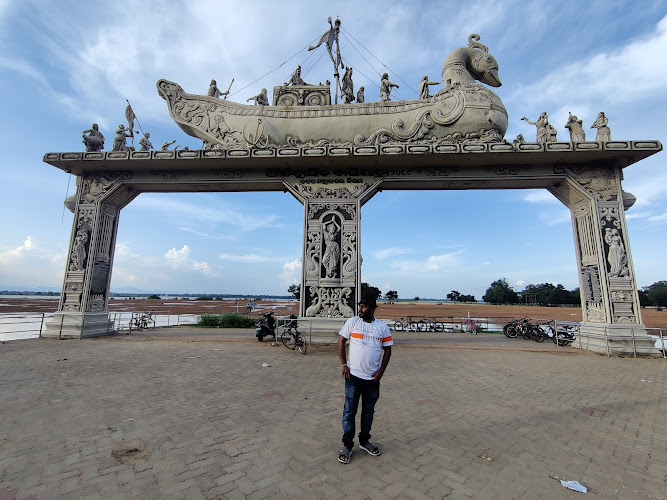
Balijatra Upper Padia stands as a fairground that draws thousands of visitors throughout the year, particularly during the famous Balijatra festival season.
Highlights & Key Features
Key Features
Best Time to Visit
How to Get There
Tips for Visiting
Visitor Guide & Information
Description
The fairground serves multiple purposes throughout the calendar year. During festival times, it becomes a massive celebration ground where vendors set up countless stalls, rides appear seemingly overnight, and the air fills with the aroma of street food and the sounds of laughter. But even during quieter periods, the space functions as a playground and community gathering spot where local families bring their children to enjoy open spaces that are increasingly rare in urban settings.
What makes this place particularly noteworthy is how it manages to accommodate such diverse uses without losing its essential character. I’ve always found it fascinating how certain spaces can adapt to different needs – and this fairground does exactly that. The infrastructure here supports everything from major cultural events to simple evening walks, which is no small feat when you think about the logistics involved.
The accessibility features deserve special mention because they’re not just token gestures. Wheelchair-accessible entrances and parking facilities demonstrate a genuine commitment to inclusivity that many similar venues still struggle with. And honestly, it’s about time more public spaces took this seriously. The onsite services ensure visitors don’t need to venture far for basic necessities, which becomes particularly valuable during crowded festival days when leaving and returning would be practically impossible.
Key Features
The fairground offers several distinctive features that set it apart from typical event venues:
Extensive Open Space: The ground provides ample room for large-scale events, with enough capacity to host thousands of visitors simultaneously without feeling uncomfortably crowded
Full Accessibility Infrastructure: Dedicated wheelchair-accessible entrances and designated parking areas make the venue genuinely accessible for visitors with mobility challenges
Multi-Purpose Functionality: Functions as both a fairground during major events and a community playground during regular days, maximizing the utility of the space
Onsite Service Facilities: Comprehensive onsite services eliminate the need for visitors to leave the premises for basic requirements
Festival-Ready Infrastructure: Purpose-built to accommodate the massive Balijatra festival with necessary utilities and space for vendor stalls
Central Community Hub: Serves as a gathering point for local communities throughout the year, not just during major events
Family-Friendly Environment: Designed with families in mind, offering safe spaces for children to play and explore
Well-Maintained Grounds: Regular upkeep ensures the space remains usable and presentable year-round
Best Time to Visit
Timing your visit to Balijatra Upper Padia really depends on what kind of experience you’re after, and I can’t stress this enough – the difference between festival season and regular days is like comparing two completely different venues.
The absolute peak time is during the Balijatra festival itself, which typically occurs in November. This is when the fairground reaches its full potential, transforming into a sprawling festival ground that attracts visitors from across the region. The energy during this period is electric. You’ll encounter hundreds of stalls selling everything from traditional handicrafts to modern gadgets, food vendors serving regional delicacies, and entertainment options ranging from traditional performances to mechanical rides. But here’s the thing – it gets incredibly crowded. We’re talking shoulder-to-shoulder crowds during peak evening hours.
For those who prefer experiencing the cultural significance without battling massive crowds, visiting during the first few days of the festival or during afternoon hours can offer a better balance. The mornings are generally quieter too, though many vendors might still be setting up their stalls.
Outside festival season, the fairground takes on a completely different personality. From December through October, it functions more as a community playground and occasional event space. This is actually my preferred time if you’re traveling with small children or if you want to experience the space more peacefully. The playground facilities are accessible, and local families frequent the area during early mornings and evenings.
Weather-wise, October through February offers the most pleasant climate for outdoor activities. The post-monsoon and winter months provide comfortable temperatures that make spending extended periods outdoors actually enjoyable rather than endurance. March through May can get quite hot, which affects comfort levels significantly.
How to Get There
Reaching Balijatra Upper Padia requires some planning, but it’s definitely manageable once you understand your options.
For travelers arriving from outside the region, the nearest major airport serves as your primary entry point. From there, you’ll need to arrange ground transportation – either through pre-booked taxis, ride-sharing services, or local transport options. The journey typically takes between 30 to 45 minutes depending on traffic conditions, which can vary dramatically during festival season.
If you’re already in the city, local transportation provides several viable options. Auto-rickshaws are probably the most flexible choice for small groups or solo travelers. They can navigate through narrow streets more easily than larger vehicles and drop you relatively close to the entrance. Just make sure to negotiate fares beforehand or insist on using the meter to avoid unnecessary complications.
Public buses serve the area too, though routes and schedules can be confusing for first-time visitors. Ask locals for specific bus numbers and prepare for a potentially crowded ride, especially during peak commuting hours.
For those driving personally, parking availability varies dramatically based on timing. During festival season, arriving early becomes essential because designated parking areas fill up quickly. The accessible parking spots are clearly marked, but they’re limited in number and get occupied fast. During off-season periods, parking is generally straightforward and stress-free.
Walking from nearby areas is possible if you’re staying within a reasonable distance. The surrounding neighborhoods are generally safe for pedestrians, though street lighting quality varies.
Tips for Visiting
After considering everything about this fairground, here are practical tips that’ll genuinely improve your experience rather than just stating the obvious.
First off, manage your expectations about crowds during festival season. It gets busy – really busy. If crowded spaces make you anxious, either visit during off-peak times or mentally prepare yourself for the experience. Bringing a small backpack instead of large bags makes navigating through crowds significantly easier.
Comfortable footwear isn’t just a suggestion; it’s practically mandatory. You’ll be walking and standing far more than you anticipate, especially during festivals when exploring all the stalls and attractions can easily take several hours. I learned this the hard way once, and trust me, sore feet can ruin an otherwise perfect outing.
Carry sufficient cash because while digital payments are becoming more common, many smaller vendors still operate on cash-only basis. ATMs in the immediate vicinity might have long queues during peak times, so withdraw money beforehand.
Stay hydrated and don’t skip meals. The excitement of festivals sometimes makes people forget basic needs until they’re suddenly exhausted or lightheaded. Take breaks when needed – there’s no prize for pushing through discomfort.
For families with young children, establish a meeting point in case someone gets separated. The fairground during festivals is large and crowded enough that losing sight of family members happens easier than you’d think. Teaching children to identify staff or security personnel can provide an additional safety layer.
Photography enthusiasts will find plenty of subjects, but be respectful when photographing people. Always ask permission before taking closeup shots of vendors or performers.
The accessible facilities are available, but knowing their locations beforehand helps. Don’t hesitate to ask staff for directions if needed – they’re generally helpful and understand the layout better than anyone.
Timing your visit for weekday evenings during regular season offers a pleasant middle ground – fewer crowds than weekends but still lively enough to feel the community atmosphere. Weekend mornings work well for families wanting playground access without excessive crowds.
Bring hand sanitizer and tissues because while facilities exist, having your own supplies adds convenience. Food safety standards vary among vendors, so use your judgment when selecting where to eat.
Finally, approach the experience with flexibility. Plans might need adjusting based on crowd flows, weather changes, or unexpected circumstances. The best experiences often come from spontaneous discoveries rather than rigid itineraries anyway.
Balijatra Upper Padia stands as a fairground that draws thousands of visitors throughout the year, particularly during the famous Balijatra festival season. This expansive ground transforms into a bustling hub of activity where tradition meets entertainment, creating an atmosphere that’s genuinely difficult to capture in words until you’ve experienced it yourself.
The fairground serves multiple purposes throughout the calendar year. During festival times, it becomes a massive celebration ground where vendors set up countless stalls, rides appear seemingly overnight, and the air fills with the aroma of street food and the sounds of laughter. But even during quieter periods, the space functions as a playground and community gathering spot where local families bring their children to enjoy open spaces that are increasingly rare in urban settings.
What makes this place particularly noteworthy is how it manages to accommodate such diverse uses without losing its essential character. I’ve always found it fascinating how certain spaces can adapt to different needs – and this fairground does exactly that. The infrastructure here supports everything from major cultural events to simple evening walks, which is no small feat when you think about the logistics involved.
The accessibility features deserve special mention because they’re not just token gestures. Wheelchair-accessible entrances and parking facilities demonstrate a genuine commitment to inclusivity that many similar venues still struggle with. And honestly, it’s about time more public spaces took this seriously. The onsite services ensure visitors don’t need to venture far for basic necessities, which becomes particularly valuable during crowded festival days when leaving and returning would be practically impossible.
Key Features
The fairground offers several distinctive features that set it apart from typical event venues:
Extensive Open Space: The ground provides ample room for large-scale events, with enough capacity to host thousands of visitors simultaneously without feeling uncomfortably crowded
Full Accessibility Infrastructure: Dedicated wheelchair-accessible entrances and designated parking areas make the venue genuinely accessible for visitors with mobility challenges
Multi-Purpose Functionality: Functions as both a fairground during major events and a community playground during regular days, maximizing the utility of the space
Onsite Service Facilities: Comprehensive onsite services eliminate the need for visitors to leave the premises for basic requirements
Festival-Ready Infrastructure: Purpose-built to accommodate the massive Balijatra festival with necessary utilities and space for vendor stalls
Central Community Hub: Serves as a gathering point for local communities throughout the year, not just during major events
Family-Friendly Environment: Designed with families in mind, offering safe spaces for children to play and explore
Well-Maintained Grounds: Regular upkeep ensures the space remains usable and presentable year-round
Best Time to Visit
Timing your visit to Balijatra Upper Padia really depends on what kind of experience you’re after, and I can’t stress this enough – the difference between festival season and regular days is like comparing two completely different venues.
The absolute peak time is during the Balijatra festival itself, which typically occurs in November. This is when the fairground reaches its full potential, transforming into a sprawling festival ground that attracts visitors from across the region. The energy during this period is electric. You’ll encounter hundreds of stalls selling everything from traditional handicrafts to modern gadgets, food vendors serving regional delicacies, and entertainment options ranging from traditional performances to mechanical rides. But here’s the thing – it gets incredibly crowded. We’re talking shoulder-to-shoulder crowds during peak evening hours.
For those who prefer experiencing the cultural significance without battling massive crowds, visiting during the first few days of the festival or during afternoon hours can offer a better balance. The mornings are generally quieter too, though many vendors might still be setting up their stalls.
Outside festival season, the fairground takes on a completely different personality. From December through October, it functions more as a community playground and occasional event space. This is actually my preferred time if you’re traveling with small children or if you want to experience the space more peacefully. The playground facilities are accessible, and local families frequent the area during early mornings and evenings.
Weather-wise, October through February offers the most pleasant climate for outdoor activities. The post-monsoon and winter months provide comfortable temperatures that make spending extended periods outdoors actually enjoyable rather than endurance. March through May can get quite hot, which affects comfort levels significantly.
How to Get There
Reaching Balijatra Upper Padia requires some planning, but it’s definitely manageable once you understand your options.
For travelers arriving from outside the region, the nearest major airport serves as your primary entry point. From there, you’ll need to arrange ground transportation – either through pre-booked taxis, ride-sharing services, or local transport options. The journey typically takes between 30 to 45 minutes depending on traffic conditions, which can vary dramatically during festival season.
If you’re already in the city, local transportation provides several viable options. Auto-rickshaws are probably the most flexible choice for small groups or solo travelers. They can navigate through narrow streets more easily than larger vehicles and drop you relatively close to the entrance. Just make sure to negotiate fares beforehand or insist on using the meter to avoid unnecessary complications.
Public buses serve the area too, though routes and schedules can be confusing for first-time visitors. Ask locals for specific bus numbers and prepare for a potentially crowded ride, especially during peak commuting hours.
For those driving personally, parking availability varies dramatically based on timing. During festival season, arriving early becomes essential because designated parking areas fill up quickly. The accessible parking spots are clearly marked, but they’re limited in number and get occupied fast. During off-season periods, parking is generally straightforward and stress-free.
Walking from nearby areas is possible if you’re staying within a reasonable distance. The surrounding neighborhoods are generally safe for pedestrians, though street lighting quality varies.
Tips for Visiting
After considering everything about this fairground, here are practical tips that’ll genuinely improve your experience rather than just stating the obvious.
First off, manage your expectations about crowds during festival season. It gets busy – really busy. If crowded spaces make you anxious, either visit during off-peak times or mentally prepare yourself for the experience. Bringing a small backpack instead of large bags makes navigating through crowds significantly easier.
Comfortable footwear isn’t just a suggestion; it’s practically mandatory. You’ll be walking and standing far more than you anticipate, especially during festivals when exploring all the stalls and attractions can easily take several hours. I learned this the hard way once, and trust me, sore feet can ruin an otherwise perfect outing.
Carry sufficient cash because while digital payments are becoming more common, many smaller vendors still operate on cash-only basis. ATMs in the immediate vicinity might have long queues during peak times, so withdraw money beforehand.
Stay hydrated and don’t skip meals. The excitement of festivals sometimes makes people forget basic needs until they’re suddenly exhausted or lightheaded. Take breaks when needed – there’s no prize for pushing through discomfort.
For families with young children, establish a meeting point in case someone gets separated. The fairground during festivals is large and crowded enough that losing sight of family members happens easier than you’d think. Teaching children to identify staff or security personnel can provide an additional safety layer.
Photography enthusiasts will find plenty of subjects, but be respectful when photographing people. Always ask permission before taking closeup shots of vendors or performers.
The accessible facilities are available, but knowing their locations beforehand helps. Don’t hesitate to ask staff for directions if needed – they’re generally helpful and understand the layout better than anyone.
Timing your visit for weekday evenings during regular season offers a pleasant middle ground – fewer crowds than weekends but still lively enough to feel the community atmosphere. Weekend mornings work well for families wanting playground access without excessive crowds.
Bring hand sanitizer and tissues because while facilities exist, having your own supplies adds convenience. Food safety standards vary among vendors, so use your judgment when selecting where to eat.
Finally, approach the experience with flexibility. Plans might need adjusting based on crowd flows, weather changes, or unexpected circumstances. The best experiences often come from spontaneous discoveries rather than rigid itineraries anyway.
Explore verified points of interest within walking or short transit distance.
No neighboring places mapped within 5 km yet.
Find Places to Stay Nearby
Stay22 provides this accommodation search. We may earn a commission if you book through it; verify current prices and terms with the provider.
🗺️
Interactive accommodation map requires marketing cookies to display live rates.
Recommended Experiences & Activities
GetYourGuide provides this tour inventory. We may earn a commission if you book through it; verify current availability, prices, and terms with the provider.
Top Viator Experiences & Guided Tours in Cuttack
We may earn a commission if you book through links on this page at no extra cost to you. All tours feature verified customer reviews and flexible cancellation options.
 Real Journey Travels