

Anand Bhawan Museum And Learning Centre
About Anand Bhawan Museum And Learning Centre
Description
Walking through the halls of Anand Bhawan Museum And Learning Centre feels like stepping into a time capsule that preserves one of India's most significant political dynasties. This isn't just another museum where you shuffle past dusty artifacts behind glass cases. The place actually breathes with the stories of the Nehru family who shaped modern India in ways that still echo through the country's political landscape today. What strikes me most about this historical landmark is how it manages to be both grand and intimate at the same time. The museum occupies the ancestral home of the Nehru-Gandhi family, and you can genuinely sense the life that once filled these rooms. I've visited countless museums across India, but there's something different about walking through spaces where pivotal decisions about India's freedom struggle were actually made over chai and late-night discussions. The property itself tells a story of transformation. Originally purchased by Motilal Nehru in the 1930s, this sprawling estate became the epicenter of India's independence movement. And let me tell you, the architecture alone is worth the visit. The building showcases that perfect blend of Indian and Western influences that was so characteristic of that era – high ceilings, spacious verandas, and rooms that seem designed for both contemplation and heated political debate. But what really sets Anand Bhawan apart is its dual role as both museum and learning centre. It's not content with just displaying history; it actively tries to make you understand it. The collections here go beyond the typical freedom struggle memorabilia. You'll find personal belongings, photographs, letters, and documents that reveal the human side of these historical figures. There's Jawaharlal Nehru's study, preserved almost exactly as he left it, and Indira Gandhi's childhood bedroom that gives you glimpses into her formative years.Key Features
The museum offers an impressive array of features that make it stand out among India's historical landmarks: • Original furniture and personal belongings of the Nehru family displayed in their authentic settings, giving visitors a genuine feel of how the family lived during the independence era • A comprehensive library and research center that houses rare documents, letters, and photographs from India's freedom struggle – a goldmine for history enthusiasts and researchers • The famous Swaraj Bhawan located adjacent to the main building, which Motilal Nehru donated to the Indian National Congress and where crucial political meetings took place • Well-preserved personal effects including Nehru's writing desk, Indira Gandhi's childhood possessions, and various artifacts that belonged to different family members • An extensive collection of photographs chronicling not just the Nehru family but also the broader independence movement, featuring images of Mahatma Gandhi, Sardar Patel, and other freedom fighters who visited the house • Period-appropriate furnishings and decor that transport visitors back to early 20th century India, showcasing the lifestyle of one of the country's most influential families • A meditation room and prayer area that reflects the family's spiritual practices and beliefs • Original letters and correspondence between family members and other political leaders, offering insights into the personal relationships that shaped national politics • The planetarium named after Jawaharlal Nehru located within the complex, adding an educational dimension beyond history • Well-maintained gardens and outdoor spaces where political gatherings and discussions once took placeBest Time to Visit
Here's where things get practical. The museum operates year-round, but timing your visit right can make a huge difference in your experience. From what I've observed and heard from fellow travelers, the cooler months between October and March offer the most comfortable visiting conditions. The weather during these months won't have you dripping with sweat as you try to absorb Indian history, which is definitely a plus. Winter mornings are particularly magical at Anand Bhawan. The crisp air, the softer light filtering through the old trees on the property – it creates an atmosphere that somehow makes history feel more tangible. I'd recommend arriving right when the museum opens. You'll beat the tourist groups and school excursions that tend to arrive later in the morning, giving you a chance to experience the place at a more contemplative pace. Weekdays generally see fewer crowds compared to weekends. If you're traveling with flexibility, aim for a Tuesday or Wednesday visit. The weekend rush can sometimes detract from the intimate experience this museum deserves. And speaking of crowds, try to avoid national holidays and school vacation periods unless you don't mind sharing the space with large groups of enthusiastic students. The monsoon season from July to September brings its own charm, though. The gardens come alive, and there's something poetic about exploring a historical monument while rain patters on the old roof. But be prepared for occasional closures or restricted access to outdoor areas during heavy rains. Summer months from April to June can be brutally hot, making the outdoor portions of your visit quite challenging. However, if this is your only option, plan to visit early morning or late afternoon to avoid the peak heat hours.How to Get There
Getting to Anand Bhawan is relatively straightforward once you're in the city. The museum is well-connected and locals are generally familiar with the landmark, so you won't struggle with directions. If you're arriving by train, the nearest railway station is within reasonable distance. Auto-rickshaws and cycle-rickshaws are readily available and most drivers know the location without needing detailed directions. Just say "Anand Bhawan" and they'll nod knowingly. Do negotiate the fare beforehand though – it's just part of the travel experience in India and drivers actually expect it. For those flying in, the airport connects to the city through various transport options including prepaid taxis and app-based cab services. The journey takes about 45 minutes to an hour depending on traffic conditions. App-based services like Uber and Ola work well here and take the guesswork out of pricing. Local buses also serve the area, though I'll be honest – if you're not familiar with the bus system, it can be confusing. The routes aren't always clearly marked in English, and you'll need to know which bus numbers stop near the museum. But if you're adventurous and want an authentic local experience, ask at your hotel for the specific bus numbers. Walking to the museum is possible if you're staying in the central areas. The neighborhood is relatively safe during daylight hours, and strolling through the streets gives you a better sense of the city's character. Just remember that Indian traffic can be chaotic, so stay alert at crossings. Parking is available if you're driving yourself or hiring a car for the day, which honestly makes sense if you're planning to visit multiple sites in the area.Tips for Visiting
Let me share some insights that'll help you make the most of your visit to Anand Bhawan, because there are definitely things I wish someone had told me before my first visit to a similar heritage site. Photography policies can be strict in certain sections of the museum. Some areas allow photos without flash, while others prohibit photography entirely to preserve sensitive documents and artifacts. Always check before clicking pictures to avoid awkward situations with museum staff. Trust me on this one. Wear comfortable walking shoes. The museum sprawls across a significant area, and you'll be on your feet exploring both indoor and outdoor spaces. Those fashionable but impractical sandals you packed? Save them for dinner. Your feet will thank you later. Consider hiring a guide or at the very least, grab an audio guide if available. The museum has layers of historical significance that aren't immediately obvious from just looking at objects. A knowledgeable guide can connect the dots between personal artifacts and major historical events in ways that transform your understanding of India's independence movement. Allocate at least two to three hours for a thorough visit. Rushing through defeats the purpose. This isn't a place to check off your list; it's a place to actually experience. Some visitors spend half a day here, especially those with a keen interest in Indian history or political science. The museum shop near the exit often has interesting books and souvenirs related to the Nehru family and the independence movement. These make for more meaningful souvenirs than the typical tourist trinkets you'll find elsewhere. Dress modestly and respectfully. While there isn't a strict dress code, remember you're visiting what was essentially someone's home and is now a monument to India's freedom struggle. Shorts and tank tops might not be prohibited, but they're not really appropriate either. Bring water, especially during warmer months, though you might not be allowed to carry it inside certain sections. There are usually designated areas where you can take breaks and hydrate. Check the museum's operating hours before you go. Like many Indian museums, it typically closes one day a week for maintenance. Nothing's more frustrating than showing up to locked gates because you didn't verify the schedule. If you're really into history, consider reading up on the Nehru family and the Indian independence movement before your visit. Even a basic understanding of the timeline and key figures will significantly enhance your appreciation of what you're seeing. The artifacts become so much more meaningful when you know their context. Respect the quiet atmosphere. This is a place of historical importance, and many Indian visitors approach it with reverence. Loud conversations and disruptive behavior don't just annoy other visitors – they're genuinely disrespectful to the significance of the site.Key Features
- Ancestral home of Biju Patnaik converted into a museum
- Personal memorabilia: photographs, letters, clothing and household items
- Interpretive learning displays that explain historical context
- Proximity to Barabati Fort and other Cuttack heritage sites
- Intimate, non-sterile rooms that preserve the lived-in atmosphere
More Details
Updated March 30, 2026
Table of Contents
- Description
- Key Features
- Best Time to Visit
- How to Get There
- Tips for Visiting
- Key Highlights
- Location
- Places to Stay Near Anand Bhawan Museum And Learning Centre
- Find and Book a Tour
- Explore More Travel Guides
- Nearby Places You Might Like
- Traveler Reviews for Anand Bhawan Museum And Learning Centre
- Share Your Experience
Description
Walking through the halls of Anand Bhawan Museum And Learning Centre feels like stepping into a time capsule that preserves one of India’s most significant political dynasties. This isn’t just another museum where you shuffle past dusty artifacts behind glass cases. The place actually breathes with the stories of the Nehru family who shaped modern India in ways that still echo through the country’s political landscape today.
What strikes me most about this historical landmark is how it manages to be both grand and intimate at the same time. The museum occupies the ancestral home of the Nehru-Gandhi family, and you can genuinely sense the life that once filled these rooms. I’ve visited countless museums across India, but there’s something different about walking through spaces where pivotal decisions about India’s freedom struggle were actually made over chai and late-night discussions.
The property itself tells a story of transformation. Originally purchased by Motilal Nehru in the 1930s, this sprawling estate became the epicenter of India’s independence movement. And let me tell you, the architecture alone is worth the visit. The building showcases that perfect blend of Indian and Western influences that was so characteristic of that era – high ceilings, spacious verandas, and rooms that seem designed for both contemplation and heated political debate.
But what really sets Anand Bhawan apart is its dual role as both museum and learning centre. It’s not content with just displaying history; it actively tries to make you understand it. The collections here go beyond the typical freedom struggle memorabilia. You’ll find personal belongings, photographs, letters, and documents that reveal the human side of these historical figures. There’s Jawaharlal Nehru’s study, preserved almost exactly as he left it, and Indira Gandhi’s childhood bedroom that gives you glimpses into her formative years.
Key Features
The museum offers an impressive array of features that make it stand out among India’s historical landmarks:
• Original furniture and personal belongings of the Nehru family displayed in their authentic settings, giving visitors a genuine feel of how the family lived during the independence era
• A comprehensive library and research center that houses rare documents, letters, and photographs from India’s freedom struggle – a goldmine for history enthusiasts and researchers
• The famous Swaraj Bhawan located adjacent to the main building, which Motilal Nehru donated to the Indian National Congress and where crucial political meetings took place
• Well-preserved personal effects including Nehru’s writing desk, Indira Gandhi’s childhood possessions, and various artifacts that belonged to different family members
• An extensive collection of photographs chronicling not just the Nehru family but also the broader independence movement, featuring images of Mahatma Gandhi, Sardar Patel, and other freedom fighters who visited the house
• Period-appropriate furnishings and decor that transport visitors back to early 20th century India, showcasing the lifestyle of one of the country’s most influential families
• A meditation room and prayer area that reflects the family’s spiritual practices and beliefs
• Original letters and correspondence between family members and other political leaders, offering insights into the personal relationships that shaped national politics
• The planetarium named after Jawaharlal Nehru located within the complex, adding an educational dimension beyond history
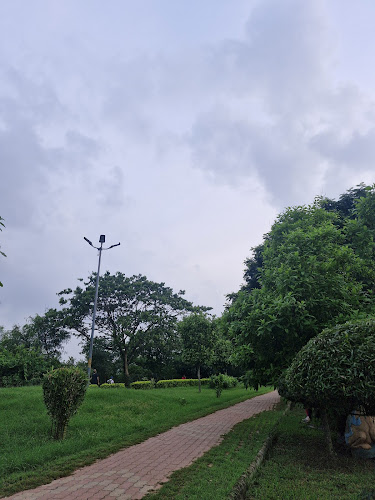
• Well-maintained gardens and outdoor spaces where political gatherings and discussions once took place
Best Time to Visit
Here’s where things get practical. The museum operates year-round, but timing your visit right can make a huge difference in your experience. From what I’ve observed and heard from fellow travelers, the cooler months between October and March offer the most comfortable visiting conditions. The weather during these months won’t have you dripping with sweat as you try to absorb Indian history, which is definitely a plus.
Winter mornings are particularly magical at Anand Bhawan. The crisp air, the softer light filtering through the old trees on the property – it creates an atmosphere that somehow makes history feel more tangible. I’d recommend arriving right when the museum opens. You’ll beat the tourist groups and school excursions that tend to arrive later in the morning, giving you a chance to experience the place at a more contemplative pace.
Weekdays generally see fewer crowds compared to weekends. If you’re traveling with flexibility, aim for a Tuesday or Wednesday visit. The weekend rush can sometimes detract from the intimate experience this museum deserves. And speaking of crowds, try to avoid national holidays and school vacation periods unless you don’t mind sharing the space with large groups of enthusiastic students.
The monsoon season from July to September brings its own charm, though. The gardens come alive, and there’s something poetic about exploring a historical monument while rain patters on the old roof. But be prepared for occasional closures or restricted access to outdoor areas during heavy rains.
Summer months from April to June can be brutally hot, making the outdoor portions of your visit quite challenging. However, if this is your only option, plan to visit early morning or late afternoon to avoid the peak heat hours.
How to Get There
Getting to Anand Bhawan is relatively straightforward once you’re in the city. The museum is well-connected and locals are generally familiar with the landmark, so you won’t struggle with directions.
If you’re arriving by train, the nearest railway station is within reasonable distance. Auto-rickshaws and cycle-rickshaws are readily available and most drivers know the location without needing detailed directions. Just say “Anand Bhawan” and they’ll nod knowingly. Do negotiate the fare beforehand though – it’s just part of the travel experience in India and drivers actually expect it.
For those flying in, the airport connects to the city through various transport options including prepaid taxis and app-based cab services. The journey takes about 45 minutes to an hour depending on traffic conditions. App-based services like Uber and Ola work well here and take the guesswork out of pricing.
Local buses also serve the area, though I’ll be honest – if you’re not familiar with the bus system, it can be confusing. The routes aren’t always clearly marked in English, and you’ll need to know which bus numbers stop near the museum. But if you’re adventurous and want an authentic local experience, ask at your hotel for the specific bus numbers.
Walking to the museum is possible if you’re staying in the central areas. The neighborhood is relatively safe during daylight hours, and strolling through the streets gives you a better sense of the city’s character. Just remember that Indian traffic can be chaotic, so stay alert at crossings.
Parking is available if you’re driving yourself or hiring a car for the day, which honestly makes sense if you’re planning to visit multiple sites in the area.
Tips for Visiting
Let me share some insights that’ll help you make the most of your visit to Anand Bhawan, because there are definitely things I wish someone had told me before my first visit to a similar heritage site.
Photography policies can be strict in certain sections of the museum. Some areas allow photos without flash, while others prohibit photography entirely to preserve sensitive documents and artifacts. Always check before clicking pictures to avoid awkward situations with museum staff. Trust me on this one.
Wear comfortable walking shoes. The museum sprawls across a significant area, and you’ll be on your feet exploring both indoor and outdoor spaces. Those fashionable but impractical sandals you packed? Save them for dinner. Your feet will thank you later.
Consider hiring a guide or at the very least, grab an audio guide if available. The museum has layers of historical significance that aren’t immediately obvious from just looking at objects. A knowledgeable guide can connect the dots between personal artifacts and major historical events in ways that transform your understanding of India’s independence movement.
Allocate at least two to three hours for a thorough visit. Rushing through defeats the purpose. This isn’t a place to check off your list; it’s a place to actually experience. Some visitors spend half a day here, especially those with a keen interest in Indian history or political science.
The museum shop near the exit often has interesting books and souvenirs related to the Nehru family and the independence movement. These make for more meaningful souvenirs than the typical tourist trinkets you’ll find elsewhere.
Dress modestly and respectfully. While there isn’t a strict dress code, remember you’re visiting what was essentially someone’s home and is now a monument to India’s freedom struggle. Shorts and tank tops might not be prohibited, but they’re not really appropriate either.
Bring water, especially during warmer months, though you might not be allowed to carry it inside certain sections. There are usually designated areas where you can take breaks and hydrate.
Check the museum’s operating hours before you go. Like many Indian museums, it typically closes one day a week for maintenance. Nothing’s more frustrating than showing up to locked gates because you didn’t verify the schedule.
If you’re really into history, consider reading up on the Nehru family and the Indian independence movement before your visit. Even a basic understanding of the timeline and key figures will significantly enhance your appreciation of what you’re seeing. The artifacts become so much more meaningful when you know their context.
Respect the quiet atmosphere. This is a place of historical importance, and many Indian visitors approach it with reverence. Loud conversations and disruptive behavior don’t just annoy other visitors – they’re genuinely disrespectful to the significance of the site.
Key Highlights
- Ancestral home of Biju Patnaik converted into a museum
- Personal memorabilia: photographs, letters, clothing and household items
- Interpretive learning displays that explain historical context
- Proximity to Barabati Fort and other Cuttack heritage sites
- Intimate, non-sterile rooms that preserve the lived-in atmosphere
Location
Places to Stay Near Anand Bhawan Museum And Learning Centre
Find and Book a Tour
Explore More Travel Guides
No reviews found! Be the first to review!
Anand Bhawan Museum And Learning Centre is a prominent museums located in Cuttack.
Visit us at: FVM6+V56, Biju Pattnaik Chhak, Tulsipur Rd, Masik Patna Colony, Cuttack, Odisha 753008, India.
Traveler Reviews for Anand Bhawan Museum And Learning Centre
There are no reviews yet. Be the first one to write one.
Have you visited Anand Bhawan Museum And Learning Centre? Help other travelers by sharing your review.
Nearby Attractions
You Might Also Like
Kathajodi River View

Cuttack Railway Station,platform number 1

Barabati Fort
Find Accommodations Nearby
Recommended Tours & Activities
Visitor Reviews
There are no reviews yet. Be the first one to write one.
Share Your Experience
Have you visited Anand Bhawan Museum And Learning Centre? Help other travelers by leaving a review.