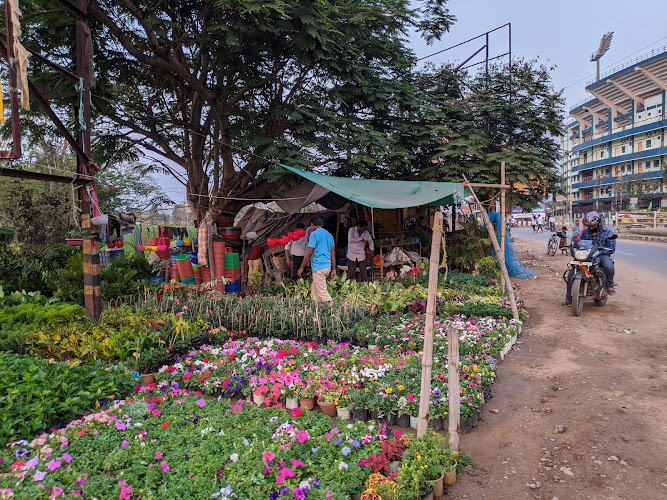
Cuttack
About Cuttack
Description
Cuttack stands as one of Odisha's most historically rich cities, though it often gets overshadowed by its capital neighbor Bhubaneswar. And honestly, that's part of its charm – fewer tourist crowds mean you get to experience authentic Indian city life without constantly dodging tour groups. The city sprawls across a peninsula formed by the Mahanadi and Kathajodi Rivers, creating this natural fortress that made it a strategic powerhouse throughout history. I remember when I first visited, expecting just another crowded Indian city, but Cuttack surprised me with its layers of history visible everywhere you turn. The medieval ruins of Barabati Fort dominate the landscape, reminding visitors that this wasn't always just another administrative center – it was once the seat of the powerful Eastern Ganga dynasty. The fort's moated remains tell stories of battles, royal ceremonies, and centuries of changing rulers. What makes Cuttack particularly fascinating is how it blends different religious and cultural traditions in one space. Within the fort complex itself, you'll find the Shahi Mosque with its distinctive three white domes, a testament to the city's Islamic heritage. Just nearby sits the Maa Cuttack Chandi Temple, drawing thousands of Hindu pilgrims throughout the year. This religious harmony isn't just tolerance – it's woven into the city's DNA after centuries of coexistence. The city serves as Odisha's commercial hub and has this energetic, business-minded atmosphere that differs from typical tourist destinations. Local markets bustle with activity, particularly the famous silver filigree work that Cuttack has perfected over generations. But don't expect a polished, sanitized experience here. Cuttack shows you India as it actually is – sometimes chaotic, always fascinating, and surprisingly rewarding for those willing to dig beneath the surface.Key Features
- Barabati Fort Ruins: These medieval remains occupy a massive area and give you genuine insight into military architecture from the Eastern Ganga period. The fort's strategic position between two rivers becomes obvious when you explore the grounds, and the earthen ramparts still stand impressively tall despite centuries of weathering.
- Shahi Mosque: Dating back several centuries, this mosque with its three white domes represents the architectural influences that came with Muslim rulers. The structure's simplicity contrasts beautifully with the more ornate Hindu temples nearby, and it remains an active place of worship.
- Maa Cuttack Chandi Temple: This isn't just any temple – it's considered one of the Shakti Peethas and draws devotees from across eastern India. The temple atmosphere during festivals becomes absolutely electric with devotion and celebration.
- Silver Filigree Craftsmanship: Cuttack has been the center of silver filigree work in India for centuries. You can actually watch artisans creating intricate pieces using techniques passed down through generations, and the quality here surpasses what you'll find in most other Indian cities.
- River Confluence: The unique peninsula location between the Mahanadi and Kathajodi creates scenic river views and explains why ancient rulers chose this spot. Evening walks along the river banks offer peaceful respites from the city's bustle.
- Durga Puja Celebrations: Cuttack hosts some of Odisha's most elaborate Durga Puja festivals, with massive pandals and artistic displays that rival Kolkata's famous celebrations, yet with distinctly Odishan flavors.
- Qadam-I-Rasool: This sacred Muslim shrine contains what believers hold as the Prophet's footprint, making it an important pilgrimage site and another example of the city's religious diversity.
- Medieval Street Layout: The old city retains its historical street pattern, with narrow lanes that haven't changed much in centuries. Getting lost in these bylanes reveals hidden temples, old havelis, and traditional neighborhoods.
Best Time to Visit
Timing your Cuttack visit makes a huge difference in your experience, and I learned this the hard way during my first trip in May when temperatures hit 45 degrees Celsius. Trust me, exploring medieval fort ruins in that heat isn't romantic – it's just miserable. October through February represents the ideal window for visiting Cuttack. The winter months bring pleasant temperatures ranging from 15 to 28 degrees Celsius, making all that outdoor exploration actually enjoyable. December and January can get slightly chilly in the early mornings and evenings, so pack a light jacket if you're sensitive to cold. But here's where it gets interesting – if you want to see Cuttack at its absolute best, plan around Durga Puja in October. The city transforms completely during this festival, with elaborate pandals, cultural programs, and an energy that's hard to describe unless you've experienced it. The entire population seems to pour into the streets, and the celebrations here have this unique Odishan character that differs from West Bengal's more famous Durga Puja. Just book accommodation well in advance because hotels fill up fast. The monsoon season from June through September brings heavy rainfall to the region. While the rivers swell dramatically and the landscape turns lush green, flooding can become a serious issue since the city sits on a peninsula between two major rivers. Roads sometimes become impassable, and sightseeing becomes challenging. Unless you have specific reasons to visit during monsoon, I'd skip this period. March through May should generally be avoided due to scorching heat and humidity. Temperatures regularly exceed 40 degrees Celsius, and the humidity makes it feel even hotter. The silver lining? Hotels offer their lowest rates during this off-season, and you'll have tourist sites almost to yourself. If you can handle extreme heat and want to save money, early March might work before things get truly unbearable. November offers probably the best overall balance – post-monsoon freshness, comfortable temperatures, clear skies for photography, and reasonable hotel rates since the Durga Puja rush has passed.How to Get There
Getting to Cuttack requires slightly more effort than reaching major tourist destinations, but it's far from difficult. The city's position as Odisha's commercial center means decent connectivity through multiple transport options. By air, you'll fly into Biju Patnaik International Airport in Bhubaneswar, located about 28 kilometers from Cuttack. Major Indian carriers including Air India, IndiGo, and Vistara operate regular flights connecting Bhubaneswar with Delhi, Mumbai, Kolkata, Bangalore, Hyderabad, and other major cities. International travelers typically connect through these hub cities. From the airport, you have several options – prepaid taxis cost around 600-800 rupees and take roughly 45 minutes to an hour depending on traffic. App-based cabs through Ola or Uber offer similar rates and more transparency. Some hotels arrange airport pickups, though usually at premium rates. The railway option actually works better for many travelers since Cuttack Junction serves as a major station on the Howrah-Chennai main line. Trains from Kolkata take about 6-7 hours, Delhi trains take around 24-26 hours, and you'll find connections from most major Indian cities. The station sits right in the city, making onward travel simple. I personally prefer overnight trains from Kolkata – you save a hotel night and arrive fresh in the morning ready to explore. By road, Cuttack connects through National Highway 16 (previously NH 5), making it accessible via bus or private vehicle. Odisha State Road Transport Corporation runs regular buses from Bhubaneswar, Puri, and other Odishan cities. Private operators offer more comfortable options with better seating. The Bhubaneswar to Cuttack drive takes about an hour in normal traffic, though the route can get congested during peak hours. Many travelers base themselves in Bhubaneswar and make Cuttack a day trip, which works fine if you're short on time. Within Cuttack, auto-rickshaws dominate local transport, though you'll need to bargain or insist on the meter. City buses exist but navigating routes proves challenging for first-time visitors. App-based cabs work in the main areas but aren't as readily available as in Bhubaneswar. I found hiring an auto for half or full day worked best for covering multiple sites – negotiate rates upfront and expect to pay around 400-600 rupees for a full day depending on your bargaining skills.Tips for Visiting
Cuttack rewards travelers who approach it with flexibility and realistic expectations. This isn't a perfectly manicured tourist destination with signboards everywhere – it's a working city with historical sites scattered throughout. Start your exploration early in the day, particularly for outdoor sites like Barabati Fort. The midday heat can be intense even in winter months, and morning light creates better photography conditions anyway. The fort grounds are large enough that you'll want at least 2-3 hours to properly explore without rushing. Dress modestly, especially when visiting religious sites like Maa Cuttack Chandi Temple or Shahi Mosque. Women should carry a dupatta or scarf, and everyone should avoid shorts or sleeveless tops at temples and mosques. Shoes need to be removed at most religious sites, so wear footwear that's easy to slip on and off. And honestly, socks are your friend here – temple floors get scorching hot under the sun. The silver filigree shops concentrate in certain areas of the old city. Don't buy from the first shop you visit – prices vary significantly, and comparing quality takes some time. Look for intricate work with clean finish and ask about the silver purity. Reputable shops should provide certification. Bargaining is expected, but keep it respectful. I typically start at 60-70% of the quoted price and negotiate from there. Food in Cuttack leans heavily toward Odishan cuisine, which differs considerably from North Indian or South Indian food most tourists know. The food tends to use less oil than Bengali cuisine and incorporates unique ingredients. Try local specialties like dahibara aloo dum, thunka puri, and various fish preparations. Street food around Buxi Bazaar area offers authentic flavors, though stick to busy stalls with high turnover if you have a sensitive stomach. I made the mistake of eating from a quiet corner stall once – let's just say I became very familiar with my hotel bathroom. Carry cash since many smaller shops, auto-rickshaws, and local restaurants don't accept cards or digital payments. ATMs are available throughout the city, but don't assume you'll find one exactly when needed. The old city's narrow lanes can be confusing, and you will get lost. Embrace it as part of the experience rather than getting frustrated. Some of my best discoveries happened while wandering aimlessly through residential neighborhoods. Just keep a screenshot of your hotel location and carry a local SIM card so you can call for directions when needed. Language can be a barrier since English isn't as widely spoken as in major tourist cities. Learning basic Odia phrases helps tremendously – "Keemiti achanti?" means "How are you?" and goes a long way in building rapport with locals. Hindi works in many situations as a backup. Photography is generally allowed at most sites, but always ask permission at temples and mosques. Some priests or authorities may request small donations in exchange for photography permits. The Barabati Fort offers no such restrictions and makes an excellent spot for photography enthusiasts. Plan for at least a full day to see Cuttack's main attractions properly, though two days allows for a more relaxed pace and deeper exploration of the old city areas. Many travelers rush through in a few hours as part of a Bhubaneswar day trip, which really doesn't do the city justice. Finally, keep your expectations realistic about infrastructure. Cuttack isn't Jaipur or Goa – facilities are more basic, signage is limited, and you'll need to work harder to extract the city's treasures. But that effort gets rewarded with authentic experiences and insights into a historically significant city that most tourists completely miss.Key Features
- Historic twin rivers: Mahanadi and Kathajodi riverfront ghats and Bali Jatra legacy
- Traditional silver filigree (tara) craftsmanship and local artisan workshops
- Vibrant Durga Puja and Bali Jatra festivals with cultural performances and trade
- Colonial and medieval architecture including Barabati Fort remnants
- Bustling local markets and distinctive Odia street food
More Details
Updated March 30, 2026
Table of Contents
Description
Cuttack stands as one of Odisha’s most historically rich cities, though it often gets overshadowed by its capital neighbor Bhubaneswar. And honestly, that’s part of its charm – fewer tourist crowds mean you get to experience authentic Indian city life without constantly dodging tour groups. The city sprawls across a peninsula formed by the Mahanadi and Kathajodi Rivers, creating this natural fortress that made it a strategic powerhouse throughout history.
I remember when I first visited, expecting just another crowded Indian city, but Cuttack surprised me with its layers of history visible everywhere you turn. The medieval ruins of Barabati Fort dominate the landscape, reminding visitors that this wasn’t always just another administrative center – it was once the seat of the powerful Eastern Ganga dynasty. The fort’s moated remains tell stories of battles, royal ceremonies, and centuries of changing rulers.
What makes Cuttack particularly fascinating is how it blends different religious and cultural traditions in one space. Within the fort complex itself, you’ll find the Shahi Mosque with its distinctive three white domes, a testament to the city’s Islamic heritage. Just nearby sits the Maa Cuttack Chandi Temple, drawing thousands of Hindu pilgrims throughout the year. This religious harmony isn’t just tolerance – it’s woven into the city’s DNA after centuries of coexistence.
The city serves as Odisha’s commercial hub and has this energetic, business-minded atmosphere that differs from typical tourist destinations. Local markets bustle with activity, particularly the famous silver filigree work that Cuttack has perfected over generations. But don’t expect a polished, sanitized experience here. Cuttack shows you India as it actually is – sometimes chaotic, always fascinating, and surprisingly rewarding for those willing to dig beneath the surface.
Key Features
- Barabati Fort Ruins: These medieval remains occupy a massive area and give you genuine insight into military architecture from the Eastern Ganga period. The fort’s strategic position between two rivers becomes obvious when you explore the grounds, and the earthen ramparts still stand impressively tall despite centuries of weathering.
- Shahi Mosque: Dating back several centuries, this mosque with its three white domes represents the architectural influences that came with Muslim rulers. The structure’s simplicity contrasts beautifully with the more ornate Hindu temples nearby, and it remains an active place of worship.
- Maa Cuttack Chandi Temple: This isn’t just any temple – it’s considered one of the Shakti Peethas and draws devotees from across eastern India. The temple atmosphere during festivals becomes absolutely electric with devotion and celebration.
- Silver Filigree Craftsmanship: Cuttack has been the center of silver filigree work in India for centuries. You can actually watch artisans creating intricate pieces using techniques passed down through generations, and the quality here surpasses what you’ll find in most other Indian cities.
- River Confluence: The unique peninsula location between the Mahanadi and Kathajodi creates scenic river views and explains why ancient rulers chose this spot. Evening walks along the river banks offer peaceful respites from the city’s bustle.
- Durga Puja Celebrations: Cuttack hosts some of Odisha’s most elaborate Durga Puja festivals, with massive pandals and artistic displays that rival Kolkata’s famous celebrations, yet with distinctly Odishan flavors.
- Qadam-I-Rasool: This sacred Muslim shrine contains what believers hold as the Prophet’s footprint, making it an important pilgrimage site and another example of the city’s religious diversity.
- Medieval Street Layout: The old city retains its historical street pattern, with narrow lanes that haven’t changed much in centuries. Getting lost in these bylanes reveals hidden temples, old havelis, and traditional neighborhoods.
Best Time to Visit
Timing your Cuttack visit makes a huge difference in your experience, and I learned this the hard way during my first trip in May when temperatures hit 45 degrees Celsius. Trust me, exploring medieval fort ruins in that heat isn’t romantic – it’s just miserable.
October through February represents the ideal window for visiting Cuttack. The winter months bring pleasant temperatures ranging from 15 to 28 degrees Celsius, making all that outdoor exploration actually enjoyable. December and January can get slightly chilly in the early mornings and evenings, so pack a light jacket if you’re sensitive to cold.
But here’s where it gets interesting – if you want to see Cuttack at its absolute best, plan around Durga Puja in October. The city transforms completely during this festival, with elaborate pandals, cultural programs, and an energy that’s hard to describe unless you’ve experienced it. The entire population seems to pour into the streets, and the celebrations here have this unique Odishan character that differs from West Bengal’s more famous Durga Puja. Just book accommodation well in advance because hotels fill up fast.
The monsoon season from June through September brings heavy rainfall to the region. While the rivers swell dramatically and the landscape turns lush green, flooding can become a serious issue since the city sits on a peninsula between two major rivers. Roads sometimes become impassable, and sightseeing becomes challenging. Unless you have specific reasons to visit during monsoon, I’d skip this period.
March through May should generally be avoided due to scorching heat and humidity. Temperatures regularly exceed 40 degrees Celsius, and the humidity makes it feel even hotter. The silver lining? Hotels offer their lowest rates during this off-season, and you’ll have tourist sites almost to yourself. If you can handle extreme heat and want to save money, early March might work before things get truly unbearable.
November offers probably the best overall balance – post-monsoon freshness, comfortable temperatures, clear skies for photography, and reasonable hotel rates since the Durga Puja rush has passed.
How to Get There
Getting to Cuttack requires slightly more effort than reaching major tourist destinations, but it’s far from difficult. The city’s position as Odisha’s commercial center means decent connectivity through multiple transport options.
By air, you’ll fly into Biju Patnaik International Airport in Bhubaneswar, located about 28 kilometers from Cuttack. Major Indian carriers including Air India, IndiGo, and Vistara operate regular flights connecting Bhubaneswar with Delhi, Mumbai, Kolkata, Bangalore, Hyderabad, and other major cities. International travelers typically connect through these hub cities. From the airport, you have several options – prepaid taxis cost around 600-800 rupees and take roughly 45 minutes to an hour depending on traffic. App-based cabs through Ola or Uber offer similar rates and more transparency. Some hotels arrange airport pickups, though usually at premium rates.
The railway option actually works better for many travelers since Cuttack Junction serves as a major station on the Howrah-Chennai main line. Trains from Kolkata take about 6-7 hours, Delhi trains take around 24-26 hours, and you’ll find connections from most major Indian cities. The station sits right in the city, making onward travel simple. I personally prefer overnight trains from Kolkata – you save a hotel night and arrive fresh in the morning ready to explore.
By road, Cuttack connects through National Highway 16 (previously NH 5), making it accessible via bus or private vehicle. Odisha State Road Transport Corporation runs regular buses from Bhubaneswar, Puri, and other Odishan cities. Private operators offer more comfortable options with better seating. The Bhubaneswar to Cuttack drive takes about an hour in normal traffic, though the route can get congested during peak hours. Many travelers base themselves in Bhubaneswar and make Cuttack a day trip, which works fine if you’re short on time.
Within Cuttack, auto-rickshaws dominate local transport, though you’ll need to bargain or insist on the meter. City buses exist but navigating routes proves challenging for first-time visitors. App-based cabs work in the main areas but aren’t as readily available as in Bhubaneswar. I found hiring an auto for half or full day worked best for covering multiple sites – negotiate rates upfront and expect to pay around 400-600 rupees for a full day depending on your bargaining skills.
Tips for Visiting
Cuttack rewards travelers who approach it with flexibility and realistic expectations. This isn’t a perfectly manicured tourist destination with signboards everywhere – it’s a working city with historical sites scattered throughout.
Start your exploration early in the day, particularly for outdoor sites like Barabati Fort. The midday heat can be intense even in winter months, and morning light creates better photography conditions anyway. The fort grounds are large enough that you’ll want at least 2-3 hours to properly explore without rushing.
Dress modestly, especially when visiting religious sites like Maa Cuttack Chandi Temple or Shahi Mosque. Women should carry a dupatta or scarf, and everyone should avoid shorts or sleeveless tops at temples and mosques. Shoes need to be removed at most religious sites, so wear footwear that’s easy to slip on and off. And honestly, socks are your friend here – temple floors get scorching hot under the sun.
The silver filigree shops concentrate in certain areas of the old city. Don’t buy from the first shop you visit – prices vary significantly, and comparing quality takes some time. Look for intricate work with clean finish and ask about the silver purity. Reputable shops should provide certification. Bargaining is expected, but keep it respectful. I typically start at 60-70% of the quoted price and negotiate from there.
Food in Cuttack leans heavily toward Odishan cuisine, which differs considerably from North Indian or South Indian food most tourists know. The food tends to use less oil than Bengali cuisine and incorporates unique ingredients. Try local specialties like dahibara aloo dum, thunka puri, and various fish preparations. Street food around Buxi Bazaar area offers authentic flavors, though stick to busy stalls with high turnover if you have a sensitive stomach. I made the mistake of eating from a quiet corner stall once – let’s just say I became very familiar with my hotel bathroom.
Carry cash since many smaller shops, auto-rickshaws, and local restaurants don’t accept cards or digital payments. ATMs are available throughout the city, but don’t assume you’ll find one exactly when needed.
The old city’s narrow lanes can be confusing, and you will get lost. Embrace it as part of the experience rather than getting frustrated. Some of my best discoveries happened while wandering aimlessly through residential neighborhoods. Just keep a screenshot of your hotel location and carry a local SIM card so you can call for directions when needed.
Language can be a barrier since English isn’t as widely spoken as in major tourist cities. Learning basic Odia phrases helps tremendously – “Keemiti achanti?” means “How are you?” and goes a long way in building rapport with locals. Hindi works in many situations as a backup.
Photography is generally allowed at most sites, but always ask permission at temples and mosques. Some priests or authorities may request small donations in exchange for photography permits. The Barabati Fort offers no such restrictions and makes an excellent spot for photography enthusiasts.
Plan for at least a full day to see Cuttack’s main attractions properly, though two days allows for a more relaxed pace and deeper exploration of the old city areas. Many travelers rush through in a few hours as part of a Bhubaneswar day trip, which really doesn’t do the city justice.
Finally, keep your expectations realistic about infrastructure. Cuttack isn’t Jaipur or Goa – facilities are more basic, signage is limited, and you’ll need to work harder to extract the city’s treasures. But that effort gets rewarded with authentic experiences and insights into a historically significant city that most tourists completely miss.

Key Highlights
- Historic twin rivers: Mahanadi and Kathajodi riverfront ghats and Bali Jatra legacy
- Traditional silver filigree (tara) craftsmanship and local artisan workshops
- Vibrant Durga Puja and Bali Jatra festivals with cultural performances and trade
- Colonial and medieval architecture including Barabati Fort remnants
- Bustling local markets and distinctive Odia street food
Location
Places to Stay Near Cuttack
Find and Book a Tour
Explore More Travel Guides
No reviews found! Be the first to review!
Cuttack is a prominent Attractions located in Cuttack.
Traveler Reviews for Cuttack
There are no reviews yet. Be the first one to write one.
Have you visited Cuttack? Help other travelers by sharing your review.
Nearby Attractions
Find Accommodations Nearby
Recommended Tours & Activities
Visitor Reviews
There are no reviews yet. Be the first one to write one.
Share Your Experience
Have you visited Cuttack? Help other travelers by leaving a review.