

Baguio Mansion House : The Presidential Museum
About Baguio Mansion House : The Presidential Museum
Description
The Baguio Mansion House, now known to many travelers as The Presidential Museum, sits quietly along a pine-lined road, and yet it carries a weight of history that’s hard to ignore once you’re inside the gates. This is not just another old building you tick off a sightseeing list. It’s the official summer residence of the President of the Philippines, or at least it was designed to be that, back when Baguio was the country’s go-to escape from the lowland heat. And honestly, standing there on a cool afternoon, it makes sense why presidents kept coming back.
The place has a very particular feel. The first thing most visitors notice are the lawns. They’re wide, neatly trimmed, and somehow calming, like they’ve been maintained with a quiet kind of pride. The gardens are open to the public, which already makes this different from many presidential homes around the world. You don’t just peer through a fence; you actually walk the grounds, pose by the iconic main gate, and wander paths that past leaders once strolled. And yes, people do take a lot of photos here. It’s practically a ritual.
Inside the Presidential Museum, the tone shifts from garden stroll to historical reflection. Exhibits focus on the presidents who used the Mansion House, featuring memorabilia, photographs, and contextual information that gives depth to names you might remember from textbooks, or maybe just from currency bills. It doesn’t overwhelm you with too much text, which I appreciate. Museums that feel like reading assignments tend to lose me. This one keeps things digestible, and you move through it at your own pace.
There’s a certain old-world charm in the architecture too. The Mansion House was built during the American colonial period, and you can still see that influence in the design. White walls, clean lines, and that formal but not intimidating look. And maybe it’s just me, but there’s something grounding about being in a place that’s seen so many political shifts, decisions, and personalities over the decades. It gives context to the city of Baguio itself, which isn’t just about strawberries and foggy mornings, no matter what Instagram says.
Travelers often come here expecting a quick stop, and many end up lingering longer than planned. Some sit on benches and just watch the trees sway. Others slowly circle the grounds, trying to imagine what it was like when the President was actually in residence. It’s not flashy, and that’s kind of the point. The Baguio Mansion House offers a quieter, more reflective experience, one that balances well with the busier tourist spots in the city.
Key Features
- Historic presidential summer residence with museum exhibits open to the public
- Spacious, well-maintained lawns and gardens ideal for walking and photos
- Architecture dating back to the American colonial period
- Exhibits showcasing Philippine presidents, memorabilia, and historical context
- Iconic main gate that has become one of Baguio’s most photographed spots
- Wheelchair-accessible entrance, restrooms, and parking, making it inclusive for more visitors
- Free parking available on-site, which in Baguio feels like winning a small lottery
- Family-friendly environment where kids can roam safely within designated areas
Best Time to Visit
Timing matters at the Baguio Mansion House, maybe more than people realize. Early mornings are peaceful. The air is crisp, sometimes almost cold, and the gardens feel like they belong to you. This is when photographers get the best light too, that soft glow that makes everything look just a little more poetic. If you’re the type who likes quiet moments while traveling, aim for this window.
Late afternoons are another solid choice. The crowds thin out a bit, and the temperature drops again after midday. Families often come around this time, kids running on the grass while adults take turns snapping photos. It has a relaxed, almost picnic-like vibe, even though food isn’t really the focus here. And if clouds roll in, which they often do in Baguio, the place feels moody in a good way.
Midday visits are doable, but expect more people. Tour groups tend to arrive then, and the sun, while not scorching, can still be a bit much if you’re walking around for a while. As for seasons, the dry months usually make for more comfortable exploring, but the rainy season has its own charm. The gardens turn a deeper green, and the whole area smells like wet pine and earth. Just bring an umbrella and patience.
Weekdays are generally calmer than weekends. That’s not a hard rule, but if you want a less rushed experience, it’s worth planning around. And if there’s a public holiday, well, expect company. Still, even on busy days, the Mansion House rarely feels chaotic. It absorbs people somehow.
How to Get There
Getting to the Baguio Mansion House is fairly straightforward, even if you’re not familiar with the city. Most travelers start from Baguio’s central areas, like Session Road or Burnham Park. From there, you can take a taxi, which is honestly the easiest option. Taxi drivers in Baguio usually know the place well, and the ride doesn’t take long unless traffic decides otherwise. And yes, traffic happens here too, cool weather and all.
For those who enjoy a bit of adventure, jeepneys heading toward the appropriate routes can also drop you near the area. It’s cheaper and gives you a more local feel, though it might require a short walk afterward. Walking is also an option if you’re staying nearby and don’t mind hills. Baguio is not flat, and your calves will remind you of that.
If you’re driving, there’s free parking available, which is a big plus. Just be patient when maneuvering in and out, especially during peak hours. The roads around the Mansion House can get narrow, and everyone seems to arrive at once sometimes. But with a little patience, it’s manageable.
And here’s a small tip from experience: ask locals for directions if you’re unsure. People in Baguio are generally helpful, and sometimes they’ll even suggest nearby spots you hadn’t planned on visiting. That’s how side adventures begin.
Tips for Visiting
First, wear comfortable shoes. This sounds obvious, but the grounds are bigger than they look from the gate. You’ll be walking, standing, and probably pacing back and forth for photos. Slippery shoes aren’t your friend here, especially if it rained earlier. And it often rains, even when the forecast says otherwise.
Bring a light jacket. Even on sunny days, Baguio weather can turn cool fast. I’ve personally underestimated this and ended up hugging myself in the shade like a fool. Learn from that mistake. A small backpack with essentials is enough; you don’t need to overpack.
Set aside at least an hour, maybe more if you like to read exhibits slowly or just sit and observe. Rushing through the Presidential Museum kind of defeats the purpose. This is a place that rewards slowing down. Take time to absorb the stories, the setting, and the atmosphere.
If you’re visiting with kids, let them explore the gardens but keep an eye on them. The area is generally safe and good for families, but it’s still a historic site. Teaching kids to respect the space adds to the experience, and honestly, they might learn something without realizing it.
Accessibility is thoughtfully considered here, which deserves a mention. Wheelchair-accessible entrances, parking, and restrooms make it easier for more travelers to enjoy the site. It’s not something every historic attraction gets right, so it’s worth appreciating.
Don’t expect food stalls or restaurants inside. There aren’t any. Eat beforehand or plan to head elsewhere after your visit. Baguio has no shortage of dining options, and turning your Mansion House visit into part of a longer day out works well.
Lastly, manage your expectations. The Baguio Mansion House is not a massive museum packed with interactive displays. It’s more understated, more reflective. Some visitors love that, others feel it’s just okay. And that’s fine. Go in with curiosity rather than hype, and you’ll likely leave with a deeper appreciation for this corner of Philippine history.
For travelers who want more than surface-level sightseeing, the Baguio Mansion House: The Presidential Museum offers context, calm, and a sense of continuity. It’s a reminder that travel isn’t always about chasing the loudest attraction. Sometimes it’s about standing on a quiet lawn, breathing cool air, and feeling history linger just a little longer than expected.
Key Features
- Historic presidential summer residence with museum exhibits open to the public
- Spacious, well-maintained lawns and gardens ideal for walking and photos
- Architecture dating back to the American colonial period
- Exhibits showcasing Philippine presidents, memorabilia, and historical context
- Iconic main gate that has become one of Baguio’s most photographed spots
- Wheelchair-accessible entrance, restrooms, and parking, making it inclusive for more visitors
- Free parking available on-site, which in Baguio feels like winning a small lottery
- Family-friendly environment where kids can roam safely within designated areas
More Details
Updated December 31, 2025
Table of Contents
- Description
- Key Features
- Best Time to Visit
- How to Get There
- Tips for Visiting
- Key Highlights
- Location
- Places to Stay Near Baguio Mansion House : The Presidential Museum
- Find and Book a Tour
- Explore More Travel Guides
- Nearby Places You Might Like
- Traveler Reviews for Baguio Mansion House : The Presidential Museum
- Share Your Experience
Description
The Baguio Mansion House, now known to many travelers as The Presidential Museum, sits quietly along a pine-lined road, and yet it carries a weight of history that’s hard to ignore once you’re inside the gates. This is not just another old building you tick off a sightseeing list. It’s the official summer residence of the President of the Philippines, or at least it was designed to be that, back when Baguio was the country’s go-to escape from the lowland heat. And honestly, standing there on a cool afternoon, it makes sense why presidents kept coming back.
The place has a very particular feel. The first thing most visitors notice are the lawns. They’re wide, neatly trimmed, and somehow calming, like they’ve been maintained with a quiet kind of pride. The gardens are open to the public, which already makes this different from many presidential homes around the world. You don’t just peer through a fence; you actually walk the grounds, pose by the iconic main gate, and wander paths that past leaders once strolled. And yes, people do take a lot of photos here. It’s practically a ritual.
Inside the Presidential Museum, the tone shifts from garden stroll to historical reflection. Exhibits focus on the presidents who used the Mansion House, featuring memorabilia, photographs, and contextual information that gives depth to names you might remember from textbooks, or maybe just from currency bills. It doesn’t overwhelm you with too much text, which I appreciate. Museums that feel like reading assignments tend to lose me. This one keeps things digestible, and you move through it at your own pace.
There’s a certain old-world charm in the architecture too. The Mansion House was built during the American colonial period, and you can still see that influence in the design. White walls, clean lines, and that formal but not intimidating look. And maybe it’s just me, but there’s something grounding about being in a place that’s seen so many political shifts, decisions, and personalities over the decades. It gives context to the city of Baguio itself, which isn’t just about strawberries and foggy mornings, no matter what Instagram says.
Travelers often come here expecting a quick stop, and many end up lingering longer than planned. Some sit on benches and just watch the trees sway. Others slowly circle the grounds, trying to imagine what it was like when the President was actually in residence. It’s not flashy, and that’s kind of the point. The Baguio Mansion House offers a quieter, more reflective experience, one that balances well with the busier tourist spots in the city.
Key Features
- Historic presidential summer residence with museum exhibits open to the public
- Spacious, well-maintained lawns and gardens ideal for walking and photos
- Architecture dating back to the American colonial period
- Exhibits showcasing Philippine presidents, memorabilia, and historical context
- Iconic main gate that has become one of Baguio’s most photographed spots
- Wheelchair-accessible entrance, restrooms, and parking, making it inclusive for more visitors
- Free parking available on-site, which in Baguio feels like winning a small lottery
- Family-friendly environment where kids can roam safely within designated areas
Best Time to Visit
Timing matters at the Baguio Mansion House, maybe more than people realize. Early mornings are peaceful. The air is crisp, sometimes almost cold, and the gardens feel like they belong to you. This is when photographers get the best light too, that soft glow that makes everything look just a little more poetic. If you’re the type who likes quiet moments while traveling, aim for this window.
Late afternoons are another solid choice. The crowds thin out a bit, and the temperature drops again after midday. Families often come around this time, kids running on the grass while adults take turns snapping photos. It has a relaxed, almost picnic-like vibe, even though food isn’t really the focus here. And if clouds roll in, which they often do in Baguio, the place feels moody in a good way.
Midday visits are doable, but expect more people. Tour groups tend to arrive then, and the sun, while not scorching, can still be a bit much if you’re walking around for a while. As for seasons, the dry months usually make for more comfortable exploring, but the rainy season has its own charm. The gardens turn a deeper green, and the whole area smells like wet pine and earth. Just bring an umbrella and patience.
Weekdays are generally calmer than weekends. That’s not a hard rule, but if you want a less rushed experience, it’s worth planning around. And if there’s a public holiday, well, expect company. Still, even on busy days, the Mansion House rarely feels chaotic. It absorbs people somehow.
How to Get There
Getting to the Baguio Mansion House is fairly straightforward, even if you’re not familiar with the city. Most travelers start from Baguio’s central areas, like Session Road or Burnham Park. From there, you can take a taxi, which is honestly the easiest option. Taxi drivers in Baguio usually know the place well, and the ride doesn’t take long unless traffic decides otherwise. And yes, traffic happens here too, cool weather and all.
For those who enjoy a bit of adventure, jeepneys heading toward the appropriate routes can also drop you near the area. It’s cheaper and gives you a more local feel, though it might require a short walk afterward. Walking is also an option if you’re staying nearby and don’t mind hills. Baguio is not flat, and your calves will remind you of that.
If you’re driving, there’s free parking available, which is a big plus. Just be patient when maneuvering in and out, especially during peak hours. The roads around the Mansion House can get narrow, and everyone seems to arrive at once sometimes. But with a little patience, it’s manageable.
And here’s a small tip from experience: ask locals for directions if you’re unsure. People in Baguio are generally helpful, and sometimes they’ll even suggest nearby spots you hadn’t planned on visiting. That’s how side adventures begin.
Tips for Visiting
First, wear comfortable shoes. This sounds obvious, but the grounds are bigger than they look from the gate. You’ll be walking, standing, and probably pacing back and forth for photos. Slippery shoes aren’t your friend here, especially if it rained earlier. And it often rains, even when the forecast says otherwise.
Bring a light jacket. Even on sunny days, Baguio weather can turn cool fast. I’ve personally underestimated this and ended up hugging myself in the shade like a fool. Learn from that mistake. A small backpack with essentials is enough; you don’t need to overpack.
Set aside at least an hour, maybe more if you like to read exhibits slowly or just sit and observe. Rushing through the Presidential Museum kind of defeats the purpose. This is a place that rewards slowing down. Take time to absorb the stories, the setting, and the atmosphere.
If you’re visiting with kids, let them explore the gardens but keep an eye on them. The area is generally safe and good for families, but it’s still a historic site. Teaching kids to respect the space adds to the experience, and honestly, they might learn something without realizing it.
Accessibility is thoughtfully considered here, which deserves a mention. Wheelchair-accessible entrances, parking, and restrooms make it easier for more travelers to enjoy the site. It’s not something every historic attraction gets right, so it’s worth appreciating.
Don’t expect food stalls or restaurants inside. There aren’t any. Eat beforehand or plan to head elsewhere after your visit. Baguio has no shortage of dining options, and turning your Mansion House visit into part of a longer day out works well.
Lastly, manage your expectations. The Baguio Mansion House is not a massive museum packed with interactive displays. It’s more understated, more reflective. Some visitors love that, others feel it’s just okay. And that’s fine. Go in with curiosity rather than hype, and you’ll likely leave with a deeper appreciation for this corner of Philippine history.
For travelers who want more than surface-level sightseeing, the Baguio Mansion House: The Presidential Museum offers context, calm, and a sense of continuity. It’s a reminder that travel isn’t always about chasing the loudest attraction. Sometimes it’s about standing on a quiet lawn, breathing cool air, and feeling history linger just a little longer than expected.
Key Highlights
- Historic presidential summer residence with museum exhibits open to the public
- Spacious, well-maintained lawns and gardens ideal for walking and photos
- Architecture dating back to the American colonial period
- Exhibits showcasing Philippine presidents, memorabilia, and historical context
- Iconic main gate that has become one of Baguio’s most photographed spots
- Wheelchair-accessible entrance, restrooms, and parking, making it inclusive for more visitors
- Free parking available on-site, which in Baguio feels like winning a small lottery
- Family-friendly environment where kids can roam safely within designated areas
Location
Places to Stay Near Baguio Mansion House : The Presidential Museum
Find and Book a Tour
Explore More Travel Guides
No reviews found! Be the first to review!
Traveler Reviews for Baguio Mansion House : The Presidential Museum
There are no reviews yet. Be the first one to write one.
Have you visited Baguio Mansion House : The Presidential Museum? Help other travelers by sharing your review.
You Might Also Like
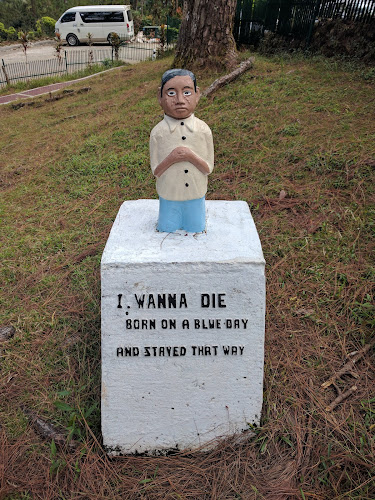
Cemetery Of Negativism
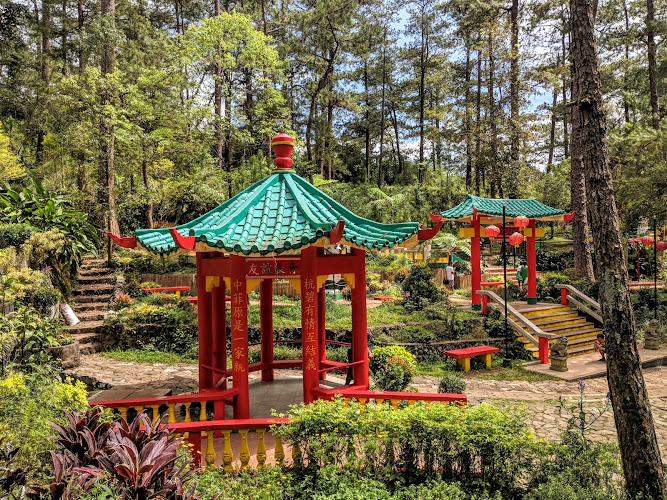
Baguio Botanical Garden

Igorot Garden
Find Accommodations Nearby
Recommended Tours & Activities
Visitor Reviews
There are no reviews yet. Be the first one to write one.
Share Your Experience
Have you visited Baguio Mansion House : The Presidential Museum? Help other travelers by leaving a review.