
Baguio Botanical Garden
About Baguio Botanical Garden
Walking through the Baguio Botanical Garden feels a bit like stepping into a slow afternoon where nobody’s rushing you. The place has that old-school charm Baguio is known for—cool air, tall pine trees, and pockets of color popping out from beds of flowers. It’s not flashy, and honestly, that’s kind of the point. This garden has long been a favorite stop for travelers who want a calmer, more grounded experience in the City of Pines.
Description
The Baguio Botanical Garden is a public attraction that blends landscaped greenery with cultural displays. It covers a generous area along Leonard Wood Road, and once inside, the noise of passing vehicles fades faster than expected. What stands out immediately is how the garden doesn’t try too hard to impress. It simply lets nature, culture, and space do their thing.
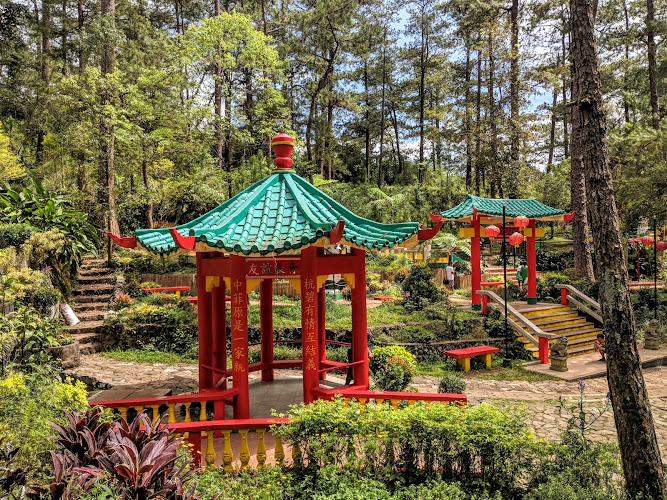
There are winding stone paths, shaded benches, and sections dedicated to different plant varieties—ferns, orchids, flowering shrubs, and towering trees that look like they’ve been there forever. And maybe they have. The garden also features traditional huts representing various Cordilleran tribes, which adds an educational layer without feeling like a museum. Kids run around, couples linger for photos, and solo travelers, like I once was on a foggy Tuesday morning, find a quiet corner and just breathe.
It’s not perfect, and anyone saying it is probably visited on a very good day. Some areas can feel crowded during peak hours, and maintenance can be hit-or-miss depending on the season. But overall, the garden offers a balanced experience—pleasant, affordable, and refreshingly unpretentious. For travelers looking to slow down between more hectic Baguio stops, this place does the job well.
Key Features
- Wide variety of plants and flowers including orchids, seasonal blooms, and native species that thrive in Baguio’s cool climate
- Indigenous huts representing Cordilleran tribes, offering cultural context and great photo spots
- Picnic-friendly spaces with tables scattered around shaded areas
- Playground for children that gives families a reason to linger longer
- Wheelchair-accessible paths and restrooms, making it easier for all visitors to enjoy the space
- Dog-friendly policy, which is always a nice surprise for pet owners traveling with furry companions
- Cool mountain weather that makes walking around comfortable even at midday
- Onsite services and basic amenities like public restrooms
Best Time to Visit
The best time to visit the Baguio Botanical Garden is during the dry months, roughly from November to May. Flower beds tend to look more cared for during this period, and the paths are less slippery. Early mornings are gold. The air is crisp, the crowd is thin, and you can actually hear birds instead of tour guides with megaphones.
Weekdays are generally calmer than weekends. On Saturdays and Sundays, especially during peak travel seasons like summer break or long holidays, the garden can get busy. Not unbearable, but if you’re the type who enjoys wandering without bumping into selfie sticks every five steps, aim for a weekday.
And then there’s Panagbenga season. Visiting during Baguio’s flower festival adds a different energy. Some parts of the garden may be more crowded, but the floral displays are often at their best. Personally, I like visiting just after the festival rush, when the flowers are still around but the crowds have gone home.
How to Get There
Getting to the Baguio Botanical Garden is fairly straightforward, even for first-time visitors. It’s located along a major road, so public transportation is not a problem. Jeepneys and taxis regularly pass by, and most drivers know the spot without needing extra explanation. Just say Botanical Garden, and you’re good.
For travelers staying in the city center, a taxi ride is usually quick and affordable. Walking is also an option if you’re up for it, though Baguio’s slopes can be a workout. I tried walking once from Session Road, thinking it would be a nice stroll. Halfway through, I questioned my life choices. Still, the pine-scented air helped.
If you’re driving your own vehicle, there’s designated parking available, though it can fill up during peak hours. Arriving early helps, or else you might circle around a bit before finding a spot.
Tips for Visiting
Bring small bills. The garden operates on a cash-only system, and having exact change saves time and awkward fumbling at the gate.
Wear comfortable shoes. The paths are mostly walkable, but there are uneven stones and gentle slopes. This isn’t the place for brand-new stiff sneakers.
Pack light snacks. While picnicking is allowed and encouraged, food options inside are limited. A sandwich and a bottle of water go a long way.
Respect the plants and displays. It sounds obvious, but you’d be surprised. The garden stays enjoyable because most visitors play nice. Let’s keep it that way.
If you’re traveling with kids, the playground is a lifesaver. Plan your route so you end there. Trust me, tired kids suddenly find a second wind when swings are involved.
Dogs are allowed, but keep them leashed. Not everyone is comfortable around pets, and it’s just basic courtesy.
Don’t rush. This isn’t a checklist destination. Sit down, watch people, listen to the wind in the trees. Some of my favorite travel memories come from places where I did almost nothing.
For travelers mapping out their Baguio itinerary, the Baguio Botanical Garden works best as a breathing space. It may not blow your mind, but it will steady it. And sometimes, that’s exactly what a trip needs.
Key Features
- Key Features
- Best Time to Visit
- How to Get There
- Tips for Visiting
More Details
Updated December 31, 2025
Walking through the Baguio Botanical Garden feels a bit like stepping into a slow afternoon where nobody’s rushing you. The place has that old-school charm Baguio is known for—cool air, tall pine trees, and pockets of color popping out from beds of flowers. It’s not flashy, and honestly, that’s kind of the point. This garden has long been a favorite stop for travelers who want a calmer, more grounded experience in the City of Pines.
Table of Contents
Description
The Baguio Botanical Garden is a public attraction that blends landscaped greenery with cultural displays. It covers a generous area along Leonard Wood Road, and once inside, the noise of passing vehicles fades faster than expected. What stands out immediately is how the garden doesn’t try too hard to impress. It simply lets nature, culture, and space do their thing.
There are winding stone paths, shaded benches, and sections dedicated to different plant varieties—ferns, orchids, flowering shrubs, and towering trees that look like they’ve been there forever. And maybe they have. The garden also features traditional huts representing various Cordilleran tribes, which adds an educational layer without feeling like a museum. Kids run around, couples linger for photos, and solo travelers, like I once was on a foggy Tuesday morning, find a quiet corner and just breathe.
It’s not perfect, and anyone saying it is probably visited on a very good day. Some areas can feel crowded during peak hours, and maintenance can be hit-or-miss depending on the season. But overall, the garden offers a balanced experience—pleasant, affordable, and refreshingly unpretentious. For travelers looking to slow down between more hectic Baguio stops, this place does the job well.
Key Features
- Wide variety of plants and flowers including orchids, seasonal blooms, and native species that thrive in Baguio’s cool climate
- Indigenous huts representing Cordilleran tribes, offering cultural context and great photo spots
- Picnic-friendly spaces with tables scattered around shaded areas
- Playground for children that gives families a reason to linger longer
- Wheelchair-accessible paths and restrooms, making it easier for all visitors to enjoy the space
- Dog-friendly policy, which is always a nice surprise for pet owners traveling with furry companions
- Cool mountain weather that makes walking around comfortable even at midday
- Onsite services and basic amenities like public restrooms
Best Time to Visit
The best time to visit the Baguio Botanical Garden is during the dry months, roughly from November to May. Flower beds tend to look more cared for during this period, and the paths are less slippery. Early mornings are gold. The air is crisp, the crowd is thin, and you can actually hear birds instead of tour guides with megaphones.
Weekdays are generally calmer than weekends. On Saturdays and Sundays, especially during peak travel seasons like summer break or long holidays, the garden can get busy. Not unbearable, but if you’re the type who enjoys wandering without bumping into selfie sticks every five steps, aim for a weekday.
And then there’s Panagbenga season. Visiting during Baguio’s flower festival adds a different energy. Some parts of the garden may be more crowded, but the floral displays are often at their best. Personally, I like visiting just after the festival rush, when the flowers are still around but the crowds have gone home.
How to Get There
Getting to the Baguio Botanical Garden is fairly straightforward, even for first-time visitors. It’s located along a major road, so public transportation is not a problem. Jeepneys and taxis regularly pass by, and most drivers know the spot without needing extra explanation. Just say Botanical Garden, and you’re good.
For travelers staying in the city center, a taxi ride is usually quick and affordable. Walking is also an option if you’re up for it, though Baguio’s slopes can be a workout. I tried walking once from Session Road, thinking it would be a nice stroll. Halfway through, I questioned my life choices. Still, the pine-scented air helped.
If you’re driving your own vehicle, there’s designated parking available, though it can fill up during peak hours. Arriving early helps, or else you might circle around a bit before finding a spot.
Tips for Visiting
Bring small bills. The garden operates on a cash-only system, and having exact change saves time and awkward fumbling at the gate.
Wear comfortable shoes. The paths are mostly walkable, but there are uneven stones and gentle slopes. This isn’t the place for brand-new stiff sneakers.
Pack light snacks. While picnicking is allowed and encouraged, food options inside are limited. A sandwich and a bottle of water go a long way.
Respect the plants and displays. It sounds obvious, but you’d be surprised. The garden stays enjoyable because most visitors play nice. Let’s keep it that way.
If you’re traveling with kids, the playground is a lifesaver. Plan your route so you end there. Trust me, tired kids suddenly find a second wind when swings are involved.
Dogs are allowed, but keep them leashed. Not everyone is comfortable around pets, and it’s just basic courtesy.
Don’t rush. This isn’t a checklist destination. Sit down, watch people, listen to the wind in the trees. Some of my favorite travel memories come from places where I did almost nothing.
For travelers mapping out their Baguio itinerary, the Baguio Botanical Garden works best as a breathing space. It may not blow your mind, but it will steady it. And sometimes, that’s exactly what a trip needs.
Key Highlights
- Key Features
- Best Time to Visit
- How to Get There
- Tips for Visiting
Location
Places to Stay Near Baguio Botanical Garden
Find and Book a Tour
Explore More Travel Guides
No reviews found! Be the first to review!
Traveler Reviews for Baguio Botanical Garden
There are no reviews yet. Be the first one to write one.
Have you visited Baguio Botanical Garden? Help other travelers by sharing your review.
You Might Also Like

Baguio Night Market (Food Stalls)

Joseph's

Cemetery Of Negativism
Find Accommodations Nearby
Recommended Tours & Activities
Visitor Reviews
There are no reviews yet. Be the first one to write one.
Share Your Experience
Have you visited Baguio Botanical Garden? Help other travelers by leaving a review.