
Cemetery Of Negativism
About Cemetery Of Negativism
Description
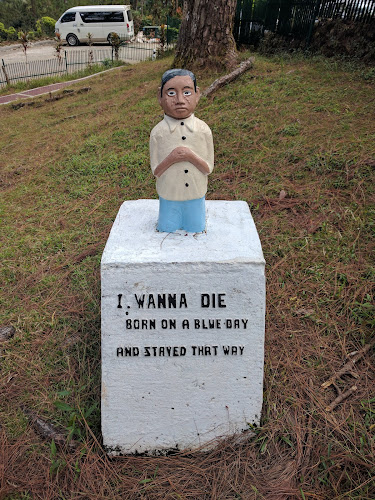
The Cemetery Of Negativism is one of those places that quietly messes with your head, in a good way. It isn’t a typical cemetery where grief hangs heavy in the air. Instead, it feels more like a philosophical playground disguised as rows of tombstones. Each marker carries etched phrases, short statements, and blunt observations that explore pessimism, doubt, irony, and the darker corners of human thinking. And yeah, that sounds heavy, but somehow it works. You walk in expecting gloom and walk out oddly reflective, sometimes even smiling at the brutal honesty carved into stone.
This tourist attraction leans more toward thought experiment than sacred burial ground. The tombstones don’t mark traditional graves; they represent ideas. Negativity, failure, disappointment, fear, and skepticism all get their moment here. I remember reading one inscription that basically said expectations are just future disappointments. I laughed out loud, and a nearby family did too. That’s the vibe. It invites reaction, not reverence.
What really stands out is how accessible it feels. You don’t need a background in philosophy or art to “get it.” You just need to have lived a little. Teenagers wander through snapping photos, kids ask awkward questions (it’s surprisingly good for kids, actually), and adults pause longer, maybe a bit too long, at certain stones that hit close to home. It’s reflective without being preachy. And that balance is hard to pull off.
The grounds themselves are simple but intentionally laid out. Paths wind between stones in a way that encourages wandering instead of marching straight through. There are benches placed at odd angles, like they’re daring you to sit and think. And sometimes you do. I once sat down thinking it’d be a quick rest, and fifteen minutes later I was still there, staring at a stone about regret and thinking about a job I didn’t take years ago. So yeah, it lingers.
While some visitors find it unsettling or confusing, many appreciate how honest the experience feels. Not every attraction needs to inspire joy or awe. Some just make you stop and say, huh. And that’s enough.
Key Features
- Rows of symbolic tombstones engraved with philosophical and negative-themed statements
- Walkable paths designed for slow exploration and quiet reflection
- Unexpected humor mixed in with darker observations
- Open layout that allows kids to explore safely and ask questions
- Photo-friendly spots that don’t feel staged or forced
- Benches and resting areas placed throughout the grounds
- An atmosphere that encourages conversation rather than silence
- Interpretive signs that provide context without over-explaining
Best Time to Visit
Timing matters here, more than you’d think. Early morning is my personal favorite. The light hits the stones at a low angle, making the inscriptions easier to read and somehow more dramatic. There’s also fewer people, which helps if you’re the kind who likes to linger without feeling rushed. And honestly, negativity feels a bit more manageable before the day fully wakes up.
Late afternoon is another solid option. The place tends to fill up a bit more then, but the energy shifts. You’ll hear conversations sparked by the stones, little debates breaking out, parents explaining concepts to kids in hushed but animated tones. It becomes less introspective and more communal, which can be refreshing.
Midday, especially on weekends, is busier and louder. That’s not necessarily bad, just different. If you’re traveling with children, this might actually be ideal. Kids seem more comfortable when others are around, and the open design means they can move without feeling like they’re doing something wrong.
Weather-wise, mild days are best. Overcast skies weirdly fit the theme, but heavy rain can make the paths slippery and cut the visit short. And while it’s open year-round, colder months can feel a bit too stark, even for a place built on negativity. Spring and fall hit the sweet spot.
How to Get There
Getting to the Cemetery Of Negativism is pretty straightforward, which is nice because the place itself already asks enough of your brain. Most travelers reach it by car, and that’s honestly the easiest way. Parking is usually manageable, even during busier times, though you might have a short walk depending on when you arrive.
Public transportation can get you close, but expect a bit of walking at the end. I actually like that final stretch. It gives you time to shift gears mentally before stepping inside. One time I took that walk while listening to music, then paused, took my earbuds out, and went in cold. Way better experience.
If you’re biking, the surrounding area is generally friendly to cyclists, and there’s space nearby to secure your bike. Walking from nearby attractions is doable too, especially if you’re making a day of exploring. Just wear comfortable shoes. The paths inside are easy, but you’ll likely spend more time on your feet than you expect because, well, you keep stopping to read one more stone.
Tips for Visiting
First tip: don’t rush it. This isn’t a checklist attraction. Give yourself at least an hour, maybe more if you’re the reflective type. I’ve seen people breeze through in twenty minutes, and they always look a bit puzzled, like they missed the point. Slow down. Let the place talk to you.
Second, come with an open mind. Some inscriptions are blunt, even uncomfortable. That’s intentional. If you go in expecting traditional beauty or inspiration, you might be thrown off. But if you’re willing to engage, question, or even disagree, you’ll get more out of it. I didn’t agree with half of what I read, and that was kind of the fun.
Traveling with kids? Don’t worry too much. It’s marked as good for kids for a reason. The negativity is abstract, not graphic or frightening. Use it as a conversation starter. Ask them what they think a stone means. Their answers might surprise you. One kid I overheard said a stone about failure was “just reminding us to try again,” which, honestly, felt like a mic drop moment.
Bring a camera or at least your phone. The inscriptions make for powerful photos, especially if you like sharing thoughtful or ironic content. But be respectful. Don’t climb on stones or block paths for the perfect shot. This place values reflection over performance.
Wear comfortable clothes and shoes. Sounds obvious, but I’ve seen people in stiff outfits clearly uncomfortable after ten minutes. You’ll want to wander, sit, stand, wander again. Comfort helps.
Finally, check your mood before you go. If you’re already having a rough day, this place might amplify that. Or it might do the opposite and make you feel understood. Hard to say. Just be aware. I once went after a stressful week and found it weirdly comforting, like the stones were saying, yeah, life’s messy, you’re not alone. That stuck with me.
The Cemetery Of Negativism isn’t about leaving happy. It’s about leaving honest. And for a traveler looking for something different, something that actually leaves a mark, that’s a pretty rare thing.
Key Features
- Rows of symbolic tombstones engraved with philosophical and negative-themed statements
- Walkable paths designed for slow exploration and quiet reflection
- Unexpected humor mixed in with darker observations
- Open layout that allows kids to explore safely and ask questions
- Photo-friendly spots that don’t feel staged or forced
- Benches and resting areas placed throughout the grounds
- An atmosphere that encourages conversation rather than silence
- Interpretive signs that provide context without over-explaining
More Details
Updated December 31, 2025
Table of Contents
Description
The Cemetery Of Negativism is one of those places that quietly messes with your head, in a good way. It isn’t a typical cemetery where grief hangs heavy in the air. Instead, it feels more like a philosophical playground disguised as rows of tombstones. Each marker carries etched phrases, short statements, and blunt observations that explore pessimism, doubt, irony, and the darker corners of human thinking. And yeah, that sounds heavy, but somehow it works. You walk in expecting gloom and walk out oddly reflective, sometimes even smiling at the brutal honesty carved into stone.
This tourist attraction leans more toward thought experiment than sacred burial ground. The tombstones don’t mark traditional graves; they represent ideas. Negativity, failure, disappointment, fear, and skepticism all get their moment here. I remember reading one inscription that basically said expectations are just future disappointments. I laughed out loud, and a nearby family did too. That’s the vibe. It invites reaction, not reverence.
What really stands out is how accessible it feels. You don’t need a background in philosophy or art to “get it.” You just need to have lived a little. Teenagers wander through snapping photos, kids ask awkward questions (it’s surprisingly good for kids, actually), and adults pause longer, maybe a bit too long, at certain stones that hit close to home. It’s reflective without being preachy. And that balance is hard to pull off.
The grounds themselves are simple but intentionally laid out. Paths wind between stones in a way that encourages wandering instead of marching straight through. There are benches placed at odd angles, like they’re daring you to sit and think. And sometimes you do. I once sat down thinking it’d be a quick rest, and fifteen minutes later I was still there, staring at a stone about regret and thinking about a job I didn’t take years ago. So yeah, it lingers.
While some visitors find it unsettling or confusing, many appreciate how honest the experience feels. Not every attraction needs to inspire joy or awe. Some just make you stop and say, huh. And that’s enough.
Key Features
- Rows of symbolic tombstones engraved with philosophical and negative-themed statements
- Walkable paths designed for slow exploration and quiet reflection
- Unexpected humor mixed in with darker observations
- Open layout that allows kids to explore safely and ask questions
- Photo-friendly spots that don’t feel staged or forced
- Benches and resting areas placed throughout the grounds
- An atmosphere that encourages conversation rather than silence
- Interpretive signs that provide context without over-explaining
Best Time to Visit
Timing matters here, more than you’d think. Early morning is my personal favorite. The light hits the stones at a low angle, making the inscriptions easier to read and somehow more dramatic. There’s also fewer people, which helps if you’re the kind who likes to linger without feeling rushed. And honestly, negativity feels a bit more manageable before the day fully wakes up.
Late afternoon is another solid option. The place tends to fill up a bit more then, but the energy shifts. You’ll hear conversations sparked by the stones, little debates breaking out, parents explaining concepts to kids in hushed but animated tones. It becomes less introspective and more communal, which can be refreshing.
Midday, especially on weekends, is busier and louder. That’s not necessarily bad, just different. If you’re traveling with children, this might actually be ideal. Kids seem more comfortable when others are around, and the open design means they can move without feeling like they’re doing something wrong.
Weather-wise, mild days are best. Overcast skies weirdly fit the theme, but heavy rain can make the paths slippery and cut the visit short. And while it’s open year-round, colder months can feel a bit too stark, even for a place built on negativity. Spring and fall hit the sweet spot.
How to Get There
Getting to the Cemetery Of Negativism is pretty straightforward, which is nice because the place itself already asks enough of your brain. Most travelers reach it by car, and that’s honestly the easiest way. Parking is usually manageable, even during busier times, though you might have a short walk depending on when you arrive.
Public transportation can get you close, but expect a bit of walking at the end. I actually like that final stretch. It gives you time to shift gears mentally before stepping inside. One time I took that walk while listening to music, then paused, took my earbuds out, and went in cold. Way better experience.
If you’re biking, the surrounding area is generally friendly to cyclists, and there’s space nearby to secure your bike. Walking from nearby attractions is doable too, especially if you’re making a day of exploring. Just wear comfortable shoes. The paths inside are easy, but you’ll likely spend more time on your feet than you expect because, well, you keep stopping to read one more stone.
Tips for Visiting
First tip: don’t rush it. This isn’t a checklist attraction. Give yourself at least an hour, maybe more if you’re the reflective type. I’ve seen people breeze through in twenty minutes, and they always look a bit puzzled, like they missed the point. Slow down. Let the place talk to you.
Second, come with an open mind. Some inscriptions are blunt, even uncomfortable. That’s intentional. If you go in expecting traditional beauty or inspiration, you might be thrown off. But if you’re willing to engage, question, or even disagree, you’ll get more out of it. I didn’t agree with half of what I read, and that was kind of the fun.
Traveling with kids? Don’t worry too much. It’s marked as good for kids for a reason. The negativity is abstract, not graphic or frightening. Use it as a conversation starter. Ask them what they think a stone means. Their answers might surprise you. One kid I overheard said a stone about failure was “just reminding us to try again,” which, honestly, felt like a mic drop moment.
Bring a camera or at least your phone. The inscriptions make for powerful photos, especially if you like sharing thoughtful or ironic content. But be respectful. Don’t climb on stones or block paths for the perfect shot. This place values reflection over performance.
Wear comfortable clothes and shoes. Sounds obvious, but I’ve seen people in stiff outfits clearly uncomfortable after ten minutes. You’ll want to wander, sit, stand, wander again. Comfort helps.
Finally, check your mood before you go. If you’re already having a rough day, this place might amplify that. Or it might do the opposite and make you feel understood. Hard to say. Just be aware. I once went after a stressful week and found it weirdly comforting, like the stones were saying, yeah, life’s messy, you’re not alone. That stuck with me.
The Cemetery Of Negativism isn’t about leaving happy. It’s about leaving honest. And for a traveler looking for something different, something that actually leaves a mark, that’s a pretty rare thing.
Key Highlights
- Rows of symbolic tombstones engraved with philosophical and negative-themed statements
- Walkable paths designed for slow exploration and quiet reflection
- Unexpected humor mixed in with darker observations
- Open layout that allows kids to explore safely and ask questions
- Photo-friendly spots that don’t feel staged or forced
- Benches and resting areas placed throughout the grounds
- An atmosphere that encourages conversation rather than silence
- Interpretive signs that provide context without over-explaining
Location
Places to Stay Near Cemetery Of Negativism
Find and Book a Tour
Explore More Travel Guides
No reviews found! Be the first to review!
Traveler Reviews for Cemetery Of Negativism
There are no reviews yet. Be the first one to write one.
Have you visited Cemetery Of Negativism? Help other travelers by sharing your review.
You Might Also Like

Bamboo Educational Demo Farm (Bamboo Sanctuary), St. Francis Xavier Seminary

Museo Kordilyera

Valley of Colors
Find Accommodations Nearby
Recommended Tours & Activities
Visitor Reviews
There are no reviews yet. Be the first one to write one.
Share Your Experience
Have you visited Cemetery Of Negativism? Help other travelers by leaving a review.