

Anuradhapura Moonstone
About Anuradhapura Moonstone
Description
If you ask me, the Anuradhapura Moonstone is hands-down one of those enigmatic treasures in Sri Lanka’s ancient capital that doesn’t get the spotlight it truly deserves. People flock to see giant stupas and regal Bodhi trees (rightly so!), but there’s a quiet magic in this delicate semicircular stone at the foot of temple stairs that sticks with you long after you leave. I mean, who knew a slab of rock could tell century-old stories?
For the uninitiated, the Moonstone—or ‘Sandakada Pahana’ in local lingo—is a carved stone step found at the entrances of Buddhist monasteries and temples. The one in Anuradhapura, tucked near the roots of South Asia’s most sacred religious complex, is not just a pretty relic. It’s a masterclass in ancient symbolism—layers of animals, motifs, and curves all serving up deep Buddhist philosophy, if you only look close enough.
Every time I find myself perched awkwardly near a Moonstone, camera balanced, sketchbook open (no shame—I’m that kind of traveler), I notice new details. I swear, these things reveal themselves slowly, as if they’re shy. Kids, by the way, absolutely love playing spot-the-elephant on these rings—so if you’re bringing the family, prepare for a bit of “where’s waldo” magic.
Despite centuries of footsteps, the carvings remain stubbornly clear—beautifully etched vines, lotus petals, elephants, lions, the works. There’s even a hush about the place, as if the ancient artists are sitting just out of sight admiring their own handiwork. It’s a window into the soul of old Lanka, and somehow, even the average rainy-day lighting can’t dull its glow.
Key Features
- Intricate Carvings: Each concentric ring on the Moonstone tells a piece of the Buddhist journey—animals represent stages of life, the lotus means purity, and flames shoot up to remind you of desire’s pitfalls. If you’re into symbolism, this thing is heaven. Heck, even skeptics can’t deny the artistic genius.
- Granite Construction: Crafted from solid granite, the Moonstone has weathered centuries of monsoons and bare feet. That’s resilience right there—kind of inspiring, honestly.
- Artisan Heritage: The detail reflects a time when Sri Lanka’s stone masons were the Michelangelos of the South Asian world. I wish I could shake the hand of the artist who managed such surgical precision without a single power tool.
- Educational Value for Kids: It’s a hands-on way for children to connect with the past. The carved rings are practically a ready-made lesson in ancient art and Buddhist beliefs—way more engaging than a textbook, trust me.
- Photo Opportunities Galore: Early morning or evening—the light hits those grooves at just the right angle. Trust me, your Instagram will thank you.
- Ritualistic Significance: Besides just being drop-dead gorgeous, the Moonstone marked a sacred threshold for monks (and regular folk) to cross before entering the holy space. Kind of like a spiritual welcome mat, if you will.
- Surrounding Atmosphere: You get to soak in the larger aura of Anuradhapura—ancient trees, stupas looming overhead, monks slipping silently past. Something about that setup gives goosebumps.
Best Time to Visit
I’ll level with you: the Anuradhapura Moonstone is out in the open, so the weather is going to play its part. Sri Lankan midday sun is no joke—I’ve got the sunburns and squint lines to prove it! Hands-down, the best time to stand here is early morning. The air is still cool, and the soft light means you can see every chiseled detail without sweating through your shirt.
Early evening is your other window, when the golden hour creates those dramatic shadows photographers (and selfie-hunters) dream of. Avoid major religious festivals unless you want to navigate crowds of pilgrims—moving quietly is part of the Moonstone’s charm. Sea of people? That’s an entirely different story!
If you’re traveling with kids, mornings are also easier—fewer crowds, more chances to let the little ones sprawl on the stone and imagine charging elephants or prowling lions.
How to Get There
Unless you’re a very enthusiastic walker, you’ll probably reach Anuradhapura by either train or bus from Colombo or Kandy—the two main entry points for most travelers. I’m personally a train enthusiast, especially here; the ride itself deserves its own blog post (watch for the endless green fields and children waving from the tracks).
Once you’re in Anuradhapura, tuk-tuks are your best friend. Seriously—these three-wheeled marvels are everywhere, weaving through the ancient city with surprising speed. Just flag one down and tell your driver you want to see the famous Sandakada Pahana. Most will know by heart; it’s like local driver 101.
If you’re driving yourself, there are easy signposts throughout the ancient city’s precincts (though the historical area is enormous—bring water and patience). Parking is usually manageable, but on weekends and poya (full moon) days, spots can fill up fast near the main temples.
One word to the wise: the historical city is a UNESCO World Heritage Site, so be respectful of traffic rules and local customs—no blaring music, and don’t block religious processions. If you ever get lost, literally everyone is willing to point you in the right direction. Sri Lankan hospitality is the real deal.
Tips for Visiting
All right, some wisdom from someone who’s been there a few too many times—and still finds myself lingering at the Moonstone every visit.
- Dress modestly: Even though it’s tempting to lean into vacation wear, you’re entering a sacred space. Shoulders and knees covered, shoes off before the stone. Trust me, barefoot on granite isn’t half bad (unless it’s midday—then, ouch!).
- Pace yourself: Don’t rush the experience. Give yourself time to really look—critters in the carvings have little quirks only patience exposes.
- Bring extra water: Ancient Sri Lankan cities are sprawling, and you’ll get thirsty quick. Also, maybe pack a hat. Sun is fierce.
- Camera settings: If you’re into photography, set your focus on edge details. Morning and evening are prime for shadow play. You might catch something the naked eye misses.
- Ask a local guide: Some stories, legends, or religious meanings aren't on the placards—locals often know tidbits you’d never read in a guidebook. The little anecdotes are what make visits memorable.
- Keep an eye on your kids: It’s a cool historical playground but remember: centuries-old stones don’t bounce. No climbing, just gentle exploring.
- Be mindful of rituals: If monks are meditating or a prayer circle starts up nearby, keep your distance and keep quiet. It’s all about respect, and the atmosphere is more magical that way.
- Quiet shoes, if possible: Cobblestones and flip-flops = lots of noise. Keep to softer soles if you can, especially for photos—less distraction means better meditative vibes.
- Go twice, if you can: First time for photos, second for soaking it in. I always notice something new; you might too.
- Loose change for donations: Temples appreciate support, and it keeps the site well maintained for future history buffs (like us!).
Here’s the thing—Anuradhapura’s Moonstone is more than a step on your way up to a temple. It’s a literal and symbolic threshold into old Sri Lanka, the tales of craftsmen, kings, monks, even the ordinary people who passed over it daily. Visit with curiosity, a bit of patience, and an open mind, and you’ll leave with a story or two tucked away for your next dinner conversation.
Key Features
- Key Features
- Best Time to Visit
- How to Get There
- Tips for Visiting
More Details
Updated June 8, 2025
Table of Contents
Description
If you ask me, the Anuradhapura Moonstone is hands-down one of those enigmatic treasures in Sri Lanka’s ancient capital that doesn’t get the spotlight it truly deserves. People flock to see giant stupas and regal Bodhi trees (rightly so!), but there’s a quiet magic in this delicate semicircular stone at the foot of temple stairs that sticks with you long after you leave. I mean, who knew a slab of rock could tell century-old stories?
For the uninitiated, the Moonstone—or ‘Sandakada Pahana’ in local lingo—is a carved stone step found at the entrances of Buddhist monasteries and temples. The one in Anuradhapura, tucked near the roots of South Asia’s most sacred religious complex, is not just a pretty relic. It’s a masterclass in ancient symbolism—layers of animals, motifs, and curves all serving up deep Buddhist philosophy, if you only look close enough.
Every time I find myself perched awkwardly near a Moonstone, camera balanced, sketchbook open (no shame—I’m that kind of traveler), I notice new details. I swear, these things reveal themselves slowly, as if they’re shy. Kids, by the way, absolutely love playing spot-the-elephant on these rings—so if you’re bringing the family, prepare for a bit of “where’s waldo” magic.
Despite centuries of footsteps, the carvings remain stubbornly clear—beautifully etched vines, lotus petals, elephants, lions, the works. There’s even a hush about the place, as if the ancient artists are sitting just out of sight admiring their own handiwork. It’s a window into the soul of old Lanka, and somehow, even the average rainy-day lighting can’t dull its glow.
Key Features
- Intricate Carvings: Each concentric ring on the Moonstone tells a piece of the Buddhist journey—animals represent stages of life, the lotus means purity, and flames shoot up to remind you of desire’s pitfalls. If you’re into symbolism, this thing is heaven. Heck, even skeptics can’t deny the artistic genius.
- Granite Construction: Crafted from solid granite, the Moonstone has weathered centuries of monsoons and bare feet. That’s resilience right there—kind of inspiring, honestly.
- Artisan Heritage: The detail reflects a time when Sri Lanka’s stone masons were the Michelangelos of the South Asian world. I wish I could shake the hand of the artist who managed such surgical precision without a single power tool.
- Educational Value for Kids: It’s a hands-on way for children to connect with the past. The carved rings are practically a ready-made lesson in ancient art and Buddhist beliefs—way more engaging than a textbook, trust me.
- Photo Opportunities Galore: Early morning or evening—the light hits those grooves at just the right angle. Trust me, your Instagram will thank you.
- Ritualistic Significance: Besides just being drop-dead gorgeous, the Moonstone marked a sacred threshold for monks (and regular folk) to cross before entering the holy space. Kind of like a spiritual welcome mat, if you will.
- Surrounding Atmosphere: You get to soak in the larger aura of Anuradhapura—ancient trees, stupas looming overhead, monks slipping silently past. Something about that setup gives goosebumps.
Best Time to Visit
I’ll level with you: the Anuradhapura Moonstone is out in the open, so the weather is going to play its part. Sri Lankan midday sun is no joke—I’ve got the sunburns and squint lines to prove it! Hands-down, the best time to stand here is early morning. The air is still cool, and the soft light means you can see every chiseled detail without sweating through your shirt.
Early evening is your other window, when the golden hour creates those dramatic shadows photographers (and selfie-hunters) dream of. Avoid major religious festivals unless you want to navigate crowds of pilgrims—moving quietly is part of the Moonstone’s charm. Sea of people? That’s an entirely different story!
If you’re traveling with kids, mornings are also easier—fewer crowds, more chances to let the little ones sprawl on the stone and imagine charging elephants or prowling lions.
How to Get There
Unless you’re a very enthusiastic walker, you’ll probably reach Anuradhapura by either train or bus from Colombo or Kandy—the two main entry points for most travelers. I’m personally a train enthusiast, especially here; the ride itself deserves its own blog post (watch for the endless green fields and children waving from the tracks).
Once you’re in Anuradhapura, tuk-tuks are your best friend. Seriously—these three-wheeled marvels are everywhere, weaving through the ancient city with surprising speed. Just flag one down and tell your driver you want to see the famous Sandakada Pahana. Most will know by heart; it’s like local driver 101.
If you’re driving yourself, there are easy signposts throughout the ancient city’s precincts (though the historical area is enormous—bring water and patience). Parking is usually manageable, but on weekends and poya (full moon) days, spots can fill up fast near the main temples.
One word to the wise: the historical city is a UNESCO World Heritage Site, so be respectful of traffic rules and local customs—no blaring music, and don’t block religious processions. If you ever get lost, literally everyone is willing to point you in the right direction. Sri Lankan hospitality is the real deal.
Tips for Visiting
All right, some wisdom from someone who’s been there a few too many times—and still finds myself lingering at the Moonstone every visit.
- Dress modestly: Even though it’s tempting to lean into vacation wear, you’re entering a sacred space. Shoulders and knees covered, shoes off before the stone. Trust me, barefoot on granite isn’t half bad (unless it’s midday—then, ouch!).
- Pace yourself: Don’t rush the experience. Give yourself time to really look—critters in the carvings have little quirks only patience exposes.
- Bring extra water: Ancient Sri Lankan cities are sprawling, and you’ll get thirsty quick. Also, maybe pack a hat. Sun is fierce.
- Camera settings: If you’re into photography, set your focus on edge details. Morning and evening are prime for shadow play. You might catch something the naked eye misses.
- Ask a local guide: Some stories, legends, or religious meanings aren’t on the placards—locals often know tidbits you’d never read in a guidebook. The little anecdotes are what make visits memorable.
- Keep an eye on your kids: It’s a cool historical playground but remember: centuries-old stones don’t bounce. No climbing, just gentle exploring.
- Be mindful of rituals: If monks are meditating or a prayer circle starts up nearby, keep your distance and keep quiet. It’s all about respect, and the atmosphere is more magical that way.
- Quiet shoes, if possible: Cobblestones and flip-flops = lots of noise. Keep to softer soles if you can, especially for photos—less distraction means better meditative vibes.
- Go twice, if you can: First time for photos, second for soaking it in. I always notice something new; you might too.
- Loose change for donations: Temples appreciate support, and it keeps the site well maintained for future history buffs (like us!).
Here’s the thing—Anuradhapura’s Moonstone is more than a step on your way up to a temple. It’s a literal and symbolic threshold into old Sri Lanka, the tales of craftsmen, kings, monks, even the ordinary people who passed over it daily. Visit with curiosity, a bit of patience, and an open mind, and you’ll leave with a story or two tucked away for your next dinner conversation.
Key Highlights
- Key Features
- Best Time to Visit
- How to Get There
- Tips for Visiting
Location
Places to Stay Near Anuradhapura Moonstone
Find and Book a Tour
Explore More Travel Guides
No reviews found! Be the first to review!
Traveler Reviews for Anuradhapura Moonstone
There are no reviews yet. Be the first one to write one.
Have you visited Anuradhapura Moonstone? Help other travelers by sharing your review.
You Might Also Like

Abhayagiriya
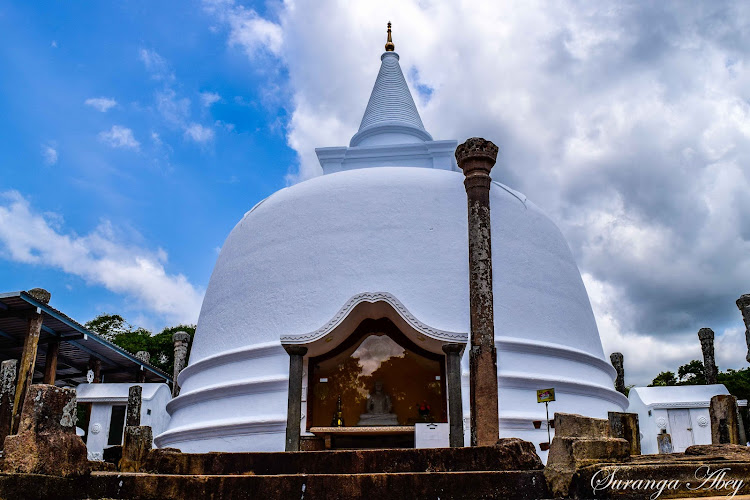
Lankaramaya | ලංකාරාමය
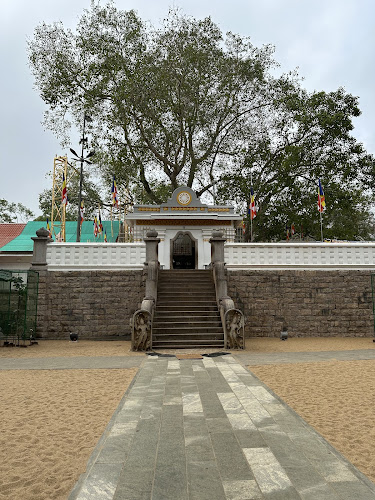
Sri Maha Bodhi
Find Accommodations Nearby
Recommended Tours & Activities
Visitor Reviews
There are no reviews yet. Be the first one to write one.
Share Your Experience
Have you visited Anuradhapura Moonstone? Help other travelers by leaving a review.