

Abhayagiriya
About Abhayagiriya
Description
If you’ve ever wanted to step into a page out of history (and maybe even feel a little like Indiana Jones, dust and all), trust me—Abhayagiriya won’t disappoint. The sheer sprawl of this place is enough to make your jaw drop. I still remember rounding a bend and suddenly being dwarfed by these ancient brick ruins peeking through tangled tree roots, moss, and the odd scampering squirrel. It feels like time slows down here, each stone echoing silent stories from centuries ago.
You might know Anuradhapura as Sri Lanka’s sacred heart, but Abhayagiriya—founded waaaay back in the 2nd century BC—is probably its boldest remnant. Considered one of the largest archaeological dig sites in the world, it’s not just a stupa but a whole monastic complex. Imagine crumbling monastery walls, enigmatic moonstones worn down by the feet of generations, and forested pathways leading to still-hidden rock shrines. The air heavy with history, I swear it’s as if monks from ages past might peek around the corner at any moment.
But it’s not just old; it’s alive, too. Roaming schoolkids compete with camera-clad travelers for the perfect stupa photo, temple bells occasionally ring, and—if you catch it at dawn—the place radiates this nearly meditative quiet. I’ve chatted (awkwardly but warmly) with local folks tending to the shrines. Everyone’s got a story, a tip, an ancestor who once prayed here. Even if you’re not particularly “into” history or Buddhism, this doesn’t feel like museum territory. Instead, it’s a timeworn patchwork of faith, culture, and raw, tropical beauty that will stick with you long after your footprints fade.
Of course, perfection is an illusion. It gets a bit crowded around festival days, and if you’re hunting for glitzy shops or ice-cold colas at every turn, you’ll need to reset your expectations. Some areas are more crumbly than curated, and let’s be honest, the tropical heat can sap the energy out of even the most enthusiastic explorer. But there’s something about feeling the rough brick beneath your fingertips, standing in the shadows of colossal ancient engineering, that puts small annoyances straight into perspective.
Key Features
- Massive Brick Stupa: At its center lies the Abhayagiri Dagoba, an enormous stupa that—crazy but true—was one of the world’s tallest monuments when first constructed. You can still see the relic chamber, and if you’re a photo buff, the scale will blow your mind (I practically had to lie on the ground for that perfect shot).
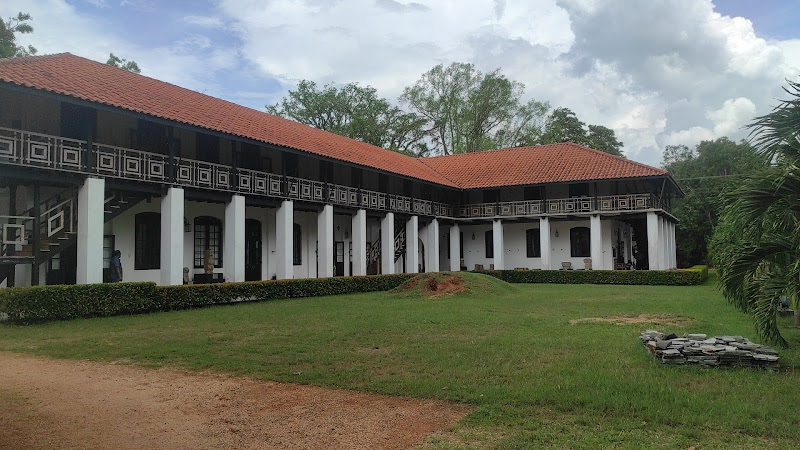
- Archaeological Museum: There’s a small but mighty museum on site with relics, artifacts, and even a few ancestral tools unearthed here. Not gonna lie: it’s a great spot to cool off and nerd out.
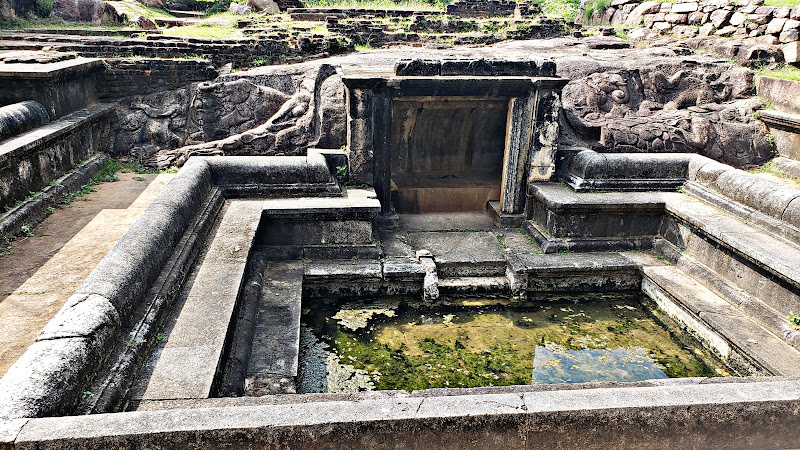
- Forest Walks and Ancient Tanks: Shady paths thread through groves and tangled roots with the chirp of birds overhead and glimpses of ancient bathing tanks—just watch your step on uneven ground.
- Moonstones and Guardstones: I love how the carved moonstones here are a quiet testament to the artistry of a civilization long gone. Each one tells a little story; stand and stare for a quiet minute—you won’t regret it.
- Accessible Facilities: The entrance and parking are wheelchair-friendly. Honestly, not what you always expect from a 2,000-year-old Buddhist monastic site, so I give big props for making it more inclusive.
- Ritual Sites and Shrines: If you time it right, you might see monks in saffron robes, hear chanting, or stumble upon a ritual in progress. Respectful silence is golden, of course.
Best Time to Visit
Alright, here’s the inside scoop. Sri Lanka’s north-central plains get downright steamy and sticky, especially between March and August. If you thrive in heat and don’t mind sweating buckets, well, you’ll fit right in—just bring your hat and all the water you can carry. But honestly, the sweet spot for exploring Abhayagiriya (and all of Anuradhapura) is between December and early March. The weather is a bit gentler, the sun is less punishing, and you still get those piercing blue skies that make every photo postcard-worthy.
Now, full disclosure: if you’re the type who loves festivals, you might purposefully aim for poya days (monthly full moon Buddhist holidays) or Vesak in May. The site is buzzy and beautiful then, lit up with lanterns and swaying with throngs of local pilgrims. But me? Sometimes I like to come on quieter weekdays, breathe the hush, and maybe sketch in my notebook and let the ancient stones whisper their secrets. For the rare traveler, dawn or just-before-sunset strolls offer golden light, cool air, and fewer folks to dodge—it almost feels like you have the whole place to yourself.
How to Get There
First time to Anuradhapura? Let me make it easy. Abhayagiriya sits in Sri Lanka’s “cultural triangle,” an easy detour if you’re temple-hopping between Kandy, Sigiriya, and Polonnaruwa. If you’re coming by train (my preferred flavor of travel here, rattly charm and all), step off at Anuradhapura town, then grab a tuk-tuk—no one gets lost, it’s about a 10-15 minute ride. Hotels and guesthouses often set up rides, too, and you’ll see signs and drivers everywhere.
For the road-trip crowd: you’ll find plenty of parking, and—cheers to progress—there’s dedicated accessible parking near the entrance as well. If you’re up for cycling (totally recommend, by the way), rent bikes in the town center and pedal amongst the ruins with wind in your hair. I did that once, and let’s just say, I felt every bump, but it was worth every sore muscle for the sense of freedom (and Instagrammable shots) it provides. Plus, it’s such a peaceful way to soak up the sacred surroundings.
There aren’t flashy signboards or dramatic modern entryways—just follow the trickle of travelers or the occasional school group and you’ll feel the centuries-old pull drawing you right in.
Tips for Visiting
- Dress Respectfully: This is still an active pilgrimage site, so shoulders covered and long pants/skirts are a must. I usually throw a light scarf in my bag to be safe.
- Shoes Off at Shrines: You’ll need to leave your shoes at the entrances to shrines and buildings. Wear socks if hot stones make you hop (speaking from painful experience!) and keep an eye on your shoes—monkeys sometimes get ideas.
- Stay Hydrated: Bring more water than you think you’ll need. The humidity is no joke here, and you won’t find vending machines every few steps.
- Bring a Hat and Sunscreen: The ruins are expansive, and there’s not always much shade. Sunburn sneaks up on you fast.
- Allow Plenty of Time: Don’t rush this. Even if you’re trying to tick off attractions, set aside at least half a day to wander. There are winding paths and small ruins off the main route, and some of the best surprises aren’t marked on any map.
- Ask Locals Questions: Don’t be shy! Some of my favorite stories and hidden details came from conversations with caretakers or local families picnicking near the tanks.
- Photography: Early mornings and late afternoons bathe the site in warm light that makes everything look almost magical. But even midday shadows can look dramatic—take more photos than you think you’ll need.
- Accessibility: If mobility is a concern, don’t stress—the main access is wheelchair-friendly, and paths are easier to navigate than at many other Sri Lankan sites.
- Bug Spray: There are mosquitoes (of course there are!) so a quick spritz saves you lots of itching.
- Go Slow, Breathe Deep: There’s a rhythm to this place, almost meditative, if you just let yourself stroll without an agenda. Ancient sites like this aren’t just about history—they’re about stillness, too.
To wrap it up, Abhayagiriya isn’t about dazzling gold or crowds of camera-toting tourists. It’s contemplative, raw, mysterious—almost humbling in its grandeur and its broken beauty. It’s best experienced at your pace, with
Key Features
- Key Features
- Best Time to Visit
- How to Get There
- Tips for Visiting
More Details
Updated June 8, 2025
Table of Contents
Description
If you’ve ever wanted to step into a page out of history (and maybe even feel a little like Indiana Jones, dust and all), trust me—Abhayagiriya won’t disappoint. The sheer sprawl of this place is enough to make your jaw drop. I still remember rounding a bend and suddenly being dwarfed by these ancient brick ruins peeking through tangled tree roots, moss, and the odd scampering squirrel. It feels like time slows down here, each stone echoing silent stories from centuries ago.
You might know Anuradhapura as Sri Lanka’s sacred heart, but Abhayagiriya—founded waaaay back in the 2nd century BC—is probably its boldest remnant. Considered one of the largest archaeological dig sites in the world, it’s not just a stupa but a whole monastic complex. Imagine crumbling monastery walls, enigmatic moonstones worn down by the feet of generations, and forested pathways leading to still-hidden rock shrines. The air heavy with history, I swear it’s as if monks from ages past might peek around the corner at any moment.
But it’s not just old; it’s alive, too. Roaming schoolkids compete with camera-clad travelers for the perfect stupa photo, temple bells occasionally ring, and—if you catch it at dawn—the place radiates this nearly meditative quiet. I’ve chatted (awkwardly but warmly) with local folks tending to the shrines. Everyone’s got a story, a tip, an ancestor who once prayed here. Even if you’re not particularly “into” history or Buddhism, this doesn’t feel like museum territory. Instead, it’s a timeworn patchwork of faith, culture, and raw, tropical beauty that will stick with you long after your footprints fade.
Of course, perfection is an illusion. It gets a bit crowded around festival days, and if you’re hunting for glitzy shops or ice-cold colas at every turn, you’ll need to reset your expectations. Some areas are more crumbly than curated, and let’s be honest, the tropical heat can sap the energy out of even the most enthusiastic explorer. But there’s something about feeling the rough brick beneath your fingertips, standing in the shadows of colossal ancient engineering, that puts small annoyances straight into perspective.
Key Features
- Massive Brick Stupa: At its center lies the Abhayagiri Dagoba, an enormous stupa that—crazy but true—was one of the world’s tallest monuments when first constructed. You can still see the relic chamber, and if you’re a photo buff, the scale will blow your mind (I practically had to lie on the ground for that perfect shot).
- Archaeological Museum: There’s a small but mighty museum on site with relics, artifacts, and even a few ancestral tools unearthed here. Not gonna lie: it’s a great spot to cool off and nerd out.
- Forest Walks and Ancient Tanks: Shady paths thread through groves and tangled roots with the chirp of birds overhead and glimpses of ancient bathing tanks—just watch your step on uneven ground.
- Moonstones and Guardstones: I love how the carved moonstones here are a quiet testament to the artistry of a civilization long gone. Each one tells a little story; stand and stare for a quiet minute—you won’t regret it.
- Accessible Facilities: The entrance and parking are wheelchair-friendly. Honestly, not what you always expect from a 2,000-year-old Buddhist monastic site, so I give big props for making it more inclusive.
- Ritual Sites and Shrines: If you time it right, you might see monks in saffron robes, hear chanting, or stumble upon a ritual in progress. Respectful silence is golden, of course.
Best Time to Visit
Alright, here’s the inside scoop. Sri Lanka’s north-central plains get downright steamy and sticky, especially between March and August. If you thrive in heat and don’t mind sweating buckets, well, you’ll fit right in—just bring your hat and all the water you can carry. But honestly, the sweet spot for exploring Abhayagiriya (and all of Anuradhapura) is between December and early March. The weather is a bit gentler, the sun is less punishing, and you still get those piercing blue skies that make every photo postcard-worthy.
Now, full disclosure: if you’re the type who loves festivals, you might purposefully aim for poya days (monthly full moon Buddhist holidays) or Vesak in May. The site is buzzy and beautiful then, lit up with lanterns and swaying with throngs of local pilgrims. But me? Sometimes I like to come on quieter weekdays, breathe the hush, and maybe sketch in my notebook and let the ancient stones whisper their secrets. For the rare traveler, dawn or just-before-sunset strolls offer golden light, cool air, and fewer folks to dodge—it almost feels like you have the whole place to yourself.
How to Get There
First time to Anuradhapura? Let me make it easy. Abhayagiriya sits in Sri Lanka’s “cultural triangle,” an easy detour if you’re temple-hopping between Kandy, Sigiriya, and Polonnaruwa. If you’re coming by train (my preferred flavor of travel here, rattly charm and all), step off at Anuradhapura town, then grab a tuk-tuk—no one gets lost, it’s about a 10-15 minute ride. Hotels and guesthouses often set up rides, too, and you’ll see signs and drivers everywhere.
For the road-trip crowd: you’ll find plenty of parking, and—cheers to progress—there’s dedicated accessible parking near the entrance as well. If you’re up for cycling (totally recommend, by the way), rent bikes in the town center and pedal amongst the ruins with wind in your hair. I did that once, and let’s just say, I felt every bump, but it was worth every sore muscle for the sense of freedom (and Instagrammable shots) it provides. Plus, it’s such a peaceful way to soak up the sacred surroundings.
There aren’t flashy signboards or dramatic modern entryways—just follow the trickle of travelers or the occasional school group and you’ll feel the centuries-old pull drawing you right in.
Tips for Visiting
- Dress Respectfully: This is still an active pilgrimage site, so shoulders covered and long pants/skirts are a must. I usually throw a light scarf in my bag to be safe.
- Shoes Off at Shrines: You’ll need to leave your shoes at the entrances to shrines and buildings. Wear socks if hot stones make you hop (speaking from painful experience!) and keep an eye on your shoes—monkeys sometimes get ideas.
- Stay Hydrated: Bring more water than you think you’ll need. The humidity is no joke here, and you won’t find vending machines every few steps.
- Bring a Hat and Sunscreen: The ruins are expansive, and there’s not always much shade. Sunburn sneaks up on you fast.
- Allow Plenty of Time: Don’t rush this. Even if you’re trying to tick off attractions, set aside at least half a day to wander. There are winding paths and small ruins off the main route, and some of the best surprises aren’t marked on any map.
- Ask Locals Questions: Don’t be shy! Some of my favorite stories and hidden details came from conversations with caretakers or local families picnicking near the tanks.
- Photography: Early mornings and late afternoons bathe the site in warm light that makes everything look almost magical. But even midday shadows can look dramatic—take more photos than you think you’ll need.
- Accessibility: If mobility is a concern, don’t stress—the main access is wheelchair-friendly, and paths are easier to navigate than at many other Sri Lankan sites.
- Bug Spray: There are mosquitoes (of course there are!) so a quick spritz saves you lots of itching.
- Go Slow, Breathe Deep: There’s a rhythm to this place, almost meditative, if you just let yourself stroll without an agenda. Ancient sites like this aren’t just about history—they’re about stillness, too.
To wrap it up, Abhayagiriya isn’t about dazzling gold or crowds of camera-toting tourists. It’s contemplative, raw, mysterious—almost humbling in its grandeur and its broken beauty. It’s best experienced at your pace, with
Key Highlights
- Key Features
- Best Time to Visit
- How to Get There
- Tips for Visiting
Location
Places to Stay Near Abhayagiriya
Find and Book a Tour
Explore More Travel Guides
No reviews found! Be the first to review!
Traveler Reviews for Abhayagiriya
There are no reviews yet. Be the first one to write one.
Have you visited Abhayagiriya? Help other travelers by sharing your review.
You Might Also Like

Anuradhapura Moonstone
Ranmasu Uyana (Royal Park)
Archaeological Museum, Anuradhapura
Find Accommodations Nearby
Recommended Tours & Activities
Visitor Reviews
There are no reviews yet. Be the first one to write one.
Share Your Experience
Have you visited Abhayagiriya? Help other travelers by leaving a review.