
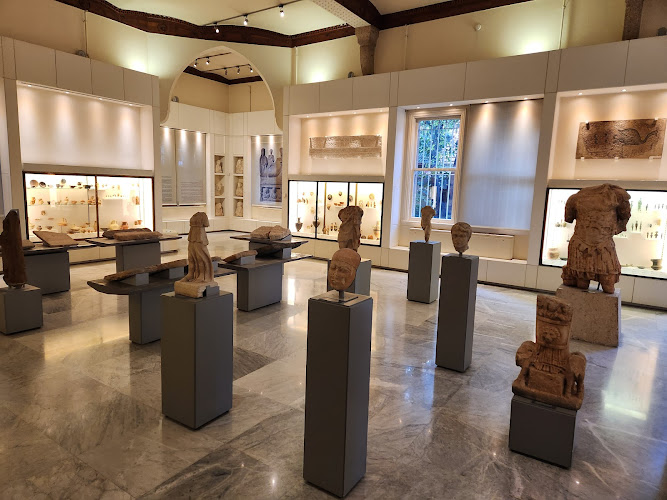
American University of Beirut Archaeological Museum
About American University of Beirut Archaeological Museum
Description
The American University of Beirut Archaeological Museum is one of those places that quietly surprises you. Tucked inside the university campus, it doesn’t scream for attention, yet it holds over a century’s worth of history within its walls. Established in 1902, it’s actually one of the oldest museums in the Middle East—a fact that gives it a certain gravitas. But it’s not just about old stones and pottery; it’s about stories. Every artifact, from prehistoric tools to Ottoman-era ceramics, whispers something about the people who once lived and breathed on this land.
Now, I’ll admit, I wasn’t expecting much the first time I wandered in. The museum isn’t massive or flashy, but that’s part of its charm. It’s intimate. You can take your time, get close to the displays, and really absorb the details. There’s a sort of calm that hangs in the air—like the building itself knows it’s seen generations of students, travelers, and history buffs pass through. And honestly, that’s what makes it special. It’s not just a museum; it’s a time capsule of Lebanon’s layered past.
What I found particularly fascinating was how well the exhibits are curated. The museum takes you on a chronological journey from prehistory to the 19th century, and the transitions feel natural. You start with stone tools and end up with beautifully crafted glass and metalwork. There’s something incredibly grounding about seeing the evolution of human creativity laid out like that. And if you’re the kind of traveler who enjoys understanding a place beyond its surface—beyond the cafes and the chaos of the city—this museum gives you that deeper connection.
It’s also worth mentioning that the museum is accessible and family-friendly. The entrance is wheelchair accessible, and the staff are genuinely welcoming. Kids seem to love it too, especially when they spot the ancient figurines or mosaics that look almost cartoonish in their simplicity. It’s educational without being boring—something not every museum can pull off.
Key Features
- Founded in 1902, making it one of the oldest museums in the Middle East
- Extensive collection of artifacts spanning from prehistoric times to the 19th century
- Exhibits include pottery, jewelry, coins, glass, and ancient tools
- Located on the scenic campus of the American University of Beirut
- Wheelchair accessible entrance for visitors with mobility needs
- Restroom facilities available on-site
- Family-friendly environment suitable for children
- Peaceful atmosphere ideal for reflective exploration
And here’s a little personal observation: the lighting and layout are thoughtfully done. You don’t get that harsh, sterile museum vibe here. Instead, it feels warm, almost personal. The artifacts are displayed in a way that invites curiosity rather than intimidation. You can tell the curators care deeply about preserving not just the objects, but the stories behind them.
Best Time to Visit
If you’re planning your trip, I’d say aim for spring or autumn. Beirut’s weather in those seasons is just perfect—not too hot, not too humid—and wandering around the university campus before or after your museum visit feels like a treat in itself. The trees are lush, students are out chatting under the shade, and there’s this wonderful sense of life and learning all around you. Summer can be a bit intense, especially if you’re walking there, but the museum’s interior stays pleasantly cool.
Weekdays are generally quieter, which means you can take your time without feeling rushed. Mornings are my favorite—there’s something about the soft light filtering through the museum windows that makes the ancient artifacts seem even more timeless. If you’re someone who likes taking photos (without flash, of course), that’s the best time to catch the subtle textures of the displays.
How to Get There
The museum is located within the American University of Beirut campus, which sits in the heart of the city. Getting there is relatively straightforward. If you’re staying in central Beirut, it’s a short taxi ride away. Most drivers know the university well—it’s a landmark in itself—so you won’t have trouble explaining where you’re headed. Alternatively, if you’re up for a walk and the weather’s nice, the campus is easily reachable on foot from nearby neighborhoods like Hamra.
Public transportation in Beirut can be a bit unpredictable, but that’s part of the adventure, right? Shared taxis, known locally as “service,” are an experience worth trying at least once. They’re affordable, and you’ll probably strike up a conversation with a local or two along the way. Just make sure to confirm your destination before hopping in. Once you arrive at the university gates, the museum is clearly signposted, and the guards can point you in the right direction if you’re unsure.
Tips for Visiting
First things first: give yourself time. This isn’t a place you rush through. Even though it’s not huge, the details are what make it special. Spend a few minutes at each display, read the descriptions, and let your imagination wander. Picture the hands that shaped that piece of pottery thousands of years ago or the merchant who once traded those coins. It’s these small moments of connection that make the visit memorable.
Wear comfortable shoes—there’s a bit of walking involved, especially if you plan to explore the university grounds afterward. And since there’s no restaurant inside the museum, grab a bite before or after your visit. Hamra Street, which is just a short stroll away, has plenty of cafes and eateries where you can refuel. Personally, I like to grab a coffee afterward and just sit for a while, letting everything I saw sink in. There’s something about ancient history that makes you reflect on your own timeline, you know?
If you’re traveling with kids, prepare to turn the visit into a bit of a treasure hunt. Ask them to find the oldest artifact or the most colorful mosaic—it keeps them engaged and makes the experience more interactive. And for those who love photography, be respectful of the museum’s guidelines. Some areas might have restrictions, but there are plenty of opportunities for great shots that capture the essence of the place.
One last tip: talk to the staff. They’re incredibly knowledgeable and often share insights that aren’t written on the display cards. I once had a curator explain how some of the glass pieces were discovered after a storm unearthed part of an ancient site—it added a whole new layer of wonder to what I was seeing. Those are the moments that stick with you long after you’ve left.
In a city that’s constantly reinventing itself, the American University of Beirut Archaeological Museum stands as a quiet reminder of continuity. It’s a space where the past feels tangible, where you can trace the fingerprints of civilizations that shaped the region. And while it may not be the biggest or most famous museum you’ll ever visit, it’s one that leaves an impression—subtle, lasting, and deeply human. So if you find yourself in Beirut, take an hour or two to step inside. You’ll walk out not just with knowledge, but with a sense of connection to something timeless.
Key Features
- Founded in 1902, making it one of the oldest museums in the Middle East
- Extensive collection of artifacts spanning from prehistoric times to the 19th century
- Exhibits include pottery, jewelry, coins, glass, and ancient tools
- Located on the scenic campus of the American University of Beirut
- Wheelchair accessible entrance for visitors with mobility needs
- Restroom facilities available on-site
- Family-friendly environment suitable for children
- Peaceful atmosphere ideal for reflective exploration
More Details
Updated October 8, 2025
Table of Contents
- Description
- Key Features
- Best Time to Visit
- How to Get There
- Tips for Visiting
- Key Highlights
- Location
- Places to Stay Near American University of Beirut Archaeological Museum
- Find and Book a Tour
- Explore More Travel Guides
- Nearby Places You Might Like
- Traveler Reviews for American University of Beirut Archaeological Museum
- Share Your Experience
Description
The American University of Beirut Archaeological Museum is one of those places that quietly surprises you. Tucked inside the university campus, it doesn’t scream for attention, yet it holds over a century’s worth of history within its walls. Established in 1902, it’s actually one of the oldest museums in the Middle East—a fact that gives it a certain gravitas. But it’s not just about old stones and pottery; it’s about stories. Every artifact, from prehistoric tools to Ottoman-era ceramics, whispers something about the people who once lived and breathed on this land.
Now, I’ll admit, I wasn’t expecting much the first time I wandered in. The museum isn’t massive or flashy, but that’s part of its charm. It’s intimate. You can take your time, get close to the displays, and really absorb the details. There’s a sort of calm that hangs in the air—like the building itself knows it’s seen generations of students, travelers, and history buffs pass through. And honestly, that’s what makes it special. It’s not just a museum; it’s a time capsule of Lebanon’s layered past.
What I found particularly fascinating was how well the exhibits are curated. The museum takes you on a chronological journey from prehistory to the 19th century, and the transitions feel natural. You start with stone tools and end up with beautifully crafted glass and metalwork. There’s something incredibly grounding about seeing the evolution of human creativity laid out like that. And if you’re the kind of traveler who enjoys understanding a place beyond its surface—beyond the cafes and the chaos of the city—this museum gives you that deeper connection.
It’s also worth mentioning that the museum is accessible and family-friendly. The entrance is wheelchair accessible, and the staff are genuinely welcoming. Kids seem to love it too, especially when they spot the ancient figurines or mosaics that look almost cartoonish in their simplicity. It’s educational without being boring—something not every museum can pull off.
Key Features
- Founded in 1902, making it one of the oldest museums in the Middle East
- Extensive collection of artifacts spanning from prehistoric times to the 19th century
- Exhibits include pottery, jewelry, coins, glass, and ancient tools
- Located on the scenic campus of the American University of Beirut
- Wheelchair accessible entrance for visitors with mobility needs
- Restroom facilities available on-site
- Family-friendly environment suitable for children
- Peaceful atmosphere ideal for reflective exploration
And here’s a little personal observation: the lighting and layout are thoughtfully done. You don’t get that harsh, sterile museum vibe here. Instead, it feels warm, almost personal. The artifacts are displayed in a way that invites curiosity rather than intimidation. You can tell the curators care deeply about preserving not just the objects, but the stories behind them.
Best Time to Visit
If you’re planning your trip, I’d say aim for spring or autumn. Beirut’s weather in those seasons is just perfect—not too hot, not too humid—and wandering around the university campus before or after your museum visit feels like a treat in itself. The trees are lush, students are out chatting under the shade, and there’s this wonderful sense of life and learning all around you. Summer can be a bit intense, especially if you’re walking there, but the museum’s interior stays pleasantly cool.
Weekdays are generally quieter, which means you can take your time without feeling rushed. Mornings are my favorite—there’s something about the soft light filtering through the museum windows that makes the ancient artifacts seem even more timeless. If you’re someone who likes taking photos (without flash, of course), that’s the best time to catch the subtle textures of the displays.
How to Get There
The museum is located within the American University of Beirut campus, which sits in the heart of the city. Getting there is relatively straightforward. If you’re staying in central Beirut, it’s a short taxi ride away. Most drivers know the university well—it’s a landmark in itself—so you won’t have trouble explaining where you’re headed. Alternatively, if you’re up for a walk and the weather’s nice, the campus is easily reachable on foot from nearby neighborhoods like Hamra.
Public transportation in Beirut can be a bit unpredictable, but that’s part of the adventure, right? Shared taxis, known locally as “service,” are an experience worth trying at least once. They’re affordable, and you’ll probably strike up a conversation with a local or two along the way. Just make sure to confirm your destination before hopping in. Once you arrive at the university gates, the museum is clearly signposted, and the guards can point you in the right direction if you’re unsure.
Tips for Visiting
First things first: give yourself time. This isn’t a place you rush through. Even though it’s not huge, the details are what make it special. Spend a few minutes at each display, read the descriptions, and let your imagination wander. Picture the hands that shaped that piece of pottery thousands of years ago or the merchant who once traded those coins. It’s these small moments of connection that make the visit memorable.
Wear comfortable shoes—there’s a bit of walking involved, especially if you plan to explore the university grounds afterward. And since there’s no restaurant inside the museum, grab a bite before or after your visit. Hamra Street, which is just a short stroll away, has plenty of cafes and eateries where you can refuel. Personally, I like to grab a coffee afterward and just sit for a while, letting everything I saw sink in. There’s something about ancient history that makes you reflect on your own timeline, you know?
If you’re traveling with kids, prepare to turn the visit into a bit of a treasure hunt. Ask them to find the oldest artifact or the most colorful mosaic—it keeps them engaged and makes the experience more interactive. And for those who love photography, be respectful of the museum’s guidelines. Some areas might have restrictions, but there are plenty of opportunities for great shots that capture the essence of the place.
One last tip: talk to the staff. They’re incredibly knowledgeable and often share insights that aren’t written on the display cards. I once had a curator explain how some of the glass pieces were discovered after a storm unearthed part of an ancient site—it added a whole new layer of wonder to what I was seeing. Those are the moments that stick with you long after you’ve left.
In a city that’s constantly reinventing itself, the American University of Beirut Archaeological Museum stands as a quiet reminder of continuity. It’s a space where the past feels tangible, where you can trace the fingerprints of civilizations that shaped the region. And while it may not be the biggest or most famous museum you’ll ever visit, it’s one that leaves an impression—subtle, lasting, and deeply human. So if you find yourself in Beirut, take an hour or two to step inside. You’ll walk out not just with knowledge, but with a sense of connection to something timeless.
Key Highlights
- Founded in 1902, making it one of the oldest museums in the Middle East
- Extensive collection of artifacts spanning from prehistoric times to the 19th century
- Exhibits include pottery, jewelry, coins, glass, and ancient tools
- Located on the scenic campus of the American University of Beirut
- Wheelchair accessible entrance for visitors with mobility needs
- Restroom facilities available on-site
- Family-friendly environment suitable for children
- Peaceful atmosphere ideal for reflective exploration
Location
Places to Stay Near American University of Beirut Archaeological Museum
Find and Book a Tour
Explore More Travel Guides
No reviews found! Be the first to review!
Traveler Reviews for American University of Beirut Archaeological Museum
There are no reviews yet. Be the first one to write one.
Have you visited American University of Beirut Archaeological Museum? Help other travelers by sharing your review.
You Might Also Like

Nicolas Sursock Museum
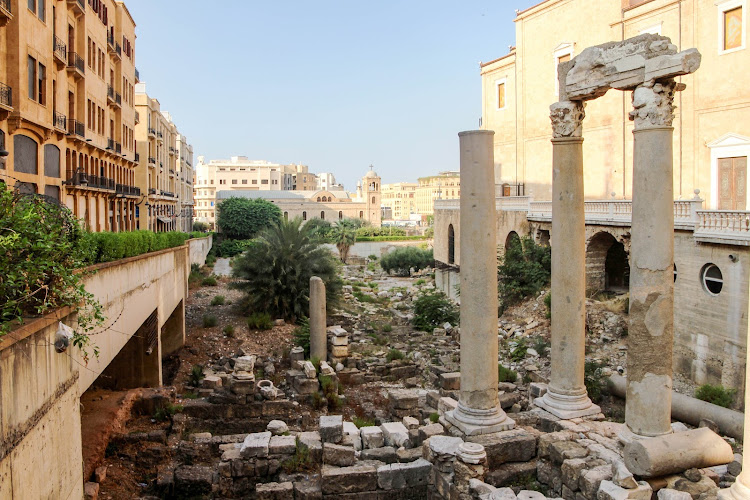
Berytus Cardo & Decumanus Maximus
مدينة ملاهي بيروت
Find Accommodations Nearby
Recommended Tours & Activities
Visitor Reviews
There are no reviews yet. Be the first one to write one.
Share Your Experience
Have you visited American University of Beirut Archaeological Museum? Help other travelers by leaving a review.