
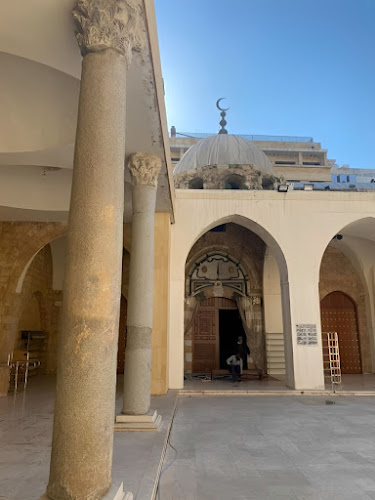
Al-Omari Grand Mosque
About Al-Omari Grand Mosque
Description
The Al-Omari Grand Mosque in Beirut carries the kind of layered history that you can almost feel in the air when you step inside. It’s one of those places that doesn’t just tell a story—it whispers it through its stones, arches, and quiet courtyards. Originally built as a Roman temple dedicated to Jupiter, this site has seen empires rise and fade, faiths evolve, and cultures blend. Later transformed into a Byzantine church, and then into a mosque during the Mamluk period, the structure has gracefully adapted through centuries of change. You can still spot Roman columns standing proudly beside Islamic calligraphy—a rare and beautiful coexistence of styles that makes this mosque such a fascinating stop for travelers curious about Beirut’s deep, complex history.
Walking through its grand wooden doors, the first thing you notice is the calm. Despite being in the heart of Beirut’s bustling downtown, the mosque feels like a pocket of peace. The scent of old stone and polished wood lingers in the air, and sunlight filters through arched windows, painting soft patterns on the floor. It’s not overly ornate like some other mosques in the region, and that’s part of its charm—it feels authentic, lived-in, and deeply spiritual. The locals often come here not just to pray, but to pause, reflect, and reconnect.
What makes the Al-Omari Grand Mosque stand out is its blend of faiths and histories. It’s a living symbol of Beirut’s resilience, a city that’s been rebuilt time and again yet never loses its soul. And maybe that’s why visitors often leave feeling a little moved, even if they can’t quite explain why. The mosque’s quiet dignity, its mix of Roman, Crusader, and Islamic influences, and its enduring role as a place of worship make it more than just a historical monument—it’s a mirror of Lebanon’s layered identity.
Key Features
- Architectural Fusion: A rare combination of Roman, Crusader, and Mamluk design elements that reflect centuries of cultural exchange.
- Historic Significance: Originally a Roman temple, later converted into a church, and finally transformed into a mosque during the 13th century.
- Central Location: Situated in Beirut’s downtown district, making it easily accessible and close to other major attractions.
- Tranquil Interior: The mosque’s spacious prayer hall, stone arches, and wooden ceilings create a serene atmosphere for reflection.
- Accessibility: Wheelchair-accessible entrances and parking make it welcoming for all visitors.
- Amenities: Restrooms are available on-site, and visitors can find shaded areas nearby for rest.
- Cultural Symbol: Represents Beirut’s long-standing tradition of religious coexistence and tolerance.
Best Time to Visit
If you ask me, the best time to visit the Al-Omari Grand Mosque is either early in the morning or just before sunset. Morning visits are peaceful—you’ll often find the mosque bathed in soft light, with only a few locals around. It’s a great time to take photos without crowds and really soak in the quiet atmosphere. Late afternoon, on the other hand, brings a golden glow that seems to make the stone walls shimmer. It’s also when the call to prayer echoes through downtown Beirut, and there’s something truly moving about hearing that sound reverberate through the city’s streets.
Weather-wise, spring (March to May) and autumn (September to November) are ideal. The temperatures are comfortable, and the city feels alive without being overwhelming. Summer can be hot and humid, and while the mosque offers shade, exploring the surrounding area under the midday sun can be a bit much. Winter is mild, but occasional rain might limit your outdoor plans. Still, if you don’t mind a drizzle, the mosque looks stunning against a gray sky—it gives the whole place a moody, cinematic feel.
How to Get There
Getting to the Al-Omari Grand Mosque is pretty straightforward. If you’re staying anywhere near central Beirut, you can easily reach it on foot—it’s right in the heart of the city’s historical core. For those a bit farther out, a short taxi or ride-share trip will get you there in no time. Public buses also pass nearby, though they can be a bit unpredictable if you’re not used to the local routes. Personally, I’d say walking is the best option if you can manage it. The streets around the mosque are full of little surprises—cafés tucked into corners, old stone walls covered in ivy, and the occasional street vendor selling mana’eesh or fresh juice. It’s all part of the experience.
Parking is available nearby, and the area around the mosque is pedestrian-friendly. If you’re exploring Beirut’s downtown attractions, you can easily combine your visit with stops at the Mohammad Al-Amin Mosque, Martyrs’ Square, or the Roman Baths—all within walking distance. Just remember that traffic in Beirut can be unpredictable, so plan your visit with a bit of flexibility.
Tips for Visiting
Visiting the Al-Omari Grand Mosque isn’t complicated, but a few small things can make your experience smoother and more meaningful. Here’s what I’ve learned from my own visit (and from chatting with locals who know the place inside out):
- Dress Modestly: As with any mosque, modest clothing is expected. Women should cover their hair, and both men and women should wear clothing that covers shoulders and knees. If you forget, don’t worry—sometimes scarves or wraps are available at the entrance.
- Respect Prayer Times: Non-Muslim visitors are usually welcome outside of prayer hours. It’s best to check the schedule or ask politely at the entrance to avoid interrupting worshippers.
- Photography Etiquette: Photos are typically allowed, but always be respectful. Avoid taking pictures of people praying unless you’ve asked for permission.
- Remove Shoes: You’ll need to take off your shoes before entering the prayer area. There are designated places to store them, so bring socks if you prefer.
- Take Your Time: Don’t rush through. Sit quietly for a few minutes, listen to the echoes, and let the atmosphere sink in. The mosque has a way of calming even the most restless traveler.
- Combine with Nearby Attractions: Since you’re already downtown, plan to explore the surrounding historical sites. The contrast between ancient ruins and modern architecture is one of Beirut’s great charms.
- Ask Locals: The caretakers are usually friendly and happy to share stories about the mosque’s history. A short chat can give you insights you won’t find in any guidebook.
One thing that surprised me during my visit was how seamlessly the old and new coexist here. You can stand in the courtyard and see modern glass buildings rising beyond the ancient walls—it’s a reminder of Beirut’s constant reinvention. And while the mosque has been restored after years of conflict, it hasn’t lost its soul. The renovations are subtle, preserving the original character while ensuring the structure remains sturdy and safe for generations to come.
If you’re the kind of traveler who loves places that feel real—where history isn’t just displayed but lived—then the Al-Omari Grand Mosque will stay with you long after you leave. It’s not flashy or overly touristy, but that’s exactly why it’s special. It’s a place where faith, history, and community quietly meet, and for a moment, you get to be part of that story too.
Key Features
- Key Features
- Best Time to Visit
- How to Get There
- Tips for Visiting
More Details
Updated October 8, 2025
Table of Contents
Description
The Al-Omari Grand Mosque in Beirut carries the kind of layered history that you can almost feel in the air when you step inside. It’s one of those places that doesn’t just tell a story—it whispers it through its stones, arches, and quiet courtyards. Originally built as a Roman temple dedicated to Jupiter, this site has seen empires rise and fade, faiths evolve, and cultures blend. Later transformed into a Byzantine church, and then into a mosque during the Mamluk period, the structure has gracefully adapted through centuries of change. You can still spot Roman columns standing proudly beside Islamic calligraphy—a rare and beautiful coexistence of styles that makes this mosque such a fascinating stop for travelers curious about Beirut’s deep, complex history.
Walking through its grand wooden doors, the first thing you notice is the calm. Despite being in the heart of Beirut’s bustling downtown, the mosque feels like a pocket of peace. The scent of old stone and polished wood lingers in the air, and sunlight filters through arched windows, painting soft patterns on the floor. It’s not overly ornate like some other mosques in the region, and that’s part of its charm—it feels authentic, lived-in, and deeply spiritual. The locals often come here not just to pray, but to pause, reflect, and reconnect.
What makes the Al-Omari Grand Mosque stand out is its blend of faiths and histories. It’s a living symbol of Beirut’s resilience, a city that’s been rebuilt time and again yet never loses its soul. And maybe that’s why visitors often leave feeling a little moved, even if they can’t quite explain why. The mosque’s quiet dignity, its mix of Roman, Crusader, and Islamic influences, and its enduring role as a place of worship make it more than just a historical monument—it’s a mirror of Lebanon’s layered identity.
Key Features
- Architectural Fusion: A rare combination of Roman, Crusader, and Mamluk design elements that reflect centuries of cultural exchange.
- Historic Significance: Originally a Roman temple, later converted into a church, and finally transformed into a mosque during the 13th century.
- Central Location: Situated in Beirut’s downtown district, making it easily accessible and close to other major attractions.
- Tranquil Interior: The mosque’s spacious prayer hall, stone arches, and wooden ceilings create a serene atmosphere for reflection.
- Accessibility: Wheelchair-accessible entrances and parking make it welcoming for all visitors.
- Amenities: Restrooms are available on-site, and visitors can find shaded areas nearby for rest.
- Cultural Symbol: Represents Beirut’s long-standing tradition of religious coexistence and tolerance.
Best Time to Visit
If you ask me, the best time to visit the Al-Omari Grand Mosque is either early in the morning or just before sunset. Morning visits are peaceful—you’ll often find the mosque bathed in soft light, with only a few locals around. It’s a great time to take photos without crowds and really soak in the quiet atmosphere. Late afternoon, on the other hand, brings a golden glow that seems to make the stone walls shimmer. It’s also when the call to prayer echoes through downtown Beirut, and there’s something truly moving about hearing that sound reverberate through the city’s streets.
Weather-wise, spring (March to May) and autumn (September to November) are ideal. The temperatures are comfortable, and the city feels alive without being overwhelming. Summer can be hot and humid, and while the mosque offers shade, exploring the surrounding area under the midday sun can be a bit much. Winter is mild, but occasional rain might limit your outdoor plans. Still, if you don’t mind a drizzle, the mosque looks stunning against a gray sky—it gives the whole place a moody, cinematic feel.
How to Get There
Getting to the Al-Omari Grand Mosque is pretty straightforward. If you’re staying anywhere near central Beirut, you can easily reach it on foot—it’s right in the heart of the city’s historical core. For those a bit farther out, a short taxi or ride-share trip will get you there in no time. Public buses also pass nearby, though they can be a bit unpredictable if you’re not used to the local routes. Personally, I’d say walking is the best option if you can manage it. The streets around the mosque are full of little surprises—cafés tucked into corners, old stone walls covered in ivy, and the occasional street vendor selling mana’eesh or fresh juice. It’s all part of the experience.
Parking is available nearby, and the area around the mosque is pedestrian-friendly. If you’re exploring Beirut’s downtown attractions, you can easily combine your visit with stops at the Mohammad Al-Amin Mosque, Martyrs’ Square, or the Roman Baths—all within walking distance. Just remember that traffic in Beirut can be unpredictable, so plan your visit with a bit of flexibility.
Tips for Visiting
Visiting the Al-Omari Grand Mosque isn’t complicated, but a few small things can make your experience smoother and more meaningful. Here’s what I’ve learned from my own visit (and from chatting with locals who know the place inside out):
- Dress Modestly: As with any mosque, modest clothing is expected. Women should cover their hair, and both men and women should wear clothing that covers shoulders and knees. If you forget, don’t worry—sometimes scarves or wraps are available at the entrance.
- Respect Prayer Times: Non-Muslim visitors are usually welcome outside of prayer hours. It’s best to check the schedule or ask politely at the entrance to avoid interrupting worshippers.
- Photography Etiquette: Photos are typically allowed, but always be respectful. Avoid taking pictures of people praying unless you’ve asked for permission.
- Remove Shoes: You’ll need to take off your shoes before entering the prayer area. There are designated places to store them, so bring socks if you prefer.
- Take Your Time: Don’t rush through. Sit quietly for a few minutes, listen to the echoes, and let the atmosphere sink in. The mosque has a way of calming even the most restless traveler.
- Combine with Nearby Attractions: Since you’re already downtown, plan to explore the surrounding historical sites. The contrast between ancient ruins and modern architecture is one of Beirut’s great charms.
- Ask Locals: The caretakers are usually friendly and happy to share stories about the mosque’s history. A short chat can give you insights you won’t find in any guidebook.
One thing that surprised me during my visit was how seamlessly the old and new coexist here. You can stand in the courtyard and see modern glass buildings rising beyond the ancient walls—it’s a reminder of Beirut’s constant reinvention. And while the mosque has been restored after years of conflict, it hasn’t lost its soul. The renovations are subtle, preserving the original character while ensuring the structure remains sturdy and safe for generations to come.
If you’re the kind of traveler who loves places that feel real—where history isn’t just displayed but lived—then the Al-Omari Grand Mosque will stay with you long after you leave. It’s not flashy or overly touristy, but that’s exactly why it’s special. It’s a place where faith, history, and community quietly meet, and for a moment, you get to be part of that story too.
Key Highlights
- Key Features
- Best Time to Visit
- How to Get There
- Tips for Visiting
Location
Places to Stay Near Al-Omari Grand Mosque
Find and Book a Tour
Explore More Travel Guides
No reviews found! Be the first to review!
Traveler Reviews for Al-Omari Grand Mosque
There are no reviews yet. Be the first one to write one.
Have you visited Al-Omari Grand Mosque? Help other travelers by sharing your review.
You Might Also Like

Downtown Beirut

Beirut Art Center

Horsh Beirut
Find Accommodations Nearby
Recommended Tours & Activities
Visitor Reviews
There are no reviews yet. Be the first one to write one.
Share Your Experience
Have you visited Al-Omari Grand Mosque? Help other travelers by leaving a review.