
Berytus Cardo & Decumanus Maximus
About Berytus Cardo & Decumanus Maximus
Description
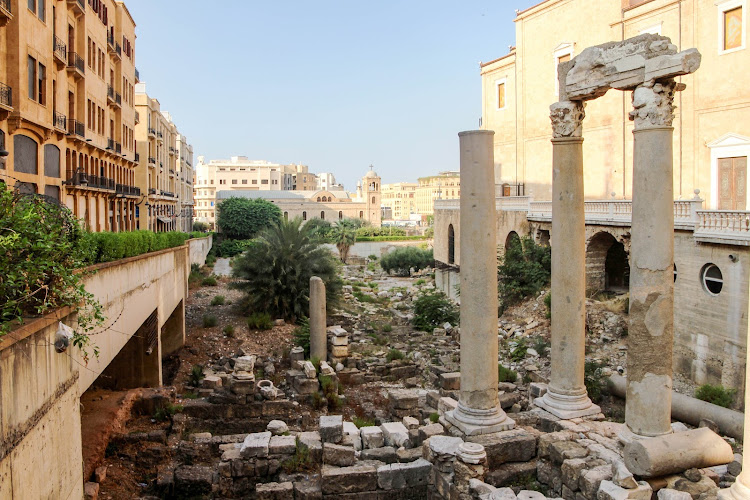
In the heart of downtown Beirut lies a quiet yet fascinating reminder of the city’s ancient soul — the Berytus Cardo and Decumanus Maximus. These two intersecting Roman streets once formed the beating center of Roman Berytus, the city that would later become modern-day Beirut. Today, what remains of them offers travelers a chance to literally walk through history, where centuries-old stones whisper stories of merchants, scholars, and everyday life in a Mediterranean port city that thrived nearly two thousand years ago.
When I first stumbled upon the site, I wasn’t expecting much — just another set of ruins, maybe a few columns, a plaque or two. But standing there, surrounded by the hum of modern Beirut, I felt an odd stillness. The Cardo Maximus, which once ran north to south, and the Decumanus Maximus, which stretched east to west, were the lifelines of Roman Berytus. They connected temples, markets, and forums, forming the grid that shaped the city’s rhythm. You can still see the outlines of these streets, the remnants of colonnades, and fragments of ancient pavement that survived wars, earthquakes, and urban sprawl.
There’s something humbling about realizing how much history has layered itself here. The Romans built on top of the Phoenicians, the Byzantines built on the Romans, and the Ottomans came after that. Beirut has always been a city of rebirth, and the Cardo and Decumanus are proof of that resilience. Archaeologists uncovered the site in the 1960s, and though it’s not as grand as other Roman ruins, it holds a quiet dignity that’s hard to ignore. It’s one of those places that rewards curiosity — the more you look, the more you notice.
Key Features
- Ancient Roman Layout: The Cardo (north-south) and Decumanus (east-west) formed the main axes of Roman Berytus, representing classical Roman city planning at its best.
- Five Standing Columns: At the crossing point, five original Roman columns still stand, marking the heart of the ancient city — a striking visual reminder of Beirut’s deep historical layers.
- Archaeological Context: The site is part of a larger complex that once included public baths, temples, and a forum, offering a glimpse into how daily life unfolded in ancient times.
- Modern Surroundings: The ruins sit amid Beirut’s downtown district, surrounded by modern architecture, cafes, and shops — a unique contrast between the ancient and the contemporary.
- Photographic Appeal: The juxtaposition of ancient stonework against the skyline of modern Beirut makes this spot a favorite for photographers and history enthusiasts alike.
- Interpretive Signage: Informational panels provide historical context, helping visitors imagine what the area looked like when Roman chariots rolled down these streets.
Honestly, what struck me most wasn’t just the ruins themselves, but how they sit quietly amid the city’s chaos. You can hear car horns, smell the coffee from nearby cafés, and still, the stones seem to hold their own kind of calm authority. It’s a strange but beautiful balance — ancient order meeting modern energy.
Best Time to Visit
Beirut can get pretty hot in summer, and standing under the midday sun among the stones isn’t exactly pleasant. Spring (March to May) and autumn (September to November) are ideal times to visit. The weather is mild, and the light during those seasons gives the ruins a golden hue that’s perfect for photos. Early morning visits are especially rewarding — fewer people, cooler air, and a sense of solitude that makes it easier to imagine what the place must have felt like centuries ago.
Winter isn’t a bad choice either if you don’t mind a bit of rain. The city slows down, and there’s something rather poetic about seeing the slick stones glisten after a drizzle. I once visited on a cloudy day, and it gave the ruins a moody, cinematic feel — not everyone’s cup of tea, but for history lovers, it’s atmospheric.
How to Get There
The site is located right in Beirut’s central district, making it easy to reach on foot from many nearby landmarks. If you’re staying downtown, you can simply wander over — it’s near the major squares and within walking distance of the Saint George Maronite Cathedral and the Mohammad Al-Amin Mosque. Taxis and ride-hailing apps are plentiful in Beirut, though traffic can be unpredictable, so plan accordingly.
For those coming from outside the city center, public buses and shared taxis (known locally as “service” cars) are affordable options. I’ve taken both, and while the buses can be a bit confusing for first-timers, the shared taxis are a fun experience — you’ll likely end up chatting with locals who are more than happy to point you in the right direction. Just make sure you have cash on hand, as digital payments aren’t always an option.
Parking around the area can be tricky, and the site isn’t particularly wheelchair accessible, so it’s best to plan ahead if mobility is a concern. The surrounding streets are pedestrian-friendly, though, and wandering through them is part of the charm. You’ll pass by restored Ottoman buildings, chic boutiques, and small cafés that make for great pit stops before or after your visit.
Tips for Visiting
First and foremost, take your time. It’s easy to breeze through the site in ten minutes, but if you slow down and really look, you’ll start noticing small details — a carved stone here, a pattern in the pavement there. These aren’t just ruins; they’re fragments of a once-bustling city that shaped the region’s history.
Here are a few practical and personal tips to make the most of your visit:
- Go early or late in the day: The lighting is softer, and you’ll avoid the midday heat and crowds.
- Bring water and sunscreen: There’s little shade, and Beirut’s sun can be relentless even in cooler months.
- Wear comfortable shoes: The ground is uneven in places — ancient stones aren’t known for their smoothness!
- Combine your visit: The site pairs beautifully with a walk through downtown Beirut’s archaeological zone, where you can also see remnants of Roman baths and the ancient forum.
- Take a local guide: While you can explore on your own, a knowledgeable guide brings the ruins to life with stories and historical context you might otherwise miss.
- Pause and reflect: It’s easy to forget, but you’re standing where Roman citizens once walked, bartered, and debated — a reminder of how deep Beirut’s roots really go.
And here’s a small personal suggestion: after exploring, grab a coffee at one of the nearby cafés and just sit for a while. Watch the flow of modern life around you — people hurrying to work, kids laughing, the call to prayer echoing in the distance — and let it sink in that this same spot has been alive with human energy for over two millennia. It’s a humbling thought.
Some visitors might find the ruins modest compared to other archaeological sites in the region, and that’s fair. They’re not towering or dramatic. But what they lack in grandeur, they make up for in authenticity. This is living history, woven right into the fabric of a modern city. You don’t need to trek into the desert or climb a mountain to find it — it’s right there, under your feet, whispering reminders of how civilizations rise, fall, and somehow always endure.
In many ways, the Berytus Cardo and Decumanus Maximus are metaphors for Beirut itself — layered, resilient, and quietly beautiful. They tell the story of a city that has been destroyed and rebuilt more times than anyone can count, yet still stands proud. So if you’re planning a trip to Lebanon, don’t skip this spot. It might not scream for attention, but it rewards those who listen.
And honestly, that’s what travel should be about — not just ticking off landmarks, but connecting with the stories that make a place what it is. The Cardo and Decumanus Maximus aren’t just ruins; they’re reminders that even in a city as fast-paced and ever-changing as Beirut, the past is never really gone. It’s just waiting for you to notice it.
Key Features
- Key Features
- Best Time to Visit
- How to Get There
- Tips for Visiting
More Details
Updated October 8, 2025
Table of Contents
Description
In the heart of downtown Beirut lies a quiet yet fascinating reminder of the city’s ancient soul — the Berytus Cardo and Decumanus Maximus. These two intersecting Roman streets once formed the beating center of Roman Berytus, the city that would later become modern-day Beirut. Today, what remains of them offers travelers a chance to literally walk through history, where centuries-old stones whisper stories of merchants, scholars, and everyday life in a Mediterranean port city that thrived nearly two thousand years ago.
When I first stumbled upon the site, I wasn’t expecting much — just another set of ruins, maybe a few columns, a plaque or two. But standing there, surrounded by the hum of modern Beirut, I felt an odd stillness. The Cardo Maximus, which once ran north to south, and the Decumanus Maximus, which stretched east to west, were the lifelines of Roman Berytus. They connected temples, markets, and forums, forming the grid that shaped the city’s rhythm. You can still see the outlines of these streets, the remnants of colonnades, and fragments of ancient pavement that survived wars, earthquakes, and urban sprawl.
There’s something humbling about realizing how much history has layered itself here. The Romans built on top of the Phoenicians, the Byzantines built on the Romans, and the Ottomans came after that. Beirut has always been a city of rebirth, and the Cardo and Decumanus are proof of that resilience. Archaeologists uncovered the site in the 1960s, and though it’s not as grand as other Roman ruins, it holds a quiet dignity that’s hard to ignore. It’s one of those places that rewards curiosity — the more you look, the more you notice.
Key Features
- Ancient Roman Layout: The Cardo (north-south) and Decumanus (east-west) formed the main axes of Roman Berytus, representing classical Roman city planning at its best.
- Five Standing Columns: At the crossing point, five original Roman columns still stand, marking the heart of the ancient city — a striking visual reminder of Beirut’s deep historical layers.
- Archaeological Context: The site is part of a larger complex that once included public baths, temples, and a forum, offering a glimpse into how daily life unfolded in ancient times.
- Modern Surroundings: The ruins sit amid Beirut’s downtown district, surrounded by modern architecture, cafes, and shops — a unique contrast between the ancient and the contemporary.
- Photographic Appeal: The juxtaposition of ancient stonework against the skyline of modern Beirut makes this spot a favorite for photographers and history enthusiasts alike.
- Interpretive Signage: Informational panels provide historical context, helping visitors imagine what the area looked like when Roman chariots rolled down these streets.
Honestly, what struck me most wasn’t just the ruins themselves, but how they sit quietly amid the city’s chaos. You can hear car horns, smell the coffee from nearby cafés, and still, the stones seem to hold their own kind of calm authority. It’s a strange but beautiful balance — ancient order meeting modern energy.
Best Time to Visit
Beirut can get pretty hot in summer, and standing under the midday sun among the stones isn’t exactly pleasant. Spring (March to May) and autumn (September to November) are ideal times to visit. The weather is mild, and the light during those seasons gives the ruins a golden hue that’s perfect for photos. Early morning visits are especially rewarding — fewer people, cooler air, and a sense of solitude that makes it easier to imagine what the place must have felt like centuries ago.
Winter isn’t a bad choice either if you don’t mind a bit of rain. The city slows down, and there’s something rather poetic about seeing the slick stones glisten after a drizzle. I once visited on a cloudy day, and it gave the ruins a moody, cinematic feel — not everyone’s cup of tea, but for history lovers, it’s atmospheric.
How to Get There
The site is located right in Beirut’s central district, making it easy to reach on foot from many nearby landmarks. If you’re staying downtown, you can simply wander over — it’s near the major squares and within walking distance of the Saint George Maronite Cathedral and the Mohammad Al-Amin Mosque. Taxis and ride-hailing apps are plentiful in Beirut, though traffic can be unpredictable, so plan accordingly.
For those coming from outside the city center, public buses and shared taxis (known locally as “service” cars) are affordable options. I’ve taken both, and while the buses can be a bit confusing for first-timers, the shared taxis are a fun experience — you’ll likely end up chatting with locals who are more than happy to point you in the right direction. Just make sure you have cash on hand, as digital payments aren’t always an option.
Parking around the area can be tricky, and the site isn’t particularly wheelchair accessible, so it’s best to plan ahead if mobility is a concern. The surrounding streets are pedestrian-friendly, though, and wandering through them is part of the charm. You’ll pass by restored Ottoman buildings, chic boutiques, and small cafés that make for great pit stops before or after your visit.
Tips for Visiting
First and foremost, take your time. It’s easy to breeze through the site in ten minutes, but if you slow down and really look, you’ll start noticing small details — a carved stone here, a pattern in the pavement there. These aren’t just ruins; they’re fragments of a once-bustling city that shaped the region’s history.
Here are a few practical and personal tips to make the most of your visit:
- Go early or late in the day: The lighting is softer, and you’ll avoid the midday heat and crowds.
- Bring water and sunscreen: There’s little shade, and Beirut’s sun can be relentless even in cooler months.
- Wear comfortable shoes: The ground is uneven in places — ancient stones aren’t known for their smoothness!
- Combine your visit: The site pairs beautifully with a walk through downtown Beirut’s archaeological zone, where you can also see remnants of Roman baths and the ancient forum.
- Take a local guide: While you can explore on your own, a knowledgeable guide brings the ruins to life with stories and historical context you might otherwise miss.
- Pause and reflect: It’s easy to forget, but you’re standing where Roman citizens once walked, bartered, and debated — a reminder of how deep Beirut’s roots really go.
And here’s a small personal suggestion: after exploring, grab a coffee at one of the nearby cafés and just sit for a while. Watch the flow of modern life around you — people hurrying to work, kids laughing, the call to prayer echoing in the distance — and let it sink in that this same spot has been alive with human energy for over two millennia. It’s a humbling thought.
Some visitors might find the ruins modest compared to other archaeological sites in the region, and that’s fair. They’re not towering or dramatic. But what they lack in grandeur, they make up for in authenticity. This is living history, woven right into the fabric of a modern city. You don’t need to trek into the desert or climb a mountain to find it — it’s right there, under your feet, whispering reminders of how civilizations rise, fall, and somehow always endure.
In many ways, the Berytus Cardo and Decumanus Maximus are metaphors for Beirut itself — layered, resilient, and quietly beautiful. They tell the story of a city that has been destroyed and rebuilt more times than anyone can count, yet still stands proud. So if you’re planning a trip to Lebanon, don’t skip this spot. It might not scream for attention, but it rewards those who listen.
And honestly, that’s what travel should be about — not just ticking off landmarks, but connecting with the stories that make a place what it is. The Cardo and Decumanus Maximus aren’t just ruins; they’re reminders that even in a city as fast-paced and ever-changing as Beirut, the past is never really gone. It’s just waiting for you to notice it.
Key Highlights
- Key Features
- Best Time to Visit
- How to Get There
- Tips for Visiting
Location
Places to Stay Near Berytus Cardo & Decumanus Maximus
Find and Book a Tour
Explore More Travel Guides
No reviews found! Be the first to review!
Traveler Reviews for Berytus Cardo & Decumanus Maximus
There are no reviews yet. Be the first one to write one.
Have you visited Berytus Cardo & Decumanus Maximus? Help other travelers by sharing your review.
You Might Also Like

Nicolas Sursock Museum

Sanayeh Park
Achrafieh Stairs
Find Accommodations Nearby
Recommended Tours & Activities
Visitor Reviews
There are no reviews yet. Be the first one to write one.
Share Your Experience
Have you visited Berytus Cardo & Decumanus Maximus? Help other travelers by leaving a review.