
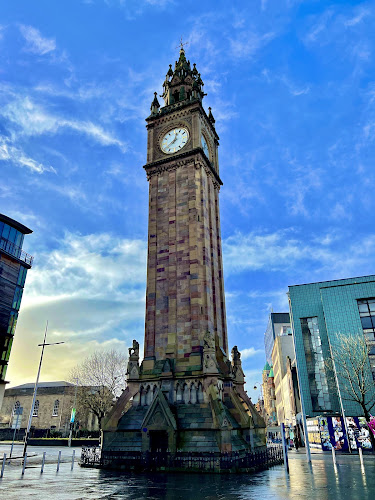
Albert Memorial Clock
About Albert Memorial Clock
Description
The Albert Memorial Clock is one of those landmarks that quietly commands your attention the moment you step into Belfast’s city center. Built in the 1860s to honor Prince Albert, the beloved husband of Queen Victoria, it’s more than just a clock tower—it’s a piece of the city’s soul, standing tall through time, weather, and urban change. The tower’s slightly tilted stance (yes, it actually leans a bit!) gives it a quirky charm that locals have come to love. It’s often compared to a smaller, more modest cousin of the Leaning Tower of Pisa, though I’d argue it’s got more character. There’s something about the way it catches the light on a cloudy Belfast morning that makes you pause and just… admire.
Constructed from sandstone, the structure has this warm, golden hue that contrasts beautifully with the often overcast Northern Irish skies. The statue of Prince Albert stands proudly at the base, gazing out across the city as if keeping a watchful eye on its people. Over the years, the clock has seen its share of wear and tear—subsidence from the soft ground beneath caused that famous tilt—but it’s been lovingly restored to ensure it continues ticking for generations to come.
I remember the first time I saw it—I was on a walking tour, coffee in hand, when the guide casually mentioned, “And that’s our leaning clock tower.” Everyone chuckled, but when I looked closer, I realized how much history was packed into that one structure. It’s not just a clock; it’s a symbol of Belfast’s resilience and pride. You can feel the stories embedded in its stones, whispers of Victorian ambition mixed with modern-day bustle.
Key Features
- Historical Significance: Built in memory of Prince Albert, consort of Queen Victoria, the clock represents a key chapter in Belfast’s Victorian heritage.
- Distinctive Lean: The tower leans slightly due to the marshy ground it was built on—an endearing quirk that makes it instantly recognizable.
- Architectural Style: Designed by W. J. Barre, the structure showcases Gothic Revival architecture, complete with ornate carvings and intricate detailing.
- Statue of Prince Albert: A finely sculpted statue of the prince stands at the base, adding both historical and artistic value.
- Central Location: Positioned right in the heart of Belfast, it’s easily accessible and surrounded by shops, cafes, and other attractions.
- Photographic Appeal: Whether you’re into architecture or just love a good Instagram shot, the clock’s leaning profile and detailed façade make it a dream subject.
- Restoration Efforts: A major restoration in the early 2000s stabilized the structure and cleaned the stonework, giving it a renewed glow.
What I personally love about the Albert Memorial Clock is how it manages to blend grandeur with imperfection. It’s beautiful, yes, but it’s also a little flawed—and that’s what makes it human in a way. You can almost sense Belfast’s story through it: the ups, the downs, the grit, and the grace.
Best Time to Visit
If you ask me, the best time to visit the Albert Memorial Clock is during the late afternoon, just before sunset. The golden light hits the sandstone in a way that makes the whole tower glow, and the shadows stretch dramatically across Queen’s Square. It’s also a quieter time of day, so you can take your time snapping photos or simply standing there, soaking it all in.
That said, mornings have their own charm too. If you’re an early riser, grab a coffee from a nearby café and watch as the city slowly wakes up around the clock tower. The streets are calmer, and you can hear the faint ticking of the clock if you stand close enough. During the holiday season, the surrounding area often gets dressed up with festive lights, adding a touch of magic to your visit.
Weather-wise, Belfast can be unpredictable (bring a jacket, always), but even on rainy days, the Albert Memorial Clock looks stunning. The wet stone takes on a deeper tone, and raindrops glisten on its surface—it’s all very cinematic, honestly.
How to Get There
Reaching the Albert Memorial Clock is quite straightforward since it’s located right in Belfast’s city center. If you’re staying nearby, you can easily walk there—it’s one of those landmarks you’ll probably stumble upon even if you’re not looking for it. The clock stands at the intersection of several key streets, making it a convenient stop on most walking routes through the city.
For those coming from farther out, public transport is your friend. Buses and trains connect the area efficiently, and once you’re in the city center, it’s just a short stroll away. Taxis and ride-share services are also readily available, and if you’re driving, there are parking facilities not too far off—though be prepared for a bit of a walk since parking in central Belfast can be tight.
If you’re the type who likes to explore on foot (like me), I’d recommend starting your walk from the nearby riverfront. The route gives you a lovely perspective of the city’s architecture before you arrive at the clock. And honestly, that first glimpse of the tower peeking above the rooftops is a little thrill every time.
Tips for Visiting
Here’s where a few insider tips might come in handy. First off, take your time. The Albert Memorial Clock isn’t massive, but there’s so much detail to appreciate—look closely at the carvings, the clock face, and the statue of Prince Albert himself. It’s easy to rush through, but slowing down lets you notice the craftsmanship that went into every inch of it.
Bring a camera or your phone fully charged because the photo opportunities are endless. Try different angles—shoot from below to capture the lean, or step back to frame it with the surrounding buildings. If you’re into night photography, the tower looks particularly striking when illuminated after dark.
Accessibility-wise, the area around the clock is wheelchair-friendly, with smooth pavements and a level approach. There’s no dedicated parking right next to it, but nearby streets and car parks are manageable. Families with kids will find it a fun stop too—children often get a kick out of the fact that the tower “leans.”
One more thing: if you’re a history buff, it’s worth reading up a bit on the Victorian era before visiting. Knowing the context—why it was built, what it meant to the people of Belfast at the time—makes the experience richer. I’ve always found that when you understand the story behind a monument, it stops being just “a thing to see” and becomes something you connect with on a deeper level.
And don’t forget to explore the surrounding area afterward. There are plenty of cafés, pubs, and shops nearby where you can grab a bite or a drink while still keeping the clock in view. It’s one of those places that feels alive, where history and daily life blend effortlessly.
To sum it up, the Albert Memorial Clock isn’t just a landmark—it’s a storyteller. It’s seen Belfast through its industrial boom, its struggles, and its rebirth into a modern, confident city. Visiting it is like shaking hands with history, and honestly, that’s what travel should be about—those little moments when the past and present meet right before your eyes.
Key Features
- Key Features
- Best Time to Visit
- How to Get There
- Tips for Visiting
More Details
Updated December 1, 2025
Table of Contents
Description
The Albert Memorial Clock is one of those landmarks that quietly commands your attention the moment you step into Belfast’s city center. Built in the 1860s to honor Prince Albert, the beloved husband of Queen Victoria, it’s more than just a clock tower—it’s a piece of the city’s soul, standing tall through time, weather, and urban change. The tower’s slightly tilted stance (yes, it actually leans a bit!) gives it a quirky charm that locals have come to love. It’s often compared to a smaller, more modest cousin of the Leaning Tower of Pisa, though I’d argue it’s got more character. There’s something about the way it catches the light on a cloudy Belfast morning that makes you pause and just… admire.
Constructed from sandstone, the structure has this warm, golden hue that contrasts beautifully with the often overcast Northern Irish skies. The statue of Prince Albert stands proudly at the base, gazing out across the city as if keeping a watchful eye on its people. Over the years, the clock has seen its share of wear and tear—subsidence from the soft ground beneath caused that famous tilt—but it’s been lovingly restored to ensure it continues ticking for generations to come.
I remember the first time I saw it—I was on a walking tour, coffee in hand, when the guide casually mentioned, “And that’s our leaning clock tower.” Everyone chuckled, but when I looked closer, I realized how much history was packed into that one structure. It’s not just a clock; it’s a symbol of Belfast’s resilience and pride. You can feel the stories embedded in its stones, whispers of Victorian ambition mixed with modern-day bustle.
Key Features
- Historical Significance: Built in memory of Prince Albert, consort of Queen Victoria, the clock represents a key chapter in Belfast’s Victorian heritage.
- Distinctive Lean: The tower leans slightly due to the marshy ground it was built on—an endearing quirk that makes it instantly recognizable.
- Architectural Style: Designed by W. J. Barre, the structure showcases Gothic Revival architecture, complete with ornate carvings and intricate detailing.
- Statue of Prince Albert: A finely sculpted statue of the prince stands at the base, adding both historical and artistic value.
- Central Location: Positioned right in the heart of Belfast, it’s easily accessible and surrounded by shops, cafes, and other attractions.
- Photographic Appeal: Whether you’re into architecture or just love a good Instagram shot, the clock’s leaning profile and detailed façade make it a dream subject.
- Restoration Efforts: A major restoration in the early 2000s stabilized the structure and cleaned the stonework, giving it a renewed glow.
What I personally love about the Albert Memorial Clock is how it manages to blend grandeur with imperfection. It’s beautiful, yes, but it’s also a little flawed—and that’s what makes it human in a way. You can almost sense Belfast’s story through it: the ups, the downs, the grit, and the grace.
Best Time to Visit
If you ask me, the best time to visit the Albert Memorial Clock is during the late afternoon, just before sunset. The golden light hits the sandstone in a way that makes the whole tower glow, and the shadows stretch dramatically across Queen’s Square. It’s also a quieter time of day, so you can take your time snapping photos or simply standing there, soaking it all in.
That said, mornings have their own charm too. If you’re an early riser, grab a coffee from a nearby café and watch as the city slowly wakes up around the clock tower. The streets are calmer, and you can hear the faint ticking of the clock if you stand close enough. During the holiday season, the surrounding area often gets dressed up with festive lights, adding a touch of magic to your visit.
Weather-wise, Belfast can be unpredictable (bring a jacket, always), but even on rainy days, the Albert Memorial Clock looks stunning. The wet stone takes on a deeper tone, and raindrops glisten on its surface—it’s all very cinematic, honestly.
How to Get There
Reaching the Albert Memorial Clock is quite straightforward since it’s located right in Belfast’s city center. If you’re staying nearby, you can easily walk there—it’s one of those landmarks you’ll probably stumble upon even if you’re not looking for it. The clock stands at the intersection of several key streets, making it a convenient stop on most walking routes through the city.
For those coming from farther out, public transport is your friend. Buses and trains connect the area efficiently, and once you’re in the city center, it’s just a short stroll away. Taxis and ride-share services are also readily available, and if you’re driving, there are parking facilities not too far off—though be prepared for a bit of a walk since parking in central Belfast can be tight.
If you’re the type who likes to explore on foot (like me), I’d recommend starting your walk from the nearby riverfront. The route gives you a lovely perspective of the city’s architecture before you arrive at the clock. And honestly, that first glimpse of the tower peeking above the rooftops is a little thrill every time.
Tips for Visiting
Here’s where a few insider tips might come in handy. First off, take your time. The Albert Memorial Clock isn’t massive, but there’s so much detail to appreciate—look closely at the carvings, the clock face, and the statue of Prince Albert himself. It’s easy to rush through, but slowing down lets you notice the craftsmanship that went into every inch of it.
Bring a camera or your phone fully charged because the photo opportunities are endless. Try different angles—shoot from below to capture the lean, or step back to frame it with the surrounding buildings. If you’re into night photography, the tower looks particularly striking when illuminated after dark.
Accessibility-wise, the area around the clock is wheelchair-friendly, with smooth pavements and a level approach. There’s no dedicated parking right next to it, but nearby streets and car parks are manageable. Families with kids will find it a fun stop too—children often get a kick out of the fact that the tower “leans.”
One more thing: if you’re a history buff, it’s worth reading up a bit on the Victorian era before visiting. Knowing the context—why it was built, what it meant to the people of Belfast at the time—makes the experience richer. I’ve always found that when you understand the story behind a monument, it stops being just “a thing to see” and becomes something you connect with on a deeper level.
And don’t forget to explore the surrounding area afterward. There are plenty of cafés, pubs, and shops nearby where you can grab a bite or a drink while still keeping the clock in view. It’s one of those places that feels alive, where history and daily life blend effortlessly.
To sum it up, the Albert Memorial Clock isn’t just a landmark—it’s a storyteller. It’s seen Belfast through its industrial boom, its struggles, and its rebirth into a modern, confident city. Visiting it is like shaking hands with history, and honestly, that’s what travel should be about—those little moments when the past and present meet right before your eyes.
Key Highlights
- Key Features
- Best Time to Visit
- How to Get There
- Tips for Visiting
Location
Places to Stay Near Albert Memorial Clock
Find and Book a Tour
Explore More Travel Guides
No reviews found! Be the first to review!
Traveler Reviews for Albert Memorial Clock
There are no reviews yet. Be the first one to write one.
Have you visited Albert Memorial Clock? Help other travelers by sharing your review.
You Might Also Like
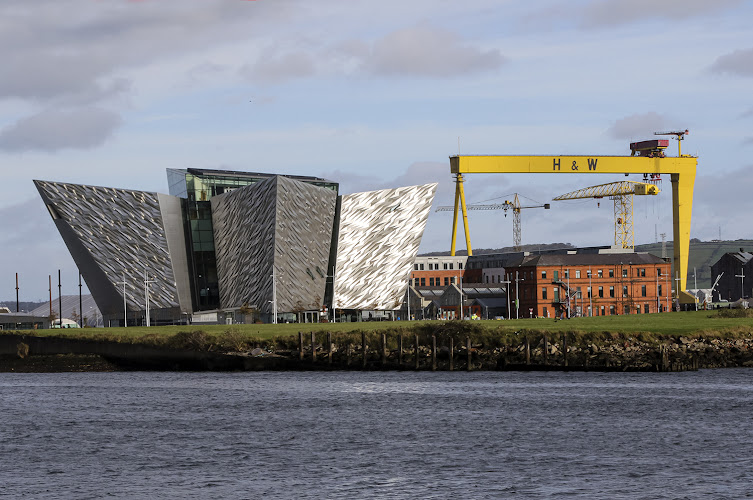
Titanic Quarter Limited
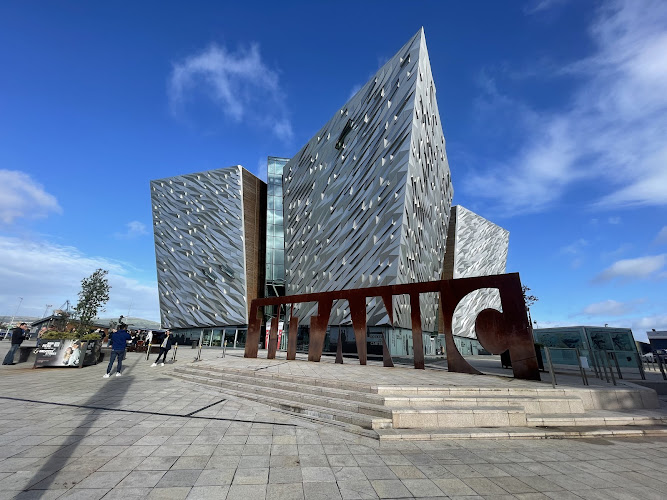
Titanic Belfast
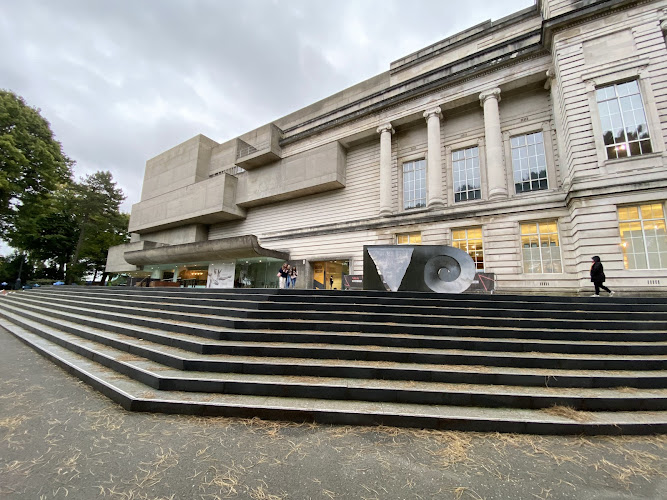
Ulster Museum
Find Accommodations Nearby
Recommended Tours & Activities
Visitor Reviews
There are no reviews yet. Be the first one to write one.
Share Your Experience
Have you visited Albert Memorial Clock? Help other travelers by leaving a review.