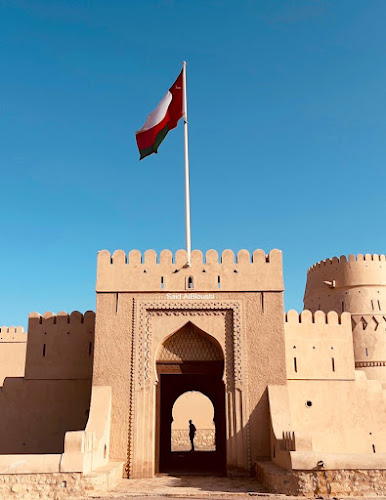
Al Khandaq Fort, tucked away in Al Buraimi, Oman, is one of those places that quietly commands respect.
Highlights & Key Features
Key Features
Best Time to Visit
How to Get There
Tips for Visiting
Visitor Guide & Information
Description
The fort, also known as Al Khandaq Castle, dates back several centuries and has seen its fair share of transformations. Originally constructed for protection and governance, it later became a symbol of local strength and heritage. Over the years, it has been restored with care, preserving its original architectural features—arched gateways, battlements, and watchtowers—while adding subtle modern touches for accessibility. I remember the first time I visited; the air was warm, the walls seemed to glow in the late afternoon sun, and for a brief moment, it felt like time stood still. That’s the kind of place Al Khandaq Fort is—quietly powerful, deeply rooted, and surprisingly moving.
The atmosphere here is calm, almost meditative. You won’t find crowds jostling for selfies, which is a blessing if you ask me. Instead, you’ll find curious travelers, local families, and the occasional historian sketching details of the fort’s intricate design. It’s a place that invites you to slow down, to really look. And if you’re lucky, you might catch a local guide sharing stories that make the stones come alive—tales of strategy, survival, and the everyday lives of people who lived behind these walls.
Key Features
Historical Architecture: The fort’s robust stone walls and traditional Omani defensive design showcase the region’s architectural ingenuity.
Towers and Battlements: Visitors can climb sections of the fort to enjoy panoramic views of Al Buraimi and its surrounding landscapes.
Cultural Significance: Once a key defensive structure, Al Khandaq Fort played an important role in local governance and protection.
Restoration Work: Carefully preserved to maintain authenticity while improving safety and accessibility.
Family-Friendly Environment: The spacious grounds and shaded areas make it a comfortable outing for families with kids.
Accessibility: The site includes wheelchair-accessible entrances and parking, making it welcoming for visitors of all abilities.
Peaceful Ambience: Unlike many tourist-heavy landmarks, it retains a sense of tranquility that encourages reflection and exploration.
Best Time to Visit
If you’re planning a trip, timing is everything. The best months to visit Al Khandaq Fort are between October and March when the weather is cooler and more forgiving. During this period, the daytime temperatures are pleasant enough to wander around for hours without feeling drained. I once made the mistake of visiting in late May—let’s just say the sun had other plans for me. The heat can be intense, and even the fort’s thick walls can’t offer much relief. So, trust me on this one: go in the cooler months.
Early mornings or late afternoons are ideal for exploring. The light is softer, perfect for photography, and the fort’s earthy tones seem to glow against the sky. Plus, you’ll avoid the midday rush (though “rush” is a generous word; it’s usually pretty peaceful). If you happen to visit during a local festival or cultural event, you might even catch performances or exhibitions that highlight Omani traditions—an absolute treat for anyone interested in history and heritage.
How to Get There
Reaching Al Khandaq Fort is fairly straightforward. The fort sits in Al Buraimi, a border region near Al Ain, making it accessible from both Oman and the United Arab Emirates. If you’re coming from Muscat, it’s a few hours’ drive—long enough for a good playlist and some roadside snacks. The roads are well-maintained, and signposts make navigation easy, even for first-time visitors. Travelers from the UAE can cross the border at Al Ain, and within minutes, they’ll find themselves in Al Buraimi’s quieter, more historic side.
Public transport options are limited, so renting a car is the most convenient way to get there. Parking is available near the fort, and since it’s not overly crowded, you won’t have to circle endlessly for a spot. For those who prefer guided tours, several local operators offer day trips that include Al Khandaq Fort along with other nearby attractions—perfect for travelers who like a bit of structure in their itinerary. Personally, I’d recommend driving yourself if you can; there’s something freeing about taking the open road and stopping whenever a view catches your eye.
Tips for Visiting
Visiting Al Khandaq Fort isn’t complicated, but a few small things can make your experience even better. First off, wear comfortable shoes. The terrain inside the fort can be uneven, and you’ll probably want to explore every corner. Bring water, especially if you’re visiting outside the cooler months—hydration is key under the Omani sun. And don’t forget sunscreen; the fort’s open courtyards offer little shade.
If you enjoy photography, bring your camera or a phone with a good lens. The textures of the stone walls, the play of light and shadow, and the contrast between the fort and the surrounding desert landscape make for stunning shots. Morning and late afternoon light are your best friends here. Also, spend a moment just sitting quietly—listen to the wind brushing against the old walls. It’s oddly grounding.
Families will appreciate the open spaces where kids can roam safely, and accessibility features mean no one has to miss out on the experience. The fort staff are friendly and often eager to share tidbits about the site’s history, so don’t hesitate to ask questions. They love it when visitors show genuine interest. Oh, and one more thing—respect the site. It’s a piece of living history, and every stone has a story to tell. Avoid climbing on restricted areas or leaving litter behind.
For those who like to plan ahead, check local timings before you go. Opening hours can vary slightly depending on the season or maintenance schedules. And if you’re into cultural experiences, pair your visit with a stop at nearby heritage villages or markets in Al Buraimi. It’s a great way to see how the past and present coexist in this part of Oman.
All in all, Al Khandaq Fort is one of those places that stays with you. It’s not just about the architecture or the history—it’s about the feeling of standing somewhere that has witnessed centuries of life and change. Whether you’re a history buff, a photographer, or just someone who appreciates quiet beauty, this fort has a way of leaving an impression. And honestly, that’s what great travel is all about—finding places that make you pause, breathe, and feel connected to something bigger than yourself.
Al Khandaq Fort, tucked away in Al Buraimi, Oman, is one of those places that quietly commands respect. It’s not a flashy landmark, but rather a sturdy reminder of centuries of history, built with purpose and pride. The fort’s thick stone walls and commanding towers speak of an era when defense was an art, and community life revolved around these strongholds. What makes it special isn’t just its age—it’s the feeling you get when you step through its gates. You can almost hear the echoes of traders, guards, and families who once called this place home.
The fort, also known as Al Khandaq Castle, dates back several centuries and has seen its fair share of transformations. Originally constructed for protection and governance, it later became a symbol of local strength and heritage. Over the years, it has been restored with care, preserving its original architectural features—arched gateways, battlements, and watchtowers—while adding subtle modern touches for accessibility. I remember the first time I visited; the air was warm, the walls seemed to glow in the late afternoon sun, and for a brief moment, it felt like time stood still. That’s the kind of place Al Khandaq Fort is—quietly powerful, deeply rooted, and surprisingly moving.
The atmosphere here is calm, almost meditative. You won’t find crowds jostling for selfies, which is a blessing if you ask me. Instead, you’ll find curious travelers, local families, and the occasional historian sketching details of the fort’s intricate design. It’s a place that invites you to slow down, to really look. And if you’re lucky, you might catch a local guide sharing stories that make the stones come alive—tales of strategy, survival, and the everyday lives of people who lived behind these walls.
Key Features
Historical Architecture: The fort’s robust stone walls and traditional Omani defensive design showcase the region’s architectural ingenuity.
Towers and Battlements: Visitors can climb sections of the fort to enjoy panoramic views of Al Buraimi and its surrounding landscapes.
Cultural Significance: Once a key defensive structure, Al Khandaq Fort played an important role in local governance and protection.
Restoration Work: Carefully preserved to maintain authenticity while improving safety and accessibility.
Family-Friendly Environment: The spacious grounds and shaded areas make it a comfortable outing for families with kids.
Accessibility: The site includes wheelchair-accessible entrances and parking, making it welcoming for visitors of all abilities.
Peaceful Ambience: Unlike many tourist-heavy landmarks, it retains a sense of tranquility that encourages reflection and exploration.
Best Time to Visit
If you’re planning a trip, timing is everything. The best months to visit Al Khandaq Fort are between October and March when the weather is cooler and more forgiving. During this period, the daytime temperatures are pleasant enough to wander around for hours without feeling drained. I once made the mistake of visiting in late May—let’s just say the sun had other plans for me. The heat can be intense, and even the fort’s thick walls can’t offer much relief. So, trust me on this one: go in the cooler months.
Early mornings or late afternoons are ideal for exploring. The light is softer, perfect for photography, and the fort’s earthy tones seem to glow against the sky. Plus, you’ll avoid the midday rush (though “rush” is a generous word; it’s usually pretty peaceful). If you happen to visit during a local festival or cultural event, you might even catch performances or exhibitions that highlight Omani traditions—an absolute treat for anyone interested in history and heritage.
How to Get There
Reaching Al Khandaq Fort is fairly straightforward. The fort sits in Al Buraimi, a border region near Al Ain, making it accessible from both Oman and the United Arab Emirates. If you’re coming from Muscat, it’s a few hours’ drive—long enough for a good playlist and some roadside snacks. The roads are well-maintained, and signposts make navigation easy, even for first-time visitors. Travelers from the UAE can cross the border at Al Ain, and within minutes, they’ll find themselves in Al Buraimi’s quieter, more historic side.
Public transport options are limited, so renting a car is the most convenient way to get there. Parking is available near the fort, and since it’s not overly crowded, you won’t have to circle endlessly for a spot. For those who prefer guided tours, several local operators offer day trips that include Al Khandaq Fort along with other nearby attractions—perfect for travelers who like a bit of structure in their itinerary. Personally, I’d recommend driving yourself if you can; there’s something freeing about taking the open road and stopping whenever a view catches your eye.
Tips for Visiting
Visiting Al Khandaq Fort isn’t complicated, but a few small things can make your experience even better. First off, wear comfortable shoes. The terrain inside the fort can be uneven, and you’ll probably want to explore every corner. Bring water, especially if you’re visiting outside the cooler months—hydration is key under the Omani sun. And don’t forget sunscreen; the fort’s open courtyards offer little shade.
If you enjoy photography, bring your camera or a phone with a good lens. The textures of the stone walls, the play of light and shadow, and the contrast between the fort and the surrounding desert landscape make for stunning shots. Morning and late afternoon light are your best friends here. Also, spend a moment just sitting quietly—listen to the wind brushing against the old walls. It’s oddly grounding.
Families will appreciate the open spaces where kids can roam safely, and accessibility features mean no one has to miss out on the experience. The fort staff are friendly and often eager to share tidbits about the site’s history, so don’t hesitate to ask questions. They love it when visitors show genuine interest. Oh, and one more thing—respect the site. It’s a piece of living history, and every stone has a story to tell. Avoid climbing on restricted areas or leaving litter behind.
For those who like to plan ahead, check local timings before you go. Opening hours can vary slightly depending on the season or maintenance schedules. And if you’re into cultural experiences, pair your visit with a stop at nearby heritage villages or markets in Al Buraimi. It’s a great way to see how the past and present coexist in this part of Oman.
All in all, Al Khandaq Fort is one of those places that stays with you. It’s not just about the architecture or the history—it’s about the feeling of standing somewhere that has witnessed centuries of life and change. Whether you’re a history buff, a photographer, or just someone who appreciates quiet beauty, this fort has a way of leaving an impression. And honestly, that’s what great travel is all about—finding places that make you pause, breathe, and feel connected to something bigger than yourself.
Al Khandaq Fort, Al Buraimi (Oman): A Practical Guide to the Trench-Fort That Shaped a Border Oasis
Al Khandaq Fort (حصن الخندق) anchors the Omani border city of Al Buraimi opposite Al Ain (UAE). It’s one of Oman’s most distinctive “trench forts,” purpose-built with a surrounding moat-like ditch for defense—an older strategy documented across Oman long before modern warfare.
Why this fort matters
Defensive innovation: The fort’s name literally means “the trench,” referencing the perimeter ditch that amplified its walls’ effectiveness. This “khandaq” approach is cited by Omani sources as a hallmark of earlier fortification methods used to protect towns, castles, and trade routes.
19th-century origin, later renewal: Multiple heritage references date construction to the first half of the 19th century (second half of the 13th century AH), with subsequent restoration campaigns—including a public reopening in January 2018 after works overseen by Oman’s heritage authorities.
Urban position with cross-border context: The fort stands in Al Buraimi, the Omani half of a shared oasis conurbation with Al Ain. That border dynamic shaped trade, settlement, and the need for layered defenses along the Wadi Jizi route between Sohar and Buraimi.
Fast facts (verified)
Location: Al Buraimi city, Al Buraimi Governorate, Oman (border city adjacent to Al Ain, UAE).
Type: Trench-fort (khandaq) with four corner towers and a square plan comprising around ten rooms (per Arabic-language heritage documentation).omsta.net
Era: Early–mid 19th century; underwent official restoration; reopened to visitors 2018.
Nearby heritage: Al Hillah Fort within Al Buraimi (often paired on the same visit).bur.gov.om
Note on opening hours & access: Third-party listings show conflicting times and may be outdated. For current visitor hours or any permit requirements, contact the Al Buraimi Heritage & Tourism Department (Ministry of Heritage & Tourism): +968 2564 0123 / 2564 0124.mht.gov.om
A quick history you can trust
From oasis gateway to fortified square
Primary heritage sources describe Al Khandaq as square in plan, with four towers at the corners and roughly ten internal rooms—a compact but capable defensive hub near important caravan and trade corridors. The “trench” around its walls is integral to the design, not an add-on, reflecting a pre-modern Omani doctrine of channeling movement and denying easy approaches.omsta.net
Restoration & reopening
Omani media reported that Al Khandaq Fort and Al Hillah Fort reopened to tourists on 23 January 2018 after renovation by the (then) Ministry of Heritage and Culture—today the Ministry of Heritage & Tourism (MHT). This matters for planning: several Omani forts operate under standardized, periodically updated access policies led by MHT. Always reconfirm locally.Times of Oman
What to look for on site
1) The trench (khandaq) and ramparts
Walk the exterior line to understand how the trench sits relative to the walls. This geometry made simple escalade attacks harder and funneled would-be assailants toward controlled fields of fire from the corner towers.
2) Corner towers & square symmetry
The four towers create interlocking coverage. Inside, the approx. ten rooms and circulation paths show how defenders moved between towers and stored supplies. Expect modest but instructive architecture rather than palatial décor—this is a fighting fort first, an administrative node second.omsta.net
3) Setting within the Buraimi–Al Ain oasis
Context elevates the visit. You’re in a twin-city oasis split by a modern border but historically interdependent. Read the landscape: date groves, wadis, and low rises of the Hajar foothills, and the overland line toward Wadi Jizi → Sohar on Oman’s coast.
Planning your visit (evidence-based)
Getting there
From Al Ain (UAE): The fort sits just across the border in Al Buraimi. Border procedures vary by nationality and visa—verify current entry rules before planning a same-day hop. The city center location simplifies navigation once you’re in Buraimi.
Opening hours & tickets
Hours are not consistently published by the Ministry online. Third-party sites list divergent times; some mention extended evening hours, others show short weekday windows. Treat those as unreliable and confirm directly with the Al Buraimi Heritage & Tourism Department (+968 2564 0123 / 2564 0124) before you go.mht.gov.om
On-the-ground tips
Pair with Al Hillah Fort (also in Al Buraimi) for a clear before/after of regional fort architecture and restoration styles. Municipal and governorate pages highlight Al Hillah as a key site.bur.gov.om
Expect modest facilities. Recent traveler reports emphasize calm surroundings, photo opportunities, and limited on-site services—plan water/sun protection accordingly. (Visitor opinions are anecdotal; treat as subjective.)tripadvisor.com
Responsible visiting, accessibility & inclusivity
Religious and cultural norms: Dress modestly and be considerate if your visit overlaps with prayer times or community events at nearby sites. (General Oman travel etiquette; confirm locally as norms may vary.)
Photography: Exterior photography is typically common, but always check posted rules on interiors/rooms or if staff request limitations.
Mobility: As with many historic Omani forts, expect uneven surfaces, steps, and narrow passages. If anyone in your group uses a wheelchair or has limited mobility, phone ahead to ask about accessible routes or ground-level viewing options. The restoration/reopening note confirms public access but does not guarantee full accessibility; plan accordingly.Times of Oman
How Al Khandaq fits into Oman’s fort network
Oman preserves hundreds of forts, castles, and watchtowers spanning centuries. Al Khandaq’s value isn’t size; it’s typology—a trench fort fronting an oasis city at a crucial inland-coastal corridor. If you’re building a deeper itinerary, situate Buraimi’s sites alongside heavyweights like Bahla, Nizwa, Jabrin, Nakhal, and Rustaq to experience the spectrum from frontier outposts to administrative citadels.omanpocketguide.com
What’s outdated or inconsistent online (so you don’t get burned)
Opening times: We found conflicting schedules on commercial listing sites (some cite early-morning closures, others long evening hours). None are from the Ministry’s official pages. Treat third-party timings as unverified. Call the Al Buraimi Heritage & Tourism Department first.us.
Naming variants: You’ll see Al Khandaq / Al Khandagh / Al Khandaq Castle. These refer to the same site in Al Buraimi. (Variation arises from transliteration.) Heritage summaries and castles databases acknowledge the alternate spellings.castles.nl
Nearby add-ons after the fort
Al Hillah Fort (same city): contrasting décor and restoration narrative; often visited together.bur.gov.om
Al Ain (UAE) museums/heritage quarters across the border if your visa allows—context for the larger oasis civilization spanning today’s national line. (Background on the twin-city border.)en..org
Bottom line
Go to Al Khandaq Fort to see a rare trench-fort up close, understand Buraimi’s role on the Sohar–interior route, and step through a compact defensive work that still reads clearly today. Verify hours by phone with the local heritage office before you drive; online times are inconsistent. Pair it with Al Hillah Fort to make the most of your day in Buraimi’s historic core.mht.gov.om
All facts above are drawn from Omani heritage pages, government or local-authority materials, and dated news of the official reopening; commercial listing times are flagged as unverified.
Explore verified points of interest within walking or short transit distance.
No neighboring places mapped within 5 km yet.
Find Places to Stay Nearby
Stay22 provides this accommodation search. We may earn a commission if you book through it; verify current prices and terms with the provider.
🗺️
Interactive accommodation map requires marketing cookies to display live rates.
Recommended Experiences & Activities
GetYourGuide provides this tour inventory. We may earn a commission if you book through it; verify current availability, prices, and terms with the provider.
Top Viator Experiences & Guided Tours in Al Buraimi
We may earn a commission if you book through links on this page at no extra cost to you. All tours feature verified customer reviews and flexible cancellation options.