Al Baleed Archeological Park
About Al Baleed Archeological Park
Description
Al Baleed Archeological Park in Salalah is one of those rare places where history doesn’t just sit behind glass—it sprawls out in front of you under the open sky. This UNESCO World Heritage site is the remains of an ancient port city that thrived between the 8th and 16th centuries, once buzzing with the trade of frankincense that made Oman famous across continents. Walking through the site, you can almost hear the echoes of traders bargaining, the creak of wooden ships, and the faint scent of incense drifting in from the sea. It’s not a place you speed through; it’s the kind of spot where you slow down, let your mind wander, and try to imagine the lives lived here centuries ago.
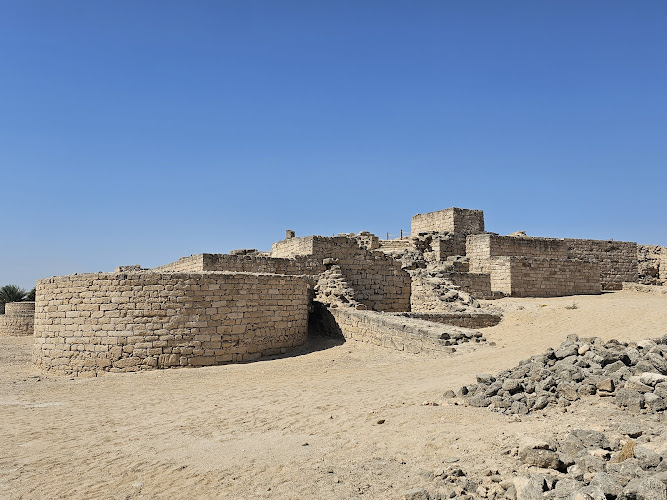
Some visitors come expecting towering ruins, but what you’ll find is subtler—low stone walls, outlines of mosques, and the bones of a city that’s been weathered by centuries of sun and salt air. And honestly, that’s part of its charm. The on-site museum fills in the gaps, with artifacts, maps, and models that help you piece together the bigger picture. The combination of open-air ruins and curated history makes the experience both grounding and inspiring. It’s not flashy, but it’s deeply authentic—perfect for those who appreciate the quiet stories of the past.
Accessibility is surprisingly good for a site of this age. There’s wheelchair-friendly parking and pathways, which means more people can experience it without the usual hurdles that come with visiting ancient sites. And yes, there’s free parking, which is always a small win when you’re traveling.
Key Features
- UNESCO World Heritage designation, recognizing its historical importance in the frankincense trade
- Remnants of centuries-old mosques and city walls, offering a tangible link to the past
- On-site museum with well-preserved artifacts, interactive displays, and detailed historical context
- Seaside location with peaceful views and a gentle breeze from the Arabian Sea
- Wheelchair-accessible entrance and parking for inclusive access
- Free parking lot for visitors
- Combination of outdoor exploration and indoor exhibits for a well-rounded experience
Best Time to Visit
If you’ve ever been to Salalah in the middle of summer, you’ll know the sun doesn’t mess around. The best time to wander the park without feeling like you’re melting is during the Khareef season, roughly from June to September. This is when the monsoon winds roll in, turning the surrounding landscape lush and green—something you don’t expect in Oman unless you’ve seen it yourself. The temperatures drop, the air feels fresh, and even the ruins seem to breathe a little easier. Outside of Khareef, mornings and late afternoons are your best bet to avoid the midday heat. Trust me, you’ll thank yourself for skipping the high noon sun.
How to Get There
Reaching Al Baleed Archeological Park is straightforward if you’re already in Salalah. It’s just a short drive from the city center, and most taxi drivers know it well—just say “Al Baleed” and you’re set. If you’re renting a car, the route is simple, and the free parking makes it even easier to plan a relaxed visit. For those staying in nearby resorts, some even offer shuttle services to the park, which can save you the hassle of arranging transport. And if you’re the kind of traveler who likes to walk, it’s possible from certain parts of the city, though in the hotter months, you might want to think twice about that.
Tips for Visiting
First off, don’t rush it. I’ve seen people breeze through in 20 minutes and leave saying they “didn’t get it.” This place rewards patience. Give yourself at least a couple of hours—start with the museum to understand the context, then wander the ruins with that fresh perspective in mind. Bring water, even in cooler months, because the sun here has a way of sneaking up on you. Comfortable shoes are a must; while the pathways are accessible, you’ll still be covering a fair bit of ground.
If you’re into photography, early morning light is magical—the stones glow, the sea shimmers, and you might even have the place mostly to yourself. And here’s a little personal tip: stand near the old mosque ruins and close your eyes for a moment. Let the sound of the waves blend with the rustle of the wind. It’s the kind of simple, grounding moment that stays with you long after you’ve left.
Lastly, remember this isn’t just a tourist attraction—it’s a protected heritage site. Be respectful, don’t climb on the ruins, and keep in mind that every stone here has been in place for centuries. Treat it with the care it deserves, and you’ll walk away with more than just photos—you’ll take a piece of history with you in your memory.
Key Features
- UNESCO World Heritage designation, recognizing its historical importance in the frankincense trade
- Remnants of centuries-old mosques and city walls, offering a tangible link to the past
- On-site museum with well-preserved artifacts, interactive displays, and detailed historical context
- Seaside location with peaceful views and a gentle breeze from the Arabian Sea
- Wheelchair-accessible entrance and parking for inclusive access
- Free parking lot for visitors
- Combination of outdoor exploration and indoor exhibits for a well-rounded experience
More Details
Updated August 10, 2025
Table of Contents
Description
Al Baleed Archeological Park in Salalah is one of those rare places where history doesn’t just sit behind glass—it sprawls out in front of you under the open sky. This UNESCO World Heritage site is the remains of an ancient port city that thrived between the 8th and 16th centuries, once buzzing with the trade of frankincense that made Oman famous across continents. Walking through the site, you can almost hear the echoes of traders bargaining, the creak of wooden ships, and the faint scent of incense drifting in from the sea. It’s not a place you speed through; it’s the kind of spot where you slow down, let your mind wander, and try to imagine the lives lived here centuries ago.
Some visitors come expecting towering ruins, but what you’ll find is subtler—low stone walls, outlines of mosques, and the bones of a city that’s been weathered by centuries of sun and salt air. And honestly, that’s part of its charm. The on-site museum fills in the gaps, with artifacts, maps, and models that help you piece together the bigger picture. The combination of open-air ruins and curated history makes the experience both grounding and inspiring. It’s not flashy, but it’s deeply authentic—perfect for those who appreciate the quiet stories of the past.
Accessibility is surprisingly good for a site of this age. There’s wheelchair-friendly parking and pathways, which means more people can experience it without the usual hurdles that come with visiting ancient sites. And yes, there’s free parking, which is always a small win when you’re traveling.
Key Features
- UNESCO World Heritage designation, recognizing its historical importance in the frankincense trade
- Remnants of centuries-old mosques and city walls, offering a tangible link to the past
- On-site museum with well-preserved artifacts, interactive displays, and detailed historical context
- Seaside location with peaceful views and a gentle breeze from the Arabian Sea
- Wheelchair-accessible entrance and parking for inclusive access
- Free parking lot for visitors
- Combination of outdoor exploration and indoor exhibits for a well-rounded experience
Best Time to Visit
If you’ve ever been to Salalah in the middle of summer, you’ll know the sun doesn’t mess around. The best time to wander the park without feeling like you’re melting is during the Khareef season, roughly from June to September. This is when the monsoon winds roll in, turning the surrounding landscape lush and green—something you don’t expect in Oman unless you’ve seen it yourself. The temperatures drop, the air feels fresh, and even the ruins seem to breathe a little easier. Outside of Khareef, mornings and late afternoons are your best bet to avoid the midday heat. Trust me, you’ll thank yourself for skipping the high noon sun.
How to Get There
Reaching Al Baleed Archeological Park is straightforward if you’re already in Salalah. It’s just a short drive from the city center, and most taxi drivers know it well—just say “Al Baleed” and you’re set. If you’re renting a car, the route is simple, and the free parking makes it even easier to plan a relaxed visit. For those staying in nearby resorts, some even offer shuttle services to the park, which can save you the hassle of arranging transport. And if you’re the kind of traveler who likes to walk, it’s possible from certain parts of the city, though in the hotter months, you might want to think twice about that.
Tips for Visiting
First off, don’t rush it. I’ve seen people breeze through in 20 minutes and leave saying they “didn’t get it.” This place rewards patience. Give yourself at least a couple of hours—start with the museum to understand the context, then wander the ruins with that fresh perspective in mind. Bring water, even in cooler months, because the sun here has a way of sneaking up on you. Comfortable shoes are a must; while the pathways are accessible, you’ll still be covering a fair bit of ground.
If you’re into photography, early morning light is magical—the stones glow, the sea shimmers, and you might even have the place mostly to yourself. And here’s a little personal tip: stand near the old mosque ruins and close your eyes for a moment. Let the sound of the waves blend with the rustle of the wind. It’s the kind of simple, grounding moment that stays with you long after you’ve left.
Lastly, remember this isn’t just a tourist attraction—it’s a protected heritage site. Be respectful, don’t climb on the ruins, and keep in mind that every stone here has been in place for centuries. Treat it with the care it deserves, and you’ll walk away with more than just photos—you’ll take a piece of history with you in your memory.

Key Highlights
- UNESCO World Heritage designation, recognizing its historical importance in the frankincense trade
- Remnants of centuries-old mosques and city walls, offering a tangible link to the past
- On-site museum with well-preserved artifacts, interactive displays, and detailed historical context
- Seaside location with peaceful views and a gentle breeze from the Arabian Sea
- Wheelchair-accessible entrance and parking for inclusive access
- Free parking lot for visitors
- Combination of outdoor exploration and indoor exhibits for a well-rounded experience
Location
Places to Stay Near Al Baleed Archeological Park
Find and Book a Tour
Explore More Travel Guides
No reviews found! Be the first to review!
Traveler Reviews for Al Baleed Archeological Park
There are no reviews yet. Be the first one to write one.
Have you visited Al Baleed Archeological Park? Help other travelers by sharing your review.
Find Accommodations Nearby
Recommended Tours & Activities
Visitor Reviews
There are no reviews yet. Be the first one to write one.
Share Your Experience
Have you visited Al Baleed Archeological Park? Help other travelers by leaving a review.