
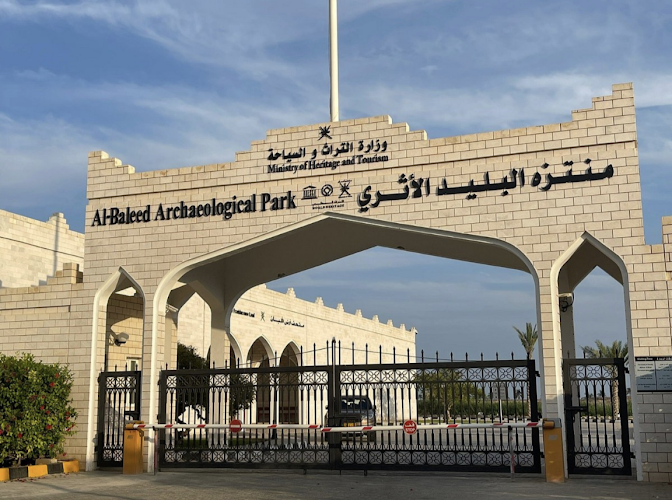
Museum of the Frankincense Land
About Museum of the Frankincense Land
Description
The Museum of the Frankincense Land in Salalah, Oman sits inside an archaeological park that whispers stories of old sea lanes, camel caravans, and the sticky, fragrant resin that shaped civilizations. It is a small museum by size but not by significance. Exhibits are compact, each case carefully curated to trace trade history across the Arabian Peninsula and beyond — from local Dhofar traditions to the wider networks that connected this coast to Rome, India, and East Africa. The museum doubles as an interpretive hub for the surrounding ruins, explaining the archaeological evidence visitors can see in the park and making sense of how frankincense went from tree sap to global commodity.
The museum balances artifacts with context: pottery shards, ship models, ancient coins, inscriptions, and frankincense samples. There are interpretive panels in English and Arabic (and sometimes a stray label in another tongue), a short film that many visitors find indispensable, and sensory elements that actually let you smell frankincense — which, BTW, is more complex than the incense sticks people usually imagine. The place feels lived-in, like a small local museum that’s tickled by its own importance. It doesn’t pretend to be a mega-institution; instead it offers an honest, walkable overview that complements wandering the archaeological remains outside.
The setting matters. Al-Baleed Archaeological Park and its palm groves give the museum an outdoor/indoor double life: you can follow a timeline inside and then step out to see the physical remnants of ports and settlements. Accessibility is solid for a site of this type — there are wheelchair-accessible entrances, parking and restrooms — and families with kids will find the visit manageable and often surprisingly engaging. A tiny restaurant on site helps when hunger strikes; it’s a relief because Dhofar sun and history make for an appetite combo.
On balance, the experience is reflective and tactile rather than flashy. That’s a compliment. The Museum of the Frankincense Land is for curious travelers who like archaeology with a side of trade history — people who want to connect places, objects, smells, and stories into a memory that sticks. There are imperfections — sometimes labels are brief, sometimes the film runs on a schedule you just miss — but those little slip-ups don’t erase the sense of being somewhere historically important. If anything, they make the place feel more real, less polished-for-insta, and more like a discovery.
Key Features
- Concise archaeological displays covering the Dhofar region and frankincense trade routes across the Indian Ocean.
- Samples of frankincense resin to smell and compare — a simple but memorable sensory exhibit.
- Models and diagrams showing ancient ships, caravan routes, and port layouts that visualise long-distance trade.
- Short documentary/film screening that ties museum exhibits to the wider Al-Baleed Archaeological Park.
- Multilingual signage (mainly English and Arabic) and helpful staff who often share local anecdotes.
- Wheelchair-accessible entrance, parking, and restroom facilities — thoughtful design for an archaeological site.
- Onsite restaurant and rest areas for hot days or family visits; convenient for combining museum and park time.
- Good-for-kids programming: hands-on displays and clear timelines that make ancient trade understandable to younger visitors.
- Small gift area where visitors can buy frankincense and local crafts — practical for pick-me-ups and frankincense souvenirs.
- Integration with Al-Baleed Archaeological Park, allowing a one-two punch of indoor interpretation and outdoor exploration.
Best Time to Visit
Timing matters here, both for comfort and atmosphere. The Dhofar region is famous for its Khareef season (roughly June through September), a monsoon-like wind that transforms the landscape — cooler temperatures, mist, and a lush, almost tropical feel. During Khareef the museum is pleasantly cool compared with the rest of Oman and the park takes on a dreamy, green glow. It’s a popular time, so expect more visitors (especially locals enjoying the weather), and plan for slightly longer waits at the museum film screening or restaurant.
Outside Khareef, from October through May, the climate is hotter and drier. Early mornings are the sweet spot: arrive when the museum opens and you’ll often have cases and displays to yourself for 30–45 minutes. Midday can be intense under the Salalah sun, but the museum’s air-conditioned rooms provide welcome respite. Late afternoons are also lovely because the park’s shadows lengthen and the site feels a bit more contemplative.
Weekdays are generally quieter than weekends and holidays. If you have flexibility, choose a weekday morning during the shoulder seasons (April–May or October–November) for the best mix of pleasant weather and manageable crowds. And if you’re a texture-and-smell nerd, visit during the frankincense harvesting months (spring and summer depending on local schedules) to catch local markets or demonstrations nearby — small, authentic moments that museums don’t always advertise.
How to Get There
The Museum of the Frankincense Land sits within the Al-Baleed area of Salalah and is reachable by car, taxi, or guided tour. From central Salalah it’s typically a short drive — often under 20 minutes depending on traffic and your starting point. Visitors arriving by plane to Salalah International Airport will find the drive straightforward and short; taxis are plentiful at the airport and fares are reasonable by global standards.
Car rental is conveniently available in Salalah for travelers who prefer the freedom to explore the Dhofar coast at their own pace. Signage on main roads points to Al-Baleed Archaeological Park, and parking is available on-site with wheelchair-accessible spaces. Public transport is limited in reach for tourists; while some buses and shared taxis operate locally, they don’t reliably serve the archaeological park with tourist-friendly frequency. Guided tours are an excellent option for those who want local context: guides will point out the best times to see the scent demonstrations, where to find the short film screenings, and the nearby points of interest worth pairing with the museum visit.
Once inside the archaeological park, wayfinding is straightforward. The museum is part of the park’s visitor circuit, so it’s easy to combine the indoor exhibits with ruins, boardwalks, and the on-site restaurant without wasting time backtracking. Bring a map from the visitor center or ask staff; they’re usually quite helpful and will flag nearby facilities, restrooms, and accessible routes.
Tips for Visiting
Plan for 1–2 hours. The Museum of the Frankincense Land is compact, so a focused visit can take as little as an hour, but if you want to read labels, watch the film, smell the resins and stroll the park, budget two hours. Longer if you pair it with a relaxed lunch and the rest of Al-Baleed Park.
Don’t skip the smell station. It sounds obvious, but many visitors breeze past. The differences between varieties of frankincense are subtle and fascinating: some are citrusy, some are warm and piney. The sensory memory often becomes the highlight of the trip. The author recalls closing eyes and thinking, there’s a smell that connects continents — and it’s sticky under your thumb.
Go early to beat crowds and heat. If you’re not a morning person, at least aim for late afternoon during Khareef to avoid the midday rush. Weekdays are quieter than weekends. And if you find the film schedule a bit off, don’t worry — the exhibits themselves tell the main story well.
Bring sun protection and comfortable shoes for the park portion. Even though the museum is air-conditioned, the archaeological park involves walking and sun exposure. The onsite restaurant is convenient but limited; if you have dietary needs, plan accordingly.
Ask questions. Staff and guides often have local stories that don’t make it into display labels: where certain incense trees still grow, who keeps the old harvesting traditions alive, which nearby ruins were once bustling trade hubs. Those anecdotes add flavor — literally and figuratively — to the displays.
Accessibility is good but not flawless. Wheelchair-accessible entrances, parking and restrooms exist, but some outdoor paths are uneven. If mobility is a concern, check in at the visitor center for the smoothest routes and assistance options.
Kid-friendly strategies: bring a simple scavenger hunt or a list of things to spot — a coin, a ship model, a resin lump — and turn the visit into a game. The museum’s small size makes this an easy, rewarding stop for families. There are restrooms and a gender-neutral restroom on site, which is a welcome practical note for parents.
Buy frankincense locally from the museum’s shop or nearby markets rather than the first roadside stall you see. Quality varies considerably. The museum shop often sells authenticated, well-packaged samples that make excellent gifts and souvenirs — smaller and easier to carry than you’d think.
Be mindful of photography rules. Most of the displays are fine to photograph, but some artifacts may be restricted. If in doubt, ask. And if you plan to film a guided tour for social media, be courteous to other visitors and minimize flash use.
Finally, treat the visit as part of a larger story. The museum is a gateway to understanding an ancient trade network that linked cultures across oceans. Combine it with a walk through the park, a visit to nearby sites related to the frankincense trail, and — if time allows — a local market to see how frankincense is still a living tradition in Dhofar. It’s one thing to read about trade routes; it’s another to smell the product that powered them and stand where sailors and traders once negotiated the fate of goods and cities. That’s the kind of travel memory that’s worth the plane ticket.
Key Features
- Concise archaeological displays covering the Dhofar region and frankincense trade routes across the Indian Ocean.
- Samples of frankincense resin to smell and compare — a simple but memorable sensory exhibit.
- Models and diagrams showing ancient ships, caravan routes, and port layouts that visualise long-distance trade.
- Short documentary/film screening that ties museum exhibits to the wider Al-Baleed Archaeological Park.
- Multilingual signage (mainly English and Arabic) and helpful staff who often share local anecdotes.
- Wheelchair-accessible entrance, parking, and restroom facilities — thoughtful design for an archaeological site.
- Onsite restaurant and rest areas for hot days or family visits; convenient for combining museum and park time.
- Good-for-kids programming: hands-on displays and clear timelines that make ancient trade understandable to younger visitors.
Tours & Activities
GetYourGuide provides this tour inventory. We may earn a commission if you book through it; verify current availability, prices, and terms with the provider.
Visitor Reviews
There are no reviews yet. Be the first one to write one.
Share Your Experience
Have you visited Museum of the Frankincense Land? Help other travelers by leaving a review.