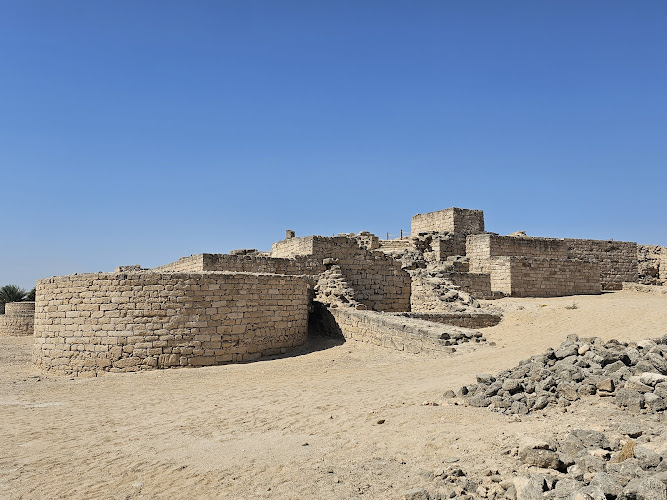
About Ain Razat

## Ain Razat, Salalah: A Practical Guide to Dhofar’s All-Season Spring Ain Razat (often written “Ayn Razat”) is one of Dhofar’s signature freshwater springs and an easy half-day escape from Salalah. Expect a shaded garden laid out by the municipality, a perennial spring that feeds canals and pools, and a short stairway leading to a small cave with views across the site. During Khareef (the southwest monsoon), the surrounding hills turn emerald and the spring area becomes a classic Salalah picnic stop. of Oman --- ### Fast facts - Location (plus code/address): 46HQ+X6G, Salalah, Oman (approx. 17.1299371, 54.238073). - Setting: Spring, landscaped garden, low hillside with a small cave. - Seasonality: Greenest and coolest in Khareef (roughly late June–September); pleasant outdoor weather continues October–March. The spring itself flows year-round. Planet - Distance from central Salalah: Local press places Ain Razat ~15 km from the city centre (northeast of town). Plan ~20–30 minutes by car, depending on where you start. Observer --- ## Why go - Perennial spring + monsoon greenery. Lonely Planet notes Ayn Razat “flows … at all times of year.” In Khareef, mist, drizzle, and runoff intensify the streams and grass cover. Outside Khareef, the site remains a calm, watered garden. Planet - Municipal garden infrastructure. Dhofar Municipality landscaped the area with shade trees and a garden that’s become a go-to stop for families, students, and photographers. of Oman - Short cave walk. A stone stairway climbs a few minutes to a small cave/lookout above the spring—simple, scenic, and doable in sandals (though the steps are uneven). --- ## Best time to visit - Khareef (late June–September): This is peak “green Salalah” season when hills, wadis, and springs thrive; it’s also the busiest period with higher prices and more traffic around major sites. If you want the lushest look, target this window. - October–March: After the monsoon, temperatures are cooler and crowds thin; conditions are excellent for picnics, light hikes, and road-tripping the Dhofar Plain without rain or low-visibility mist. (General Oman seasonality reference.) Travel - Tip: If your priority is lush landscapes, pick Khareef. If you prefer easier logistics and clear skies, aim for October–March. --- ## What you’ll see on site - The spring and canals. One of the larger and better-known springs in Oman, Ayn Razat supplies high-quality freshwater used locally for irrigation. You’ll notice channels and small pools running through the garden. of Oman - Garden + shade trees. The municipality’s plantings make this a comfortable stop even in shoulder seasons; expect lawns and shade for picnics. of Oman - The cave viewpoint. A short, slightly steep stairway leads to a cave recess. It’s mainly about the vantage point over the spring and garden; allow 10–15 minutes up and down at an unhurried pace. --- ## Facilities, access, and on-the-ground tips - Parking & basic amenities: Recent visitor reports mention ample parking and public toilets, but no on-site restaurants or shops—bring water and snacks (or a picnic) and pack out your trash. - Footwear: Closed-toe shoes help on the steps to the cave and if you wander up the hillside paths (surfaces can be wet/slippery during Khareef). (Cave access via stone steps referenced.) - Accessibility: Paths in the garden are generally flat, but the cave is not wheelchair-friendly due to the stairway. - Family-friendly: Shaded lawns and short walks suit multi-generational groups; supervise children near water channels and on the cave steps. (Family-oriented usage is supported by local coverage.) of Oman - Modesty & local customs: Dhofar is conservative; modest clothing is appreciated, especially if you’re photographing families. (General Oman etiquette guidance.) Aladdin Travel > Note on hours: You’ll find conflicting times online; some blogs list specific seasonal hours, but there is no consistently authoritative, current official schedule published. If timing matters, confirm locally (hotel desk, taxi driver, or Dhofar Municipality info) on the day you go. (Conflicting third-party claims observed.) --- ## Getting there and pairing with nearby stops - Drive time: Plan ~20–30 minutes from central Salalah depending on traffic and your exact starting point; local reporting puts the distance at ~15 km. Taxis and tours can include Ain Razat with other springs and viewpoints. Observer - Combine with: - Ayn Athum / Ayn Tabrook (waterfalls/springs, monsoon-dependent). Salalah Tours - Wadi Darbat (Khareef highlight with grazing camels and seasonal flows; often on the same day route). (General Khareef references for planning.) --- ## Photographing Ain Razat - Light & conditions: In Khareef, expect mist and flat light; shoot during breaks in the drizzle for contrast. In dry months, early morning or late afternoon gives warmer tones on the limestone and greener lawns. - Angles: From the cave ledge, capture a wide frame of the spring channels and garden; from garden level, use the canals as leading lines. (Cave vantage described above.) --- ## Safety & environmental notes - Rain + slick rock: During Khareef, steps and paths can be slippery. Take it slow on the stairway to the cave and avoid climbing off-trail on wet limestone. - Water awareness: Channels are shallow but fast in places during heavy monsoon periods; keep kids close. - Leave no trace: Litter occasionally appears after busy weekends; pack out all waste and avoid soaps in natural water. - Respect closures: If a section of steps or railings is roped off for maintenance, don’t bypass it. (Stairway and barricades referenced.) --- ## What’s changed or commonly misstated (outdated data flagged) - Distance claims vary (15–30 km). The most reliable public figure is about 15 km from Salalah city centre per local reporting; tour and aggregator sites sometimes state 23–30 km. Treat those as rough driving estimates, not exact geography. Observer - Opening hours online are inconsistent. Third-party blogs list seasonal timings, but there’s no single official, up-to-date schedule. Verify locally on the day. - “Dry outside monsoon.” Incorrect. Multiple reputable sources note Ayn Razat is perennial, though the surroundings are markedly greener in Khareef. Planet --- ## Summary: Is Ain Razat worth it? Yes—especially if you’re already exploring Dhofar’s springs and wadis. You’ll get an all-season spring, a comfortable garden setting arranged by the municipality, and a quick cave viewpoint without committing to a long hike. Time it for Khareef if you want that signature Salalah green; otherwise, visit October–March for easier conditions and fewer crowds. of Oman --- ### Sources & verification Key facts in this guide are supported by recent local press and established guide publishers: - Times of Oman & Oman Observer on Ain Razat’s importance, municipal garden, and water quality; location context. of Oman - Lonely Planet on Ayn Razat’s year-round flow. Planet - Seasonal timing for Khareef and practical travel windows corroborated by multiple recent travel resources. - On-the-ground facilities (parking, toilets; bring your own food) taken from recent visitor reports—helpful but inherently variable. Verify on arrival. If you need driving directions pinned to your hotel or want this trimmed into a printable one-pager, say the word—I’ll format it.

Key Features

Location (plus code/address): 46HQ+X6G, Salalah, Oman (approx. 17.1299371, 54.238073). Setting: Spring, landscaped garden, low hillside with a small cave. Seasonality: Greenest and coolest in Khareef (roughly late June–September); pleasant outdoor weather continues October–March. The spring itself flows year-round. oai_citation:1‡Lonely Planet Distance from central Salalah: Local press places Ain Razat ~15 km from the city centre (northeast of town). Plan ~20–30 minutes by car, depending on where you start. oai_citation:2‡Oman Observer

More Details

Updated October 31, 2025

## Ain Razat, Salalah: A Practical Guide to Dhofar’s All-Season Spring

Ain Razat (often written “Ayn Razat”) is one of Dhofar’s signature freshwater springs and an easy half-day escape from Salalah. Expect a shaded garden laid out by the municipality, a perennial spring that feeds canals and pools, and a short stairway leading to a small cave with views across the site. During Khareef (the southwest monsoon), the surrounding hills turn emerald and the spring area becomes a classic Salalah picnic stop. of Oman

### Fast facts

– Location (plus code/address): 46HQ+X6G, Salalah, Oman (approx. 17.1299371, 54.238073).
– Setting: Spring, landscaped garden, low hillside with a small cave.
– Seasonality: Greenest and coolest in Khareef (roughly late June–September); pleasant outdoor weather continues October–March. The spring itself flows year-round. Planet
– Distance from central Salalah: Local press places Ain Razat ~15 km from the city centre (northeast of town). Plan ~20–30 minutes by car, depending on where you start. Observer

## Why go

– Perennial spring + monsoon greenery. Lonely Planet notes Ayn Razat “flows … at all times of year.” In Khareef, mist, drizzle, and runoff intensify the streams and grass cover. Outside Khareef, the site remains a calm, watered garden. Planet
– Municipal garden infrastructure. Dhofar Municipality landscaped the area with shade trees and a garden that’s become a go-to stop for families, students, and photographers. of Oman
– Short cave walk. A stone stairway climbs a few minutes to a small cave/lookout above the spring—simple, scenic, and doable in sandals (though the steps are uneven).

## Best time to visit

– Khareef (late June–September): This is peak “green Salalah” season when hills, wadis, and springs thrive; it’s also the busiest period with higher prices and more traffic around major sites. If you want the lushest look, target this window.
– October–March: After the monsoon, temperatures are cooler and crowds thin; conditions are excellent for picnics, light hikes, and road-tripping the Dhofar Plain without rain or low-visibility mist. (General Oman seasonality reference.) Travel
– Tip: If your priority is lush landscapes, pick Khareef. If you prefer easier logistics and clear skies, aim for October–March.

## What you’ll see on site

– The spring and canals. One of the larger and better-known springs in Oman, Ayn Razat supplies high-quality freshwater used locally for irrigation. You’ll notice channels and small pools running through the garden. of Oman
– Garden + shade trees. The municipality’s plantings make this a comfortable stop even in shoulder seasons; expect lawns and shade for picnics. of Oman
– The cave viewpoint. A short, slightly steep stairway leads to a cave recess. It’s mainly about the vantage point over the spring and garden; allow 10–15 minutes up and down at an unhurried pace.

## Facilities, access, and on-the-ground tips

– Parking & basic amenities: Recent visitor reports mention ample parking and public toilets, but no on-site restaurants or shops—bring water and snacks (or a picnic) and pack out your trash.
– Footwear: Closed-toe shoes help on the steps to the cave and if you wander up the hillside paths (surfaces can be wet/slippery during Khareef). (Cave access via stone steps referenced.)
– Accessibility: Paths in the garden are generally flat, but the cave is not wheelchair-friendly due to the stairway.
– Family-friendly: Shaded lawns and short walks suit multi-generational groups; supervise children near water channels and on the cave steps. (Family-oriented usage is supported by local coverage.) of Oman
– Modesty & local customs: Dhofar is conservative; modest clothing is appreciated, especially if you’re photographing families. (General Oman etiquette guidance.) Aladdin Travel

> Note on hours: You’ll find conflicting times online; some blogs list specific seasonal hours, but there is no consistently authoritative, current official schedule published. If timing matters, confirm locally (hotel desk, taxi driver, or Dhofar Municipality info) on the day you go. (Conflicting third-party claims observed.)

## Getting there and pairing with nearby stops

– Drive time: Plan ~20–30 minutes from central Salalah depending on traffic and your exact starting point; local reporting puts the distance at ~15 km. Taxis and tours can include Ain Razat with other springs and viewpoints. Observer
– Combine with:
– Ayn Athum / Ayn Tabrook (waterfalls/springs, monsoon-dependent). Salalah Tours
– Wadi Darbat (Khareef highlight with grazing camels and seasonal flows; often on the same day route). (General Khareef references for planning.)

## Photographing Ain Razat

– Light & conditions: In Khareef, expect mist and flat light; shoot during breaks in the drizzle for contrast. In dry months, early morning or late afternoon gives warmer tones on the limestone and greener lawns.
– Angles: From the cave ledge, capture a wide frame of the spring channels and garden; from garden level, use the canals as leading lines. (Cave vantage described above.)

## Safety & environmental notes

– Rain + slick rock: During Khareef, steps and paths can be slippery. Take it slow on the stairway to the cave and avoid climbing off-trail on wet limestone.
– Water awareness: Channels are shallow but fast in places during heavy monsoon periods; keep kids close.
– Leave no trace: Litter occasionally appears after busy weekends; pack out all waste and avoid soaps in natural water.
– Respect closures: If a section of steps or railings is roped off for maintenance, don’t bypass it. (Stairway and barricades referenced.)

## What’s changed or commonly misstated (outdated data flagged)

– Distance claims vary (15–30 km). The most reliable public figure is about 15 km from Salalah city centre per local reporting; tour and aggregator sites sometimes state 23–30 km. Treat those as rough driving estimates, not exact geography. Observer
– Opening hours online are inconsistent. Third-party blogs list seasonal timings, but there’s no single official, up-to-date schedule. Verify locally on the day.
– “Dry outside monsoon.” Incorrect. Multiple reputable sources note Ayn Razat is perennial, though the surroundings are markedly greener in Khareef. Planet

## Summary: Is Ain Razat worth it?

Yes—especially if you’re already exploring Dhofar’s springs and wadis. You’ll get an all-season spring, a comfortable garden setting arranged by the municipality, and a quick cave viewpoint without committing to a long hike. Time it for Khareef if you want that signature Salalah green; otherwise, visit October–March for easier conditions and fewer crowds. of Oman

### Sources & verification

Key facts in this guide are supported by recent local press and established guide publishers:

– Times of Oman & Oman Observer on Ain Razat’s importance, municipal garden, and water quality; location context. of Oman
– Lonely Planet on Ayn Razat’s year-round flow. Planet
– Seasonal timing for Khareef and practical travel windows corroborated by multiple recent travel resources.
– On-the-ground facilities (parking, toilets; bring your own food) taken from recent visitor reports—helpful but inherently variable. Verify on arrival.

If you need driving directions pinned to your hotel or want this trimmed into a printable one-pager, say the word—I’ll format it.

Key Highlights

Location (plus code/address): 46HQ+X6G, Salalah, Oman (approx. 17.1299371, 54.238073).
Setting: Spring, landscaped garden, low hillside with a small cave.
Seasonality: Greenest and coolest in Khareef (roughly late June–September); pleasant outdoor weather continues October–March. The spring itself flows year-round. oai_citation:1‡Lonely Planet
Distance from central Salalah: Local press places Ain Razat ~15 km from the city centre (northeast of town). Plan ~20–30 minutes by car, depending on where you start. oai_citation:2‡Oman Observer

Location

Places to Stay Near Ain Razat"such a nice place for fun activities and taking pictures."

Find and Book a Tour

Explore More Travel Guides

No reviews found! Be the first to review!

Ain Razat, Salalah: A Practical Guide to Dhofar’s All-Season Spring

Ain Razat (often written “Ayn Razat”) is one of Dhofar’s signature freshwater springs and an easy half-day escape from Salalah. Expect a shaded garden laid out by the municipality, a perennial spring that feeds canals and pools, and a short stairway leading to a small cave with views across the site. During Khareef (the southwest monsoon), the surrounding hills turn emerald and the spring area becomes a classic Salalah picnic stop. oai_citation:0‡Times of Oman


Fast facts

  • Location (plus code/address): 46HQ+X6G, Salalah, Oman (approx. 17.1299371, 54.238073).
  • Setting: Spring, landscaped garden, low hillside with a small cave.
  • Seasonality: Greenest and coolest in Khareef (roughly late June–September); pleasant outdoor weather continues October–March. The spring itself flows year-round. oai_citation:1‡Lonely Planet
  • Distance from central Salalah: Local press places Ain Razat ~15 km from the city centre (northeast of town). Plan ~20–30 minutes by car, depending on where you start. oai_citation:2‡Oman Observer

Why go

  • Perennial spring + monsoon greenery. Lonely Planet notes Ayn Razat “flows … at all times of year.” In Khareef, mist, drizzle, and runoff intensify the streams and grass cover. Outside Khareef, the site remains a calm, watered garden. oai_citation:3‡Lonely Planet
  • Municipal garden infrastructure. Dhofar Municipality landscaped the area with shade trees and a garden that’s become a go-to stop for families, students, and photographers. oai_citation:4‡Times of Oman
  • Short cave walk. A stone stairway climbs a few minutes to a small cave/lookout above the spring—simple, scenic, and doable in sandals (though the steps are uneven). oai_citation:5‡vanakkamgulf.com

Best time to visit

  • Khareef (late June–September): This is peak “green Salalah” season when hills, wadis, and springs thrive; it’s also the busiest period with higher prices and more traffic around major sites. If you want the lushest look, target this window. oai_citation:6‡Myholidays.com
  • October–March: After the monsoon, temperatures are cooler and crowds thin; conditions are excellent for picnics, light hikes, and road-tripping the Dhofar Plain without rain or low-visibility mist. (General Oman seasonality reference.) oai_citation:7‡Steppes Travel
  • Tip: If your priority is lush landscapes, pick Khareef. If you prefer easier logistics and clear skies, aim for October–March.

What you’ll see on site

  • The spring and canals. One of the larger and better-known springs in Oman, Ayn Razat supplies high-quality freshwater used locally for irrigation. You’ll notice channels and small pools running through the garden. oai_citation:8‡Times of Oman
  • Garden + shade trees. The municipality’s plantings make this a comfortable stop even in shoulder seasons; expect lawns and shade for picnics. oai_citation:9‡Times of Oman
  • The cave viewpoint. A short, slightly steep stairway leads to a cave recess. It’s mainly about the vantage point over the spring and garden; allow 10–15 minutes up and down at an unhurried pace. oai_citation:10‡vanakkamgulf.com

Facilities, access, and on-the-ground tips

  • Parking & basic amenities: Recent visitor reports mention ample parking and public toilets, but no on-site restaurants or shops—bring water and snacks (or a picnic) and pack out your trash. oai_citation:11‡Tripadvisor
  • Footwear: Closed-toe shoes help on the steps to the cave and if you wander up the hillside paths (surfaces can be wet/slippery during Khareef). (Cave access via stone steps referenced.) oai_citation:12‡vanakkamgulf.com
  • Accessibility: Paths in the garden are generally flat, but the cave is not wheelchair-friendly due to the stairway.
  • Family-friendly: Shaded lawns and short walks suit multi-generational groups; supervise children near water channels and on the cave steps. (Family-oriented usage is supported by local coverage.) oai_citation:13‡Times of Oman
  • Modesty & local customs: Dhofar is conservative; modest clothing is appreciated, especially if you’re photographing families. (General Oman etiquette guidance.) oai_citation:14‡Ask Aladdin Travel

Note on hours: You’ll find conflicting times online; some blogs list specific seasonal hours, but there is no consistently authoritative, current official schedule published. If timing matters, confirm locally (hotel desk, taxi driver, or Dhofar Municipality info) on the day you go. (Conflicting third-party claims observed.) oai_citation:15‡vanakkamgulf.com


Getting there and pairing with nearby stops

  • Drive time: Plan ~20–30 minutes from central Salalah depending on traffic and your exact starting point; local reporting puts the distance at ~15 km. Taxis and tours can include Ain Razat with other springs and viewpoints. oai_citation:16‡Oman Observer
  • Combine with:
  • Ayn Athum / Ayn Tabrook (waterfalls/springs, monsoon-dependent). oai_citation:17‡Beautiful Salalah Tours
  • Wadi Darbat (Khareef highlight with grazing camels and seasonal flows; often on the same day route). (General Khareef references for planning.) oai_citation:18‡Myholidays.com

Photographing Ain Razat

  • Light & conditions: In Khareef, expect mist and flat light; shoot during breaks in the drizzle for contrast. In dry months, early morning or late afternoon gives warmer tones on the limestone and greener lawns.
  • Angles: From the cave ledge, capture a wide frame of the spring channels and garden; from garden level, use the canals as leading lines. (Cave vantage described above.) oai_citation:19‡vanakkamgulf.com

Safety & environmental notes

  • Rain + slick rock: During Khareef, steps and paths can be slippery. Take it slow on the stairway to the cave and avoid climbing off-trail on wet limestone.
  • Water awareness: Channels are shallow but fast in places during heavy monsoon periods; keep kids close.
  • Leave no trace: Litter occasionally appears after busy weekends; pack out all waste and avoid soaps in natural water.
  • Respect closures: If a section of steps or railings is roped off for maintenance, don’t bypass it. (Stairway and barricades referenced.) oai_citation:20‡vanakkamgulf.com

What’s changed or commonly misstated (outdated data flagged)

  • Distance claims vary (15–30 km). The most reliable public figure is about 15 km from Salalah city centre per local reporting; tour and aggregator sites sometimes state 23–30 km. Treat those as rough driving estimates, not exact geography. oai_citation:21‡Oman Observer
  • Opening hours online are inconsistent. Third-party blogs list seasonal timings, but there’s no single official, up-to-date schedule. Verify locally on the day. oai_citation:22‡vanakkamgulf.com
  • “Dry outside monsoon.” Incorrect. Multiple reputable sources note Ayn Razat is perennial, though the surroundings are markedly greener in Khareef. oai_citation:23‡Lonely Planet

Summary: Is Ain Razat worth it?

Yes—especially if you’re already exploring Dhofar’s springs and wadis. You’ll get an all-season spring, a comfortable garden setting arranged by the municipality, and a quick cave viewpoint without committing to a long hike. Time it for Khareef if you want that signature Salalah green; otherwise, visit October–March for easier conditions and fewer crowds. oai_citation:24‡Times of Oman


Sources & verification

Key facts in this guide are supported by recent local press and established guide publishers:

  • Times of Oman & Oman Observer on Ain Razat’s importance, municipal garden, and water quality; location context. oai_citation:25‡Times of Oman
  • Lonely Planet on Ayn Razat’s year-round flow. oai_citation:26‡Lonely Planet
  • Seasonal timing for Khareef and practical travel windows corroborated by multiple recent travel resources. oai_citation:27‡Myholidays.com
  • On-the-ground facilities (parking, toilets; bring your own food) taken from recent visitor reports—helpful but inherently variable. Verify on arrival. oai_citation:28‡Tripadvisor

If you need driving directions pinned to your hotel or want this trimmed into a printable one-pager, say the word—I’ll format it.

Traveler Reviews for Ain Razat

There are no reviews yet. Be the first one to write one.

Share Your Experience

Have you visited Ain Razat? Help other travelers by sharing your review.

Find Accommodations Nearby

Recommended Tours & Activities

Visitor Reviews

There are no reviews yet. Be the first one to write one.

Share Your Experience

Have you visited Ain Razat? Help other travelers by leaving a review.