

Al Ain Oasis
About Al Ain Oasis
Description
Al Ain Oasis is one of those places that feels like you’ve stumbled into a living, breathing history book. Spread across a massive 1,200 hectares, it’s a green sanctuary in the middle of the desert that has been thriving for over 4,000 years. Imagine walking under the shade of more than 147,000 date palms, with dappled sunlight flickering through the leaves, while ancient irrigation channels—known as falaj—still quietly feed the groves. It’s not just about the trees, though. The oasis is also home to fruit orchards with figs, mangos, bananas, and even citrus trees, all of which are part of the farming traditions that have been carefully preserved here.
What makes the oasis so intriguing is its balance of history and everyday life. On one hand, you can see old watchtowers and mud-brick structures that speak of centuries past. On the other, you’ll find families strolling, kids cycling along the shaded paths, and visitors stopping to peek into small farming exhibits. It’s calm, but not lifeless. Some people will say it’s a little repetitive—after all, there are a lot of palm trees—but that’s also the charm. You’re not coming here for flashy entertainment; you’re coming for peace, for a glimpse into how people made the desert bloom long before skyscrapers and malls came into the picture.
The oasis has a kind of quiet magic. Personally, I remember the first time I visited, I was surprised at how cool it felt even in the afternoon heat. The thick canopy really does act like natural air conditioning, and the sound of water trickling through the falaj channels is oddly soothing. It’s the sort of place where you slow down without even realizing it. And if you’re someone who loves photography, the play of light and shadow under the palms makes for some pretty unforgettable shots.
Key Features
- Expansive 1,200-hectare oasis with over 147,000 date palms
- Traditional falaj irrigation system, still functioning after thousands of years
- Shaded walking and cycling paths for leisurely exploration
- Eco-Centre with interactive exhibits about sustainability and history
- Fruit orchards with figs, mangos, bananas, and citrus varieties
- Historic watchtowers and mud-brick structures scattered throughout
- Wheelchair accessible entrances, restrooms, and parking facilities
- Family-friendly environment with space for kids to explore safely
Best Time to Visit
If you’re planning a trip, cooler months from October to April are the sweet spot. The temperatures are much more comfortable, and you can actually enjoy walking or cycling without feeling like you’ve stepped into an oven. Early mornings are particularly special—the light is soft, the oasis is quiet, and you might even catch a gentle breeze. Summer visits are possible, of course, but you’ll definitely want to stick to early mornings or late evenings. The thick canopy does help keep things cooler, but the desert sun is still no joke.
I’d say avoid midday in July or August unless you’re a fan of testing your endurance. But if you’re there in winter, you might find yourself spending hours just wandering, sitting under a palm with a book, or snapping photos without rushing. And honestly, that’s when the oasis feels like a true escape.
How to Get There
Reaching Al Ain Oasis is straightforward. It’s about a 90-minute drive from Abu Dhabi city, and roughly the same from Dubai. The roads are smooth and well-signposted, so driving is the easiest option. Taxis and ride-hailing apps are also available if you don’t want to rent a car. Once you arrive in Al Ain, the oasis is right in the city center, which makes it convenient to combine with other attractions like Al Jahili Fort or the Al Ain National Museum.
If you’re more of a public transport person, buses do connect Abu Dhabi and Dubai with Al Ain, though it takes longer and you’ll still need a taxi to reach the oasis itself. Personally, I’d recommend driving if you can—it gives you the freedom to explore the surrounding area at your own pace.
Tips for Visiting
Here’s the thing about Al Ain Oasis: it’s not a place you rush through. To get the most out of it, give yourself at least two hours. Wear comfortable shoes because the paths are long, and bring a hat or sunscreen even if you think the palm canopy will protect you—it doesn’t cover everything.
If you’re traveling with kids, renting bikes can be a game-changer. They’ll love pedaling along the shaded lanes while you stroll at your own pace. And don’t skip the Eco-Centre; it’s small but surprisingly engaging, especially if you’re curious about how the falaj system works.
A small but important tip: carry water. There are restrooms and some facilities onsite, but you won’t find cafés or restaurants inside the oasis itself. So, grab a bottle before you enter. And if you’re into photography, go in the morning or late afternoon when the light is softer—it makes a huge difference.
Finally, approach the oasis with the right mindset. If you’re expecting roller coasters or high-energy attractions, you might leave underwhelmed. But if you’re looking for a calm, historic, and genuinely unique experience, you’ll probably walk away feeling refreshed and maybe even a little awed by how much life thrives in this desert sanctuary.
Key Features
- Expansive 1,200-hectare oasis with over 147,000 date palms
- Traditional falaj irrigation system, still functioning after thousands of years
- Shaded walking and cycling paths for leisurely exploration
- Eco-Centre with interactive exhibits about sustainability and history
- Fruit orchards with figs, mangos, bananas, and citrus varieties
- Historic watchtowers and mud-brick structures scattered throughout
- Wheelchair accessible entrances, restrooms, and parking facilities
- Family-friendly environment with space for kids to explore safely
More Details
Updated September 23, 2025
Table of Contents
Description
Al Ain Oasis is one of those places that feels like you’ve stumbled into a living, breathing history book. Spread across a massive 1,200 hectares, it’s a green sanctuary in the middle of the desert that has been thriving for over 4,000 years. Imagine walking under the shade of more than 147,000 date palms, with dappled sunlight flickering through the leaves, while ancient irrigation channels—known as falaj—still quietly feed the groves. It’s not just about the trees, though. The oasis is also home to fruit orchards with figs, mangos, bananas, and even citrus trees, all of which are part of the farming traditions that have been carefully preserved here.
What makes the oasis so intriguing is its balance of history and everyday life. On one hand, you can see old watchtowers and mud-brick structures that speak of centuries past. On the other, you’ll find families strolling, kids cycling along the shaded paths, and visitors stopping to peek into small farming exhibits. It’s calm, but not lifeless. Some people will say it’s a little repetitive—after all, there are a lot of palm trees—but that’s also the charm. You’re not coming here for flashy entertainment; you’re coming for peace, for a glimpse into how people made the desert bloom long before skyscrapers and malls came into the picture.
The oasis has a kind of quiet magic. Personally, I remember the first time I visited, I was surprised at how cool it felt even in the afternoon heat. The thick canopy really does act like natural air conditioning, and the sound of water trickling through the falaj channels is oddly soothing. It’s the sort of place where you slow down without even realizing it. And if you’re someone who loves photography, the play of light and shadow under the palms makes for some pretty unforgettable shots.
Key Features
- Expansive 1,200-hectare oasis with over 147,000 date palms
- Traditional falaj irrigation system, still functioning after thousands of years
- Shaded walking and cycling paths for leisurely exploration
- Eco-Centre with interactive exhibits about sustainability and history
- Fruit orchards with figs, mangos, bananas, and citrus varieties
- Historic watchtowers and mud-brick structures scattered throughout
- Wheelchair accessible entrances, restrooms, and parking facilities
- Family-friendly environment with space for kids to explore safely
Best Time to Visit
If you’re planning a trip, cooler months from October to April are the sweet spot. The temperatures are much more comfortable, and you can actually enjoy walking or cycling without feeling like you’ve stepped into an oven. Early mornings are particularly special—the light is soft, the oasis is quiet, and you might even catch a gentle breeze. Summer visits are possible, of course, but you’ll definitely want to stick to early mornings or late evenings. The thick canopy does help keep things cooler, but the desert sun is still no joke.
I’d say avoid midday in July or August unless you’re a fan of testing your endurance. But if you’re there in winter, you might find yourself spending hours just wandering, sitting under a palm with a book, or snapping photos without rushing. And honestly, that’s when the oasis feels like a true escape.
How to Get There
Reaching Al Ain Oasis is straightforward. It’s about a 90-minute drive from Abu Dhabi city, and roughly the same from Dubai. The roads are smooth and well-signposted, so driving is the easiest option. Taxis and ride-hailing apps are also available if you don’t want to rent a car. Once you arrive in Al Ain, the oasis is right in the city center, which makes it convenient to combine with other attractions like Al Jahili Fort or the Al Ain National Museum.
If you’re more of a public transport person, buses do connect Abu Dhabi and Dubai with Al Ain, though it takes longer and you’ll still need a taxi to reach the oasis itself. Personally, I’d recommend driving if you can—it gives you the freedom to explore the surrounding area at your own pace.
Tips for Visiting
Here’s the thing about Al Ain Oasis: it’s not a place you rush through. To get the most out of it, give yourself at least two hours. Wear comfortable shoes because the paths are long, and bring a hat or sunscreen even if you think the palm canopy will protect you—it doesn’t cover everything.
If you’re traveling with kids, renting bikes can be a game-changer. They’ll love pedaling along the shaded lanes while you stroll at your own pace. And don’t skip the Eco-Centre; it’s small but surprisingly engaging, especially if you’re curious about how the falaj system works.
A small but important tip: carry water. There are restrooms and some facilities onsite, but you won’t find cafés or restaurants inside the oasis itself. So, grab a bottle before you enter. And if you’re into photography, go in the morning or late afternoon when the light is softer—it makes a huge difference.
Finally, approach the oasis with the right mindset. If you’re expecting roller coasters or high-energy attractions, you might leave underwhelmed. But if you’re looking for a calm, historic, and genuinely unique experience, you’ll probably walk away feeling refreshed and maybe even a little awed by how much life thrives in this desert sanctuary.
Key Highlights
- Expansive 1,200-hectare oasis with over 147,000 date palms
- Traditional falaj irrigation system, still functioning after thousands of years
- Shaded walking and cycling paths for leisurely exploration
- Eco-Centre with interactive exhibits about sustainability and history
- Fruit orchards with figs, mangos, bananas, and citrus varieties
- Historic watchtowers and mud-brick structures scattered throughout
- Wheelchair accessible entrances, restrooms, and parking facilities
- Family-friendly environment with space for kids to explore safely
Location
Places to Stay Near Al Ain Oasis
Find and Book a Tour
Explore More Travel Guides
No reviews found! Be the first to review!
Traveler Reviews for Al Ain Oasis
There are no reviews yet. Be the first one to write one.
Have you visited Al Ain Oasis? Help other travelers by sharing your review.
You Might Also Like

Saqr Park
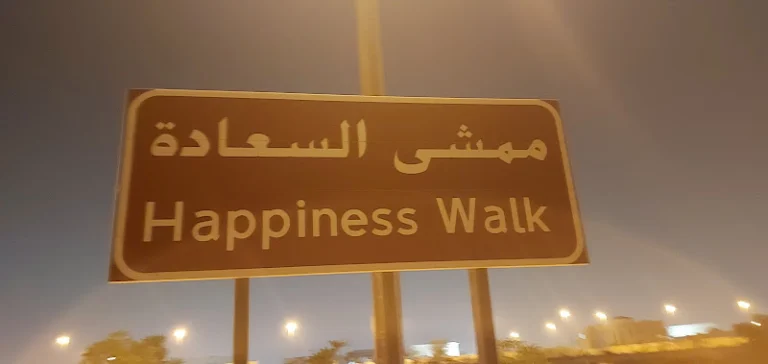
Happiness Walk

Al Ain Palace Museum
Find Accommodations Nearby
Recommended Tours & Activities
Visitor Reviews
There are no reviews yet. Be the first one to write one.
Share Your Experience
Have you visited Al Ain Oasis? Help other travelers by leaving a review.