
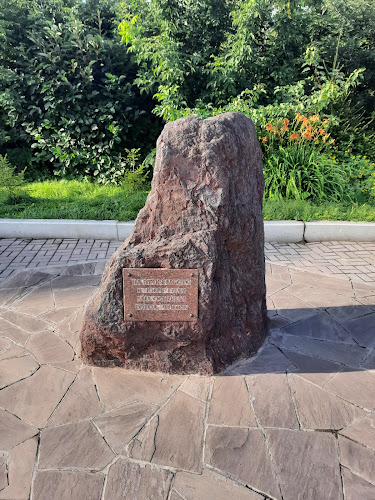
A memorial stone on the site of Tomsk foundation
About A memorial stone on the site of Tomsk foundation
Description
The memorial stone marking the foundation site of Tomsk stands as a quiet testament to one of Siberia's most historically significant cities. When you visit this monument, you're standing at the exact spot where Russian Cossacks established a fortified outpost in 1604, transforming what would become a major educational and cultural hub in Russia's vast eastern territories. The stone itself might seem modest at first glance, but there's something genuinely moving about placing your hand on this marker and realizing you're touching a piece of history that predates most European settlements in North America. I remember when I first learned about places like this—those unassuming monuments that don't scream for attention but carry tremendous weight if you take a moment to appreciate them. The memorial sits in what's now a developed area of Tomsk, but standing there, you can almost imagine the dense taiga forests that once surrounded the wooden fortress. And honestly, that's what makes visiting spots like this so fascinating for travelers who want to dig deeper than typical tourist attractions. The stone commemorates not just a date but the beginning of Russian expansion into Siberia, a movement that would reshape the geography and demographics of an entire continent. For history enthusiasts, this is where theory meets reality—where textbook knowledge becomes tangible. The monument serves as a starting point for understanding Tomsk's evolution from a military outpost to a city known as the "Siberian Athens" thanks to its universities and intellectual heritage. What makes this memorial particularly special is its accessibility to families traveling with children. The site offers an educational opportunity without requiring hours of walking through museum halls, making it perfect for younger travelers who might get restless during longer cultural excursions. Parents often find that standing at historical sites like this sparks more curiosity in kids than reading about events in books ever could.Key Features
Visitors to the memorial stone will discover several noteworthy aspects that enhance the experience:- The memorial marks the precise location where Tomsk was founded in 1604, making it one of Siberia's oldest continuously inhabited cities
- The stone's inscriptions provide historical context in Russian, offering an authentic connection to local heritage and culture
- Surrounding area features period-appropriate architectural elements that help visitors visualize the original settlement
- The site is easily accessible year-round, requiring no special equipment or extensive physical fitness to visit
- Families will appreciate that the location is completely child-friendly, with open spaces suitable for young visitors
- Photography opportunities abound, with the memorial providing an excellent foreground for capturing Tomsk's blend of historical and modern elements
- The monument sits within walking distance of other historical attractions, making it easy to incorporate into a broader exploration of old Tomsk
- Local guides often include the memorial stone as part of walking tours, providing deeper historical context for those interested
- The site requires minimal time investment—you can have a meaningful visit in as little as 15-20 minutes or linger longer for contemplation
- No admission fee makes this an budget-friendly stop for travelers watching their expenses
Best Time to Visit
Planning when to visit the memorial stone really depends on what kind of experience you're after. Summer months from June through August offer the most comfortable weather conditions, with temperatures ranging from pleasant to occasionally warm. During these months, you'll find longer daylight hours—sometimes until nearly midnight—which gives you flexibility in scheduling your visit around other activities. The surrounding area comes alive with greenery, and you'll likely encounter more local families and tourists exploring the site. But here's the thing about Siberian destinations: winter visits offer their own unique magic. If you can brave the cold between December and February, you'll experience the memorial stone under a blanket of snow, creating an almost ethereal atmosphere that really drives home the harsh conditions those original Cossack settlers faced. Temperatures can plunge well below freezing, so you'll need proper winter gear, but the tradeoff is smaller crowds and incredibly crisp, clear days that make for stunning photography. Spring and autumn represent shoulder seasons with fewer tourists but unpredictable weather. April through May can be muddy as snow melts, while September through October brings beautiful fall colors before the first serious snowfalls. These months might actually be ideal for travelers who prefer solitude and don't mind packing layers for changeable conditions. Weekday mornings typically see fewer visitors than weekends, particularly during tourist season. If you're someone who likes to experience places without crowds—and I certainly am—consider timing your visit for early morning or late afternoon when tour groups are less likely to be present. The lighting during these times also tends to be more favorable for photography, with that golden hour glow adding warmth to the stone's surface. Local festivals and commemorative events occasionally take place near the memorial, particularly around the city's founding anniversary. While these events can add cultural richness to your visit, they also bring significantly larger crowds. Check local calendars if you want to either participate in festivities or avoid them entirely.How to Get There
Reaching the memorial stone is remarkably straightforward for a destination in Siberia. Tomsk sits along the Tom River, and the monument is located within the central part of the city, making it accessible through various transportation methods. Most travelers arriving in Tomsk fly into Bogashevo Airport, located about 20 kilometers from the city center. From there, buses, taxis, and ride-sharing services can transport you into town where the memorial awaits. Once you're in central Tomsk, the memorial stone is best reached on foot if you're staying in the downtown area. The city's historical center is quite walkable, and many hotels and hostels sit within a 15-20 minute walk of the site. Using a maps application on your phone works well, though downloading offline maps beforehand is smart since cellular coverage can sometimes be patchy depending on your international data plan. Public transportation in Tomsk includes buses and marshrutkas—those wonderfully chaotic minibuses that serve as lifelines in many Russian cities. Several routes pass near the memorial stone, though navigating them requires either Russian language skills or a confident willingness to ask locals for help. In my experience, most Tomsk residents are genuinely helpful to tourists, even with language barriers. Taxis and ride-sharing apps offer the most convenient option, especially if you're traveling with children or visiting during winter when walking long distances becomes less appealing. Fares within the city center are generally reasonable by international standards, though prices can vary depending on time of day and demand. For those driving, street parking exists in the area though it can be limited during peak hours. The memorial itself doesn't have dedicated parking facilities, so you'll need to find street spots nearby and walk the final distance.Tips for Visiting
Getting the most from your visit to the memorial stone requires some practical preparation. First and foremost, dress appropriately for the weather—this cannot be overstated for Siberian destinations. Even summer evenings can turn cool, so bringing a light jacket makes sense. Winter visits demand serious cold-weather gear including insulated boots, warm hat, gloves, and layers that can handle temperatures far below what most travelers experience at home. Bring a translation app or phrasebook if you don't speak Russian. While the memorial itself is fairly self-explanatory, being able to read the inscriptions and any accompanying historical information adds significant value to the experience. Google Translate's camera function works well for translating text in real-time, though downloading the Russian language pack beforehand ensures it functions without internet connectivity. Allocate more time than you might initially think necessary. Yes, you can snap a quick photo and move on in five minutes, but sitting with history takes time. Bring a guidebook or do some pre-visit research about Tomsk's founding and role in Siberian development—the more context you have, the more meaningful the visit becomes. For families with kids, prepare a brief age-appropriate explanation of what they're seeing before arriving. Children often engage more deeply with historical sites when they understand the story behind them. Consider it an opportunity to discuss exploration, frontier life, and how cities begin. And honestly, kids often ask questions that make adults see familiar places in new ways. Photography is permitted and encouraged, but be respectful if other visitors are having quiet moments of reflection. The best photos often come from varying your angles—get low to the ground, shoot from different sides, include surrounding architecture or natural elements to provide context. Early morning or late afternoon light creates more interesting shadows and depth than harsh midday sun. Consider combining your visit with nearby attractions to create a fuller historical experience. Tomsk contains numerous wooden architecture examples, museums, and other monuments within walking distance. The memorial stone works excellently as either a starting point or conclusion to a broader exploration of the city's heritage. Pack water and perhaps a small snack, particularly during warmer months. While you won't need provisions for an extended expedition, having refreshments available makes the experience more comfortable, especially when traveling with children who seem to get hungry at the most inconvenient moments. Finally, approach the memorial with appropriate reverence. This isn't a playground or backdrop for silly selfies—it's a genuine historical marker commemorating the courage and hardship of people who built a city from wilderness. That doesn't mean you can't enjoy yourself or take photos, but maintaining respect for the site ensures it remains meaningful for future visitors.Key Features
- Historic marker indicating the founding site of Tomsk (founded 1604)
- Simple, dignified memorial stone with informational plaque
- Located on Voskresenskaya Hill with views over the Tom and Ushayka rivers
- Within easy walking distance of Tomsk’s wooden architecture and university buildings
- Accessible as part of self-guided walking tours and photography routes
More Details
Updated January 22, 2026
Table of Contents
- Description
- Key Features
- Best Time to Visit
- How to Get There
- Tips for Visiting
- Key Highlights
- Location
- Places to Stay Near A memorial stone on the site of Tomsk foundation
- Find and Book a Tour
- Explore More Travel Guides
- A Practical Guide to the Memorial Stone at the Founding Site of Tomsk (Voskresenskaya Mountain)
- What the Memorial Commemorates—And Why This Hill Matters
- Exact Location, Wayfinding & Hours
- What You’ll See on Site
- Brief History You Can Use While You Walk
- How to Structure Your Visit (60–90 minutes, no rush)
- Practical Tips
- Responsible & Inclusive Travel Notes
- Need-to-Know Facts at a Glance
- Final Take
- Nearby Places You Might Like
- Traveler Reviews for A memorial stone on the site of Tomsk foundation
- Share Your Experience
Description
The memorial stone marking the foundation site of Tomsk stands as a quiet testament to one of Siberia’s most historically significant cities. When you visit this monument, you’re standing at the exact spot where Russian Cossacks established a fortified outpost in 1604, transforming what would become a major educational and cultural hub in Russia’s vast eastern territories. The stone itself might seem modest at first glance, but there’s something genuinely moving about placing your hand on this marker and realizing you’re touching a piece of history that predates most European settlements in North America.
I remember when I first learned about places like this—those unassuming monuments that don’t scream for attention but carry tremendous weight if you take a moment to appreciate them. The memorial sits in what’s now a developed area of Tomsk, but standing there, you can almost imagine the dense taiga forests that once surrounded the wooden fortress. And honestly, that’s what makes visiting spots like this so fascinating for travelers who want to dig deeper than typical tourist attractions.
The stone commemorates not just a date but the beginning of Russian expansion into Siberia, a movement that would reshape the geography and demographics of an entire continent. For history enthusiasts, this is where theory meets reality—where textbook knowledge becomes tangible. The monument serves as a starting point for understanding Tomsk’s evolution from a military outpost to a city known as the “Siberian Athens” thanks to its universities and intellectual heritage.
What makes this memorial particularly special is its accessibility to families traveling with children. The site offers an educational opportunity without requiring hours of walking through museum halls, making it perfect for younger travelers who might get restless during longer cultural excursions. Parents often find that standing at historical sites like this sparks more curiosity in kids than reading about events in books ever could.
Key Features
Visitors to the memorial stone will discover several noteworthy aspects that enhance the experience:
- The memorial marks the precise location where Tomsk was founded in 1604, making it one of Siberia’s oldest continuously inhabited cities
- The stone’s inscriptions provide historical context in Russian, offering an authentic connection to local heritage and culture
- Surrounding area features period-appropriate architectural elements that help visitors visualize the original settlement
- The site is easily accessible year-round, requiring no special equipment or extensive physical fitness to visit
- Families will appreciate that the location is completely child-friendly, with open spaces suitable for young visitors
- Photography opportunities abound, with the memorial providing an excellent foreground for capturing Tomsk’s blend of historical and modern elements
- The monument sits within walking distance of other historical attractions, making it easy to incorporate into a broader exploration of old Tomsk
- Local guides often include the memorial stone as part of walking tours, providing deeper historical context for those interested
- The site requires minimal time investment—you can have a meaningful visit in as little as 15-20 minutes or linger longer for contemplation
- No admission fee makes this an budget-friendly stop for travelers watching their expenses
Best Time to Visit
Planning when to visit the memorial stone really depends on what kind of experience you’re after. Summer months from June through August offer the most comfortable weather conditions, with temperatures ranging from pleasant to occasionally warm. During these months, you’ll find longer daylight hours—sometimes until nearly midnight—which gives you flexibility in scheduling your visit around other activities. The surrounding area comes alive with greenery, and you’ll likely encounter more local families and tourists exploring the site.
But here’s the thing about Siberian destinations: winter visits offer their own unique magic. If you can brave the cold between December and February, you’ll experience the memorial stone under a blanket of snow, creating an almost ethereal atmosphere that really drives home the harsh conditions those original Cossack settlers faced. Temperatures can plunge well below freezing, so you’ll need proper winter gear, but the tradeoff is smaller crowds and incredibly crisp, clear days that make for stunning photography.
Spring and autumn represent shoulder seasons with fewer tourists but unpredictable weather. April through May can be muddy as snow melts, while September through October brings beautiful fall colors before the first serious snowfalls. These months might actually be ideal for travelers who prefer solitude and don’t mind packing layers for changeable conditions.
Weekday mornings typically see fewer visitors than weekends, particularly during tourist season. If you’re someone who likes to experience places without crowds—and I certainly am—consider timing your visit for early morning or late afternoon when tour groups are less likely to be present. The lighting during these times also tends to be more favorable for photography, with that golden hour glow adding warmth to the stone’s surface.
Local festivals and commemorative events occasionally take place near the memorial, particularly around the city’s founding anniversary. While these events can add cultural richness to your visit, they also bring significantly larger crowds. Check local calendars if you want to either participate in festivities or avoid them entirely.
How to Get There
Reaching the memorial stone is remarkably straightforward for a destination in Siberia. Tomsk sits along the Tom River, and the monument is located within the central part of the city, making it accessible through various transportation methods. Most travelers arriving in Tomsk fly into Bogashevo Airport, located about 20 kilometers from the city center. From there, buses, taxis, and ride-sharing services can transport you into town where the memorial awaits.
Once you’re in central Tomsk, the memorial stone is best reached on foot if you’re staying in the downtown area. The city’s historical center is quite walkable, and many hotels and hostels sit within a 15-20 minute walk of the site. Using a maps application on your phone works well, though downloading offline maps beforehand is smart since cellular coverage can sometimes be patchy depending on your international data plan.
Public transportation in Tomsk includes buses and marshrutkas—those wonderfully chaotic minibuses that serve as lifelines in many Russian cities. Several routes pass near the memorial stone, though navigating them requires either Russian language skills or a confident willingness to ask locals for help. In my experience, most Tomsk residents are genuinely helpful to tourists, even with language barriers.
Taxis and ride-sharing apps offer the most convenient option, especially if you’re traveling with children or visiting during winter when walking long distances becomes less appealing. Fares within the city center are generally reasonable by international standards, though prices can vary depending on time of day and demand.
For those driving, street parking exists in the area though it can be limited during peak hours. The memorial itself doesn’t have dedicated parking facilities, so you’ll need to find street spots nearby and walk the final distance.
Tips for Visiting
Getting the most from your visit to the memorial stone requires some practical preparation. First and foremost, dress appropriately for the weather—this cannot be overstated for Siberian destinations. Even summer evenings can turn cool, so bringing a light jacket makes sense. Winter visits demand serious cold-weather gear including insulated boots, warm hat, gloves, and layers that can handle temperatures far below what most travelers experience at home.
Bring a translation app or phrasebook if you don’t speak Russian. While the memorial itself is fairly self-explanatory, being able to read the inscriptions and any accompanying historical information adds significant value to the experience. Google Translate’s camera function works well for translating text in real-time, though downloading the Russian language pack beforehand ensures it functions without internet connectivity.
Allocate more time than you might initially think necessary. Yes, you can snap a quick photo and move on in five minutes, but sitting with history takes time. Bring a guidebook or do some pre-visit research about Tomsk’s founding and role in Siberian development—the more context you have, the more meaningful the visit becomes.
For families with kids, prepare a brief age-appropriate explanation of what they’re seeing before arriving. Children often engage more deeply with historical sites when they understand the story behind them. Consider it an opportunity to discuss exploration, frontier life, and how cities begin. And honestly, kids often ask questions that make adults see familiar places in new ways.
Photography is permitted and encouraged, but be respectful if other visitors are having quiet moments of reflection. The best photos often come from varying your angles—get low to the ground, shoot from different sides, include surrounding architecture or natural elements to provide context. Early morning or late afternoon light creates more interesting shadows and depth than harsh midday sun.
Consider combining your visit with nearby attractions to create a fuller historical experience. Tomsk contains numerous wooden architecture examples, museums, and other monuments within walking distance. The memorial stone works excellently as either a starting point or conclusion to a broader exploration of the city’s heritage.
Pack water and perhaps a small snack, particularly during warmer months. While you won’t need provisions for an extended expedition, having refreshments available makes the experience more comfortable, especially when traveling with children who seem to get hungry at the most inconvenient moments.
Finally, approach the memorial with appropriate reverence. This isn’t a playground or backdrop for silly selfies—it’s a genuine historical marker commemorating the courage and hardship of people who built a city from wilderness. That doesn’t mean you can’t enjoy yourself or take photos, but maintaining respect for the site ensures it remains meaningful for future visitors.
Key Highlights
- Historic marker indicating the founding site of Tomsk (founded 1604)
- Simple, dignified memorial stone with informational plaque
- Located on Voskresenskaya Hill with views over the Tom and Ushayka rivers
- Within easy walking distance of Tomsk’s wooden architecture and university buildings
- Accessible as part of self-guided walking tours and photography routes
Location
Places to Stay Near A memorial stone on the site of Tomsk foundation
Find and Book a Tour
Explore More Travel Guides
No reviews found! Be the first to review!
A Practical Guide to the Memorial Stone at the Founding Site of Tomsk (Voskresenskaya Mountain)
Tomsk is one of Siberia’s oldest cities, and unusually, its exact birthplace is marked in stone. The memorial stone at Ulitsa Bakunina, 3 stands on Voskresenskaya (Resurrection) Mountain, the hill where Tomsk’s first wooden fortress was established in 1604 by order of Tsar Boris Godunov. The spot is beside (and functionally part of the experience of visiting) the Tomsk City History Museum (Muzey Istorii Tomska)—a smart base to decode the city’s four centuries of frontier history before you walk the ridge for views over the Tom River and historic center. oai_citation:0‡Wikipedia
What the Memorial Commemorates—And Why This Hill Matters
- The 1604 founding: Tomsk began as a Cossack-built fort raised on the high ground of Voskresenskaya Mountain to control the river corridor and secure Russia’s eastward expansion. The order traces to Boris Godunov; Cossack leaders Gavriil Pisemsky and Vasily Tyrkov executed the build. oai_citation:1‡Wikipedia
- A precise founding site: Unlike many cities that only approximate their “first footprint,” Tomsk’s origin point is well documented and specifically tied to this hill—hence the memorial stone, which locals treat as a symbol of “old Tomsk.” oai_citation:2‡Trip101
- 400th-anniversary context: For Tomsk’s 2004 quadricentennial, the city reconstructed elements of the original wooden fortress (notably a gate/tower) on the hill, helping visitors visualize the 17th-century fort line that once crowned this promontory. oai_citation:3‡Trip101
Exact Location, Wayfinding & Hours
- Address for mapping: Ulitsa Bakunina, 3, Tomsk, Tomsk Oblast, 634009. This is the Tomsk City History Museum address; the memorial stone is located outside on the museum’s hilltop grounds. oai_citation:4‡Tripadvisor
- Open area (the stone): The memorial stone is outdoors and accessible at all hours (a public viewpoint/hill walk). Several travel listings describe it as open year-round, 24/7. oai_citation:5‡Trip.com
- Museum hours (if you’re pairing the visit): The Tomsk City History Museum typically operates Tue–Sun, ~10:00–19:00; closed Mon (confirm on the day). oai_citation:6‡Wanderlog
Accessibility note (facility): The Yandex listing shows the museum building itself marked “wheelchair accessibility: unavailable.” The memorial stone and hill paths are outdoors and include gradients; expect uneven surfaces. Plan accordingly. oai_citation:7‡Yandex
What You’ll See on Site
- The Memorial Stone: A simple engraved stone marking Tomsk’s founding site, used as a photographic anchor for the 1604 origin story. On clear days it frames well with the skyline and the Tom River valley beyond. (Multiple guide sources identify this stone specifically as the founding marker on the hill.) oai_citation:8‡Trip101
- Reconstructed Fortress Elements (nearby): The anniversary-era wooden tower/gate gives scale to the once-continuous palisade, conveying why this ridge dominated approaches from river and taiga. oai_citation:9‡Trip101
- Voskresenskaya (Resurrection) Mountain Circuit: Walk the hilltop paths for panoramas over central Tomsk; this is where the city’s defensive line and later urban growth fanned outward. oai_citation:10‡Tripadvisor
Brief History You Can Use While You Walk
- Why here? The high promontory above the Tom River offered visibility and natural barriers; the site guarded confluences and crossings on trade/military routes. Contemporary narratives describe the choice as tactical—high ground, rivers, bogs, escarpments—ideal for a fort. oai_citation:11‡Facts and Details
- Founding actors: The settlement was initiated after local Tatar leader Toian sought Moscow’s protection; Godunov’s decree sent Cossacks to build a fortress—Tomsk’s nucleus. oai_citation:12‡Wikipedia
- From fort to city: Through the 17th century, Tomsk served as a military bulwark against nomadic raids; the wooden fort was later dismantled as frontiers shifted, leaving this hill a civic memoryscape rather than an active redoubt. oai_citation:13‡russiatrek.org
How to Structure Your Visit (60–90 minutes, no rush)
- Start at the Museum (Bakunina, 3): Get orientation exhibits on early Tomsk, then step outside to the memorial stone a short walk away on the hill. This sequencing makes the stone more meaningful. oai_citation:14‡Wanderlog
- Hilltop Loop: Walk the Voskresenskaya Mountain paths for outlooks and to spot the reconstructed tower/gate. If time allows, broaden the loop to nearby heritage streets with wooden architecture (Tomsk’s calling card). oai_citation:15‡Trip101
- Optional add-ons nearby:
– Voskresenskaya Church (Siberian Baroque; one of the city’s noted landmarks) for architectural contrast with the fort vernacular. oai_citation:16‡absolute-siberia.com
– Governor’s District & river outlooks—good for reading Tomsk’s later layers of history from a single vantage. oai_citation:17‡Wikivoyage
Practical Tips
- Best light for photos: Early morning or late afternoon on the ridge yields texture on the wooden reconstructions and the stone, with soft river light. (The site is open air; choose weather windows accordingly.) oai_citation:18‡Trip.com
- Footwear: Expect cobbled and uneven surfaces on parts of Bakunina Street and the hill approaches. Sturdy shoes help, especially after rain or snow. oai_citation:19‡russianlandmarks.wordpress.com
- Crowd profile: This is a low-key heritage viewpoint rather than a mass-tour stop; even at peak times it’s typically calm—ideal for slow photography and reading plaques. (Trip listings and user itineraries describe the area as a scenic walk/meeting spot rather than a queue-heavy attraction.) oai_citation:20‡Wanderlog
- If time is tight: You can visit the stone 24/7 and walk the ridge even when the museum is closed; you’ll still get the founding context from on-site markers and the skyline read. oai_citation:21‡Trip.com
Responsible & Inclusive Travel Notes
- Mobility access: The museum building is listed as not wheelchair-accessible; the outdoor memorial area includes grades and potentially slippery surfaces in winter. If mobility is a concern, plan for assistance on the hill and verify current conditions and any improvements directly with the museum before visiting. oai_citation:22‡Yandex
- Up-to-date info caution: Third-party listings can drift. Museum hours and ticketing for interior exhibits are subject to change; check the venue’s listing or phone contacts before you go. (Independent aggregators show Tue–Sun day hours, Mon closed.) oai_citation:23‡Wanderlog
Need-to-Know Facts at a Glance
- What it is: An outdoor memorial stone marking the 1604 founding site of Tomsk on Voskresenskaya Mountain, next to the Tomsk City History Museum. oai_citation:24‡Wikipedia
- Where: Ulitsa Bakunina, 3, hilltop above central Tomsk; the ridge provides river and city views. oai_citation:25‡Tripadvisor
- Why visit: It’s the most concise place to grasp how and where Tomsk began, with reconstructed fort elements from the 2004 quadricentennial adding texture. oai_citation:26‡Trip101
- When: Anytime for the stone and hill (open air). For exhibits, expect daytime hours Tue–Sun; closed Mon. oai_citation:27‡Wanderlog
Final Take
If you want one stop that explains Tomsk at street level, this is it. The memorial stone and its hill compress military frontier history, urban origin myths, and modern restoration into a single walkable site. Pair the outdoor marker with a short museum visit, and you’ll leave with the 1604 story clear in your head and the city’s geography under your feet. oai_citation:28‡Wikipedia
Data confidence & currency: Founding history and site location are consistent across encyclopedic and guide sources. Outdoor access (24/7) and museum hours reflect current third-party listings; verify hours directly if you plan an indoor visit. oai_citation:29‡Trip.com
Traveler Reviews for A memorial stone on the site of Tomsk foundation
There are no reviews yet. Be the first one to write one.
Have you visited A memorial stone on the site of Tomsk foundation? Help other travelers by sharing your review.
Nearby Attractions
You Might Also Like
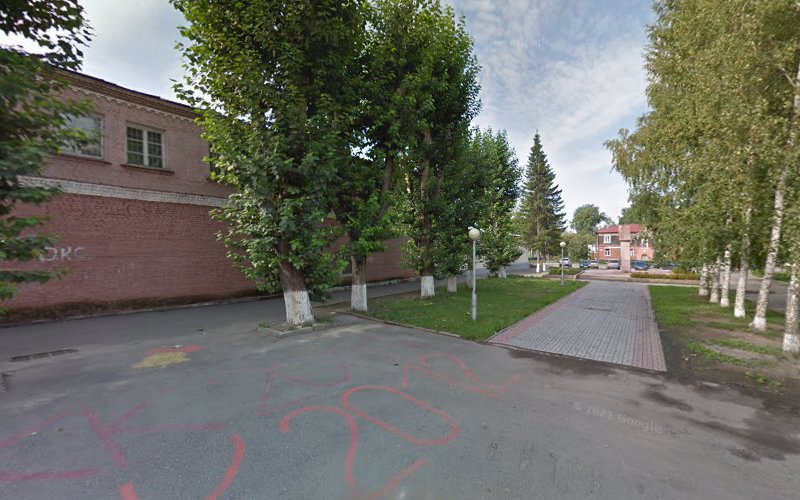
Metallicheskaya Bashenka

Gorodskoy Sad
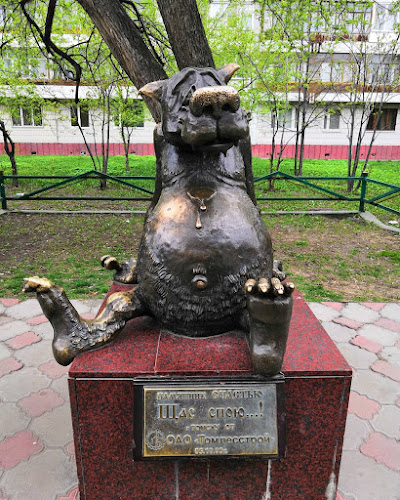
Pamyatnik Schast'yu
Find Accommodations Nearby
Recommended Tours & Activities
Visitor Reviews
There are no reviews yet. Be the first one to write one.
Share Your Experience
Have you visited A memorial stone on the site of Tomsk foundation? Help other travelers by leaving a review.