
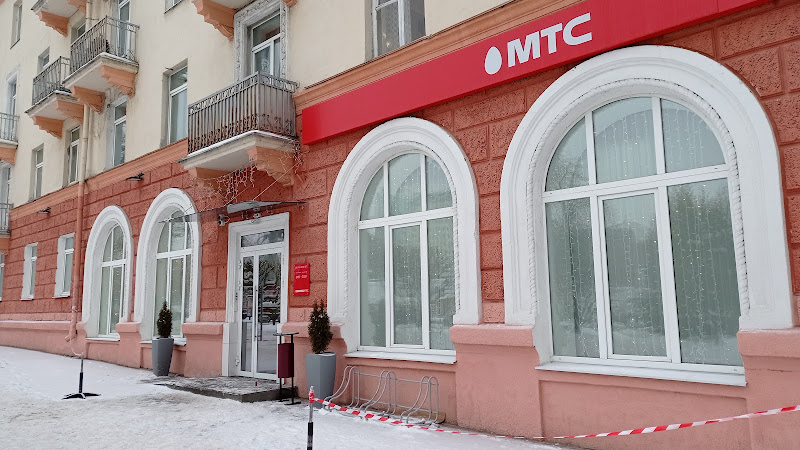
ª—ë—û
About ª—ë—û
Description
ª—ë—û is one of those places that refuses to explain itself neatly, and honestly, that’s part of the appeal. Travelers who end up here usually don’t do it by accident, but they also don’t always know exactly what they’re walking into. The place carries a quiet reputation for being layered, a little rough around the edges, and deeply memorable once it gets under your skin. It isn’t flashy, and it doesn’t try to impress you in the first five minutes. But give it time. That patience tends to pay off.
From a traveler’s perspective, ª—ë—û feels lived-in rather than curated. Daily life unfolds openly, and visitors often find themselves observing real routines instead of staged experiences. Some folks love that authenticity; others struggle with it at first. There are moments where the infrastructure feels imperfect, and not everything is signposted or explained. But then again, that’s where curiosity kicks in. And curiosity is what this place rewards best.
What stands out most is the atmosphere. There’s a steady rhythm to ª—ë—û that doesn’t rush for anyone. Locals tend to move at their own pace, and travelers quickly learn to do the same or risk frustration. It’s not uncommon to hear mixed opinions about the destination, and that’s fair. Some visitors expect polish and leave underwhelmed. Others come looking for character and find far more than they anticipated.
From personal experience, places like this often linger in memory longer than the glossy hotspots. I once spent an afternoon here doing absolutely nothing planned, just following sounds and smells and random turns. And oddly enough, that unstructured day ended up being the one I remembered most when I got home. ª—ë—û has that effect. It seeps in quietly.
Key Features
- Distinct local atmosphere shaped by everyday routines rather than tourism
- Natural and built elements that coexist without much interference
- Small details that reward slow exploration and repeat visits
- A cultural identity that isn’t simplified for outsiders
- Spaces where silence is as meaningful as conversation
- Food, sounds, and textures that feel specific to this place alone
Each of these features becomes more noticeable the longer one stays. And yes, that means ª—ë—û isn’t ideal for a rushed checklist-style visit. But if you’re the kind of traveler who likes noticing cracks in the pavement or overhearing half-finished conversations, you’ll feel oddly at home.
Best Time to Visit
Timing matters a lot when planning a trip to ª—ë—û. Certain periods bring out its calmer, more reflective side, while others highlight its energy and unpredictability. Generally speaking, the shoulder seasons tend to strike the best balance. During these times, weather conditions are easier to manage, and daily life continues without the added pressure of peak crowds.
High seasons can be intense. The place doesn’t expand to accommodate an influx of people, so things feel tighter, louder, and sometimes a bit strained. Some travelers enjoy that buzz. Others find it overwhelming. Off-peak months, on the other hand, reveal a softer version of ª—ë—û. Shops open a little later, conversations linger longer, and you may feel less like an observer and more like a temporary local.
If you’re asking when to visit based on experience alone, quieter months win. There’s something grounding about seeing the destination operate for itself, not for visitors. And you’ll notice more subtle moments then. Like how light hits certain surfaces at specific times of day, or how routines shift slightly with the seasons. Those are the things guidebooks rarely tell you.
How to Get There
Reaching ª—ë—û isn’t difficult, but it does require a bit of intention. Most travelers arrive via regional transport networks that connect it to nearby hubs. From there, the final stretch can feel a little vague, especially for first-timers. Signage may be minimal, and directions aren’t always consistent depending on who you ask.
Public transport is commonly used, though schedules can be flexible in the loosest sense of the word. If you’re renting a vehicle, expect narrow routes and occasional detours that aren’t marked anywhere obvious. But honestly, those detours are often where the best views and unexpected stops happen.
One piece of advice: ask questions, but ask more than one person. You’ll likely get different answers, and somewhere in the middle is the truth. That’s just how things work here. And it’s part of learning how to navigate the place, both literally and culturally.
Tips for Visiting
First and foremost, adjust expectations. ª—ë—û isn’t trying to impress you, and the sooner you accept that, the better your experience will be. Come prepared to observe rather than consume. Leave room in your schedule for wandering. Some of the most meaningful moments happen when you’re not chasing anything specific.
Bring comfortable footwear. That sounds obvious, but it matters more here than you might expect. Surfaces can change quickly, and paths don’t always behave the way maps suggest. And speaking of maps, don’t rely on them too heavily. Use them as a rough guide, then trust your instincts.
Be patient with communication. Language barriers or local expressions might slow things down, but they also open doors. A smile and a bit of effort go a long way. I’ve found that even clumsy attempts at connection often lead to generosity in return.
Pay attention to small cues. When places open, when they close, when people gather and when they disperse. ª—ë—û runs on its own internal logic, and once you start noticing it, everything makes more sense. Or at least, it feels like it does.
And finally, give it time. A day might leave you unsure. Two days might raise more questions than answers. But somewhere along the way, something clicks. And that’s usually when travelers realize why this place stays with them long after they’ve left. ª—ë—û doesn’t shout. It murmurs. And if you’re willing to listen, it tells a pretty compelling story.
Key Features
- Distinct local atmosphere shaped by everyday routines rather than tourism
- Natural and built elements that coexist without much interference
- Small details that reward slow exploration and repeat visits
- A cultural identity that isn’t simplified for outsiders
- Spaces where silence is as meaningful as conversation
- Food, sounds, and textures that feel specific to this place alone
More Details
Updated December 30, 2025
Table of Contents
Description
ª—ë—û is one of those places that refuses to explain itself neatly, and honestly, that’s part of the appeal. Travelers who end up here usually don’t do it by accident, but they also don’t always know exactly what they’re walking into. The place carries a quiet reputation for being layered, a little rough around the edges, and deeply memorable once it gets under your skin. It isn’t flashy, and it doesn’t try to impress you in the first five minutes. But give it time. That patience tends to pay off.
From a traveler’s perspective, ª—ë—û feels lived-in rather than curated. Daily life unfolds openly, and visitors often find themselves observing real routines instead of staged experiences. Some folks love that authenticity; others struggle with it at first. There are moments where the infrastructure feels imperfect, and not everything is signposted or explained. But then again, that’s where curiosity kicks in. And curiosity is what this place rewards best.
What stands out most is the atmosphere. There’s a steady rhythm to ª—ë—û that doesn’t rush for anyone. Locals tend to move at their own pace, and travelers quickly learn to do the same or risk frustration. It’s not uncommon to hear mixed opinions about the destination, and that’s fair. Some visitors expect polish and leave underwhelmed. Others come looking for character and find far more than they anticipated.
From personal experience, places like this often linger in memory longer than the glossy hotspots. I once spent an afternoon here doing absolutely nothing planned, just following sounds and smells and random turns. And oddly enough, that unstructured day ended up being the one I remembered most when I got home. ª—ë—û has that effect. It seeps in quietly.
Key Features
- Distinct local atmosphere shaped by everyday routines rather than tourism
- Natural and built elements that coexist without much interference
- Small details that reward slow exploration and repeat visits
- A cultural identity that isn’t simplified for outsiders
- Spaces where silence is as meaningful as conversation
- Food, sounds, and textures that feel specific to this place alone
Each of these features becomes more noticeable the longer one stays. And yes, that means ª—ë—û isn’t ideal for a rushed checklist-style visit. But if you’re the kind of traveler who likes noticing cracks in the pavement or overhearing half-finished conversations, you’ll feel oddly at home.
Best Time to Visit
Timing matters a lot when planning a trip to ª—ë—û. Certain periods bring out its calmer, more reflective side, while others highlight its energy and unpredictability. Generally speaking, the shoulder seasons tend to strike the best balance. During these times, weather conditions are easier to manage, and daily life continues without the added pressure of peak crowds.
High seasons can be intense. The place doesn’t expand to accommodate an influx of people, so things feel tighter, louder, and sometimes a bit strained. Some travelers enjoy that buzz. Others find it overwhelming. Off-peak months, on the other hand, reveal a softer version of ª—ë—û. Shops open a little later, conversations linger longer, and you may feel less like an observer and more like a temporary local.
If you’re asking when to visit based on experience alone, quieter months win. There’s something grounding about seeing the destination operate for itself, not for visitors. And you’ll notice more subtle moments then. Like how light hits certain surfaces at specific times of day, or how routines shift slightly with the seasons. Those are the things guidebooks rarely tell you.
How to Get There
Reaching ª—ë—û isn’t difficult, but it does require a bit of intention. Most travelers arrive via regional transport networks that connect it to nearby hubs. From there, the final stretch can feel a little vague, especially for first-timers. Signage may be minimal, and directions aren’t always consistent depending on who you ask.
Public transport is commonly used, though schedules can be flexible in the loosest sense of the word. If you’re renting a vehicle, expect narrow routes and occasional detours that aren’t marked anywhere obvious. But honestly, those detours are often where the best views and unexpected stops happen.
One piece of advice: ask questions, but ask more than one person. You’ll likely get different answers, and somewhere in the middle is the truth. That’s just how things work here. And it’s part of learning how to navigate the place, both literally and culturally.
Tips for Visiting
First and foremost, adjust expectations. ª—ë—û isn’t trying to impress you, and the sooner you accept that, the better your experience will be. Come prepared to observe rather than consume. Leave room in your schedule for wandering. Some of the most meaningful moments happen when you’re not chasing anything specific.
Bring comfortable footwear. That sounds obvious, but it matters more here than you might expect. Surfaces can change quickly, and paths don’t always behave the way maps suggest. And speaking of maps, don’t rely on them too heavily. Use them as a rough guide, then trust your instincts.
Be patient with communication. Language barriers or local expressions might slow things down, but they also open doors. A smile and a bit of effort go a long way. I’ve found that even clumsy attempts at connection often lead to generosity in return.
Pay attention to small cues. When places open, when they close, when people gather and when they disperse. ª—ë—û runs on its own internal logic, and once you start noticing it, everything makes more sense. Or at least, it feels like it does.
And finally, give it time. A day might leave you unsure. Two days might raise more questions than answers. But somewhere along the way, something clicks. And that’s usually when travelers realize why this place stays with them long after they’ve left. ª—ë—û doesn’t shout. It murmurs. And if you’re willing to listen, it tells a pretty compelling story.
Key Highlights
- Distinct local atmosphere shaped by everyday routines rather than tourism
- Natural and built elements that coexist without much interference
- Small details that reward slow exploration and repeat visits
- A cultural identity that isn’t simplified for outsiders
- Spaces where silence is as meaningful as conversation
- Food, sounds, and textures that feel specific to this place alone
Location
Places to Stay Near ª—ë—û
Find and Book a Tour
Explore More Travel Guides
No reviews found! Be the first to review!
Traveler Reviews for ª—ë—û
There are no reviews yet. Be the first one to write one.
Have you visited ª—ë—û? Help other travelers by sharing your review.
You Might Also Like
Padmikolle (Падмiколле)
Slavyanskaya Traditsiya
Pecherskiy Lesopark
Find Accommodations Nearby
Recommended Tours & Activities
Visitor Reviews
There are no reviews yet. Be the first one to write one.
Share Your Experience
Have you visited ª—ë—û? Help other travelers by leaving a review.