Mogilev
About Mogilev
Description
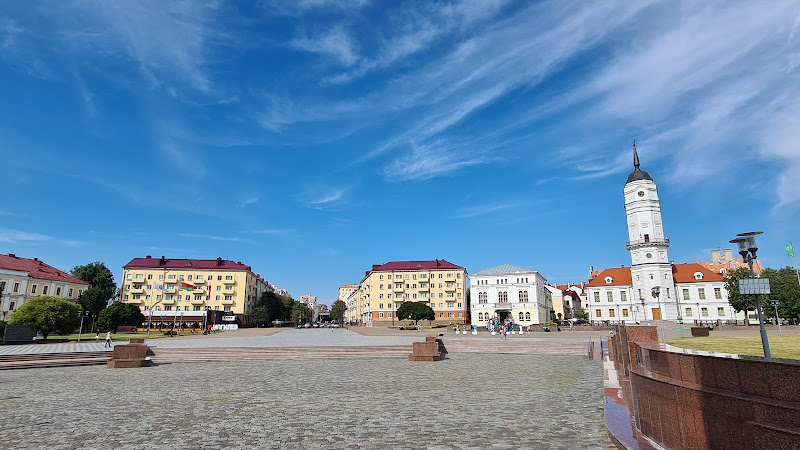
Mogilev sits on the wide, unhurried bend of the Dnieper River, and it feels like a city that learned patience the hard way. It’s the third-largest city in Belarus, with a population hovering around 350,000 or so, and yet it never rushes you. Travelers often arrive expecting an industrial stopover and leave surprised by how much personality this place actually has. The architecture tells most of the story. Layers of imperial ambition, Soviet certainty, and modern Belarusian calm all show up in brick, stone, and wide squares.
The city’s backbone is Lenin Street, a pedestrian stretch that locals treat like an outdoor living room. This is where you’ll see grandparents strolling with ice cream, students arguing about music, and tourists quietly looking up at facades they didn’t expect to admire. The 18th-century archbishop’s palace still holds its own here, looking slightly amused by the Stalin-era House of Soviets not far away. That contrast, old ecclesiastical calm next to monumental Soviet geometry, pretty much sums up Mogilev’s character.
There’s a calm confidence about Mogilev. It doesn’t shout for attention, and maybe that’s why it sticks with people. I remember standing near the river at dusk once, watching the lights come on one by one, thinking this is a city that rewards the patient traveler. If you like places that feel lived-in rather than curated, Mogilev makes a strong case for itself.
Key Features
- City Hall and History Museum: The rebuilt City Hall is more than a photo stop. Inside, the local history museum gives context to Mogilev’s past, from medieval trade routes to wartime scars. And yes, the mechanical trumpet player performs daily. It’s charming, a little odd, and oddly moving.
- Lenin Street Pedestrian Zone: This is where the city breathes. Cafés, benches, street musicians on good days, and buildings that quietly show off centuries of change.
- Square of Stars: A unique public space with a monument to stargazers and a working sundial. Locals actually use it, which says a lot.
- House of Soviets: A solid example of Stalin-era architecture. Heavy lines, authority baked into concrete, and a reminder of how seriously cities were once designed.
- Cathedral of Three Saints: Seven domes rising in a composition that feels both symmetrical and playful. Step inside if it’s open; the interior has a quiet gravity.
- Dnieper River Embankment: Not flashy, but ideal for long walks, especially in the evening when the air cools.
Best Time to Visit
Mogilev behaves best from late May through early September. Summers are warm but rarely oppressive, with daytime temperatures usually sitting in the low to mid-20s Celsius. June and July bring long daylight hours, which means more time wandering Lenin Street or lingering by the river. And yes, it does rain sometimes. But honestly, a light rain here just makes the streets smell like wet stone and leaves.
Spring can be lovely but unpredictable. March is still half-winter, half-hopeful mess. April improves things, though locals will tell you not to trust it. Autumn, especially September, is a sleeper hit. Fewer tourists, golden light, and trees along the Dnieper turning color. Winter is for the committed. Cold, snowy, and undeniably atmospheric, but unless you enjoy icy sidewalks and short days, it’s not the easiest season for a first visit.
How to Get There
Mogilev is well connected within Belarus, which helps. Most travelers come via Minsk, the capital, located roughly 200 kilometers away. Trains run regularly and are reliable, if not especially fast. The ride gives you a glimpse of the Belarusian countryside, flat and forested, with villages that seem frozen in time. Buses are another option, often quicker but a bit less comfortable.
For those already exploring eastern Europe, Mogilev’s location near the Russian border has historically made it a crossroads, though border formalities mean planning ahead. Once in the city, getting around is refreshingly simple. The center is walkable, and public transport covers the rest without much drama. Taxis are affordable, and drivers usually know landmarks even if street names get lost in translation.
Tips for Visiting
First, slow down. Mogilev isn’t built for speed tourism. Give yourself time to sit, observe, and let the place come to you. The mechanical trumpet player at City Hall performs daily, but times can shift, so ask a local or check earlier in the day. People are generally helpful, even if language barriers exist. A smile and a bit of patience go far here.
Second, don’t skip the museum thinking it’s just another regional exhibit. The City Hall museum gives essential context, especially about how often Mogilev has had to rebuild itself. That history explains a lot about the city’s reserved pride. And if you’re into architecture, walk with your head up. Details hide in cornices, balconies, and old signage that survived regime changes.
Food-wise, aim for local dishes when possible. Belarusian cuisine is hearty, sometimes heavy, but comforting. Try draniki if you see them. I once made the mistake of ordering like I was in a big city, and ended up missing out on the good stuff. Learn from that.
Lastly, respect the rhythm of the place. Mogilev isn’t trying to impress you, and that’s kind of the point. Let your expectations soften. Wander Lenin Street twice, at different times of day. Stand by the sundial and watch how people interact with it. Those small moments are what stick. Travelers who approach Mogilev with curiosity rather than a checklist usually leave with better stories, and maybe a quiet fondness they didn’t expect.
Key Features
- Key Features
- Best Time to Visit
- How to Get There
- Tips for Visiting
More Details
Updated December 30, 2025
Table of Contents
Description
Mogilev sits on the wide, unhurried bend of the Dnieper River, and it feels like a city that learned patience the hard way. It’s the third-largest city in Belarus, with a population hovering around 350,000 or so, and yet it never rushes you. Travelers often arrive expecting an industrial stopover and leave surprised by how much personality this place actually has. The architecture tells most of the story. Layers of imperial ambition, Soviet certainty, and modern Belarusian calm all show up in brick, stone, and wide squares.
The city’s backbone is Lenin Street, a pedestrian stretch that locals treat like an outdoor living room. This is where you’ll see grandparents strolling with ice cream, students arguing about music, and tourists quietly looking up at facades they didn’t expect to admire. The 18th-century archbishop’s palace still holds its own here, looking slightly amused by the Stalin-era House of Soviets not far away. That contrast, old ecclesiastical calm next to monumental Soviet geometry, pretty much sums up Mogilev’s character.
There’s a calm confidence about Mogilev. It doesn’t shout for attention, and maybe that’s why it sticks with people. I remember standing near the river at dusk once, watching the lights come on one by one, thinking this is a city that rewards the patient traveler. If you like places that feel lived-in rather than curated, Mogilev makes a strong case for itself.
Key Features
- City Hall and History Museum: The rebuilt City Hall is more than a photo stop. Inside, the local history museum gives context to Mogilev’s past, from medieval trade routes to wartime scars. And yes, the mechanical trumpet player performs daily. It’s charming, a little odd, and oddly moving.
- Lenin Street Pedestrian Zone: This is where the city breathes. Cafés, benches, street musicians on good days, and buildings that quietly show off centuries of change.
- Square of Stars: A unique public space with a monument to stargazers and a working sundial. Locals actually use it, which says a lot.
- House of Soviets: A solid example of Stalin-era architecture. Heavy lines, authority baked into concrete, and a reminder of how seriously cities were once designed.
- Cathedral of Three Saints: Seven domes rising in a composition that feels both symmetrical and playful. Step inside if it’s open; the interior has a quiet gravity.
- Dnieper River Embankment: Not flashy, but ideal for long walks, especially in the evening when the air cools.
Best Time to Visit
Mogilev behaves best from late May through early September. Summers are warm but rarely oppressive, with daytime temperatures usually sitting in the low to mid-20s Celsius. June and July bring long daylight hours, which means more time wandering Lenin Street or lingering by the river. And yes, it does rain sometimes. But honestly, a light rain here just makes the streets smell like wet stone and leaves.
Spring can be lovely but unpredictable. March is still half-winter, half-hopeful mess. April improves things, though locals will tell you not to trust it. Autumn, especially September, is a sleeper hit. Fewer tourists, golden light, and trees along the Dnieper turning color. Winter is for the committed. Cold, snowy, and undeniably atmospheric, but unless you enjoy icy sidewalks and short days, it’s not the easiest season for a first visit.
How to Get There
Mogilev is well connected within Belarus, which helps. Most travelers come via Minsk, the capital, located roughly 200 kilometers away. Trains run regularly and are reliable, if not especially fast. The ride gives you a glimpse of the Belarusian countryside, flat and forested, with villages that seem frozen in time. Buses are another option, often quicker but a bit less comfortable.
For those already exploring eastern Europe, Mogilev’s location near the Russian border has historically made it a crossroads, though border formalities mean planning ahead. Once in the city, getting around is refreshingly simple. The center is walkable, and public transport covers the rest without much drama. Taxis are affordable, and drivers usually know landmarks even if street names get lost in translation.
Tips for Visiting
First, slow down. Mogilev isn’t built for speed tourism. Give yourself time to sit, observe, and let the place come to you. The mechanical trumpet player at City Hall performs daily, but times can shift, so ask a local or check earlier in the day. People are generally helpful, even if language barriers exist. A smile and a bit of patience go far here.
Second, don’t skip the museum thinking it’s just another regional exhibit. The City Hall museum gives essential context, especially about how often Mogilev has had to rebuild itself. That history explains a lot about the city’s reserved pride. And if you’re into architecture, walk with your head up. Details hide in cornices, balconies, and old signage that survived regime changes.
Food-wise, aim for local dishes when possible. Belarusian cuisine is hearty, sometimes heavy, but comforting. Try draniki if you see them. I once made the mistake of ordering like I was in a big city, and ended up missing out on the good stuff. Learn from that.
Lastly, respect the rhythm of the place. Mogilev isn’t trying to impress you, and that’s kind of the point. Let your expectations soften. Wander Lenin Street twice, at different times of day. Stand by the sundial and watch how people interact with it. Those small moments are what stick. Travelers who approach Mogilev with curiosity rather than a checklist usually leave with better stories, and maybe a quiet fondness they didn’t expect.

Key Highlights
- Key Features
- Best Time to Visit
- How to Get There
- Tips for Visiting
Location
Places to Stay Near Mogilev
Find and Book a Tour
Explore More Travel Guides
No reviews found! Be the first to review!
Traveler Reviews for Mogilev
There are no reviews yet. Be the first one to write one.
Have you visited Mogilev? Help other travelers by sharing your review.
Find Accommodations Nearby
Recommended Tours & Activities
Visitor Reviews
There are no reviews yet. Be the first one to write one.
Share Your Experience
Have you visited Mogilev? Help other travelers by leaving a review.