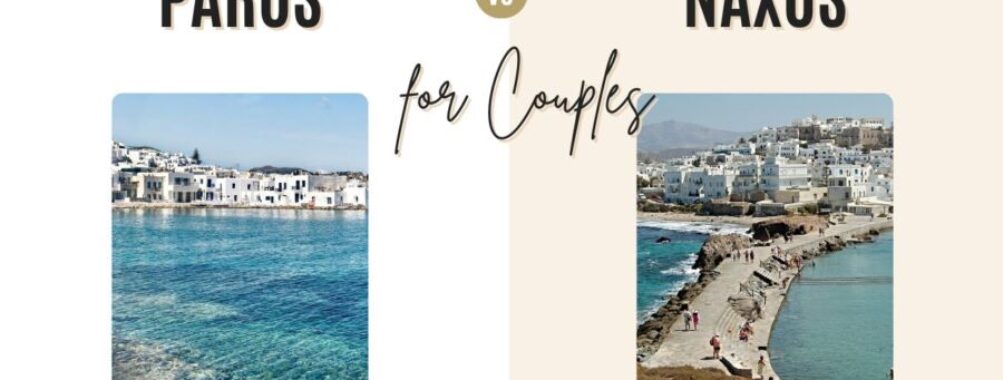
Paros or Naxos for Couples: Ultimate 2026 Greek Island Showdown
Updated March 10, 2026
Trying to pick between Paros and Naxos for a romantic trip? It’s not as easy as it sounds. Both islands have those dreamy beaches, whitewashed villages, and that Greek island magic that just makes couples swoon. Still, once you look a little closer, they’re not quite the same.
Paros is your spot if you want lively nights, boutique hotels, and a bit of a buzz, while Naxos is for couples craving real-deal Greek vibes, epic beaches, and better prices. It really depends—do you want to be in the thick of things, or would you rather slip away from the crowds? Honestly, you can’t really go wrong.
Luckily, you’ll have no trouble getting to either island from Athens, or even hopping between them if you’ve got more than a week. But if you have to pick just one, you’ll want to pack the right travel gear and choose based on what suits your relationship best.
Key Takeaways
- Paros has more nightlife and a cosmopolitan feel—great if you like a little action
- Naxos is easier on the wallet, has quieter beaches, and feels more traditionally Greek
- Both islands have solid accommodation options and work well for island hopping
Table of Contents
- Paros or Naxos for Couples: Key Differences and Romantic Vibes
- Which Island Has the Most Romantic Atmosphere?
- Paros vs Naxos: Vibe and Ambiance for Two
- How Each Island Caters to Couples
- Choosing the Perfect Place to Stay: Best Towns and Villages for Couples
- Naxos Town (Chora) and the Venetian Castle
- Naoussa and Parikia: Paros’s Romantic Hubs
- Hidden Villages and Seaside Retreats
- Top Romantic Experiences and Things to Do for Couples
- Unforgettable Sunset Spots
- Historic Sites and Cultural Strolls
- Cooking Classes, Food Tours, and Local Flavors
- Boutique Shopping and Art Discoveries
- Beaches for Couples: Comparing Naxos and Paros Sands and Waters
- Best Secluded Beaches for Romance
- Lively Beach Clubs and Bars
- Beach Hopping and Water Sports Adventures
- Nightlife & Dining: Romantic Evenings on Paros and Naxos
- Trendy Restaurants vs. Traditional Tavernas
- Wine Bars and Stylish Lounges
- After-Dark Ambiance: From Quiet Nights to Beach Parties
- How to Get There & Around: Transportation Tips and Island Hopping for Couples
- Airports and Ferry Connections
- Exploring by Car, Bus, and Water Taxi
- Island Hopping and Day Trips Nearby
- Frequently Asked Questions
- What romantic adventures can couples embark on when visiting either Paros or Naxos?
- Which island offers the most idyllic and secluded beaches for honeymooners seeking privacy?
- Are there exclusive couple’s retreats or luxury accommodations that cater to a romantic escape in Paros or Naxos?
- What are the unique gastronomic experiences for celebrating an anniversary or special occasion on these islands?
- Can you describe the cultural or traditional experiences that are tailored for couples in Paros or Naxos?
- What is the best time of year to visit Paros or Naxos for a tranquil and intimate getaway?
- Book Your Dream Experience
- More Travel Guides
Paros or Naxos for Couples: Key Differences and Romantic Vibes

Both Cyclades islands draw couples, but for different reasons. Paros pulses with energy and style. Naxos is quieter, with a kind of Greek authenticity you can’t fake.
Which Island Has the Most Romantic Atmosphere?
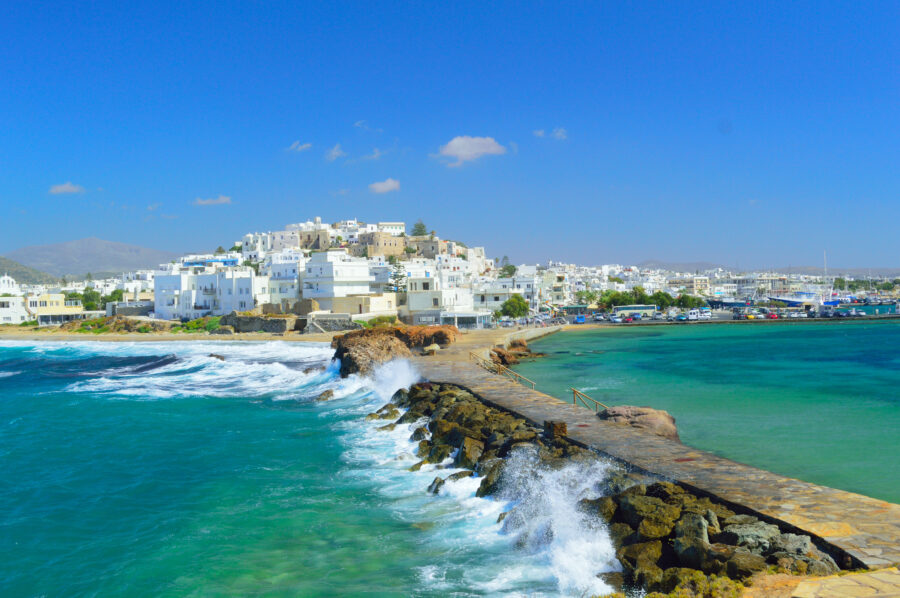
Naxos? It’s got that secret, magical vibe—especially if you’re the type who prefers quiet moments over flashy scenes. There’s something untouched about it.
Even in summer, you’ll stumble on empty beaches in the southwest. That’s rare these days.
Paros has its own brand of romance, but it’s sleeker. Picture sunset cocktails at chic beach bars and infinity pools at boutique hotels. The villages look gorgeous, but sometimes feel a little too perfect.
But if escaping the crowds is your thing, Naxos really delivers. Walk through mountain villages like Apiranthos or Filoti and you might not see another tourist for hours. That’s a different kind of romance—one that’s all about you two and nothing else.
Paros vs Naxos: Vibe and Ambiance for Two
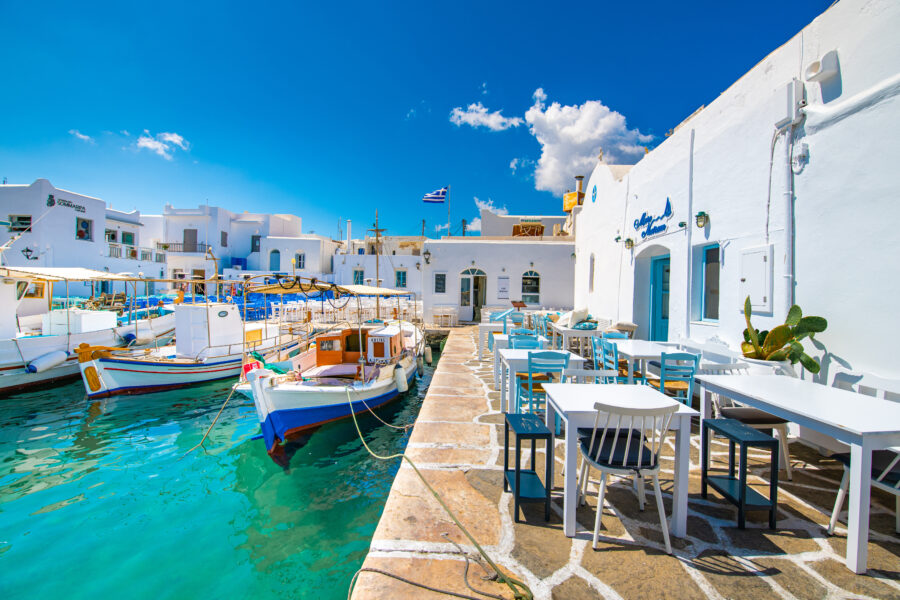
The vibes? Couldn’t be more different. Paros is social and stylish.
If you like being around people, Naoussa’s for you—by night, it’s buzzing with couples moving from bar to bar. You’ll want to dress up a bit.
Naxos is grounded, even a little rustic. Locals outnumber tourists in plenty of places. Picture evenings at family tavernas where the owner serves you homemade cheese, and nobody cares what you’re wearing.
| Aspect | Paros | Naxos |
|---|---|---|
| Energy Level | High, social | Low-key, peaceful |
| Dress Code | Stylish, polished | Casual, relaxed |
| Tourist Density | High in peak season | Moderate year-round |
| Authenticity | Modern Greek style | Traditional Greek life |
How Each Island Caters to Couples
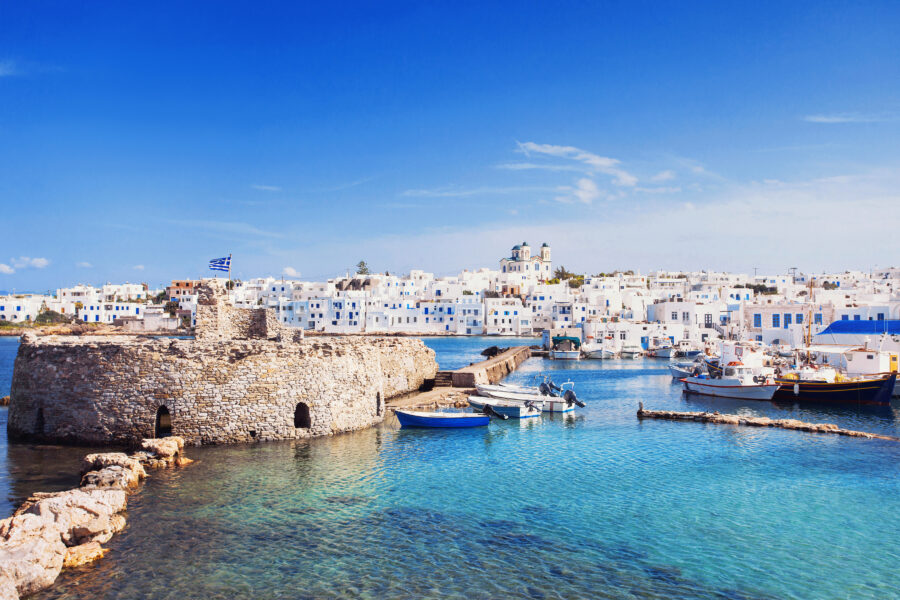
Paros is perfect for couples who want everything close by—beaches, restaurants, bars—all within a short drive or even a walk. Hotels here know how to do romance: private sunset terraces, couples’ spa treatments, the works.
Naxos is for couples who love exploring together. You’ll need a car to reach the best corners, but honestly, that’s half the fun.
Want to cook together? Naxos offers classes where you’ll learn real Greek recipes. Or hike up to Byzantine churches for those jaw-dropping views.
Paros is all about those Instagrammable honeymoon moments. Naxos? That’s where you make memories you’ll still talk about years from now.
Choosing the Perfect Place to Stay: Best Towns and Villages for Couples
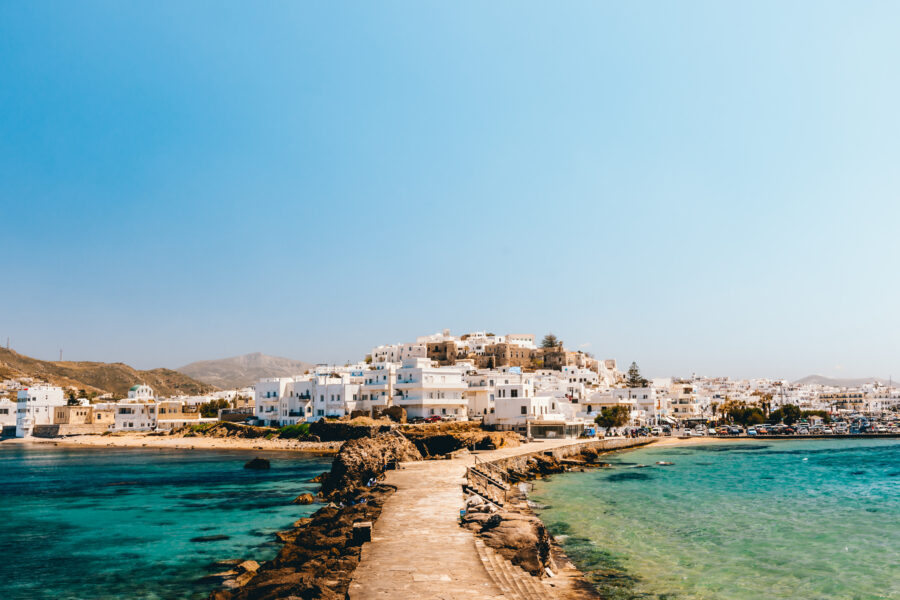
Where you stay sets the tone. Naxos has romance tucked away in its hilltop villages and castle views. Paros packs its charm into waterfront towns—ideal for sunset walks and candlelit dinners.
Naxos Town (Chora) and the Venetian Castle
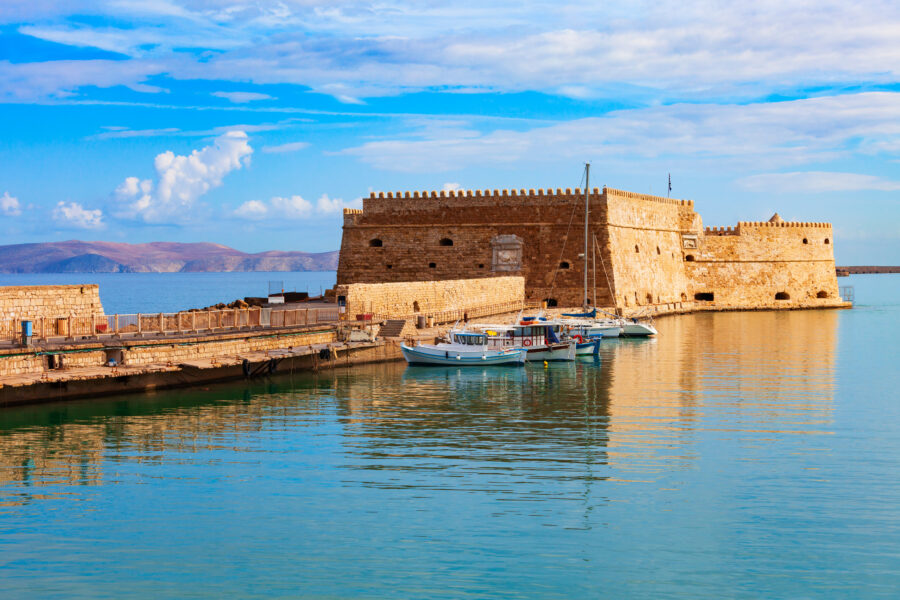
Naxos Chora climbs up steep hillsides, crowned by the Kastro, a medieval fortress from the 1200s. You’ll wander marble alleys past restaurants tucked into old mansions and stumble into wine bars hidden in archways.
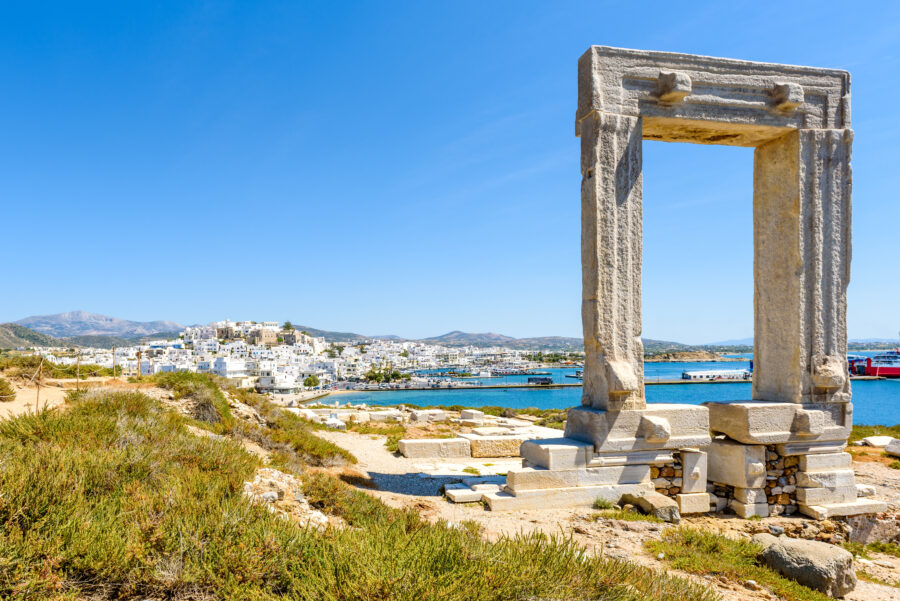
The Portara stands alone on its own islet, just offshore—a massive marble doorway from an unfinished Apollo temple. Every evening, couples gather there for sunset. The walk from town takes about ten minutes.
Stay near the Kastro if you want atmosphere. When day-trippers leave, it gets quiet—just you and the cats on the stepped streets. Agios Georgios Beach is just below, so you can sneak in a morning swim before breakfast.
You’ll also have easy access to mountain villages like Halki and Apeiranthos, both perfect for a lazy lunch in a traditional taverna.
Naoussa and Parikia: Paros’s Romantic Hubs
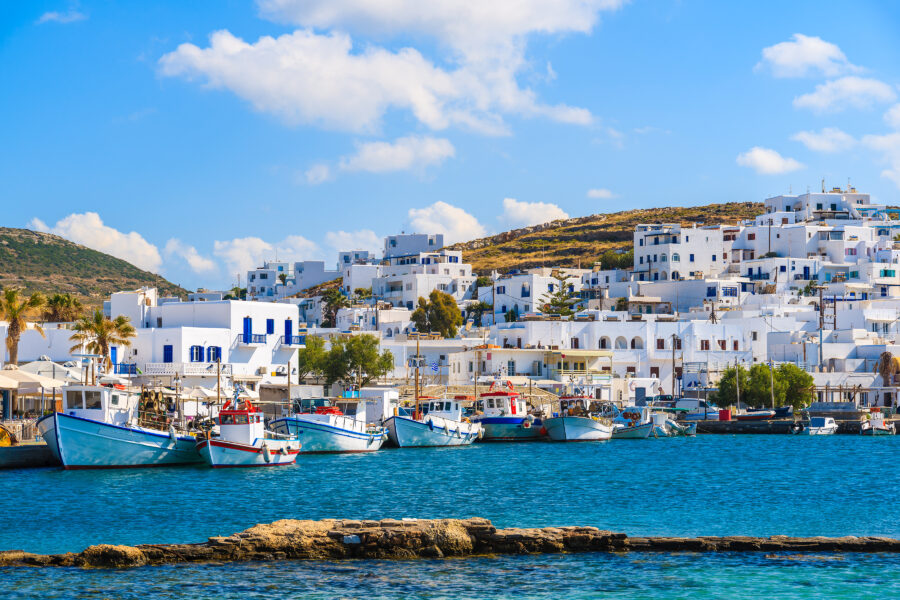
Naoussa is for couples who want some buzz without the full-on party vibe. This old fishing village wraps around a tiny harbor—octopuses drying on lines, restaurants spilling onto the docks. Swim off the town beach, then wander to dinner in your sandals.
Boutique hotels hide in old captains’ houses in the backstreets. At night, the harbor promenade fills up—bar-hopping, cocktails done right, a little people-watching.
Parikia is more practical if you’re island-hopping, since the ferry pulls in right there. The old quarter behind the waterfront is quieter than Naoussa, centered on the Ekatontapyliani church—a cool, ancient Byzantine spot that’s a welcome break from the August heat. Both towns have plenty of restaurants and tavernas, which is a relief when you’re ready for something besides Greek salad.
Hidden Villages and Seaside Retreats

Lefkes sits in the mountains of Naxos, connected to the coast by an old Byzantine path. Fewer tourists make it here, but a handful of small hotels offer mountain views and actual peace.
On Paros, Piso Livadi and Aliki are still working fishing villages with a few waterfront accommodations. Eat fish caught that morning, enjoy beaches without the Naoussa crowds. Rent a car and you’re only 15 minutes from more action if you want it.
Antiparos is just a short ferry ride from Paros and draws couples looking to truly unwind. The main village has just enough tavernas and cafes to keep things interesting, but you’re never far from empty beaches and total peace.
See Related: Hidden Boutique Hotels in Europe That Redefine Luxury
Top Romantic Experiences and Things to Do for Couples
Both islands know how to set the mood, whether it’s ancient temples glowing in the sunset or cooking together in a local’s kitchen. There are sunset spots you’ll never forget, historic neighborhoods to wander hand-in-hand, and cultural experiences that go way beyond the usual tourist stuff.
Unforgettable Sunset Spots
Naxos has one of Greece’s most iconic sunset scenes at Portara, the giant marble doorway from an unfinished Apollo temple. Walk right up, watch the sun drop into the Aegean through the stone frame—it’s something else. I haven’t met a couple who didn’t find it romantic.
The inland Temple of Demeter is quieter, golden-hour light on its columns, and almost never crowded.
Paros counters with Naoussa’s old Venetian harbor—fishing boats bobbing, bars lighting up as the sun dips. Piperi Beach is just a short stroll from Naoussa’s center and gives you sand for sunset. The Parikia windmill draws photographers, but Kolymbithres’ wild rock shapes make for some dramatic, unique silhouettes.
Historic Sites and Cultural Strolls
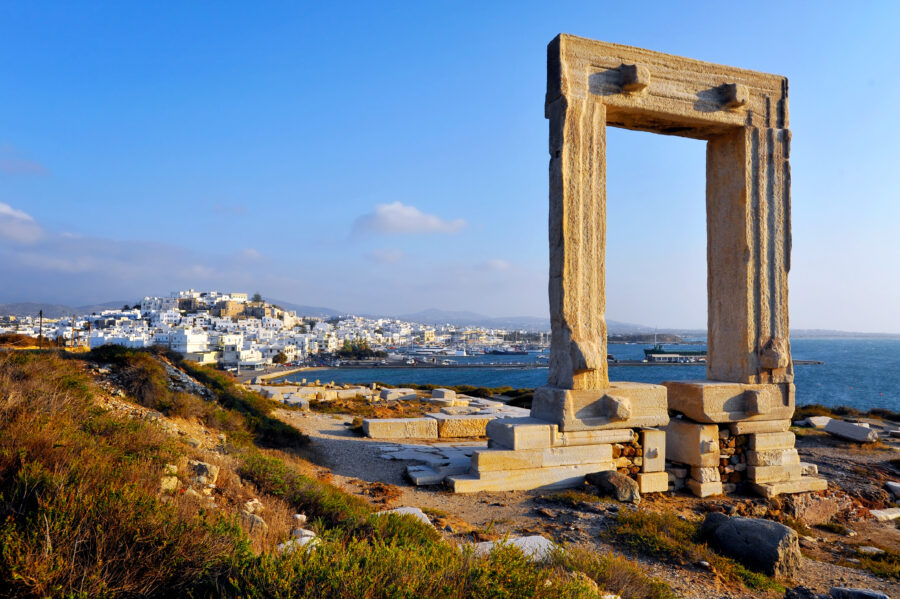
Naxos’s Kastro district in Chora is a treat for couples who like to get a little lost. Medieval alleyways, Venetian fortress walls, hidden courtyards, and tiny museums—plus neighborhood cats sunning themselves on ancient doorsteps.
Paros has Lefkes as its cultural heart—a mountain village with marble lanes and the Byzantine Road hiking trail. The walk takes about an hour and a half, winding through olive groves and valleys, and you’ll barely see another soul. Naoussa’s old town is compact and charming, a perfect date-night spot that isn’t too touristy.
Both islands show off classic Cycladic architecture, but Naxos leans more into its history, while Paros mixes tradition with modern comfort.
Cooking Classes, Food Tours, and Local Flavors
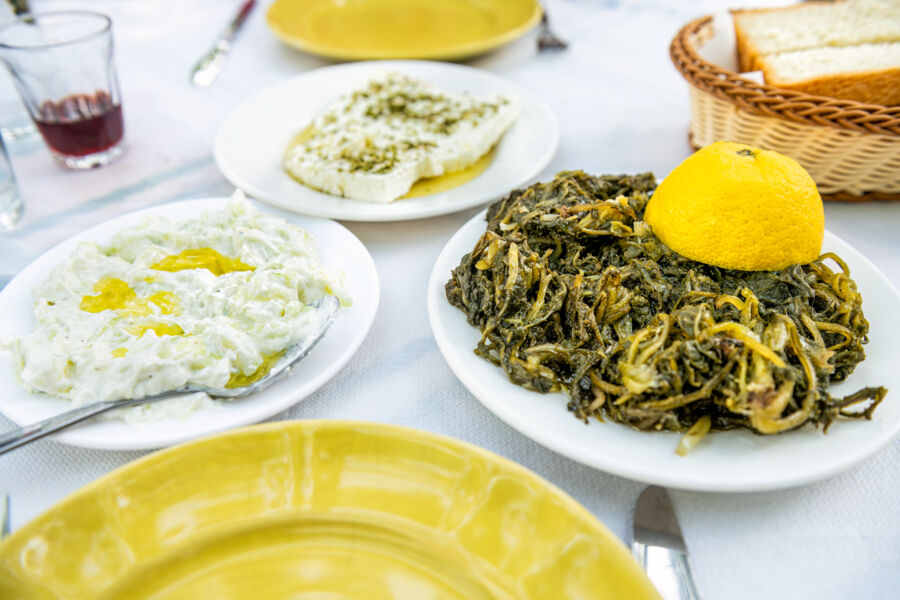
You can take a cooking class on either island and actually learn how Greeks cook at home—not just what’s on the tourist menu. Naxos classes often feature the island’s famous potatoes and local cheese, while Paros focuses more on seafood and fresh veggies.
Both islands have local wine tastings—Naxos favors crisp whites from native grapes, and a few small wineries welcome couples for relaxed tastings. Paros is known for its dessert wines and has been growing grapes since ancient times.
A food tour will bring you into family-run shops selling olive oil from ancient trees, bakeries making traditional sweets, and markets where fishermen sell the day’s catch. These experiences give you a taste of real island life, and you’ll pick up recipes and stories to take home.
Boutique Shopping and Art Discoveries
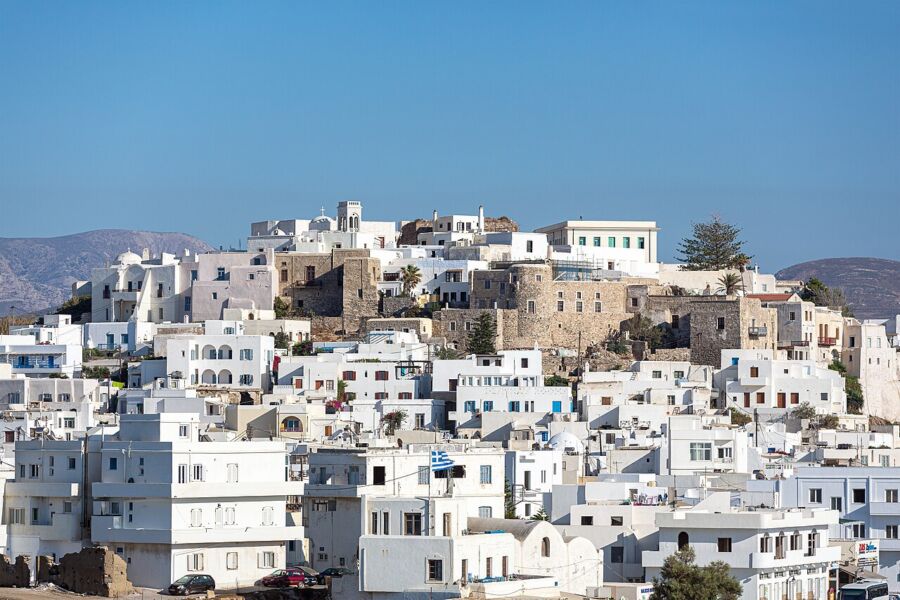
Naxos Chora lines its promenade and backstreets with jewelry designers, pottery studios, and shops selling hand-woven textiles. You’ll find galleries with local painters and crafts that don’t feel mass-produced.
Paros, especially Naoussa, has more international boutique brands alongside Greek designers. There are concept stores mixing fashion and home goods, plus art galleries for both established and up-and-coming Cycladic artists. Parikia offers similar shopping, usually with better prices and fewer crowds.
Both islands have active artist communities, so you’re buying directly from the makers. Ceramics are a great souvenir—light, pretty, and actually useful at home. Just be careful packing them, or ask about shipping.
Beaches for Couples: Comparing Naxos and Paros Sands and Waters
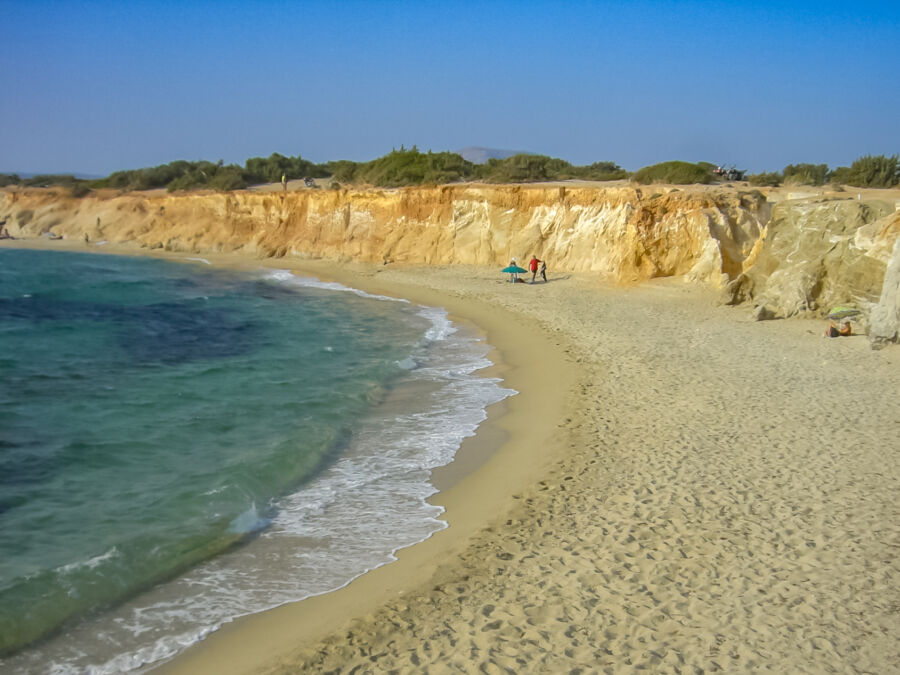
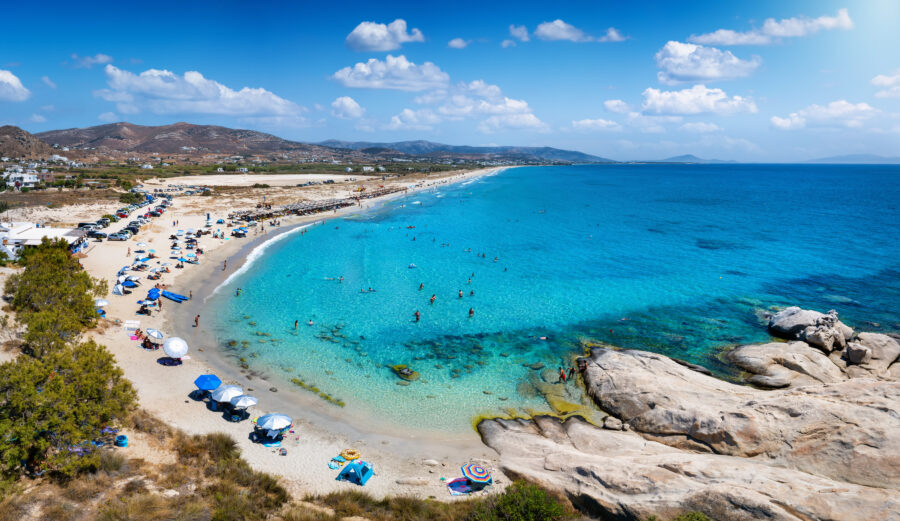
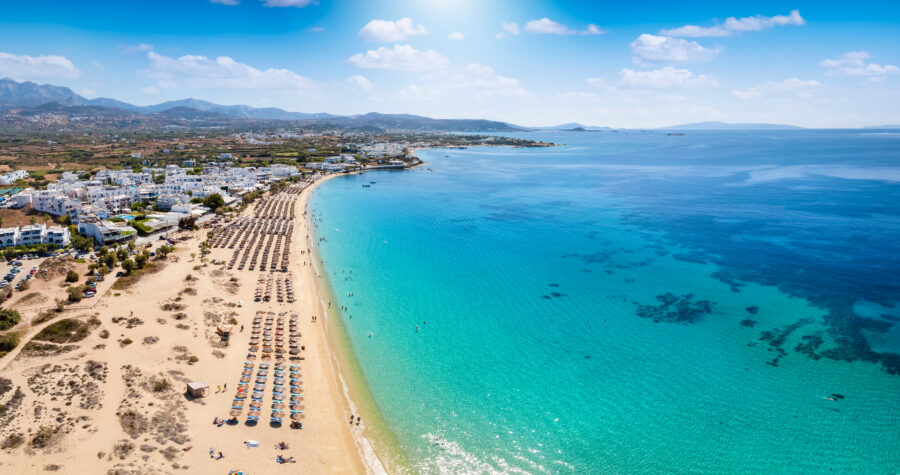
Naxos spoils you with miles of soft golden sand and calm, shallow water—perfect for lazy days together. Paros is more about cozy rocky coves and a lively beach club scene if you want to sip cocktails as the sun goes down.
Best Secluded Beaches for Romance
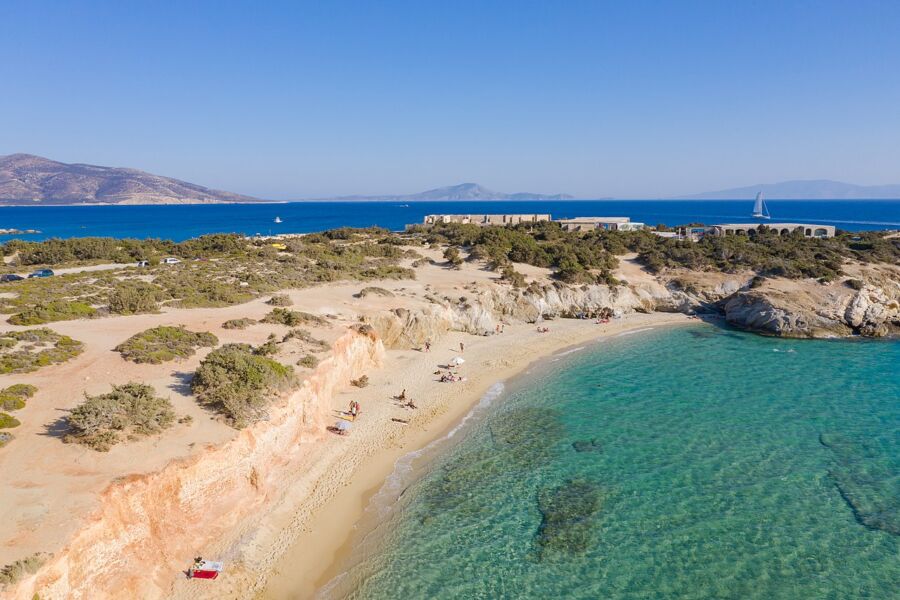
If privacy is your thing, Naxos is tough to beat. Aliko Beach (sometimes spelled Alyko) hides behind cedar trees and sand dunes on the southwest coast. Even in July, you can find stretches where it’s just you two and the sound of the sea. The twin coves are split by a small rocky point, so you can pick whichever feels more private.
Orkos Beach is another Naxos secret. Most tourists never get here. It’s quieter than Agios Prokopios or Plaka, with just one taverna and loads of space. The water is shallow and crystal clear—ideal for floating together.
On Paros, Monastiri Beach near Naoussa feels intimate, with views of a tiny monastery. It’s smaller than Naxos’s beaches, but that’s the charm. Faragas Beach on the southeast coast is another escape when you want fewer people. It’s a bit rockier, but the turquoise water is worth it.
Lively Beach Clubs and Bars
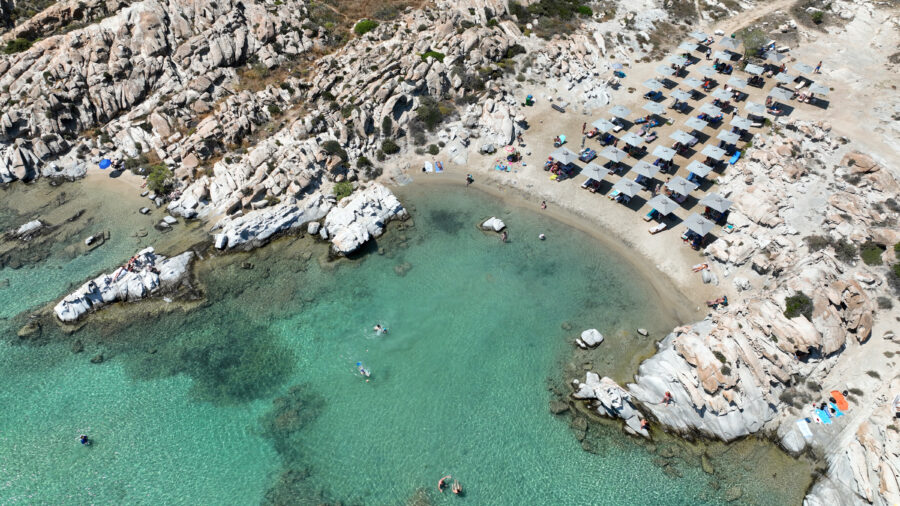
Paros absolutely dominates when it comes to beach clubs and organized beach scenes. Kolymbithres Beach stands out for its weird granite rock formations, but there’s also a real beach club vibe—sunbeds, umbrellas, and cold drinks brought right to you. The atmosphere feels lively, but not over the top.
Santa Maria Beach near Naoussa has several beach bars, so you can start your day with coffee and end it with wine as the sun goes down. The vibe here is definitely more cosmopolitan and social than what you’ll find on Naxos.
If you’re after more of a party, Golden Beach (Chrissi Akti) on Paros draws windsurfers by day and keeps its beach bars open late. It’s not quite Mykonos-crazy, but you’ll meet plenty of fellow travelers.
Naxos, on the other hand, keeps things much more chill. Agios Georgios Beach in Chora has a handful of beach bars, but it’s more about sunset beers than DJs. Plaka Beach and Agios Prokopios Beach have some organized spots with sunbeds, but the overall scene stays relaxed and family-friendly.
Beach Hopping and Water Sports Adventures
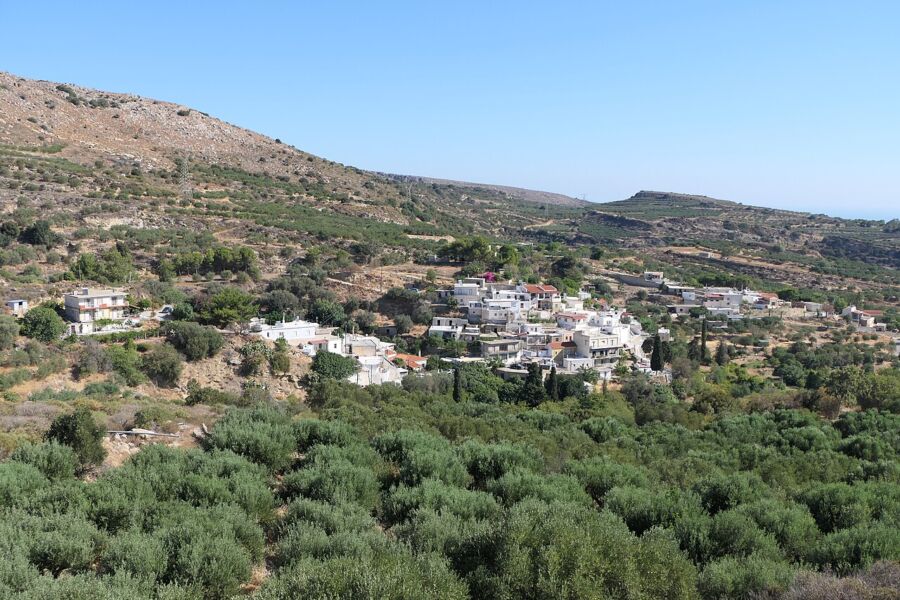
Naxos makes beach hopping a breeze—its best beaches almost run into each other along the west coast. Start at Agios Georgios in town, then head south to Agios Prokopios, Agia Anna Beach, Plaka Beach, and Mikri Vigla. They’re all about 20 minutes apart, and each has its own character. You could easily try them all in a single day.
Mikri Vigla is the place for windsurfing and kitesurfing if you’re into water sports. The wind here is legendary, and you’ll find several schools offering lessons.
Paros takes a little more effort to beach hop because the coastline is less uniform. But that means more variety—Kolymbithres for the rocks, Santa Maria for windsurfing, and Golden Beach for long sandy stretches. Still, nothing’s ever more than 30 minutes away by car.
See Related: Best Places to Visit in Europe This Year
Nightlife & Dining: Romantic Evenings on Paros and Naxos
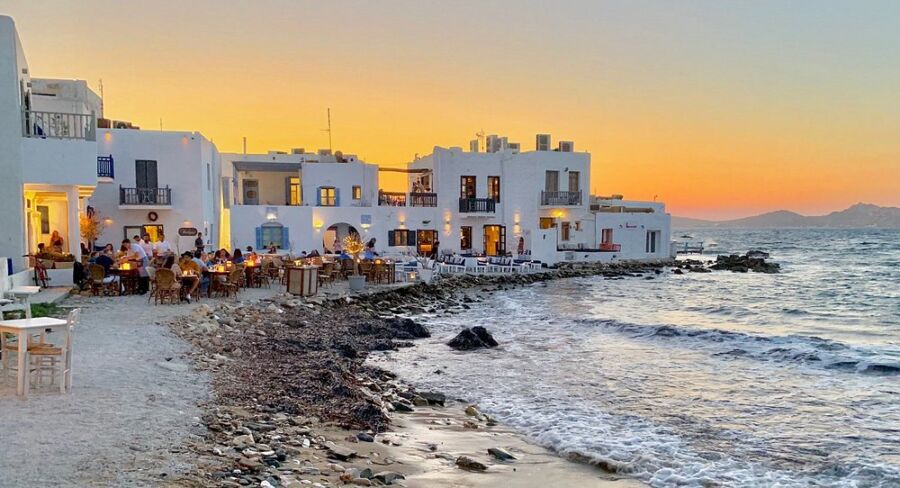
Paros brings lively nightlife, stylish restaurants, and beach clubs, while Naxos offers quieter evenings—think traditional tavernas and cozy wine bars. It really comes down to whether you want trendy cocktails and dancing or candlelit dinners in a village square.
Trendy Restaurants vs. Traditional Tavernas
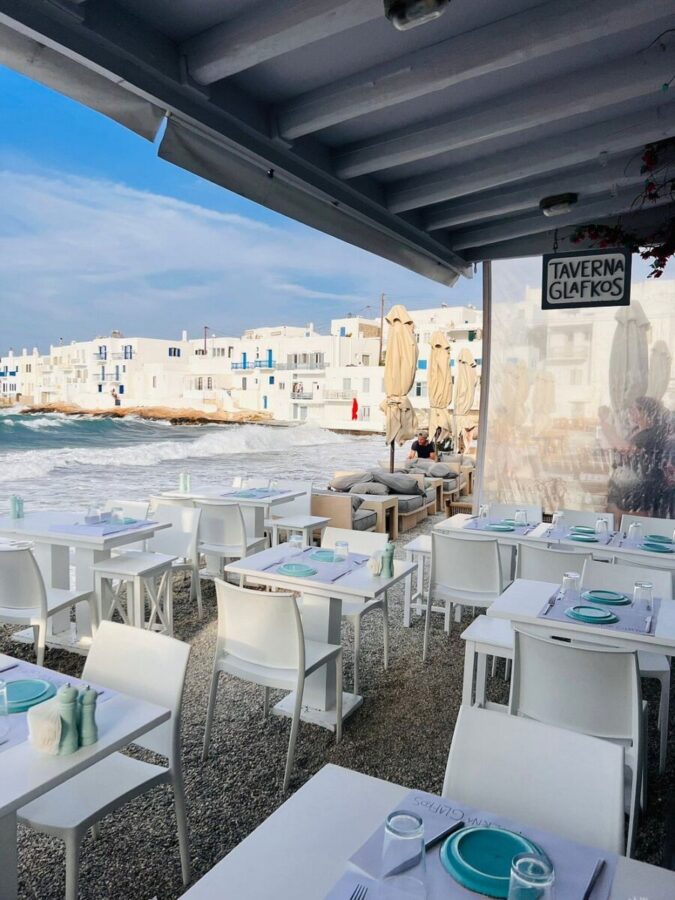
Paros is definitely making a name for itself with its dining scene. Naoussa’s Old Port has upscale spots like Barbarossa for Mediterranean-Greek dishes and harbor views—perfect for anniversaries. Le Sud brings a French touch with a chic courtyard. And if you love sharing, Statheros serves up small plates and local wine in a more laid-back setting.
Naxos sticks to its roots. Family-run tavernas in Chora and villages like Apiranthos serve homemade food in stone courtyards. Portions are generous, prices are lower, and the whole thing just feels more genuinely Greek. If you’re watching your budget, Naxos won’t hit your wallet as hard as some of Paros’s trendier places.
Both islands pour excellent local wine. Paros does crisp whites and rosés that go beautifully with seafood.
Wine Bars and Stylish Lounges

Paros shines when it comes to nightlife. Naoussa and Parikia are packed with wine bars and cocktail lounges that stay open into the early morning hours. Some boutique hotels, like Mythic Paros, even build atmospheric dining right into the experience. Beach bars at Santa Maria and Golden Beach serve sunset drinks with your feet in the sand.
Naxos keeps it simple. There are a few intimate bars around Agia Anna beach, but you won’t find the same variety. Still, there’s something nice about actually being able to talk without shouting over music.
The party scene? Paros wins, no contest. Even Naxos locals sometimes boat over on weekends just for the nightlife.
After-Dark Ambiance: From Quiet Nights to Beach Parties
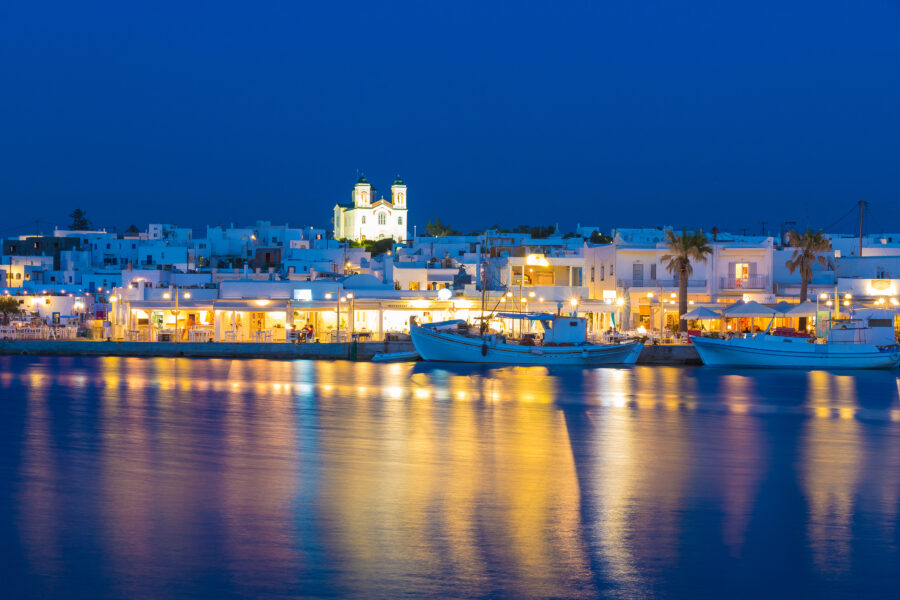
If you want beach clubs and organized nightlife, Paros is the one. Summer Senses Luxury Resort and similar spots throw evening events from DJ sets to themed nights. Naoussa buzzes until dawn in high season.
But if you’d rather keep things peaceful, Naxos is your place. Nights there are about strolling through Chora’s marble alleys, finding tiny bars tucked into old Venetian doorways. The beaches go quiet after sunset. You can actually walk along the shore together without a crowd.
Ambelas in Paros sits somewhere in between—waterfront tavernas with amazing seafood, but none of Naoussa’s chaos.
How to Get There & Around: Transportation Tips and Island Hopping for Couples
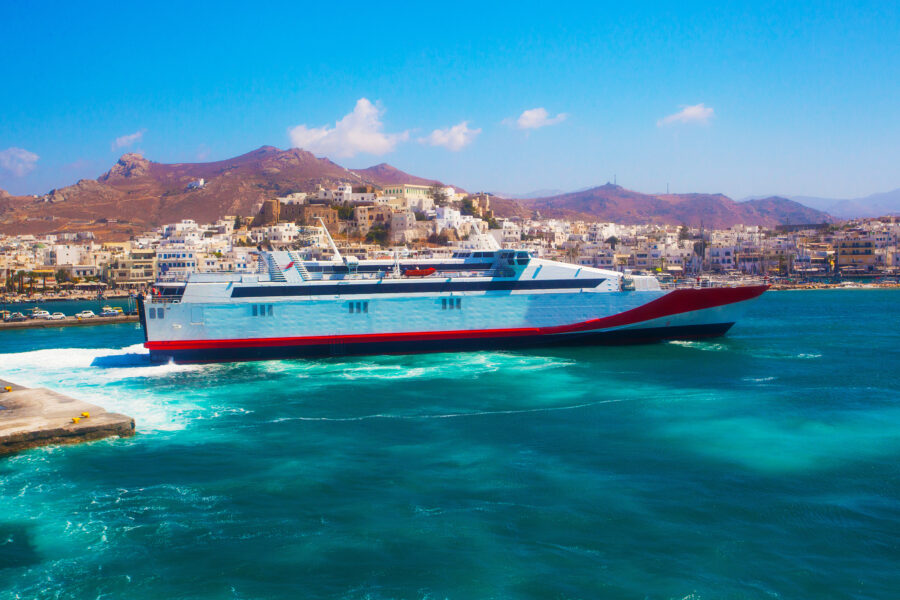
Getting between Paros and Naxos is simpler than it looks. Ferries run frequently, and each island has different ways to get around once you’re there.
Airports and Ferry Connections
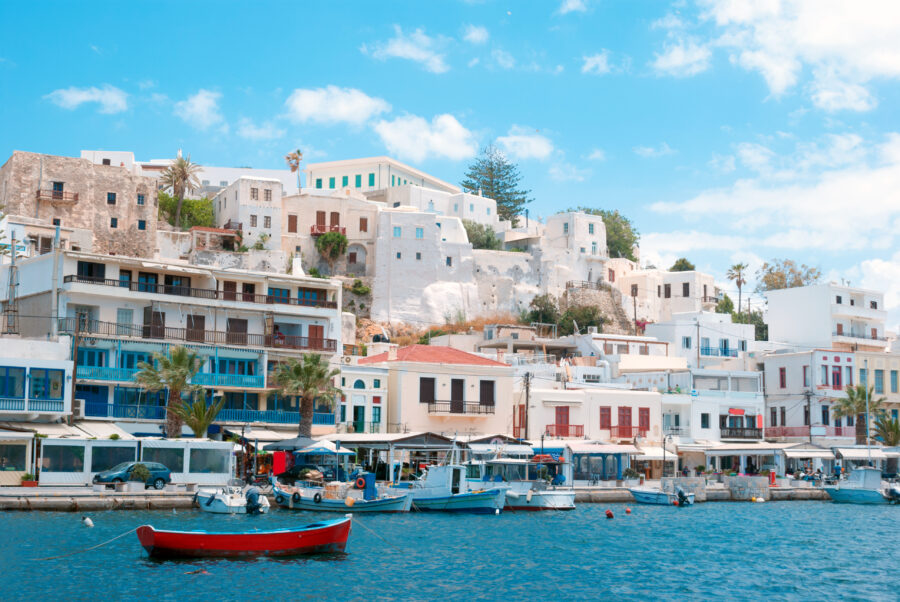
Paros has a small airport with mostly Athens flights during peak season. Naxos has its own airport too, but honestly, most people just take the ferry.
Ferries from Athens (Piraeus port) run daily to both islands. You can use Ferryhopper to check schedules and prices. Standard ferries take about 3-4 hours; high-speed catamarans are quicker—2-3 hours.
Between Paros and Naxos, ferries go multiple times a day and the ride is just 45 minutes to an hour. Super easy to split time between both islands. If you travel in May or late September, you’ll dodge the crowds and save money, but ferry schedules might thin out a bit.
Book your ferry tickets at least a week ahead in summer. Last-minute? You might end up standing or missing your preferred time.
Exploring by Car, Bus, and Water Taxi
Renting a car gives you the most freedom. On Paros, you’ll reach places like Drios, Aliki, Marpissa, and Piso Livadi without hassle. Roads are decent and parking isn’t too bad outside the main towns. On Naxos, a car gets you to mountain villages like Chalki and Filoti.
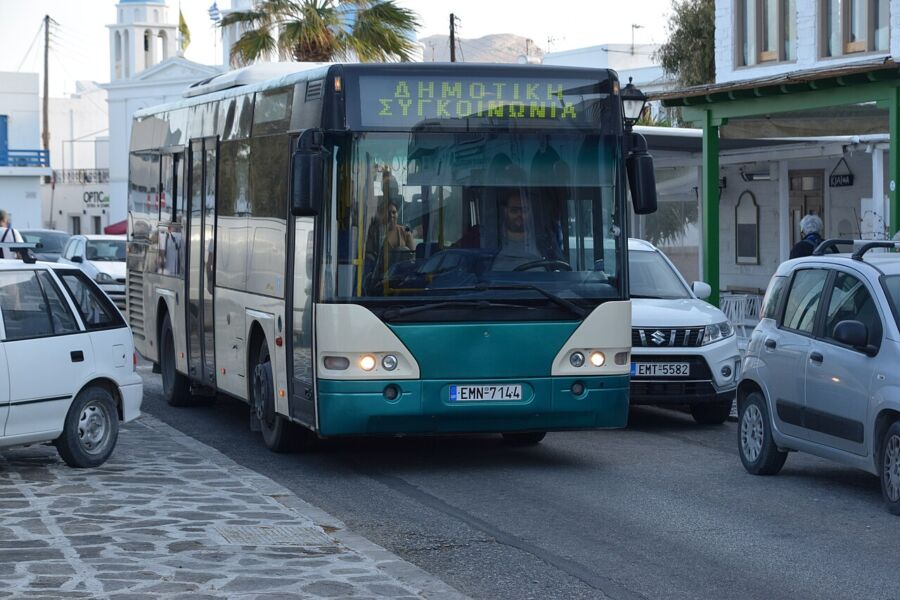
Public buses work fine if you’re sticking to main beaches and towns. Both islands have decent bus networks, but schedules can be limited, especially in the afternoon.
Water taxis add a romantic touch. On Paros, you can catch boats from Parikia or Naoussa to hidden coves. Antiparos is just a quick ferry away and makes a nice day trip. Some water taxis even drop you at a secluded beach and return later to pick you up.
Island Hopping and Day Trips Nearby
Paros and Naxos make great bases for exploring the Cyclades. From Paros, you can day-trip to Antiparos (10 minutes by ferry) or hop on a boat to Koufonisia.
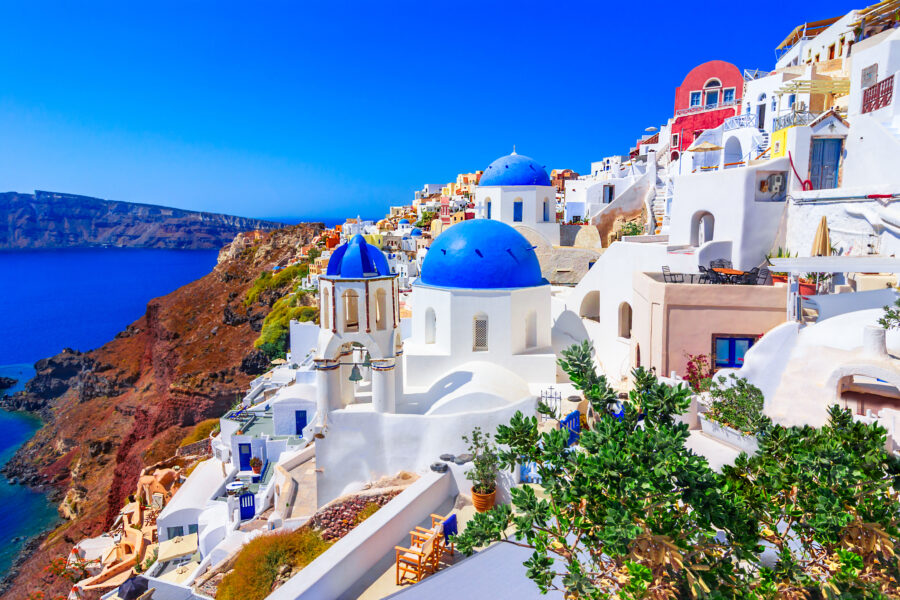
Santorini is 2-3 hours south by ferry—probably better as an overnight than a rushed day trip. Mykonos is about an hour north from both islands. Ios, with its beaches and nightlife, is 1-2 hours away, depending on the ferry.
From Naxos, you can reach smaller islands like Amorgos (about 2 hours), Sifnos, or Folegandros. Milos is a bit further—expect 3-4 hours on the ferry. Many couples piece together a mini island-hopping adventure: Athens → Paros → Naxos → Santorini, then back to Athens.
Book your stays separately on each island. Day-tripping everywhere just eats up your time. Plus, sunsets feel different on every island.
See Related: Most Stunning Churches in Greece to Visit
Frequently Asked Questions

Planning a romantic trip brings up a lot of questions, especially when you’re choosing between two stunning Greek islands. Paros and Naxos both offer couples everything from quiet beach moments to cultural discoveries and dinners under the stars.
What romantic adventures can couples embark on when visiting either Paros or Naxos?
Paros lets you try windsurfing at Golden Beach or take a sunset cruise around the island. You can check out the marble quarries near Marathi or rent a scooter to explore hidden coves along the coast.
Naxos is a hiker’s dream. The trail up Mount Zeus takes about two hours and gives you sweeping Aegean views. You could also take a cooking class in a mountain village like Apiranthos.
Both islands are perfect for beach hopping. On Naxos, spend your morning at Agios Prokopios and head to the quieter Orkos Beach in the afternoon. Paros makes it easy to switch between swimming at Santa Maria and Kolymbithra and trying out local tavernas.
Which island offers the most idyllic and secluded beaches for honeymooners seeking privacy?
Naxos is the clear winner for secluded beaches. The island is bigger, and even in July, you’ll find long stretches of coastline with barely anyone around. Plaka Beach goes on for miles—walk south and you’ll have sand and sea all to yourself.
Alyko Beach sits inside a protected nature area with cedar trees and sand dunes. No bars, no crowds—just peace.
Paros has smaller beaches that fill up faster in peak season. But if you head to the north near Naoussa, Kolymbithra gives you a bit more space. The eastern side of Paros is windier and less developed, so you might luck out with a quiet spot there too.
Are there exclusive couple’s retreats or luxury accommodations that cater to a romantic escape in Paros or Naxos?
Paros has a bunch of boutique hotels in Naoussa and Parikia. You’ll find places with private pools, spa services, and sunset terraces. Many are adults-only, which keeps things calm.
Naxos offers some charming boutique hotels in Chora, especially near the old castle. These often sit in restored Venetian mansions with thick stone walls and lots of character.
Both islands have seaside villas if you want true privacy. On Naxos, you can rent a villa near Plaka or Agia Anna, right on the beach. Paros has similar options around Naoussa and Santa Maria, but they’re usually pricier.
Smaller hotels on both islands often give you more personal service than big resorts. Owners remember your name and share local tips you’d never find in a guidebook.
What are the unique gastronomic experiences for celebrating an anniversary or special occasion on these islands?
Paros offers wine tastings at Moraitis Winery, where you can sample wines made from volcanic soil grapes. There are also several fine dining restaurants in Naoussa serving creative takes on Greek classics. You can book a table right on the harbor and watch fishing boats come in while you eat.
Naxos is all about local products. The island makes its own graviera cheese, unique-tasting potatoes, and Kitron—a citrus liqueur made only here. You can visit a distillery and try different types of Kitron, from clear to dark amber.
Both islands have mountain village tavernas where the food feels completely different from the coast. In Naxos, check out Halki or Apiranthos for meals made with local ingredients. On Paros, Lefkes has similar spots with incredible views.
For something extra special, a few restaurants on both islands will set up a private dinner on the beach—just you, a table in the sand, candles, and a custom menu.
Can you describe the cultural or traditional experiences that are tailored for couples in Paros or Naxos?
Naxos has the Portara, that massive marble doorway standing alone by the sea. It’s the spot everyone wants for sunset photos, and honestly, there’s something genuinely romantic about standing there while the sky shifts from gold to pink. Up in the old town, you can wander through Venetian castle ruins and duck into narrow streets that somehow stay cool even during the hottest days.
Paros is known for the Panagia Ekatontapyliani church, dating back to the 4th century. Supposedly, it’s got 99 visible doors and one mysterious hidden one. If you catch an evening service, the Byzantine architecture and the candlelight create this kind of unforgettable, almost otherworldly vibe.
You’ll find pottery workshops on both islands where couples can try their hand at traditional techniques. Local craftspeople teach the classes, and honestly, it gets a little messy but it’s a good laugh. Sometimes you even end up with something worth packing in your suitcase.
The local markets, usually set up in the main towns, are worth a slow morning. You can taste olives, pick up handmade soap, and chat with vendors who’ve been there for ages. These markets aren’t really aimed at tourists, so the experience feels refreshingly real.
What is the best time of year to visit Paros or Naxos for a tranquil and intimate getaway?
May and early June bring warm weather, but you won’t see the crowds that flood in during July and August. By mid-May, the sea feels good enough for swimming, and hotel prices haven’t spiked yet. Most places have opened their doors by then, unlike April, when some spots still feel a bit sleepy after winter.
September? Honestly, that’s my favorite. The water’s warmer than in June, and there’s this golden glow to the light—photos just pop. With Greek families back to school, the beaches clear out. Hotels start dropping prices after mid-September, which is a nice bonus.
October can work if you don’t mind evenings that get a little chilly. You’ll probably want a jacket at dinner, but the days stay pretty pleasant. Some beach tavernas start shutting down by late October, though the main towns still have a buzz. It’s about as close as you’ll get to having the islands to yourself.
I’d skip late July and August unless you really thrive in crowds and don’t mind paying top euro for everything. Sure, ferries run more often, but beaches get jammed and you pretty much have to reserve every meal and lounge chair. Plus, the meltemi winds hit hardest in August—honestly, they can make beach days a bit of a hassle.