

Last modified September 19, 2025
Rügen and Bornholm are just a short ferry ride apart in the Baltic Sea, but honestly, they couldn’t feel more different. One gives you Germany’s largest island—think chalk cliffs and classic seaside resorts—while the other is Denmark’s “sunshine island,” dotted with round churches and rugged, rocky coasts.
If you’re stuck choosing, here’s the quick-and-dirty: Rügen is bigger, easier to get to, and more developed. Bornholm? It’s more remote, quieter, and has that unmistakable Scandinavian vibe.
You can actually hop a direct ferry from Sassnitz on Rügen to Bornholm in just over three hours. I’ve done it myself—cycling along Rügen’s endless beaches one day, then getting lost among Bornholm’s medieval ruins the next. The contrast is so stark, and honestly, that’s what makes this combo such a rare treat.
Key Takeaways
- Rügen is bigger, easier to reach, and more developed
- Bornholm is smaller, quieter, and feels way more Scandinavian
- Ferry links mean you could explore both in one trip
Location And Accessibility

Rügen and Bornholm both float in the Baltic Sea, but their connections to the mainland couldn’t be more different. Rügen is tied tightly to Germany, while Bornholm is a Danish outpost, reachable by ferry or flight.
Geographical Position

Rügen is Germany’s largest island, just off the Baltic coast of Mecklenburg-Vorpommern. Thanks to the Rügen Bridge and the old causeway, you can literally drive straight onto the island—no ferry needed.
That land connection makes Rügen feel less remote than most islands. Bornholm, though, sits further out in the Baltic, east of Denmark and actually closer to Sweden and Poland than Copenhagen. Its location gives it a more isolated, almost mysterious air.
You can’t drive there; you’ll need a ferry or a short flight. If you’re into sailing, both islands are popular Baltic Sea stops. Bornholm especially draws sailors cruising between Sweden, Poland, and Denmark, thanks to its central spot.
Nearest Major Cities

Stralsund is Rügen’s closest major city—it’s basically the front door to the island. From there, you can hop on a train or just drive across the bridge.
Berlin is about three hours away by car, which isn’t too bad if you’re coming from the capital. Hamburg’s within reach, too, though it’ll take a bit longer.
Bornholm? No big city right next door. Copenhagen is the main hub, but unless you fly, it’s a bit of a trek.
Malmö and Ystad in Sweden are actually closer, which is why so many travelers catch the ferry from Ystad. That fast ferry to Rønne zips across in just over an hour.
This is a big difference: Rügen feels like an easy weekend add-on from Germany, while Bornholm takes a bit more planning and commitment to reach.
Transportation Options

Getting to Rügen is a breeze. You can drive, take a train, or even hop on a bus. The island’s got solid rail links with German cities, and once you’re there, local trains and buses connect the towns.
If you’re flying in, you’ll probably land in Berlin, Hamburg, or maybe Rostock, then continue by road or rail. Bornholm’s options are a bit more varied. You can fly straight into Bornholm Airport from Copenhagen and a handful of other cities—KAYAK or Skyscanner make booking easy.
Ferries are the other main route: from Ystad in Sweden, from Køge near Copenhagen, or from Sassnitz on Rügen. The Sassnitz–Rønne route runs all year and takes about 3.5 hours, so it’s a practical link between the two islands.
If you’re staying overnight before or after your trip, you’ll easily find hotels and rentals near the main ferry ports or airports. That’s super handy, especially if you’re catching an early boat or flight.
Rügen wins for sheer convenience. Bornholm, though, feels like the kind of place where the journey is half the fun. It just depends on whether you want easy access or don’t mind a few extra steps for somewhere a little more off the grid.
See Related: Breathtaking Best Beaches in Europe (With Hidden Gems!) 🏖️
Ferry Connections Between Rügen And Bornholm
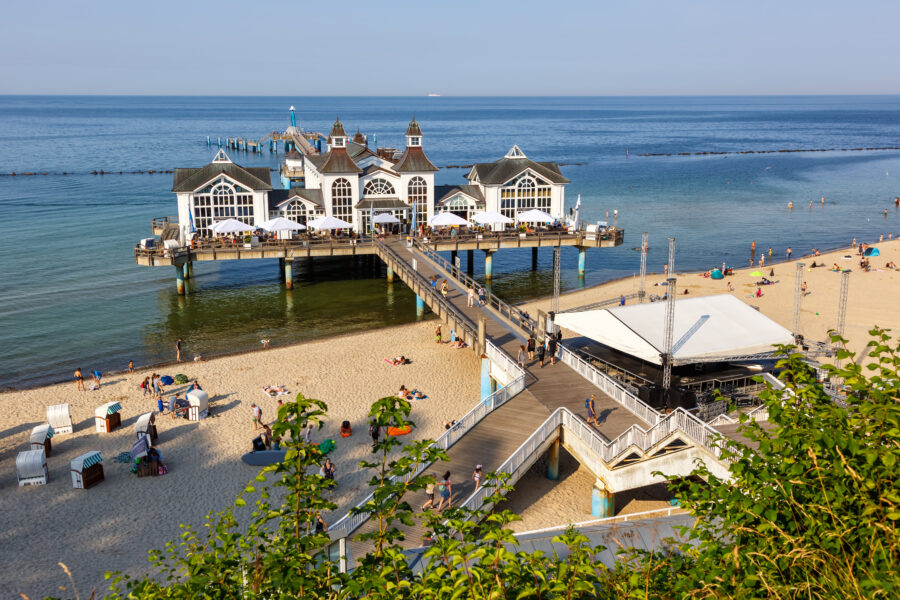
If you’re thinking about hopping between Germany’s Rügen Island and Denmark’s Bornholm, ferries make it easier than you might think. The crossing links Sassnitz on Rügen with Rønne on Bornholm, run by Bornholmslinjen all year with both car and passenger ferries.
Sassnitz to Rønne Route

The main connection runs from Sassnitz (Neu-Mukran Port) on Rügen to Rønne, Bornholm’s biggest town. This route has been the classic link between Germany and Denmark for ages, and it’s the most direct way to reach Bornholm from Germany without detouring through Sweden.
The port at Sassnitz is set up well for travelers. You can roll on with your car or board as a foot passenger, though, honestly, most people drive. The port connects easily by road and rail, so if you’re coming from Berlin or Hamburg, it’s a straightforward trip to the ferry.
Once you arrive in Rønne, you’re right in the heart of Bornholm. Buses, bikes, and rental cars are all ready to help you reach the island’s beaches, fishing villages, and hiking trails.
Bornholmslinjen Services

Bornholmslinjen operates the ferries, and they’ve put newer, comfier ships on the route compared to the clunky old ones I remember. You can book your car on board or just grab a pedestrian ticket.
You won’t need a cabin—crossings are during the day—but you’ll find lounges, cafés, and plenty of places to crash out for a bit.
Prices jump in summer when Bornholm fills up with holidaymakers from Denmark and Germany. If you travel in spring or autumn, you’ll save some cash and probably have a quieter crossing.
Booking early is smart, especially if you’re bringing a car in peak season. Like with cheap tickets for flights, ferry prices creep up if you wait too long.
Travel Times and Schedules

The crossing between Sassnitz and Rønne takes about 3½ hours. It’s not the fastest way to Bornholm (that’s the high-speed ferry from Ystad in Sweden), but it’s the most direct if you’re already in northern Germany.
Schedules change with the seasons—more sailings in summer, fewer in winter. Sometimes there’s only one daily departure in the off-season, so check ahead before you plan.
Usually, you can leave Sassnitz in the morning and get to Rønne by early afternoon. That gives you enough daylight to settle into your hotel or maybe stroll the coast before dinner. For a lot of travelers, that timing just works.
Alternative Travel Routes To Bornholm

If you’re not starting from Rügen, you’ve got a couple of other solid ways to reach Bornholm. These routes go through Sweden and Denmark, and each has its own vibe—one might fit your plans better than the direct German link.
Ystad to Rønne Ferries

The ferry from Ystad in southern Sweden to Rønne is by far the most popular. Bornholmslinjen runs it year-round, with both standard and high-speed options.
The fast ferry does the trip in about 1 hour 20 minutes; the regular one takes closer to 2.5 hours.
I’ve done this route myself, and it’s super smooth. You can get to Ystad easily by train from Copenhagen or Malmö, and the station is just a short stroll to the ferry terminal.
- Travel time: 1h 20m (express) / 2h 30m (standard)
- Operator: Bornholmslinjen
- Destination: Rønne, Bornholm’s main port
The ferries are set up for both cars and foot passengers. If you’re cycling, this is probably the easiest crossing. And you can grab a coffee onboard and just watch the Baltic roll by—honestly, it’s a relaxing ride.
Køge to Rønne Night Ferry

The Køge to Rønne route is a slower overnight option, and that’s kind of the charm. The ferry leaves from Køge, just south of Copenhagen, and sails overnight to Bornholm.
You board in the evening, settle into a cabin (or a reclining seat if you’re on a budget), and wake up as you’re pulling into Rønne.
I like this one because it saves you a night in a hotel. It’s practical if you’re traveling with a car, since you can drive straight off the ferry when you dock.
- Travel time: about 5.5 hours
- Operator: Bornholmslinjen
- Schedule: Evening departure, morning arrival
The night ferry isn’t fancy, but it’s efficient. Bring your own snacks or grab something onboard. I did this trip once in the middle of summer, and it felt almost like a mini cruise—quiet, steady, and with that little sense of adventure you only get from traveling overnight by sea.
Island Size And Landscape

Rügen and Bornholm both float in the Baltic, but their landscapes and scale couldn’t be more different. One sprawls with broad stretches of land and varied coasts; the other is compact, rugged, and feels almost sculpted by nature.
Area Comparison
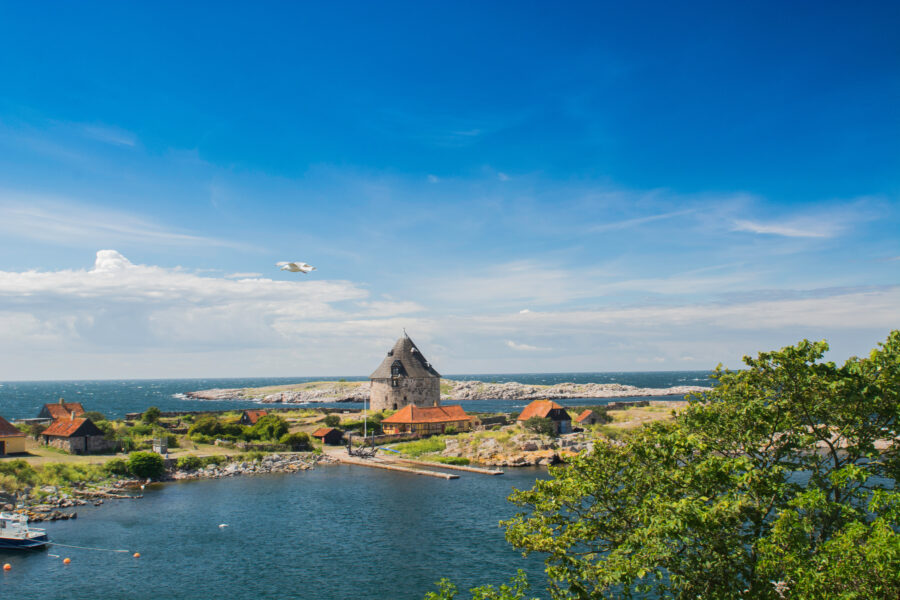
On paper, Rügen is the heavyweight—it covers about 926 square kilometers and is Germany’s largest island. Its quirky shape means long peninsulas and sheltered bays, so it feels even bigger when you’re exploring by bike or car.
Bornholm is smaller, at 588 square kilometers. It’s still a decent size, but you can get a sense of the whole island in a short trip. You could drive around it in a day, which makes it feel more approachable and contained.
Here’s a quick size comparison:
| Island | Area (sq km) | Country |
|---|---|---|
| Rügen | 926 | Germany |
| Bornholm | 588 | Denmark |
On Rügen, you might spend hours just exploring one peninsula. On Bornholm, you can cover a bunch of landscapes in a single afternoon.
Natural Scenery

Rügen’s landscape? It’s a wild patchwork of chalk cliffs, sandy beaches, lagoons, and beech forests. The white cliffs of the Jasmund Peninsula shoot up over the Baltic, and you’ll find them tucked inside a UNESCO-listed national park.
You get these endless beaches too—Binz and Prora just keep going, perfect if you’re the type who likes to wander along the water for ages.
Bornholm, meanwhile, feels smaller but packs in bold contrasts. Up north, it’s all about granite cliffs and rocky headlands. Down south, suddenly you’re on broad dunes and soft sandy beaches like Dueodde.
The middle of the island? Think forests, round churches, and fishing villages that somehow still keep their old-school charm alive.
Honestly, I always feel like Rügen invites you to slow down and soak in each spot, while Bornholm almost dares you to bounce from cliffs to dunes to harbor towns before dinner. Bornholm has this energy—like a tiny version of the Baltic, all packed together but never dull.
See Related: Exploring Germany in 7 Days: An Itinerary of Castles, Culture, and Cuisine
Cultural And Historical Highlights

You can touch history on both Rügen and Bornholm. Medieval churches, castles, and museums full of artifacts? They’re everywhere, each island offering its own take on the Baltic’s tangled past.
Architectural Landmarks

On Rügen, you’ll spot seaside resorts mixed with older Gothic buildings. Sure, the chalk cliffs at Jasmund get all the attention, but towns like Putbus—with those neoclassical squares—stick in your mind.
I once wandered through Bergen auf Rügen and stumbled onto the old monastery ruins. For a second, I felt like I’d time-traveled back to medieval Germany.
Bornholm throws a curveball with its round churches. Nowhere else in Denmark has anything like these 12th‑century fortresses-turned-churches.
And then there’s Hammershus Castle, a cliff‑top ruin that once kept watch over trade routes. Standing up there, wind in your face, you get why people fought so hard for this spot.
If you’re short on time, I’d say: hit Bornholm’s churches and Hammershus, and on Rügen, don’t miss Putbus or those grand seaside villas in Binz. The contrast in styles really tells you a lot about the islands’ histories.
Museums and Heritage Sites

Both islands have museums that dig deep into their roots. In Rønne, the Bornholm Museum covers everything from Stone Age tools to World War II. It’s not exactly flashy, but it’s packed with stories.
Rügen’s museums are smaller, but honestly, the island itself feels like a living heritage site. You’ll stumble onto open‑air spots tied to its Slavic and Germanic past.
Some travelers get really into Rügen’s role in German identity—people have called it a mythic site of Germany. If you’re into cultural context, that’s worth a look.
I always feel Bornholm is more hands‑on, with real artifacts and archaeology. Rügen? It leans into symbolism and national stories. If you’re a museum fan, Bornholm’s probably your pick. If you love landscapes that tell a story, Rügen will win you over.
Travel Experiences And Activities

You won’t run out of things to do on Rügen or Bornholm, trust me. Whether you’re chasing nature, food, or local traditions, each island has its own pace.
Outdoor Adventures
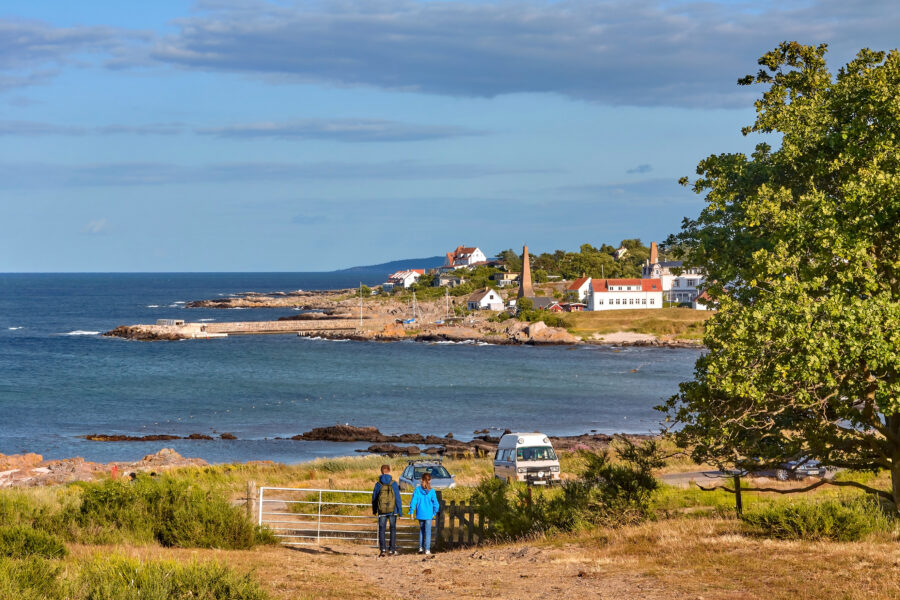
Rügen is basically a dream for landscape lovers. The chalk cliffs in Jasmund National Park steal the show, and the forest trails leading there? They feel straight out of a movie.
Cycling is huge here too. You’ll cruise through fishing villages, hit beaches, and roll past farmland.
Bornholm might be smaller, but it’s just as packed with adventure. Hike the rugged coasts, kayak at sunset, or mash up a bike tour with a Baltic Sea cruise.
The round churches and castle ruins you pass make every hike feel like a story unfolding.
If you’re a planner, booking outdoor tours with Viator or GetYourGuide saves you from last-minute stress. Handy if you’re like me and hate standing around with a map, looking lost.
Culinary Specialties

Food is where these islands get personal. Rügen serves up hearty German classics—smoked fish, potato pancakes, and pickled herring.
The seaside towns have these cozy little restaurants, and the menus change with the day’s catch.
Bornholm? It’s all about smoked fish too, especially herring from the old-school smokehouses in Svaneke. I tried it with rye bread and mustard—way better than it sounds, honestly unforgettable.
The island’s craft beer scene surprised me, with local breweries that make for a fun (and tasty) afternoon.
Markets are a must. In summer, Svaneke’s market overflows with cheeses, jams, and handmade stuff. You don’t just eat—you get a feel for how laid-back and community-driven the place is.
Seasonal Events

Summer is festival season, no way around it. Rügen puts on classical concerts in old venues, plus a seaside theater that’s surprisingly good even if German isn’t your thing.
They celebrate harvest time with food fairs, so you can taste what’s in season.
Bornholm goes for arts and crafts. Glassblowers, ceramicists—they open up their workshops during festivals, and it’s a blast to see.
If you’re into cycling, join one of the organized rides looping through villages and along the coast. The whole island feels like it’s throwing a party.
Don’t write off winter, though. Both islands slow down, but that’s half the appeal. You’ll find cozy cafés, Christmas markets, and empty trails just waiting for you.
Just bring the right travel gear if you’re braving the off-season.
See Related: Best Places to Visit in Europe This Year
Frequently Asked Questions

Rügen and Bornholm both have strong personalities shaped by their history, culture, and wild nature. Look a little closer and you’ll spot differences in their myths, food, and even the way people live.
What are the historical highlights that distinguish Rügen Island from Bornholm?
On Rügen, you’ll run into Slavic history, especially at the old Jaromarsburg fortress at Cape Arkona—a major pagan cult site back in the day.
The island also has Prora, that massive Nazi-era seaside resort, which still gets people talking.
Bornholm’s story heads in another direction. Those medieval round churches are something else—built for worship and defense.
Hammershus, the biggest castle ruin in Northern Europe, sits on a cliff and just dominates the view.
Can you compare the cultural significance of mythology on Rügen Island and Bornholm?
Rügen connects deeply to Slavic mythology, with legends of gods like Svantevit worshipped at Arkona. The local folklore still hints at those pagan roots.
Bornholm, meanwhile, leans toward Norse myths and Christian stories. The churches and folk tales blend Viking traditions with later religious twists.
What are the unique natural attractions to visit on Rügen Island and Bornholm?
Rügen is all about those white chalk cliffs in Jasmund National Park. Walking along the cliff trails gives you epic Baltic views. You’ll also find untouched beaches and beech forests that feel a bit magical.
Bornholm mixes rocky coasts with fine sandy beaches. Add in granite quarries, a few waterfalls, and Almindingen forest—one of Denmark’s biggest woodlands—and you’ve got a lot to explore.
How does the population and community life contrast between Rügen Island and Bornholm?
Rügen, as part of Germany, has bigger towns and more seasonal visitors. Resorts like Binz and Sellin get pretty lively in summer.
Bornholm feels more close-knit and slower-paced. Fishing villages and local crafts still shape daily life, and you can sense the community ties everywhere.
What are the travel options when planning a trip from Berlin to either Rügen Island or Bornholm?
From Berlin, you can hop on a direct train to Rügen in about four hours. Driving works too, thanks to bridges linking the island to the mainland.
To reach Bornholm, many travelers pass through Sassnitz on Rügen, then catch a ferry to Rønne—about three and a half hours on the water. If you’re hauling bags, luggage storage near stations and ports makes life easier.
How do the local cuisines of Rügen Island and Bornholm compare in terms of traditional dishes?
On Rügen, you can’t miss the smoked fish—herring and eel are everywhere you look. Locals love their hearty German-style fare, and you’ll find plenty of potato-heavy meals and regional sausages on menus all over the island.
Bornholm has a similar obsession with smokehouses, but honestly, the flavors feel so much more Danish. Smoked herring with rye bread and a raw egg yolk? That’s a Bornholm staple you’ve just got to try at least once.
If you’re thinking of staying a bit longer, you might want to check out travel insurance. Ferries and flights in the Baltic—well, the weather calls the shots more often than you’d expect.