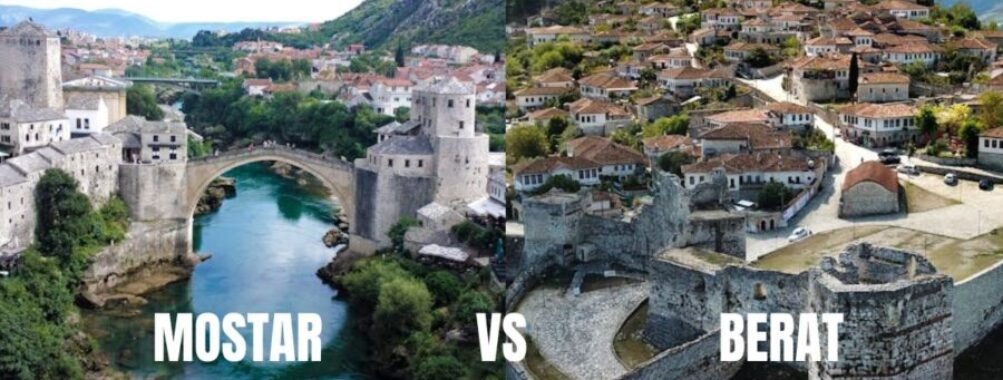
Mostar vs Berat: Ultimate Balkan Showdown for Culture Lovers
Updated September 3, 2025
Picking between Mostar in Bosnia and Berat in Albania honestly feels like choosing between two cousins: both grew up with Ottoman roots, but their personalities couldn’t be more different. Craving dramatic river views, that iconic stone bridge, and a city that’s been shaped by war and resilience? Mostar’s calling your name. But if you’re more into slow strolls, cobbled lanes, and whitewashed houses stacked up a hillside, Berat’s “city of a thousand windows” might just steal your heart.
Both are UNESCO-listed and dripping with history, but the experiences you’ll have couldn’t be more distinct. I’ve sipped coffee under Mostar’s Old Bridge, wandered Berat’s castle at sunset, and honestly, I still can’t decide which one lingers longer in my memory. The upside? Flights around here can be surprisingly cheap if you keep an eye out for good deals.
Table of Contents
- Key Takeaways
- Mostar vs Berat: Key Differences and Similarities
- Location and Accessibility
- UNESCO World Heritage Status
- Cultural and Historical Significance
- Exploring Mostar: Highlights and Hidden Gems
- Stari Most and the Old Town
- Neretva River and Scenic Views
- Bosnian Cuisine and Local Experiences
- Discovering Berat: The City of a Thousand Windows
- Berat Castle and Historic Quarters
- Mangalem and Gorica Neighborhoods
- Religious Sites and Museums
- Day Trips and Nearby Attractions
- Počitelj and Ottoman Heritage
- Kravice Waterfall Adventures
- Medjugorje Pilgrimage Site
- Travel Logistics: Getting Between Mostar and Berat
- Driving Routes and Scenic Stops
- Public Transport Options
- Border Crossings and Travel Tips
- Historical Context: Wars, Empires, and Modern Identity
- Ottoman and Byzantine Influences
- Legacies of the Bosnian War
- Preserving Heritage in the Modern Era
- Frequently Asked Questions
- What unique architectural styles can be observed in Mostar and Berat?
- How do the historical backgrounds of Mostar and Berat compare?
- Can you highlight the must-visit cultural heritage sites in Mostar and Berat?
- What are the notable differences in the local cuisine between Mostar and Berat?
- Could you suggest the best times of year to visit Mostar and Berat for favorable weather?
- What are some lesser-known but fascinating attractions in Mostar and Berat?
- Book Your Dream Experience
- More Travel Guides
Key Takeaways
- Mostar and Berat both flaunt their Ottoman roots, but wow, they feel different
- Each city’s got its own highlights, and you’ll want to walk everywhere
- Traveling between them takes a bit of planning, but you can totally do it
Mostar vs Berat: Key Differences and Similarities
Mostar and Berat are both historic Balkan gems, famous for deep cultural roots and that unmistakable Ottoman-era architecture. Sure, they’re both on UNESCO’s list, but the vibe? Totally different—shaped by geography, how easy they are to reach, and the stories their streets still whisper.
Location and Accessibility

Mostar sits down in southern Bosnia and Herzegovina, about two hours by train from Sarajevo. Honestly, the train ride itself is a highlight—mountains, turquoise rivers, the works. If you’re bouncing over from Croatia, Mostar is a super doable side trip, especially if you’re staying in Dubrovnik.
Berat, meanwhile, nestles in central Albania, surrounded by hills and the Osum River valley. You’ll probably get here by bus from Tirana—it’s about two hours, give or take. Albanian roads can be slow, so factor in some extra time if you’re city-hopping.
The two aren’t exactly neighbors—342 km apart—so unless you’re doing a big Balkan loop, squeezing both into one trip is a stretch. Mostar fits nicely into Bosnia or Croatia itineraries, while Berat really shines as a main stop in Albania.
UNESCO World Heritage Status

Both cities have that UNESCO badge, though for different reasons. Berat snagged its spot thanks to those unique Ottoman houses climbing the hillside—hence the “City of a Thousand Windows.” Wandering its neighborhoods, you feel like you’ve stepped into a living museum, with stone houses, mosques, and churches all jumbled together.
Mostar made the list because of the Old Bridge. Destroyed in the 1990s war, then rebuilt, it stands as a symbol of reconciliation. The bridge and Old Town ooze centuries of Ottoman influence, and honestly, it’s one of the most photogenic places in the Balkans.
So, Berat’s all about continuity—Ottoman architecture that’s stood the test of time. Mostar? It’s renewal and resilience, all wrapped up in a single, stunning bridge. Both cities tell powerful stories, just in their own way.
Cultural and Historical Significance
Berat feels like a story of coexistence. You’ll wander past mosques, Byzantine churches, and Ottoman houses, all within a stone’s throw. Families still live inside the castle walls, so it never feels like a museum—more like a neighborhood with a killer view.
Mostar’s history hits different. The Bosnian War left deep scars, and you can still see reminders everywhere. The Old Bridge now stands for unity, but the city still carries the weight of its divided past. Even the bridge-jumping tradition ties back to old local customs.
In Berat, history layers itself gently, blending together. In Mostar, the past and present sometimes clash. Both are stunning, but the feelings they stir up? Not quite the same.
Exploring Mostar: Highlights and Hidden Gems
Mostar in Bosnia & Herzegovina is where Ottoman history meets jaw-dropping scenery and a food scene that’s both familiar and full of surprises. You’ll wander between old bridges, turquoise rivers, and little cafés where time seems to slow down.
Stari Most and the Old Town
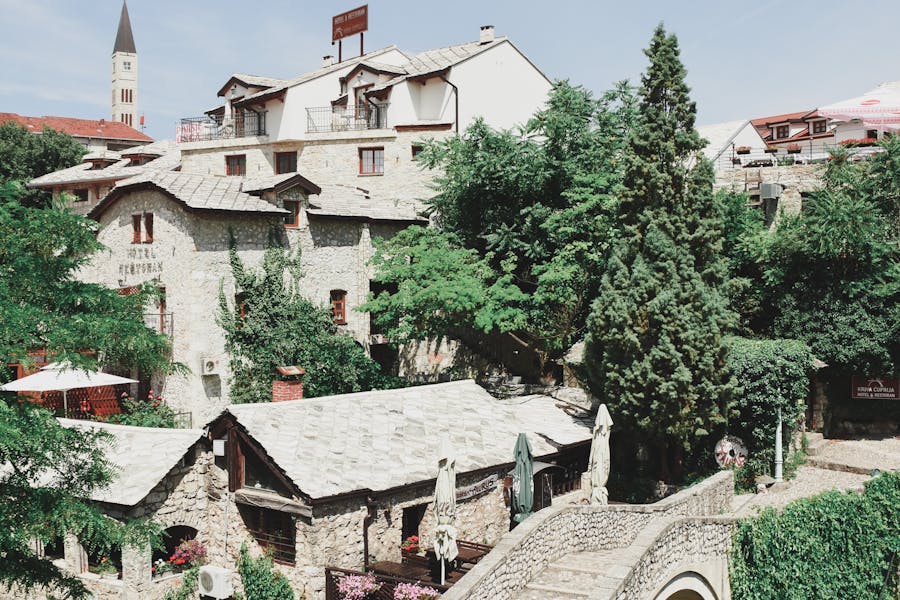
At the heart of Mostar is Stari Most, the Old Bridge. Built in the 16th century, then rebuilt after the war, it’s so much more than a crossing—it’s the city’s soul. Stand on it and you get killer views of the Neretva River and those red-roofed houses.
I once watched local divers leap from the bridge into the freezing water below. It’s a tradition that’s both terrifying and mesmerizing. Probably not something I’d try, but hey, it’s wild to watch.
The Old Town? It’s a maze of cobblestones, with market stalls selling copperware, rugs, and ceramics. There’s also the Crooked Bridge, a pint-sized version of Stari Most tucked away on a quiet street. It’s perfect if you’re after a photo without the crowds.
If you’re a history buff, check out the Museum of War and Genocide Victims. It’s heavy, but it adds a layer of understanding you just don’t get from the pretty streets alone.
Neretva River and Scenic Views

The Neretva River runs right through Mostar, and honestly, its turquoise color almost looks fake. Walk along the banks and you’ll find cafés perched over the water. I once spent an hour at a riverside spot, sipping strong Bosnian coffee and just watching the sunset paint the bridge gold. One of those moments that sticks with you.
For a killer view, climb the minaret at Koski Mehmed Pasha Mosque. The city spreads out below, the Old Bridge perfectly framed by mountains. It’s worth the climb, even if you’re a little out of breath.
If you’re itching for a quick escape, head to Blagaj Tekke. This Dervish monastery sits right at the source of the Buna River, tucked into a cliff. It’s peaceful and feels a world away from the buzz of the Old Town.
Bosnian Cuisine and Local Experiences
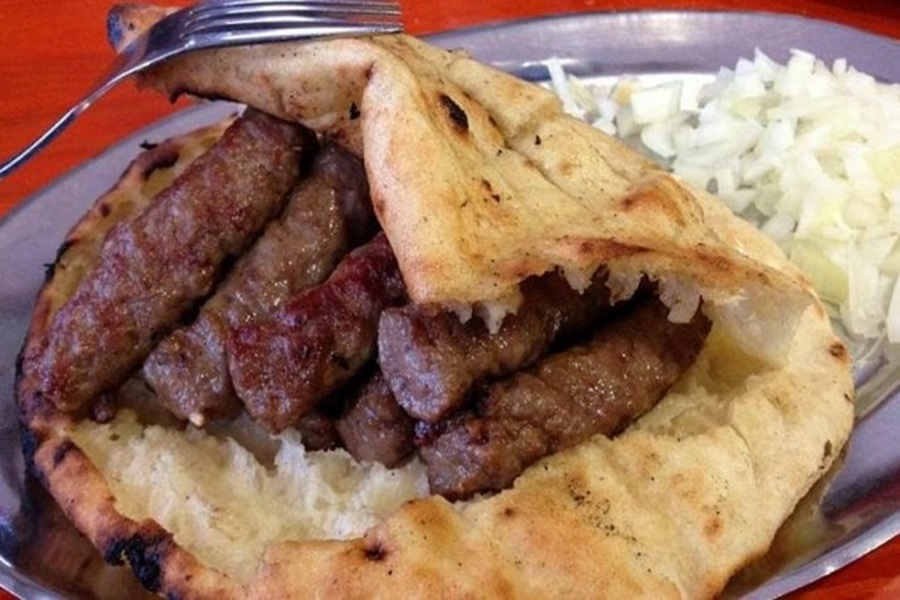
Mostar’s food is hearty and packed with flavor, with Ottoman and Mediterranean touches everywhere. Grab some čevapi—grilled sausages in warm flatbread—or sarma, which is cabbage stuffed with meat and rice.
For dessert, you can’t go wrong with baklava dripping with honey and nuts. I found my favorite at a tiny café near the bazaar, where the owner insisted I try it with rakija. It was strong—maybe too strong—but it worked.
Dining here is about the view as much as the food. Lots of restaurants hang right over the river, so you get dinner and a show. And don’t skip the Bosnian coffee, served in a copper pot with a sugar cube. It’s not just a drink—it’s a ritual.
Want to dig deeper? Wander the Old Bazaar and chat with the artisans. Many are happy to show off their metalwork or weaving. It feels more like connecting than just shopping.
For more offbeat ideas, check out cool and unusual things to do in Mostar—from climbing the Sniper Tower to hunting down hidden viewpoints.
Discovering Berat: The City of a Thousand Windows
Berat in Albania has this way of making history feel alive. Ottoman-era houses, stone alleys, and riverside views—it all feels like stepping back in time, but with locals going about their day all around you.
Berat Castle and Historic Quarters

Berat Castle towers above the city, and honestly, the walk up is half the fun. You wind past old walls and olive trees, the path cobbled and a little uneven. Once you reach the top, you’ll notice something cool—people still live inside the castle walls. You’ll see laundry hanging, kids playing, and snacks for sale, so it never feels frozen in time.
The view? Sweeping. The Osum River below, whitewashed houses climbing the hillsides. Inside the fortress, you’ll stumble on Byzantine churches, Ottoman homes, and tiny chapels tucked into corners. It’s not polished, but that’s the charm—Berat feels real.
If you’re in a rush, hit the main gate, the Church of St. Mary, and the panoramic viewpoints. Linger a little and you’ll spot carved doorways and fading frescoes that hint at centuries of stories.
Mangalem and Gorica Neighborhoods

Berat’s soul lives in its two neighborhoods: Mangalem and Gorica. They face off across the Osum River, linked by the 18th-century Gorica Bridge. Mangalem is the classic view—white Ottoman houses with big windows stacked up the hill, earning Berat its “City of a Thousand Windows” nickname.
Wandering Mangalem, you’ll notice the streets are narrow—sometimes more staircase than road. Houses lean close, and you can imagine neighbors chatting across balconies. Gorica, on the other hand, is quieter, with wider lanes and fewer tourists. From here, you get the best view of Mangalem, especially at sunset when the houses seem to glow.
Personally, I loved sitting in Gorica with a coffee, just watching the city go by. But for atmosphere, Mangalem’s winding alleys are irresistible. You really need both sides to get Berat’s full story.
Religious Sites and Museums
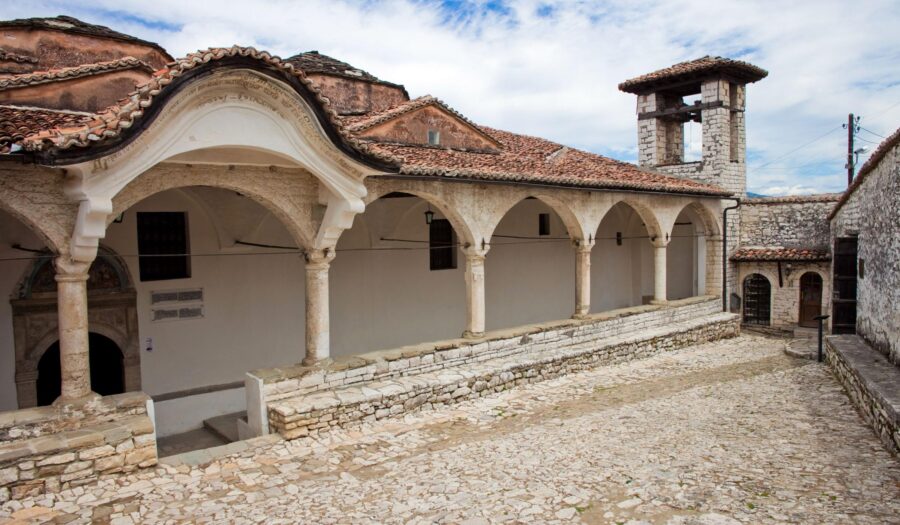
Berat’s always been a crossroads of cultures and faiths, and you see that best in its religious sites. Inside the castle, the Church of the Dormition of St. Mary hosts the Onufri Museum, filled with icons painted by the legendary 16th-century artist Onufri. Even if religious art isn’t your thing, the bold reds and golds are worth a look.
Down in town, you’ll spot the Lead Mosque and the King Mosque, both echoing Berat’s Ottoman past. They’re understated but elegant, and the cool, quiet interiors are a welcome break from the summer heat. I ducked into the King Mosque one afternoon and it was so peaceful, I almost forgot how busy the streets outside were.
The Ethnographic Museum is another gem. It’s tucked inside a traditional Ottoman house, packed with wood furniture, embroidered clothes, and household tools that feel both familiar and distant. It’s not huge, but it gives you a peek into everyday life centuries ago.
If you love places where history and daily life blur together, Berat delivers. Every corner has a story—sometimes it’s a centuries-old icon, sometimes it’s a family living behind those famous windows.
Day Trips and Nearby Attractions
Base yourself in Mostar or Berat, and you’ll quickly realize that the real magic often lies just beyond the city. Little villages, natural wonders, and spiritual sites are all within reach. Short trips here are easy to pull off, and honestly, they’re some of the most rewarding parts of any Balkan adventure.
Počitelj and Ottoman Heritage

If you’re into history, Počitelj just pulls you in. This hillside village south of Mostar feels like someone pressed pause a few centuries ago. Stone houses cluster along winding alleys, and a medieval fortress still keeps watch over the Neretva River.
The climb to the tower? It’s short, but trust me, your legs will feel it—and the view at the top is totally worth the huffing.
As you wander Počitelj, Ottoman-era architecture greets you at every turn. The Hajji Alija mosque and the old clock tower are obvious showstoppers, but honestly, I found myself lingering over the smaller things—arched doorways, those carved stone windows, little details that tell their own stories.
It’s like someone turned the whole village into a museum, except you don’t have to elbow your way through crowds.
You can see most of Počitelj in a couple of hours, so it’s easy to pair with nearby spots. If you’re not keen on driving, guided day trips on GetYourGuide often bundle Počitelj with waterfalls or monasteries.
Kravice Waterfall Adventures

Kravice Waterfall is a classic day trip from Mostar, and honestly, it deserves the hype. The falls spill over a wide limestone ledge into a turquoise pool that’s just begging you to jump in.
On a hot summer day, swimming at the base feels like the best decision you’ll make all week.
I’d pack water shoes—the rocks down there are pretty slippery. There are a few small cafes at the entrance, but don’t expect anything fancy. It’s more about grilled meat, fries, and cold drinks.
If you’re up for it, rent a kayak and paddle the calmer stretches of the river. It’s a fun way to see the falls from a different angle.
Driving from Mostar takes under an hour, but if parking stresses you out, tours are easy to book. I’ve used Viator before—booking ahead is smart, especially when the crowds hit in peak season.
Medjugorje Pilgrimage Site
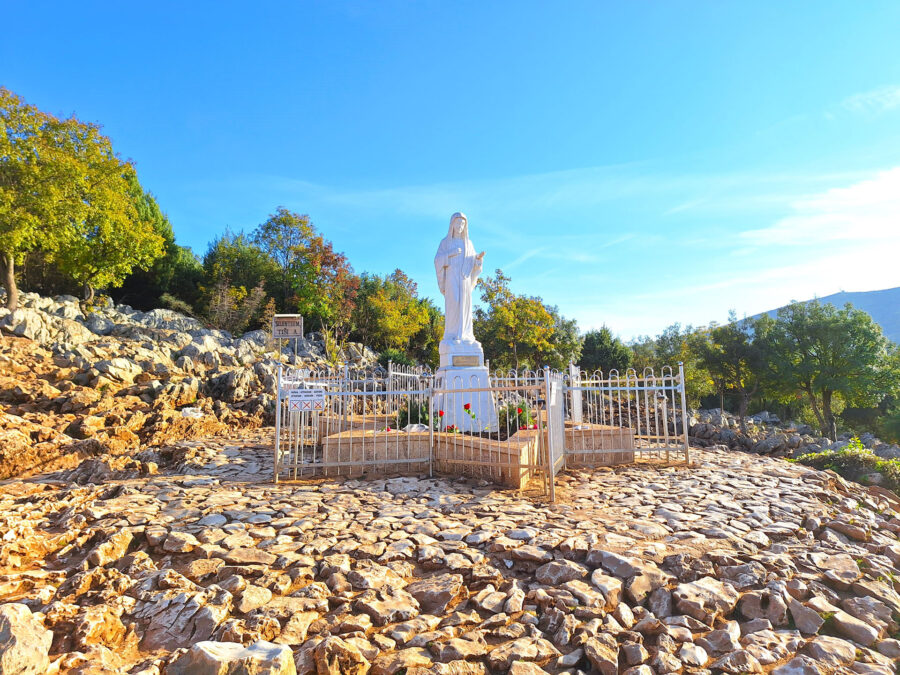
Medjugorje stands apart from the other day trips. It’s not about epic views or old buildings; it’s about faith. Ever since people reported seeing the Virgin Mary in 1981, the town has drawn Catholic pilgrims from all over.
Even if you’re not religious, it’s fascinating to watch how the town has shaped itself around this story.
Most people start at St. James Church, where daily Mass happens in several languages. From there, you can walk up Apparition Hill, a rocky path with bronze rosary reliefs marking the way.
The climb isn’t long, but the stones are sharp and uneven, so good shoes are a must.
What really got me was the hush that settles over the hill, even with so many people around. Some pray or sing, others just sit quietly. Whether you believe or not, there’s something powerful about the place.
It takes about 30 minutes to drive from Mostar, making it an easy half-day trip.
Travel Logistics: Getting Between Mostar and Berat
Getting from Mostar in Bosnia and Herzegovina to Berat in Albania isn’t exactly straightforward. No direct trains, no flights. You’ll have to pick between driving, buses, or maybe a private transfer, depending on your priorities and patience.
Driving Routes and Scenic Stops
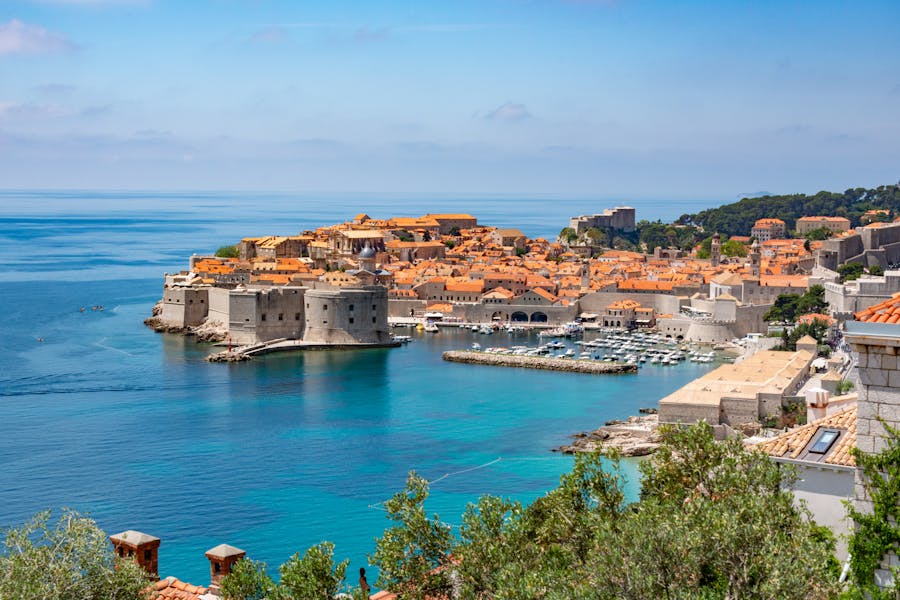
If you love a good road trip, driving gives you the most freedom. Plan for about 7–8 hours on the road, though border waits and traffic can stretch that.
You’ll probably pass through Montenegro or coastal Croatia, which means you can work in some pretty great pit stops.
A lot of travelers swing through Dubrovnik before heading south along the Adriatic, then cutting inland toward Albania. Dubrovnik is just a couple of hours from Mostar, so it’s an easy detour.
On the Albanian side, Tirana is a popular stop before you reach Berat.
Some folks also add Kotor or Budva in Montenegro to their list—both are small enough for a quick visit. If you’re coming from Croatia, you might start in Split and drive to Mostar first, since the Split to Mostar route is short enough for a day trip.
Renting a car gives you all the flexibility, and you can compare rates on KAYAK. Just check about drop-off fees if you’re returning the car in a different country.
Public Transport Options
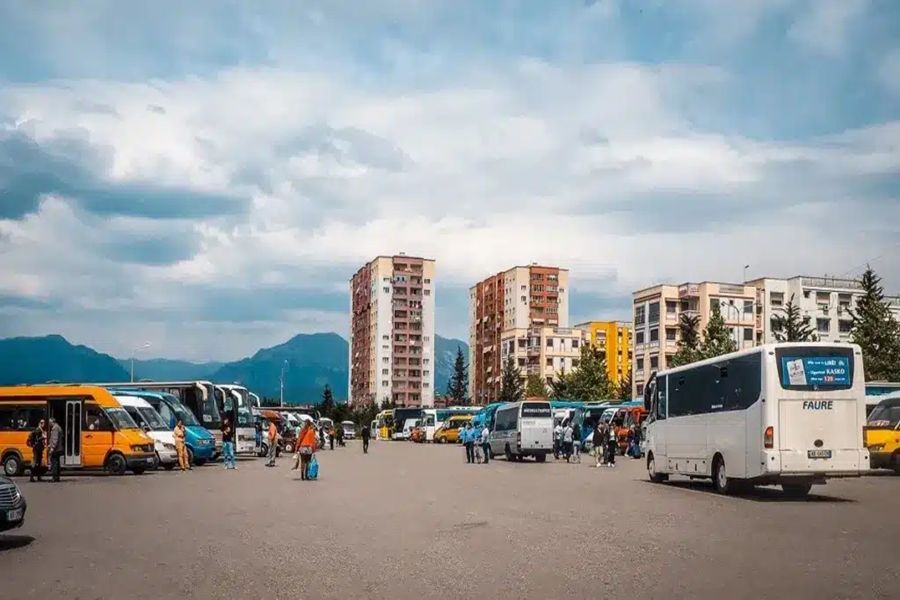
You can get there by public transport, but it’s not the most straightforward journey. No trains connect Mostar and Berat, so you’re looking at buses.
The cheapest (and most common) route is a bus through Montenegro, often via Budva. Expect 10–12 hours, depending on connections and border delays.
Usually, you’ll bus from Mostar to Podgorica or Tirana, then transfer to Berat. Schedules can be all over the place, so double-check before you head out.
It’s a long ride, but tickets start around $50–70 according to Rome2rio.
If you want less hassle, private transfers are an option, but they’re not cheap. Some companies let you add sightseeing stops along the way, which is a nice touch.
Flights aren’t really practical—you’d have to connect through cities like Sarajevo, Tirana, or Split, and by the time you factor in airport transfers, you won’t save much time. Still, you can check flights if you’re curious.
Border Crossings and Travel Tips

Crossing borders is the trickiest part of this route. You’ll hit at least two, sometimes three, depending on the path you take.
In summer, the Croatia–Montenegro crossing near Herceg Novi can get pretty backed up.
Always carry your passport and double-check visa requirements if you’re not from the EU or Balkans. Rental cars usually need a “green card” insurance slip for border crossings—don’t forget to ask for it when you pick up the car.
Bring a little local currency for each country, though euros work fine in Montenegro and parts of Croatia. If you’re planning to stay overnight, book ahead on Booking.com, especially in Dubrovnik or Kotor where rooms vanish fast in the summer.
And don’t skip travel insurance. Even for a road trip, it can save you a lot of headaches if things go sideways. You can compare travel insurance before you leave.
Historical Context: Wars, Empires, and Modern Identity
Mostar and Berat have both weathered centuries of shifting empires, wars, and rebuilding. Their identities today are tangled up in Ottoman legacies, the scars of conflict, and the ongoing effort to protect cultural heritage while figuring out what modern life looks like.
Ottoman and Byzantine Influences

Walking through Mostar’s cobbled streets, you can’t miss the Ottoman influence. The arches of the Old Bridge, the mosques dotting the skyline—they all whisper of the city’s past under Ottoman rule, which started in the late 15th century.
Later, Austro-Hungarian rule layered in some European flair, so you get this fascinating blend (read more).
Berat’s got a different vibe. Its roots go all the way back to the Byzantine era, with fortified walls and old churches that predate the Ottomans. When the Ottomans arrived, they added mosques, traditional houses, and lively bazaars—giving Berat that “city of a thousand windows” look.
I remember walking both cities and just feeling the contrast—Mostar is like a meeting point of East and West, while Berat feels more like a layered time capsule. You see how empires didn’t just conquer; they left fingerprints everywhere.
Legacies of the Bosnian War
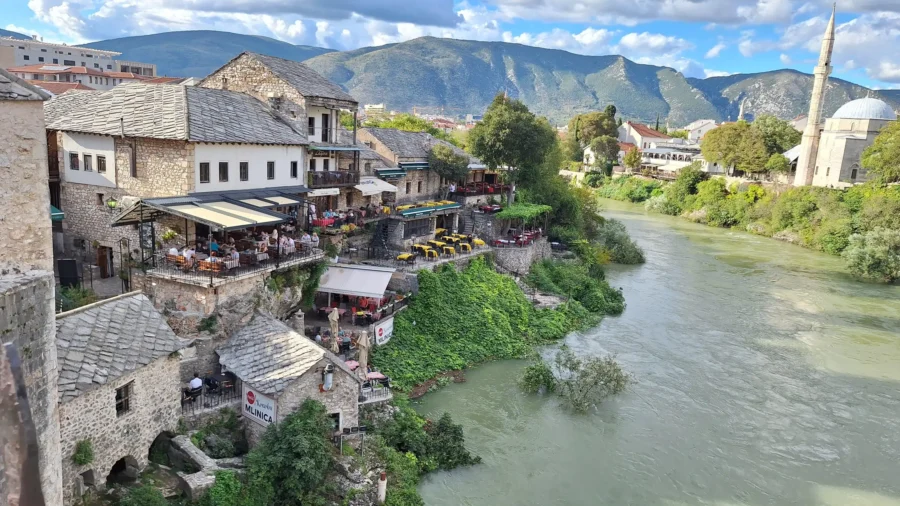
You can’t talk about Mostar without mentioning the Bosnian War (1992–1995). The city split along ethnic lines, and the destruction of the Old Bridge in 1993 became a symbol of loss around the world.
Some neighborhoods still show scars—look close and you’ll spot bullet holes in the walls.
If you want a sobering experience, visit the Museum of War and Genocide Victims. It’s not easy, but it gives real insight into what locals went through.
Berat’s story is different. The city didn’t face the same devastation in the 1990s. Instead, its struggles centered around Albania’s communist era, when religion was banned and culture tightly controlled.
It’s wild—Mostar rebuilt from war, while Berat emerged from isolation.
Preserving Heritage in the Modern Era
Both cities are still figuring out how to protect their past while moving forward. In Mostar, rebuilding the Old Bridge in 2004 was about more than tourism—it was a step toward healing.
Standing on it, you’re literally on top of a rebuilt identity, a bridge in every sense.
Berat, now a UNESCO World Heritage site, faces its own challenges. The Ottoman houses are gorgeous, but families still live in them, and maintenance isn’t cheap or easy.
Walk around and you’ll spot peeling plaster, uneven steps—signs that real life is unfolding inside these historic shells.
Tourism brings money, which helps with preservation, but too many visitors can wear down fragile sites. It’s a balancing act, and as a traveler, you’re part of that story whether you realize it or not.
Frequently Asked Questions
Traveling through the Balkans, you get to see how two cities with totally different backstories can both be completely captivating. The contrasts in architecture, food, and traditions jump out, but so do the little similarities—markets, rivers, old stone streets.
What unique architectural styles can be observed in Mostar and Berat?
In Mostar, Ottoman influence hits you right away. Narrow streets, mosques, and the famous Stari Most bridge all scream that era.
You’ll also spot Austro-Hungarian touches in some public buildings, which gives the city a layered look.
Berat’s known as the “City of a Thousand Windows,” and you’ll see why. The Ottoman-era houses seem to tumble down the hillside above the Osum River.
Wander through the Mangalem and Gorica quarters—those whitewashed homes with wooden balconies feel like they’re frozen in time.
How do the historical backgrounds of Mostar and Berat compare?
Mostar’s recent history is all about the Yugoslav wars of the 1990s. The destruction—and later rebuilding—of Stari Most became a symbol of resilience.
Before that, it thrived as a cultural crossroads under Ottoman and Austro-Hungarian rule.
Berat’s story goes much further back. Founded by the Illyrians, it grew under Byzantine and Ottoman control.
Its castle, still home to families, speaks to centuries of continuity. Unlike Mostar, Berat didn’t suffer modern destruction, so its layers of history feel more intact.
Can you highlight the must-visit cultural heritage sites in Mostar and Berat?
In Mostar, you just can’t skip the Old Bridge. Watching locals dive into the Neretva River is a rush.
The Koski Mehmed Pasha Mosque is another must—climb the minaret for a killer city view.
In Berat, Berat Castle steals the show. Inside, you’ll find Byzantine churches, tiny museums, and even homes where people still live.
The Onufri Iconography Museum is a highlight if you’re into religious art.
What are the notable differences in the local cuisine between Mostar and Berat?
Walk into Mostar and you’ll probably smell the smoky aroma of cevapi sizzling on the grill. Locals love these grilled meat sausages, and honestly, they’re hard to resist. Burek—those flaky pastries stuffed with cheese or meat—are everywhere, and if you skip them, you’re missing out.
Coffee? Oh, it’s a ritual here. People still make it the old Turkish way, and there’s something comforting about the whole process.
Berat, on the other hand, feels a little more down-to-earth at the table. Albanian classics like tave kosi, which is this hearty baked lamb and yogurt dish, show up all over. I’ve noticed river fish makes a regular appearance too. The food in Berat tends to lean rustic—think home-cooked, generous portions, and less focus on grilling compared to Mostar.
Could you suggest the best times of year to visit Mostar and Berat for favorable weather?
Mostar’s summers? Honestly, they can be brutal. July and August turn the city into an oven, and sightseeing gets tough.
If you want to wander without melting, spring and early autumn are your best friends. The weather’s gentle, and you’ll dodge the big crowds.
Berat’s climate isn’t too different, but it somehow feels less frantic even at peak times. Late spring and early fall hit that sweet spot—warm days, cool evenings, and you don’t have to elbow your way through tour groups.
What are some lesser-known but fascinating attractions in Mostar and Berat?
In Mostar, if you wander past the usual Old Town circuit, you might stumble upon the old Austro-Hungarian train station. It’s a bit forgotten, but honestly, it’s got a quiet charm that sticks with you.
You’ll also find some raw, moving war photo exhibits tucked away in side streets. These spots tell you stories the postcards never mention, and they linger in your mind long after you leave.
Over in Berat, I’d suggest hopping in a car and heading out to the Bogove Waterfall. It’s not crowded, and the water’s just ridiculously clear—good luck resisting the urge to dip your toes in.
Or maybe you’re up for a hike? Tomorr National Park is wild, rugged, and feels a million miles from city life.
If you’re anything like me and love poking around hidden corners, give the Gorica Quarter a shot. The tiny Orthodox churches there are peaceful, and honestly, it’s the kind of place where you might just want to slow down and wander without a plan.