10 Most Dangerous Places In Italy You Should Think Twice Before Visiting
Updated November 11, 2025
Italy dazzles you with art, food, and centuries of stories. But honestly, not every postcard-perfect spot feels safe once you’re on the ground.
Some cities hide risks behind their beauty—organized crime, pickpockets, and scams that surprise even seasoned travelers. Knowing where trouble tends to pop up lets you explore Italy with a little more confidence and a lot less worry.
You’ll find places that mix danger with allure. Bustling ports, ancient alleys, and neighborhoods that tug you between fascination and caution.
I’ve wandered through a few of these spots myself. Sometimes, curiosity wins out over caution, but it’s always a balancing act.
Table of Contents
- 10. Reggio Calabria – Strong presence of organized crime groups
- 9. Genoa – Harbor city with reports of theft and assault
- 8. Bari – Noted for gang conflicts and occasional violent outbreaks
- 7. Turin – Growing concerns over drug-related crimes
- 6. Palermo, Sicily – Frequent mafia-related activities
- 5. Naples – Known for organized crime and street violence
- 4. Florence – Increasing cases of pickpocketing in crowded areas
- 3. Rome – Popular tourist hub with rising petty theft incidents
- 2. Milan – Leading city in Italy for reported violent crimes
- 1. Catania, Sicily – Notorious for high crime rates near Mount Etna
- Understanding Safety Risks in Italy
- Natural Hazards and Environmental Factors
- Urban Versus Rural Safety Considerations
- Seasonal Variations in Danger
- Practical Tips for Staying Safe While Traveling
- How to Prepare for Unexpected Situations
- Local Emergency Resources and Contacts
- Frequently Asked Questions
- What factors contribute to a city being classified as dangerous in Italy?
- Which Italian cities have the highest crime rates for tourists?
- Are there specific neighborhoods in Naples that are considered particularly unsafe?
- How does Milan’s safety compare to other major Italian cities?
- What precautions should tourists take when visiting Italy’s less safe areas?
- During which times of the year is it advised to be extra cautious while traveling in Italy?
- Book Your Dream Experience
- More Travel Guides
10. Reggio Calabria – Strong presence of organized crime groups
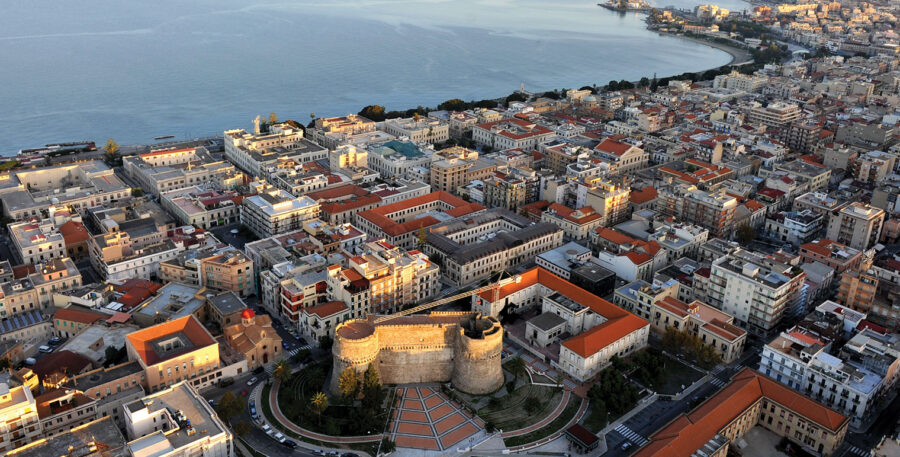
Reggio Calabria sits at Italy’s southern tip, right across from Sicily. The sea views are stunning, and the vibe feels warm and relaxed.
But there’s a reputation here that keeps some travelers on edge. The local mafia, the ’Ndrangheta, still casts a long shadow.
Life moves slower, more traditional, almost closed off to outsiders. Locals are friendly but careful about what they discuss.
I once chatted with a café owner who quickly changed the subject when I brought up organized crime. People just don’t go there.
What makes it dangerous for travelers:
- The ’Ndrangheta’s influence in local affairs
- Petty theft and scams aimed at tourists
- Not enough police in some neighborhoods
- Economic struggles leading to higher petty crime
Still, Reggio Calabria has its charms. The Lungomare Falcomatà seafront gives you sunsets over Sicily that are hard to beat.
You can check out the National Archaeological Museum and see the Riace Bronzes. Or drive into the Aspromonte mountains for quiet villages and wild views.
It’s a place of contrasts—beauty and tension living side by side.
9. Genoa – Harbor city with reports of theft and assault

Genoa doesn’t always make the list of “dangerous” Italian cities, but it has its rough patches. The old port and twisting alleys are charming by day but can feel uneasy once the sun sets.
I remember wandering near the docks one evening and realizing how quickly the crowds thin out after dark. It’s got that edge.
You’ll see a mix of locals, tourists, and dock workers around the harbor. That blend can attract opportunists looking for easy targets.
Stories about stolen bags or phones in crowded markets or train stations pop up often.
What makes it risky for travelers:
- Pickpocketing in busy spots like Piazza De Ferrari and the old town
- Assaults near nightlife areas or empty port streets
- Scams that catch tourists off guard
Even so, Genoa’s harbor is fascinating. Stroll along Porto Antico, visit the aquarium, or grab fresh focaccia from a tucked-away bakery.
Just keep your bag close and stay sharp after sunset. You’ll still get to enjoy that gritty charm.
8. Bari – Noted for gang conflicts and occasional violent outbreaks
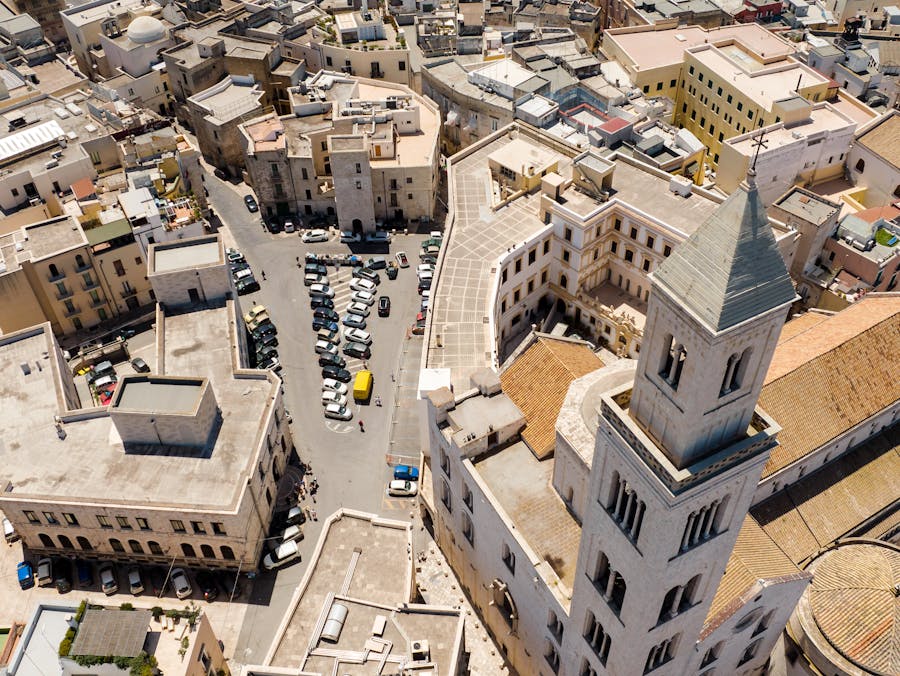
Bari, the capital of Puglia, mixes seaside beauty with a bit of tension.
Sunny waterfronts and a lively old town make it look like a film set. But the city deals with issues tied to organized crime and gang rivalries.
Locals often mention the northern districts, where police have cracked down on rival groups. Most tourists won’t see this side, but it’s there.
Walking through Bari Vecchia feels beautiful and gritty all at once. The mood can shift from one street to the next.
What makes Bari risky for travelers:
- Gang clashes in some northern neighborhoods
- Petty theft and pickpocketing in busy tourist areas
- Late-night activity around the port and train station
Bari’s old town leads you to the Basilica di San Nicola, a peaceful spot even when the city buzzes outside.
Stroll the seafront promenade or stop for focaccia at a bakery that’s older than your grandparents. Just stay alert, especially at night, and you’ll see why locals love this complicated city.
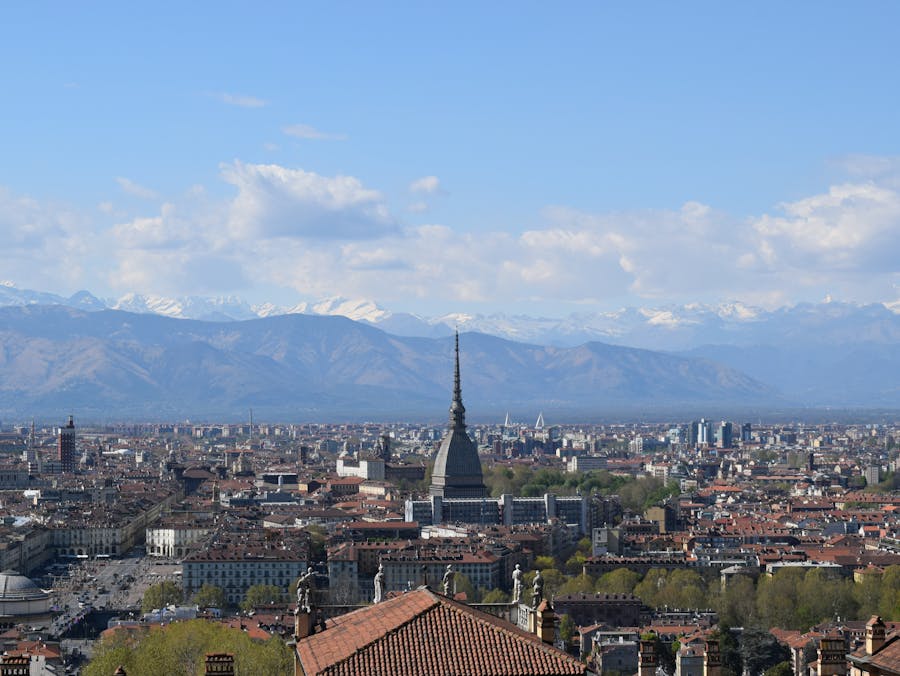
Turin might surprise you. It’s a northern city framed by the Alps, famous for chocolate, Fiat, and elegant piazzas.
But lately, locals have noticed more drug-related crimes and petty theft, especially near transport hubs and nightlife spots.
I remember walking near Porta Nuova station one night—busy, loud, and just a touch edgy. That tension makes you hold your bag a little tighter.
It’s not unsafe everywhere, but it’s one of those cities where awareness really pays off.
What makes it risky for travelers:
- Pickpocketing and bag-snatching around train stations and tourist areas
- Drug activity in nightlife zones and outer districts
- Scams that target visitors new to the city
Turin’s best spots still shine: Piazza Castello, the Mole Antonelliana, and the cafés along Via Po.
Baroque elegance meets industrial grit here, which gives the city personality. Stay in central neighborhoods like Crocetta or Quadrilatero Romano for a safer, lively experience.
If you keep your wits about you, Turin rewards you with history, art, and that unmistakable northern Italian energy.
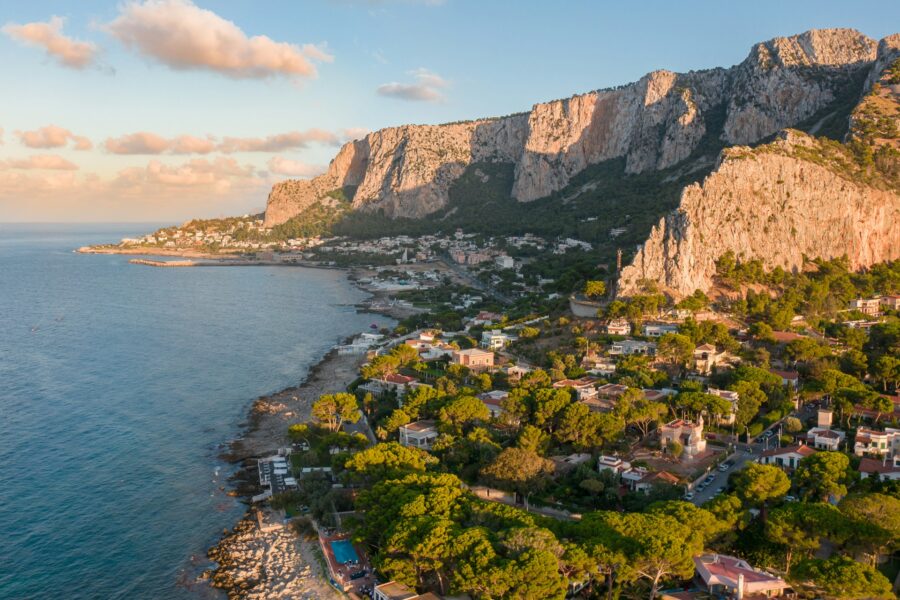
Palermo wears its history on every wall. Grand old buildings, lively markets, and narrow streets whisper stories of the past.
But the Sicilian mafia still lingers in the background, even if it’s less visible than before.
Locals say the city feels safer now, but organized crime hasn’t disappeared. Police carry out raids against Cosa Nostra, and corruption sometimes surfaces in politics and business.
It’s part of the city’s complex identity—beautiful and proud, but not without scars.
What makes Palermo dangerous for travelers:
- Mafia-related violence and organized crime activity
- Petty theft and scams in crowded tourist areas
- Some neighborhoods feel less safe at night
- Corruption and local tensions can affect safety sometimes
Palermo’s energy is strongest at Ballarò Market, Quattro Canti, and the historic Teatro Massimo.
Wander the old city, eat fresh cannoli, and listen to locals chatting in Sicilian dialect. Palermo is vivid, noisy, and unforgettable—even if it’s a little rough around the edges.
5. Naples – Known for organized crime and street violence

Naples just can’t shake its reputation. You’ve probably heard about the Camorra, the city’s infamous criminal network.
Most travelers never see it directly, but the shadow lingers in certain parts, especially beyond the tourist zones.
Walking through Naples can feel chaotic—scooters zipping by, loud voices bouncing off the walls, and a kind of raw energy that’s both thrilling and a bit unsettling.
I’ve walked those streets, and while I never felt truly threatened, I did keep my bag close and my phone tucked away.
Tourists usually stay safe if they stick to main areas and trust their instincts. Pickpocketing and petty scams happen fast, especially in crowded places like train stations and buses.
What makes Naples risky for travelers:
- Pickpocketing in busy markets and public transport
- Street fights or petty theft in poorer districts
- Scams near major attractions
- Nighttime safety concerns in some outer neighborhoods
If you visit, base yourself around the historic center or the waterfront near Chiaia or Vomero. These areas feel lively but not tense.
Locals avoid wandering deep into Scampia or Secondigliano at night—and you probably should too. Naples rewards curiosity, but you’ll enjoy it most if you stay alert and move with confidence.
4. Florence – Increasing cases of pickpocketing in crowded areas
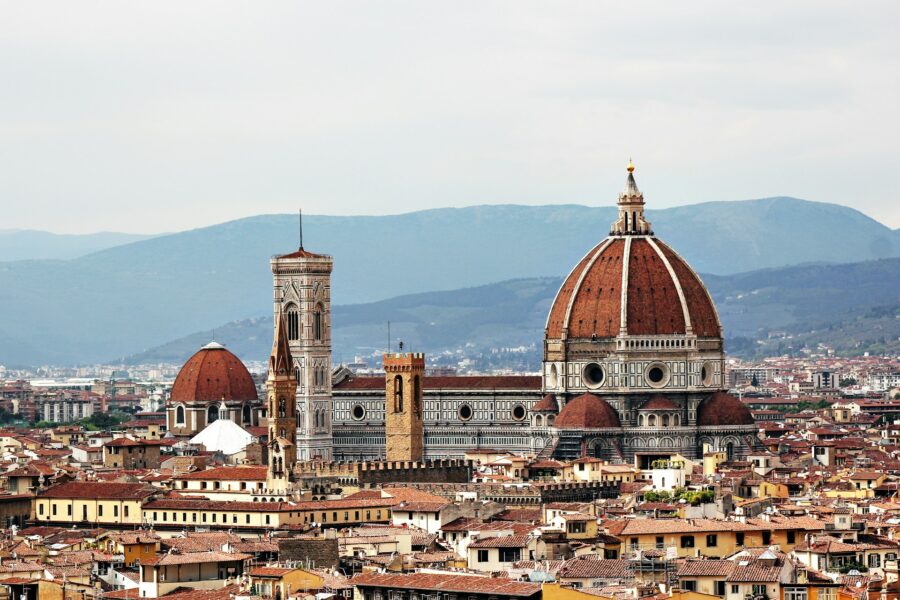
Florence is all art, architecture, and gelato—but lately, it’s gained a less flattering reputation.
Pickpocketing has shot up, especially in 2025, with reports doubling over previous years. The city ranks high for quality of life, but also for petty theft.
You’ll spot it most in crowded areas—Piazza del Duomo, the Uffizi, Ponte Vecchio. I’ve seen it: a tourist distracted by a street performer, and suddenly their wallet’s gone.
It happens fast, and you don’t even notice until it’s too late.
Why it’s risky for travelers:
- Pickpockets work in small, organized groups
- They target busy tourist spots and public transport
- Distraction tricks are common—someone might “bump” into you or ask for directions
- Open bags or phones in back pockets are easy targets
Florence’s historic center is pure beauty—marble facades, narrow lanes, hidden trattorias. But the same crowds that make it lively also make it easy for thieves to blend in.
Stay alert, keep your stuff close, and you’ll enjoy Florence without trouble.
3. Rome – Popular tourist hub with rising petty theft incidents
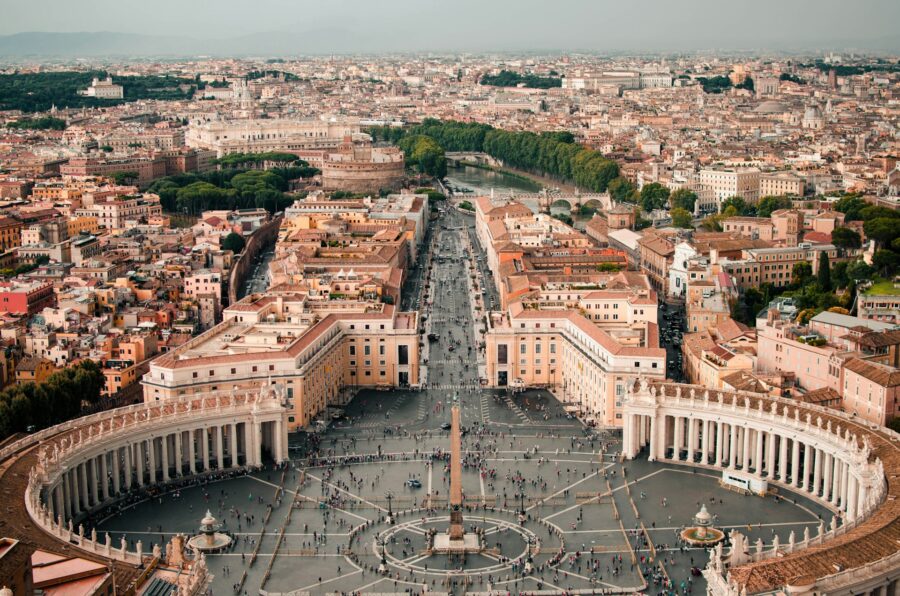
Rome draws millions every year, and it’s easy to see why. Ancient ruins, grand piazzas, and café-lined streets create a dream for travelers.
But with all that beauty comes a less charming side—petty theft, especially in crowded tourist zones, keeps rising.
You’ll spot it most around the Trevi Fountain, Termini Station, and the Vatican.
I’ve seen it on the number 64 bus—a tourist glued to their phone while a pickpocket slips away. It’s quick, and most people don’t notice until it’s too late.
What makes Rome risky for travelers:
- Busy landmarks like Trevi Fountain and the Colosseum attract skilled pickpockets
- Public transport—especially buses and trains—are theft hotspots
- Thieves often work in groups using distraction
- Tourists carrying cash or valuables in open bags are easy targets
Rome remains incredible to explore. You can still wander Trastevere’s cobbled lanes or watch sunset from Gianicolo Hill.
Just keep your belongings close, stay sharp in crowds, and you’ll see why this chaotic, beautiful city keeps pulling people back.
2. Milan – Leading city in Italy for reported violent crimes
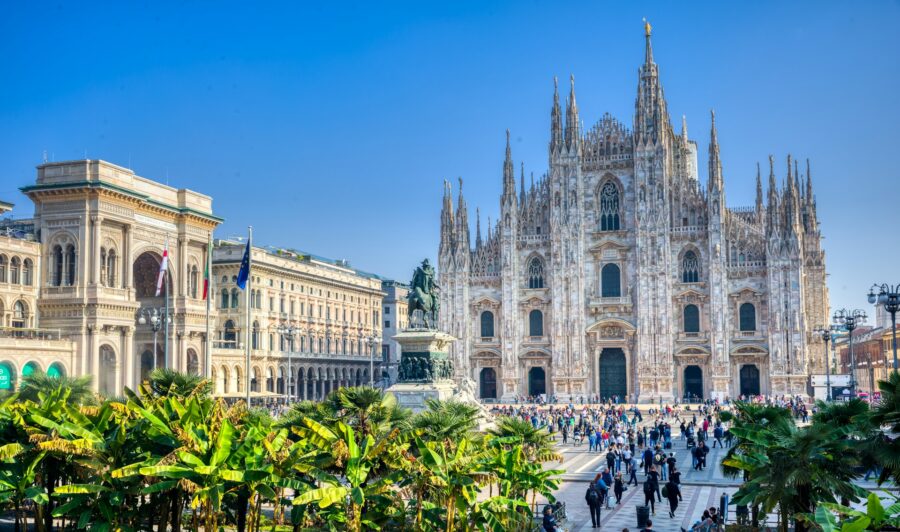
Milan might surprise you. It’s Italy’s fashion and finance capital, but it also tops the list for reported crimes.
The city’s pace, crowds, and wealth attract all kinds of petty and organized offenders. I’ve walked through Milan dozens of times, and while it feels lively and modern, you do notice the pickpockets near tourist areas.
Central Station and the Duomo square are classic spots where travelers get distracted by the buzz and forget to watch their belongings.
- High rate of thefts and muggings, especially in central areas
- Scams targeting tourists around major landmarks
- Occasional violent incidents near nightlife zones
- Bag-snatching on public transport and crowded trams
Milan’s beauty and energy make it hard to resist. You’ll find grand architecture, world-class art, and stylish cafés everywhere.
Stroll through Brera’s narrow streets, admire the Duomo’s marble spires, or relax by the canals in Navigli. Just keep your bag zipped and your phone tucked away, and you’ll enjoy Milan safely.
1. Catania, Sicily – Notorious for high crime rates near Mount Etna
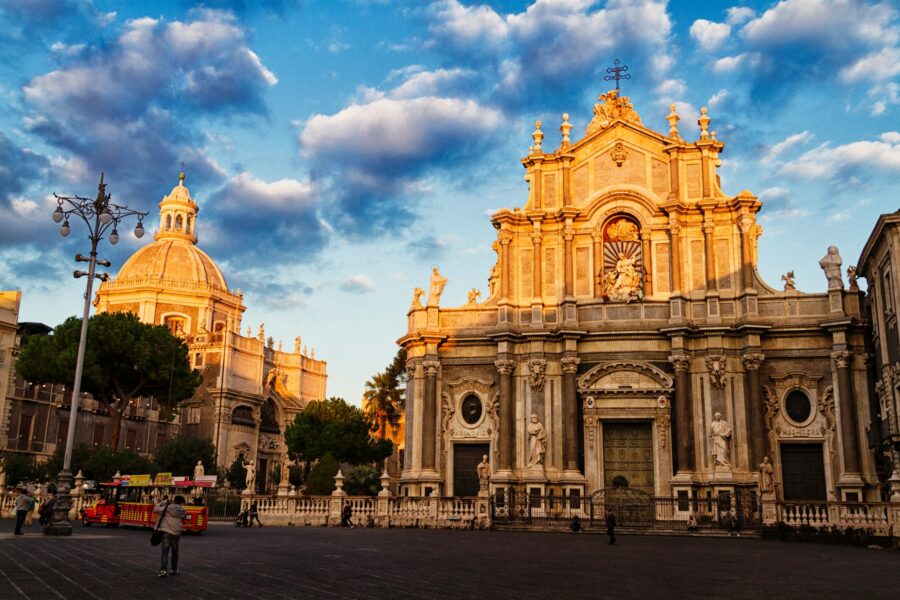
Catania sits on Sicily’s eastern coast, right under the shadow of Mount Etna. It’s a lively city with baroque buildings, noisy markets, and that raw, southern energy that makes Italy so fascinating.
But you’ll also notice a rough edge here—especially if you wander off the main streets late at night. I remember walking through the old fish market one evening and feeling that mix of charm and caution.
Locals were friendly, but you could sense the city’s struggles just beneath the surface. It’s not a place to let your guard down completely.
Travelers often mention pickpocketing, petty theft, and scams targeting tourists. Some neighborhoods near the train station and outer districts feel less safe after dark.
You’ll want to stay alert, stick to well-lit areas, and keep valuables close.
What makes it dangerous for travelers:
- High rates of petty theft and pickpocketing
- Scams aimed at tourists in busy areas
- Riskier neighborhoods near the station and outskirts
- Limited police visibility in some zones
Catania itself is beautiful—its Piazza del Duomo, ancient Roman theater, and views of Mount Etna are unforgettable. The city buzzes with energy, street food stalls, and a nightlife that stretches into the early morning.
Just take basic precautions, and you can still enjoy the authentic Sicilian experience without too much worry.
Understanding Safety Risks in Italy
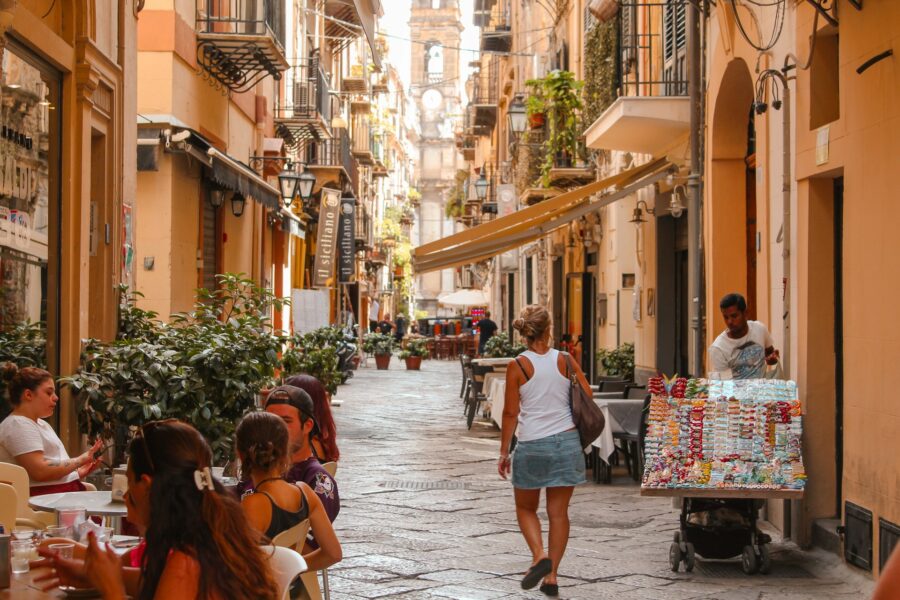
Italy’s beauty sometimes hides real risks that travelers should understand before exploring. From sudden floods and volcanic activity to small crime spikes in crowded cities, knowing what to expect helps you stay safe and relaxed during your trip.
Natural Hazards and Environmental Factors
Italy’s geography makes it prone to several natural hazards. The country sits on multiple fault lines, so earthquakes—especially in central and southern regions—aren’t rare.
I still remember visiting L’Aquila years after a major quake; locals spoke about how quickly life can change in a single night. Volcanic areas like Mount Vesuvius near Naples and Mount Etna in Sicily remain active.
Authorities monitor them closely, but you should always follow local alerts. Even hiking near these sites requires checking weather and safety updates.
Flooding and landslides can also disrupt travel, particularly in autumn. Venice, for instance, experiences acqua alta, when tides flood streets and squares.
If you’re driving through the Alps or Apennines, heavy rain can trigger road closures. It’s wise to pack waterproof shoes and stay flexible with your plans.
Urban Versus Rural Safety Considerations
Italy’s cities and countryside offer very different safety experiences. In large cities like Rome, Milan, and Naples, petty theft is the main concern.
Pickpockets often target distracted tourists in train stations or crowded buses. I’ve learned to carry my bag across my chest and avoid pulling out cash in public.
In contrast, rural areas tend to feel calmer, but they come with their own issues. Some remote mountain villages have limited emergency services, and road conditions can be tricky after dark.
If you rent a car, make sure it’s insured and keep your fuel tank full—gas stations close early in smaller towns.
| Setting | Common Risks | Safety Tips |
|---|---|---|
| Urban | Pickpocketing, scams | Keep valuables secure, stay alert in crowds |
| Rural | Poor lighting, limited help | Plan routes ahead, carry essentials |
Seasonal Variations in Danger
Italy’s risks shift with the seasons. In summer, heatwaves can be intense, especially in southern cities like Palermo or Bari.
Dehydration and sunburn sneak up fast when you’re sightseeing all day. Always carry water and rest in shaded areas.
Winter brings different challenges. Northern regions face icy roads and snowstorms, while coastal towns can experience strong winds and rough seas.
I once got stranded overnight in Liguria after a storm canceled ferries—lesson learned: always check forecasts before day trips. Spring and autumn are generally milder, but heavy rainfall can cause flash floods or mudslides in hilly areas.
If you’re hiking or driving through mountain passes, stay tuned to local weather bulletins. A little preparation saves a lot of stress when the weather turns unpredictable.
Practical Tips for Staying Safe While Traveling
Traveling through Italy can be smooth and enjoyable when you plan ahead. Staying aware of your surroundings, knowing how to respond to emergencies, and keeping key contacts handy can make a big difference if something unexpected happens.
How to Prepare for Unexpected Situations
Start by researching each city you plan to visit. Some areas, like parts of Naples or Rome’s Termini station, have higher rates of petty theft.
Keep valuables out of sight and use a crossbody bag that zips shut. I always carry a small money belt under my clothes—it’s not stylish, but it works.
Make copies of your passport, ID, and travel insurance. Store one digital copy in a secure cloud folder and another paper copy in your hotel safe.
If your bag disappears, you’ll still have proof of identity. A small first-aid kit can help with minor scrapes or blisters from long walks on cobblestones.
And don’t forget travel insurance that covers medical care and theft—it’s worth every euro if something goes wrong. Lastly, learn a few Italian phrases like “Aiuto!” (Help!) or “Dov’è l’ospedale?” (Where is the hospital?).
Locals appreciate the effort, and it can save time when you really need assistance.
Local Emergency Resources and Contacts
Keep a quick-reference list of emergency numbers. The European emergency number 112 works anywhere in Italy for police, fire, or medical help.
You can also reach the local police (Carabinieri) directly at 112 and medical emergencies at 118. If you lose your passport, contact your embassy or consulate right away.
Most major embassies have offices in Rome and consular branches in Milan or Florence.
| Service | Number | Notes |
|---|---|---|
| General Emergency | 112 | Works across Italy |
| Medical Assistance | 118 | Ambulance or urgent care |
| Fire Department | 115 | For fires or rescues |
| Tourist Police | 113 | English-speaking officers in main cities |
Hotels and hostels usually post local contacts at reception—snap a photo of that list before heading out. And if you’re ever unsure, ask a local café owner or taxi driver; Italians are usually quick to help when you’re in a bind.
Frequently Asked Questions
Crime patterns in Italy often link to local economic issues, organized crime, and tourism hotspots. Some cities show higher risks for theft or scams, especially around crowded areas and transport hubs.
What factors contribute to a city being classified as dangerous in Italy?
A city’s “danger” usually comes down to crime rates, local gang activity, and how often tourists report theft or scams. In places like Reggio Calabria or Palermo, organized crime still plays a role.
In others, such as Milan or Turin, petty theft and drug-related offenses raise concern more than violent crime.
Which Italian cities have the highest crime rates for tourists?
Catania, Milan, Turin, and Palermo often rank near the top for reported crimes. Tourist-heavy spots like Rome and Florence also see frequent pickpocketing, especially around train stations and busy plazas.
You’ll notice the most trouble where crowds gather and travelers let their guard down.
Are there specific neighborhoods in Naples that are considered particularly unsafe?
Yes, a few areas in Naples have reputations for higher petty crime and occasional gang tension. The Quartieri Spagnoli and parts near the central station can feel edgy at night.
I’ve walked those streets myself—fine during the day, but I’d avoid flashing valuables or wandering alone after dark.
How does Milan’s safety compare to other major Italian cities?
Milan feels generally safe, especially in the central districts. But like any large city, it has its share of pickpockets and scams near tourist sites and metro lines.
Compared with Naples or Palermo, Milan’s issues lean more toward theft than violence. Still, caution pays off.
What precautions should tourists take when visiting Italy’s less safe areas?
Keep your bag zipped and in front of you. Avoid isolated streets late at night.
Use ATMs in well-lit, busy places. I always make digital copies of my passport and credit cards—just in case.
And if something feels off, trust your gut and move along.
During which times of the year is it advised to be extra cautious while traveling in Italy?
Summer draws the biggest crowds, and that’s when pickpockets really get to work. Major festivals and holidays seem to attract even more opportunistic thieves.
If you’re in a packed event or rushing through a busy train station, especially in July and August, keep your guard up. That’s prime time for tourism—and for those looking to take advantage of it.