 Real Journey Travels
Last modified November 26, 2026
Seeking the ultimate adrenaline rush? Dangerous travel destinations beckon the boldest adventurers, offering thrills and risks in equal measure. From treacherous landscapes to politically unstable regions, these places push the boundaries of conventional tourism.
The U.S. State Department currently advises against travel to several high-risk areas, including Gaza, Myanmar, and Iran. These locations face ongoing conflicts, civil unrest, and potential threats to visitors’ safety. Yet, for some intrepid travelers, the allure of the forbidden proves irresistible.
Quick Planning Comparison & Takeaways
This guide covers Afghanistan, Syria, Haiti, North Korea, Venezuela, Somalia, and Yemen. It explores why some travelers are drawn to dangerous destinations, not which country is safest. Use these factors to separate a destination’s appeal from the risks involved; the excerpt provides its most specific risk details for Afghanistan.
| Factor | What the guide identifies | Planning takeaway |
|---|---|---|
| Armed conflict | Named among Afghanistan’s extreme risks. | Check current official advice before considering an itinerary. |
| Terrorist attacks | Explicitly identified as a danger in Afghanistan. | Do not equate sightseeing appeal with acceptable exposure. |
| Kidnapping | Listed for Afghanistan, with Western travelers highlighted as targets. | Review warnings relevant to your nationality and circumstances. |
| Landscape appeal | Rugged landscapes and untamed beauty attract some visitors. | Consider whether a lower-risk destination could meet the same interest. |
| History and understanding | Ancient history and geopolitical curiosity help explain the appeal. | Separate educational interest from a decision to travel. |
- Check your government’s latest destination advisory rather than treating the article’s advisory references as live updates.
- Compare each destination separately. The excerpt’s Afghanistan-specific warnings should not be treated as a complete risk profile for all seven countries.
- Decide whether to travel before planning activities. Adventure, scenery, and historical interest do not reduce the dangers described here.
You might wonder what draws people to such perilous places. The answer lies in the human spirit’s craving for excitement and the desire to explore uncharted territories. Whether it’s the chance to witness raw, untamed beauty or gain a deeper understanding of complex geopolitical situations, dangerous destinations offer unique experiences that can’t be found in typical tourist hotspots.
Afghanistan
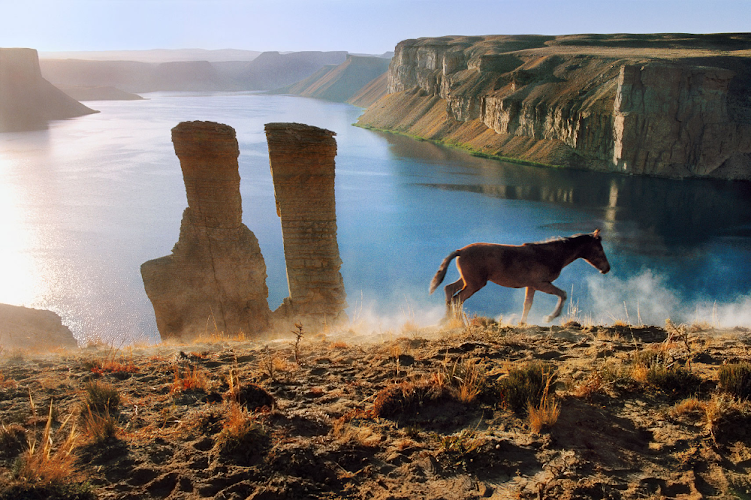
Afghanistan beckons the boldest adventurers with its rugged landscapes and ancient history. Yet this war-torn nation remains one of the world’s most perilous destinations.
You’ll face extreme risks in Afghanistan. Terrorist attacks, kidnappings, and armed conflict plague much of the country. Western travelers make particularly tempting targets.
Despite the dangers, some thrill-seekers are drawn to Afghanistan’s untamed beauty. The remote Wakhan Corridor offers breathtaking mountain vistas for intrepid trekkers. Ancient Buddhist ruins and crumbling fortresses hint at the country’s rich past.
But venturing here comes at great peril. Roadside bombs, ambushes, and shootings are ever-present threats. Even in Kabul, you’re not safe from suicide attacks or random violence.
The allure of the unknown pulls some to test their mettle in this hostile land. Yet official travel advisories are stark: Avoid all travel to Afghanistan.
If you insist on visiting, extreme caution is paramount. Hire armed security and keep a low profile. Be prepared for rapidly changing conditions and potential evacuations.
Afghanistan’s tourism potential remains largely untapped. But until stability returns, only the most daring should consider this high-stakes adventure.
Syria
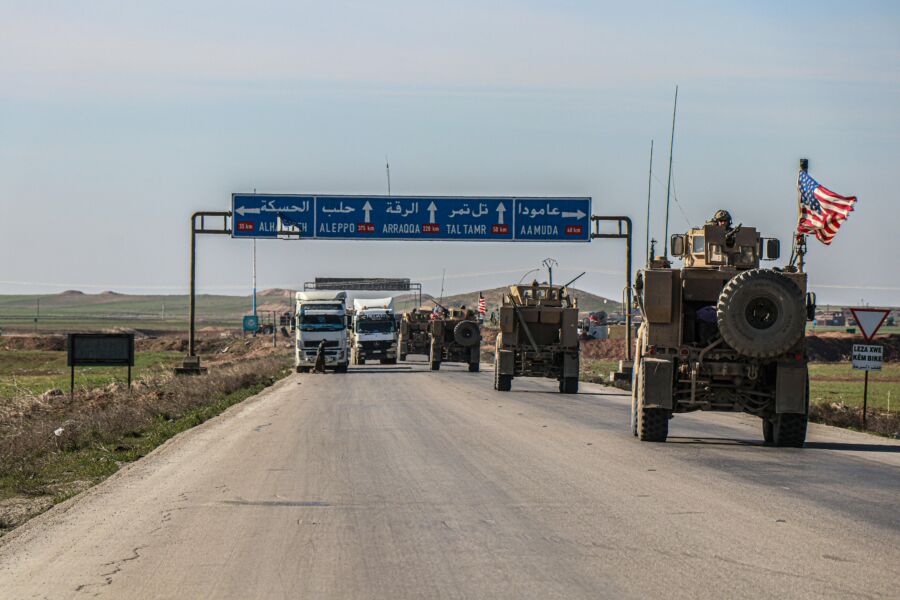
Syria beckons with ancient history and archaeological wonders, yet it’s currently one of the world’s most perilous destinations. You’ll find yourself in a country torn by over a decade of civil war, where danger lurks around every corner.
The U.S. State Department strongly advises against travel to Syria. Risks include terrorism, civil unrest, kidnapping, and armed conflict. You could face wrongful detention or become caught in the crossfire of ongoing hostilities.
Despite these dangers, some intrepid travelers are drawn to Syria’s rich cultural heritage. The allure of exploring ancient ruins like Palmyra or wandering through the old city of Damascus proves irresistible to some.
Be aware that most of Syria’s infrastructure has been severely damaged. Basic services like healthcare and transportation are unreliable or non-existent in many areas.
If you choose to venture into Syria, you’ll be doing so at your own risk. There’s no U.S. Embassy presence, and Czechia is the protecting power for American citizens.
Remember, your safety is your responsibility. Ensure your travel documents are up-to-date, and always exercise extreme caution. Stay vigilant and be prepared for rapidly changing situations.
Read Also: Haiti
Haiti

Haiti beckons the daring traveler with its vibrant culture and stunning Caribbean landscapes. Yet, this island nation poses significant risks that demand your utmost caution.
Violent crime, including kidnappings, plagues Haiti’s urban centers. You must remain vigilant, especially in Port-au-Prince. Avoid traveling alone or after dark to reduce your chances of becoming a target.
Political instability and civil unrest can flare up unexpectedly. Protests and roadblocks may disrupt your plans at a moment’s notice. Stay informed about current events, and be prepared to alter your itinerary.
Haiti’s healthcare infrastructure is severely lacking. You’ll need comprehensive travel insurance and should pack essential medical supplies. A cholera outbreak adds another layer of health concerns.
Despite these dangers, Haiti’s allure persists. You’ll find breathtaking beaches, fascinating Vodou traditions, and the iconic Citadelle Laferrière fortress. The warmth of Haitian people and their resilient spirit captivate many visitors.
If you venture here, stick to guided tours and reputable accommodations. Avoid displaying wealth and always stay alert. Your Haitian adventure demands thorough preparation and a heightened sense of awareness.
North Korea

North Korea beckons the most daring travelers with its air of mystery and isolation. You’ll find yourself in a land frozen in time, with towering monuments and grand socialist architecture unlike anywhere else.
But tread carefully. The authoritarian regime maintains strict control over visitors. Government minders will monitor your every move. Straying from approved areas or taking unauthorized photos could land you in serious trouble.
The biggest risk? Arbitrary detention. Several foreigners have been arrested and sentenced to hard labor for minor infractions. Your home country may have little power to help if you run afoul of North Korean authorities.
Despite the dangers, adventure seekers are drawn to:
- Pyongyang’s surreal, empty streets
- Massive military parades and synchronized mass games
- The eerie DMZ border area
- Pristine natural landscapes untouched by development
You’ll need to book through a state-approved tour company. Independent travel is not allowed. Strict rules govern what you can bring in and out of the country.
Be prepared for constant supervision and limited freedoms. You’ll have no internet access and minimal contact with locals. But for some, the chance to glimpse this secretive society outweighs the risks and restrictions.
Venezuela
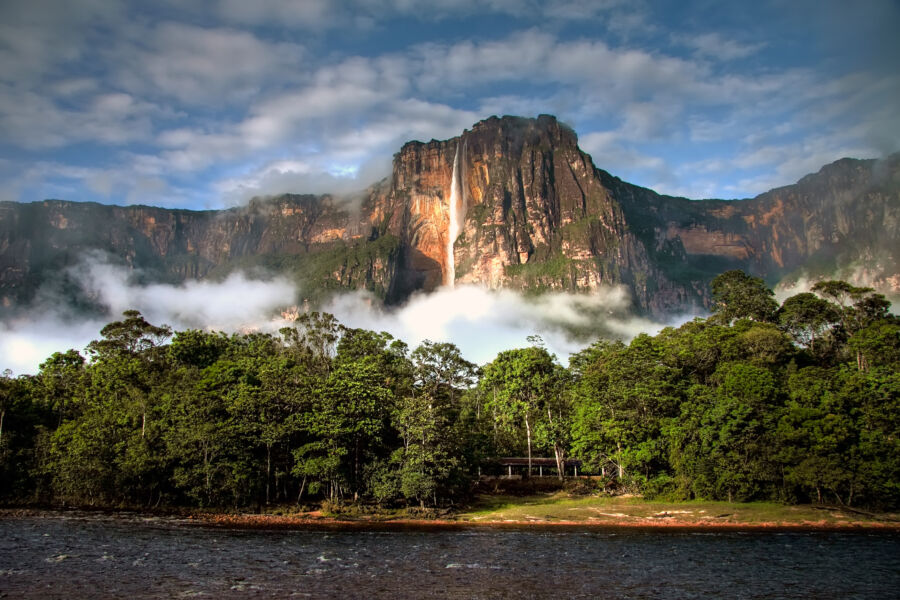
Venezuela beckons with its stunning landscapes and vibrant culture, but venturing there comes with serious risks. Considering this South American nation, be aware that it’s currently one of the most dangerous countries for travelers.
Caracas, the capital, tops the list of perilous cities. With sky-high crime rates, you’ll need to stay constantly vigilant. Violent crime, including murder and kidnapping, is rampant throughout the country.
Political instability and economic crisis have led to widespread shortages. People may struggle to find basic necessities like food and medicine. Healthcare facilities are severely lacking, putting their health at risk if they fall ill or get injured.
Despite these dangers, some thrill-seekers are still drawn to Venezuela’s untamed beauty. Angel Falls, the world’s highest uninterrupted waterfall, lures adventurers. The pristine beaches of Los Roques archipelago tempt those seeking paradise.
If you dare to explore, take extreme precautions:
- Travel only with reputable guides
- Avoid displaying valuables
- Stay in secure accommodations
- Be prepared for power outages and cash shortages
Remember, many governments strongly advise against all travel to Venezuela. Your safety is paramount, so carefully weigh the risks against your desire for adventure.
Somalia
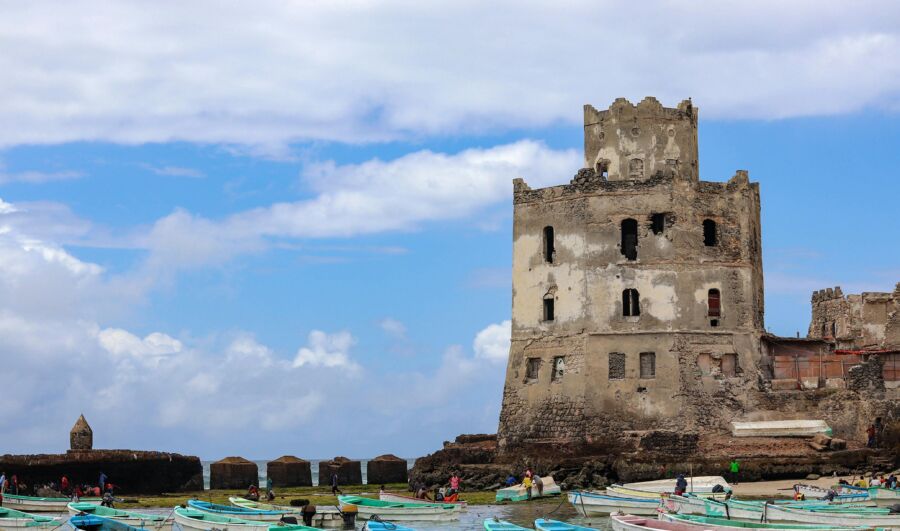
Somalia beckons the boldest adventurers with its untamed landscapes and ancient culture. Yet, this East African nation remains one of the world’s most perilous destinations.
You’ll face significant risks traveling here. Violent crime, terrorism, and kidnapping are ever-present threats. Armed groups control large swaths of the country, making travel highly dangerous.
Despite the dangers, some intrepid explorers are drawn to Somalia’s pristine beaches and rich history. The ancient port city of Mogadishu offers glimpses into Somalia’s storied past.
But venturing out is extremely risky. Piracy off the Somali coast remains a serious concern for sailors and cruise ships. On land, illegal roadblocks and extortion are commonplace.
Health risks abound, too. Medical facilities are scarce and often ill-equipped. Before considering a trip, you’ll need extensive vaccinations and antimalarial medications.
The U.S. government strongly advises against all travel to Somalia. If you do go, know that consular services are extremely limited. You’re largely on your own if trouble strikes.
For the truly daring, Somalia’s untouched beauty and ancient mysteries may prove irresistible. However, the extreme risks mean most should admire this troubled land from afar.
Yemen
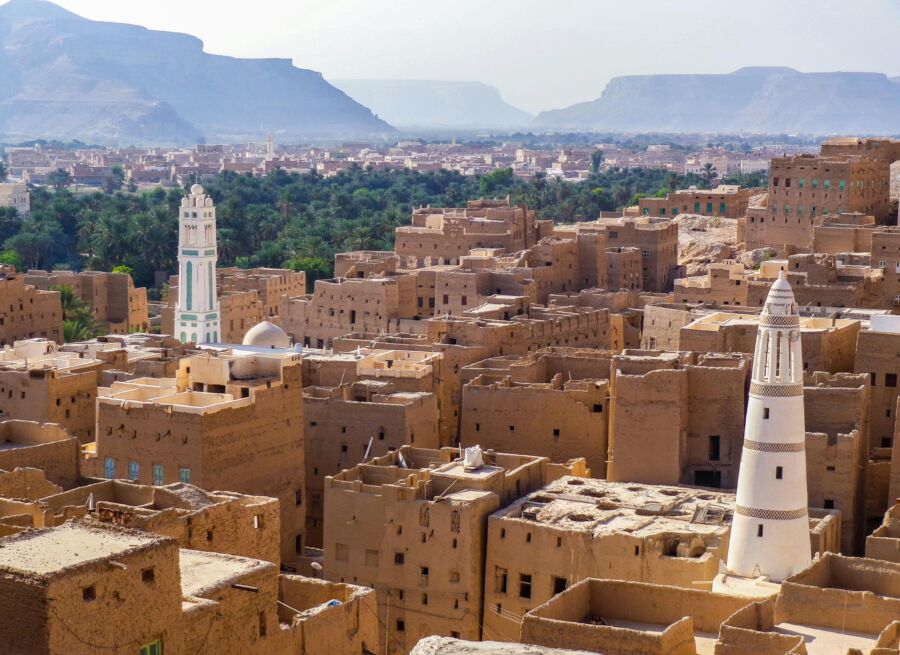
Yemen beckons with its ancient history and rugged landscapes, but it’s currently one of the world’s most dangerous travel destinations. You’ll find yourself in the crosshairs of ongoing civil war, terrorism, and violent crime.
The U.S. government has issued a Level 4 “Do Not Travel” advisory for Yemen. This stark warning underscores the extreme risks of venturing into this troubled nation.
Armed conflict rages across the country, putting you at constant risk of being caught in the crossfire. Terrorist groups actively operate in Yemen, targeting both locals and foreigners.
Kidnapping is another serious threat. You could become a valuable bargaining chip for various factions vying for power and resources.
Yet, some daring souls are still drawn to Yemen’s allure:
- Ancient architecture in Sana’a
- Otherworldly Socotra Island
- Rich cultural heritage
The promise of untouched landscapes and authentic experiences tempts adventurers. But the costs far outweigh any potential rewards.
Health risks compound the danger. Medical facilities are scarce and often ill-equipped. You’d face potential exposure to diseases like measles and polio.
Landmines and unexploded ordnance litter parts of the country. One wrong step could prove fatal. Your safety cannot be guaranteed in Yemen. The thrill of exploration isn’t worth risking your life in this volatile warzone.
Frequently Asked Questions
Which seven destinations does this guide cover?
The destination sections cover Afghanistan, Syria, Haiti, North Korea, Venezuela, Somalia, and Yemen. The opening also mentions Gaza, Myanmar, and Iran in connection with travel warnings, but they are not among the seven main sections. This selection is not a measured safety ranking or a complete list of dangerous destinations.
Why do some travelers visit Afghanistan despite the risks?
The guide points to rugged landscapes, ancient history, and untamed beauty. It also identifies terrorist attacks, kidnappings, and armed conflict as extreme risks, highlighting Western travelers as potential targets. Those attractions explain the interest; they do not establish that visiting is safe or that the dangers can be reliably managed.
Can this article replace checking current travel advisories?
No. The opening references U.S. State Department advice, but an article’s wording should not be treated as a live advisory. Check the latest official guidance for your intended destination and nationality before considering travel. Use the guide to understand the appeal and stated concerns, not as clearance to visit.


