
Last modified July 24, 2026
The most dangerous places in Greece are a handful of inner-Athens neighborhoods – Omonia, Exarcheia, Agios Panteleimonas, Kolonos and the far-western suburb of Menidi – where the real risk is pickpocketing, scams and open drug use after dark, not violent crime against tourists. Athens and Thessaloniki are the only Greek cities that register as “moderate crime” in Europe; the islands and smaller mainland towns are very safe.
Greece sits at Level 1 on the U.S. State Department advisory scale – “exercise normal precautions,” the lowest of four levels. Knowing which few districts to skip after dark lets you travel smarter and stay safe while still enjoying everything the country offers.
Most dangerous places in Greece at a glance
| Place | City / region | Main risk | Riskiest time |
|---|---|---|---|
| Omonia Square | Central Athens | Pickpocketing, open drug use, scams | After dark |
| Agios Panteleimonas | NW Athens | Petty theft, drug activity, tension | After dark |
| Exarcheia | Central Athens | Protests, petty theft | Protest days / night |
| Kolonos & Sepolia | NW Athens | Drug activity, petty crime | After dark |
| Menidi (Acharnes) | Athens suburbs | Property crime, poor transport | Any time |
| Metaxourgeio & Votanikos | W Athens | Petty theft, dim streets | After dark |
| Thessaloniki center | Thessaloniki | Pickpocketing near stations | Night |
| Piraeus port | Athens (Piraeus) | Pickpockets in ferry crowds | Ferry rush |
| Wildfire zones | Attica, Peloponnese, Crete | Summer wildfires | June-September |
How dangerous is Greece for tourists, really?
Greece is one of the safest countries in Europe for visitors. The U.S. State Department keeps it at Level 1 – “exercise normal precautions” – the same tier as Japan and Switzerland. Violent crime against tourists is rare, and the everyday threat almost everywhere is pickpocketing or bag-snatching in crowds, not assault.
Where Greek cities do stand out is perceived crime. In the 2025 Numbeo Crime Index, Athens scored 55.3 and Thessaloniki 52.5 – both in the “moderate crime” band (40-60) and among the less-safe half of European cities. Those numbers reflect residents’ feelings of insecurity (fed by things like anarchist-linked incidents in the Athens center), not official police statistics, so treat them as a mood reading rather than your odds of being a victim. For comparison, several UK and French cities score far higher.
One realistic disruption to plan around: large demonstrations can start in central Athens (especially near Syntagma, Exarcheia and Omonia) with little notice and snarl transport for a few hours. They are rarely aimed at tourists, but it is smart to walk around them.
What are the most dangerous cities in Greece?
Athens is the most crime-affected city in Greece, followed by Thessaloniki – and that is where nearly every “most dangerous place in Greece” search really points. Both are big, dense cities where petty theft clusters around transit hubs, squares and tourist crowds. Outside these two, the picture changes fast: Patras, Heraklion, the smaller mainland towns and the islands are quiet, and the “danger” is limited to a few identifiable Athens districts rather than whole cities.
So the honest ranking of the most dangerous places in Greece is really a ranking of Athens neighborhoods. Here are the ten most often flagged, counting down to the roughest, with why each earns the reputation and how to visit without trouble.
10. Psyrri
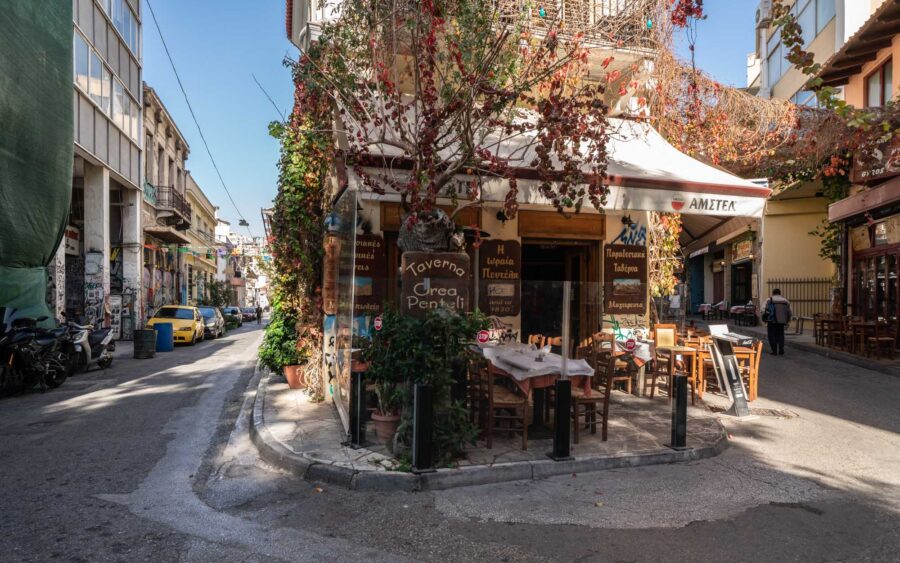
Psyrri is safe and fun by day but gets edgy in its quieter corners after midnight. A short walk from Monastiraki Square, this lively neighborhood is packed with bars, street art and late-night tavernas. The heavy nightlife draws crowds, and once they thin out the unlit side streets can feel less secure.
What to watch for:
- Pickpocketing and petty theft around busy nightlife spots
- Occasional bar or taxi scams targeting tourists
- Unlit side streets late at night
9. Kerameikos
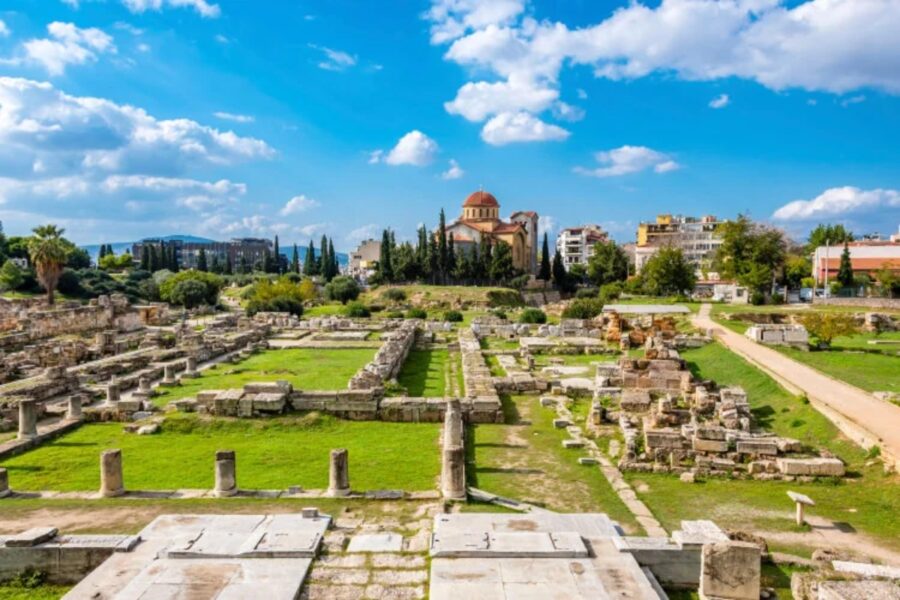
Kerameikos is fascinating for its ancient ruins by day, but the dim alleys near Gazi turn uneasy at night. Just northwest of the center, it mixes layers of history with local bars and quiet streets that empty out fast after dinner. Stick to the main paths once the crowds fade.
What to watch for:
- Pickpocketing, especially at night
- Isolated, poorly lit streets
- Occasional drug activity near certain corners
8. Agios Panteleimonas
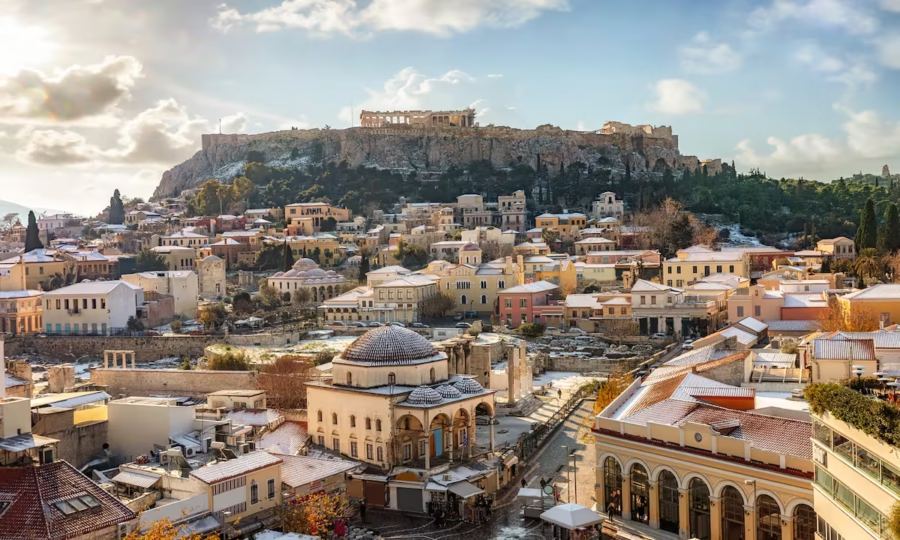
Agios Panteleimonas is one of the districts Athens authorities have openly called hard to police, and it is not a spot for casual evening strolls. Built around its landmark church, the area has seen years of decline, and residents routinely warn visitors to be cautious after dark.
What to watch for:
- Higher rates of petty theft and pickpocketing
- Drug-related activity on certain streets
- Limited police presence and occasional unrest at night
7. Votanikos
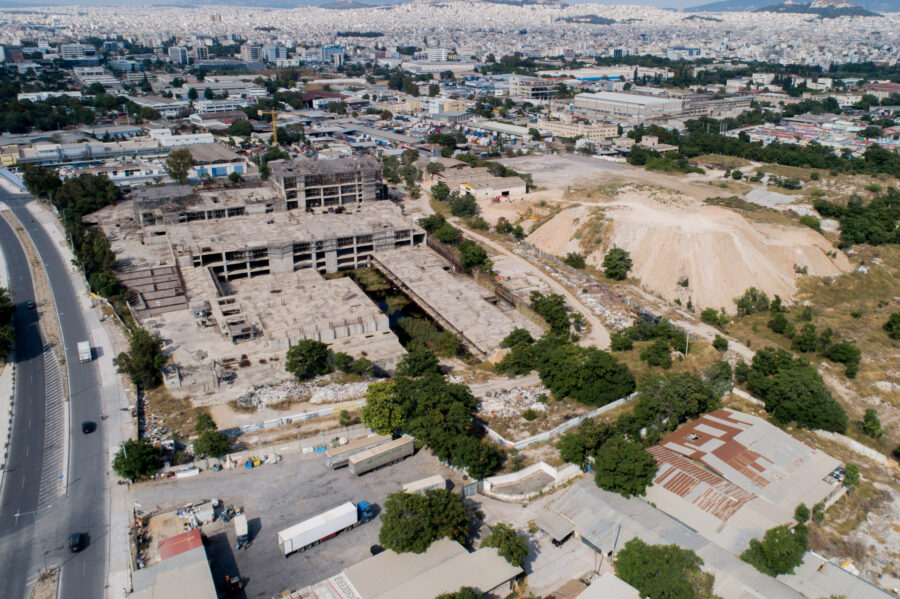
Votanikos is a gritty half-industrial pocket west of the center that feels deserted and dim after dark. Old warehouses and empty lots give it a rough edge, and redevelopment is slow. It is fine to pass through by day, but streets thin out quickly at night.
Why it can feel unsafe:
- Limited street lighting at night
- Occasional petty crime and drug activity
- Isolated streets and abandoned buildings
6. Metaxourgeio
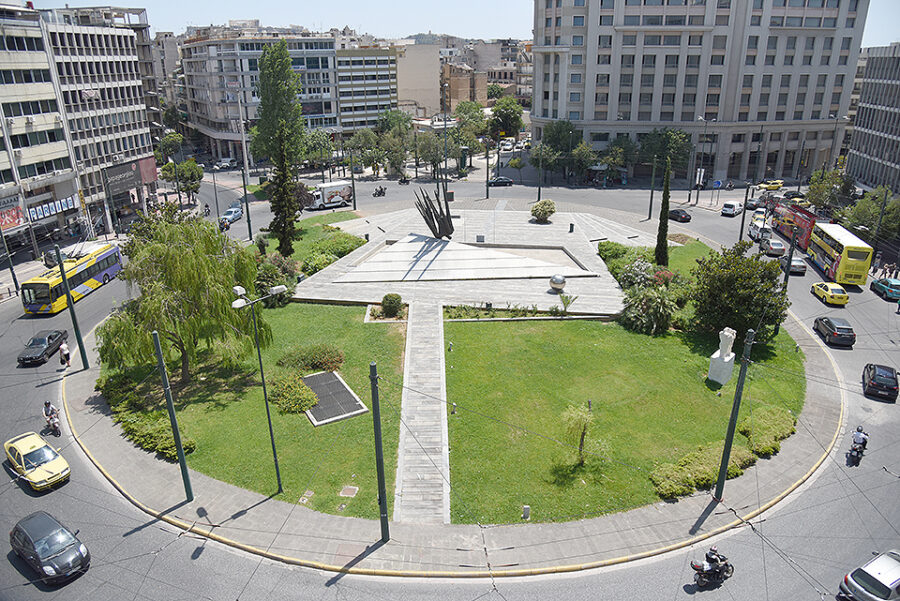
Metaxourgeio is an up-and-coming art district that still turns rough after dark, especially near Omonia Square and Plateia Vathis. Small galleries and cafes sit between aging apartment blocks, and some streets go quiet and deserted at night.
What to watch for:
- Drug activity and loitering on certain streets
- Pickpocketing and petty theft at night
- Poor lighting and neglected buildings in pockets
Visit in daylight, stick to main roads, and you will catch the city’s gritty but authentic side.
5. Exarcheia District

Exarcheia is genuinely safe and lively by day and the concern is mainly protests, not muggings. Athens’ most rebellious neighborhood is full of graffiti, political slogans, students and artists filling the cafes and bars. Police presence is light, and demonstrations can flare with little warning, so the atmosphere shifts after dark.
What to watch for:
- Occasional protests and clashes with police
- Pickpocketing in crowded spots
- Nighttime drug activity toward Omonia and side streets
Kalidromiou Street hosts a lively Saturday market, and the tavernas tucked between bookshops give a real taste of local culture. Visit by day, keep valuables close, and you will be fine.
4. Omonia Square

Omonia Square is the single most flagged spot in central Athens – a magnet for pickpockets and open drug use, with backstreets that stay uncomfortable after dark. By day it is busy and full of commuters and market stalls; by evening the crowds thin and you will want your bag closer.
What to watch for:
- High rate of petty theft and pickpocketing
- Visible drug activity and occasional aggressive behavior
- Scams near hotels and metro exits, plus poor lighting at night
3. Sepolia Area
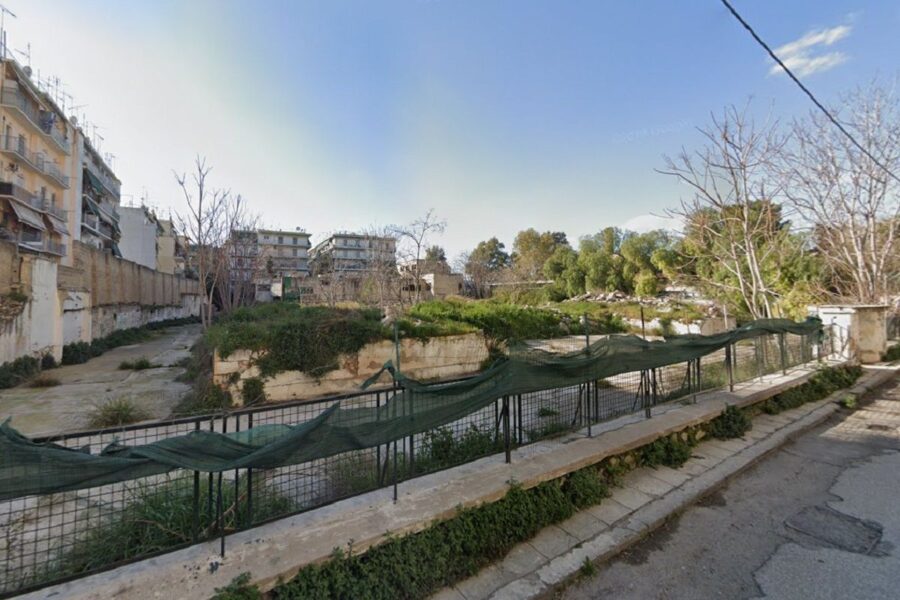
Sepolia is a working-class district – famous as Giannis Antetokounmpo’s childhood neighborhood – that feels rough after dark with uneven lighting and thin police presence. A short metro ride from Monastiraki, it mixes old apartment blocks, small shops and local cafes. It is fine for a daytime visit to see Giannis’s court.
Why to be cautious:
- Petty theft and pickpocketing near metro stations
- Occasional drug activity or street altercations
- Poorly lit streets after dark
2. Kolonos Neighborhood
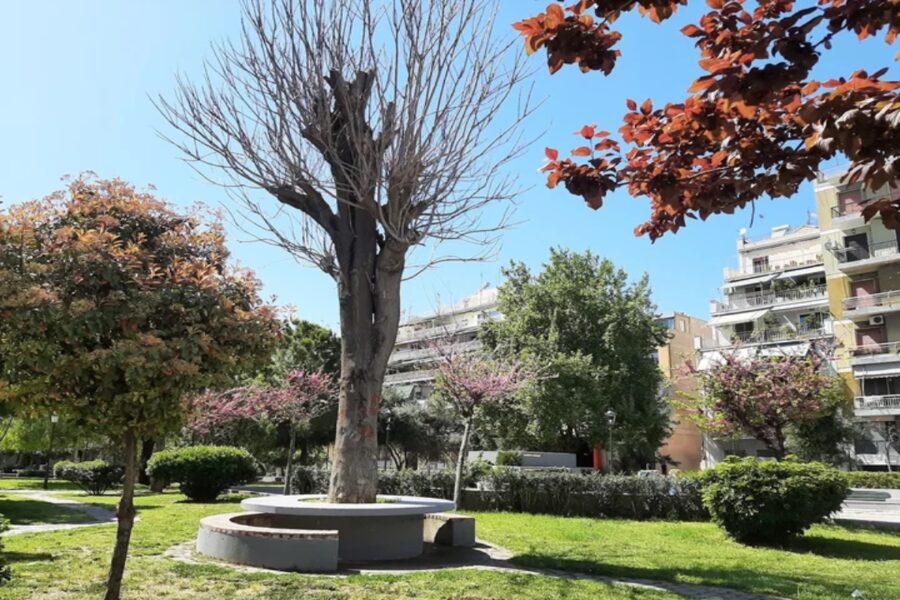
Kolonos is one of the Athens districts most associated with visible drug use, and it is not a place to wander after dark. Northwest of the center near Sepolia, it looks like an ordinary working-class area on the surface, but narrow streets and neglected buildings hide a rougher reality at night.
What to watch for:
- Higher reports of petty crime and drug activity
- Poor lighting and limited police presence at night
- Pickpocketing near bus stops and small squares
By day you will find honest slices of everyday Athens here. Stick to main roads and daylight hours.
1. Central Athens after dark (Omonia to Kolonos)

The single most-avoided zone is the stretch of central Athens from Omonia through Vathi and Kolonos late at night, where drug activity and petty theft concentrate. This corridor packs the individual trouble spots above into one walkable area, and the mood changes fast once the shops close. It is not every corner – but it is enough to stay alert and take a taxi rather than walk after dark.
What makes it the roughest:
- Pickpocketing near Omonia Square and Metaxourgeio
- Open drug activity in lower Kolonos and toward Exarcheia
- Scams near busy metro stops, poor lighting and fewer night patrols
What about Menidi and the far-western suburbs?
Menidi (Acharnes) and a few far-western Athens suburbs have a rougher reputation than the central districts, mainly for property crime and very limited public transport. These are residential areas with almost no tourist reason to visit, so the simplest advice is to skip them – you will not pass through by accident on a normal Athens itinerary.
What natural hazards should travelers know about?
Summer wildfires are the most serious natural hazard in Greece, followed by earthquakes and occasional flash floods. Greece sits on an active seismic zone, so small tremors are common and usually harmless; modern buildings meet strict standards. The real seasonal risk is fire.
Wildfires spread fast in the hot, windy months from June through September, especially across Attica, the Peloponnese and Crete. During fire season, check local alerts, avoid hiking in forests on very hot or windy days, and follow any evacuation guidance immediately. Flash floods and landslides can follow heavy autumn rain in mountainous and coastal areas, so watch the weather on rural road trips.
| Hazard | Common regions | Risk period |
|---|---|---|
| Wildfires | Attica, Peloponnese, Crete | June-September |
| Earthquakes | Aegean islands, western Greece | Year-round (usually minor) |
| Flooding & landslides | Northern and central Greece | Autumn-winter |
How do you stay safe in Greece’s higher-risk areas?
The core rule is simple: visit the flagged districts by day, take a taxi instead of walking them after dark, and keep valuables out of sight. A few habits cover almost every realistic risk in higher-risk areas:
- Use a crossbody bag or money belt; do not leave phones on cafe tables or bags unattended on the beach.
- On the metro and around Omonia, Monastiraki and Piraeus, keep bags zipped and in front of you in crowds.
- Walk around demonstrations, not through them, and skip Exarcheia and Omonia backstreets late at night.
- In wildfire-prone countryside, carry extra water and know your nearest evacuation route.
What are the emergency numbers in Greece?
Dial 112 from any phone for police, fire or medical help anywhere in Greece – it works even without a SIM or credit. For non-emergencies and tourist-specific problems, Greece also runs a dedicated tourist police line (171) with English-speaking operators. Keep these handy:
| Service | Number |
|---|---|
| All emergencies (EU-wide) | 112 |
| Police | 100 |
| Tourist Police (English) | 171 |
| Ambulance (EKAV) | 166 |
| Fire Department | 199 |
| Coast Guard | 108 |
U.S. travelers can enroll in the free Smart Traveler Enrollment Program (STEP) so the embassy can reach them in an emergency; other nationalities have similar consular registrations. Save a copy of your passport and travel insurance details somewhere separate from the originals.
If you would rather see the rougher districts with a local, a guided Athens walking or night tour keeps you in safe hands while still showing the real city.
Disclosure: some links in this article are affiliate or partner links. If you book through them we may earn a small commission at no extra cost to you. This never changes our safety guidance.
Frequently Asked Questions
What is the most dangerous city in Greece?
Athens is the most crime-affected city in Greece, followed by Thessaloniki. In the 2025 Numbeo Crime Index, Athens scored 55.3 and Thessaloniki 52.5, both in the “moderate crime” band. The risk is concentrated in a few inner-Athens districts and is mostly petty theft, not violent crime.
What areas should tourists avoid in Athens?
Be cautious around Omonia Square, Exarcheia (protest days and night), Agios Panteleimonas, Kolonos, Sepolia, Metaxourgeio and Votanikos after dark. Most are fine by day; the concern at night is pickpocketing and open drug use, so take a taxi rather than walk.
Is Greece safe to visit in 2026?
Yes. The U.S. State Department rates Greece Level 1 (exercise normal precautions), the lowest of four levels, and violent crime against tourists is rare. The main everyday risk is pickpocketing in crowds, plus summer wildfires in rural areas. Standard travel awareness is enough.
Is Omonia in Athens dangerous?
Omonia Square is the most flagged spot in central Athens for pickpocketing, scams and open drug use, and its backstreets stay uncomfortable after dark. It is busy and manageable by day, but keep your bag close and avoid the side streets at night.
Are the Greek islands dangerous?
No. The islands and smaller mainland towns are among the safest places in Greece, with very low crime. The occasional risk is petty theft in crowded ferry ports such as Piraeus during peak season, plus summer wildfires on larger islands like Crete.
Is it safe to walk in Athens at night?
Central tourist areas like Plaka, Monastiraki and Syntagma are lively and safe at night. Avoid walking the Omonia-to-Kolonos corridor, Exarcheia backstreets and the far-western suburbs after dark; take a taxi or ride-hail instead, and stick to well-lit main streets.
Last updated July 2026. Sources: U.S. Department of State Greece Travel Advisory (Level 1, October 2025); 2025 Numbeo Crime Index (Athens 55.3, Thessaloniki 52.5); Greek Tourist Police (171) and EU emergency line (112). Crime-index figures reflect residents’ perception, not official statistics, and can shift over time.