
Last modified July 19, 2026
By Numbeo’s 2026 crime index, the most dangerous cities in France are Marseille, Grenoble, Montpellier, Lyon and Nantes, with Paris, Lille, Toulouse, Bordeaux and Rouen close behind. Marseille tops the list with a crime index around 66.7 and recurring drug-trafficking gun violence in its northern districts. For nearly every traveler, though, the real risk is not violent crime, which rarely touches visitors, but petty crime: pickpocketing, scams and bag-snatching in crowded tourist areas.
France blends art, food and old streets like nowhere else, and it is a genuinely safe country to visit. Knowing which cities report higher crime, and what kind, simply lets you plan smarter, whether you are on the busy boulevards of Paris or the quieter lanes of Rouen. Below, the cities ranked by crime index, with the specific risks and a safety pointer for each.
This guide contains affiliate links. If you book a tour or product through them, we may earn a small commission at no extra cost to you.
| Rank | City | Region | Numbeo crime index (2026) | Main risk for travelers |
|---|---|---|---|---|
| 1 | Marseille | Provence-Alpes-Côte d’Azur | 66.7 | Drug-linked violence in northern districts; pickpocketing at the Vieux-Port |
| 2 | Grenoble | Auvergne-Rhône-Alpes | 62.6 | Assaults and robberies; suburb gang activity (Échirolles) |
| 3 | Montpellier | Occitanie | 61.0 | Theft around tram lines and busy squares |
| 4 | Lyon | Auvergne-Rhône-Alpes | 59.3 | Pickpocketing in transit and nightlife zones |
| 5 | Nantes | Pays de la Loire | 58.6 | Petty crime and occasional nightlife violence |
| 6 | Paris | Île-de-France | 58.0 | Pickpockets and scams (Eiffel Tower, Gare du Nord, Montmartre) |
| 7 | Lille | Hauts-de-France | 51.0 | Pickpocketing and scams near the main station |
| 8 | Toulouse | Occitanie | 49.8 | Theft near stations; outer-district drug activity |
| 9 | Bordeaux | Nouvelle-Aquitaine | 49.8 | Theft and drug activity near transit hubs |
| 10 | Rouen | Normandy | Not indexed* | Theft near the station; car break-ins |
How dangerous is France, really?
France is a safe country for travelers, and the U.S. State Department rates it Level 2, “Exercise Increased Caution” – the same tier as the UK, Spain and Italy. That rating reflects the risk of terrorism and occasional civil unrest or strikes, not day-to-day danger to tourists. The everyday risk that actually reaches visitors is petty theft: pickpocketing, bag-snatching and street scams in crowded areas.
Serious violent crime does exist, but it is heavily concentrated. In Marseille it is tied to drug-trafficking turf wars in specific northern neighborhoods; elsewhere it clusters in a handful of outer suburbs where tourists have no reason to go. Two things worth remembering: the Numbeo figures below are based on residents’ and visitors’ perceptions rather than police reports, so they shift over time, and a high overall index usually means more theft and scams, not more danger to you personally.
10. Rouen – Normandy’s capital, with theft near the station
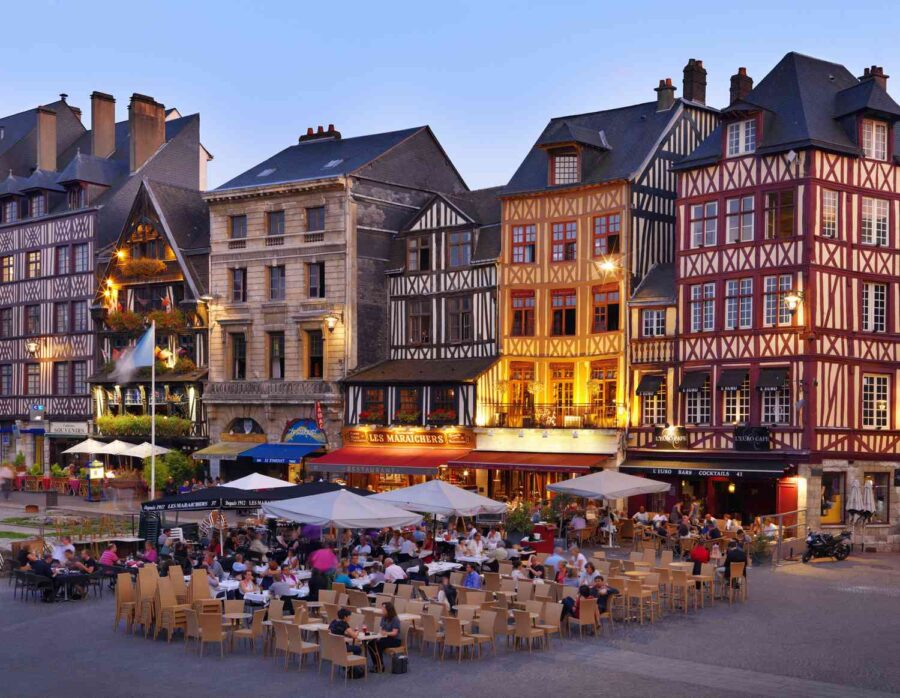
Rouen is safe for visitors in its historic core, but it ranks among France’s top 10 cities for crimes and misdemeanors per 1,000 residents. Numbeo does not index it individually, so it sits at the bottom of this list on data alone; national police figures are what put it here. Most trouble is property crime in outer districts, not the tourist center around the cathedral.
Main risks for travelers:
- Pickpocketing and theft around the train station and busy squares
- Car break-ins in public parking areas
- Poorly lit, quiet streets after dark with limited police presence
The half-timbered old town and the Joan of Arc history stay pleasant and walkable. Book a room in the central, well-lit quarters, keep valuables out of sight near the station, and Rouen is a low-stress stop.
9. Bordeaux – Wine capital with theft near transit hubs
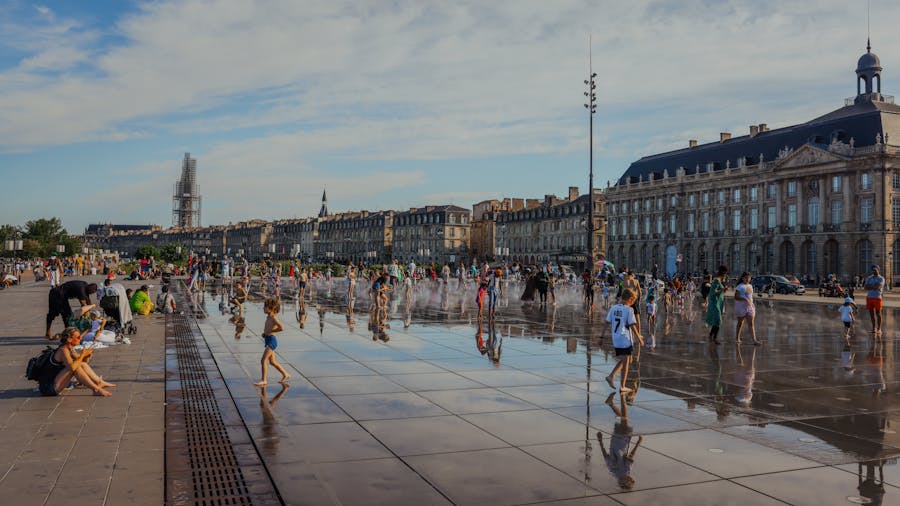
Bordeaux is safe for travelers, with a Numbeo crime index around 48 to 50, but pickpocketing and car break-ins have climbed near transit hubs and nightlife zones. The historic core stays low-risk with normal precautions; the issues concentrate around Saint-Michel, Place de la Victoire and a few outer suburbs.
Main risks for travelers:
- Pickpocketing around tram stops and tourist-heavy areas
- Purse-snatching in crowded nightlife spots
- Vehicle break-ins in outer districts and parking lots
Suburbs such as Lormont and Bègles see more drug-related reports, while the UNESCO-listed center stays calm. Stick to well-lit streets, keep an eye on your bag, and Bordeaux is a delight.
8. Toulouse – La Ville Rose, with theft near stations
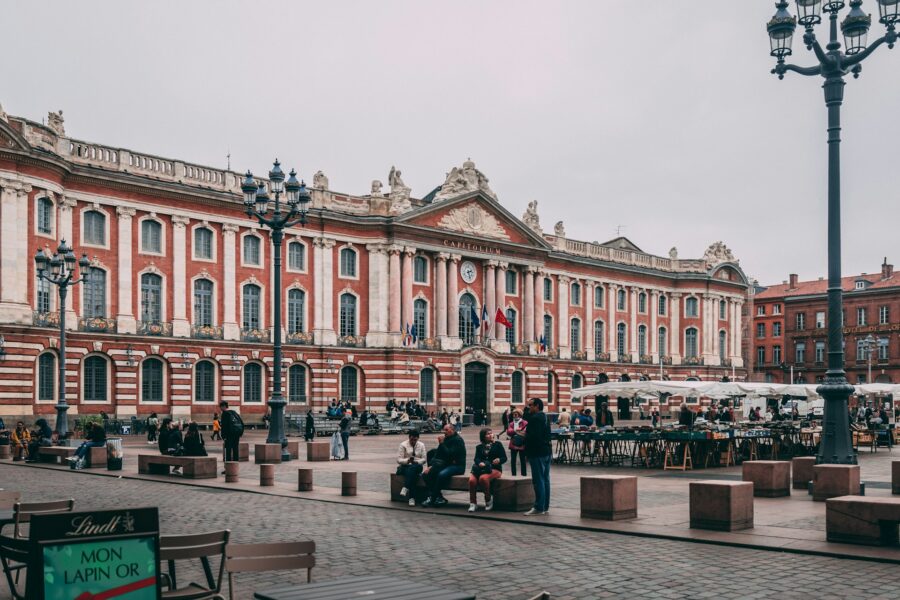
Toulouse is safe in its terracotta-toned center, with a Numbeo crime index near 49.8, but a few outer districts get dicey after dark. The pink-brick historic core stays lively and low-risk; the concerns sit in specific neighborhoods and around transit at night.
Main risks for travelers:
- Pickpocketing and petty theft near train stations and busy squares
- Drug activity and street tension on the outskirts
- Occasional muggings on poorly lit streets late at night
Neighborhoods like Mirail, Empalot and Arnaud-Bernard carry mixed reputations. Stick to well-lit streets, watch your bag along the Garonne after the crowds thin, and this southern hub is an easy, welcoming visit.
7. Lille – Flemish charm, with station-area pickpockets
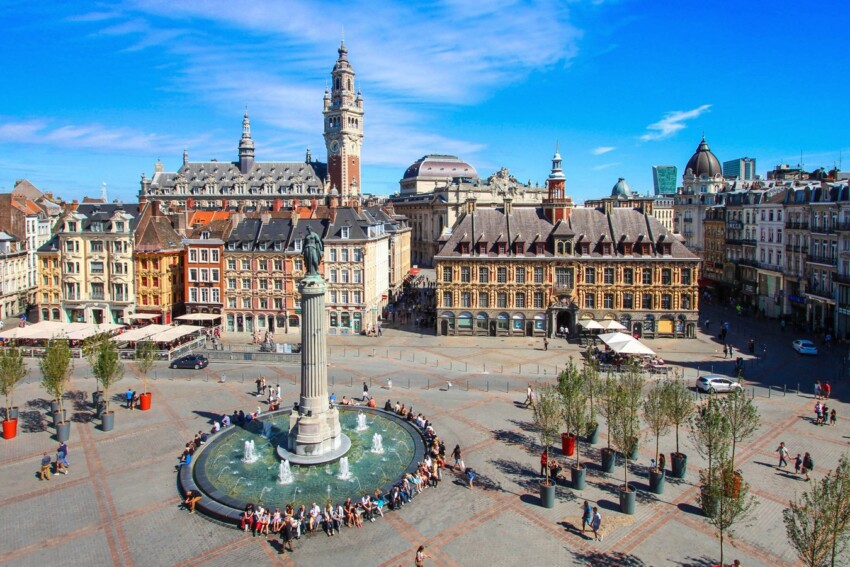
Lille is safe by day, with a Numbeo crime index around 51, but pickpockets work the train stations and busy squares, and a few areas feel edgier at night. This northern city near the Belgian border mixes old Flemish architecture with a big student population, and most visits pass without incident.
Main risks for travelers:
- Pickpocketing in busy shopping streets and metro stations
- Scams near attractions and ATMs
- Street theft late at night in nightlife areas
The Grand Place, cobbled lanes and cafés make Lille a great walking city. Keep belongings close around Lille-Flandres and Lille-Europe stations and stay aware when crowds thicken.
6. Paris – Safe overall, but pickpocket central
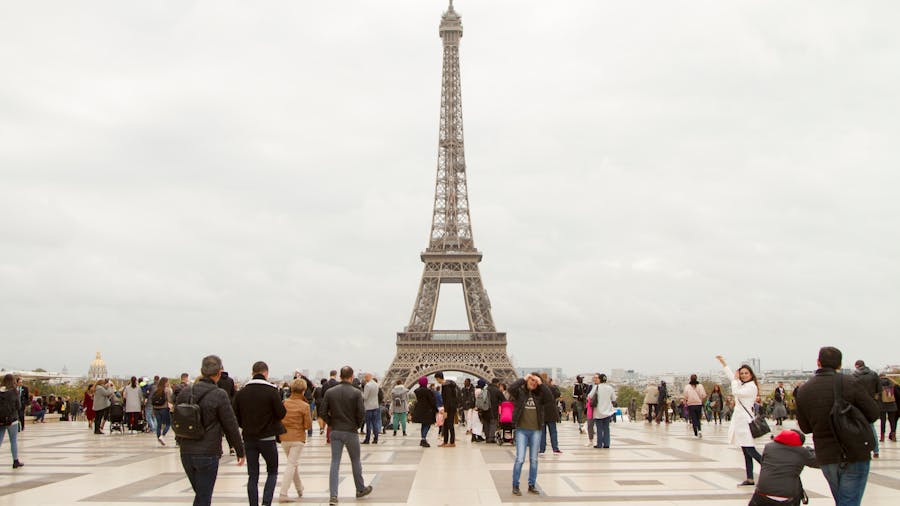
Paris is safe for tourists, with a Numbeo crime index around 58, and its main threat is pickpocketing, not violent crime. Thieves work the obvious magnets – the Eiffel Tower, Montmartre, and big stations like Gare du Nord and Châtelet. The higher-crime pockets sit in parts of the 18th, 19th and 20th arrondissements and some northern suburbs, well away from the central sights.
Main risks for travelers:
- Pickpocketing near major attractions and on the metro
- Street scams (the bracelet trick, fake petitions, the “found” gold ring)
- Phone-snatching in crowds and on cafe terraces
Areas around La Chapelle, Stalingrad and parts of Seine-Saint-Denis (including Saint-Denis and La Courneuve) report higher crime and can feel tense at night. Keep your bag zipped, stay alert on public transport, and most of Paris is perfectly comfortable.
5. Nantes – Loire-side charm with late-night flashpoints
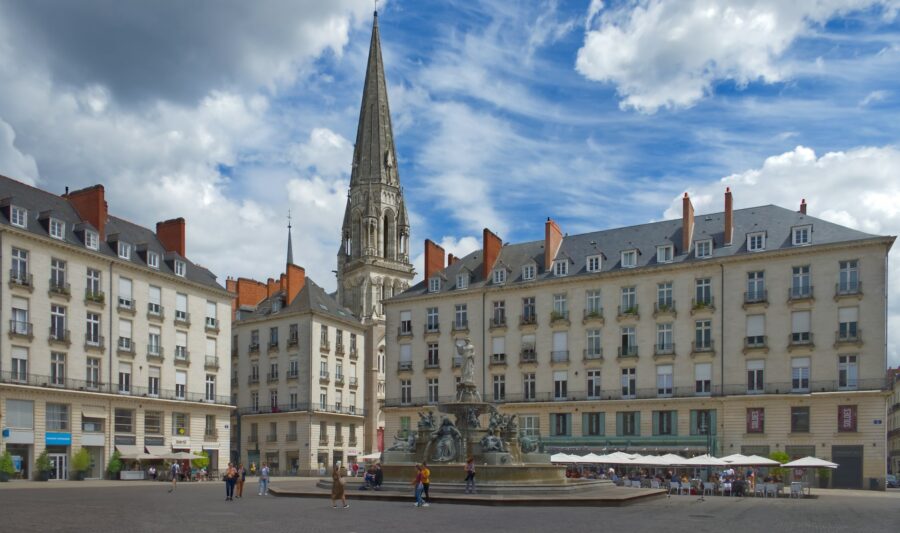
Nantes is friendly by day, with a Numbeo crime index around 58.6, but trouble tends to start late at night around bars and transit hubs. On the rolling live index it sometimes tops France’s list, driven by rising property crime; for visitors the daytime experience stays easygoing.
Main risks for travelers:
- Pickpocketing in crowded areas and on public transport
- Occasional violence near nightlife zones after dark
- Rising drug-related petty crime
The Bouffay district is lively but draws pickpockets near the tram stops. Keep valuables out of sight, stick to well-lit streets, and use common sense after midnight.
4. Lyon – A top-5 crime city, mostly petty theft
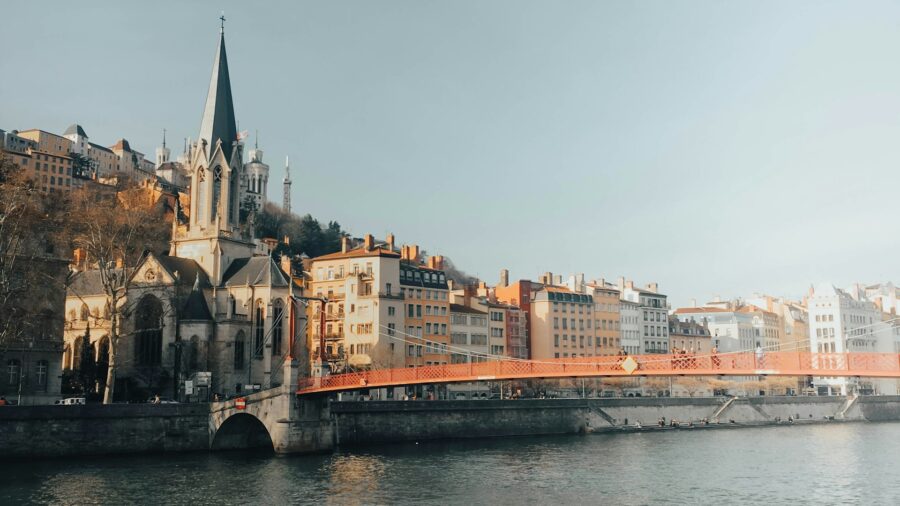
Lyon ranks among France’s top five for crime, with a Numbeo index around 59.3, but the problem is overwhelmingly pickpocketing and car break-ins, not danger to tourists. France’s third-largest city pairs UNESCO-listed old quarters with the everyday theft of any big transit city, concentrated around stations and nightlife.
Main risks for travelers:
- Frequent pickpocketing in tourist zones and on public transport
- Car break-ins near major attractions
- Scams and higher theft rates around nightlife districts
Crowds make it easy for pickpockets to blend in around Part-Dieu station and the Presqu’île. Wander Vieux Lyon’s Renaissance lanes and climb Fourvière Hill for the view; just keep an eye on your belongings in transit.
3. Montpellier – Fast-growing south, with tram-line theft
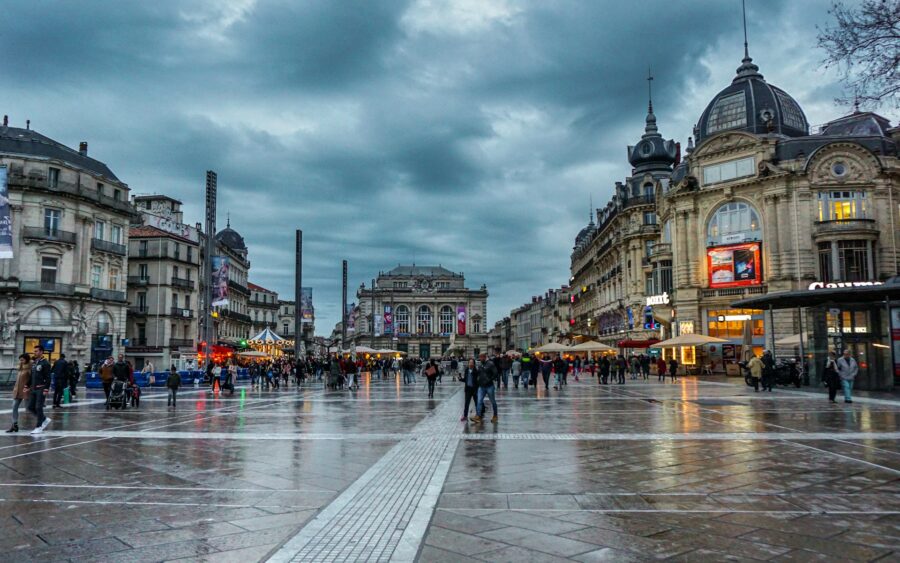
Montpellier is welcoming and student-filled, but fast growth has pushed its Numbeo crime index up toward 61, with petty theft rising around the tram lines and busy squares. The old town stays lively and pleasant; the risk is opportunistic theft in crowds, not violence toward visitors.
Main risks for travelers:
- Pickpocketing in crowded areas and on public transport
- Bike and bag theft near tram stops
- Street scams and isolated violence in outer districts
The busiest spots – Place de la Comédie, Écusson and Antigone – are beautiful but distracting, which is exactly when thieves strike. A little awareness in southern France goes a long way.
2. Grenoble – Alpine setting, rising assaults and robberies
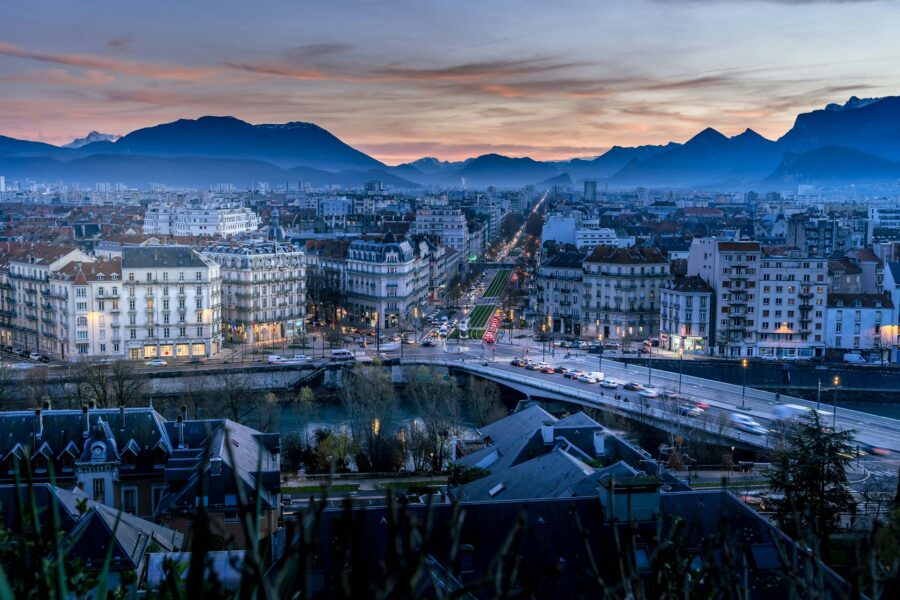
Grenoble has a jaw-dropping alpine setting but one of France’s higher crime indexes, around 62.6 on the 2026 archive, with robberies and assaults more visible than in most French cities. Much of it ties to drug activity in tightly packed suburbs; the compact center is walkable but warrants normal caution after dark.
Main risks for travelers:
- Pickpocketing and bag-snatching in busy areas
- Gang-related violence in suburbs such as Échirolles
- Night-time thefts near tram stops and the train station
Place Grenette, the Isère riverside walk and the Bastille cable car are the draws, and they are fine by day. Keep your wits about you if you are out late or carrying valuables.
1. Marseille – France’s most dangerous city, but not for tourists

Marseille is France’s most dangerous major city, with a Numbeo crime index around 66.7 – roughly five times the rate of the safest French cities – but its serious violence is concentrated in northern districts and tied to drug-trafficking turf wars, not tourist areas. Around the Vieux-Port and the main sights, the real risk is petty theft, the same as any big Mediterranean port.
Main risks for travelers:
- Pickpocketing and bag-snatching in crowded spots
- Scams targeting tourists near the port and train stations
- Drug-linked violence in the northern suburbs (away from the center)
- Car break-ins, especially with rental vehicles
Stick to Le Panier, the Vieux-Port and the seaside Corniche and you will find markets, street art and a superb food scene. Keep your phone out of sight and your bag zipped, and skip the northern estates – where the violence is real, tourists have no reason to be.
Urban vs rural: how the risks differ
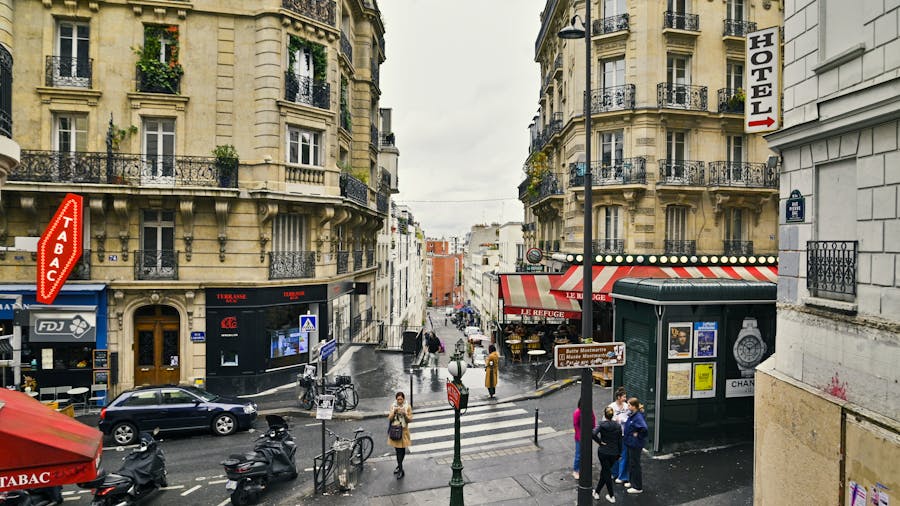
In big French cities the main danger is theft; in the countryside it is the road and the weather. In Marseille, Paris and Lyon, petty theft and pickpocketing top the list, usually near crowded attractions, stations and outdoor cafés. Scams such as fake petitions or dodgy taxis cluster in the same tourist zones. Hotel staff and locals know which streets to skip, so ask.
Rural France is statistically safer for crime, but other risks rise. Winding mountain routes and narrow village roads, wildlife crossings and poor lighting make night driving tricky, and remote hiking areas can lose phone reception, which complicates emergencies.
| Area type | Common risks | Safety tip |
|---|---|---|
| Urban | Theft, scams, vandalism | Stay alert in crowds; keep bags zipped |
| Rural | Road hazards, isolation | Plan routes; carry an offline map |
Seasonal and weather hazards
France’s climate shifts a lot from north to south. In the Alps and Pyrenees, winter brings avalanche risk and icy roads; ski resorts manage most dangers, but off-trail terrain is unpredictable. Summer in the south means extreme heat and wildfires, and Provence hiking trails often close under fire bans, so check local alerts before heading out. Atlantic storms can make swimming or sailing risky, and heavy rain sometimes triggers flash floods inland, disrupting transport even in cities like Nice or Montpellier. Packing sunscreen, water and a light rain jacket – plus an emergency kit if you rent a car – covers most of it.
Practical safety tips for travelers
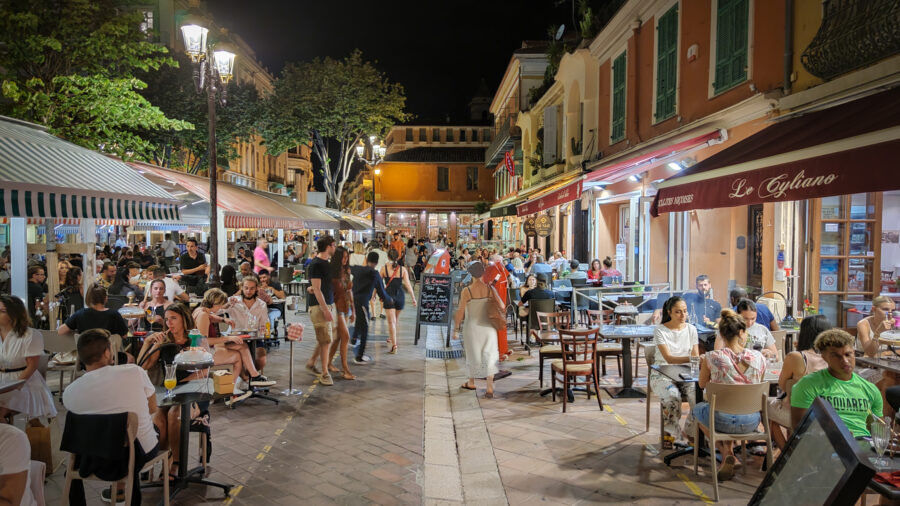
The single best move is to make pickpocketing hard: carry valuables in a money belt or a zippered inner pocket, never a back pocket or an open bag. Pickpocketing is the top issue in Paris, Marseille and Nice, especially on the metro and around big attractions.
How to stay safe in higher-risk areas
- Do not show off expensive jewelry, cameras or phones; use ATMs inside banks, not on the street.
- If someone distracts you with a petition or sudden commotion, step back and keep your bag close.
- At night, stick to well-lit streets and use official taxis or ride apps; avoid wandering alone in Marseille’s northern districts or the outer Paris suburbs after dark.
- When driving, lock the doors and keep bags out of sight; thieves target rental cars near tourist spots.
- Use the hotel safe for passports and spare cash, and carry a copy of your passport rather than the original.
Emergency numbers and resources
The European emergency number 112 works anywhere in France for police, fire or medical help. For local police dial 17, for medical emergencies 15 (SAMU), and for fire or accidents 18. France’s national alert system, FR-Alert, pushes emergency warnings straight to your phone by cell broadcast with no app to download – it replaced the old SAIP app, which was discontinued in 2018. Pharmacies show a green cross and can handle minor health issues or point you to a clinic. If you lose belongings on public transport, report it at the nearest commissariat de police. Keep your embassy or consulate contact handy for lost passports, and remember that travel insurance is dull paperwork until the day you actually need it.
Frequently Asked Questions
What is the most dangerous city in France?
Marseille is the most dangerous major city in France, with a Numbeo crime index around 66.7 in 2026, roughly five times the rate of the safest French cities. The serious violence is concentrated in northern districts and tied to drug-trafficking turf wars, so visitors around the Vieux-Port are far more likely to meet pickpocketing or scams than any violent crime.
Which cities in France have the highest crime rates?
By Numbeo’s 2026 index the highest are Marseille, Grenoble, Montpellier, Lyon and Nantes, with Paris, Lille, Toulouse and Bordeaux close behind. In most of them the crime is property crime and street theft rather than danger to tourists.
Is France safe to visit right now?
Yes. The U.S. State Department rates France Level 2, “Exercise Increased Caution,” mainly for terrorism risk and occasional strikes, not everyday danger to tourists. The realistic risk for visitors is pickpocketing and scams in crowded areas, which basic precautions handle.
What areas should tourists avoid in Paris?
Central Paris is safe, but pickpocketing is heavy around the Eiffel Tower, Montmartre and Gare du Nord, so keep bags zipped and close. After dark, avoid poorly lit parts of the northern arrondissements such as La Chapelle and Stalingrad, and parts of Seine-Saint-Denis (including Saint-Denis).
How does France compare with other European cities for safety?
French cities are about average for a big European country. You will find similar levels of petty theft in Barcelona or Rome, and police presence in French tourist zones is usually visible, which helps keep serious incidents in check.
What precautions should I take in higher-risk areas?
Keep valuables out of sight in a crossbody bag that closes securely, and carry a copy of your passport instead of the original in busy markets. Avoid flashing cash or expensive jewelry, and trust your instincts: if a street feels off, turn around.
Is rural France safer than the cities?
For crime, yes. Smaller towns and the countryside report much less theft than the big cities, but the risks shift to the road and the weather, such as narrow mountain routes, poor night lighting, summer wildfires and flash floods.
Sources and last updated
Last updated July 2026. City rankings use the Numbeo Crime Index (2026 mid-year archive), cross-checked against Numbeo’s live rolling index and French national police crime data; the perception-based figures shift over time, so treat the order as a guide rather than a fixed leaderboard. The safety rating cited is the U.S. State Department’s Level 2 “Exercise Increased Caution” travel advisory for France. Emergency and alert details (112/17/15/18 and FR-Alert) reflect current French government guidance. Figures were re-verified for this update; prices and advisories can change, so confirm anything time-sensitive before you travel.


