 Real Journey Travels
Last modified August 17, 2026
Milan has two main airports, and picking the wrong one can add an hour to your journey. Linate Airport sits just 8 kilometers from Milan’s center with a 15-25 minute transfer, while Malpensa Airport is 50 kilometers away and takes 50-60 minutes to reach the city. If you care more about time than flight choices, Linate is the obvious winner for city access.
But it’s not just about distance. Malpensa handles most international and long-haul flights, while Linate focuses more on domestic and European business routes. Where you’re coming from, which airline you fly, and even where your hotel is can tip the scales.
How these airports connect to Milan’s neighborhoods, what transport actually works, and which one fits your travel style can really save you time and headaches. Let’s break down what actually matters when you’re choosing between these two gateways.
Key Takeaways
- Linate is way closer to Milan’s center and offers the fastest city access at 15-25 minutes.
- Malpensa serves more international flights but needs 50-60 minutes to get downtown.
- Your choice depends on flight availability, ticket prices, and whether you want convenience or more airline options.
Milan Malpensa vs Linate: Quick Verdict for City Access
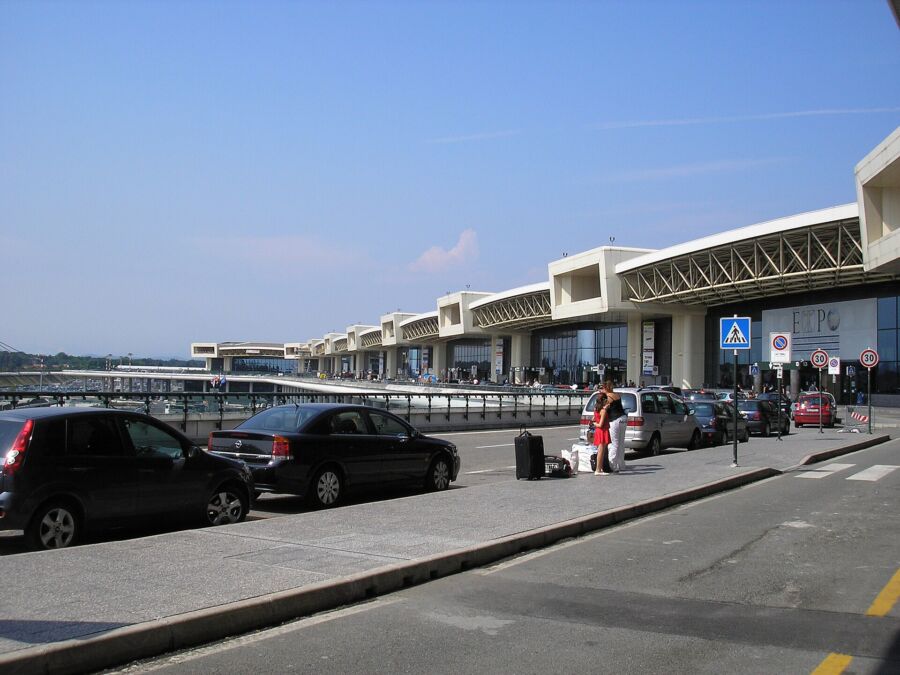
Trying to get into Milan fast? Linate wins, hands down. It’s just seven kilometers from the city center. Malpensa? That’s 50 kilometers away—practically another city.
Which Airport Is Closer to Milan City Center?
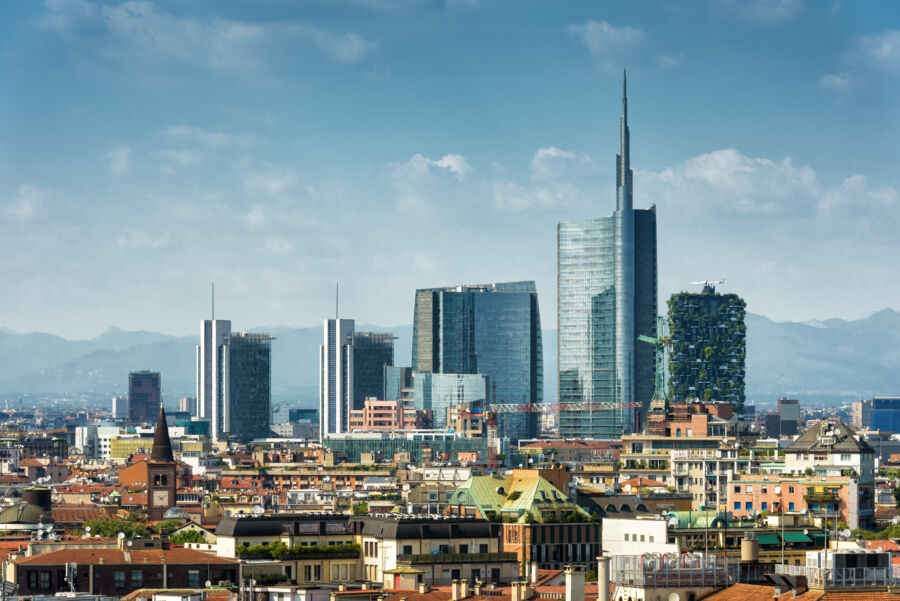
Linate Airport is basically in the city already. You’re only seven kilometers from Piazza del Duomo, so you could be gawking at the Duomo Cathedral within half an hour after landing.
Malpensa, though, is way out northwest. It’s not exactly convenient if you’re hoping for a quick city break. I’ve landed at both, and honestly, after a long flight, the difference feels huge.
Most international travelers coming from outside Europe don’t really get a choice—you’ll land at Malpensa whether you want to or not. But if you’re flying from Europe and both airports show up in your search, Linate’s proximity just makes life easier.
Journey Time Comparisons
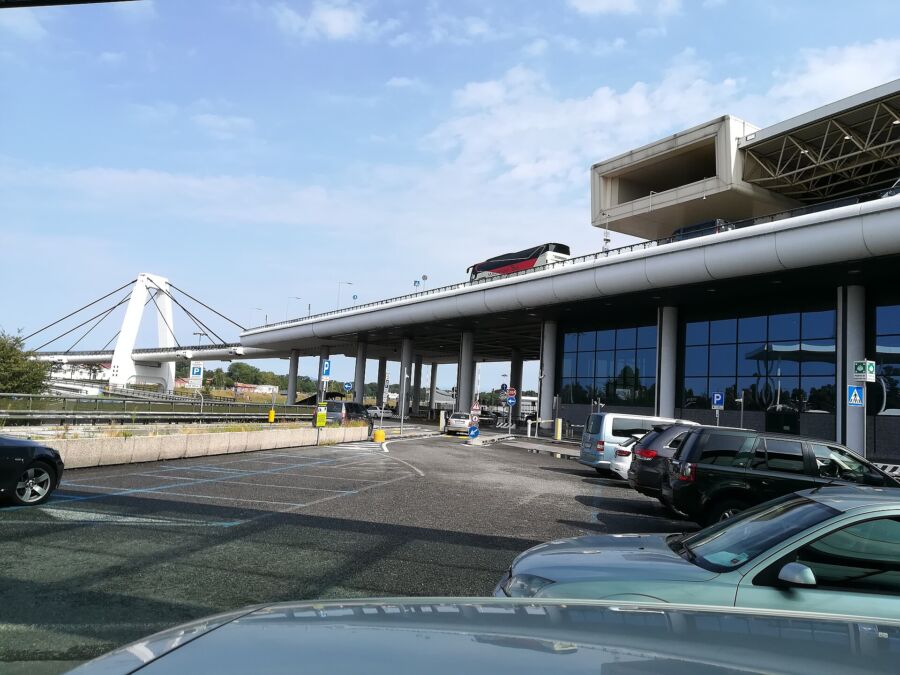
Distance isn’t the whole story:
| Airport | Transport Type | Cost | Journey Time |
|---|---|---|---|
| Linate | Bus | €5 | 25 minutes |
| Linate | Taxi | €40 | 20 minutes |
| Malpensa | Train | €13 | 43 minutes |
| Malpensa | Taxi | €95 | 45 minutes |
The Linate bus takes about 25 minutes, and taxis can do it in 20 if traffic isn’t awful. From Malpensa, the express train gets you to Milano Centrale or Cadorna in 43 minutes at best.
But here’s the catch—Linate doesn’t have a train. You’re stuck with buses or taxis, so Milan traffic can easily turn that “25 minute” ride into 45 during rush hour.
Typical Traveler Scenarios
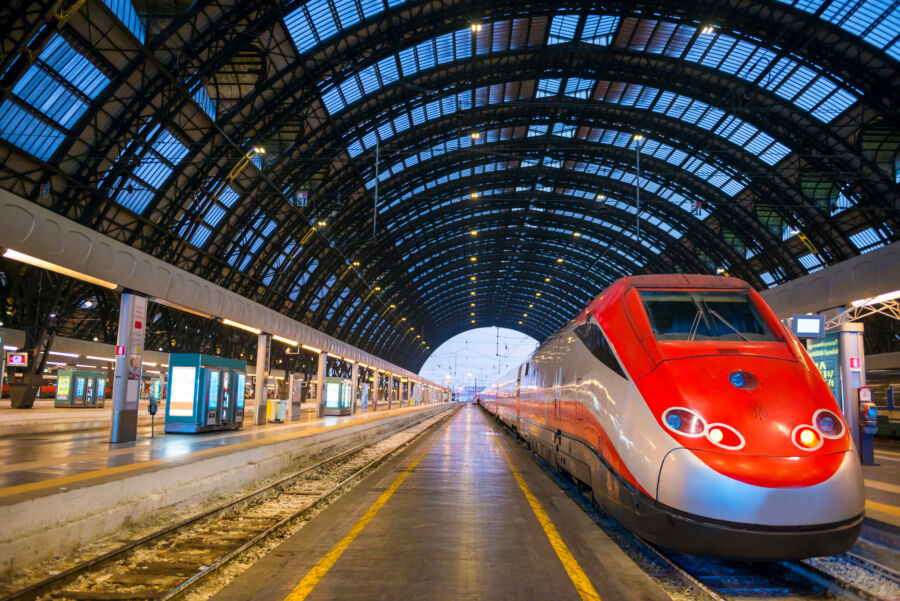
Business travelers: Linate is your airport, period. You can fly in the morning, be at a meeting near Centrale by 10am, and fly out that evening. Locals call it the business airport for a reason.
International arrivals: Most of the time, you don’t get to choose. Coming from New York, Dubai, or anywhere outside the EU? You’re landing at Malpensa.
Budget-conscious travelers: This can get tricky. Linate flights usually cost more because it’s so close. Sometimes the money you save flying into Malpensa gets eaten up by the pricier, longer transfer into town.
First-time visitors to Milan: If the flight price isn’t wildly different, I’d go with Linate. Seeing the city come into view so quickly after landing just makes the whole trip feel easier, especially if Italian airports are new to you.
Location and Transportation Links
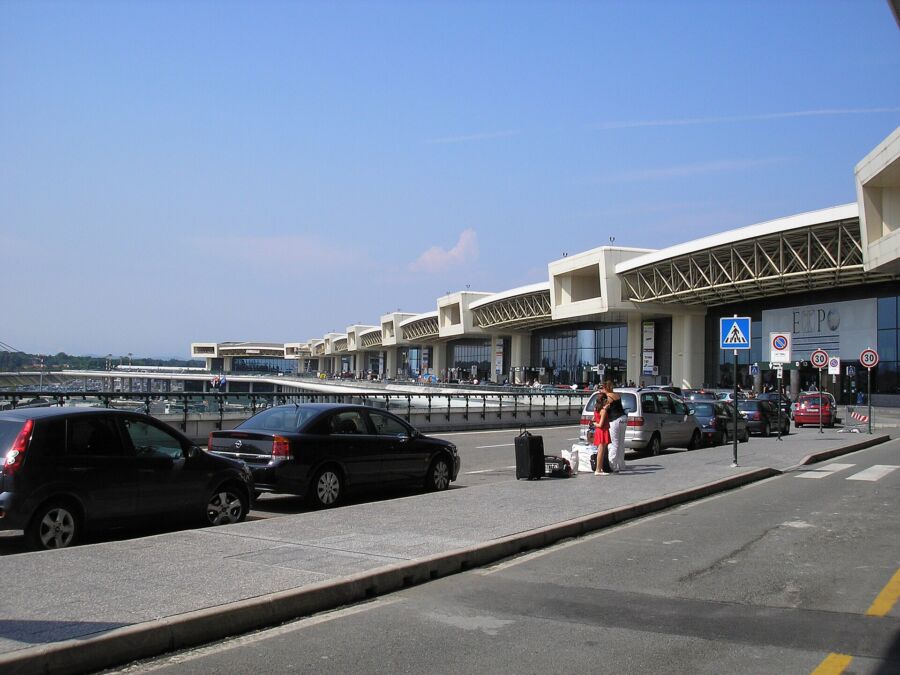
Malpensa is 50 kilometers northwest of Milan’s center. Linate sits just 7 kilometers from the city’s eastern edge. That difference shapes your transportation choices—Linate is quicker but has fewer options, while Malpensa covers more ground (literally and figuratively).
Malpensa Transport Options
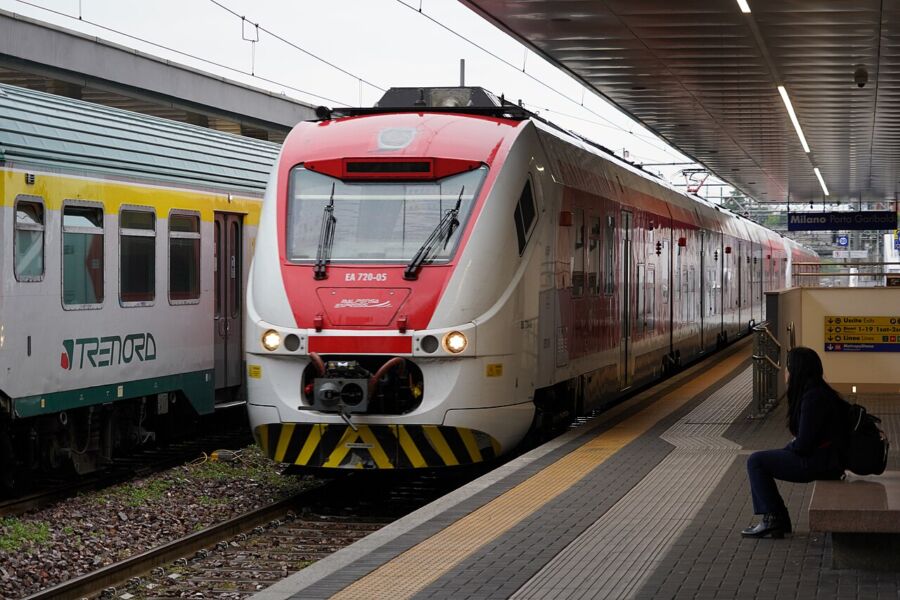
The Malpensa Express train is your best bet for reaching the city. It connects both terminals to Milano Centrale in 54 minutes, stopping at Porta Garibaldi and Bovisa.
Heading to Cadorna Station? That’s just 38 minutes. Trains leave every 15 minutes, and tickets are €13.
Three bus companies shuttle to Milano Centrale: Terravision, Malpensa Bus Express, and Malpensa Shuttle. All cost €10 one-way and run every 20 minutes. The Malpensa Shuttle operates from 3:45 am to 12:15 am, taking 45-50 minutes depending on your terminal.
Taxis to the center run about €90-100 and take 45-60 minutes, traffic depending. Car rentals are available in both terminals if you’re planning to roam beyond Milan.
Linate Transport Options
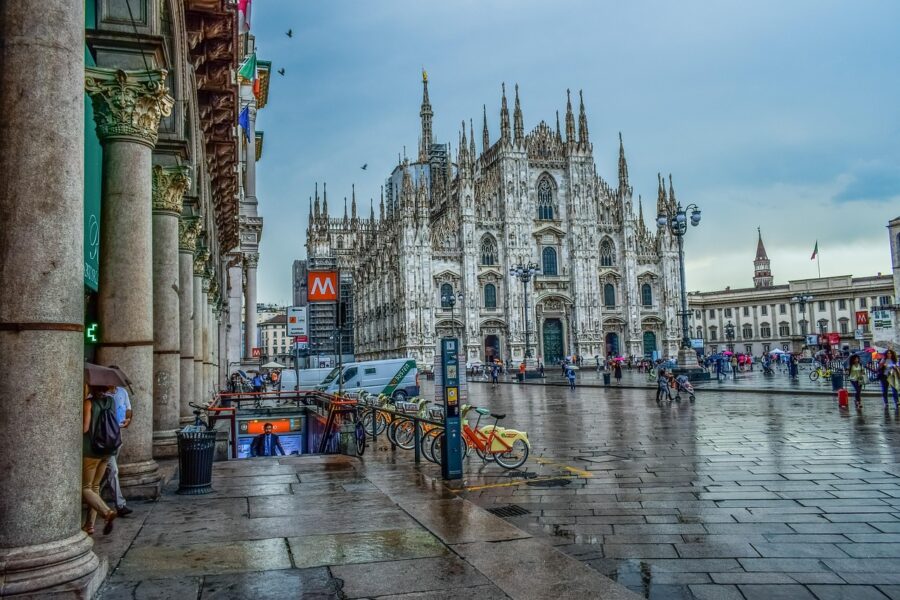
The M4 metro line has totally changed the game for Linate. This direct metro gets you to San Babila in the city center in just 12 minutes. Metro runs 6:00 am to 12:30 am daily, and a night bus (NM4) covers the rest. Tickets are €2.20.
The Linate Shuttle is another option—a bus from Linate to Milano Centrale for €7, taking about 25 minutes. But really, unless it’s late at night, the M4 is the way to go. Taxis from Linate are about €25-30 to the center, but with the metro so handy, you probably won’t need one.
Direct Metro and Train Connections
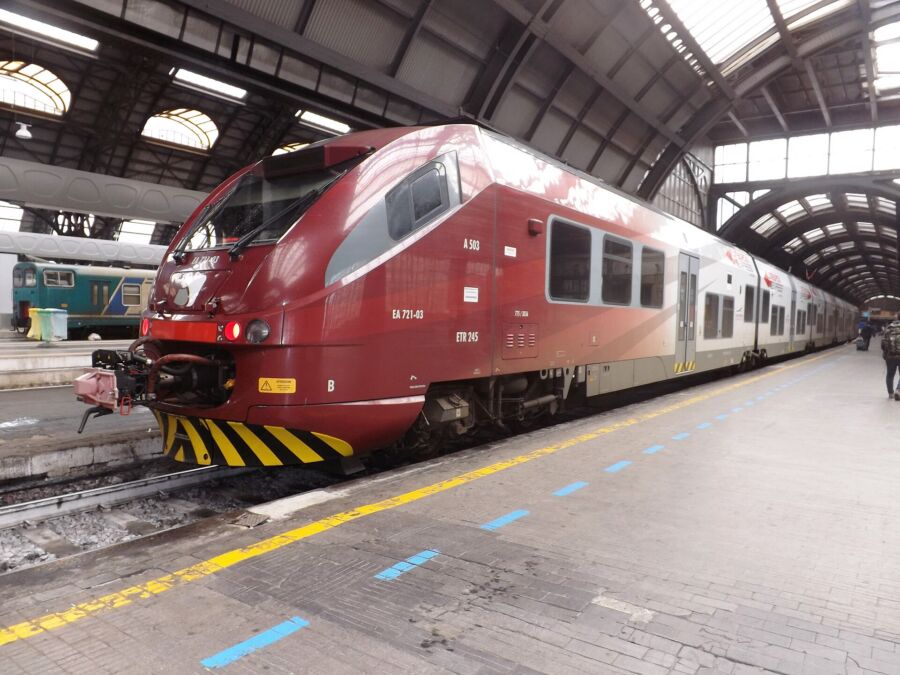
Linate’s M4 line is the only direct rail connection from any Milan airport straight into the city’s public transport system. You can switch to other metro lines at San Babila, so onward journeys are pretty seamless.
Malpensa Airport uses the Malpensa Express train, which is regional rail, not metro. You’ll arrive at major train stations but will probably need to transfer again for most hotels.
Trains run every 15 minutes—pretty good, but not as fast as Linate’s metro. Neither airport gives you a direct metro-to-metro line—you’ll always need at least one transfer to reach neighborhoods outside the main stations.
See Related: Unforgettable Religious Tours in Italy: Transform Your Faith Journey in the 2026 Jubilee Year
Flight Options and Airline Coverage
Malpensa handles most long-haul international traffic, while Linate focuses on domestic and European routes (with a few exceptions). Your airport choice will mostly depend on where you’re coming from and which airlines fly your route.
International Flight Networks
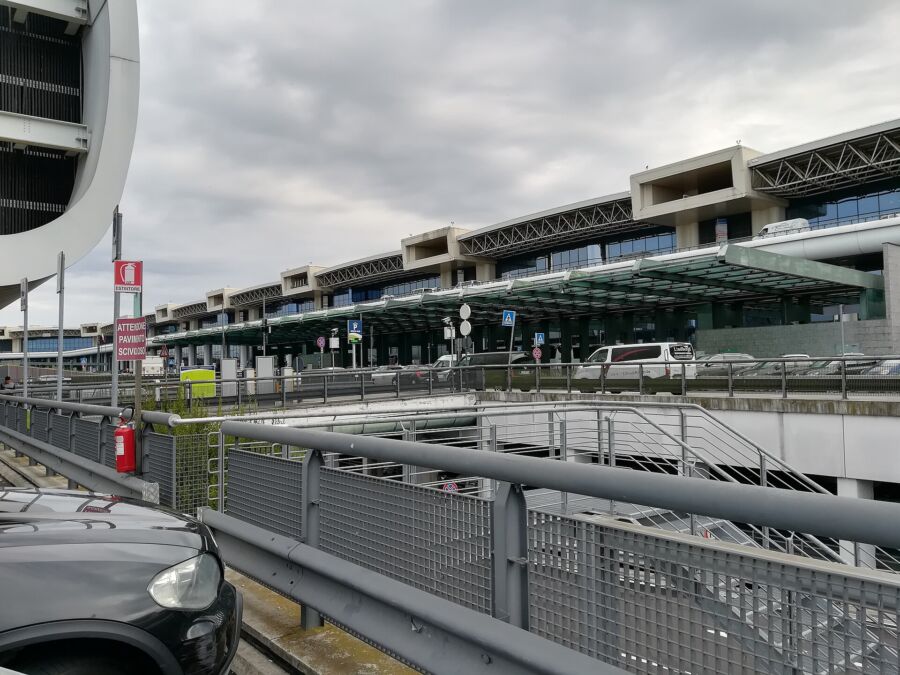
Milan Malpensa Airport (MXP) is northern Italy’s main gateway for intercontinental flights. You get direct connections to North America, Asia, the Middle East, and Africa. Emirates, Qatar Airways, and the other big Gulf airlines all fly only from Malpensa.
American Airlines runs its transatlantic service to Malpensa. Same for most legacy carriers on long-haul routes. British Airways splits its Milan flights between both airports, but the longer hauls are at Malpensa.
Lufthansa, Air France, and KLM all have a big presence at Malpensa for their European hub connections. ITA Airways (formerly Alitalia) uses Malpensa as a major hub for intercontinental flights. Brussels Airlines routes through here for international connections too.
If you’re coming from outside Europe, you’re almost certainly landing at Malpensa. Linate Airport (LIN) handles almost no long-haul traffic.
Domestic and European Services
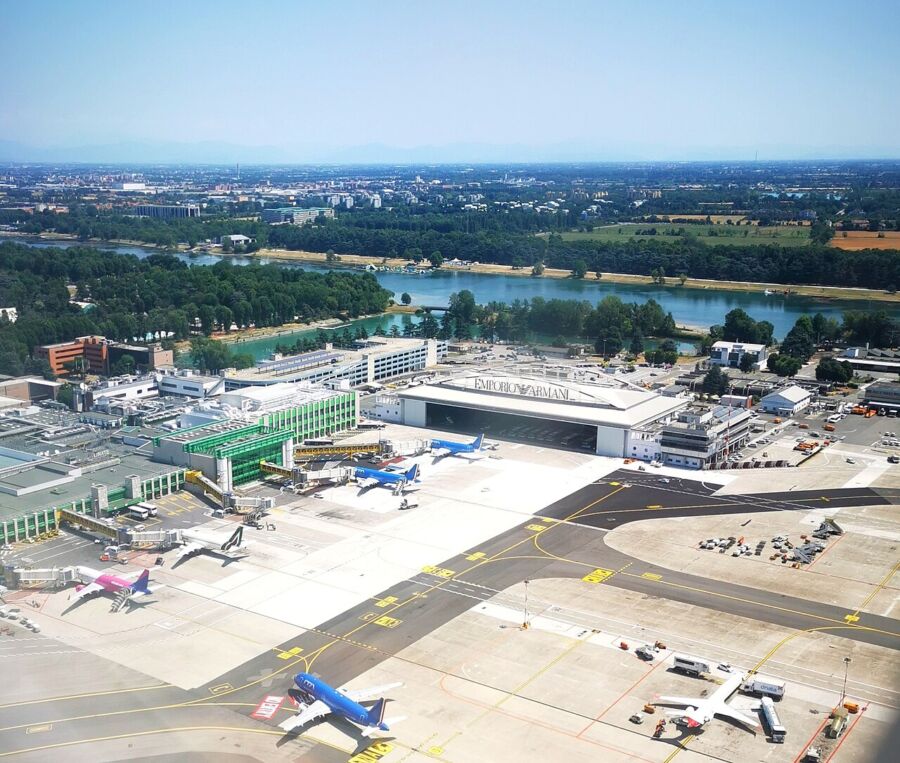
Linate runs as Milan’s business traveler hub for short-haul flights. There are frequent shuttles to Rome, with ITA Airways dominating that route. The airport’s close proximity makes it perfect for quick European trips.
British Airways operates several daily flights between London City and Linate, catering to business passengers. Air France connects Linate to Paris Charles de Gaulle several times a day. Linate’s crowd is mostly business travelers willing to pay more for convenience.
Malpensa also sees a lot of European traffic, especially leisure routes. Vueling, Air Malta, and other European carriers operate here. Both full-service and budget airlines use its two terminals.
Low-Cost Carrier Hubs
Budget airlines mostly avoid Linate because it’s pricier and has strict slot limits. EasyJet is the exception, with a base at Linate and routes around Europe. You’ll pay a bit more for EasyJet flights from Linate compared to other Italian airports.
Ryanair doesn’t fly from either Malpensa or Linate. They use Bergamo Airport (about 45 kilometers from Milan) as their low-cost hub.
Wizz Air mostly uses Malpensa for Milan flights, connecting to Eastern Europe. Blue Air also runs budget services from Malpensa. When you’re looking for cheap flight tickets, Malpensa usually offers more budget airline choices than Linate, though still fewer than Bergamo.
Airport Experience and Amenities
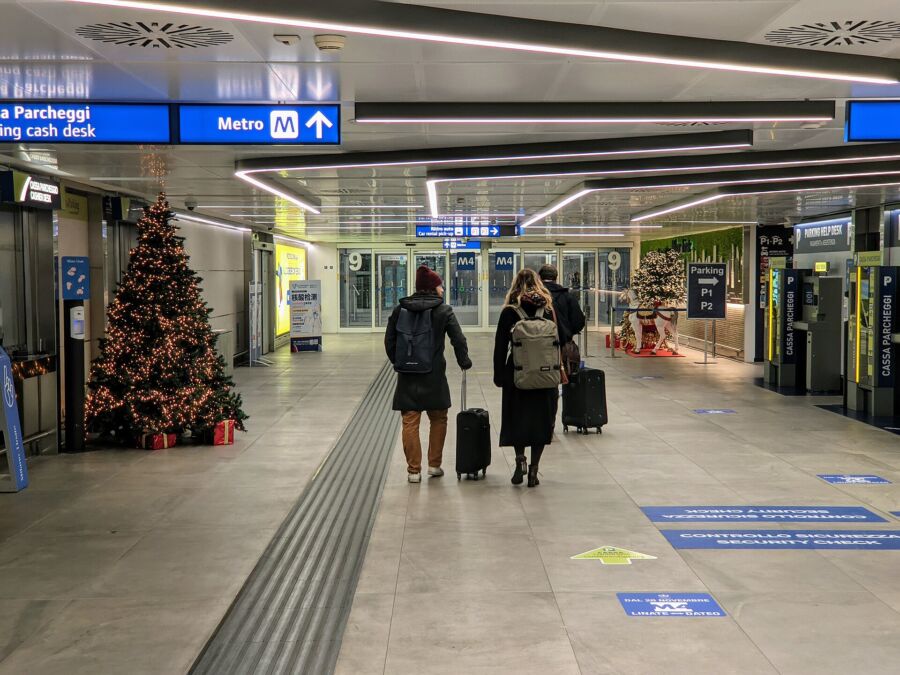
The airport experience is pretty different at these two hubs. Malpensa offers bigger facilities and more options, while Linate is simpler and gets you in and out faster.
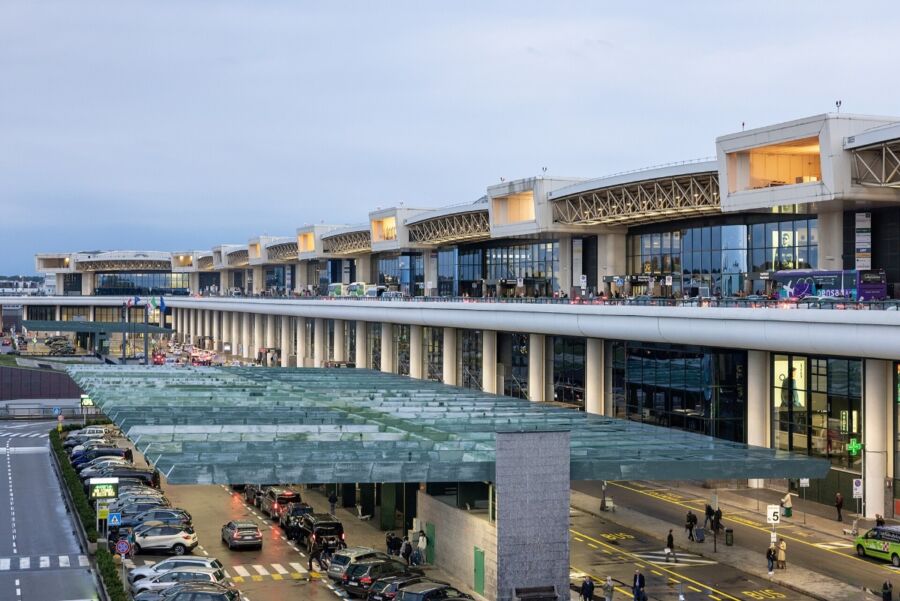
Malpensa has two terminals connected by a free shuttle bus. Terminal 1 is the main one for international carriers, while Terminal 2 is mostly EasyJet.
Terminal 1 feels big when you’re hustling between gates, and the layout isn’t always obvious, especially if you’re new. There are multiple levels—check-in upstairs, arrivals on the ground.
Linate is a single, compact terminal that’s super easy to navigate. You can usually walk from check-in to your gate in under 10 minutes.
The simple design means less stress about getting lost or missing your flight. For quick domestic or European hops, that’s a real plus.
Lounges and VIP Services
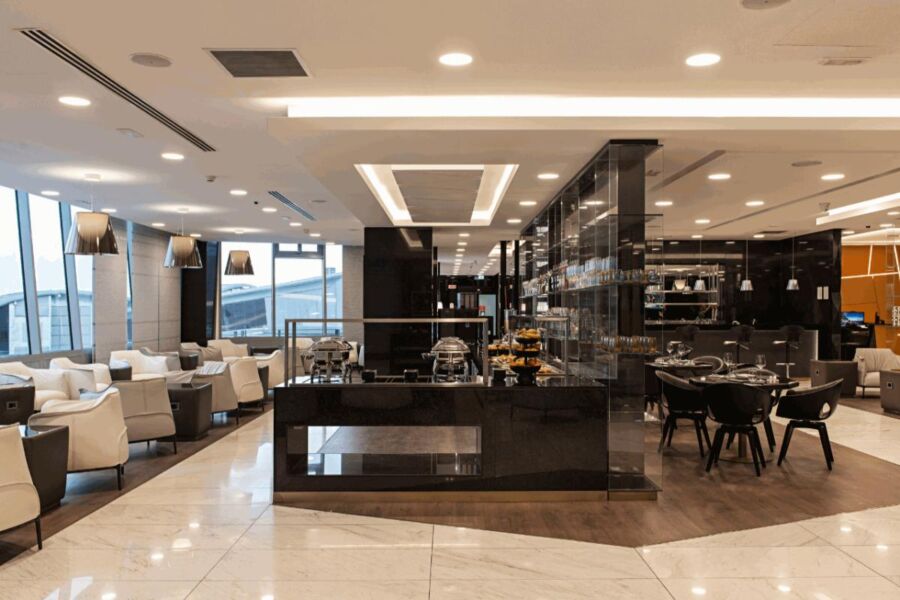
Malpensa has several business lounges in both terminals, including airline and independent options like Moxy. Terminal 1 has the most, with lounges offering showers, hot food, and quiet workspaces. VIP services include fast-track security, meet-and-greet, and private transfers for premium travelers.
Linate offers fewer lounges but covers the basics. The SEA lounges and airline-specific spots have comfy seating and light snacks.
The smaller size means these spaces can get crowded at busy times. But honestly, Linate moves so fast you might not even bother with a lounge.
Dining, Shopping, and Duty-Free
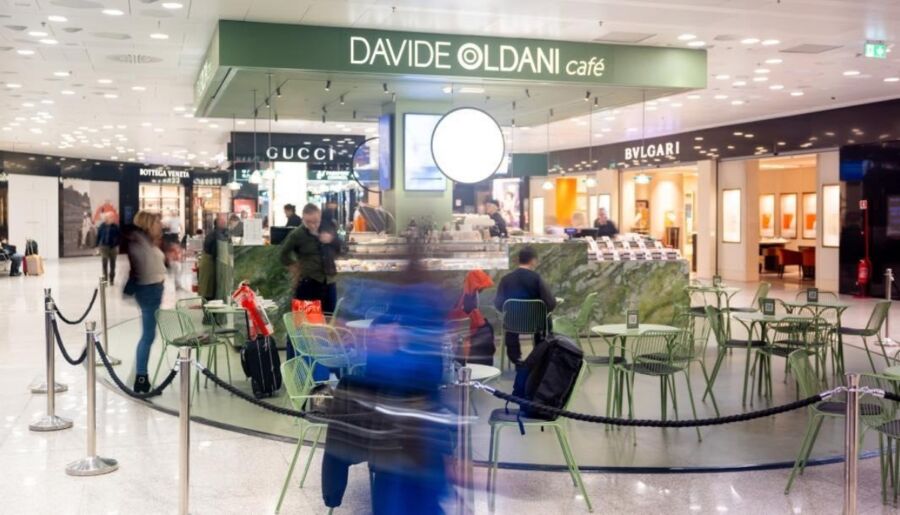
Malpensa’s Terminal 1 has loads of dining—from quick coffee bars to sit-down Italian restaurants. The duty-free area is big, with luxury brands, electronics, and the usual airport shops. You’ll find currency exchange, ATMs, and luggage storage if you need to stash bags before a late flight.
Linate offers a smaller but decent selection of cafes and shops. The duty-free zone is more basic—think perfumes, alcohol, and Italian goodies. There are several ATMs and basic services near arrivals. Food options are mostly grab-and-go, which honestly fits the airport’s quick-in, quick-out vibe.
See Related: Solo Travel Itinerary for 2 Weeks in Italy: Essential Stops & Tips
Access to Milan Landmarks and Regional Destinations

Choosing between Malpensa and Linate changes how fast you’ll get to Milan’s main sights and how easily you can branch out to places beyond the city.
Getting to Central Milan Attractions

Linate is the clear winner for reaching Milan’s heart. You can hop on the M4 metro right at the airport and be at Galleria Vittorio Emanuele II or the Duomo in about 15 minutes. Teatro alla Scala sits just a short stroll from San Babila station.
Malpensa, by comparison, takes a lot longer. Even if you grab the Malpensa Express straight to Milano Centrale, you’ll still need a metro connection to hit the city’s iconic spots. Realistically, you’re looking at 60-75 minutes, door to door.
Santa Maria delle Grazie (that’s where you’ll find Da Vinci’s Last Supper) sits on the M1 red line. From Linate, you’re there in about 25 minutes with one switch. From Malpensa, you’ll spend 70-90 minutes, depending on your train and transfer luck.
If your hotel’s near Milano Centrale or you’re booking walking tours, Malpensa is workable. But for quick access to historic Milan, Linate saves you close to an hour each way.
Travel to Lake Como and Beyond
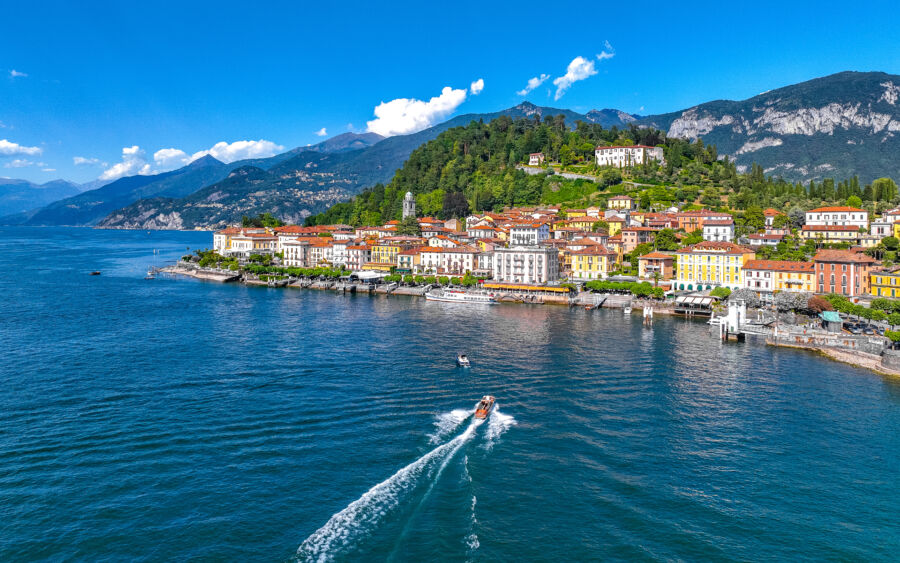
Malpensa puts you closer to northern escapes. The airport’s location makes it the logical jump-off for Lake Como and the Alps, especially if you’re mixing Milan with lake visits.
From Malpensa, you can be in Como in about 90 minutes—Malpensa Express to Saronno, then a quick train to Como. Trains run most of the day, so you’re not stuck waiting around. Some folks even skip Milan altogether and head straight for the lakes.
Linate doesn’t help much here. You’d have to go into Milano Centrale first, then double back northwest to Como. That detour adds at least 45 minutes.
Same story for Bergamo, Varese, or the Dolomites. If you’re planning day trips to Lake Como or anywhere north, Malpensa’s out-of-town location is actually a plus—even though it’s farther from Milan’s center.
Comparing Milan’s Other Airports: Bergamo and Beyond
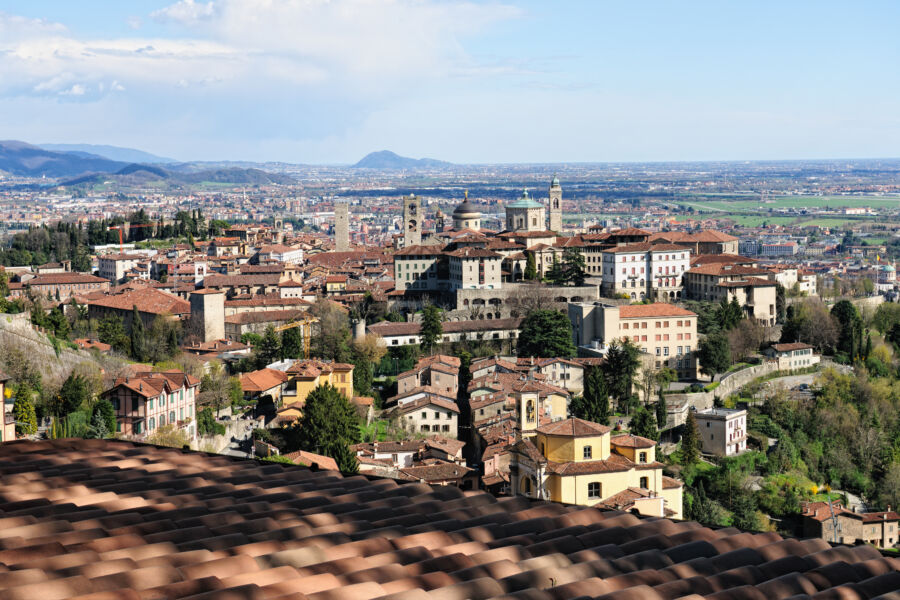
Bergamo Orio al Serio is about 45 kilometers from central Milan and serves as the region’s budget flight hub. You’ll find way cheaper tickets here, but you’ll pay for it with a longer ride into town.
Bergamo Airport Overview

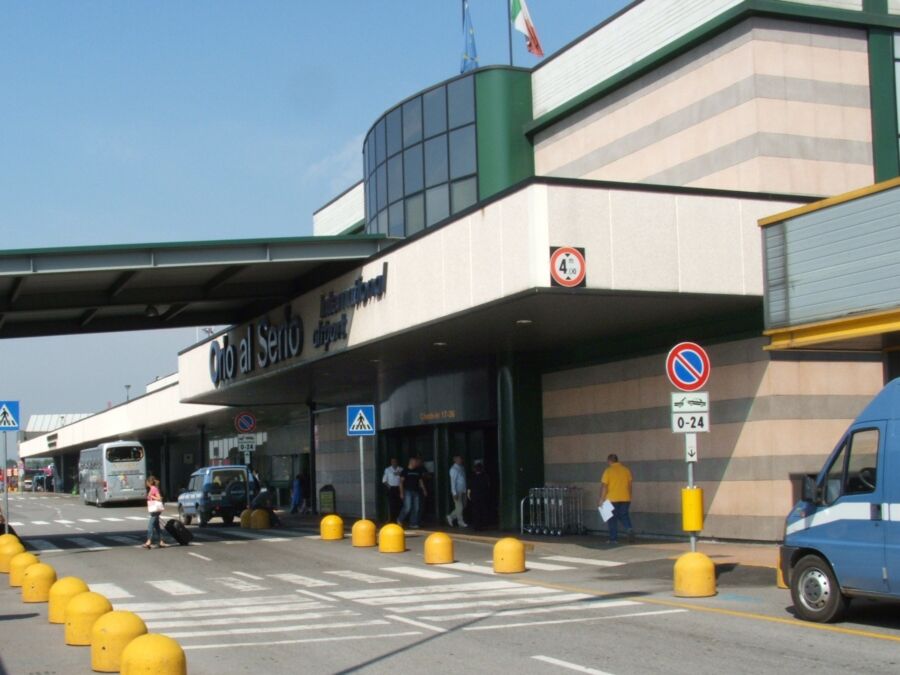
Bergamo Airport (BGY), officially Orio al Serio, acts as Milan’s third airport, though it’s not really in Milan at all. The airport’s in the town of Bergamo, which, honestly, is worth a visit if you have a little extra time.
Ryanair rules the terminal, along with other budget airlines like Wizz Air. The airport’s single terminal is smaller and easier to handle than Malpensa. You’ll find basics—cafes, shops, parking—generally cheaper than at the bigger airports.
Low-Cost Connections and Longer Transfers
BGY’s main draw is the airfare. You can easily save 50-100 euros compared to Linate or Malpensa, which is a big deal if you’re counting every euro.
But there’s a trade-off: getting to Milan takes time. Shuttle buses run often to Milano Centrale and take about an hour if traffic’s light.
At rush hour, plan for 90 minutes. The bus costs 5-10 euros, depending on which company you pick.
You could also take a local bus to Bergamo’s train station, then catch a train to Milan. That’s slower and a pain if you’ve got luggage. Taxis from BGY to Milan are pricey—usually over 100 euros—so unless you’re splitting with a group, it’s not really worth it.
See Related: Best Places to Visit in Italy This Year
Frequently Asked Questions
Linate is about 7 kilometers from Milan’s center. Malpensa sits roughly 50 kilometers out, so Linate is way faster for most city-bound visitors. Malpensa handles more international routes and long-haul flights, but you’ll spend extra time getting downtown.
What are the main differences in accessibility to Milan’s city center from Linate and Malpensa airports?
Linate gets you downtown fast. Expect 25 to 35 minutes by bus or taxi to reach spots like Duomo or Porta Nuova. The bus runs all the time, and you can grab a ticket on board or via app.u003cbru003eMalpensa takes longer—distance is the main reason. The Malpensa Express train is your best bet, about 50 minutes to Milano Centrale. Buses are another option but usually take an hour, sometimes longer if traffic’s bad.u003cbru003eIf your hotel’s in the city center, Linate is the time-saver. But for international flights, you might not have a choice—Malpensa covers most long-haul routes.
Could you highlight the pros and cons of choosing Linate Airport over Malpensa for a first-time visitor to Milan?
Linate’s main perk is location. It’s close, and if you’re new to Milan, you’ll appreciate skipping a long transfer after landing. The airport’s smaller, less overwhelming, and that makes arrival a bit less stressful.u003cbru003eDownside? Fewer international flights. You might pay more, and there aren’t as many options as Malpensa.u003cbru003eMalpensa has more flights and often better prices, especially for transatlantic or Asian routes. But that extra travel time feels like a drag when you’re tired and just want to get to your hotel.
What transport options are available from Milan Malpensa to the city center, and how do they compare to those from Linate?
From Malpensa, you’ve got three main options: Malpensa Express train, shuttle buses, and taxis or private cars. The u003ca href=u0022https://www.realjourneytravels.com/new-train-routes-europe/u0022u003etrain runsu003c/au003e every 15 to 30 minutes to Milano Centrale, where you can jump on the metro. It’ll cost you 13 to 15 euros.u003cbru003eShuttle buses like Malpensa Shuttle or Terravision run every 20 to 30 minutes, cost between 8 and 12 euros if you book ahead, and also go to Centrale. Expect 50 to 70 minutes, depending on traffic.u003cbru003eTaxis or private transfers start at 60 to 70 euros, but they’ll take you straight to your door. If you’ve got a lot of bags or you’re traveling with family, that might be worth it.u003cbru003eFrom Linate, an express bus is the simplest option. It runs every 20 minutes or so, costs under 10 euros. Taxis are even quicker—25 to 35 euros to the center. There’s no train from Linate, so your choices are fewer, but honestly, it keeps things straightforward.
For travelers prioritizing quick city access, between Malpensa and Linate airports, which one should they opt for?
Linate, no contest. If speed’s your thing, nothing beats a 25-minute ride into town.u003cbru003eEven the quickest Malpensa route—the train—takes 50 minutes, and that’s before you deal with any connections or delays. If you’re in a hurry or just hate long commutes, Linate is the obvious pick.
Can you explain why some travelers might prefer Malpensa Airport despite its further distance from downtown Milan?
Malpensa is the go-to for international flights. You’ll find more direct options from North America, Asia, and the Middle East. If you’re flying long-haul, you probably don’t have much choice.u003cbru003eIt’s bigger, with more shops, lounges, and places to eat. Some travelers like having time to unwind in a decent airport after a long flight, and Malpensa delivers more on that front.u003cbru003eAnd if you’re heading to other spots in northern Italy—Lake Como, Turin, wherever—Malpensa’s location actually helps. You’re already partway there.
In terms of overall convenience and efficiency, which airport is generally considered the best gateway to Milan for tourists?
If your main goal is exploring Milan itself, Linate just makes sense. You get off the plane, and suddenly the city feels close. No long transfers, no dragging your suitcase across half of Lombardy.u003cbru003eBut hey, plenty of folks land at Malpensa, especially on international flights. It’s not a disaster—just hop on the Malpensa Express. The train’s pretty comfy and reliable, and honestly, 50 minutes isn’t so bad. Grab your ticket online before you arrive and it’s one less thing to worry about.u003cbru003eHonestly, the u0022bestu0022 airport? It all comes down to your own flight options and what you want to do when you land. Linate keeps things quick and easy. Malpensa gives you more international choices and a bit of flexibility.


