
Last modified March 23, 2026
Nassau draws millions of visitors every year, and honestly, it’s not hard to see why—the beaches are gorgeous, the culture pops with energy, and the flight from most US cities is short enough to make a quick escape feel easy. Still, if you’ve caught some of those headlines about crime in the Bahamas, you’re probably second-guessing your vacation plans.
Nassau is moderately safe for tourists, especially if you stick to resort areas and main attractions during the day. Crime rates run higher than in many Caribbean spots, so staying alert matters. Most visitors have a trouble-free trip, but violent crime does happen—mainly in neighborhoods tourists rarely visit.
Here’s the thing: you can absolutely enjoy Nassau without running into problems if you know where to go, what to avoid, and how to look out for yourself. Understanding the real risks (not just the scary headlines) helps you make good choices and get the trip you want.
Key Takeaways
- Nassau is pretty safe in tourist areas during the day, but crime rates are higher than on some Caribbean islands
- Avoid neighborhoods south of Shirley Street; resort areas and popular beaches are usually secure
- Simple steps like steering clear of unlicensed jet ski rentals and never carrying firearms go a long way
Is Nassau Safe Right Now?
The U.S. State Department currently puts The Bahamas at a Level 2 advisory. That means you should exercise increased caution when visiting Nassau.
Most violent crime happens in specific areas of Nassau and Freeport. Thousands of tourists visit safely every day, but knowing where risks exist helps you make smarter decisions.
Latest Government Travel Advisories
The U.S. State Department updated its Bahamas travel advisory to highlight crime concerns in Nassau and Freeport on New Providence and Grand Bahama islands. The advisory singles out the “Over the Hill” area south of Shirley Street in Nassau as especially problematic due to gang activity.
But let’s be real: the advisory isn’t telling you to skip The Bahamas. Level 2 puts Nassau in the same basket as Germany, Italy, and Spain. It just means: stay alert, not stay home.
There are a few surprises in the advisory. Firearms and ammo are flat-out illegal in The Bahamas, and police have arrested American tourists who accidentally packed even a single bullet. U.S. government employees can’t rent jet skis from independent operators on New Providence and Paradise islands because of safety and assault concerns.
What Safety Ratings Mean for Tourists

A Level 2 advisory means you need to be more careful than you would in a Level 1 spot, but it doesn’t mean Nassau is dangerous for tourists who use common sense.
Honestly, most of the crime stats behind these advisories involve gang violence in neighborhoods you probably won’t see. Tourist hotspots like Cable Beach, Paradise Island, and the downtown cruise port have a different vibe (and risk level) than residential zones.
If you stick to well-touristed areas, avoid walking alone after dark, and use your usual street smarts, your risk drops fast. The advisory is there because problems can happen, not because they’re the norm for visitors.
How Crime Affects Visitors
Crime in the Bahamas does touch tourists, but it’s usually property crime—think theft or burglaries at vacation rentals. Armed robberies and sexual assaults do happen, but they’re less common.
Sexual assaults have occurred on beaches near downtown Nassau and sometimes involve jet ski operators. The advisory warns about being alert in public restrooms and not swimming alone. Vacation rentals without private security carry higher risks than big resorts with 24-hour staff.
Some basics that help: don’t open your hotel door unless you know who’s there, keep balcony doors locked, and if someone tries to rob you, don’t fight back. Gang violence exists, but it mostly affects locals in certain neighborhoods—not tourists hanging out at Atlantis or strolling Bay Street.
Crime in Nassau: What You Need to Know
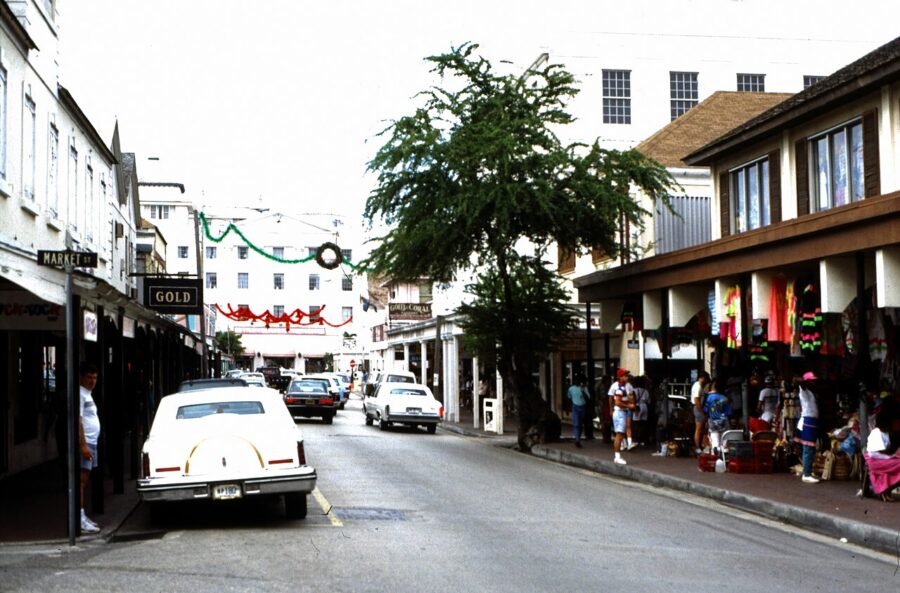
Nassau’s crime rate is higher than in many Caribbean destinations, but most serious incidents happen away from tourist zones. Property crimes like theft are more likely to impact visitors than violent crimes, though armed robberies and sexual assaults can still occur.
Types of Crimes Targeting Tourists
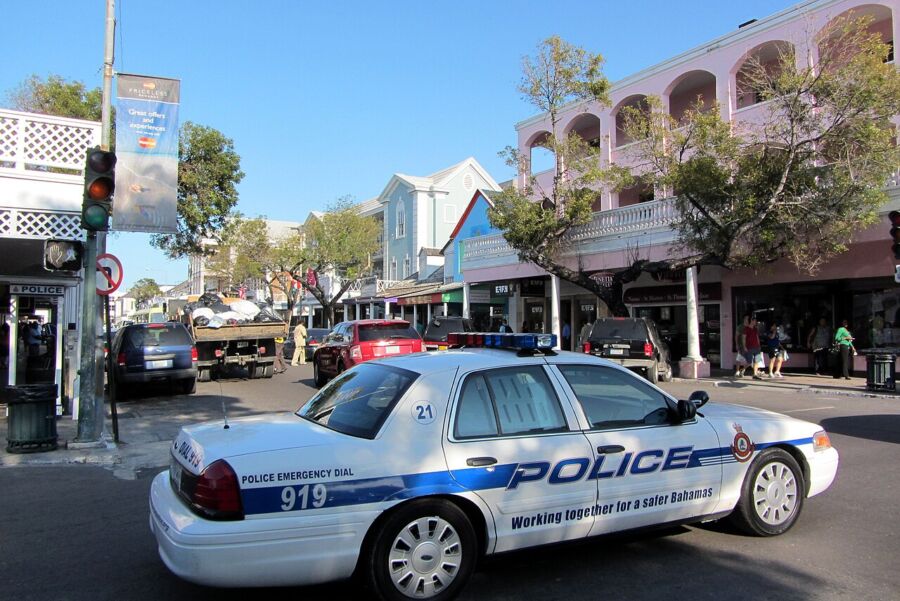
Theft tops the list for tourists in downtown Nassau and around New Providence Island. Pickpockets love crowded places like the Straw Market and cruise ship terminals, so keep your bag zipped and your wallet close.
Armed robbery is the most common violent crime affecting tourists. These incidents can happen in tourist areas, but they’re less frequent than property crimes. The Royal Bahamas Police Force says crime dropped 16% in 2023, but you still need to stay alert.
Sexual assaults are a real risk, especially for solo female travelers. Drink spiking happens at bars and nightclubs, so never leave your drink unattended, and avoid one-on-one situations with strangers in isolated areas.
Scams targeting tourists include jet ski operators who claim you damaged their equipment. Some watercraft vendors have been linked to worse crimes. The U.S. government actually bans its personnel from using independently operated jet skis in the Bahamas.
Neighborhoods to Avoid
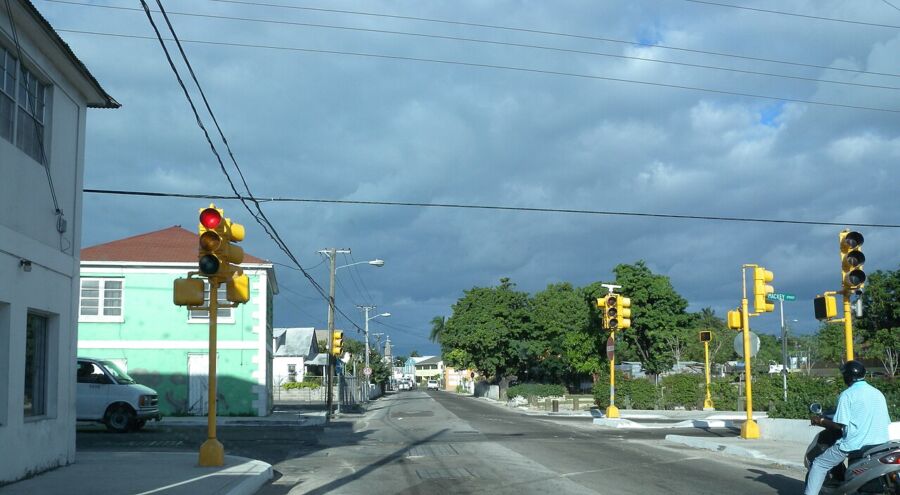
“Over the Hill,” south of Shirley Street, is the most dangerous neighborhood in Nassau. Gang violence and drug-related crimes make this area a no-go for visitors.
Fish Fry, Arawak Cay, and Sand Trap also have high criminal activity. Gang violence sometimes spills over into surrounding areas. Even during the day, you shouldn’t wander into these neighborhoods.
Cable Beach, downtown Nassau during cruise ship hours, and Paradise Island are the safest bets. But downtown empties out quickly once the cruise crowds leave. What feels lively at 2 PM can get sketchy by 8 PM.
How the Royal Bahamas Police Force Works
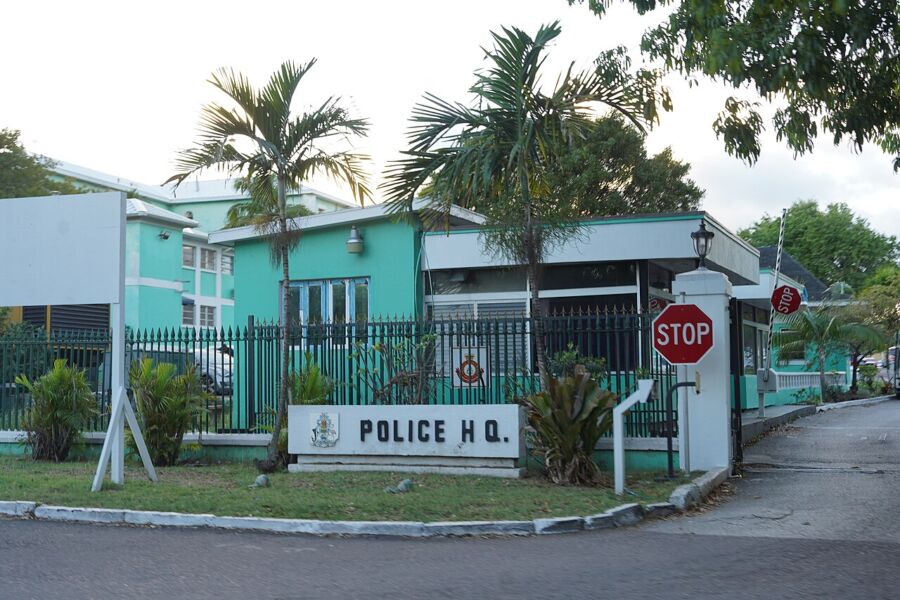
The Royal Bahamas Police Force focuses patrols on tourist hotspots during peak hours. You’ll spot officers around Bay Street, the cruise terminals, and busy beaches when visitors are out and about.
Police presence drops a lot at night and in residential zones. Since tourism is the economy’s lifeblood, the force puts its resources where the visitors are. Local neighborhoods get less attention, which is part of why crime stays high in places like Over the Hill.
Response times depend on where you are. In tourist areas, police usually show up fast. Venture into less-traveled neighborhoods, though, and it might take longer. The U.S. Embassy in Nassau wants you to report all crimes, even small thefts, to help spot patterns and improve safety.
See Related: 7 Days in Nassau Itinerary for Beaches, Adventures & Hidden Gems
Safest and Riskiest Areas in Nassau
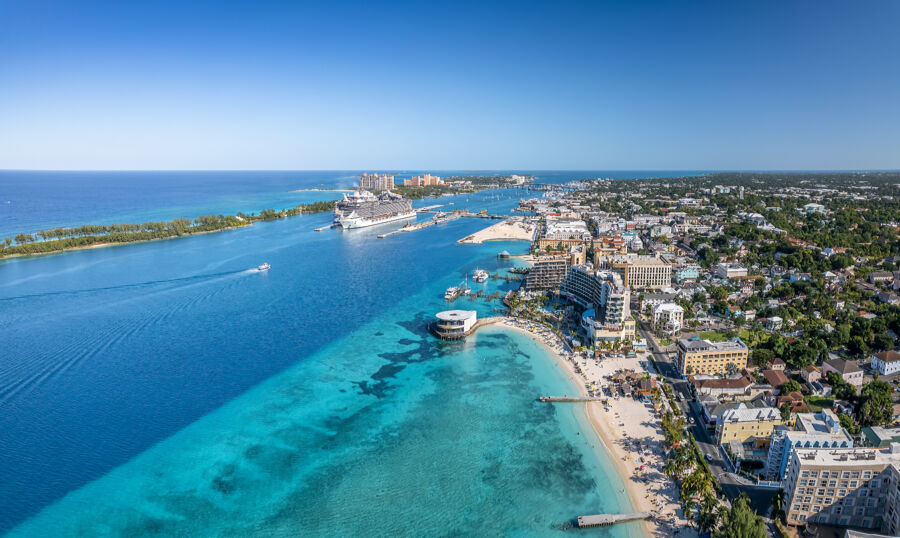
Nassau’s safety varies a lot depending on where you are. Tourist-friendly zones offer strong security, but some neighborhoods carry real risks for visitors.
Popular Safe Zones for Travelers
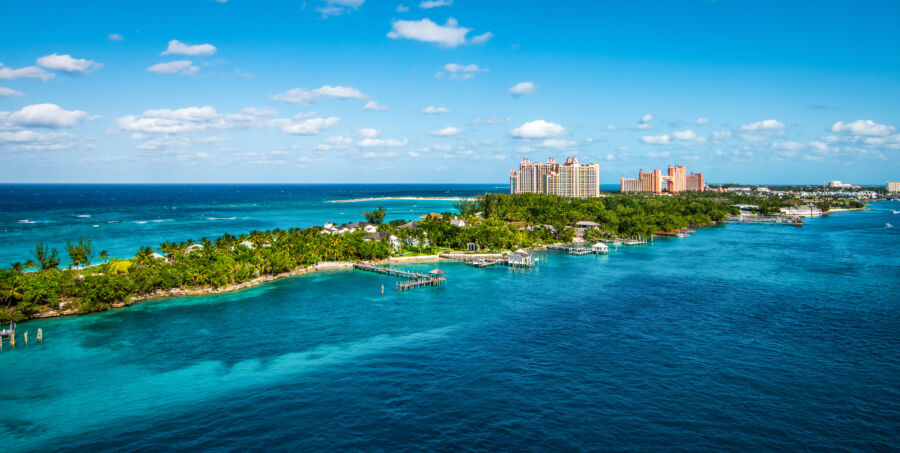
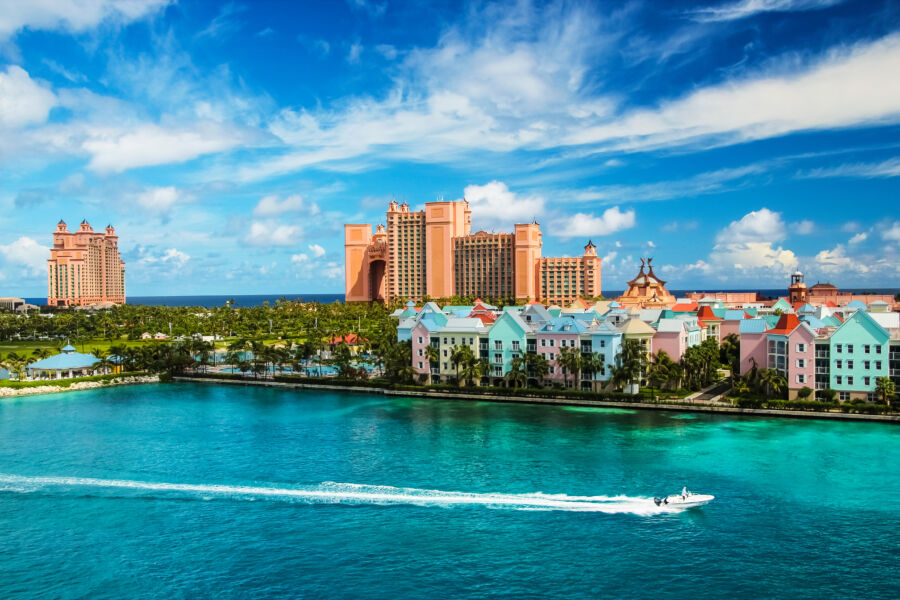
Paradise Island is probably your safest bet in Nassau. This area is packed with resorts like Atlantis and several luxury properties, all with their own security teams 24/7. The streets are well-lit, patrols are regular, and tourists are everywhere, which helps keep trouble at bay.
Downtown Nassau around Bay Street is pretty safe during the day, especially near the cruise ship terminal. The shopping district bustles with tourists, vendors, and police, so daytime exploration is usually fine. Cable Beach also rates well for safety, with hotels and resorts hiring private security.
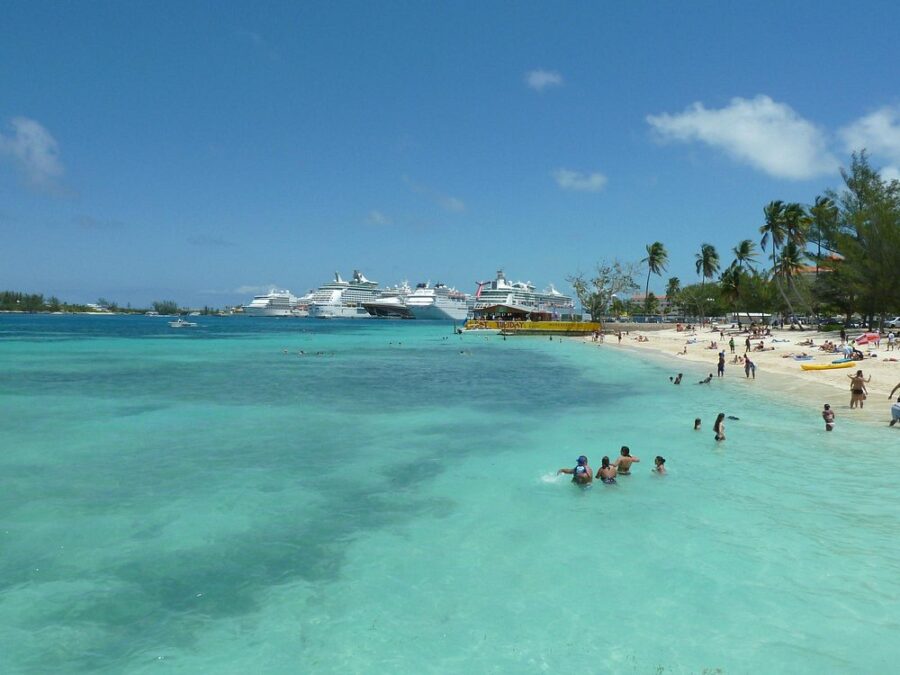
Junkanoo Beach is a safer beach choice compared to more isolated stretches. It’s near downtown Nassau on New Providence Island and draws both locals and tourists, so there are always people around. Stick to well-populated spots and keep your stuff close, but it’s a solid pick for beach time.
High-Risk Locations Explained
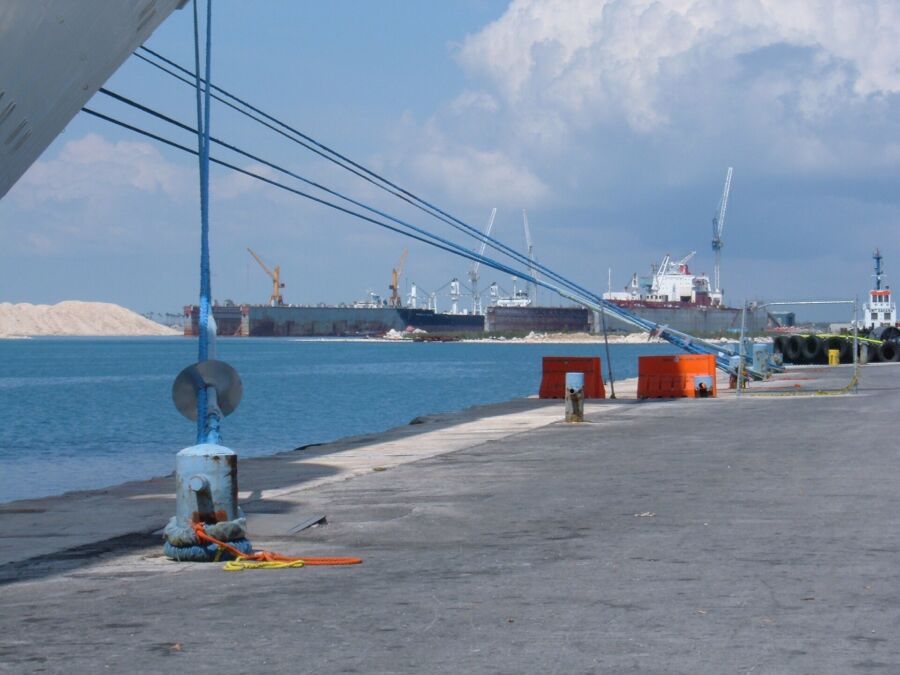
The “Over the Hill” area south of Shirley Street is the worst spot for visitors. Gang activity is a constant issue, and there’s just no good reason to go there. Local authorities warn against it for a reason.
Sand Trap is risky too. These residential areas don’t have tourist attractions, and outsiders stand out, making them easy targets. Freeport on Grand Bahama Island also sees higher crime rates than many expect.
Downtown Nassau changes after dark. The Bay Street area that feels busy and safe at 2 PM can get sketchy by 10 PM, especially if you’re alone or look lost.
Staying Safe During Your Visit
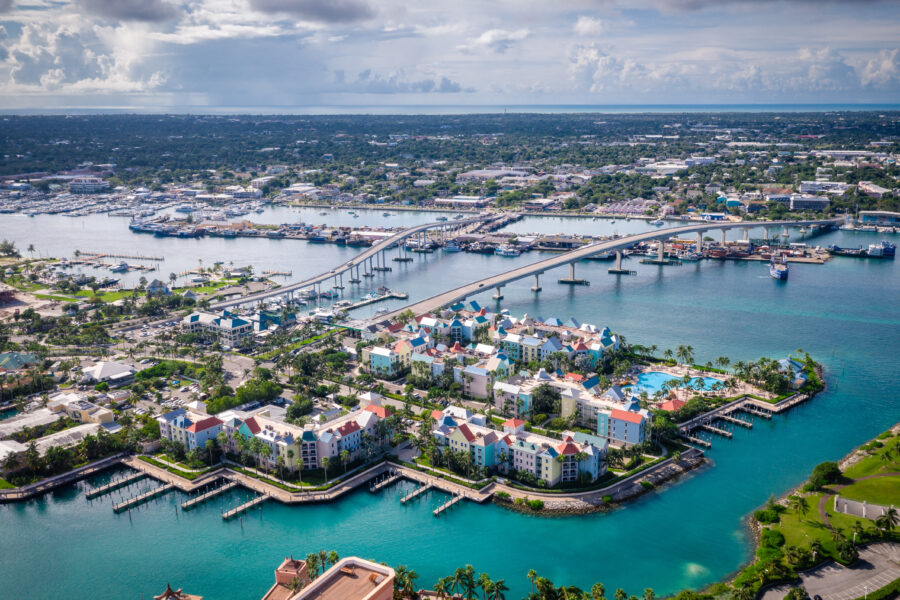
Nassau takes common-sense precautions, but safety concerns shouldn’t keep you from enjoying the turquoise water and lively culture. The trick is knowing when and where to be extra cautious.
Daytime Versus Nighttime Safety

Downtown Nassau is generally fine for tourists during the day. Attractions, shops, and restaurants buzz with activity and plenty of other visitors. The cruise port area and Paradise Island stay busy most of the day.
But after dark, things shift. Definitely avoid the “Over the Hill” area south of Shirley Street, where gangs have caused real problems. Even in tourist areas, dimly lit streets and quiet neighborhoods aren’t great at night.
Stick to busy areas after sunset. If you’re going out for dinner or drinks, grab a licensed taxi instead of walking.
And those midnight beach walks that sound romantic? Save them for resorts with private security. Downtown Nassau beaches have seen assaults, especially in isolated spots and near public restrooms.
Beach and Water Activity Precautions

Don’t swim alone at Nassau beaches or Junkanoo Beach. That’s the big rule. Drownings happen when people push their limits or don’t realize they’re getting tired while snorkeling.
Jet ski rentals are popular, but here’s something most tourists miss—U.S. government employees can’t use jet skis from independent operators on New Providence and Paradise islands. Why? Because boating regulations are weak, some operators aren’t licensed or insured, and there have been reports of sexual assaults by jet ski staff.
Watch for jet skis zipping too close to shore while you swim. Keep an eye on weather warnings and shark alerts, too. Shark attacks are rare, but they do happen.
If you’re planning water activities, book through your resort or a reputable tour company with insurance and proper safety gear. And if you need to store your luggage before a beach day, use secure options—don’t just leave your bags on the sand.
Using Taxis and Public Transport
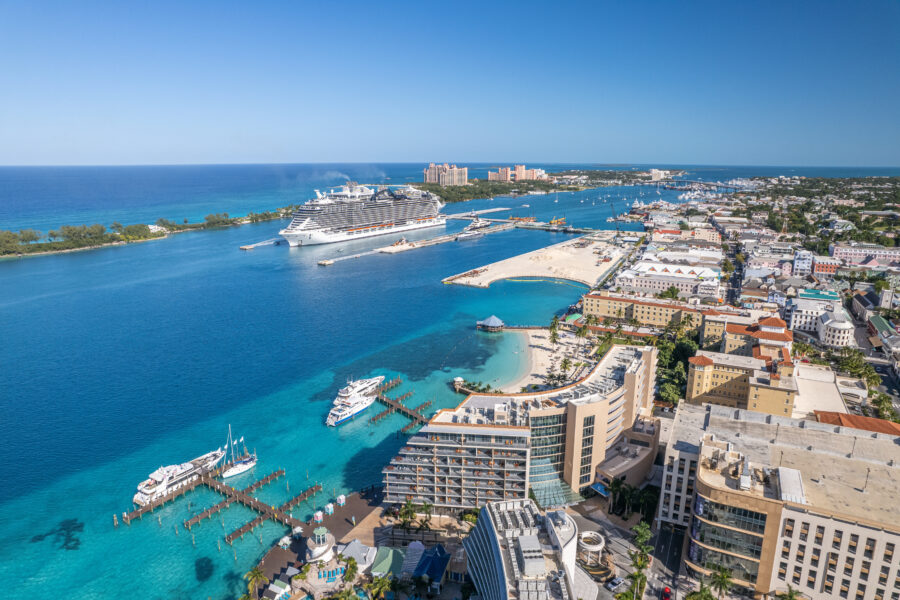
Licensed taxis are your safest option for getting around Nassau. Look for yellow license plates and drivers with visible ID. Always settle the fare before you get in—no meters here.
Public buses (jitneys) are cheaper, but they’re crowded and don’t always stick to a schedule. They’re generally safe during the day for short rides, but you’ll need exact change. Some drivers crank up the music, which is just part of the vibe.
You can rent a car, but driving in Nassau takes some getting used to. The traffic is hectic, and some roads aren’t well marked. If you do rent, lock your doors while driving and don’t leave valuables in sight.
Special Safety Tips for Women and Solo Travelers
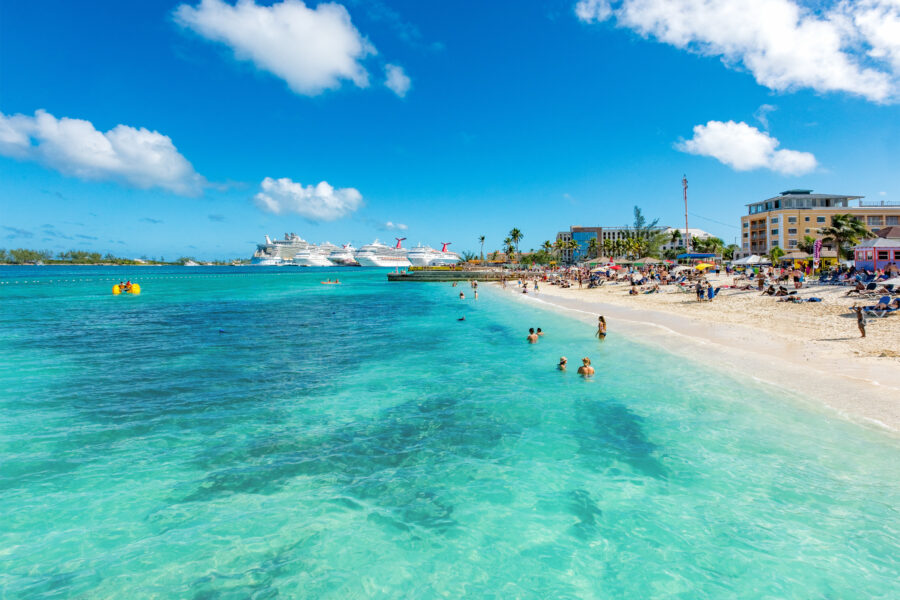
Women traveling alone to Nassau should be extra careful with personal safety and their belongings, especially in tourist-heavy areas where petty theft and opportunistic crime are more likely.
Preventing Theft and Assault
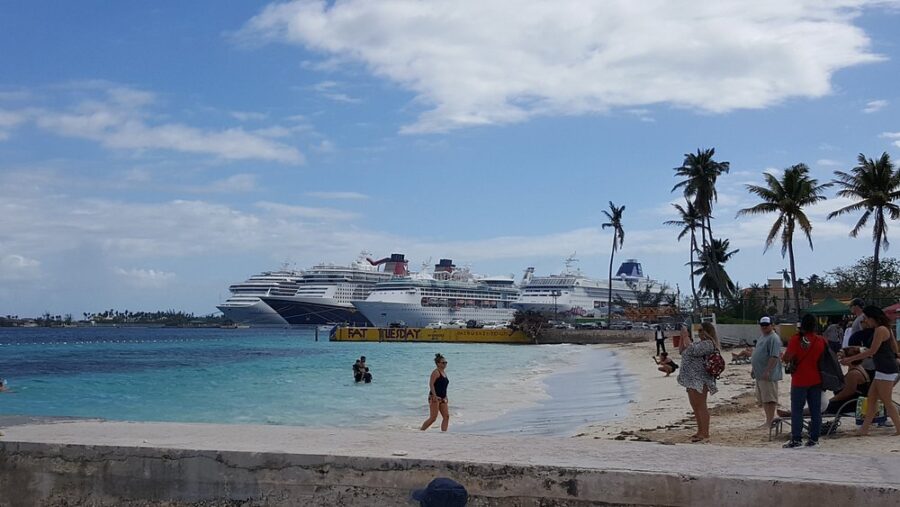
If you’re visiting Nassau solo, staying in populated areas after dark makes a real difference. The Royal Bahamas Police Force suggests avoiding the “Over the Hill” neighborhood south of downtown, especially at night when gang activity spikes.
Skip walking alone on empty beaches or through quiet streets once the sun’s down. Instead, use registered taxis or rideshares to get around after dinner. If someone approaches you aggressively or makes you uneasy, duck into the nearest hotel lobby or busy restaurant.
Listen to your gut. If a local invites you to a “special party” or offers to show you a “secret beach,” it’s usually best to politely decline unless you’re with a group. Sexual assault can happen anywhere, so never leave your drink unattended at bars, and don’t accept drinks from strangers.
Advice for Protecting Your Belongings
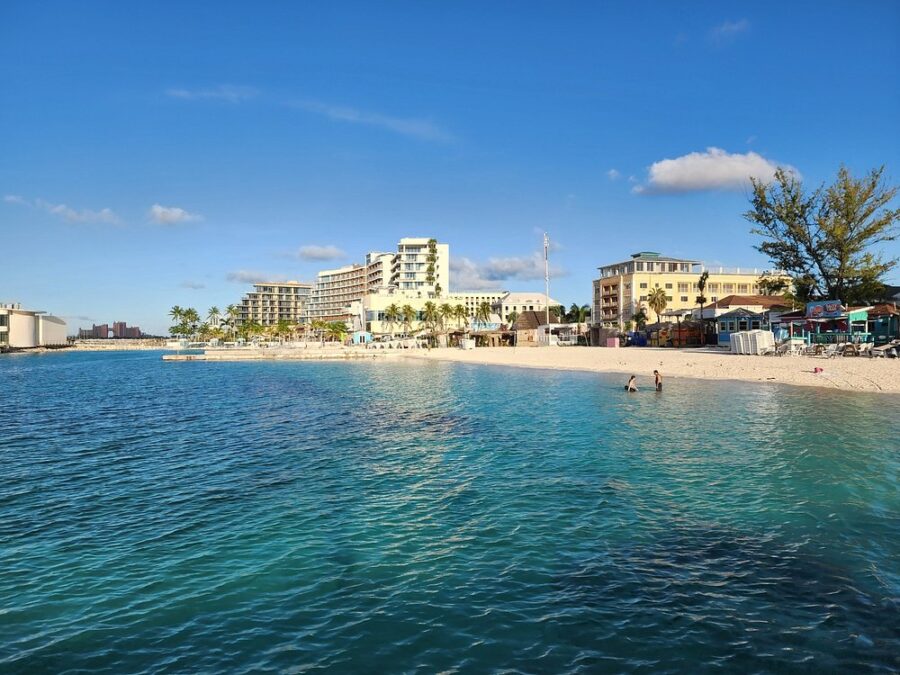
Your valuables deserve serious protection in crowded tourist spots like the Straw Market and Bay Street. Wear a crossbody bag across your chest with the clasp facing in—don’t let it dangle behind you where someone can sneak a hand in.
Leave expensive jewelry and watches in your hotel safe. Thieves notice tourists wearing flashy stuff. It’s worth investing in solid travel gear like anti-theft backpacks with slash-proof fabric and hidden zippers.
Keep your phone, wallet, and passport in different places. I learned this lesson the hard way—if someone grabs your bag, at least you won’t lose everything. Only bring the cash you need for the day, and stash backup cards and documents in the hotel safe.
See Related: Least Accessible Travel Destinations
Essential Information: Laws, Currency, and Emergency Resources
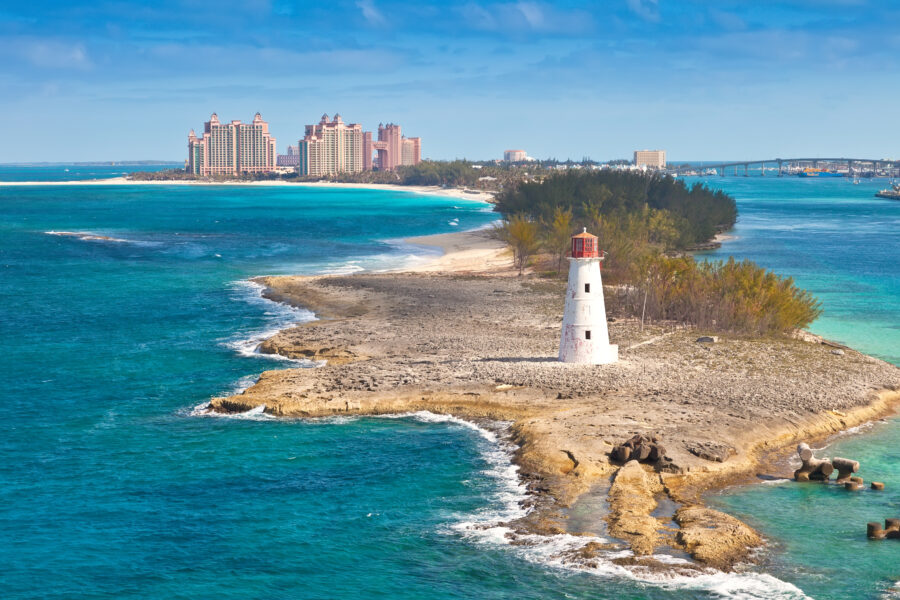
Knowing the local rules and handling your money wisely can save you a lot of hassle. If something goes wrong, you’ll want to access help quickly.
Firearms and Ammunition Laws

Bahamas law doesn’t allow firearms or ammo unless you follow strict import steps. The country has zero tolerance for travelers bringing weapons.
If you have to travel with firearms, get advance permission from Bahamian authorities. This applies even if you’re just passing through by boat or private plane. The penalties are harsh—mandatory prison time if you get caught with illegal weapons.
Airport security will spot a handgun in your checked bag, and you’ll face arrest. Even a single bullet or shell casing can land you in deep trouble. Honestly, just leave all weapons and ammo at home unless you’ve got written approval.
Smart Traveler Enrollment Program Guide

The Smart Traveler Enrollment Program helps the U.S. Embassy reach you in emergencies. Register before your trip—it just takes a few minutes online.
Once you’re set up, the embassy can send you alerts about hurricanes, unrest, or other safety issues in Nassau. If there’s a family emergency, they’ll know how to contact you. Lose your passport? Having your info on file makes things way easier.
You’ll find the U.S. Embassy Nassau at 42 Queen Street. Their number is 1-242-322-1181. Go ahead and save it in your phone when you arrive.
Handling Money Safely

The Bahamian dollar is equal to the U.S. dollar, so you don’t need to mess with exchange rates. Most places take U.S. cash, which makes things simple.
Use ATMs inside banks or hotels, not out on the street—people have been targeted while withdrawing cash in public. Major shops take credit cards, but some smaller vendors are cash-only.
Declare amounts of $10,000 or more when entering or leaving the country. That includes cash, checks, and other negotiable stuff combined. Keep receipts for big purchases if you plan to bring them home.
Don’t wave around expensive items or big wads of cash. Split your money between pockets or bags so one theft doesn’t wipe you out. Consider getting travel insurance coverage that protects you if your money or belongings go missing.
Exploring Nassau Safely: Attractions and Experiences
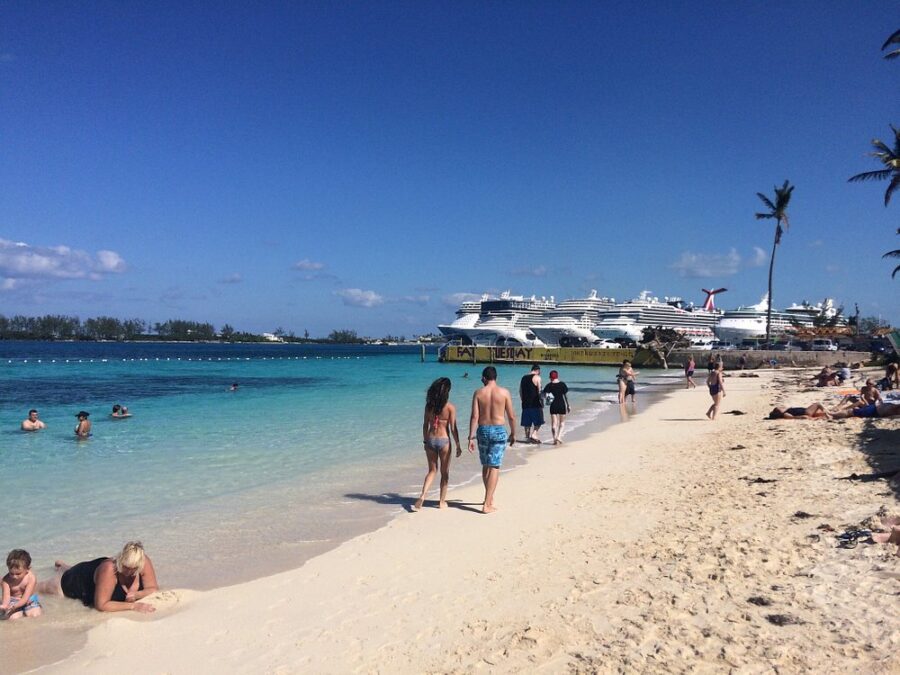
Nassau’s got plenty of safe, interesting places to visit if you know where to look. Downtown historic sites, family-friendly gardens, and beaches offer great experiences—as long as you use basic common sense.
Cultural Sites: Fort Fincastle and Downtown

Fort Fincastle sits at the top of the 66 limestone steps called the Queens Staircase, carved by enslaved people in the late 1700s. This historic fort gives you fantastic views of Nassau and the harbor.
The fort is small but worth a look. Built in 1793 and shaped like a paddle-wheel steamer, you can walk around it in about 15 minutes. The real draw? The history and the views.
Downtown Nassau feels safe during the day if you stick to the main streets. Bay Street is where most tourists and cruise passengers hang out. The colorful colonial buildings are pretty photogenic.
Walking tours are a great way to see downtown and stay safe. You’ll be with a group, plus you’ll get the backstory on the architecture and local history. Most tours include Fort Fincastle and the Queens Staircase.
Don’t flash expensive cameras or jewelry. Keep your stuff close and stay alert—pickpockets are out there, especially in crowds.
Family-Friendly Destinations Like Ardastra Gardens

Ardastra Gardens and Wildlife Centre is a safe, enclosed spot for families. The four-acre tropical garden focuses on bird rescue and rehab. You’ll see parrots, flamingos, and other Caribbean birds in a chill setting.
The marching flamingos do their quirky parade several times a day. Kids really get a kick out of it.
The gardens are well-kept and have staff around all day. Security isn’t a concern here since it’s a contained attraction with controlled entry. You can relax and let your kids explore.
Another good family option: the Pirates of Nassau Museum downtown. Wax figures and pirate tales from Nassau’s wild past keep kids entertained for about an hour.
Enjoying Nassau Beaches Responsibly
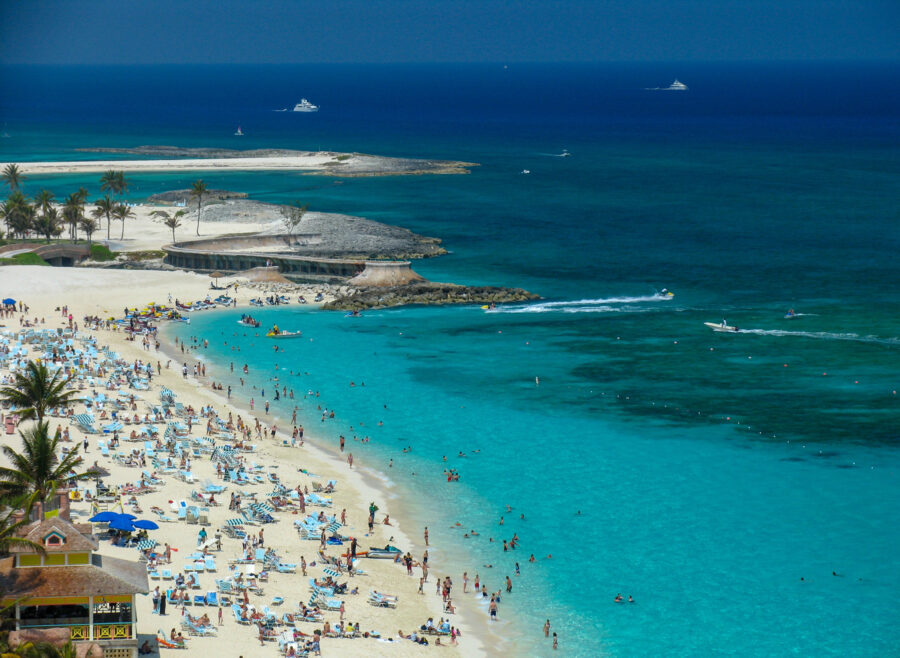
Cable Beach runs for two and a half miles along the coast. The big resort hotels here offer security and handy amenities. You’re safer at beaches linked to major resorts than on isolated sand.
Junkanoo Beach is popular with cruise ship folks and stays busy during the day. The crowds help with safety—there are always people around—but they also mean you need to watch your stuff.
Don’t go to any beach alone, especially if you’re a woman. Sexual assaults have happened at Nassau beaches, even public ones. Some jet ski operators have been involved in incidents, so it’s best to avoid renting from random vendors.
Stick with your group and keep valuables locked up at your hotel. Only bring what you need to the beach, and don’t leave your bag unattended while swimming.
Skip beaches after dark. Even the ones that feel safe during the day get sketchy at night. Head back to your hotel or resort before sunset.
See Related: The Top Vacation Spot in the World: Discover the Ultimate Destination
Frequently Asked Questions
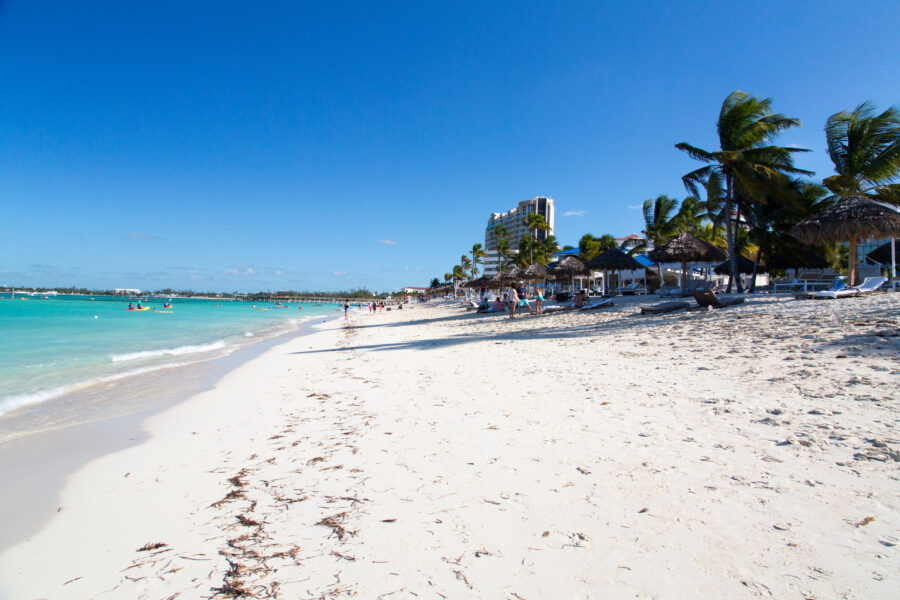
Travelers planning a Nassau trip usually have specific safety concerns. Here are answers to some of the most common questions.
What precautions should solo female travelers take when visiting Nassau?
Solo female travelers should stay in busy tourist areas and avoid walking alone after dark. Downtown beaches have reported sexual assaults, so it’s safer to stick to resort beaches or visit public beaches with friends you’ve met.
Always lock your hotel room door and use balcony locks. Don’t open the door unless you know who’s knocking. I’d recommend booking places with 24-hour security or established resorts over vacation rentals that lack private security.
Be extra careful with jet ski and watercraft rentals from independent operators. There have been reports of sexual assaults by these folks, so stick to companies your hotel recommends.
Can tourists feel secure while exploring Nassau during the nighttime?
Walking around Nassau at night takes extra caution. Downtown and resort zones are generally safer, but you still need to stay alert.
The “Over the Hill” area south of Shirley Street is especially dangerous after dark. Gang activity has made this neighborhood risky, so there’s really no reason to go there.
If you have to go out at night, use a licensed taxi or ride service your hotel arranges. Travel with others and avoid showing off jewelry or electronics.
Which areas in Nassau should visitors be cautious about or avoid?
“Over the Hill” south of Shirley Street is the top area to avoid. Gang violence happens there and it’s not safe for tourists.
Most crime in the Bahamas is in Nassau and Freeport, so stick to the main tourist zones. Downtown near the cruise port and Paradise Island are safer because there’s more security and police.
Vacation rentals without private security have become targets. If you’re not staying at a resort, make sure your place has proper security before booking.
How does Nassau ensure the safety of cruise passengers stopping at its ports?
The cruise port area gets more police and security attention than other parts of Nassau. Port authorities focus on keeping the dock and main shopping areas safe for the thousands of cruise passengers every day.
Security monitors the terminal and nearby attractions. The port zone includes shops, restaurants, and tour operators catering to cruise passengers in a controlled space.
But step outside the port zone and you’re in regular Nassau, with the same safety concerns as any tourist. Cruise passengers should take the same precautions as everyone else, especially if exploring on their own.
When traveling to Nassau, what safety considerations should families bear in mind?
Never let kids swim alone at the beach. Jet skis and watercraft sometimes get too close to shore, which is dangerous for swimmers. Always watch your kids in the water and pay attention to nearby watercraft.
Check beach conditions before letting kids swim. Shark attacks in Bahamian waters are rare, but they do happen. Pay attention to warnings.
Snorkeling can be risky if someone overestimates their swimming ability. People have gotten into trouble and drowned, so make sure everyone’s comfortable in the water before trying it.
Lock hotel room doors and windows, especially balconies. Teach kids not to answer the door unless a parent checks first. Those simple habits really help keep your room secure.
In the event of a hurricane, what safety measures does Nassau have in place?
Nassau’s hurricane season runs from June through November, with the most action usually between August and October. The Bahamas relies on a solid emergency management system that sends out warnings and coordinates evacuations when things get serious.
Most hotels and resorts actually have their own hurricane plans. They set up safe shelter areas and stash emergency supplies. Staff go through hurricane training, so if a storm shows up during your visit, they’ll step in and help you figure out what to do.
Honestly, it’s smart to grab travel insurance before booking your flight, just in case you have to cancel or evacuate because of a hurricane. Lots of insurance companies won’t help if you wait until after a storm is already named or heading for Nassau, so don’t put it off.
Keep an eye on weather forecasts and marine alerts while you’re there. The National Hurricane Center posts regular updates on tropical systems that could affect the Bahamas. If local authorities say it’s time to evacuate, don’t try to tough it out—just go.