

Last modified March 24, 2026
Choosing between Tumi and Briggs & Riley for your next carry-on can feel overwhelming, especially when those price tags make your wallet flinch. Both brands live at the top of the luggage world, but they approach travel headaches from totally different angles.
Briggs & Riley offers better long-term value with their lifetime warranty that covers even airline damage, while Tumi delivers premium aesthetics and tech features like USB ports at a higher price point. I’ve watched plenty of travelers struggle with this exact decision at airport gates, and honestly, there’s no universal winner. It really comes down to what you care about most in your travel routine.
The differences go way beyond looks or cost. From interior space to warranty coverage that could save you hundreds, knowing what sets these brands apart helps you make the right call for your own trips.
Key Takeaways
- Briggs & Riley gives you a stronger warranty and packing efficiency with their compression system
- Tumi leans into luxury design and modern tech like USB charging and tracking features
- Both use durable ballistic nylon, but their prices and long-term value are worlds apart
Tumi vs Briggs & Riley Carry On: Key Differences

Both brands play in the premium luggage space, but their philosophies are pretty different. Tumi’s all about sleek luxury and tech integration, while Briggs & Riley focuses on maximum packing efficiency and unbeatable warranty coverage.
Brand Overview and Reputation
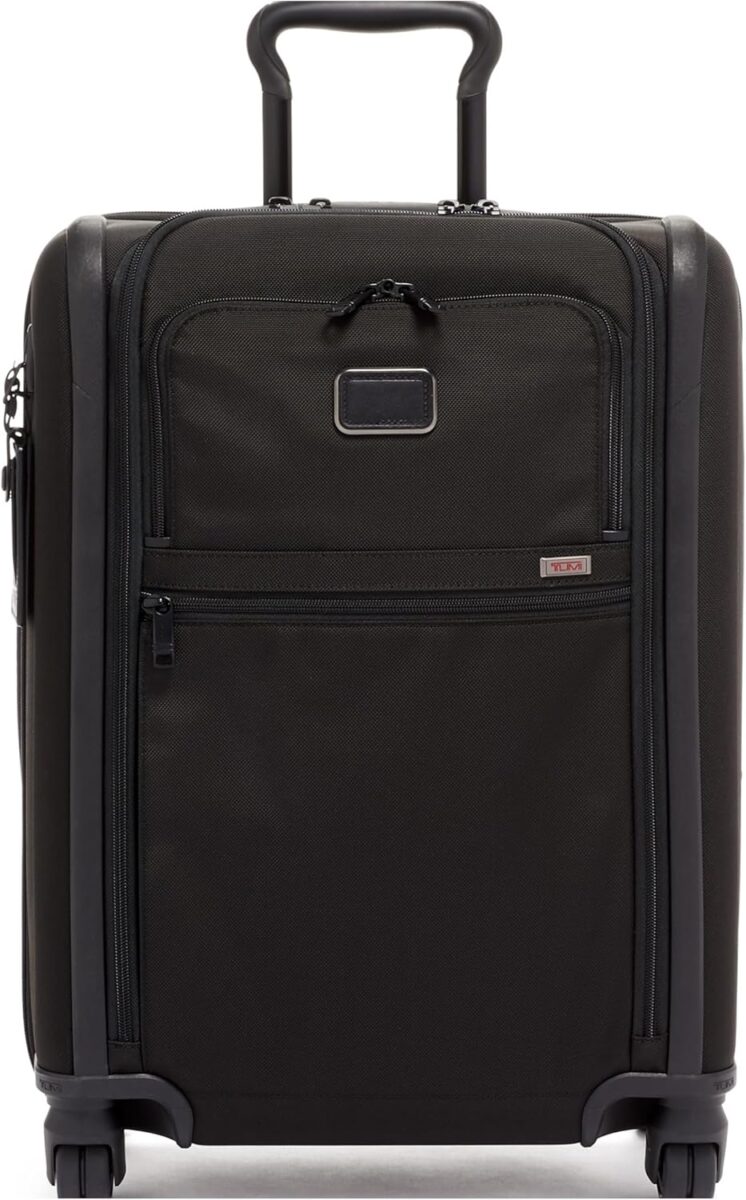
Tumi built its name on refined looks and that business-class vibe. You’ll see their bags in airport lounges and executive suites everywhere. They target travelers who see luggage as a status symbol—folks who want that polished, recognizable look.
Briggs & Riley? They’re more about practical innovation than flashy branding. Their reputation comes from problem-solving features like the Outsider Handle System and CX Compression-Expansion tech.
Briggs & Riley backs every product with a lifetime warranty that even covers airline damage. Tumi only offers a 5-year limited warranty, and you’re out of luck if baggage handlers get rough. That’s a huge difference when you’re dropping $700 or more on a carry-on.
Target Traveler Profiles

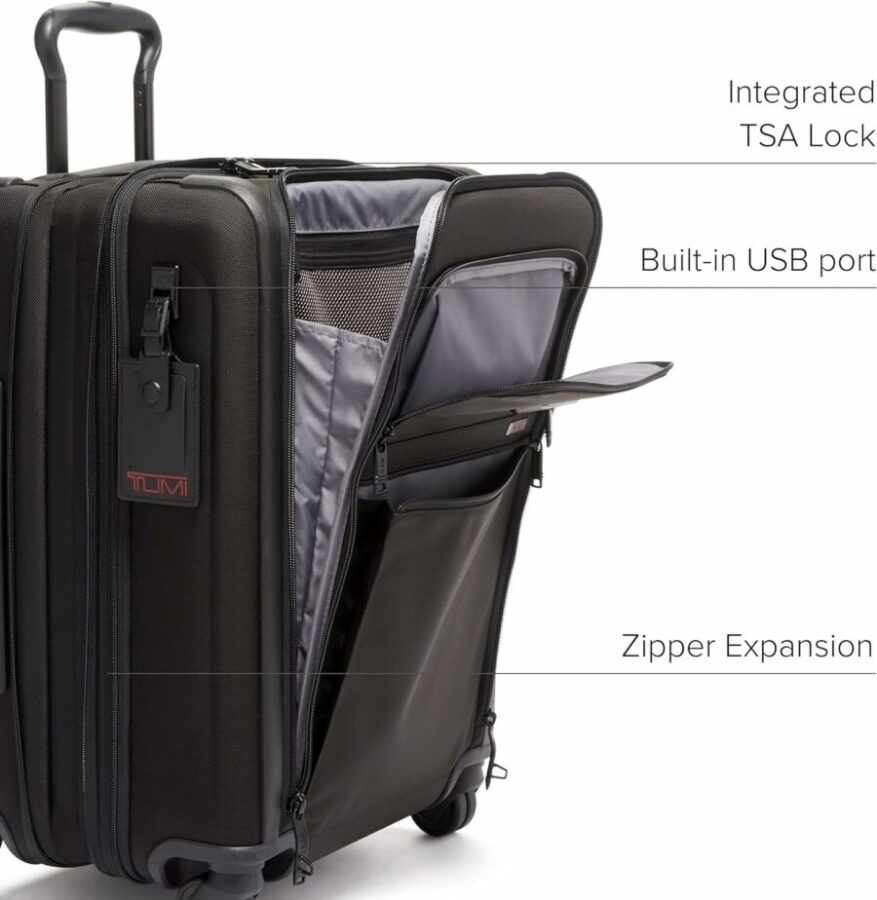
Tumi speaks to the tech-savvy business traveler. Need built-in USB ports for charging? Want Tumi Tracer to track lost luggage? That’s their lane. Their dual-access designs let you grab stuff from the front compartment without opening the whole bag—super handy at airport security.
Briggs & Riley focuses on frequent flyers who pack smart and travel often. Their compression system expands capacity by 25% and then compresses everything back down. This really helps when you’re up against strict airline size limits but need to bring a little extra home.
Briggs & Riley customers tend to value function over form and expect to use their luggage for years. Tumi buyers often want that sharp look and cutting-edge features alongside durability.
Price and Value Proposition

A Briggs & Riley Essential 22″ carry-on sits at about $699, while Tumi’s Alpha International Dual Access goes for around $895. That $200 gap isn’t nothing.
Briggs & Riley’s lifetime warranty means you’re basically buying your last carry-on ever. Any damage? They’ll fix it—even if it’s the airline’s fault. Tumi’s 5-year coverage ends way before you’re done with the suitcase, and you’re on your own if a handler messes it up.
Both brands use ballistic nylon: Briggs & Riley uses 1680D, Tumi uses FXT ballistic nylon. Performance-wise, they’re pretty similar, though Tumi’s has a fancier look. So you’re mostly paying extra for Tumi’s prestige and tech features, not necessarily better construction.
Materials and Construction
Both brands use top-tier materials that can handle years of travel, but their focus is different. Briggs & Riley leans into functional durability with their compression systems, while Tumi chases luxury aesthetics with advanced fabric blends.
Ballistic Nylon and Fabric Types

Briggs & Riley uses 1680D ballistic nylon on many of their carry-ons, especially the Essential and Baseline collections. Originally made for military flak jackets, this stuff holds up against rough handling.
Tumi’s ballistic nylon is tough too, but what you notice is the refined look and feel. Tumi’s fabric has a slight sheen that just looks more expensive as you stroll through the airport.
The weave pattern matters more than you’d think. Tighter weaves resist water and don’t snag easily on conveyor belts or bin latches. Both brands nail this, which is why their fabrics feel smoother than cheaper luggage.
Hardside vs Softside Carry Ons

Briggs & Riley mostly sticks with softside construction for their carry-ons. Softside luggage flexes, so you can squeeze it into tight overhead bins—honestly a lifesaver on regional jets.
Tumi offers both hard and softside options. Their hardside pieces use polycarbonate shells that resist cracks better than cheap plastics. But here’s the thing—Tumi’s softside bags still outsell their hardsides. Frequent travelers love the exterior pockets and expandability.
Softside bags are lighter, too. When you’re fighting airline weight limits, every ounce matters. Hardside polycarbonate carry-ons usually tack on another 1-2 pounds compared to softside.
Proprietary Materials: FXT Ballistic Nylon and Tegris

The Tumi Alpha collection uses FXT ballistic nylon, their premium blend. It’s lighter than standard 1680D but just as strong, with a texture that hides wear marks.
Tumi also uses Tegris in some higher-end bags. This lightweight thermoplastic adds structure without metal frames. It’s the same material in motorcycle armor, so it absorbs impact really well.
Briggs & Riley doesn’t hype up proprietary fabric names, but their materials are just as well chosen. They stick to proven stuff instead of inventing new blends. Sometimes, that’s a good thing—you know exactly what you’re getting.
Handle and Zipper Technologies

Briggs & Riley’s Outsider Handle System is a game-changer. By putting the telescoping handle outside the bag, you get a totally flat interior. That gives you about 2 inches more packing space than traditional designs.
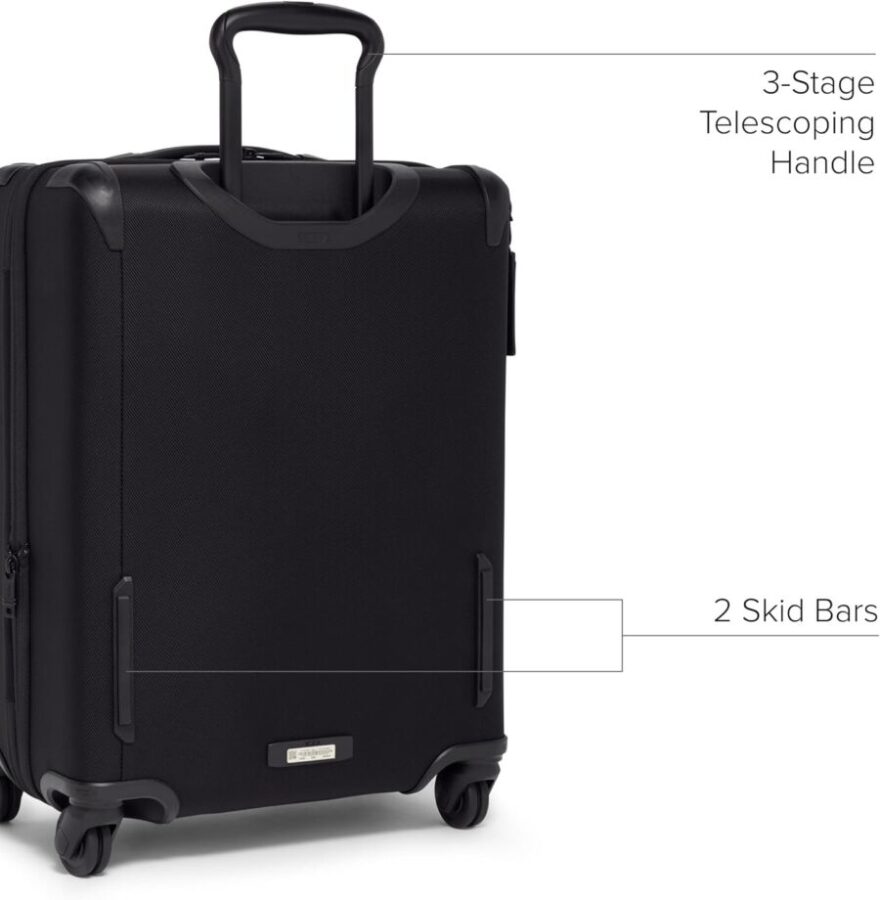
Tumi uses an integrated handle inside the case. It feels premium when you extend it, but you do lose some interior volume. The Tumi Alpha International’s telescoping handle is one of the smoothest I’ve tried.
Both brands use YKK zippers—the gold standard. But check out the zipper pulls: Tumi’s are larger and easier to grab when you’re in a rush. Briggs & Riley often uses self-repairing zippers that can realign if the teeth split, which has saved me a few times.
See Related: Packing Cubes vs Compression Bags: Ultimate Guide for Smarter Travel
Design and Packing Features

Briggs & Riley and Tumi take different routes here. Briggs & Riley tries to maximize every inch of space with smart compression, while Tumi gives you dual-access designs so you can grab things without opening the whole bag.
Interior Organization and Compression

The Briggs & Riley Baseline Carry-On uses the CX™ Compression-Expansion system, and honestly, it’s one of the cleverest packing features out there. Expand the bag by up to 25% when you need more room, then compress it back down to meet airline rules. This happens outside the bag, so you don’t lose any interior space.
Inside, you get zippered mesh pockets and garment panels to keep clothes pretty wrinkle-free. The flat packing design lets your suits or dresses lay flat, with no handle mechanism eating into your space.
Tumi’s Alpha International Dual Access uses a more traditional interior with dividers and pockets. It feels premium, with quality zippers and plenty of compartments for tech and accessories. But the internal telescoping handle does cut into your packing area a bit.
Dual Access and Expandable Options

Tumi’s dual access carry-on really stands out here. Open just the front lid to grab your laptop or documents without laying the whole suitcase flat. Super useful in a hotel lobby or at the gate.
The catch? You don’t get the same compression that Briggs & Riley offers. Tumi bags expand a little, but they won’t compress back down like the CX™ system.
Briggs & Riley sticks with a clamshell opening. It’s not as quick for access, but the Baseline Carry-On gives you serious packing capacity. That exterior handle system means a flat interior that really lets you use every inch.
Packing Capacity and Flat Packing

For pure packing capacity, Briggs & Riley comes out ahead. The Outsider Handle system puts the telescoping handle outside, leaving a perfectly flat surface inside. Throw in the expansion zipper and you can fit more than you’d expect.
I’ve packed for a 10-day trip in my Baseline without checking a bag. The compression system lets you squeeze everything in, then zip it back down to fit carry-on rules.
Tumi trades some capacity for accessibility and looks. The interior handle takes up space, and while the dual access feature is convenient, you’ll have less room overall. For shorter trips or business travel where you need to grab things fast, that’s a worthwhile trade.
Mobility and Portability

Both brands give you smooth-rolling carry-ons, but their wheel design and handle placement set them apart. Your choice might come down to whether you want a low profile or max interior space.
Spinner Wheels vs. Rolling Wheels

Tumi usually puts four multi-directional spinner wheels on their carry-ons. These rotate 360 degrees, so you can push your bag alongside you instead of dragging it. The Alpha International Dual Access uses this setup, which is great for crowded airports.
Briggs & Riley uses spinner wheels on most carry-ons too, like the Essential 22″. The main difference is in the wheel housing. Tumi’s wheels sit a bit recessed to protect them, while Briggs & Riley builds theirs for pure durability.
Both brands’ spinner wheels glide well on smooth airport floors. But if you’re rolling over rough sidewalks or cobblestones (hello, Europe), the wheels can feel a bit wobbly compared to classic two-wheel designs. Still, both use quality bearings that should last.
Handle Systems and Ergonomics

Briggs & Riley’s Outsider Handle System really shines here. By putting the telescoping handle outside, you get a flat packing surface with no wheel wells stealing space.
Tumi keeps the handle inside. It feels sleek and premium when you extend it, often wrapped in leather or rubber for comfort. But you do lose a few inches of packing space.
Briggs & Riley’s handle extends smoothly and locks at multiple heights—helpful if you’re taller or shorter than average. Tumi’s handles also have multiple stops, though some folks find them a bit stiff at first. Both brands balance their handles well, so your bag shouldn’t tip over in line.
Carry-On Sizes and Airline Compatibility

Most domestic airlines let you bring carry-ons up to 22 x 14 x 9 inches (45 linear inches). The Briggs & Riley Essential 22″ and Tumi Alpha International both fit these limits—unless you start expanding things.
One thing to watch: Briggs & Riley’s expansion system can bump up capacity by 25%. Expanded all the way, it still fits the 62-inch checked bag rule, but you won’t get it into the overhead bin. You’ll need to squash it back down before boarding.
Tumi’s carry-ons don’t really do compression. Their bags stick to one size, which is honestly nice if you’re flying on smaller regional jets with those cramped bins. If you find yourself on CRJ-200s or similar planes, this could save you some hassle.
Both brands make smaller, international-size carry-ons (usually 20-21 inches) if you want to avoid headaches with strict European airlines.
See Related: Best Travel Bags for Suits: Ultimate Guide to Staying Wrinkle-Free
Technology, Security, and Extra Features

Both brands load up their carry-ons with features, but they go about it differently. Tumi leans into tech and tracking, while Briggs & Riley cares more about practical security and simple organization.
Tumi Tracer and Bag Recovery

Tumi Tracer® is one of those things you hope you never need, but you’ll be glad it’s there if your bag disappears. Every Tumi bag has a unique 20-digit number stitched in. If someone finds your lost luggage, they can register it online or call Tumi’s hotline.
This connects to a database with your contact info, so airport staff or a good samaritan can help get your bag back to you—without blasting your name and address to the world. It’s free, works everywhere, and you don’t have to do anything to activate it.
I’ve talked to a few travelers who got their bags back months after losing them, all thanks to this system. That kind of peace of mind is hard to put a price on, especially when you’re dropping serious cash on a carry-on.
TSA-Approved Locks and Security

Both brands offer TSA-approved locks, so agents can open your bag without busting the lock. Tumi usually builds combination locks right into the zipper pulls. Briggs & Riley does something similar on most models.
These locks keep your bag closed and TSA happy, but let’s be honest—they won’t stop a thief. They’re mostly there to prevent your stuff from spilling out and to give TSA access when needed.
Briggs & Riley’s CX bags sometimes add locks to the expandable sections, which is handy if you’ve jammed your bag full of travel gear and don’t want it popping open at the worst moment.
Smart Travel Accessories

Tumi really goes for it with tech features. A lot of their newer carry-ons have built-in USB ports and battery pockets, so you can charge your phone in the terminal without digging around for a power bank.
Their Alpha 3 collection comes with removable garment sleeves and organizers for your laptop, tablet, and chargers. It actually works—these aren’t just for show.
Briggs & Riley is more minimalist. Their Outsider handle system sits outside the bag, which means you get a flat packing surface inside. The focus is on packing space, compression straps, garment panels, and smart pockets. No flashy tech, but everything does its job and keeps your clothes from turning into a wrinkled mess.
Warranty, Customer Service, and Long-Term Value

Briggs & Riley’s lifetime guarantee even covers airline damage, while Tumi sticks with a standard 5-year warranty. This really changes how you look at each brand when something goes wrong.
5-Year Warranty vs Lifetime Guarantee

Tumi gives you five years of coverage against manufacturing defects. That covers busted zippers and wheels, but not airline damage—which, let’s face it, is how most luggage gets wrecked.
Briggs & Riley? Totally different story. Their lifetime guarantee covers everything, including whatever the airlines do to your bag. Drop it, drag it, let a baggage handler chuck it across the tarmac—it’s all covered. They call it “Simple As That,” and it really is.
You don’t need a receipt or even to be the original owner. Find a used one at a thrift store? They’ll still fix it for free.
Tumi’s warranty is decent, but after five years, you’re on your own. Luggage should last longer than that, right?
Repair Process and Customer Support
Tumi has service centers in big cities, so you can drop off your bag. Turnaround usually takes 2-3 weeks, maybe longer during busy times. After the warranty ends, you’ll pay for repairs, and that can get expensive.
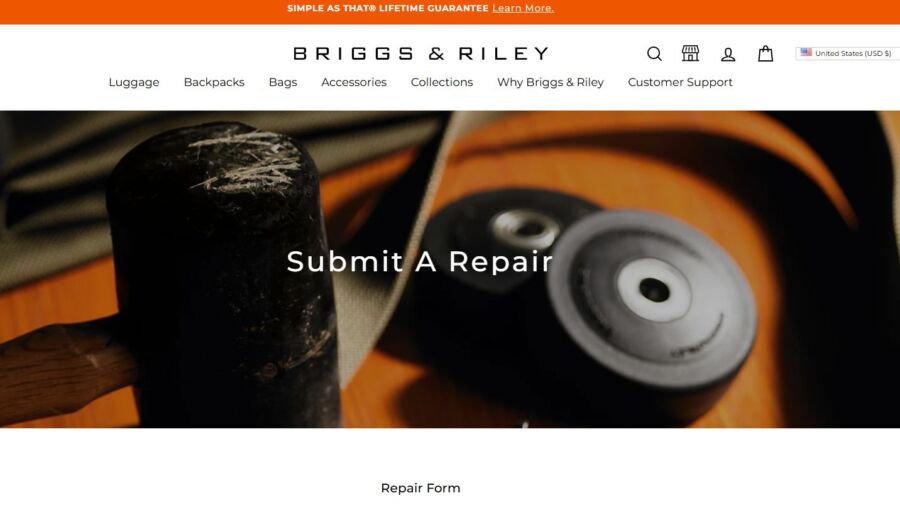
Briggs & Riley’s repair service is more straightforward. You send your bag in—whenever, no questions asked. They pay shipping both ways and fix whatever’s broken, usually in 10-14 days.
Travelers who’ve used both say Tumi’s customer service is friendly but strict about the warranty. Briggs & Riley’s team just gets it done, even for bags that have been around forever.
Tumi sometimes helps out with goodwill repairs after the warranty, but don’t count on it.
Resale Value and Brand Loyalty
Both brands hold their value way better than most luggage. Used Tumi bags can go for 40-50% of retail if they’re in good shape. Briggs & Riley is about the same, sometimes even higher because of that lifetime warranty.
That guarantee makes Briggs & Riley bags more appealing secondhand. Buyers know they’ll get the same coverage as the first owner.
Tumi wins loyalty with style and status—their bags look sharp, and people notice the logo. Briggs & Riley builds loyalty with that warranty and bags that actually last. People pick a side and usually stick with it.
See Related: Best TSA-Approved Medication Bags for Stress-Free Airport Travel
Frequently Asked Questions

Travelers always have questions about these brands. Warranty, durability, and packing features are the big ones.
What are the primary differences in durability between Tumi and Briggs and Riley carry-ons?
Tumi’s carry-ons use ballistic nylon, originally made for military flak jackets. It resists tears and abrasions, and scuffs don’t really stick.
Briggs & Riley uses a tough proprietary fabric. The real durability advantage is in their reinforced corners and extra-stitched seams. Those bumpers on the corners take a beating when baggage handlers get rough.
Tumi’s hard-shell cases use polycarbonate, which can crack under big impacts. Briggs & Riley’s hard cases flex more, so they’re less likely to break during rough transfers.
How do warranty services compare for Tumi and Briggs and Riley luggage?
Briggs & Riley’s Simple As That warranty is lifetime and unconditional. Damage your bag however you want—airline, your own fault, normal wear—they’ll fix it for free. No receipt needed.
Tumi’s warranty is more traditional: covers defects for a limited time. If an airline breaks your Tumi, you’ll have to fight it out with the airline. Normal wear isn’t covered, and after the warranty, you’ll pay for repairs.
This makes a real difference. I know someone whose Briggs & Riley wheel was ripped off in Frankfurt, and the brand fixed it in two weeks, no charge. That peace of mind is tough to beat.
Which brand offers more functional organization for business travelers, Tumi or Briggs and Riley?
Tumi designs for business travelers who want fast access to electronics and paperwork. The Alpha 3 collection has built-in USB ports, laptop sleeves that breeze through TSA, and compartments sized for tablets and chargers.
You’ll find more tech features in Tumi bags. The Tumi Tracer helps track lost bags. Their interiors use compression panels to keep shirts flat and create zones for shoes, toiletries, and gadgets.
Briggs & Riley keeps things simpler. Fewer pockets, but more usable space. The Outsider handle sits outside, so you get a totally flat packing area—no wheel wells stealing space. This keeps suits and dress shirts way less wrinkled.
When considering Tumi and Briggs and Riley carry-ons, which has the better value for long-term investment?
Briggs & Riley costs a bit less up front and comes with that lifetime warranty. A typical carry-on is $500-600, and repairs are always free. Over 10-15 years, that warranty saves you money compared to replacing cheaper bags every few years.
Tumi’s carry-ons start at $600-700 and can hit $1000+ for the fancy stuff. You’re paying for the look and the brand. But without the lifetime warranty, you might end up shelling out for repairs.
If you travel a lot, Briggs & Riley usually wins on value. Free repairs add up. Tumi makes sense if you love the style and extra tech enough to pay the premium.
How does the expansion and compression technology differ between Tumi and Briggs and Riley suitcases?
Briggs & Riley’s CX compression-expansion system is kind of unique. You unzip an expansion panel for about 25% more space, then use compression straps to squeeze it back down. You get more room without the bag looking overstuffed.
Tumi uses traditional expansion zippers on some models. You unzip, get a couple more inches, but there’s no way to shrink it back down. Once expanded, it stays that way until you unpack.
The Briggs & Riley system is great for trips where you bring home souvenirs. Expand for the return, pack it full, then compress it so it still fits overhead. Tumi’s way is simpler, but not as flexible.
What are travel professionals’ opinions on the reliability of Briggs and Riley carry-ons versus Tumi?
Flight attendants and pilots usually go for Briggs and Riley. These bags can handle constant use and still look pretty good, and the warranty is a lifesaver—they just get them fixed for free when something goes wrong. I’ve chatted with a few cabin crew folks who said they’ve dragged the same Briggs and Riley bag around for close to a decade, and it just keeps going.
Business travelers who care about style lean toward Tumi. Those bags really do look sharp in airport lounges or when you’re heading into a meeting. Some travel consultants seem to like Tumi’s tracking tech and the way the bags are set up for people carrying pricey electronics.
Luggage repair shops get more Tumi bags than Briggs and Riley, probably because Tumi won’t cover every kind of damage. Briggs and Riley bags just don’t show up as often, and when they do, the brand takes care of repairs directly. That probably says a lot about how these bags hold up in the real world.