Alaska vs. JetBlue vs. American: Ultimate Airline Showdown for 2026 Travelers
Updated December 4, 2025
Picking between Alaska Airlines, JetBlue, and American is a bit like choosing the right travel pillow—each one’s got its die-hard fans and quirks. If you’re after comfort, loyalty rewards, or just a ton of flight options, you’ll want the lowdown before you book. Alaska nails consistency and service, JetBlue puts comfort and in-flight perks front and center, and American sweeps the board with its sheer network and flexibility.
So what’s your priority for the next trip—legroom, Wi-Fi, or miles that actually matter? I’ve flown all three plenty—Alaska’s relaxed West Coast feel, JetBlue’s snack-happy cabins, and American’s buttoned-up reliability each have their moments. Honestly, a little research (and the right travel gear) can make any of them work out just fine.
Key Takeaways
- Alaska leads in reliability and friendly service.
- JetBlue offers comfort and value with solid amenities.
- American provides the widest route network and strong loyalty perks.
Table of Contents
- Key Differences Between Alaska, JetBlue, and American Airlines
- Fleet Size and Destinations
- Fare Structures and Ticket Flexibility
- In-Flight Products Overview
- Seating Comfort and Cabin Experience
- Seat Types and Configurations
- Legroom Comparison
- Cabin Ambiance and Cleanliness
- In-Flight Entertainment and Connectivity
- Seat-Back Entertainment Systems
- Free Wi-Fi Availability
- Power Outlets and USB Ports
- Loyalty Programs and Earning Miles
- Mileage Plan vs. TrueBlue vs. AAdvantage
- Elite Status Perks
- Points Earning and Redemption
- Airport and On-the-Ground Experience
- Airport Lounges and Access
- Check-In and Boarding Process
- Service Differences at Hubs
- Travel Partnerships and Route Networks
- Domestic and International Reach
- Partner Airlines and Alliances
- Frequently Asked Questions
- What in-flight amenities differentiate Alaska, JetBlue, and American Airlines when traveling economy?
- How do the loyalty programs compare between Alaska, JetBlue, and American Airlines?
- What are the key differences in first-class service on Alaska, JetBlue, and American Airlines?
- Which airline offers the most cost-effective options for transcontinental flights: Alaska, JetBlue, or American?
- What are travelers’ recent experiences with Alaska, JetBlue, and American Airlines in terms of reliability and customer service?
- Book Your Dream Experience
- More Travel Guides
Key Differences Between Alaska, JetBlue, and American Airlines
Airlines might look similar at first glance, but these three really do their own thing. Alaska Airlines is all about service and reliability, JetBlue chases comfort and onboard experience, while American takes the “go big or go home” approach with its massive reach.
Fleet Size and Destinations

American Airlines runs the biggest show here, with thousands of daily flights covering six continents. Whether it’s a tiny Midwest town or a city in Asia, odds are American can get you there. That’s what happens with a huge fleet and loads of global partners.
JetBlue is smaller but punches above its weight, connecting the U.S., Caribbean, Latin America, and now even Europe. Roundtript’s JetBlue vs American comparison says JetBlue runs about a thousand flights a day. Its real strength is in the Eastern U.S., thanks to focus cities like New York and Boston.
Alaska Airlines lands somewhere in the middle. It rules the Pacific Northwest, mainly flying domestic routes with a few international hops to Canada, Mexico, and Costa Rica. Back when I lived in Seattle, Alaska was the obvious pick for West Coast trips—nobody else had schedules that convenient.
| Airline | Daily Flights | Hub Focus | International Reach |
|---|---|---|---|
| American | ~6,800 | Dallas/Fort Worth, Charlotte, etc. | Global |
| JetBlue | ~1,000 | New York, Boston, Fort Lauderdale | Latin America, Europe |
| Alaska | ~1,200 | Seattle, Portland, San Francisco | Limited |
Fare Structures and Ticket Flexibility

Each airline prices things in its own way. Alaska Airlines keeps it straightforward: Saver, Main, and First Class.
Saver is cheap but strict—no changes, no seat pick. Main lets you change for a fee, and First Class throws in lounge access and a few other perks.
JetBlue’s got more options. There’s Blue Basic, Blue, Blue Plus, and Mint. The Roundtript breakdown points out Blue Basic is the most bare-bones—no early boarding, no seat selection. As you move up, you get a bit more wiggle room and perks.
American Airlines sticks to the classic classes—Basic Economy, Main Cabin, Premium Economy, and Business/First. One thing to note: American usually tosses in a free checked bag and gives flight credits instead of cash refunds. I’ve had those credits work out, but sometimes it’s a pain to actually use them.
If you want the most flexible rebooking, American’s usually got your back. If you like knowing exactly what you’re getting, Alaska keeps it simple. JetBlue sits between—budget-friendly, but with a few thoughtful upgrades for folks who care about comfort.
In-Flight Products Overview

This is where JetBlue really stands out. Their economy seats have more legroom than anyone else, and there’s a TV at every seat.
Even on short hops, snacks are free, and Mint—their premium cabin—has lie-flat seats and menus that feel a bit more curated. You can check out Mint’s little luxuries in this JetBlue comparison from SANspotter.
Alaska Airlines doesn’t bother with a ton of flashy tech, but the cabins are always clean and comfortable. Free texting, basic Wi-Fi, and genuinely friendly crews are standard. I’ve always felt like the Alaska staff actually care, which matters more to me than a few extra inches of legroom.
American Airlines is more of a mixed bag. Some planes have seatback screens, some don’t—you might be streaming to your own device instead.
Premium cabins get you full-service dining and Wi-Fi, but the experience can change a lot depending on which plane you’re on. If you’re going long-haul, though, American’s variety and lounge access can make things a lot smoother.
Seating Comfort and Cabin Experience
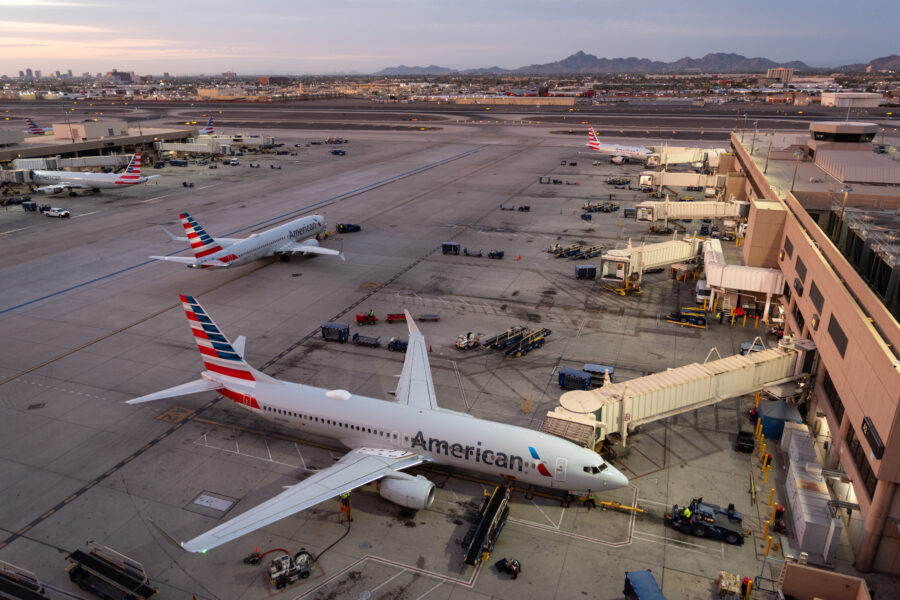
When you’re flying Alaska, JetBlue, or American, those little details—seat shape, legroom, how the cabin feels—really add up. Comfort isn’t just about numbers; it’s about whether you can actually relax, if the cabin looks clean, and if you’re not squirming every twenty minutes.
Seat Types and Configurations
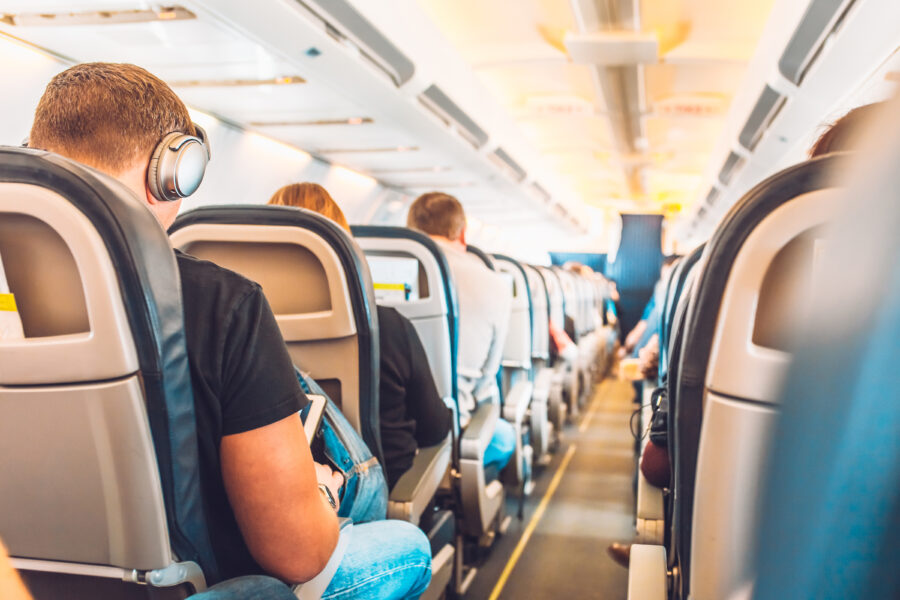
Each airline has its own take on seats. JetBlue goes all-in on passenger comfort with wider seats and, on many planes, Even More Space options for extra room. Their Airbus jets offer economy seats around 17.8 to 18.4 inches wide, according to AirAdvisor’s 2025 comfort ranking—some of the widest you’ll find flying domestic.
American Airlines keeps things pretty standard. Most seats are about 17 to 17.5 inches wide, though some older planes feel a bit tighter.
I’ve noticed their newer cabins are more comfortable, but you can still end up in a cramped seat on the wrong aircraft. Alaska Airlines sits in the middle—mainline jets average about 17 inches wide, and those Recaro seats are surprisingly supportive, even without seatback screens.
Alaska skips built-in entertainment screens on its mainline planes. Instead, you stream movies or shows on your own device, which makes the cabin look cleaner and less cluttered. It’s a small thing, but it does make a difference if you like a minimalist vibe.
Legroom Comparison
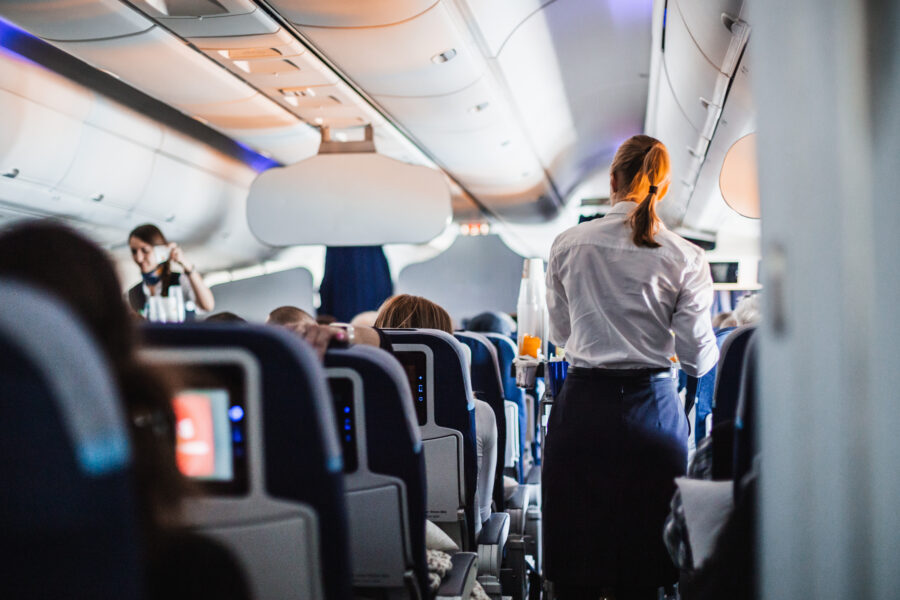
If legroom’s your thing, JetBlue wins. Their economy cabins average 32–34 inches of pitch, so you can actually stretch out or work on a laptop. I flew their A321 last year and managed to get some work done—can’t say that for every airline.
American Airlines offers about 30–32 inches of legroom, which is pretty much the industry standard. If you’re tall or just want more space, their “Main Cabin Extra” rows are worth a look.
Alaska Airlines gives you around 31 inches of pitch. It’s fine for short flights, but on longer routes, it can get a bit cramped. The seats do recline decently, though, so it’s manageable if you’re not super tall. Compared to JetBlue’s roomier setup, Alaska feels a bit more compact but still comfortable for most trips.
Cabin Ambiance and Cleanliness
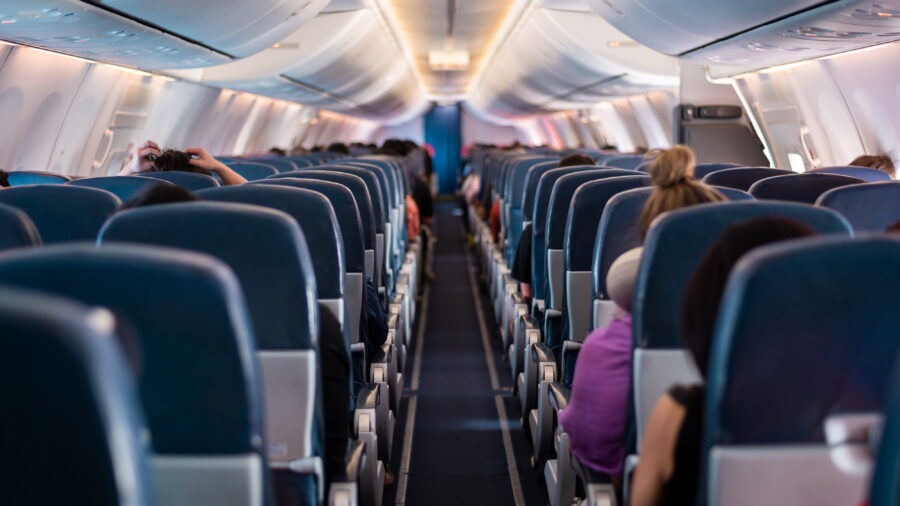
Cabin feel is one of those things you don’t notice until you do. JetBlue’s mood lighting and simple design make the space feel open and fresh. Those blue accents are cheerful, and I’ve always seen the crew keep things tidy between flights.
Alaska Airlines has a more relaxed, understated look—neutral colors, warm lighting. Their crew’s attention to cleanliness stands out, even on short hops. People on Reddit’s Alaska Airlines community mention how friendly and clean things feel, and honestly, I agree.
American Airlines comes across as the most corporate of the bunch. The newer planes look sharp, but the vibe really depends on which model you get. Some interiors still have that old gray look. They keep things clean, but the atmosphere isn’t as inviting as JetBlue’s bright colors or Alaska’s cozy feel.
See Related: How to Find Inaugural Flight Deals: Insider Tips & Hot Offers
In-Flight Entertainment and Connectivity

On long flights, staying connected or entertained can make or break your mood. Some airlines push streaming options, while others focus on Wi-Fi or power outlets. Each carrier has its own way of keeping you busy at 35,000 feet.
Seat-Back Entertainment Systems
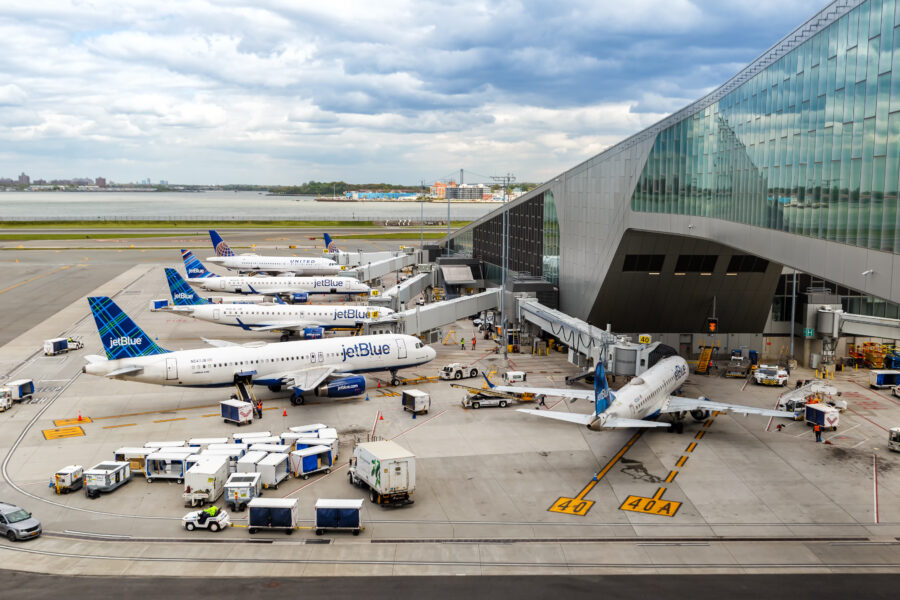
If you want old-school seat-back screens, JetBlue Airways is your best bet. Most of their planes have personal monitors with live TV, movies, and games. The screens actually work, too—I spent a red-eye flipping channels from Boston and didn’t have any tech issues.
Alaska Airlines does things differently. No seat-back screens; instead, you can stream entertainment to your own device. There’s a good selection—over 500 free TV shows and movies through the Wi-Fi portal. On some longer flights, you can rent tablets if you don’t want to use your own gear.
American Airlines mixes it up. Some planes (especially older ones) still have built-in screens, but newer aircraft make you stream to your own device. It’s a bit of a toss-up depending on your route, but there’s usually a solid mix of new releases and kids’ content.
One tip: if you get motion sick looking down at your phone, those seat-back screens on JetBlue or some American flights can be a real lifesaver.
Free Wi-Fi Availability
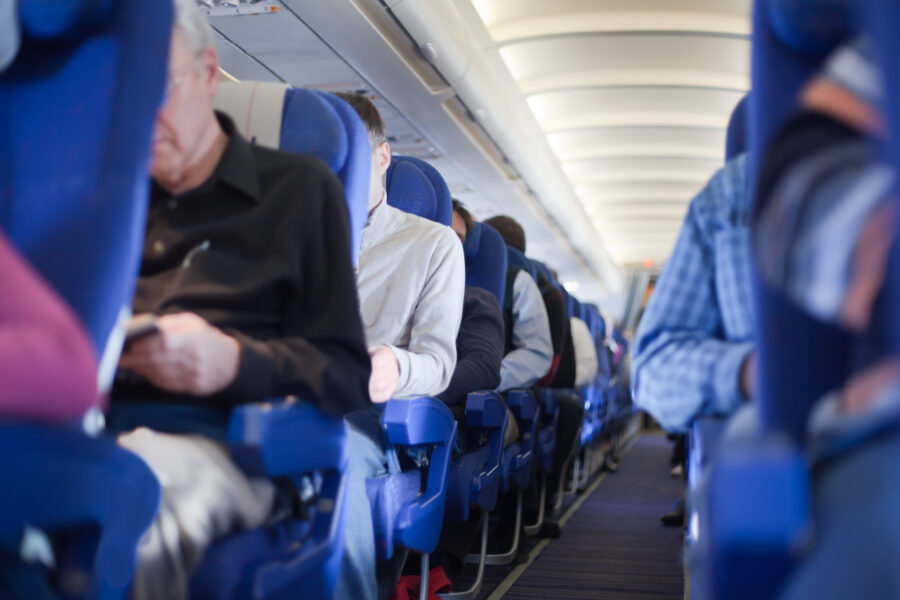
Airlines are finally catching on: people want Wi-Fi without getting nickel-and-dimed. JetBlue figured this out early and still leads with free, fast Wi-Fi on every flight. You can check email, stream a show—connection quality holds up from takeoff to landing, which isn’t something you see everywhere.
Alaska Airlines is close behind. Travelers like its in-flight Wi-Fi for stability and fair pricing. It’s not always free, but the cost doesn’t jump around much, and Alaska keeps improving as they switch to satellite tech.
American Airlines has Wi-Fi on most planes, though you’ll usually pay unless you’re an elite member or have a subscription. Speeds can be hit or miss, especially on older routes. At least they let you send messages on iMessage or WhatsApp for free, so you’re not totally offline.
Power Outlets and USB Ports
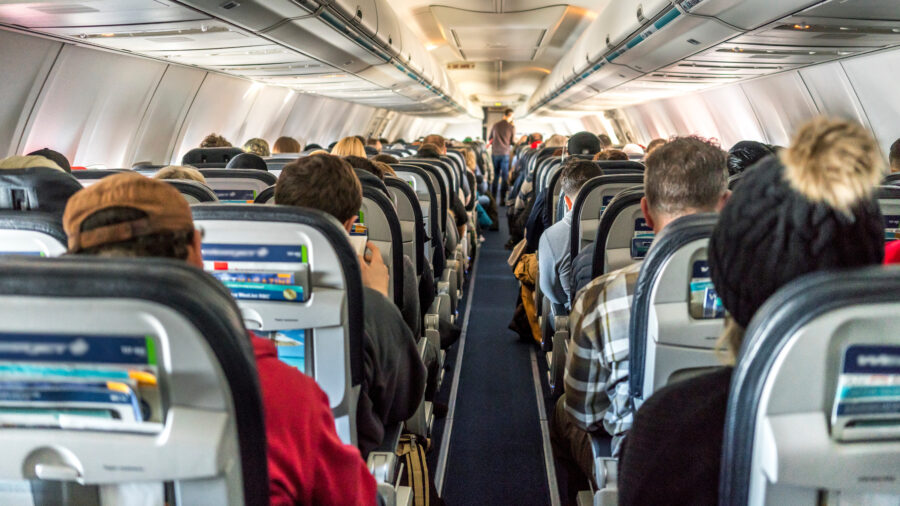
Nothing’s worse than a dead phone mid-flight, especially if you hit turbulence and need distraction. Most JetBlue and American planes have AC outlets and USB ports at your seat. Go ahead and plug in your laptop, charge your headphones, whatever you need.
Alaska Airlines is adding outlets and USB ports, mainly on the newer Boeing 737 MAX jets. On older planes, you might have to share an outlet—something to remember if you travel with a lot of gadgets.
I always toss in a short charging cable; long ones just get tangled or hang weirdly. On American’s longer international flights, outlets usually work fine, but on short domestic ones, it’s a toss-up.
Here’s a quick summary:
| Airline | Seat Power Availability | USB Ports | Notable Detail |
|---|---|---|---|
| JetBlue | At most seats | Yes | Reliable on all routes |
| Alaska Airlines | On newer aircraft | Yes (select planes) | Improving coverage fleetwide |
| American Airlines | Most medium/long routes | Often yes | Varies by aircraft type |
A charged phone and decent Wi-Fi definitely help make those rough overnight flights a little less miserable.
See Related: Red-Eye Flight vs Daytime Flight: Which Is Best For Your Trip?
Loyalty Programs and Earning Miles

Loyalty programs can really stretch your travel budget, whether you fly a lot or just here and there. They all work a bit differently—some make it easier to redeem miles, others hand out perks for elite status, and a few are just more generous overall.
Mileage Plan vs. TrueBlue vs. AAdvantage

Alaska’s Mileage Plan—now called Atmos Rewards—has a loyal base for good reason. You earn points on Alaska flights and with over 30 partners like British Airways, American, and Qatar. It’s one of those rare programs where distance still counts, so long flights can really pay off.
JetBlue’s TrueBlue gives you points for dollars spent, not miles flown. Cheaper fares mean fewer points, but regulars love the no blackout dates for award flights. The partner list is smaller, though teaming up with United should open more options soon.
AAdvantage from American Airlines works for both domestic and international flyers. You rack up Loyalty Points on American and oneworld partners—think Alaska, British Airways. You can link your travel insurance and credit card purchases to earn miles for non-flight spending, which is handy if you don’t fly much but still want some perks.
Elite Status Perks

Elite status changes the game. With Mileage Plan, climbing tiers brings free upgrades, lounge entry, and more bonus miles. It’s not impossible to reach if you take longer flights or use their credit card a lot.
JetBlue’s Mosaic levels are all about comfort—early boarding, free drinks, quicker security. Mosaic+ even throws in some solid seat upgrades.
AAdvantage elites get upgrades, preferred seats, and same-day changes. Platinum and Executive Platinum folks get better help during delays—honestly, that’s a lifesaver when travel goes sideways.
Points Earning and Redemption

With Mileage Plan, you can build miles through partner airlines and shopping portals. Redeem them for Alaska, oneworld, or even some smaller carriers. Award seats often cost fewer miles than the big U.S. airlines, especially for international trips.
JetBlue’s TrueBlue is super straightforward. Points are tied to fare prices, so you always know what you’re getting. No confusing charts, but also no crazy “sweet spot” redemptions. The flexibility—booking any seat, any flight—makes it great for casual flyers.
AAdvantage mixes both styles. Earn points through flights, credit cards, and partner deals—car rentals, hotels, even dining. You can redeem miles for almost any route, from a quick hop to an international adventure. If you like to mix domestic and global trips, it’s a solid pick.
Airport and On-the-Ground Experience

Travel starts way before you’re in the air. Airport lounges, check-in, and how the staff handle chaos all shape your trip in ways you might not expect. When you’re stuck during a layover or racing to your gate, comfort and a little kindness go a long way.
Airport Lounges and Access

If you’re a frequent flyer, lounges can feel like a little slice of sanity. Alaska Airlines has chill lounges in Seattle, Portland, and LA. I’ve grabbed an espresso and snack there before a connection—nothing fancy, but it works. Their Seattle flagship lounge is comfy, though it fills up during busy times.
American Airlines lounges are busier but everywhere. Admirals Clubs pop up in most big airports, and elite status or premium tickets usually get you in. Showers, decent snacks, strong Wi-Fi—way better than hanging at the gate.
JetBlue’s lounge scene is almost non-existent. Only Mint passengers at a few airports like JFK get access to partner lounges. Most folks are stuck with terminal seats, so maybe stash your bags in luggage storage to make layovers easier.
Check-In and Boarding Process

Alaska’s check-in is pretty painless. The app works, and their kiosk staff are usually friendly. Boarding by group letter instead of a chaotic zone system keeps things a bit calmer.
JetBlue moves things along, but lines get long when flights stack up. Their gates feel cramped, especially at smaller airports. Pro tip: if you booked through Expedia, you can sometimes pull up your boarding pass right in the app.
American Airlines is all about structure. Elite groups get on first, which helps with overhead bin space, but if you’re in Group 9, buckle up for a wait. I do like their self-serve bag drops and flight search options—they make rebooking less of a headache when things go wrong.
Service Differences at Hubs
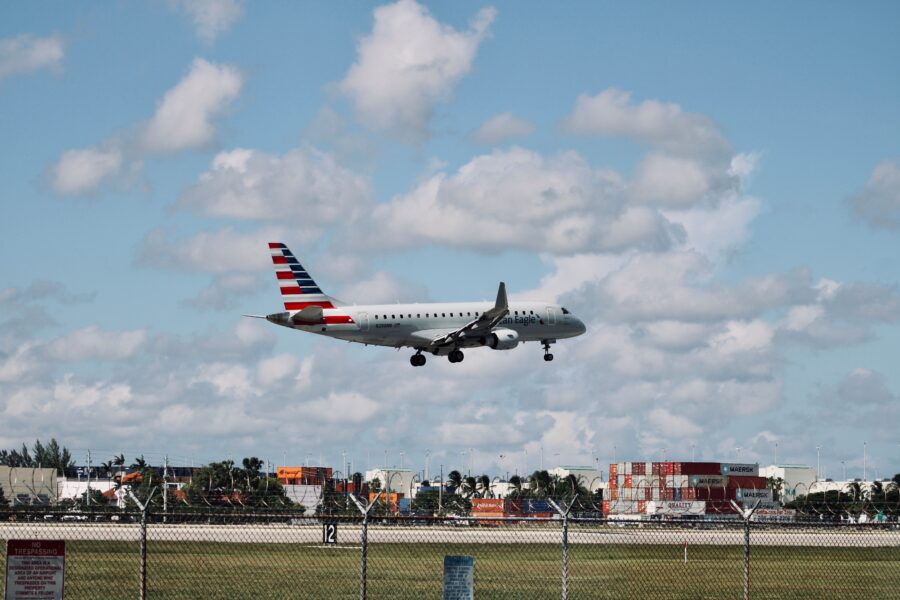
Every airline’s main hub has its own vibe. Alaska’s Seattle-Tacoma (SEA) hub is easy to navigate, with clear signs and usually short lines. The staff seem to know the regulars and keep things moving, even when weather messes up schedules.
At JetBlue’s New York–JFK base, it’s louder and more energetic. Crowd control gets tricky at rush hour, but the Mint-class self-serve snacks are a nice touch if you’re lucky enough to get them.
American Airlines at Dallas–Fort Worth (DFW) is a whole city. Everything’s huge—terminals, crowds, lines. The Skytrain helps you get around, but if you’re new, it’s easy to get lost. Sometimes grabbing a hotel through Booking.com near the airport is just easier if you’ve got a long layover or an early flight.
See Related: Netflights Review: Is This OTA Worth Booking Your Next Flight?
Travel Partnerships and Route Networks

These three airlines connect the U.S. in their own ways. Alaska rules the West Coast, JetBlue dominates the East, and American basically links everything in between (and then some). Their partnerships decide where you can go and how smooth your trip feels.
Domestic and International Reach
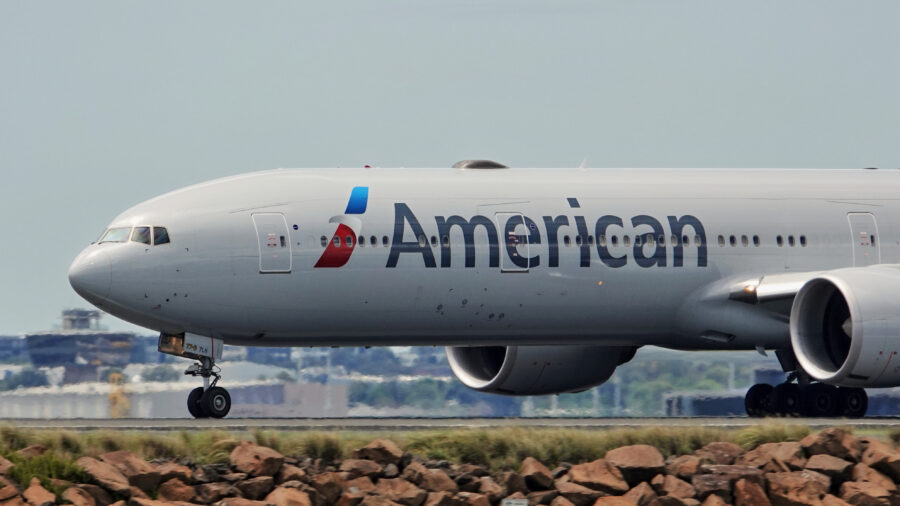
If you’re out west, Alaska Airlines covers Seattle, Portland, LA, and even smaller airports that big airlines skip. Handy if you need to reach places like Medford or Anchorage without a bunch of connections. When I flew Seattle to Maui, Alaska really nailed that mix of comfort and convenience for a long domestic flight.
JetBlue is the East Coast champ. It connects Boston, New York, Fort Lauderdale, and a bunch of Caribbean and Latin American spots. The international network isn’t as big as American’s, but it’s fun and vacation-friendly. You can easily book things to do around those sunny routes.
American Airlines wins for global reach. It ties together Dallas, Miami, Chicago, and sends you off to Europe, Asia, South America. I use American for trips that start in the U.S. and end abroad—their network is huge, though not always the cheapest. If you like variety, you can book tours and attractions along the way to make stopovers more fun.
Partner Airlines and Alliances
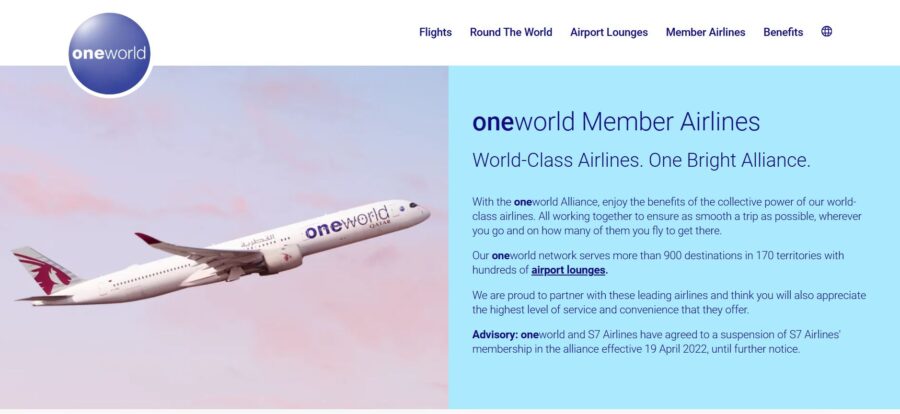
Alaska Airlines joined the oneworld Alliance, building a tighter partnership with American Airlines. You can rack up miles and snag elite upgrades on either airline, whether you’re crisscrossing the country or heading overseas—here’s a breakdown if you want a deeper dive. For folks in Seattle or San Francisco, this combo really opens up destinations without forcing you to juggle a pile of loyalty programs.
JetBlue? They do things their own way. Instead of joining a big global alliance, they stick to smaller partnerships. The “Northeast Alliance” with American used to help travelers in New York and Boston, but regulators shut it down over competition worries. Still, JetBlue keeps codesharing with airlines like Icelandair and Emirates, so you can book some pretty far-flung trips while sticking to JetBlue’s platform.
American keeps the widest partnership net in oneworld, teaming up with British Airways, Japan Airlines, Qatar Airways, and plenty more. That web makes it easier to book multi-stop tickets, especially if you’re going from Dallas to Tokyo or Boston to Seattle. More routes, more seats, and, honestly, fewer headaches most of the time.
Frequently Asked Questions

Picking between Alaska, JetBlue, and American Airlines? It’s usually the little things that tip the scale. Comfort, loyalty perks, and price all matter, but those details can quietly change what works best for your travel style and priorities.
What in-flight amenities differentiate Alaska, JetBlue, and American Airlines when traveling economy?
If you’re all about streaming, JetBlue keeps it simple: free seatback screens, free Wi-Fi, and honestly, the snacks aren’t bad. Alaska lets you stream on your own device and text for free, but you’ll have to pay for Wi-Fi. American sits somewhere in the middle—many planes have seatback screens, but not all do, and Wi-Fi usually costs a few bucks.
I’ve noticed Alaska’s crews tend to be friendlier on long flights, while JetBlue feels a bit more modern with their tech. American’s experience can swing a lot depending on which plane you get. For a closer look, this comparison of Alaska, JetBlue, and American Airlines lays out the in-flight options.
How do the loyalty programs compare between Alaska, JetBlue, and American Airlines?
Each program draws a different crowd. Alaska’s Mileage Plan stands out because you earn miles based on distance flown, not dollars spent. That’s a real bonus for frequent flyers who like squeezing value from every trip. JetBlue’s TrueBlue points are easy to earn and even easier to use, especially since you can pool points with family or friends. American’s AAdvantage program ties in tightly with oneworld, so you get more international choices if you play your miles right.
If you mostly fly within the U.S., Alaska’s program can stretch your rewards pretty far. But if you’re eyeing the Caribbean or Europe, JetBlue or American might make more sense. NerdWallet’s side-by-side of JetBlue vs. Alaska Airlines is worth a look if you want to compare value and flexibility.
What are the key differences in first-class service on Alaska, JetBlue, and American Airlines?
JetBlue’s “Mint” cabin surprises a lot of people—it feels more boutique, with lie-flat seats and private suites on some routes. Alaska’s first class is more like an upgraded premium economy: personal service, roomy seats, but not as fancy as JetBlue Mint or American’s top transcon flights.
American’s first class is a bit of a mixed bag. Their flagship service on coast-to-coast flights can rival international business class, but some older planes just have basic recliners. I flew Alaska’s first class from Seattle to Dallas once—good meal, comfy seat, but it felt more homey than high-end. It’s a toss-up between “polished” and “personal,” honestly.
Which airline offers the most cost-effective options for transcontinental flights: Alaska, JetBlue, or American?
Honestly, it depends on your route and timing. Alaska is usually cheapest from West Coast cities like Seattle or Portland heading east. JetBlue’s prices are tough to beat on Boston and New York routes, especially if you catch a deal with their credit cards. American tends to land in the middle—sometimes pricier, but they run flash sales that drop fares fast.
I’ve seen JetBlue’s “Mint” fares dip into the same range as standard first class on other airlines, which feels like a steal if you time it right. Alaska usually wins on total price once you count in checked bags and Wi-Fi, but your results may vary.
What are travelers’ recent experiences with Alaska, JetBlue, and American Airlines in terms of reliability and customer service?
Alaska usually gets high marks for its friendly staff and how smoothly things run. JetBlue passengers often mention the comfy seats and decent perks, though you’ll hear griping about delays that seem to pop up out of nowhere. American’s service, especially since the merger, sometimes feels a bit cold or corporate, but lately, it seems like they’re getting better at being on time.
On forums like r/AskAnAmerican, plenty of travelers pick Alaska for West Coast flights and JetBlue when heading east. From my own experience, Alaska’s gate agents actually seem to care when things fall apart—and honestly, that matters when you’re stuck late at night with nothing but a sad airport sandwich and a dying phone.