
Last modified January 29, 2026
Lots of people assume you have to rent a car to see Iceland, but honestly, that’s just not the case. You can get around Iceland without a rental car by using public buses, guided tours, airport shuttles, and vacation packages that sort out transport for you. Skipping the rental car can actually make things less stressful—no fussing over maps or worrying about icy roads or sudden storms.
Iceland’s tourism system is set up for folks who’d rather not drive. You can reach big-name spots like the Golden Circle, black sand beaches, and glacier lagoons on organized tours that pick you up at your hotel. Getting from the airport to Reykjavik? That’s a breeze with the regular shuttle buses.
This guide will walk you through all the ways to experience Iceland’s waterfalls, geysers, and northern lights without ever getting behind the wheel. You’ll probably save money, hang out with local guides, and still see everything on your list.
Key Takeaways
- Public buses and airport transfers link you to Iceland’s major towns and must-see spots
- Guided day trips and multi-day tours get you out to remote areas with locals who know the ropes
- Walking, biking, and Reykjavik’s bus system make exploring the city simple and cheap
Essential Steps for Getting Into Iceland Car-Free
Getting from Keflavik Airport to Reykjavik is pretty straightforward. You’ll find shuttle buses, public buses, and taxis waiting to take you the 50 kilometers to the city.
Airport Transfers Without a Rental Car
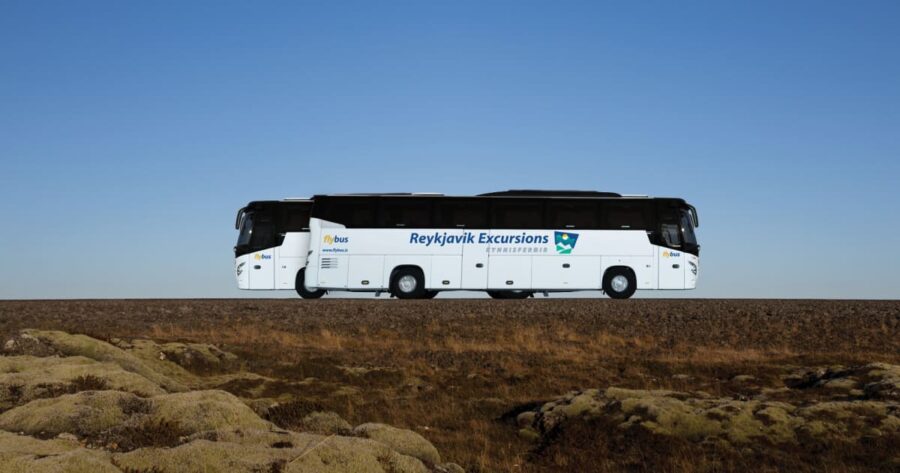
When you land at Keflavik, you’ve got three main ways into town. The most popular is Flybus, which runs often all year and costs about 3,990 ISK (roughly £22). They’ll drop you at the BSÍ Bus Terminal or, for a bit extra, right at your hotel.
Strætó (bus 55) is the budget pick at around 2,280 ISK (£13). It takes longer since it stops more, but it’s reliable. Just keep in mind the schedule isn’t as frequent, especially late at night or early morning.
If you’re with family or want door-to-door service, private transfers are an option. They’re pricier—usually £80-£120—but you get straight to your accommodation, no waiting or hauling luggage onto a bus.
Keflavik Airport to Reykjavik Options

Taxis in Iceland are pricey, no sugar-coating it. Expect to pay 15,000-20,000 ISK (£85-£115) for the airport ride. They’re metered and trustworthy, but unless you arrive at some weird hour or just don’t care about the cost, it’s probably not worth it.
Before you leave the airport, grab the Klappið app for your phone. You’ll end up using it a lot for bus routes in Reykjavik and real-time schedules. It’s in English and way easier than dealing with paper timetables.
Both Flybus and Strætó have ticket desks in arrivals, but you can also book Flybus online in advance—sometimes it’s a bit cheaper that way.
Exploring Reykjavik Without a Car
Reykjavik is easier to get around than you’d think. The city has a solid bus network, a handy discount card for visitors, and most tours will pick you up from your hotel.
Getting Around Reykjavik City

The Strætó buses cover Reykjavik and the suburbs well. You can get to most neighborhoods, malls, and tourist spots in the capital area.
Single tickets are 490 ISK if you pay cash on the bus. It’s cheaper and easier to use the Klapp app or pick up a rechargeable Klapp card at a convenience store. The app helps you plan routes and pay, which is a lifesaver if Icelandic street names make your head spin.
Buses run from early morning till about 11 PM or midnight on weekdays, a bit less on weekends. In summer, they run more often; winter schedules thin out, especially late at night.
Downtown Reykjavik is super walkable. Laugavegur, the main shopping street, runs through the heart of everything—cafes, restaurants, oddball shops. The harbor’s just a short stroll away too.
Reykjavik City Card and Local Attractions
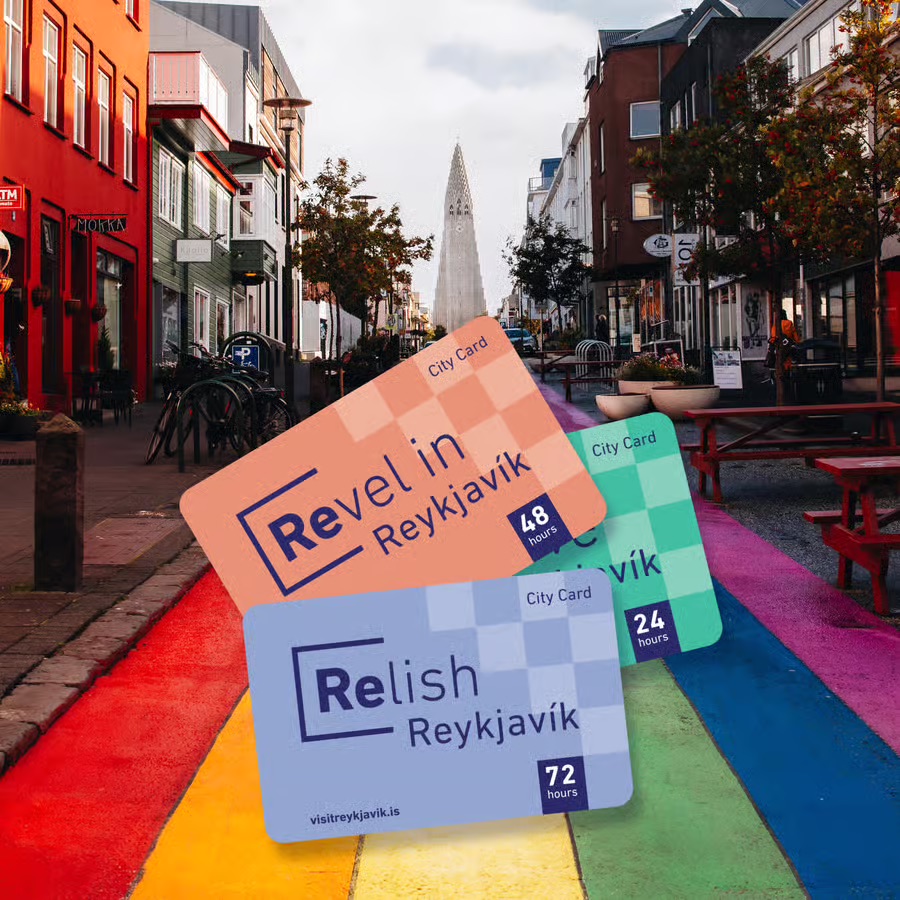
The Reykjavik City Card is worth it if you plan to hit museums and use public transport. It covers unlimited Strætó rides and free entry to several museums and attractions around the city.
You can grab a 24, 48, or 72-hour card depending on your stay. It gets you into places like Perlan Museum (with the ice cave and planetarium), the Settlement Exhibition, Reykjavik Art Museum, and a bunch of swimming pools (which Icelanders love).
The geothermal pools are a highlight. Locals soak year-round, and you can visit spots like Sundhöllin and Laugardalslaug for free with your card.
Some attractions just offer a discount, not free entry, so check the list before buying. You can get the card online, at museums, tourist info centers, or some hotels.
Tour Pickup Points in Reykjavik
Most tour companies will pick you up right at your hotel or guesthouse in Reykjavik, which makes joining day trips a breeze if you aren’t driving.
Tour buses can’t always get down every little street, so sometimes you’ll walk to a nearby pickup point—usually a big hotel or landmark. When you book, they’ll tell you exactly where to go.
Popular spots are hotels on Laugavegur or by the harbor. Some tours use the BSI Bus Terminal as a meeting point. Show up 15-20 minutes before your departure, just in case.
The system runs smoothly once you get the hang of it. Buses swing through the city picking up folks, so your pickup might be a bit earlier than the tour’s official start. Double-check your confirmation email for your pickup details the night before, just to be sure.
Public Transportation Throughout Iceland
Buses are the backbone of Iceland’s public transport, connecting towns and running seasonal routes out to the highlands. Strætó runs most of the services, and the Klappið app makes tickets and planning much simpler.
Bus Networks and Rural Routes
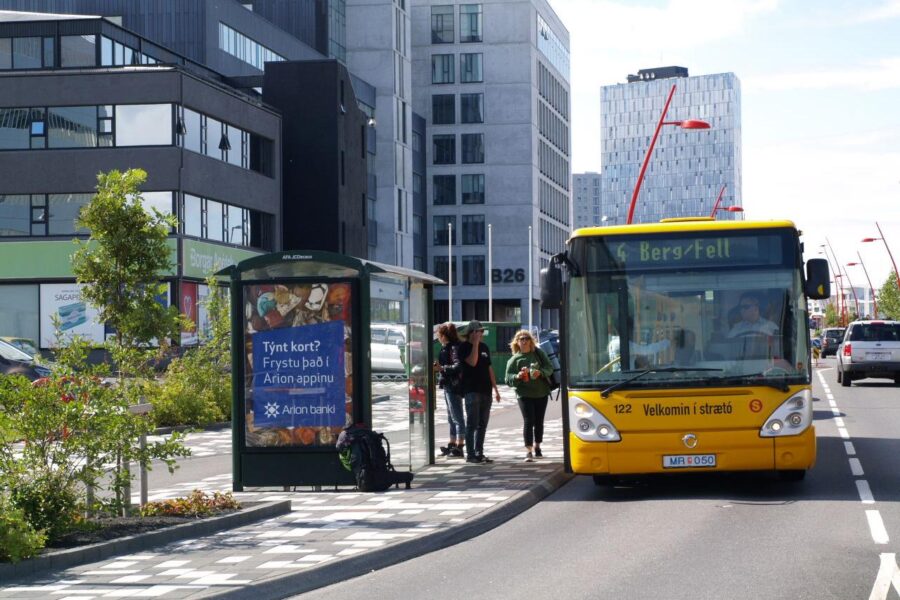
Strætó runs the main bus network, linking Reykjavík with towns like Akureyri, Ísafjörður, and Húsavík. Route 51 is a favorite for travelers, running along parts of the Ring Road down south to Jökulsárlón Glacier Lagoon.
Traveling the Ring Road by bus takes patience and a bit of puzzle-solving. Route 57 goes from Reykjavík to Akureyri up north—it takes 8-10 hours and costs around 13,200 ISK ($92 USD). Route 56 runs east from there to Egilsstaðir.
Rural routes don’t run as often as city buses. Some intercity lines only go once or twice a day, and a few are seasonal. The Westfjords, in particular, are tough to reach by bus, with limited options to remote areas.
You’ll need to work your itinerary around the bus schedules, not the other way around. That can mean extra nights in random towns, but honestly, sometimes that’s part of the adventure.
Using the Highland Bus
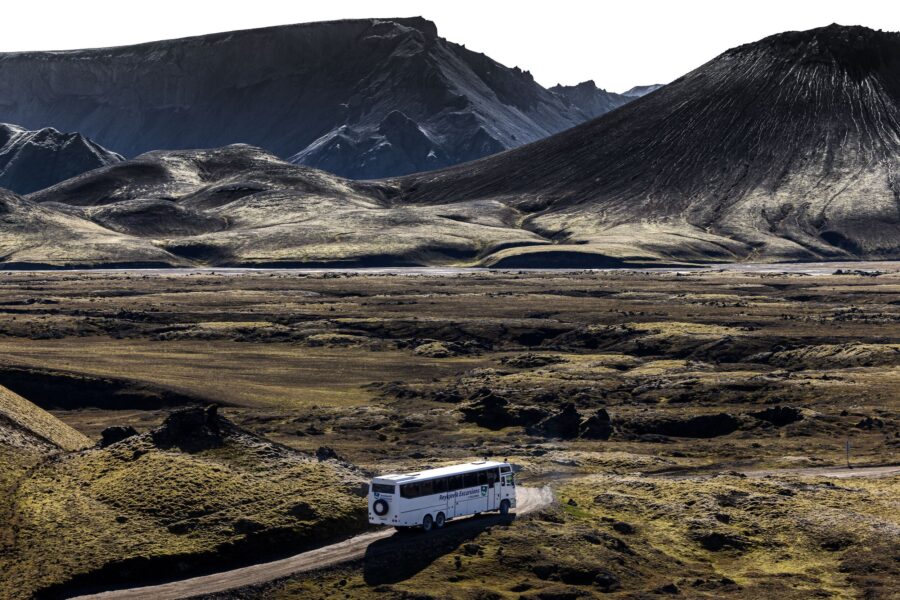
Highland buses run only in summer, usually late June to early September, when the F-roads open up. These routes reach Iceland’s interior, including places like Landmannalaugar and Þórsmörk for hiking.
Companies like Reykjavík Excursions and Trex handle highland buses, separate from Strætó. Tickets from Reykjavík to Landmannalaugar cost about 13,000-15,000 ISK ($91-$105 USD) one-way. The buses are modified for rough roads and river crossings.
Book early if you’re going in peak season—seats disappear fast. Weather and road conditions can change things in a heartbeat, so keep your plans flexible.
Planning with the Klappið App
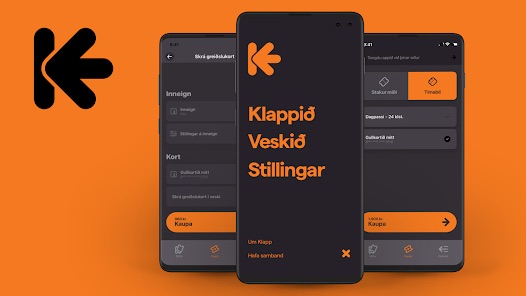
The Klappið app is a must for anyone using Iceland’s buses. Buy tickets, track buses in real time, and plan routes all from your phone. Download it before you arrive—you’ll end up relying on it a lot.
Single tickets on Klappið are 670 ISK ($4.20 USD) for Reykjavik-area buses and last 75 minutes after activation. The app takes international cards, so you don’t have to mess with cash.
Real-time tracking means you won’t be left freezing at a bus stop. The app shows where your bus is and when it’ll get there, though delays do happen if the weather turns nasty. You can also check flight and accommodation options to line up your arrival with bus times.
Guided Tours: The Most Flexible Alternative
Guided tours are a great way to see Iceland’s top sights without stressing about driving or weather. Local guides do the hard work, and most tours start with a pickup near your Reykjavik hotel.
Golden Circle Day Tours

The Golden Circle is Iceland’s classic route, hitting three major attractions in a tidy loop. You’ll visit Thingvellir National Park, where the North American and Eurasian tectonic plates pull apart—it’s wild to see the rift valley up close.
Then there’s the Geysir Geothermal Area, where Strokkur geyser erupts every few minutes, blasting water high into the air. The original Geysir (the one all geysers are named after) is nearby, though it’s mostly dormant now. Last up is Gullfoss Waterfall, a two-step cascade that plunges 105 feet into a canyon.
Most Golden Circle tours run 6-8 hours and cost $50-$100. Some add extras like Kerid Crater or Fridheimar greenhouse, where you can have lunch surrounded by tomato plants. You can book sightseeing tours with those bonus stops if you want a little more variety.
South Coast and Multi-Day Excursions

South Coast tours sweep you along Iceland’s dramatic shoreline—waterfalls, black sand beaches, glaciers, the works. Day trips usually hit Seljalandsfoss (yeah, you can walk behind it) and Skogafoss, a thundering 200-foot wall of water that throws mist and rainbows everywhere if the sun’s out.
Reynisfjara Black Sand Beach is wild—basalt columns, sea stacks jutting out of the Atlantic, and waves that are no joke. If you want to stay safe, go with a guide who actually knows where to stand. Some South Coast tours keep going east to Jokulsarlon Glacier Lagoon, where hunks of ice break off Breiðamerkurjökull and drift out to sea.
Multi-day tours let you slow down and skip the nightly trek back to Reykjavik. Two- or three-day trips might include the Crystal Ice Cave, but that’s only open in winter when the ice holds. If you’re really up for it, eight-day Ring Road tours loop the whole country—East Fjords, Lake Myvatn, and those remote northern spots you just can’t reach on a day trip. These longer tours and activities usually include your bed and most meals, so you can pack light.
Northern Lights Tours and Seasonal Trips
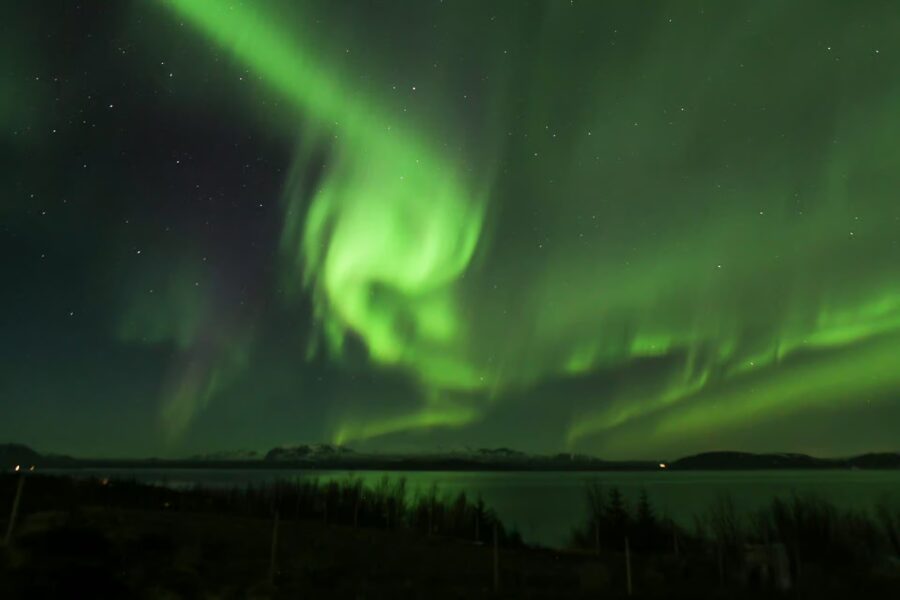
Northern lights tours run from September through April, when Iceland finally gets dark enough for aurora viewing. They usually kick off around 9 PM and last 3-5 hours, chasing clear skies and dodging city lights. Guides track aurora forecasts and change plans on the fly if the weather or solar activity shifts.
Sometimes you get lucky, sometimes the clouds win. Most companies let you rebook for free if you don’t spot the lights. Some tours throw in extras—maybe a hot spring visit or a night photography session.
In summer, it’s a different scene. The midnight sun keeps it light all night from May to July, so you can hike or take photos way past bedtime. Puffin tours run May to August, when these little birds fill up the cliffs. The Laugavegur trail in the Highlands opens in late June once the snow finally melts off the passes.
Special Car-Free Itineraries and Iconic Destinations
You don’t need a car to get to Iceland’s wildest spots. Multi-day guided tours circle the Ring Road, and some trips reach volcanic highlands and peninsulas people think you can only see with a rental.
Ring Road Without Driving
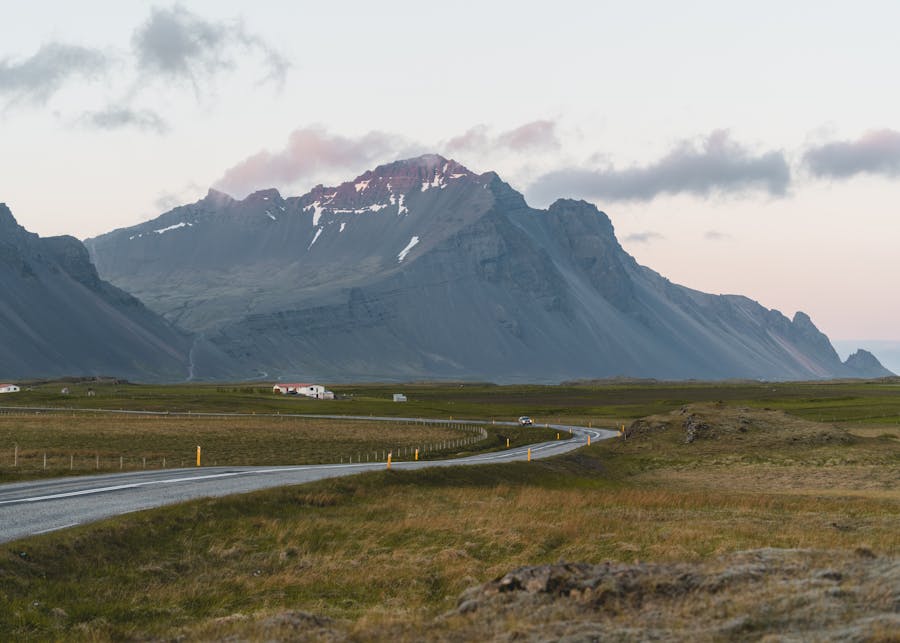
The Ring Road wraps around Iceland for about 828 miles—mountains, lava fields, and coast. Guided tours (6 to 12 days) cover it all, and you never have to drive.
On an 8-day tour, you’ll walk between tectonic plates at Thingvellir, check out Lake Myvatn’s steaming vents, wind through the East Fjords, and hit Jokulsarlon Glacier Lagoon down south. Kerid Crater, with its weirdly blue-green water, often pops up as a bonus near the Golden Circle.
Your guide drives, you stare out the window at waterfalls, glaciers, or maybe a reindeer if you’re lucky. In winter, you get shots at the northern lights far from city lights.
The best part? No white-knuckle driving on icy roads. You can focus on snapping photos, bugging your guide with questions, or just soaking up the view without worrying about missing a turn.
Snæfellsnes Peninsula and Landmannalaugar
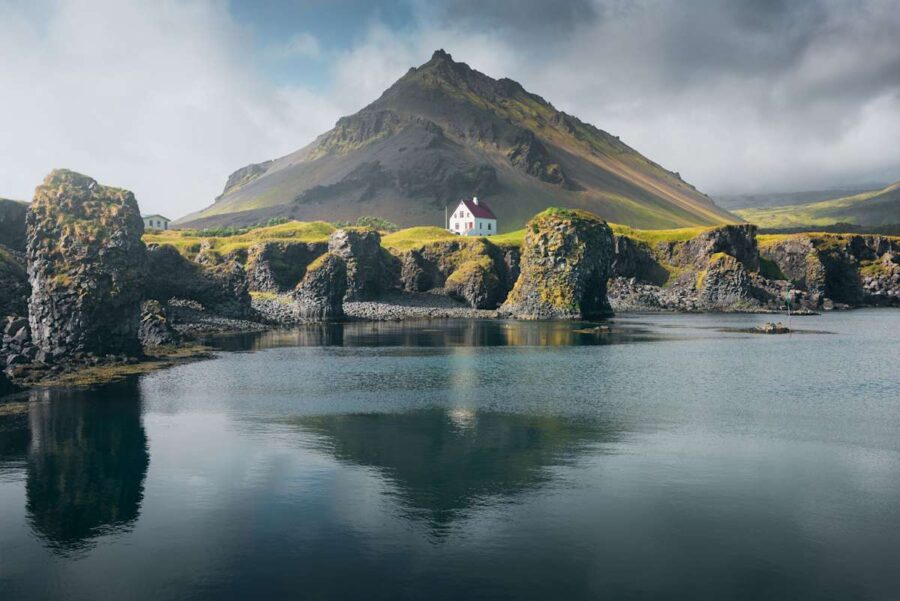
The Snæfellsnes Peninsula is about two hours north of Reykjavik. Day tours head to Kirkjufell, black sand at Djúpalónssandur, and the Snæfellsjökull glacier that inspired “Journey to the Center of the Earth.”
These trips last 10-12 hours and swing through coastal villages like Arnarstapi and Hellnar. You’ll spot seals, sheer cliffs, and lava fields—no need to brave the narrow roads yourself.
Landmannalaugar is trickier, but you can still get there without a car. It’s a geothermal wonderland in the Highlands, with rainbow-colored mountains and natural hot springs. The Laugavegur trail starts here.
From mid-June to early September, summer buses run from Reykjavik to Landmannalaugar. Go for a day or join a multi-day hike with camping or mountain hut stays. The buses are built for the rough Highland roads that regular cars can’t handle anyway.
Highland Adventures Without a Car
Iceland’s Highlands open up only in summer, usually late June to early September. These areas need a 4×4, so guided tours make sense even if you thought about renting.
Super Jeep tours from Reykjavik take you deep into places like Thorsmork and Askja caldera. These beefed-up vehicles cross rivers and crawl over volcanic rock, hitting spots most travelers never see.
Multi-day treks like the 5-day Laugavegur hike are the real deal. You walk between huts or campsites, guides handle the logistics, and a support vehicle hauls your big bag. The trail winds past hot springs, obsidian fields, and valleys full of lupines.
Some Highland tours toss in glacier hikes or crater visits. The big win here is safety—guides know when the weather’s turning and how to navigate places where getting lost is a serious risk.
Alternative Transportation Methods and Travel Tips
Flying across regions, catching rides with locals, or even cycling through volcanic scenery—there’s more than one way to see Iceland. Each option fits different budgets, fitness levels, and vibes.
Domestic Flights Within Iceland

Iceland’s domestic flights link Reykjavík with Akureyri, Egilsstaðir, and Ísafjörður. Prices usually run between £145 and £200, and flights take about 45 minutes to an hour.
You save a ton of time versus buses. Reykjavík to Akureyri by bus is a 6-hour slog; by plane, you’re there in 40 minutes. If your Iceland itinerary is tight and you want to see both ends of the country, flying makes sense.
Downsides? The price tag and carbon footprint. Flights are the spendiest way to get around, and they’re not great for the environment. But for a short trip, the time saved might be worth it.
Book early for better deals, especially in summer. Most flights leave from Reykjavík’s domestic airport, not the international one.
Tips for Hitchhiking and Carpooling

Hitchhiking in Iceland is pretty common and people are generally chill about it, especially along the Ring Road in summer. Locals know tourists are often getting around Iceland without a car.
Make a sign with your destination, stand by gas stations or parking lots near popular spots, or pick a straight stretch where cars can pull over. Don’t hitchhike on blind corners or sketchy spots.
Summer’s your best bet—more cars, more daylight, and you won’t freeze waiting for a ride. Winter? Fewer cars, rough weather, not ideal.
Check out Facebook groups or forums where travelers share rides and split gas. It’s safer and you can plan your route ahead of time.
Biking and Hiking In Iceland

Hiking in Iceland works fine without a car if you stay near trailheads or use buses to reach popular hikes. Trails around Reykjavík, Mount Esja, and Þingvellir National Park are all doable by public transport.
Cycling here is for the adventurous (or slightly stubborn). Summer’s the only real season for it—long days, but the weather can still throw wind and rain at you. Even then, it’s tough going.
If you’re set on cycling, stick to the Ring Road. You’ll find more places to stay, services, and other people. Pack for rain, wind, and surprise cold snaps—sometimes all in one afternoon.
Rent bikes in Reykjavík or Akureyri instead of hauling your own. Shops offer multi-day rentals with panniers and repair kits. Figure on £30-50 per day for a decent touring bike.
Frequently Asked Questions
Traveling around Iceland without a car? It brings up all sorts of questions about transport, safety, and how to actually pull it off. Here’s what you should know about alternative travel methods, hitchhiking, tours, and cycling across this wild island.
What alternative transportation options are available for exploring Iceland’s natural landscapes?
Straeto public buses connect Reykjavik with most big towns. They’re regular in summer, but slow down a lot in winter.
Airport buses run between Keflavik International and Reykjavik several times a day. Many stop at the Blue Lagoon, which is handy since it’s right between the airport and town.
Guided day tours from Reykjavik hit the big-ticket sights without you having to drive—Golden Circle, South Coast waterfalls, Jokulsarlon, all that.
Multi-day tour packages cover everything—transport, places to sleep, meals. They follow the Ring Road or focus on specific regions, so you don’t have to worry about planning.
Private transfers are pricier but direct, and they’re useful if you’re traveling with heavy luggage or want to set your own schedule.
What are the best practices for hitchhiking safely around Iceland?
Hitchhiking here is safer than most places, but some basics still matter. Do it in summer when there’s more traffic and the weather’s not out to get you.
Stand somewhere drivers can see you and pull over safely. Icelandic roads don’t always have wide shoulders, so pick your spot carefully.
Even if the forecast looks fine, bring warm, waterproof gear. Icelandic weather loves to change its mind, and you could be waiting longer than you think.
Don’t hitchhike alone at night. Iceland’s safe, but daylight is just smarter for visibility and safety.
Tell someone your plans before you go—your route, when you expect to arrive. Just in case.
Have a backup plan. Not every road gets much traffic, especially in the Westfjords or Highlands.
Small group tours keep numbers low, making it possible to reach quieter spots that big coach tours usually miss. You might find yourself at Bruarfoss Waterfall or Kerid Crater—places that don’t always make the standard itinerary.
Photography tours are perfect for anyone chasing Iceland’s most striking views under the best light. Guides know where you’ll catch the midnight sun or, if luck’s on your side, the northern lights.
If you’re after a bit more action, adventure tours bundle in things like glacier hikes, ice caving, or even snorkeling in Silfra Fissure. Most folks don’t need experience—just a bit of curiosity and maybe some warm socks.
Multi-day hiking tours cover classic routes like the Laugavegur Trail from Landmannalaugar to Thorsmork. Guides sort out the details, so you can just focus on the trek (and maybe your tired legs).
There are also tours for the super-specific interests—think Game of Thrones filming locations or tracking arctic foxes in Hornstrandir Nature Reserve. It’s a bit niche, but that’s the fun of it.
And then there’s the whole seasonal angle. Winter opens up ice caves and northern lights chasing, while summer brings volcano hikes and puffin spotting. Iceland really doesn’t do boring seasons.
What advice do you have for cycling tourists planning long-distance trips throughout Iceland’s countryside?
Bring a sturdy touring bike—something that can handle rough gravel, sudden rain, and those infamous Icelandic crosswinds. Lightweight bikes just aren’t up for it here.
Figure out your route with an eye on where you’ll sleep and refuel. Some towns are way farther apart than you’d expect, especially out in the Highlands or Eastfjords.
Don’t skimp on repair gear and spare parts. If your bike breaks down in the middle of nowhere, you’ll have to fix it yourself—there’s just no bike shop around the corner.
If you can swing it, set off during summer, between June and August. You’ll get almost endless daylight, and the roads are usually open (though some mountain routes stubbornly stay closed till July).
Pack more food and water than you think is reasonable. Shops and cafes close without warning, and the winding roads make distances feel longer than they look on the map.
Stick to traffic rules and wear bright, reflective clothes. Most drivers out there don’t expect to see cyclists, so you want to stand out as much as possible.
Mix in a bus ride now and then—Straeto buses will take bikes if there’s room. It’s a good way to dodge brutal stretches or just give your legs a break.


