Miami Travel Tips: 15 Local Secrets for Authentic Experiences
Updated November 13, 2025
15 Essential Travel Tips for Visiting Miami: Your Complete Guide to Authentic Magic City Experiences
Miami isn’t just another beach destination—it’s a vibrant cultural tapestry where Latin American heritage meets coastal sophistication, creating experiences you won’t find anywhere else in the United States. Whether you’re drawn to hidden neighborhood gems or seeking authentic connections with local communities, these 15 travel tips will transform your Miami visit from typical tourism into meaningful exploration.
You’ll discover how to navigate Miami like a local, from understanding the intricate transportation network to finding authentic Cuban coffee in Little Havana’s hidden corners. This comprehensive guide reveals the secrets that turn first-time visitors into Miami advocates, connecting you with the city’s soul through its diverse neighborhoods, passionate communities, and extraordinary cultural offerings.
Table of Contents
- 1. Master Miami’s Neighborhood Diversity for Authentic Experiences
- 2. Navigate Miami’s Transportation Network Like a Local
- 3. Time Your Visit for Optimal Weather and Cultural Events
- 4. Discover Authentic Culinary Experiences Beyond Tourist Zones
- 5. Plan Your Visit Around Miami’s Distinct Seasons
- 6. Unlock Miami’s Hidden Natural Escapes
- 7. Budget Wisely for Maximum Value and Authentic Experiences
- 8. Embrace Miami’s Art Scene Beyond the Famous Walls
- 9. Connect with Local Communities Through Cultural Centers
- 10. Navigate Miami’s Food Scene with Cultural Sensitivity
- 11. Experience Miami’s Music and Nightlife Like a Local
- 12. Master Miami Beach Access Beyond South Beach Crowds
- 13. Budget-Friendly Authentic Experiences That Locals Love
- 14. Respect and Engage with Miami’s Cultural Diversity
- 15. Create Lasting Connections Through Community Engagement
- Conclusion: Your Gateway to Authentic Miami
- Book Your Dream Experience
- More Travel Guides
1. Master Miami’s Neighborhood Diversity for Authentic Experiences
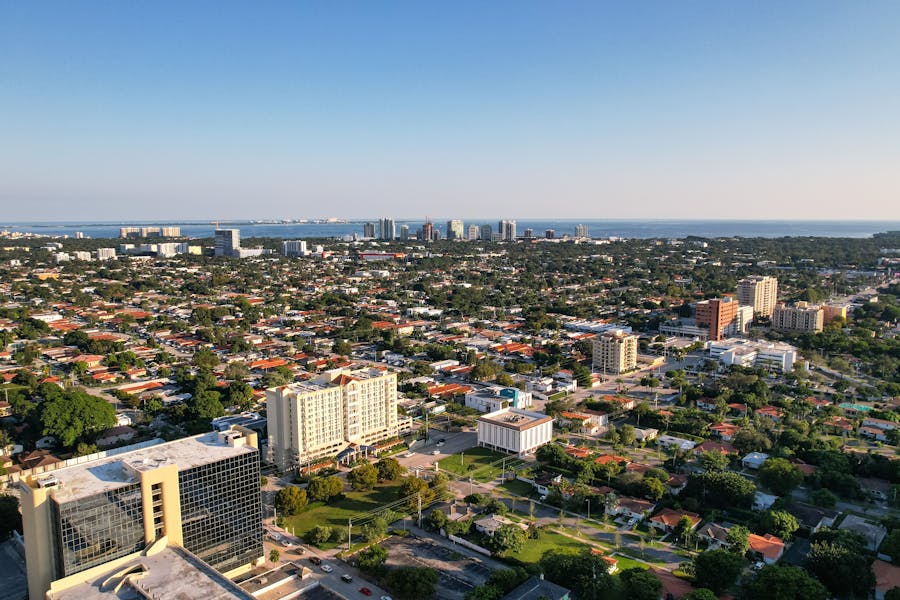
Miami’s true magic lies in its distinct neighborhoods, each offering a completely different cultural experience. Instead of limiting yourself to South Beach’s tourist corridor, you’ll find authentic Miami by exploring these diverse communities.
Little Havana represents the heart of Cuban-American culture in the United States. Walk down Calle Ocho and you’ll hear Spanish conversations mixing with the clicking of dominoes at Máximo Gómez Park. Stop at Café Versailles, where politicians and celebrities gather for authentic Cuban coffee and flaky pastries. The atmosphere here pulses with cultural pride, and you’ll witness generations of families maintaining their traditions while building new American lives.
Wynwood transforms from warehouse district to art capital before your eyes. What makes Wynwood special isn’t just the famous Wynwood Walls—though those 40 murals from world-renowned street artists deserve your attention—but the living, breathing art scene happening on every corner. Independent galleries, craft breweries, and authentic Puerto Rican restaurants create an ecosystem where creativity thrives. Visit during the second Saturday of each month for the Wynwood Art Walk, when galleries stay open late and artists often work on new pieces.
Little River emerges as Miami’s most exciting emerging neighborhood for 2025. Here, you’ll find La Natural, a Michelin Bib Gourmand pizzeria where 48-hour fermented sourdough meets creative toppings like za’atar and Sichuan peppercorns. The neighborhood maintains its authentic working-class character while nurturing innovative culinary and artistic talent. B&M Market, serving authentic Caribbean food for over 30 years, offers dishes like ackee and saltfish that connect you directly with the Caribbean diaspora community.
Little Haiti Cultural Complex showcases vibrant Haitian art, music, and traditions through its gallery, performance theater, and outdoor market. The surrounding neighborhood bursts with colorful murals and street art that tell stories of resilience, creativity, and cultural preservation. Family-owned restaurants serve authentic griot pork stew and other traditional dishes that represent generations of culinary knowledge.
Coconut Grove, Miami’s oldest neighborhood, provides a completely different pace. Chic boutiques nestle among lush gardens, while waterfront views create a serene atmosphere that contrasts beautifully with Miami’s high-energy reputation. The bohemian spirit that originally attracted artists and intellectuals in the 1960s still influences the neighborhood’s character today.
Pro Tip: Dedicate one full day to each neighborhood rather than trying to see everything superficially. This approach allows you to develop genuine connections with local business owners, artists, and community members who often share insider knowledge about hidden gems and upcoming events.

Understanding Miami’s transportation system unlocks the city’s authentic experiences while saving you significant money and stress. The key lies in combining different transportation modes strategically rather than relying solely on expensive rideshares or rental cars.
Metromover Magic: The free Metromover system operates like Miami’s secret weapon for downtown exploration. These elevated cars run from 5am to midnight Sunday through Thursday, and until 2am on weekends, connecting Downtown Miami and Brickell seamlessly. Use the Metromover to reach Bayfront Park, the American Airlines Arena, and downtown’s cultural district without fighting traffic or parking challenges.
Metrorail Strategic Routes: The $2.25 Metrorail connects major destinations including Miami International Airport, Downtown, Brickell, and extends south through diverse neighborhoods. The Orange Line from the airport’s third level provides direct downtown access, eliminating expensive airport transfer fees. Purchase the Easy Pass card or use contactless payment with your phone or credit card for seamless transitions between rail and bus systems.
Metrobus Hidden Gems: With over 95 routes, the Metrobus system reaches neighborhoods that tourists rarely discover. Route 120 connects Downtown to South Beach for just $2.25, taking 20-30 minutes while providing views of Biscayne Bay. Several bus routes operate 24 hours, making late-night exploration possible and safe.
FreeBee Sustainability: This free, electric ride-sharing service operates in select neighborhoods, reflecting Miami’s commitment to environmental responsibility. Download the FreeBee app not just for rides, but for neighborhood activity suggestions that locals actually use.
GO Miami-Dade App: Download this essential app for real-time schedules, ticket purchases, and service alerts. Citymapper provides excellent route planning with live departure times and disruption alerts that help you navigate like a local.
Bicycle Infrastructure: Miami’s expanding bike-sharing system, Citi Bike, offers stations throughout the city. The protected bike lanes along the Rickenbacker Causeway provide stunning skyline views while connecting you to Virginia Key Beach Park and Hobie Beach—destinations that many tourists never discover.
Walking Strategies: Many neighborhoods reward pedestrian exploration. Wynwood’s street art extends far beyond the main Wynwood Walls area, with new murals appearing regularly on side streets. Walking Little Havana allows you to discover ventanitas (coffee windows) and small businesses that represent the neighborhood’s authentic character.
Pro Tip: Combine transportation modes for maximum efficiency and cultural immersion. Take the Metrorail to a neighborhood, then walk or bike to fully experience the local atmosphere. This approach connects you with communities in ways that driving simply cannot match.
3. Time Your Visit for Optimal Weather and Cultural Events

Miami’s subtropical climate creates distinct seasons that dramatically affect both your experience and your budget. Understanding these patterns helps you plan visits that align with your priorities, whether you’re seeking perfect beach weather, cultural festivals, or budget-friendly exploration.
Peak Season Magic (December-April): These months offer Miami’s most comfortable weather, with temperatures ranging from 65-80°F and minimal rainfall. The ocean temperature remains warm enough for swimming, while humidity stays manageable. However, this peak season brings premium prices and larger crowds. Book accommodations well in advance and expect higher costs for flights, hotels, and popular restaurants.
Spring Sweet Spot (March-May): Many consider this Miami’s ideal visiting period. March offers perfect weather conditions with warm days and cool evenings, making it excellent for both beach activities and neighborhood walking tours. April maintains this pleasant climate while May begins the transition toward summer heat. Rain remains minimal during spring, ensuring your outdoor plans remain uninterrupted.
Summer Authenticity (June-September): While summer brings higher temperatures and humidity, this season offers the most authentic Miami experience at budget-friendly prices. Hotel rates drop significantly, and you’ll encounter more locals in restaurants and neighborhoods since many tourists avoid the heat. Afternoon thunderstorms provide natural air conditioning and create dramatic skies perfect for photography. Swimming in warm ocean water (80-85°F) becomes incredibly refreshing rather than just pleasant.
Hurricane Season Considerations (June-November): Hurricane season requires flexible planning but shouldn’t prevent your visit. August and September represent peak hurricane months, while October marks the season’s end. Modern weather forecasting provides 5-7 day advance warnings for significant storms. Many hurricanes pass by Miami without major impact, and hotels typically offer rebooking flexibility during weather events.
Fall Transition (September-November): September often provides the year’s best hotel deals as tourism hits its annual low. October brings cooling temperatures and reduced hurricane risk, creating favorable conditions for outdoor exploration. November offers ideal weather with highs around 78°F—perfect for beach activities and neighborhood walking tours.
Cultural Event Calendar: Art Basel Miami Beach (December) transforms the city into an international art destination, but crowds and prices reach yearly peaks. Art Deco Weekend (January) celebrates the 1920s with jazz bands and classic car shows. Coconut Grove Arts Festival (February) brings extensive local art markets to this bohemian neighborhood. Miami International Film Festival (March) showcases independent cinema across multiple venues.
Monthly Weather Insider Tips:
– January-February: Perfect for outdoor activities, but book early for premium prices
– March-April: Ideal weather with moderate crowds and reasonable prices
– May: Excellent value with great weather before summer heat begins
– June-August: Authentic local experience with significant savings, but prepare for heat and humidity
– September: Best budget deals with weather improving toward month’s end
– October-November: Excellent weather returns with manageable crowds and moderate prices
Pro Tip: Monitor hurricane forecasts if visiting June-November, but don’t let hurricane season fear prevent you from experiencing Miami’s most authentic and affordable period. Local businesses often offer special deals during potential storm periods, and you’ll discover how resilient and community-minded Miami residents truly are.
4. Discover Authentic Culinary Experiences Beyond Tourist Zones

Miami’s food scene extends far beyond trendy South Beach restaurants, offering authentic cultural experiences that connect you directly with the city’s diverse communities. These culinary discoveries represent generations of family recipes, cultural preservation, and innovative fusion that defines modern Miami.
Little Havana’s Authentic Cuban Heart: Start your culinary exploration at El Palacio de los Jugos, a no-frills eatery that serves as a cultural institution for Miami’s Cuban community. Here, freshly squeezed tropical juices complement hearty Cuban sandwiches and perfectly roasted pork. The bustling market atmosphere lets you experience how locals shop and eat daily. Order café cubano at a ventanita (coffee window) and watch the precise ritual of preparation that has remained unchanged for decades.
Azucar Ice Cream Company elevates dessert into cultural education. Flavors like Abuela Maria—a addictive blend of guava paste, cream cheese, and crumbled cookies—tell stories of Cuban culinary tradition adapted to American ingredients. Each flavor represents a piece of cultural history, making your ice cream more than just dessert.
Little River’s Rising Culinary Star: La Natural earned back-to-back Michelin Bib Gourmand recognition for transforming pizza into art. Their 48-hour fermented sourdough crust supports creative toppings like burrata and basil or za’atar and Sichuan peppercorns, fired in a wood-burning oven that creates neighborhood gathering space. This restaurant exemplifies how Miami’s emerging neighborhoods nurture innovative talent while maintaining authentic community connections.
Caribbean Authenticity at B&M Market: This Little River institution has served authentic Caribbean cuisine for over 30 years, offering dishes like ackee and saltfish, oxtail stew, curry goat, and cow foot that represent true Caribbean home cooking. The family-owned restaurant maintains recipes passed down through generations, creating dining experiences that connect you with Caribbean diaspora culture in its most authentic form.
Mexican Mariscos Excellence: Ensenada brings Mexican seafood tradition to Miami with a focus on mariscos (seafood) that earned Michelin Bib Gourmand recognition. Their authentic approach to Mexican coastal cuisine provides unique flavors that distinguish Miami’s dining scene from other American cities.
Natural Wine Culture at Magie Wine Bar: This cozy Little River establishment, opened by industry veteran Caroline Strauss in 2024, offers carefully curated natural and low-intervention wines from Spain, Portugal, and beyond. The no-reservations, counter-service setup creates an intimate atmosphere where wine education happens naturally through conversation with knowledgeable staff.
Design District Sophistication: Carbone Vino in Coconut Grove offers a more intimate, grown-up counterpart to its flashy South Beach sibling. Unlike the velvet-roped Carbone, Vino maintains glamour while providing warmth that matches the eclectic waterfront neighborhood character.
Greek Island Escape: Mandolin Aegean Bistro in the Design District transports diners to the Greek Isles through its charming courtyard adorned with twinkling lights and bougainvillea. The Mediterranean-inspired dishes provide both visual beauty and authentic flavors that represent Greece’s culinary traditions.
Breakfast and Coffee Culture: Beyond tourist-focused cafés, Miami’s authentic coffee culture thrives in neighborhood spots where locals gather daily. Cuban coffee preparation follows precise rituals, from the pressure and timing to the traditional serving glasses. Learning to appreciate these details connects you with cultural practices that define community life.
Food Market Exploration: Local markets in different neighborhoods offer ingredients and prepared foods that reflect Miami’s international character. Shopping at these markets provides cultural immersion while supporting local businesses that serve as community gathering places.
Pro Tip: Ask restaurant staff about family recipes, ingredient sources, and cultural significance of dishes. Many Miami restaurants represent family businesses where owners eagerly share stories about their cultural heritage and adaptation to American ingredients. This curiosity transforms meals into cultural education experiences that deepen your understanding of Miami’s diverse communities.
5. Plan Your Visit Around Miami’s Distinct Seasons
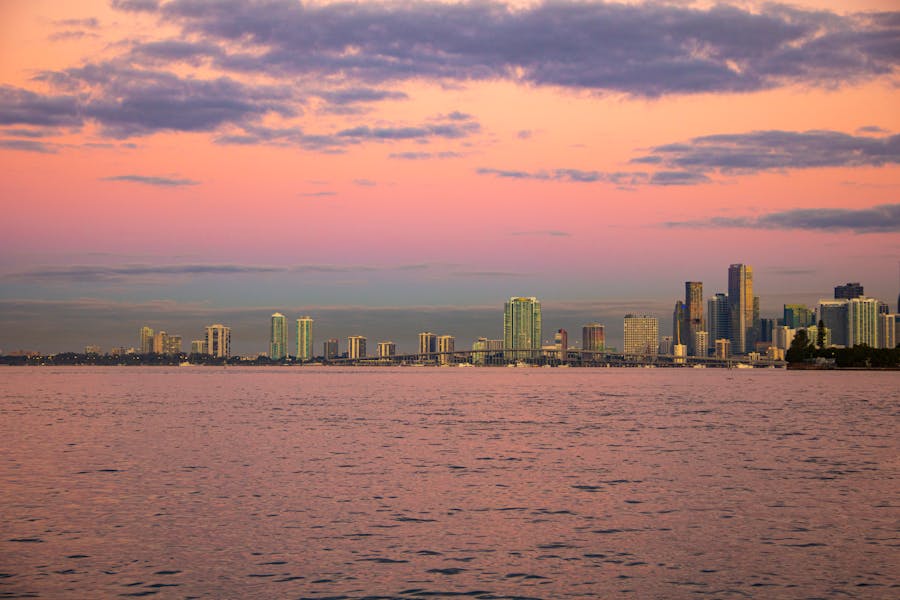
Miami’s subtropical climate creates distinct seasons that dramatically influence both your experience and travel costs. Understanding these seasonal patterns allows you to align your visit with your priorities, whether you seek perfect weather, authentic local culture, or budget-conscious exploration.
The Goldilocks Period (March-May): Spring offers Miami’s “just right” conditions with temperatures ranging from 65-80°F, minimal rainfall, and ocean temperatures perfect for swimming. March provides the most comfortable weather conditions with warm days and cool evenings ideal for both beach activities and extensive neighborhood walking tours. April maintains this pleasant climate while May begins transitioning toward summer warmth without overwhelming heat or humidity.
During spring months, you’ll experience Miami at its most accessible. Outdoor dining becomes comfortable throughout the day, making it perfect for exploring authentic local restaurants in neighborhoods like Little Havana or Little Haiti. The pleasant weather encourages longer walking tours through areas like Wynwood, where you can appreciate street art and discover hidden galleries without dealing with oppressive heat.
Summer Authenticity Season (June-September): While summer brings higher temperatures and humidity, this period offers the most genuine Miami experience at significantly reduced costs. Hotel rates drop by 40-60%, flights cost substantially less, and popular restaurants become accessible without advance reservations. You’ll encounter more locals in neighborhoods since many tourists avoid the summer heat.
Summer’s afternoon thunderstorms provide natural relief from heat while creating dramatic photographic opportunities. These brief, intense storms typically last 30-60 minutes and leave behind refreshed air and stunning cloud formations over Biscayne Bay. Swimming in 80-85°F ocean water becomes incredibly refreshing rather than merely pleasant, and beaches feel more spacious and relaxed.
The key to summer success involves adjusting your daily rhythm. Plan outdoor activities for early morning and evening hours, using midday for indoor cultural attractions like museums, galleries, or air-conditioned markets. This schedule aligns with local lifestyle patterns and provides authentic cultural immersion opportunities.
Hurricane Season Reality Check: Hurricane season runs June 1st through November 30th, with August and September representing peak activity months. However, modern weather forecasting provides 5-7 day advance warnings for significant storms, and many hurricanes pass by Miami without major impact. Hotels typically offer flexible rebooking policies during weather events, and travel insurance provides additional protection.
Rather than avoiding hurricane season entirely, monitor forecasts and maintain flexible travel plans. Many experienced Miami visitors specifically choose this period for authentic experiences and excellent value. Local businesses often provide special deals during potential storm periods, and you’ll witness the remarkable resilience and community spirit that defines Miami during challenging times.
Fall Recovery Period (September-November): September offers the year’s best hotel deals as tourism reaches its annual low point. October brings cooling temperatures and reduced hurricane risk, creating increasingly favorable conditions for outdoor exploration. November provides ideal weather with highs around 78°F—perfect for beach activities and comfortable neighborhood exploration.
Fall represents an excellent compromise between good weather and reasonable prices. You’ll find authentic dining experiences more accessible, local events more intimate, and neighborhoods more welcoming as the tourist rush subsides.
Winter Peak Considerations (December-February): Peak season brings Miami’s most comfortable weather but also maximum crowds and premium prices. Advanced booking becomes essential for accommodations and popular restaurants. However, this season offers access to major cultural events like Art Basel Miami Beach and optimal conditions for outdoor activities.
If you choose peak season, focus on making reservations well in advance and budgeting for higher costs. The excellent weather and cultural events can justify the premium if you prioritize comfort and convenience over budget considerations.
Pro Tip: Consider visiting during shoulder seasons (May or November) when you’ll enjoy excellent weather, moderate prices, and access to both tourist attractions and authentic local experiences without overwhelming crowds or extreme costs.
6. Unlock Miami’s Hidden Natural Escapes
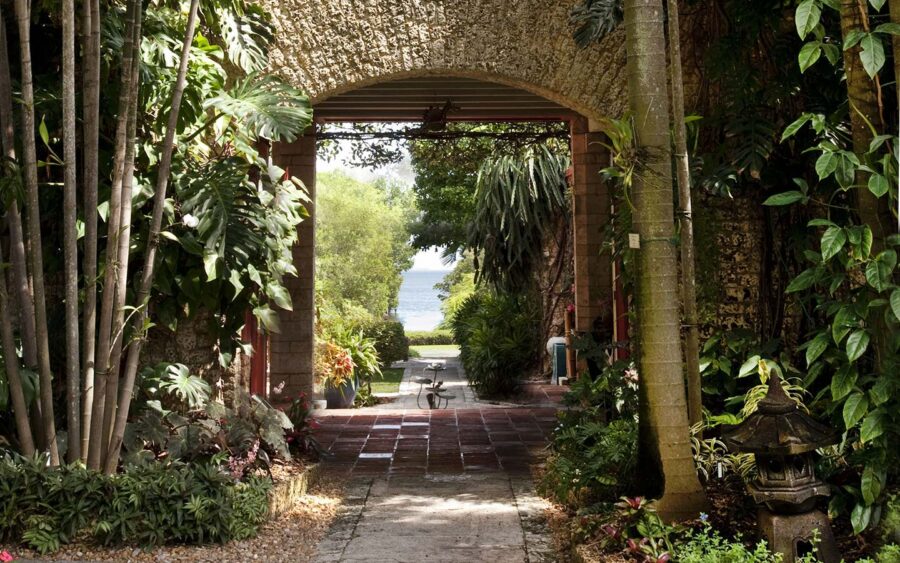
Beyond its reputation for urban sophistication, Miami harbors remarkable natural spaces that offer peaceful retreats and authentic Florida experiences. These hidden gems provide perspective on South Florida’s unique ecosystem while offering photographic opportunities that capture Miami’s wilder side.
The Kampong Botanical Garden: Nestled in Coconut Grove’s heart, this stunning 9-acre botanical garden feels worlds away from Miami’s bustling streets. Originally planted by Dr. David Fairchild, a renowned botanist and plant explorer, The Kampong features tropical and subtropical plants from around the globe. Ancient mango trees, rare palms, and exotic flowering plants create intimate spaces perfect for contemplation and photography. The garden offers free admission for children under 12 and provides discounted rates for seniors and students, making it accessible for budget-conscious travelers.
Walking through The Kampong reveals how South Florida’s climate supports incredible biodiversity. Educational plaques explain plant origins and cultural significance, connecting you with the global plant trade that shaped Miami’s development. The peaceful atmosphere provides perfect contrast to the city’s energetic neighborhoods.
Matheson Hammock Park: While tourists crowd South Beach, locals treasure this peaceful coastal park near Coral Gables. The park’s highlight is its man-made atoll pool, where ocean water naturally cycles through a contained swimming area, creating safe swimming conditions for families. Shaded picnic areas under ancient trees provide perfect spots for authentic Cuban sandwiches from nearby restaurants.
The park’s trails wind through preserved hammock forest, showcasing native South Florida vegetation that existed before Miami’s development. Mangrove areas demonstrate the natural systems that protect South Florida from storm surge while providing habitat for native birds and marine life.
Oleta River State Park: Miami’s largest urban park offers genuine wilderness experiences just minutes from downtown. Paddle through narrow mangrove tunnels where dense vegetation creates cathedral-like spaces, and you’ll quickly forget the city’s proximity. The park provides kayak rentals and guided tours that reveal South Florida’s complex aquatic ecosystems.
Mountain biking trails wind through varied terrain, offering experiences typically associated with more mountainous regions. The park’s beaches provide swimming and picnicking opportunities away from commercial development, while fishing spots attract locals seeking peaceful outdoor recreation.
Virginia Key Beach Park: This historic beach holds special significance as the former “colored beach” during segregation, now transformed into a beautiful recreational area that honors its complex history. The beach offers spectacular skyline views while maintaining a more relaxed, local atmosphere than commercial beaches.
The park includes historic buildings, nature trails, and picnic facilities that create perfect conditions for family gatherings and cultural reflection. Educational exhibits explain the site’s role in Miami’s civil rights history while celebrating the community resilience that transformed painful history into positive community space.
Hobie Beach (Windsurfer Beach): Located along the Rickenbacker Causeway, this bayside destination has attracted windsurfing enthusiasts for over two decades. Windsurfing lessons start at $45 per hour, providing unique perspectives on Miami’s skyline and Biscayne Bay’s natural beauty.
Even if you don’t windsurf, the beach offers excellent swimming conditions, picnic areas, and unobstructed skyline views that create perfect photography opportunities. The causeway bike path connects to other beach areas, making Hobie Beach an excellent starting point for active exploration.
Pro Tip: Visit these natural areas during early morning or late afternoon for optimal lighting, comfortable temperatures, and the best opportunities to observe wildlife. Bring refillable water bottles, as staying hydrated becomes crucial in Miami’s climate, and many parks provide water fountains for convenient refills.
7. Budget Wisely for Maximum Value and Authentic Experiences
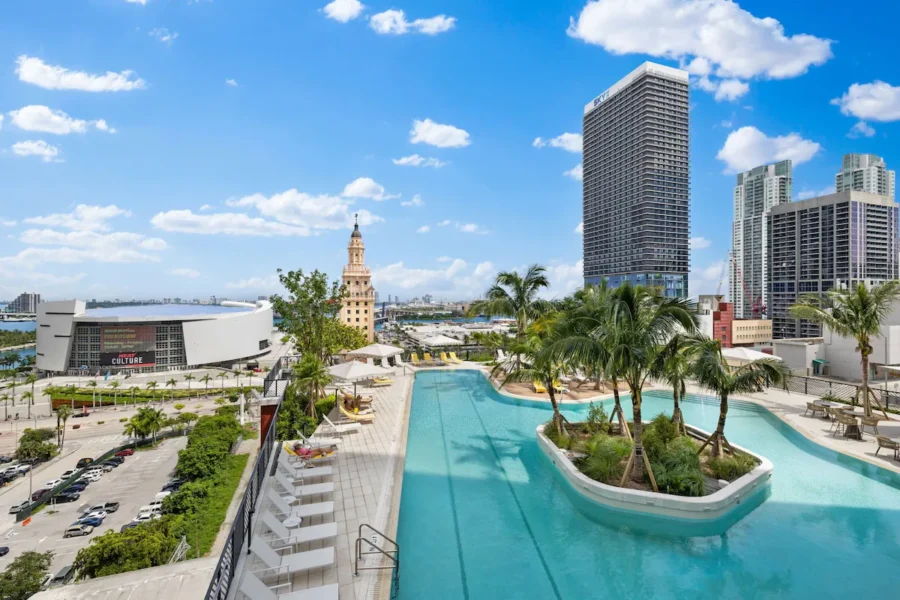
Miami’s reputation for expensive nightlife and luxury shopping can overshadow the reality that authentic experiences often cost significantly less than tourist-focused activities. Strategic budgeting allows you to experience genuine Miami culture while maintaining financial flexibility for special splurges.
Accommodation Strategy by Season: Summer and fall (June-November) offer 40-60% savings on hotel rates compared to peak season. Neighborhoods like Little River, Allapattah, or northern Coconut Grove provide authentic local experiences at fraction of South Beach costs. These areas offer easy access to public transportation while maintaining distinctive neighborhood character.
Consider staying in locally-owned guesthouses or boutique hotels that reflect Miami’s cultural diversity rather than international chain properties. These accommodations often provide insider knowledge about neighborhood events, authentic restaurants, and cultural happenings that larger hotels cannot match.
Transportation Budget Maximization: The $31 weekly Easy Pass provides unlimited access to Metrorail, Metrobus, and Metromover, often costing less than two daily rideshare trips. This investment opens access to diverse neighborhoods while supporting sustainable transportation choices that align with responsible travel principles.
Walking and biking in pedestrian-friendly neighborhoods like Wynwood, Little Havana, and Coconut Grove provides free exercise while enabling authentic cultural discoveries. Many of Miami’s most meaningful experiences—from street art appreciation to conversations with local business owners—happen during pedestrian exploration.
Dining Budget Allocation: Allocate 60% of your food budget to authentic neighborhood restaurants where locals eat daily, saving 40% for one or two special dining experiences. Little Havana’s family-owned restaurants offer generous portions at reasonable prices, while Little Haiti’s authentic Caribbean spots provide incredible value for traditional recipes.
Food trucks and markets throughout Miami serve authentic cuisine at budget-friendly prices. The weekly farmers markets in different neighborhoods offer fresh produce, prepared foods, and opportunities to meet local vendors who often share cooking tips and cultural stories.
Cultural Experience Investment: Many of Miami’s most enriching cultural experiences cost little or nothing. Walking tours through neighborhood murals, visiting cultural centers, attending free outdoor concerts, and participating in community festivals provide deep cultural immersion without significant financial investment.
Free cultural events happen regularly throughout Miami’s diverse neighborhoods. Art gallery openings in Wynwood offer wine, conversation with artists, and cultural education. Community centers in Little Haiti and Little Havana host music performances, cultural exhibitions, and educational programs open to visitors interested in genuine cultural exchange.
Activity Cost Comparison:
– Free: Beach access, Metromover, neighborhood walking tours, many cultural events, street art appreciation
– Low Cost ($5-15): Public transportation day passes, authentic neighborhood restaurant meals, food truck cuisine, local market exploration
– Moderate Cost ($15-40): Museum admissions, guided cultural tours, craft brewery visits, casual dining experiences
– Special Experiences ($40+): Fine dining, water sports lessons, private cultural tours, premium nightlife venues
Money-Saving Strategies: Happy hour specials at local restaurants often feature authentic dishes at reduced prices while providing opportunities to meet locals. Many museums offer discounted admission on specific weekdays or for residents of certain ZIP codes—ask locally for current promotions.
Grocery shopping at local markets allows you to experience authentic ingredients while preparing some meals independently. Markets like Presidente Supermarket in Little Havana offer Caribbean and Latin American ingredients that provide cultural education alongside practical savings.
Pro Tip: Set aside a flexible fund for spontaneous cultural experiences—street festivals, impromptu musical performances, or recommendations from locals you meet. These unplanned experiences often become travel highlights and typically cost less than pre-planned tourist activities while providing more authentic cultural connections.
8. Embrace Miami’s Art Scene Beyond the Famous Walls

While Wynwood Walls deserves its international reputation, Miami’s authentic art scene extends throughout diverse neighborhoods where creativity reflects community identity, social consciousness, and cultural preservation. Understanding this broader artistic landscape connects you with Miami’s creative soul in ways that tourist-focused galleries cannot provide.
Wynwood’s Hidden Artistic Depth: Beyond the main gallery of murals, Wynwood’s side streets contain constantly evolving art installations by emerging artists. New murals appear regularly, often reflecting current social issues or celebrating cultural heritage. The neighborhood’s industrial architecture provides perfect canvases for artists experimenting with large-scale work.
Independent galleries like Spinello Projects, David Castillo Gallery, and Emerson Dorsch represent cutting-edge contemporary art that often addresses Miami’s social and environmental challenges. Gallery openings happen frequently, offering free wine, direct conversations with artists, and insights into Miami’s contemporary art market. These events provide authentic cultural immersion where you’ll meet collectors, artists, and passionate art enthusiasts who shape Miami’s cultural landscape.
The Futurama Building in Little Havana: This cultural hub houses 12 galleries showcasing Latino and Caribbean artists whose work reflects the immigrant experience, cultural preservation, and community resilience. The building represents grassroots cultural development where artists from diverse backgrounds collaborate and support each other’s creative growth.
Tower Theater, a historic movie house that once helped immigrants learn English, now serves as a cultural hub presenting independent films, live performances, and community events that preserve and celebrate Latino cultural heritage. The theater’s programming often includes subtitled films from Latin America, live music performances, and educational events that provide deep cultural context for Miami’s Latino communities.
Little Haiti’s Cultural Complex: The art gallery, performance theater, and outdoor market showcase Haitian artistic traditions while supporting contemporary Haitian artists living in Miami. Vibrant murals throughout the surrounding neighborhood tell stories of Haiti’s complex history, cultural resilience, and contributions to Miami’s cultural fabric.
The complex’s programming includes live music performances, art exhibitions, and cultural educational events that welcome visitors interested in genuine cultural exchange. Artists often work on site, providing opportunities for meaningful conversations about Haitian culture, art traditions, and the immigrant experience in Miami.
Allapattah’s Rubell Museum: Housed in a former industrial space, this contemporary art museum features works by significant contemporary artists in an architecturally stunning environment. The museum’s collection changes regularly, ensuring each visit offers new discoveries. The industrial setting provides unique photographic opportunities that blend contemporary art with Miami’s urban development history.
The Rubell Museum represents how Miami’s emerging neighborhoods attract world-class cultural institutions while maintaining authentic community character. The museum’s commitment to education and community engagement creates programming that serves both international art enthusiasts and local residents.
Street Art as Living Culture: Miami’s street murals extend far beyond decoration, serving as vehicles for social commentary, cultural celebration, and community identity expression. Many murals honor local heroes, commemorate historical events, or address contemporary social issues affecting Miami’s diverse communities.
Understanding the cultural context behind specific murals requires conversations with neighborhood residents, local business owners, and the artists themselves when possible. Many murals tell stories about immigration, cultural preservation, community resilience, and environmental concerns that define contemporary Miami life.
Coral Gables’ Architectural Art: The city’s Mediterranean Revival architecture represents a unique artistic vision that shaped Miami’s development during the 1920s. George Merrick’s planned community included specific artistic elements—from decorative details to landscape design—that create an outdoor art gallery spanning an entire municipality.
Self-guided architectural tours through Coral Gables reveal how artistic vision can influence community development, property values, and cultural identity. The Biltmore Hotel and Venetian Pool represent masterpieces of themed architecture that influenced resort development throughout Florida and the Caribbean.
Pro Tip: Participate in monthly art events like Wynwood’s Art Walk (second Saturday) or Little Haiti’s cultural festivals to experience Miami’s art scene as living community culture rather than static tourist attraction. Bring business cards or contact information to exchange with artists and gallery owners, as these connections often lead to studio visits and deeper cultural insights.
9. Connect with Local Communities Through Cultural Centers

Miami’s cultural centers provide authentic entry points into diverse communities where meaningful cultural exchange happens naturally. These institutions serve as community gathering places where visitors can participate in ongoing cultural preservation efforts while developing genuine connections with long-term residents.
Little Haiti Cultural Complex: This vibrant community center functions as the cultural heart of Miami’s Haitian community, offering programming that spans traditional arts, contemporary creativity, and educational outreach. The complex includes an art gallery featuring both established and emerging Haitian artists, a performance theater presenting traditional music and dance, and an outdoor market where you can discover handmade crafts reflecting Haitian artistic traditions.
Monthly cultural events welcome visitors interested in learning about Haitian history, culture, and contemporary community life. Drumming workshops, traditional dance classes, and Creole language conversations provide hands-on cultural education that goes far beyond observation. The complex also hosts community meetings, educational seminars, and cultural celebrations that reveal how immigrant communities preserve traditions while adapting to American life.
Historical Museum of Southern Florida: While technically a museum, this institution functions more like a community cultural center where Miami’s diverse populations share their stories and preserve their heritage. Rotating exhibitions often feature community-curated displays about specific neighborhoods, immigrant experiences, or cultural traditions that shaped Miami’s development.
The museum’s oral history programs document stories from long-term residents, recent immigrants, and community leaders, creating archives that preserve Miami’s authentic cultural evolution. Participating in these programs or attending related events provides opportunities to hear directly from people whose lives shaped Miami’s character.
Miami-Dade Public Library Cultural Programs: The library system’s branches in different neighborhoods serve as informal cultural centers offering language exchange programs, cultural celebrations, and educational workshops that reflect each area’s community character. The main library downtown presents author talks, cultural exhibitions, and community forums that address contemporary issues affecting Miami residents.
Neighborhood library branches often host English conversation groups, citizenship classes, and cultural orientation programs where long-term residents welcome newcomers to their communities. Participating in these programs provides authentic insights into immigration experiences and community support systems that define Miami’s character.
Community Centers in Coconut Grove: The neighborhood’s community centers preserve its bohemian heritage through ongoing programming that includes art classes, environmental education workshops, and community garden projects. These activities connect visitors with residents who chose Coconut Grove for its unique character and environmental consciousness.
Coconut Grove’s commitment to environmental sustainability and artistic expression creates programming that addresses contemporary concerns while honoring neighborhood history. Community gardens, recycling initiatives, and sustainable living workshops reflect values that many Real Journey Travels readers share.
Religious and Spiritual Centers: Many of Miami’s churches, mosques, and spiritual centers welcome visitors interested in understanding how faith communities preserve cultural traditions while adapting to American contexts. Santería shops in Little Havana, Haitian Vodou cultural centers, and diverse Christian congregations reflect Miami’s spiritual diversity and provide insights into how religious practices maintain cultural identity across generations.
These centers often host cultural festivals, traditional music performances, and educational events that welcome respectful visitors seeking genuine cultural understanding. Participating in these activities requires sensitivity and genuine interest in cultural learning rather than mere curiosity.
Educational Institution Partnerships: Miami-Dade College and Florida International University offer public lectures, cultural exhibitions, and community events that reflect Miami’s international character. These institutions often partner with community organizations to present programming that addresses immigration, cultural preservation, and contemporary issues affecting Miami’s diverse populations.
University cultural events frequently feature visiting scholars, artists, and community leaders discussing topics relevant to Miami’s development and international connections. Attending these events provides intellectual frameworks for understanding Miami’s complexity while meeting educated residents passionate about their city’s cultural evolution.
Pro Tip: Contact cultural centers before your visit to learn about upcoming community events, volunteer opportunities, or cultural workshops that welcome visitors. Many centers appreciate advance notice and can connect you with community members eager to share their cultural knowledge and neighborhood stories.
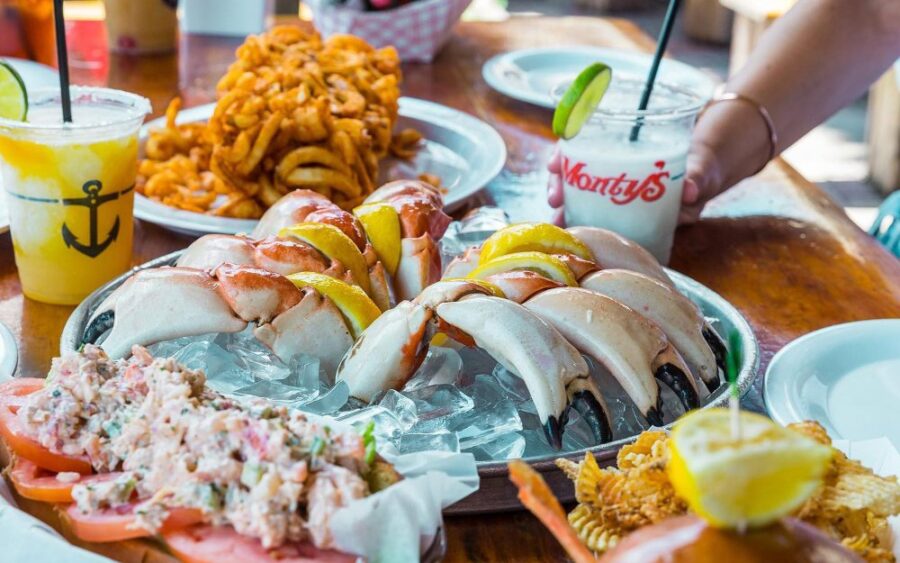
Miami’s authentic culinary landscape represents more than just dining—it reflects cultural preservation, family traditions, and community resilience across multiple generations of immigrants and long-term residents. Approaching food experiences with cultural sensitivity and genuine curiosity creates meaningful connections while supporting businesses that serve as community institutions.
Understanding Cuban Coffee Culture: Cuban coffee preparation follows precise rituals that reflect cultural values around community, conversation, and daily rhythm. At ventanitas (coffee windows), observe how café cubano preparation involves specific pressure, timing, and presentation techniques passed down through generations. The small serving size encourages quick consumption and social interaction rather than individual consumption while multitasking.
When ordering, use basic Spanish phrases like “café cubano, por favor” and observe the social dynamics around these coffee windows. Many serve as informal community bulletin boards where neighbors share information, discuss current events, and maintain social connections that define neighborhood life.
Haitian Culinary Traditions: Authentic Haitian restaurants in Little Haiti preserve complex flavor profiles that reflect Haiti’s agricultural heritage, French colonial influence, and African cultural traditions. Dishes like griot pork stew, ackee and saltfish, and traditional rice and bean preparations represent cultural knowledge systems that connect Miami’s Haitian community with their homeland.
When dining at Haitian restaurants, ask servers about ingredient sources, preparation methods, and cultural significance of specific dishes. Many restaurant owners emigrated from Haiti and maintain traditional recipes while adapting to available American ingredients. These conversations provide cultural education while supporting businesses that serve as community gathering places.
Caribbean Market Exploration: Markets like B&M Market offer ingredients and prepared foods that reflect the broader Caribbean diaspora community in Miami. Shopping at these markets provides opportunities to learn about tropical fruits, traditional spices, and cooking techniques that define Caribbean cuisine.
Ask vendors about ingredient uses, preparation suggestions, and cultural significance of unfamiliar products. Many vendors enjoy sharing cooking tips and cultural knowledge with curious visitors who demonstrate genuine interest in Caribbean culinary traditions.
Mexican and Central American Authenticity: Restaurants like Ensenada bring traditional Mexican coastal cuisine to Miami, focusing on mariscos (seafood) preparations that reflect specific regional Mexican traditions. Understanding these regional distinctions helps you appreciate the complexity of Latin American cuisine beyond generalized “Mexican food.”
Many Mexican and Central American restaurants in Miami serve communities from specific regions, maintaining traditional recipes and preparation methods that preserve cultural identity. Learning about these regional differences provides insights into immigration patterns and cultural preservation efforts within Miami’s Latino communities.
Fusion and Innovation: Miami’s culinary innovation often comes from second-generation immigrants who maintain cultural traditions while incorporating local ingredients and American techniques. Restaurants like La Natural represent this creative fusion, using traditional pizza-making techniques with ingredients that reflect Miami’s multicultural character.
Understanding this culinary evolution requires appreciating both traditional techniques and innovative adaptations that reflect Miami’s unique cultural position as a bridge between Latin America and the United States.
Religious and Cultural Food Practices: Many restaurants in Miami reflect specific religious or cultural dietary practices that shape ingredient choices, preparation methods, and serving customs. Jewish delis in South Beach, halal restaurants in various neighborhoods, and kosher establishments reflect diverse religious communities that contribute to Miami’s cultural fabric.
Respecting these practices while exploring diverse culinary options demonstrates cultural sensitivity and provides opportunities to learn about different faith traditions and their influence on daily life in Miami’s communities.
Supporting Community Businesses: Prioritize family-owned restaurants and markets that serve as community institutions rather than chain restaurants or tourist-focused establishments. These businesses often provide employment opportunities for recent immigrants, preserve traditional recipes, and contribute to neighborhood cultural character.
Reading online reviews and community recommendations helps identify authentic establishments that locals frequent regularly. Community newspapers, cultural center websites, and neighborhood social media groups often highlight businesses that deserve visitor support.
Pro Tip: Learn basic greetings in Spanish, Haitian Creole, or other languages relevant to neighborhoods you’re exploring. Small linguistic efforts demonstrate respect for cultural diversity and often lead to warmer interactions with business owners and community members who appreciate visitors making cultural connection efforts.
11. Experience Miami’s Music and Nightlife Like a Local

Miami’s authentic music scene extends far beyond high-end nightclubs and tourist-focused entertainment, offering experiences that connect you with the cultural traditions and contemporary creativity that define the city’s musical identity. Understanding these options helps you experience nightlife as community celebration rather than mere entertainment.
Salsa and Latin Music Heritage: Little Havana’s music scene preserves Cuban musical traditions while nurturing contemporary Latin artists. Venues like Hoy Como Ayer offer live salsa music in intimate settings where locals gather for authentic dancing, not performance for tourists. The music reflects cultural traditions maintained across generations, with musicians often playing instruments and arrangements learned from family members.
Ball & Chain, a legendary Little Havana venue, presents live Latin music in a setting that honors the neighborhood’s musical heritage while welcoming visitors interested in authentic cultural experience. The venue’s programming includes salsa orchestras, acoustic Cuban guitar performances, and contemporary Latin fusion that reflects how musical traditions evolve while maintaining cultural authenticity.
Haitian Music Culture: Little Haiti’s music venues and community centers regularly present traditional Haitian music, from compas and rara to contemporary Haitian hip-hop that addresses immigration experiences and cultural preservation efforts. These performances often happen in community settings where music serves social and cultural functions beyond entertainment.
Cultural events at the Little Haiti Cultural Complex feature traditional drumming, folk dancing, and contemporary Haitian artists who use music to maintain cultural connections while addressing current community concerns. Participating in these events requires respectful observation and genuine interest in Haitian culture rather than exotic tourism.
Wynwood’s Creative Music Scene: Independent venues throughout Wynwood present experimental music, local bands, and international touring acts in intimate settings that prioritize musical innovation over commercial success. Venues like Wood Tavern and Wynwood Brewing Company offer live music that reflects the neighborhood’s artistic creativity and community spirit.
These venues often feature local artists who incorporate Miami’s multicultural influences into their music, creating sounds that reflect the city’s authentic cultural fusion. Cover charges typically remain reasonable, and audiences include local music enthusiasts who attend regularly and can provide recommendations for upcoming shows.
Jazz and Blues Traditions: Miami’s jazz scene reflects both historical connections to New York and contemporary Latin jazz fusion that represents Miami’s unique musical position. Venues throughout the city present jazz performances that range from traditional standards to innovative fusion incorporating Latin rhythms and Caribbean influences.
The New World School of the Arts and other educational institutions regularly present student and faculty performances that showcase high-level musical education while maintaining affordable admission prices. These performances often exceed commercial venue quality while supporting educational institutions that contribute to Miami’s cultural development.
Beach Music Culture: Beyond commercial beach clubs, Miami’s beaches host informal music gatherings where locals share instruments, sing traditional songs, and create spontaneous performances that reflect the city’s relaxed coastal culture. These gatherings happen regularly at less commercial beaches and provide opportunities to experience how music functions in daily Miami life.
Beach drum circles, acoustic guitar sessions, and informal singing groups welcome respectful participation from visitors interested in community music-making rather than passive entertainment consumption.
Underground and Alternative Venues: Miami’s authentic nightlife includes venues that operate below mainstream radar, offering music experiences that reflect specific community interests and cultural expressions. These venues often present local artists, experimental music, and cultural programming that addresses contemporary issues affecting Miami communities.
Finding these venues requires connecting with local music enthusiasts, checking community center programming, and following neighborhood social media groups where authentic cultural events receive promotion. These experiences often provide more meaningful cultural connections than commercial entertainment options.
Community Festival Integration: Throughout the year, Miami’s neighborhoods host cultural festivals that feature traditional music, contemporary performances, and community celebrations where music serves cultural preservation and community building functions. These festivals welcome visitors who demonstrate genuine cultural interest and respect for community traditions.
Festival participation requires understanding that you’re joining community celebrations rather than consuming entertainment designed for tourists. Appropriate behavior includes respectful observation, genuine cultural curiosity, and willingness to engage in cultural exchange when invited.
Pro Tip: Learn basic salsa steps before your visit, as many venues offer informal dance lessons and welcome beginners interested in participating rather than just observing. Miami’s dance culture emphasizes community participation and cultural sharing, making learning attempts appreciated even when imperfect.
12. Master Miami Beach Access Beyond South Beach Crowds

Miami’s extensive coastline offers diverse beach experiences that reflect different community characters and provide alternatives to South Beach’s commercial atmosphere. Understanding these options allows you to choose beaches that align with your interests while discovering how locals experience Miami’s coastal culture.
Virginia Key Beach Historic Significance: This beach carries profound historical importance as the former “colored beach” during segregation, now transformed into a beautiful recreational area that honors its complex past while serving as a community gathering place. Educational exhibits explain the site’s role in Miami’s civil rights history while celebrating community resilience that transformed painful history into positive space.
The beach offers spectacular downtown skyline views while maintaining a relaxed, family-friendly atmosphere that differs dramatically from commercial beach developments. Picnic facilities, nature trails, and historic buildings create opportunities for cultural reflection alongside beach recreation.
Hobie Beach’s Active Culture: Located along the Rickenbacker Causeway, Hobie Beach has served as a windsurfing destination for over two decades, attracting enthusiasts who appreciate both the sport and the stunning bay views. Windsurfing lessons at $45 per hour provide unique perspectives on Miami’s skyline while teaching skills that connect you with Miami’s water sports community.
Even non-windsurfers benefit from the beach’s protected bay location, which offers calmer water conditions perfect for swimming, paddleboarding, or simply relaxing while enjoying unobstructed skyline photography opportunities. The causeway bike path provides scenic routes for active exploration.
Matheson Hammock’s Natural Pool: The man-made atoll pool creates safe swimming conditions where ocean water naturally cycles through a contained area, providing ocean swimming benefits without concerns about currents or waves. This engineering marvel from the 1930s demonstrates how thoughtful development can enhance natural coastal environments.
The surrounding park includes preserved hammock forest, picnic areas under ancient trees, and trails that showcase native South Florida vegetation. The combination of beach access and natural preservation creates perfect conditions for families seeking both recreation and environmental education.
Bill Baggs Cape Florida State Park: Located at Key Biscayne’s southern tip, this state park offers pristine beaches, historic lighthouse tours, and nature trails through coastal hammock forest. The lighthouse, dating from 1825, provides historical perspective on South Florida’s development while offering panoramic views of the Atlantic Ocean and Biscayne Bay.
The park’s beaches remain less crowded than commercial alternatives while providing excellent swimming, fishing, and picnicking opportunities. Educational programming includes guided lighthouse tours, nature walks, and historical presentations that connect visitors with South Florida’s environmental and cultural heritage.
Crandon Park Beach Diversity: This Key Biscayne beach offers multiple recreational zones that serve different community needs. Family areas include playgrounds, picnic facilities, and calm swimming conditions, while more active zones accommodate volleyball, fishing, and water sports that attract local enthusiasts.
The beach’s diversity reflects Key Biscayne’s community character as a residential area where families live year-round rather than just vacation. Observing how locals use different beach areas provides insights into community life and recreational preferences that define Miami’s coastal culture.
Surfside and Bal Harbour Alternatives: North of Miami Beach, these communities offer beach access with different characters that reflect their residential populations. Surfside maintains a more relaxed, family-oriented atmosphere while Bal Harbour provides luxury beach experiences without South Beach’s party atmosphere.
These beaches demonstrate how Miami’s coastline serves diverse communities with different preferences and cultural expressions. Walking between different beach communities reveals how coastal development reflects community values and economic circumstances.
Beach Etiquette and Environmental Consciousness: Miami’s beach communities increasingly emphasize environmental protection through programs that protect sea turtle nesting sites, preserve dune systems, and maintain water quality. Understanding these conservation efforts demonstrates respect for local environmental values while supporting sustainable tourism practices.
Many beaches provide recycling facilities, beach cleanup opportunities, and educational programming about marine conservation that welcome visitor participation. These activities create opportunities for meaningful engagement with environmental issues affecting Miami’s coastal communities.
Pro Tip: Visit different beaches during various times of day to observe how local communities use coastal spaces. Early morning beach walks reveal fitness enthusiasts, dog walkers, and individuals seeking peaceful reflection, while evening visits showcase social gatherings, family activities, and sunset appreciation that define Miami’s coastal lifestyle.
13. Budget-Friendly Authentic Experiences That Locals Love

Miami offers numerous authentic experiences that cost little or nothing while providing deep cultural immersion and community connections. These budget-friendly activities often exceed expensive tourist attractions in terms of meaningful cultural education and genuine local interaction.
Free Walking Tour Discoveries: Free Tour Miami’s daily walking tours introduce main sights while providing historical context and local knowledge that independent exploration cannot match. These tours connect you with knowledgeable guides who often share personal stories about neighborhood development, cultural changes, and community resilience that shaped contemporary Miami.
The tours typically include neighborhoods like South Beach, Downtown, and Wynwood, but the real value comes from guide recommendations about authentic restaurants, ongoing cultural events, and community activities that welcome visitor participation. Many guides work in Miami’s tourism industry while maintaining deep community connections that enhance their cultural knowledge.
Neighborhood Market Exploration: Weekly farmers markets throughout Miami’s neighborhoods offer fresh produce, prepared foods, and opportunities to meet local vendors who often share cooking tips and cultural stories. The Saturday morning market at Legion Park in Little Havana features Caribbean and Latin American vendors selling traditional ingredients alongside contemporary fusion products.
These markets function as community gathering places where neighbors share information, children play while parents shop, and cultural exchange happens naturally through food conversations. Purchasing ingredients and asking about preparation methods provides authentic cultural education while supporting local vendors who often operate family businesses.
Community Garden Participation: Many Miami neighborhoods maintain community gardens where residents grow traditional vegetables and herbs that connect them with their cultural heritage. Gardens in Little Haiti feature traditional Haitian vegetables, while Little Havana gardens preserve Cuban agricultural knowledge adapted to South Florida growing conditions.
Some community gardens welcome volunteers who help with planting, harvesting, or maintenance activities while learning about traditional agricultural practices and their cultural significance. These experiences provide authentic community connection while supporting environmental sustainability efforts that align with responsible tourism values.
Cultural Center Programming: Community centers throughout Miami offer free or low-cost programming that includes language classes, traditional arts workshops, and cultural celebrations that welcome respectful visitor participation. The Little Haiti Cultural Complex regularly presents drumming workshops, dance classes, and art exhibitions that provide hands-on cultural education.
These programs serve community cultural preservation efforts while welcoming visitors interested in genuine cultural exchange. Participating requires preparation and cultural sensitivity, but provides immersive experiences that exceed passive cultural observation in terms of educational value and community connection.
Beach and Park Recreation: Miami’s extensive park system provides free access to preserved natural areas, recreational facilities, and educational programming that showcases South Florida’s environmental diversity. Oleta River State Park offers hiking trails, kayak launch sites, and environmental education programs that reveal Miami’s natural heritage.
These natural areas provide perfect settings for outdoor recreation while offering perspectives on South Florida’s complex ecosystem relationships. Many parks include educational signage, guided tours, and volunteer opportunities that welcome visitor participation in environmental conservation efforts.
Art Gallery Openings and Cultural Events: Wynwood’s art galleries regularly host opening receptions that offer free wine, direct conversations with artists, and educational opportunities about contemporary art trends. These events function as community celebrations where art enthusiasts, collectors, and casual observers gather for cultural exchange.
Gallery openings provide authentic insights into Miami’s contemporary art market while offering opportunities to meet artists, curators, and collectors who shape the city’s cultural landscape. The informal atmosphere encourages questions, cultural discussions, and network building that enhance understanding of Miami’s creative communities.
Street Festival Integration: Throughout the year, Miami’s neighborhoods host street festivals that celebrate cultural heritage, seasonal changes, and community achievements. These festivals typically offer free or low-cost admission while providing authentic cultural immersion through traditional music, authentic food vendors, and community-organized activities.
Festival participation requires understanding community context and demonstrating respect for cultural traditions being celebrated. These events often provide opportunities for meaningful cultural exchange when approached with genuine curiosity and cultural sensitivity.
Library and Educational Resources: Miami-Dade Public Library branches offer free programming that includes author talks, cultural exhibitions, and educational workshops addressing contemporary issues affecting Miami communities. These programs provide intellectual frameworks for understanding Miami’s complexity while meeting educated residents passionate about cultural development.
University lectures, community college presentations, and cultural organization seminars frequently offer free or low-cost admission while featuring visiting scholars, community leaders, and cultural experts discussing topics relevant to Miami’s development and international connections.
Pro Tip: Combine multiple budget-friendly activities in single neighborhoods to maximize cultural immersion while minimizing transportation costs. Spending entire days in specific areas like Little Havana or Little Haiti allows for deeper community connections while supporting local businesses that serve as neighborhood economic anchors.
14. Respect and Engage with Miami’s Cultural Diversity
Miami’s extraordinary cultural diversity creates opportunities for meaningful cultural exchange when approached with genuine respect, curiosity, and awareness of complex histories that shape community identities. Understanding these dynamics enhances your travel experience while contributing positively to communities that welcome respectful cultural engagement.
Language Appreciation and Basic Spanish: While Miami is an American city, Spanish functions as a primary language in many neighborhoods, reflecting the city’s position as a gateway between Latin America and the United States. Learning basic Spanish phrases demonstrates respect for cultural diversity while facilitating more meaningful interactions with business owners, artists, and community members.
Essential phrases include greetings (“Hola, ¿cómo está?”), politeness expressions (“Por favor,” “Gracias,” “Perdón”), and dining terms (“La cuenta, por favor”). Many Miami residents appreciate linguistic efforts from visitors, even when pronunciation remains imperfect. These attempts often lead to patient language assistance and cultural conversations that enhance understanding.
Cultural Context Awareness: Miami’s diverse communities often maintain complex relationships with their countries of origin, immigration experiences, and American identity development. Understanding these dynamics requires sensitivity to political situations, economic circumstances, and generational differences that shape community perspectives.
Many Cuban-Americans maintain strong opinions about Cuba’s political situation, while Haitian-Americans often discuss Haiti’s contemporary challenges. Venezuelan, Colombian, and other Latin American communities bring their own historical experiences and contemporary concerns. Approaching these topics with genuine curiosity rather than predetermined opinions creates opportunities for educational cultural exchange.
Economic Sensitivity and Community Support: Many authentic cultural businesses in Miami serve communities with diverse economic circumstances, from recent immigrants building new lives to established families maintaining cultural traditions. Supporting these businesses requires understanding their role as community institutions rather than merely commercial enterprises.
Family-owned restaurants often provide employment opportunities for community members while preserving traditional recipes and cultural practices. Markets and shops frequently serve as informal community centers where neighbors gather for information sharing and social connection. Understanding these functions helps visitors appreciate their community significance beyond commercial transactions.
Religious and Spiritual Diversity: Miami’s spiritual landscape includes diverse Christian denominations, Jewish communities, Islamic communities, and traditional spiritual practices like Santería that reflect Caribbean religious traditions. Approaching religious sites and cultural expressions requires respect for different faith traditions and understanding that spiritual practices often intertwine with cultural identity preservation.
Santería shops in Little Havana sell religious artifacts and provide spiritual counseling services that serve important community functions. Jewish community centers and synagogues in South Beach maintain cultural traditions while adapting to contemporary American Jewish life. Islamic centers throughout Miami serve growing Muslim communities from various cultural backgrounds.
Intergenerational Perspectives: Many Miami neighborhoods include multiple generations of families who experienced different historical events, immigration circumstances, and cultural adaptation processes. First-generation immigrants often maintain stronger connections to traditional practices, while second and third-generation family members create fusion approaches that blend cultural heritage with American experiences.
Understanding these generational differences provides insights into how cultural communities evolve while preserving essential identity elements. Conversations with business owners, artists, and community members often reveal fascinating perspectives on cultural change, community development, and identity maintenance across generations.
Art and Cultural Expression: Miami’s street art, music, and cultural celebrations often address contemporary social issues, historical experiences, and community aspirations that reflect complex relationships between local communities and broader American society. Understanding these artistic expressions requires awareness of historical context, contemporary challenges, and community resilience efforts.
Murals in Little Haiti might commemorate Haitian historical events or address contemporary immigration issues. Wynwood art installations often tackle environmental concerns, social justice themes, or cultural fusion concepts that reflect artist perspectives on contemporary Miami life.
Community Event Participation: Cultural festivals, religious celebrations, and community gatherings throughout Miami welcome respectful visitor participation when approached with appropriate cultural sensitivity. Understanding proper behavior, dress codes, and participation levels requires research and sometimes direct inquiry with event organizers.
These events provide authentic cultural immersion opportunities that exceed passive cultural observation in terms of educational value and community connection. However, participation requires preparation, cultural sensitivity, and genuine interest in cultural exchange rather than entertainment consumption.
Pro Tip: Research specific cultural histories and contemporary issues affecting communities you plan to visit. Understanding historical context, immigration patterns, and current community concerns demonstrates respect while providing frameworks for meaningful cultural conversations and authentic community engagement.
15. Create Lasting Connections Through Community Engagement
Real Journey Travels emphasizes meaningful cultural connections over superficial tourism experiences. Miami offers exceptional opportunities for community engagement that create lasting relationships while contributing positively to local communities that welcome respectful cultural exchange.
Volunteer Opportunities with Cultural Organizations: Many Miami cultural centers welcome volunteer assistance with educational programs, cultural events, and community outreach efforts that serve important social functions. The Little Haiti Cultural Complex often needs volunteer support for art exhibitions, community festivals, and educational workshops that preserve Haitian culture while serving broader community needs.
Environmental organizations throughout Miami need volunteer assistance with beach cleanups, mangrove restoration projects, and educational programming that addresses climate change impacts on South Florida communities. These activities provide opportunities to work alongside local environmental activists while learning about ecological challenges affecting Miami’s future.
Language Exchange Programs: Miami-Dade Public Library branches and community centers host language exchange programs where English speakers practice Spanish, Haitian Creole, or other languages while helping community members improve English skills. These programs create mutual learning opportunities that benefit both visitors and long-term residents.
Participating in language exchange requires commitment to genuine cultural learning rather than casual language practice. These programs often develop into lasting friendships and cultural connections that extend far beyond your visit period.
Educational Institution Connections: Florida International University and Miami-Dade College offer continuing education programs, cultural lectures, and community workshops that welcome non-student participation. These educational opportunities provide intellectual frameworks for understanding Miami’s complexity while connecting you with educated residents passionate about cultural development.
University cultural events frequently feature visiting scholars, artists, and community leaders discussing topics relevant to Miami’s international connections and cultural evolution. Attending these events provides lasting educational value while supporting institutions that contribute to Miami’s intellectual and cultural development.
Community Business Support: Developing relationships with authentic local businesses creates ongoing connections that benefit both visitors and community members. Family-owned restaurants, independent bookstores, cultural markets, and artistic venues often appreciate regular customers who demonstrate genuine interest in community development.
These business relationships provide insider knowledge about neighborhood changes, upcoming cultural events, and community concerns that affect local development. Supporting authentic businesses contributes to economic sustainability that helps communities maintain their distinctive characters despite development pressures.
Cultural Mentorship Opportunities: Many Miami community members enjoy sharing their cultural knowledge with visitors who demonstrate genuine interest in cultural learning. Artists, musicians, business owners, and community leaders often welcome opportunities to discuss their cultural heritage, community development efforts, and perspectives on Miami’s evolution.
Developing these mentorship relationships requires authentic curiosity, cultural sensitivity, and commitment to ongoing learning rather than casual cultural consumption. These connections often provide the most valuable cultural education available while creating lasting friendships that enhance future Miami visits.
Environmental Stewardship Participation: Miami faces significant environmental challenges related to climate change, sea level rise, and urban development impacts on natural ecosystems. Environmental organizations welcome volunteer participation in conservation efforts that address these challenges while providing education about South Florida’s unique environmental circumstances.
Beach restoration projects, mangrove planting initiatives, and water quality monitoring programs offer opportunities to contribute to environmental sustainability while learning about ecological systems that support South Florida communities. These activities align with responsible tourism principles while creating meaningful environmental engagement.
Community Garden and Urban Agriculture: Participating in community gardens provides opportunities to learn about traditional agricultural practices, sustainable growing techniques, and how immigrant communities maintain food traditions in urban environments. Gardens in Little Haiti and Little Havana preserve cultural agricultural knowledge while addressing contemporary food security and community health concerns.
These gardens often welcome volunteer assistance while providing education about traditional vegetables, herbs, and growing techniques that connect Miami’s diverse communities with their agricultural heritage. Participating supports community food security while learning about cultural adaptation and environmental sustainability.
Cultural Documentation and Storytelling: Many Miami communities appreciate visitors who document their cultural stories, artistic expressions, and community development efforts through respectful photography, writing, or video creation. These documentation efforts help preserve community histories while sharing cultural knowledge with broader audiences.
Creating cultural documentation requires permission, cultural sensitivity, and commitment to accurate representation that honors community complexity rather than simplifying cultural experiences for external consumption. These projects often develop into ongoing cultural exchange relationships that benefit both communities and visitors.
Pro Tip: Approach community engagement with long-term perspective rather than short-term tourist mindset. Exchange contact information with community members you meet, follow their cultural organizations on social media, and maintain connections that allow you to support their efforts and learn about community developments even after your visit ends.
Conclusion: Your Gateway to Authentic Miami
These 15 travel tips transform Miami from a destination you visit into a community you join temporarily. By embracing neighborhood diversity, supporting authentic businesses, and engaging respectfully with cultural communities, you’ll discover that Miami’s greatest treasures aren’t found in guidebooks but in the relationships you build and the cultural understanding you develop.
Miami rewards travelers who approach the city with curiosity, respect, and genuine interest in cultural learning. Your visit becomes meaningful when you recognize that each neighborhood represents a community of people maintaining cultural traditions, building new lives, and creating innovative fusion expressions that define contemporary American diversity.
Plan your next Miami adventure by choosing one or two neighborhoods for deep exploration rather than attempting superficial coverage of everything. This focused approach allows for authentic community connections that create lasting memories while supporting local businesses that serve as cultural preservation institutions.
Remember that real journey travel means recognizing every destination as home to real people with complex lives, cultural traditions, and community aspirations. Miami offers exceptional opportunities for this kind of meaningful travel when approached with appropriate cultural sensitivity and genuine community engagement.
Start planning your authentic Miami experience by researching specific cultural events happening during your visit dates, learning basic Spanish phrases, and identifying community organizations that welcome respectful visitor participation. Your Miami journey begins with preparation that demonstrates respect for cultural diversity and commitment to meaningful travel experiences that benefit both visitors and communities.
Ready to experience Miami’s authentic cultural diversity? Start with one neighborhood, engage with genuine curiosity, and allow community connections to guide your exploration into the heart of this remarkable multicultural city.