
Last modified August 17, 2026
When people start chatting about “Little Venice,” two magical places usually pop up: Giethoorn in the Netherlands and Colmar in France. Both spots are undeniably charming, both boast dreamy canals, and, yes, both draw plenty of visitors. But here’s the thing—Giethoorn feels like a quiet village built right on the water, while Colmar gives you a colorful old town that weaves canals into Alsatian culture.
You’ll spot the difference instantly—Giethoorn’s historic center has zero roads, so you’re gliding around by boat, pedaling a bike, or just strolling. Colmar is more compact and super walkable, with those iconic half-timbered houses and a food scene that’s honestly hard to resist. If you pack light and bring some travel gear, you’ll make exploring both towns way easier.
So, which one should you choose? Well, do you crave peaceful canals and boats drifting past thatched cottages, or are you after a lively Alsace town with wine, markets, and streets that look straight out of a painting?
Key Takeaways
- Giethoorn wraps you in canals and a car-free village vibe
- Colmar blends its canals with Alsatian culture and food
- Timing and transport can totally change your experience in both spots
Giethoorn vs Colmar Little Venice: Key Differences
Giethoorn in the Netherlands and Colmar’s Little Venice in France both lure travelers with their canals and old-world beauty, but the vibe shifts dramatically once you’re there. Giethoorn nestles in the quiet Dutch countryside, while Colmar sits right in the heart of Alsace wine country. Even the journey there, the experiences you gather, and the cultural flavor—they all set these two apart.
Location and Accessibility
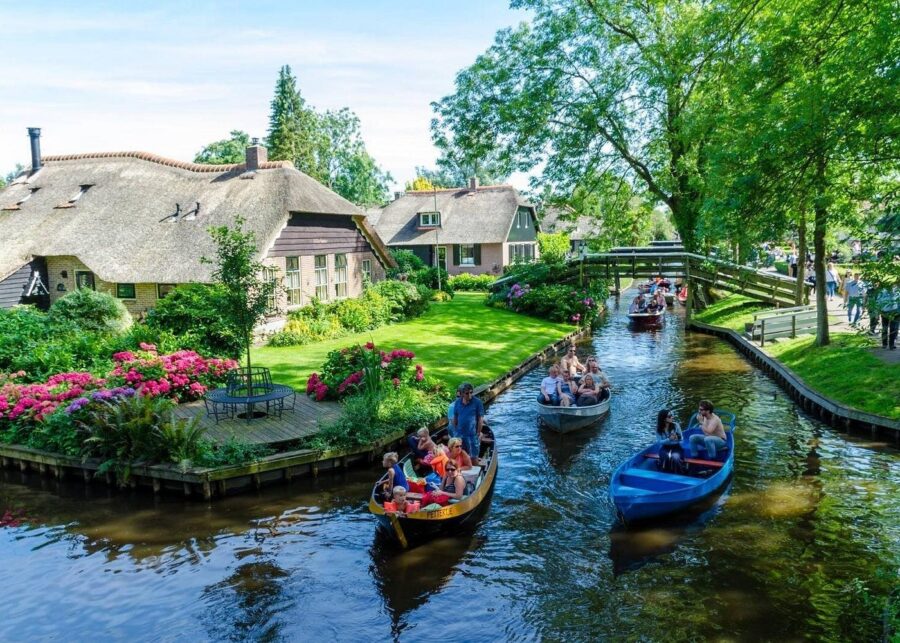
Giethoorn sits in Overijssel, about 120 km from Amsterdam. You can drive there in under two hours, or hop a train to Steenwijk and catch a bus into the village. It feels a little remote, honestly—that’s part of the magic. Canals weave through thatched-roof cottages, and the central area? No cars.
Colmar’s Little Venice, meanwhile, is right inside the city of Colmar in northeastern France. Trains from Strasbourg, Basel, or even Paris make it a breeze to reach. You can wander from the station straight into the historic center in just a few minutes. It’s not countryside at all—think urban, lively, and easy to get to even if you’re winging it.
If you’ve only got a day, Colmar is the easier choice. But if you’re chasing that tucked-away, slower pace, Giethoorn is worth the extra effort.
Atmosphere and Ambiance
People call Giethoorn the “Venice of the Netherlands”, and in the summer, tourists flock here to rent boats. Still, visit early in the morning or off-season and you’ll find peace—just ducks, quiet bridges, and locals gliding by in whisper boats. It’s countryside calm, even if you sometimes have to share it with a crowd.
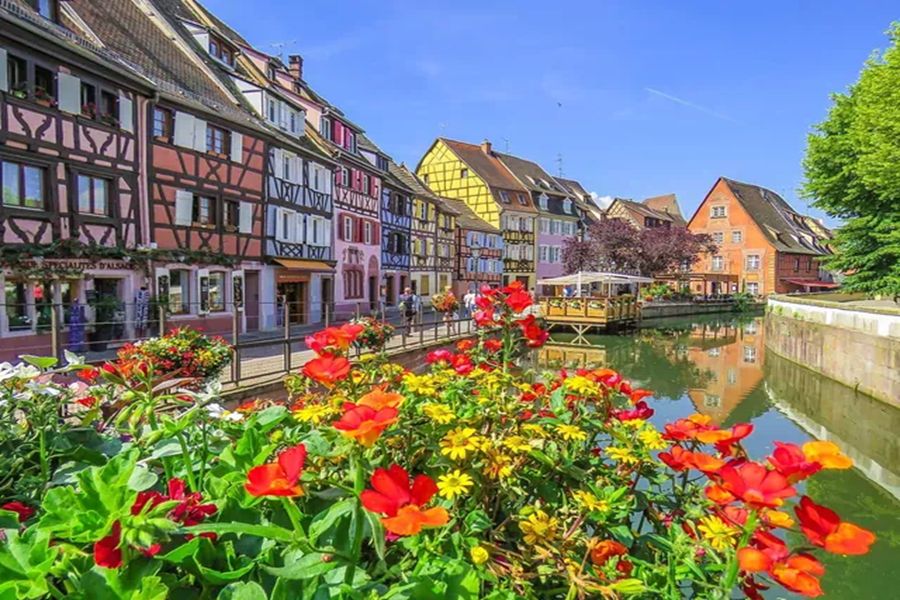
Colmar’s Little Venice? It’s like a storybook exploded in real life. Half-timbered houses in every color line the canals, flower boxes overflow, and cafés buzz with chatter in French, German, and English. It’s busy, sure, but it’s a cozy, festive kind of busy—not overwhelming.
Chasing quiet and space? Giethoorn’s your place. Want energy and atmosphere? Colmar has you covered.
Cultural Influences
Giethoorn shows off Dutch rural traditions. The houses are low and thatched, gardens are neat and bursting with flowers. Museums here dig into farming, peat history, and village life. It’s a peek into small-town Netherlands, all shaped by water and land.
Colmar’s Little Venice brings more layers. The Alsace region has bounced between France and Germany, and you see it everywhere—in the architecture, the menus, even the language. Tarte flambée sits next to French pastries, and wine cellars pour Riesling and Gewürztraminer. The canals aren’t just pretty—they’re tied to Colmar’s trading past.
Giethoorn feels like you’ve stepped into a simple Dutch countryside village. Colmar’s Little Venice? It’s a blend of French and German culture, all wrapped up in a colorful, storybook package.
Exploring Giethoorn: The Venice of the Netherlands
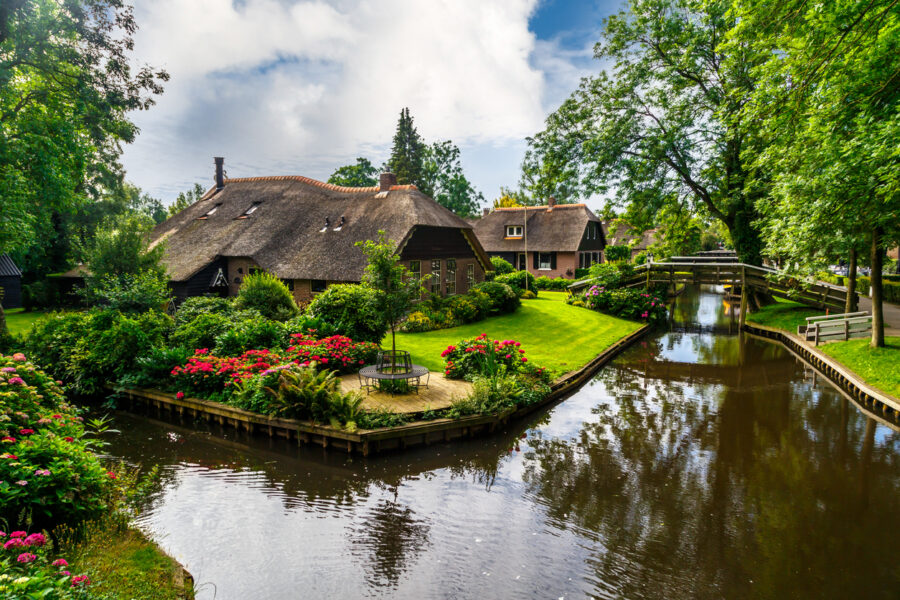
Giethoorn sits in the Dutch province of Overijssel and really earns its Venice of the Netherlands nickname. No cars in the old village, so you’re moving by boat, foot, or bike. What makes it special are those quiet canals, arched bridges, and old thatched-roof cottages frozen in time.
Unique Canal System
The canals in Giethoorn aren’t just for show—they’re the village’s backbone. Peat farmers dug them centuries ago, and now they snake for several kilometers through neighborhoods and farmland. Instead of streets, you’re looking at narrow waterways lined with homes and gardens.
Wander around and you’ll see that many houses are only reachable by water. Locals zip around in small boats, gliding past neighbors’ homes like it’s the most normal thing. At first it feels odd, but honestly, it just works here.
Come from a city like Zwolle and the contrast will hit you. One minute you’re in the bustle, the next you’re surrounded by water and quiet. It’s a shift that makes Giethoorn feel like a real retreat.
Bridges and Thatched-Roof Houses
Giethoorn has more than 170 wooden bridges, most arched just high enough for boats. You’ll cross them again and again, and each one offers a fresh view of the canals. They’re simple, but ridiculously charming.
The houses? They’re the real stars. Many are centuries old, built with steep thatched roofs that keep them snug in winter and cool in summer. Some look like they leapt right out of a fairytale, with tidy gardens and flowers spilling everywhere.
I once paused on a bridge just to watch cottages reflecting in the water. Even if you’ve seen other canal towns, Giethoorn’s rural calm stands out.
Whisper Boats and Boat Tours
You can’t come to Giethoorn and skip getting on the water. Most people rent whisper boats, which are small electric boats that glide along without noise or fumes. They’re easy to handle, even for total newbies.
If you’d rather relax, guided boat tours are an option. Larger covered boats take groups along the canals, usually with a bit of history thrown in. But if you’re after freedom and fewer crowds, renting your own boat is the way to go.
I’d go early in the morning or later in the evening. By midday, the canals get crowded and you’ll end up dodging other boats instead of soaking up the scenery. Early hours mean stretches of calm water just for you—that’s when Giethoorn feels its most magical.
For a longer adventure, you can steer into nearby Weerribben-Wieden National Park. It’s full of reeds, birds, and open water, and honestly, it’s often the highlight for those who want to see more than just the main village.
If you’re a planner, check out tips from travel writers who’ve been there, like this guide on visiting Giethoorn. The timing and how you explore really shape the whole experience.
Discovering Colmar Little Venice: Alsace’s Colorful Gem
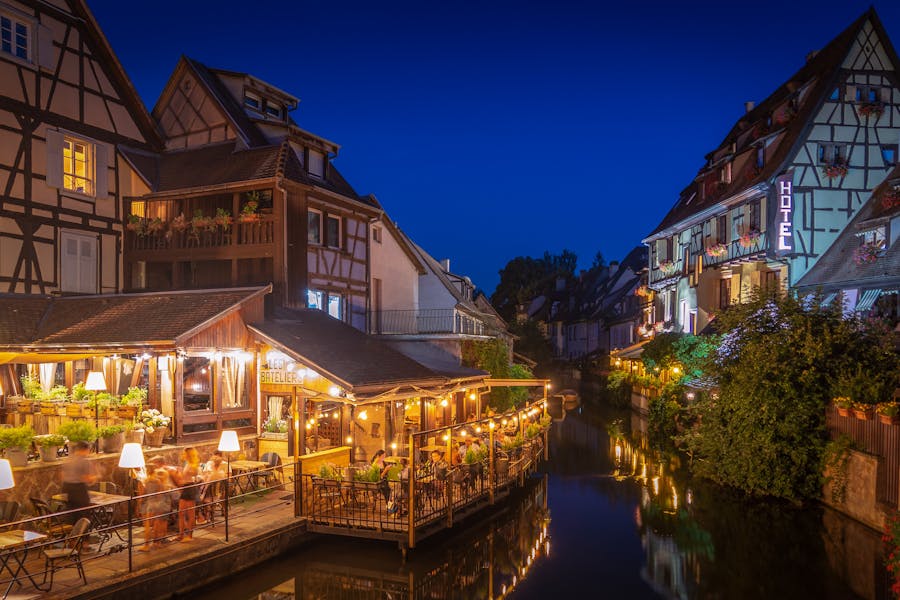
Tucked into the Alsace region near the German border, Colmar’s Little Venice feels like a living postcard. You’ll wander past centuries-old houses leaning over canals, arched stone bridges, and flower-lined waterways that make even a short stroll memorable.
Half-Timbered Houses and Cobblestone Streets
Strolling through Colmar’s old town, the half-timbered houses hit you right away. These colorful buildings, some from the 16th century, come in yellows, pinks, greens—you name it. Locals say the colors once marked different trades, which actually makes sense given how practical Alsatians are.
I remember ducking into a narrow alley and ending up at Maison Pfister, a Renaissance-era house that looks like it belongs in a fantasy novel. You don’t need a guide to appreciate the carved balconies and painted murals—sometimes you just have to stop and stare.
The cobblestone streets can be a bit uneven, so comfy shoes are a must. But honestly, every turn leads to another square, a bakery window full of kougelhopf, or a quiet spot that feels frozen in time.
The Lauch River and Picturesque Bridges
The Lauch River winds right through Little Venice, and that’s where the district gets its name. Houses lean toward the water, their reflections rippling like a watercolor. The canals are narrow, but that just makes them more inviting.
You’ll cross several small bridges, each with its own view. The Turenne Bridge is my favorite—pastel houses line up along the riverbanks, and it’s one of the best spots for photos. In summer, you’ll be sharing it with plenty of other travelers, but it’s worth it.
Stand on a bridge at dusk and you’ll get why artists have flocked here for ages. The light softens, flowers spill from window boxes, and the whole place feels like it’s just waiting for you to take it in.
Boat Tours and Market Gardens
A boat ride along the Lauch is the easiest way to see Little Venice from a fresh angle. Flat-bottomed boats drift slowly, letting you admire the houses up close. You’ll pass under low stone bridges—sometimes you even have to duck.
The ride takes you past old market gardens where farmers used to float their produce into town. Even now, you can picture boats loaded with veggies and flowers arriving at the covered market. It’s a small detail, but it connects you to Colmar’s everyday history.
If you’re pressed for time, skip the long tours and just do the 30-minute loop. It’s enough to soak up the canals without feeling rushed. And, honestly, waving back at people on the bridges is half the fun.
Want more background? Check out this overview of Little Venice in Colmar for a quick history and layout.
Travel Logistics: Getting There and Around
Traveling between Giethoorn and Colmar isn’t rocket science, but the details matter. Small towns like these don’t always have direct connections, so you’ll want to plan ahead for trains, buses, or maybe a rental car if you’re after more freedom.
From Amsterdam to Giethoorn
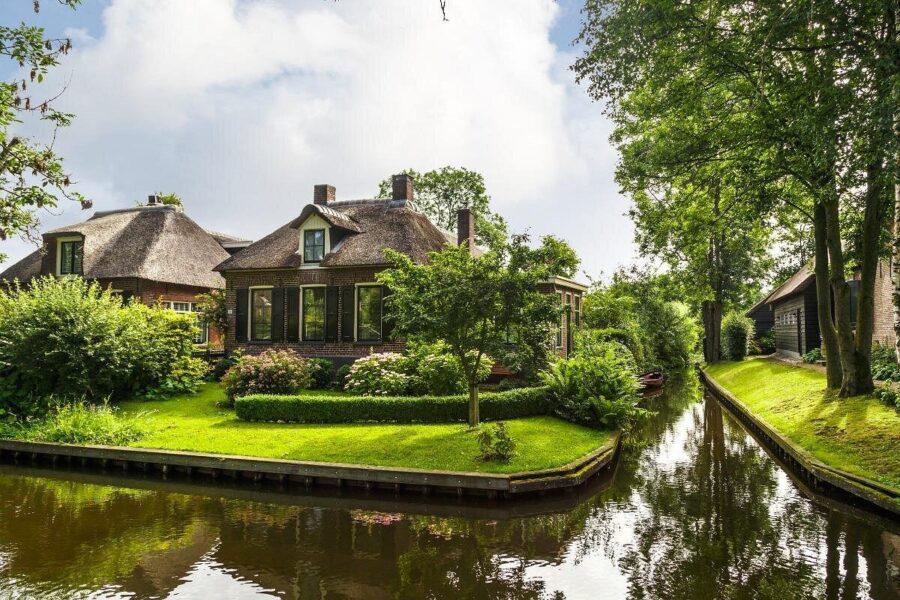
Giethoorn doesn’t have a train station, so you’ll kick things off by catching a train from Amsterdam to either Steenwijk or Zwolle. From Steenwijk, hop on bus 70—it’ll drop you right in the heart of the village. The ride is honestly half the fun; you get to watch the Dutch countryside roll by, and I always find myself glued to the window.
If you’re more into road trips, driving from Amsterdam takes about 90 minutes. You’ll usually find free parking in lots outside the main canal area, but in summer, those spots vanish fast. Renting a car gives you the freedom to wander off the beaten path and poke around nearby towns at your own pace.
Cycling is a great option if you’re already in the region. I once biked from Zwolle with an e-bike—took a few hours, but wow, what a way to soak up the landscape. Just don’t forget a rain jacket; Dutch weather loves to keep you guessing.
Accessing Colmar Little Venice
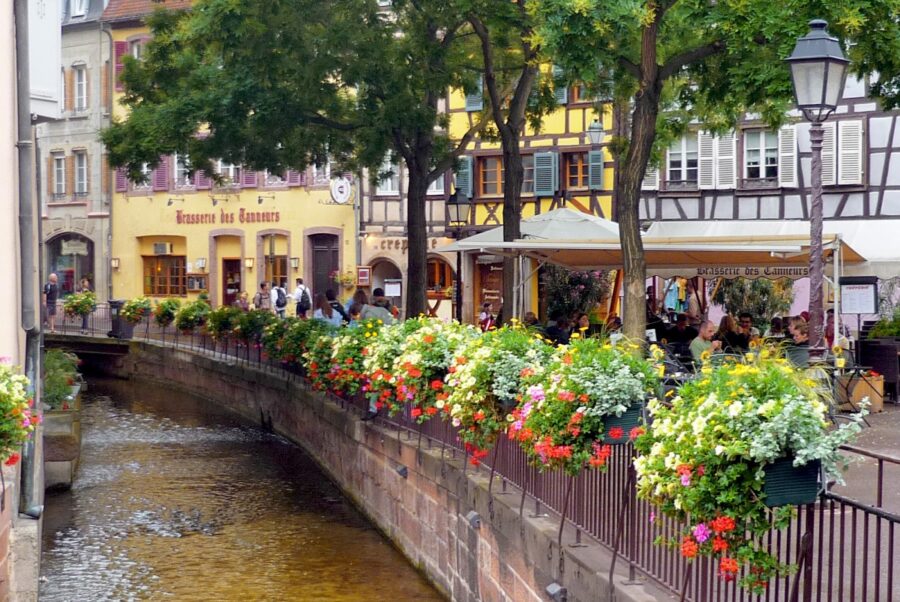
Colmar sits in the Alsace region, right near the German border. The easiest way in? Take a train from Paris. The TGV zips you there in about 2.5 hours, which feels almost too fast for such a pretty journey.
If you’re traveling on a budget, long-distance buses cost less but chew up about 8 hours. Not my first choice, but it’s doable.
Flying works too—Basel or Strasbourg airports are both under an hour away by train or car. I usually check cheap flights into Basel first; there always seem to be more budget options.
Once you arrive in Colmar, the train station sits a 15-minute walk from the old town. If you’re loaded down with luggage, just grab a taxi. Personally, I love walking that stretch; those first glimpses of half-timbered houses make the walk totally worth it.
Public Transport and Car Options
Public transport covers both Giethoorn and Colmar well, but each place has its quirks. In Giethoorn, buses run reliably, but don’t expect them to stick around late into the night. If you linger over dinner, you might have to call a taxi back to Steenwijk.
Colmar connects easily by regional trains to Strasbourg, Mulhouse, and even Freiburg across the border. Day trips are a breeze, and the trains run often. If you want to explore Alsace wine villages, renting a car opens up a lot more doors—some villages are just too tiny for train stops.
For flexibility, I often book rental cars in this region. Driving lets you pull over in those blink-and-you-miss-them towns, though parking in Colmar’s center can get tight. In Giethoorn, cars aren’t allowed in the canal area, so you’ll park outside and stroll in or grab a boat.
Activities and Experiences
Giethoorn and Colmar both invite you to slow down and savor a different pace of life. One minute you’re drifting on water, the next you’re pedaling along a quiet path, and by evening, you’re tucking into regional food that tastes even better after a day of exploring.
Boat Tours and Canal Cruises
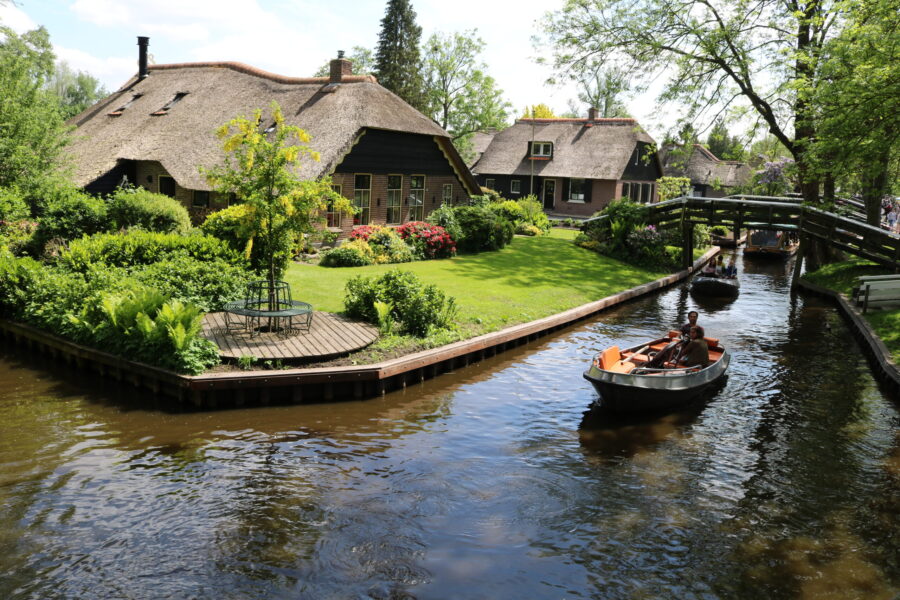
In Giethoorn, canals act as the main streets. You’ll probably end up renting a whisper boat—these silent electric boats let you glide past thatched cottages and under wooden bridges without disturbing the peace. If you’d rather not steer, join a guided cruise and listen as the skipper shares stories about village life.
Colmar’s “Little Venice” is smaller, but still ridiculously charming. Flat-bottomed boats cruise down the Lauch River, past those colorful half-timbered houses that look straight out of a fairy tale. The rides are short, about 30 minutes, but they give you a fresh angle on the old town.
Walking and Cycling Routes
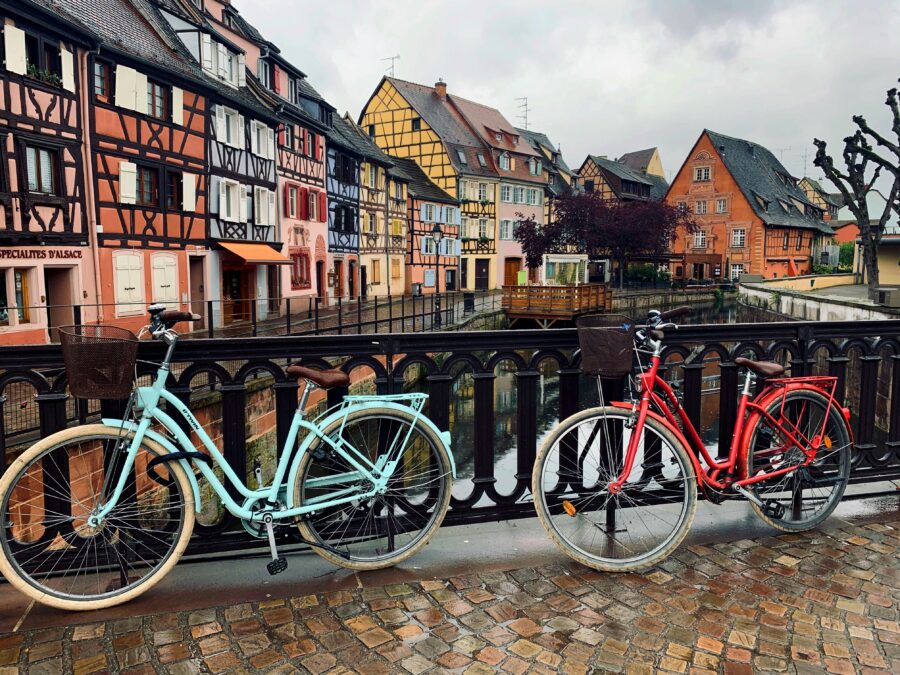
Giethoorn is a dream for cyclists. The village ties into a network of bike paths winding through meadows, farms, and nature reserves. Renting a bike for the day lets you see way more than you could by boat alone. Walking paths hug the canals, so you can easily pop into little shops or museums along the way.
Colmar begs to be explored on foot. The old town is compact, and honestly, getting lost in the cobbled streets is half the fun. You’ll stumble upon hidden courtyards, tiny wine bars, and bakeries selling kugelhopf. If you’re up for it, marked trails lead out into the Alsace vineyards.
Both towns encourage you to slow down. You don’t need a checklist—just comfy shoes or a bike and a willingness to wander.
Local Cuisine and Dining
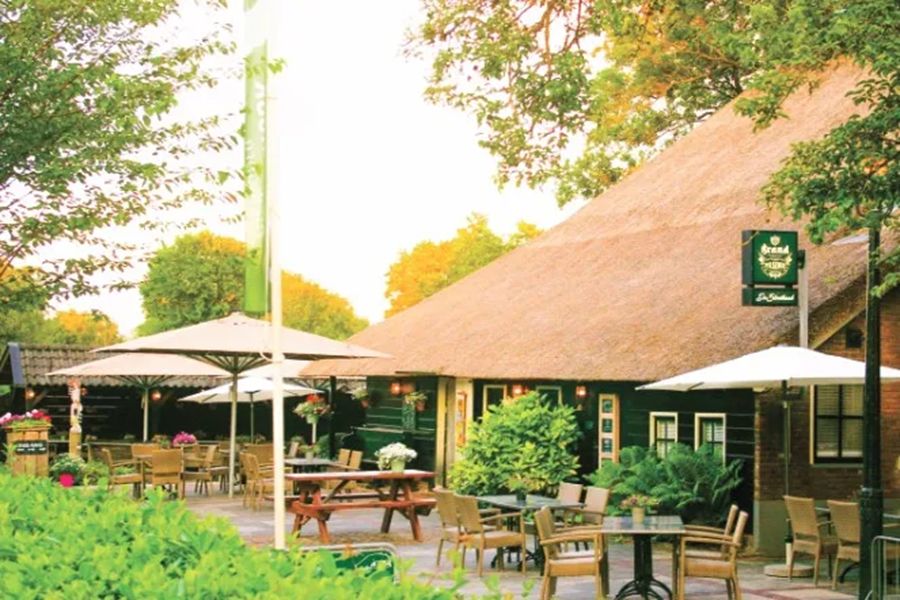
Here’s where things really diverge. Giethoorn leans into Dutch staples—think pancakes, fresh fish, and cozy cafés with coffee and apple cake. Many restaurants perch right on the canals, so you can watch boats float by while you eat.
Colmar plunges you into Alsace’s food scene. Tarte flambée, choucroute, and regional wines are everywhere. Outdoor terraces fill up fast, and if you’re lucky, you’ll hit a local market with stalls brimming with cheese, sausage, and pastries.
If food’s a big part of your travels, check out local dining tours. They usually mix guided walks with tastings—a fun way to get to know the place through its flavors.
Best Time to Visit and Insider Tips
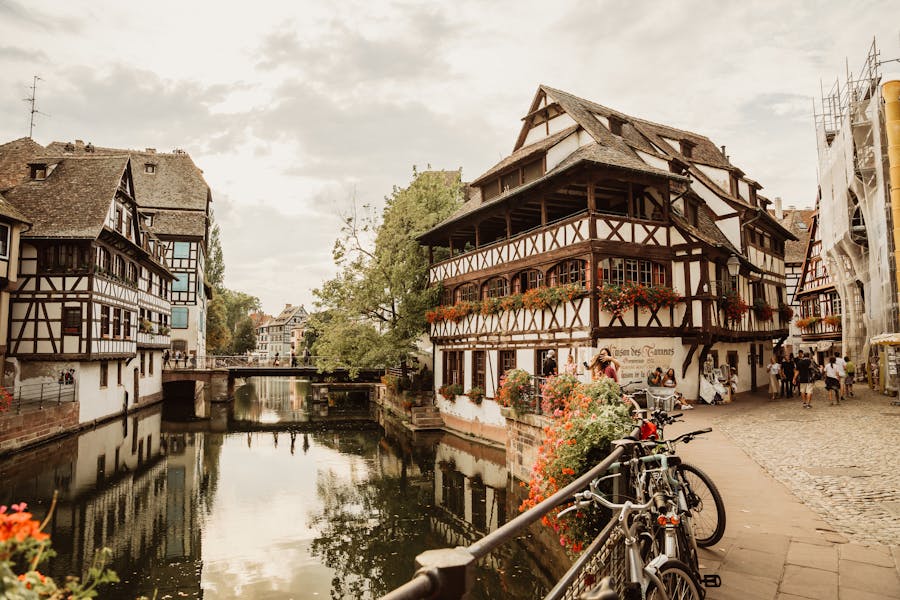
Timing can make or break your trip to Giethoorn or Colmar’s Little Venice. Weather, crowds, and local traditions all shape the experience, so it pays to know when to go and what to expect.
Seasonal Highlights
Giethoorn comes alive in summer when the canals fill with boats and gardens explode with flowers. Warm days make it perfect for renting a whisper boat, though you’ll be sharing the water with plenty of others. Spring is just as lovely, with tulips and fresh greenery, and the weather usually stays mild enough for long walks.
Colmar’s Little Venice shines in two totally different seasons. In spring, half-timbered houses get framed by overflowing window boxes, and the whole town looks like it belongs in a painting. Winter brings one of Europe’s most famous Christmas markets—lights, mulled wine, and festive stalls turn the canals into a storybook scene.
If you’re torn, think about the vibe you want. Outdoor boating and warm evenings? Giethoorn in summer is hard to top. For a cozy, festive escape, Colmar in December is pure magic.
Avoiding Crowds
Both villages draw big crowds, so timing matters. In Giethoorn, weekdays are way calmer than weekends. Arrive on a Monday or Tuesday morning, and you’ll likely find the canals and paths much quieter.
Colmar gets packed in July, August, and especially December. The trick? Stay overnight. Tour buses clear out by late afternoon, leaving the evenings surprisingly peaceful. I once wandered Little Venice after dark in November, and it felt like I had the place to myself.
Early mornings work wonders in both towns. Grab a coffee before the crowds show up, and you’ll catch a totally different vibe. If you’re flexible, keep an eye on cheap flights to plan your trip outside peak months.
Hidden Gems and Local Insights
Giethoorn isn’t just canals. If you walk past the main dock, you’ll find quieter neighborhoods where locals still live in thatched-roof cottages. There are small museums that explain how peat digging shaped the village—most visitors miss those. Renting a bike for the day opens up the surrounding nature reserves, too.
Colmar has its own secrets. While Little Venice gets all the Instagram love, nearby Eguisheim is often even prettier and way less crowded. It’s just a short bus ride or drive away. If you love food, don’t skip Alsatian classics like flammekueche or choucroute in family-run winstubs hidden down side streets.
One thing I learned the hard way: Colmar shuts down early. By 9 pm, most restaurants have closed their doors. Plan on eating dinner early, or hop over to Strasbourg for a livelier evening. Giethoorn’s similar—quiet nights, no big party scene. Bring a book or just soak up the stillness after sunset.
Frequently Asked Questions
Giethoorn and Colmar both get called “Little Venice,” but honestly, they feel worlds apart once you’re there. The way you move around, the food, the rhythm of life—each place has its own personality.
What are the unique characteristics that distinguish Giethoorn from Colmar in terms of their ‘Little Venice’ moniker?
Giethoorn in the Netherlands is almost entirely car-free. You’ll find yourself walking over wooden bridges or gliding along narrow canals between thatched-roof cottages. It feels like a peaceful village, not a city at all.u003cbru003eu003cbru003eColmar has a compact historic center, with canals only in certain districts. The “Little Venice” bit is actually pretty small, but the half-timbered houses and colorful facades give it this magical, fairytale look.
Can you explore both Giethoorn and Colmar by boat, and if so, what are the differences in the boating experience?
In Giethoorn, boats are the main way to get around. You can rent a whisper boat—basically a silent electric boat—and steer through the canals yourself. It’s slow, calm, and you’ll often pass locals gardening right by the water.u003cbru003eu003cbru003eColmar offers boat rides too, but they’re short and only cover the canal area in Little Venice. It’s more of a sightseeing treat than a way to actually get around town.
What are the seasonal considerations one should take into account when visiting Giethoorn or Colmar?
Giethoorn gets busiest in summer when Dutch families and tourists all flock in. Spring and early autumn are cooler, less crowded, and still lush and green. Winter is super quiet, but some boat rentals shut down then.u003cbru003eu003cbru003eColmar is famous for its Christmas markets, so December is magical but packed. Spring brings flowers and charm, while summer can feel crowded with day-trippers. If you want fewer people, early morning or late fall is your best bet, as mentioned in this u003ca href=u0022https://cityorcity.com/7-traveler-tips-for-visiting-colmar/u0022 target=u0022_blanku0022 rel=u0022noreferrer noopeneru0022u003eColmar travel guideu003c/au003e.
How do the local culinary experiences compare between Giethoorn and Colmar for food enthusiasts?
Food in Giethoorn sticks to Dutch classics—pancakes, fresh fish, and simple pub-style meals. You’ll also find cozy cafés serving apple pie with coffee, which is basically a Dutch rite of passage.u003cbru003eu003cbru003eColmar sits in Alsace, so the food is hearty, rich, and pairs perfectly with local wine. Flammekueche, choucroute, and plenty of Riesling and Gewürztraminer fill the menus. For foodies, Colmar’s culinary scene is much broader than Giethoorn’s.
What are the historical and cultural highlights that set Giethoorn apart from Colmar?
Giethoorn started as a peat-digging settlement, and people dug the canals to move peat around. You won’t find grand monuments, but the village’s adaptation to water is its history.u003cbru003eu003cbru003eColmar layers centuries of architecture together, from Gothic churches to Renaissance homes. The Unterlinden Museum is a must-see, and the town’s mix of French and German influences shows up everywhere you look.
So, here’s the thing: Giethoorn’s main canal area gets all the attention, but if you wander just a bit off the beaten path—maybe on foot or with a bike—you’ll stumble onto peaceful waterways and some genuinely local cafés. The vibe changes instantly, and honestly, it’s a relief to leave the selfie sticks behind for a while.u003cbru003eu003cbru003eI’d definitely recommend grabbing a bike and heading out to explore Weerribben-Wieden National Park. The scenery there? Pretty wild and untouched, and you’ll probably only see a handful of other visitors.u003cbru003eu003cbru003eNow, over in Colmar, you might want to check out nearby villages like Eguisheim and Turckheim. A lot of travelers swear that Eguisheim feels even more authentic than Colmar, and I’d have to agree. It’s quieter, the streets are storybook-pretty, and you can actually hear yourself think.u003cbru003eu003cbru003eIf you’re curious, this u003ca href=u0022https://cityorcity.com/7-traveler-tips-for-visiting-colmar/u0022 target=u0022_blanku0022 rel=u0022noreferrer noopeneru0022u003eguide on Colmar and its surroundingsu003c/au003e has some solid tips and honest impressions about these spots.