
Archaeological Museum of Sambaqui Tarioba
About Archaeological Museum of Sambaqui Tarioba
Description
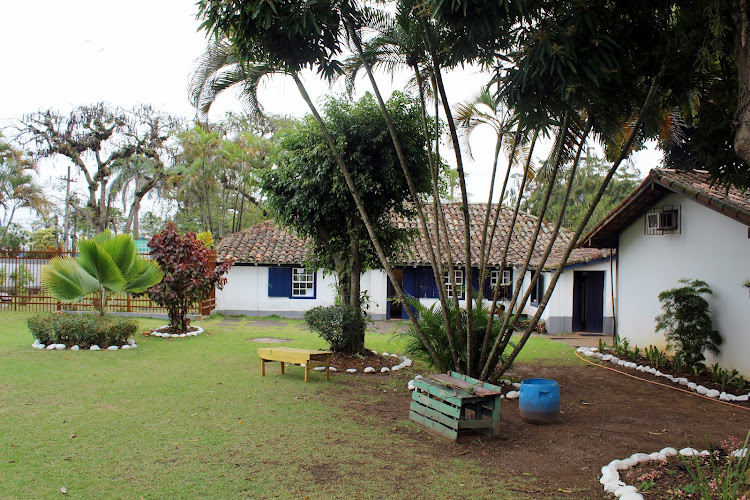
The Archaeological Museum of Sambaqui Tarioba is one of those places that quietly surprises travelers who take the time to step inside. It’s not a flashy, high-tech museum with endless digital screens. Instead, it’s a spot where history feels close, almost tangible, thanks to the carefully preserved artifacts from the sambaqui mounds—ancient shell middens left behind by prehistoric coastal communities in Brazil. What really makes it stand out is how intimate the experience feels. You’re not just walking past glass cases; you’re standing inches away from the physical remains of cultures that thrived thousands of years ago along the Brazilian coast. Personally, I think that’s way more powerful than staring at a polished replica.
Visitors often describe the museum as small but packed with meaning. And I’d agree—it’s the kind of place where you don’t need hours to explore, but the memory lingers long after you leave. The exhibits are straightforward, but that’s part of the charm. You see bones, tools, pottery fragments, and burial remains that tell stories of life, death, and survival in a very different world. It’s not overwhelming, and honestly, that makes it accessible to travelers who might not usually spend much time in museums.
The atmosphere is calm, almost contemplative, and it feels especially welcoming for families. Kids can easily connect with the visual displays, while adults might find themselves pausing longer, reflecting on just how old these objects really are. Accessibility is thoughtfully considered too, with wheelchair-friendly entrances and restrooms making it easier for everyone to enjoy the space. It’s not perfect—there are spots where you might wish for more detailed explanations or modern curation—but the authenticity more than makes up for it. If you’re curious about Brazil’s deep past, this museum offers a rare chance to see it up close without the crowds or chaos of bigger institutions.
Key Features
- Authentic sambaqui artifacts including tools, pottery, and skeletal remains
- Compact layout that makes it easy to explore in under an hour
- Wheelchair accessible entrance and restrooms
- Quiet, reflective atmosphere ideal for families and small groups
- Educational displays that highlight prehistoric coastal communities
- Good for kids, with visual exhibits that spark curiosity
Best Time to Visit
If you ask me, mornings are the sweet spot. The museum tends to be quieter, which gives you the chance to really take in the exhibits without distractions. Weekdays are usually calmer than weekends, so if you’re the type who likes to wander slowly and read every panel, plan for a weekday morning. Summer months can bring more tourists to the area, but the museum itself rarely feels crowded. On rainy days, it’s a perfect indoor activity—there’s something oddly fitting about listening to the rain outside while looking at artifacts that have survived centuries of weathering.
How to Get There
Reaching the Archaeological Museum of Sambaqui Tarioba is fairly straightforward if you’re already in the coastal region of Rio de Janeiro state. Most travelers arrive by car, and parking is usually manageable nearby. Public transport options can be a bit limited, but local buses do run routes that stop within walking distance of the museum. If you’re staying in the city center, a short taxi or rideshare trip is often the easiest route. I’d recommend checking local schedules in advance though—Brazilian bus timetables can be unpredictable, and you don’t want to waste time waiting around.
Tips for Visiting
First off, don’t rush it. Even though the museum is small, give yourself at least 45 minutes to wander, read, and reflect. Bring a bottle of water since there’s no restaurant on-site, and maybe have a snack before you go in. The restrooms are clean and accessible, which is always a relief when traveling with kids or older family members. Speaking of kids, this is a surprisingly good stop for them—just be ready to answer a lot of curious questions about bones and ancient tools.
If you’re someone who likes context, I suggest brushing up a bit on sambaqui culture before your visit. It helps you appreciate the significance of what you’re seeing. And don’t be shy about chatting with the staff—they’re usually eager to share insights you won’t find on the display boards. Photography is generally allowed, but be respectful and avoid flash near sensitive exhibits. Lastly, wear comfortable shoes. You won’t be walking long distances, but you’ll want to stand comfortably while you linger at the displays. For me, the best visits are the ones where I slow down, let myself wonder about the lives of people who built these mounds, and leave with more questions than answers. That’s exactly what this museum inspires.
Key Features
- Authentic sambaqui artifacts including tools, pottery, and skeletal remains
- Compact layout that makes it easy to explore in under an hour
- Wheelchair accessible entrance and restrooms
- Quiet, reflective atmosphere ideal for families and small groups
- Educational displays that highlight prehistoric coastal communities
- Good for kids, with visual exhibits that spark curiosity
More Details
Updated September 9, 2025
Table of Contents
- Description
- Key Features
- Best Time to Visit
- How to Get There
- Tips for Visiting
- Key Highlights
- Location
- Places to Stay Near Archaeological Museum of Sambaqui Tarioba
- Find and Book a Tour
- Explore More Travel Guides
- Nearby Places You Might Like
- Traveler Reviews for Archaeological Museum of Sambaqui Tarioba
- Share Your Experience
Description
The Archaeological Museum of Sambaqui Tarioba is one of those places that quietly surprises travelers who take the time to step inside. It’s not a flashy, high-tech museum with endless digital screens. Instead, it’s a spot where history feels close, almost tangible, thanks to the carefully preserved artifacts from the sambaqui mounds—ancient shell middens left behind by prehistoric coastal communities in Brazil. What really makes it stand out is how intimate the experience feels. You’re not just walking past glass cases; you’re standing inches away from the physical remains of cultures that thrived thousands of years ago along the Brazilian coast. Personally, I think that’s way more powerful than staring at a polished replica.
Visitors often describe the museum as small but packed with meaning. And I’d agree—it’s the kind of place where you don’t need hours to explore, but the memory lingers long after you leave. The exhibits are straightforward, but that’s part of the charm. You see bones, tools, pottery fragments, and burial remains that tell stories of life, death, and survival in a very different world. It’s not overwhelming, and honestly, that makes it accessible to travelers who might not usually spend much time in museums.
The atmosphere is calm, almost contemplative, and it feels especially welcoming for families. Kids can easily connect with the visual displays, while adults might find themselves pausing longer, reflecting on just how old these objects really are. Accessibility is thoughtfully considered too, with wheelchair-friendly entrances and restrooms making it easier for everyone to enjoy the space. It’s not perfect—there are spots where you might wish for more detailed explanations or modern curation—but the authenticity more than makes up for it. If you’re curious about Brazil’s deep past, this museum offers a rare chance to see it up close without the crowds or chaos of bigger institutions.
Key Features
- Authentic sambaqui artifacts including tools, pottery, and skeletal remains
- Compact layout that makes it easy to explore in under an hour
- Wheelchair accessible entrance and restrooms
- Quiet, reflective atmosphere ideal for families and small groups
- Educational displays that highlight prehistoric coastal communities
- Good for kids, with visual exhibits that spark curiosity
Best Time to Visit
If you ask me, mornings are the sweet spot. The museum tends to be quieter, which gives you the chance to really take in the exhibits without distractions. Weekdays are usually calmer than weekends, so if you’re the type who likes to wander slowly and read every panel, plan for a weekday morning. Summer months can bring more tourists to the area, but the museum itself rarely feels crowded. On rainy days, it’s a perfect indoor activity—there’s something oddly fitting about listening to the rain outside while looking at artifacts that have survived centuries of weathering.
How to Get There
Reaching the Archaeological Museum of Sambaqui Tarioba is fairly straightforward if you’re already in the coastal region of Rio de Janeiro state. Most travelers arrive by car, and parking is usually manageable nearby. Public transport options can be a bit limited, but local buses do run routes that stop within walking distance of the museum. If you’re staying in the city center, a short taxi or rideshare trip is often the easiest route. I’d recommend checking local schedules in advance though—Brazilian bus timetables can be unpredictable, and you don’t want to waste time waiting around.
Tips for Visiting
First off, don’t rush it. Even though the museum is small, give yourself at least 45 minutes to wander, read, and reflect. Bring a bottle of water since there’s no restaurant on-site, and maybe have a snack before you go in. The restrooms are clean and accessible, which is always a relief when traveling with kids or older family members. Speaking of kids, this is a surprisingly good stop for them—just be ready to answer a lot of curious questions about bones and ancient tools.
If you’re someone who likes context, I suggest brushing up a bit on sambaqui culture before your visit. It helps you appreciate the significance of what you’re seeing. And don’t be shy about chatting with the staff—they’re usually eager to share insights you won’t find on the display boards. Photography is generally allowed, but be respectful and avoid flash near sensitive exhibits. Lastly, wear comfortable shoes. You won’t be walking long distances, but you’ll want to stand comfortably while you linger at the displays. For me, the best visits are the ones where I slow down, let myself wonder about the lives of people who built these mounds, and leave with more questions than answers. That’s exactly what this museum inspires.
Key Highlights
- Authentic sambaqui artifacts including tools, pottery, and skeletal remains
- Compact layout that makes it easy to explore in under an hour
- Wheelchair accessible entrance and restrooms
- Quiet, reflective atmosphere ideal for families and small groups
- Educational displays that highlight prehistoric coastal communities
- Good for kids, with visual exhibits that spark curiosity
Location
Places to Stay Near Archaeological Museum of Sambaqui Tarioba
Find and Book a Tour
Explore More Travel Guides
No reviews found! Be the first to review!
Traveler Reviews for Archaeological Museum of Sambaqui Tarioba
There are no reviews yet. Be the first one to write one.
Have you visited Archaeological Museum of Sambaqui Tarioba? Help other travelers by sharing your review.
You Might Also Like
Find Accommodations Nearby
Recommended Tours & Activities
Visitor Reviews
There are no reviews yet. Be the first one to write one.
Share Your Experience
Have you visited Archaeological Museum of Sambaqui Tarioba? Help other travelers by leaving a review.