
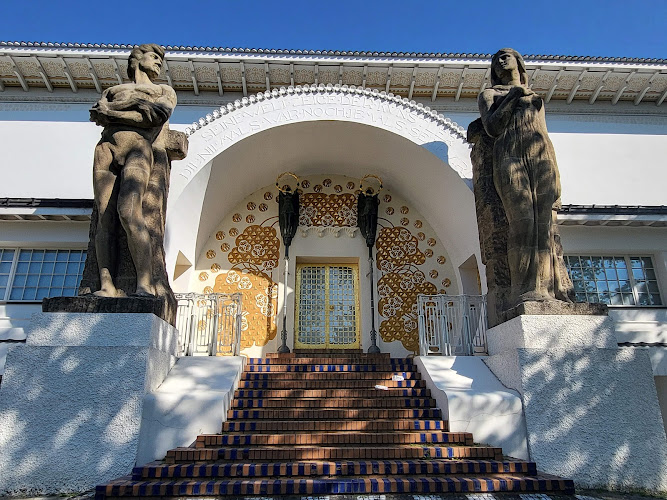
Museum Künstlerkolonie
About Museum Künstlerkolonie
Description
The Museum Künstlerkolonie in Darmstadt is not your average museum stop—it’s a place that feels like stepping into an era when art and life were intentionally woven together. Located on the Mathildenhöhe, which itself is recognized as a UNESCO World Heritage site, the museum celebrates the Darmstadt Artists’ Colony founded in 1899. This was a group of forward-thinking creatives who believed in the idea that design, architecture, and everyday objects could all be elevated into works of art. Walking through its rooms, you’ll find textiles, ceramics, jewelry, and furnishings that once belonged to the colony’s members. It’s like peeking into the living rooms and studios of people who were determined to make beauty part of daily life.
Now, I’ll be honest—some folks find the museum a little too specialized, especially if you’re not already into Art Nouveau or Jugendstil. But for those who have even a passing interest in design history, it’s a treasure trove. The displays aren’t overwhelming, and the museum itself is housed in a building that was once part of the colony, so the setting feels authentic. You’re not just looking at objects in glass cases—you’re standing in the middle of the movement’s heartbeat. And that’s pretty special.
Key Features
- Extensive collection of Jugendstil (Art Nouveau) works, including textiles, ceramics, jewelry, and furniture.
- Located within the historic Mathildenhöhe artists’ colony, now a UNESCO World Heritage site.
- Exhibitions that highlight the colony’s four major showcases between 1901 and 1914.
- Original artist houses nearby that bring context to the museum’s displays.
- Wheelchair accessible entrance and restrooms, making it inclusive for most visitors.
- Special exhibitions hosted in the sculpture studios built in 1904.
Best Time to Visit
If you’re planning a trip, late spring to early autumn is probably the sweet spot. That’s when the weather in Darmstadt makes wandering around the Mathildenhöhe gardens and artists’ houses a real pleasure. The museum itself is indoors, so you can technically visit year-round, but part of the experience is soaking in the whole colony area. I once went in November, and while the exhibits were still fascinating, the outside felt a bit grey and quiet. In summer, though, you’ll see locals strolling, maybe even sketching, and the whole place feels alive—like the spirit of the colony is still hanging around.
If you’re not a fan of crowds, avoid weekends in peak tourist season. Weekdays tend to be calmer, and you’ll have more space to linger in front of the displays without feeling rushed.
How to Get There
Reaching the museum is fairly straightforward if you’re already in Darmstadt. Public transport is reliable, and trams or buses will drop you within walking distance of the Mathildenhöhe. For those driving, parking can be a bit tricky, especially during busy times, so give yourself extra time. Personally, I’d recommend taking public transport—it saves the hassle, and you get to enjoy the walk up to the museum, which is part of the charm.
If you’re coming from Frankfurt, the regional trains make it an easy day trip. It’s about 30 minutes by train, plus a short tram or bus ride once you arrive in Darmstadt. Honestly, it’s one of those places that feels tucked away but is surprisingly accessible once you know the route.
Tips for Visiting
First tip: don’t rush it. Even though the museum isn’t massive, the details in the works demand a slower pace. I made the mistake of breezing through my first visit, only to realize later that I’d missed the tiny craftsmanship in the jewelry and textiles. Take your time—it’s worth it.
Second, bring a little curiosity with you. If you’re not already familiar with Jugendstil, do a quick read about Art Nouveau before you go. It’ll help you appreciate why the artists cared so much about uniting art and life. And if you’re traveling with kids, be prepared that they might not be as fascinated by furniture design as you are—though some of the quirky shapes and colors can still grab their attention.
Another practical tip: there’s no restaurant on-site, so plan your meals around your visit. There are cafés nearby, and grabbing a coffee after the museum is a lovely way to reflect on what you’ve seen. Restrooms are available, and they’re accessible, which is always a relief when you’re traveling.
Lastly, don’t skip the surrounding area. The artists’ houses downhill from the museum are part of the story, and wandering past them gives you a fuller picture of how the colony lived and worked. It’s one of those spots where the museum and its environment go hand in hand—you can’t really separate them.
So, if you’re the kind of traveler who likes to mix history, art, and a touch of atmosphere, the Museum Künstlerkolonie is a stop that will stay with you. It’s not flashy, but it’s deeply meaningful, and sometimes that’s exactly what makes a trip memorable.
Key Features
- Extensive collection of Jugendstil (Art Nouveau) works, including textiles, ceramics, jewelry, and furniture.
- Located within the historic Mathildenhöhe artists’ colony, now a UNESCO World Heritage site.
- Exhibitions that highlight the colony’s four major showcases between 1901 and 1914.
- Original artist houses nearby that bring context to the museum’s displays.
- Wheelchair accessible entrance and restrooms, making it inclusive for most visitors.
- Special exhibitions hosted in the sculpture studios built in 1904.
More Details
Updated September 8, 2025
Table of Contents
Description
The Museum Künstlerkolonie in Darmstadt is not your average museum stop—it’s a place that feels like stepping into an era when art and life were intentionally woven together. Located on the Mathildenhöhe, which itself is recognized as a UNESCO World Heritage site, the museum celebrates the Darmstadt Artists’ Colony founded in 1899. This was a group of forward-thinking creatives who believed in the idea that design, architecture, and everyday objects could all be elevated into works of art. Walking through its rooms, you’ll find textiles, ceramics, jewelry, and furnishings that once belonged to the colony’s members. It’s like peeking into the living rooms and studios of people who were determined to make beauty part of daily life.
Now, I’ll be honest—some folks find the museum a little too specialized, especially if you’re not already into Art Nouveau or Jugendstil. But for those who have even a passing interest in design history, it’s a treasure trove. The displays aren’t overwhelming, and the museum itself is housed in a building that was once part of the colony, so the setting feels authentic. You’re not just looking at objects in glass cases—you’re standing in the middle of the movement’s heartbeat. And that’s pretty special.
Key Features
- Extensive collection of Jugendstil (Art Nouveau) works, including textiles, ceramics, jewelry, and furniture.
- Located within the historic Mathildenhöhe artists’ colony, now a UNESCO World Heritage site.
- Exhibitions that highlight the colony’s four major showcases between 1901 and 1914.
- Original artist houses nearby that bring context to the museum’s displays.
- Wheelchair accessible entrance and restrooms, making it inclusive for most visitors.
- Special exhibitions hosted in the sculpture studios built in 1904.
Best Time to Visit
If you’re planning a trip, late spring to early autumn is probably the sweet spot. That’s when the weather in Darmstadt makes wandering around the Mathildenhöhe gardens and artists’ houses a real pleasure. The museum itself is indoors, so you can technically visit year-round, but part of the experience is soaking in the whole colony area. I once went in November, and while the exhibits were still fascinating, the outside felt a bit grey and quiet. In summer, though, you’ll see locals strolling, maybe even sketching, and the whole place feels alive—like the spirit of the colony is still hanging around.
If you’re not a fan of crowds, avoid weekends in peak tourist season. Weekdays tend to be calmer, and you’ll have more space to linger in front of the displays without feeling rushed.
How to Get There
Reaching the museum is fairly straightforward if you’re already in Darmstadt. Public transport is reliable, and trams or buses will drop you within walking distance of the Mathildenhöhe. For those driving, parking can be a bit tricky, especially during busy times, so give yourself extra time. Personally, I’d recommend taking public transport—it saves the hassle, and you get to enjoy the walk up to the museum, which is part of the charm.
If you’re coming from Frankfurt, the regional trains make it an easy day trip. It’s about 30 minutes by train, plus a short tram or bus ride once you arrive in Darmstadt. Honestly, it’s one of those places that feels tucked away but is surprisingly accessible once you know the route.
Tips for Visiting
First tip: don’t rush it. Even though the museum isn’t massive, the details in the works demand a slower pace. I made the mistake of breezing through my first visit, only to realize later that I’d missed the tiny craftsmanship in the jewelry and textiles. Take your time—it’s worth it.
Second, bring a little curiosity with you. If you’re not already familiar with Jugendstil, do a quick read about Art Nouveau before you go. It’ll help you appreciate why the artists cared so much about uniting art and life. And if you’re traveling with kids, be prepared that they might not be as fascinated by furniture design as you are—though some of the quirky shapes and colors can still grab their attention.
Another practical tip: there’s no restaurant on-site, so plan your meals around your visit. There are cafés nearby, and grabbing a coffee after the museum is a lovely way to reflect on what you’ve seen. Restrooms are available, and they’re accessible, which is always a relief when you’re traveling.
Lastly, don’t skip the surrounding area. The artists’ houses downhill from the museum are part of the story, and wandering past them gives you a fuller picture of how the colony lived and worked. It’s one of those spots where the museum and its environment go hand in hand—you can’t really separate them.
So, if you’re the kind of traveler who likes to mix history, art, and a touch of atmosphere, the Museum Künstlerkolonie is a stop that will stay with you. It’s not flashy, but it’s deeply meaningful, and sometimes that’s exactly what makes a trip memorable.
Key Highlights
- Extensive collection of Jugendstil (Art Nouveau) works, including textiles, ceramics, jewelry, and furniture.
- Located within the historic Mathildenhöhe artists’ colony, now a UNESCO World Heritage site.
- Exhibitions that highlight the colony’s four major showcases between 1901 and 1914.
- Original artist houses nearby that bring context to the museum’s displays.
- Wheelchair accessible entrance and restrooms, making it inclusive for most visitors.
- Special exhibitions hosted in the sculpture studios built in 1904.
Location
Places to Stay Near Museum Künstlerkolonie
Find and Book a Tour
Explore More Travel Guides
No reviews found! Be the first to review!
Traveler Reviews for Museum Künstlerkolonie
There are no reviews yet. Be the first one to write one.
Have you visited Museum Künstlerkolonie? Help other travelers by sharing your review.
You Might Also Like
Alter Friedhof Darmstadt
Herrngarten
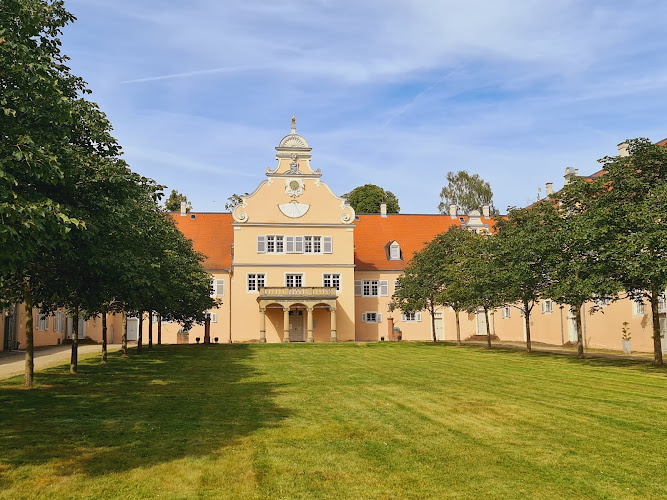
MUSEUM Jagdschloss Kranichstein
Find Accommodations Nearby
Recommended Tours & Activities
Visitor Reviews
There are no reviews yet. Be the first one to write one.
Share Your Experience
Have you visited Museum Künstlerkolonie? Help other travelers by leaving a review.