
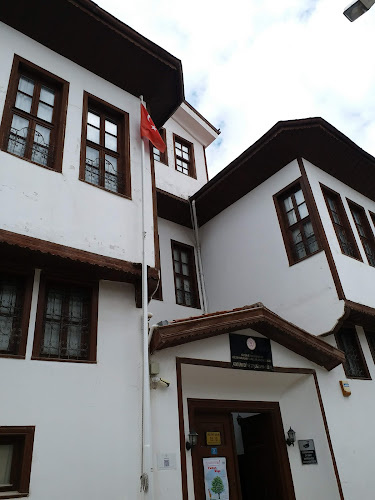
Gazi Osman Paşa Plevne Müzesi
About Gazi Osman Paşa Plevne Müzesi
Description
The Gazi Osman Paşa Plevne Müzesi in Tokat is a focused, atmospheric museum dedicated to one of the Ottoman Empire’s most storied commanders and the dramatic Siege of Plevna. Visitors will find a compact, well-curated collection that leans heavily into storytelling: uniforms, weapons, maps, personal items, and diorama-style reconstructions that aim to place the viewer inside a moment of 19th-century military history. It isn’t a sprawling national museum; instead, it feels like a conversation with the past—intimate, sometimes surprisingly emotional, and occasionally a bit rough around the edges. That roughness is part of the charm for many people.
The exhibit flow is straightforward. First, there are contextual panels about Gazi Osman Pasha’s life and career—where he came from, how he rose through the ranks, and why the Siege of Plevna became a defining episode for him and the Ottoman army. Then, the displays move into the campaign itself: strategic maps showing troop movements, tactical explanations of the battlefield decisions, and artifacts that belonged to soldiers and officers. The museum favors tangible, tactile elements: metal helmets pitted with age, powder-stained cartridges, hand-written letters or their reproductions, and the occasional multimedia loop that plays short historical narrations. For people who love military history, those details matter—small scars on an old rifle tell a story otherwise missing from glossy history books.
What stands out, and what will likely remain with visitors, are the lifelike dioramas. These are not museum-shop props; they are crafted scenes with mannequins, props, and carefully arranged lighting. They depict trench positions, command posts, and moments of medical care after a skirmish. The effect is immediate: many visitors pause longer than they planned. It’s not cinematic in a blockbuster way, but it’s effective. People who stop to look closely often leave with a new appreciation for the human side of military campaigns—exhaustion, improvisation, fear, small acts of bravery. And yes, those scenes sometimes make people quiet, which is a compliment: history that stops modern chatter is doing its job.
The museum is notably child-friendly. It’s arranged so that families can move through without feeling like they’re tiptoeing; the displays are accessible and there are elements that will catch a kid’s eye—uniforms, dramatic maps, toy-like cannons (small replicas, obviously). Children often ask questions, and that liveliness is encouraged. Of course, parents should be prepared to answer some tough ones—war is complex—but the museum provides a good starting point to talk about history in a grounded, non-romanticized way. Many families leave saying their kids actually learned something without falling asleep in a guided lecture. That’s practical success, in the writer’s unofficial ranking system.
Practical matters: the museum does not house an on-site restaurant, so visitors should plan snack or meal stops separately. That’s worth mentioning because Tokat has great local eateries nearby; and honestly, stopping for a hearty Turkish meal after a museum visit is a very pleasant routine. Restrooms and basic visitor facilities are available, but they are modest—this is a small institution, not a large cultural center. So expectations should be set accordingly. Bring a bottle of water, wear comfortable shoes, and budget an hour or so for a relaxed walk-through; curious visitors will stretch that to 90 minutes. Photography policies may vary in certain sections, so it’s wise to look for signage or ask staff about flash or tripod use.
One of the quieter strengths of the museum is context. It doesn’t only celebrate a single figure; it tries, often successfully, to situate the Siege of Plevna within wider regional and international developments of the late 19th century. For travelers who like history tied to place, that contextual framing helps transform objects into stories of shifting geopolitics, military innovation, and social change. Maps comparing Ottoman and European tactics, timelines juxtaposing local events with broader diplomatic moves—these make it easier to connect what’s in the display case with why those things mattered. That’s the kind of interpretive work that lifts a small museum out of being a mere cabinet of curiosities.
Another lesser-known attribute is the human scale of interpretation. Staff and volunteers—when present—tend to be approachable and often happy to answer questions without resorting to dry recitations. Visitors who linger often get personal anecdotes about Tokat’s local history, and those little asides add texture. A visitor once mentioned overhearing a staff member explain how a local family preserved certain heirlooms through turbulent decades; moments like that transform the museum into a community memory spot, not just a tourist stop. It’s oddly reassuring to see living people caring about these objects the way they do.
For visitors who enjoy tactile learning, there are small interactive moments: maps that invite closer inspection, replica equipment that can be pointed at, and text panels that pose questions rather than dictate answers. This approach nudges the visitor into being a detective rather than a passive receiver of facts. And that works well for younger audiences especially—kids get to feel involved and adults rediscover the pleasure of curiosity. The museum’s layout encourages a breadcrumb-style exploration, so expect to find a small, surprising artifact tucked near a wall or a photograph that rewards a patient look.
Accessibility and visitor comfort are mixed. The setting is compact and generally manageable for most people, but if someone has mobility challenges, it’s smart to check ahead—some small museums in historic towns can have uneven floors or step entrances. The museum tries to accommodate, but infrastructure limits exist. Also, language can be a barrier: many signs are in Turkish with some English translations. For English-speaking travelers, the core narrative is still clear, but nuance sometimes requires a bit of imagination or a quick question to staff. That said, visitors who come armed with a basic understanding of the Ottoman period or the Balkans will get a lot more out of it.
Atmosphere counts here. The museum doesn’t compete with major institutions on scale but wins on mood. Dimmer lighting in diorama zones, the smell of old wood and leather, the quiet hum of people reading—these elements contribute to a reflective experience. It’s the kind of place where history feels immediate rather than distant. And in an odd way, that intimacy makes the museum an excellent stop for travelers who want depth without the crowds common at larger museums.
Finally, for travel planners who like to schedule efficiently: the Gazi Osman Paşa Plevne Müzesi pairs well with a half-day in Tokat’s historical center. It’s compact enough that it won’t dominate an itinerary, but substantial enough to anchor cultural curiosity for the day. Combine it with a stroll through nearby streets, local markets, or a visit to other historical sites in Tokat and the day feels balanced—educational without being exhausting. Many visitors leave saying they’d discovered a local gem, and even those who are casual history fans often find themselves recommending it to friends. That word-of-mouth isn’t a formal accolade, but it counts for a lot in the travel world.
In short, the Gazi Osman Paşa Plevne Müzesi offers an honest, human-scale encounter with military history in Tokat. It’s best approached with modest expectations, curiosity, and a readiness to engage with objects that speak more softly than a blockbuster exhibit. For families, history buffs, and travelers who enjoy the slower, quieter stops that bring context to a place, this museum rewards time and attention. And if someone happens to leave hungry—figuratively and literally—that’s an excellent prompt to explore Tokat’s food scene afterward.
Key Features
More Details
Updated August 30, 2025
Table of Contents
Description
The Gazi Osman Paşa Plevne Müzesi in Tokat is a focused, atmospheric museum dedicated to one of the Ottoman Empire’s most storied commanders and the dramatic Siege of Plevna. Visitors will find a compact, well-curated collection that leans heavily into storytelling: uniforms, weapons, maps, personal items, and diorama-style reconstructions that aim to place the viewer inside a moment of 19th-century military history. It isn’t a sprawling national museum; instead, it feels like a conversation with the past—intimate, sometimes surprisingly emotional, and occasionally a bit rough around the edges. That roughness is part of the charm for many people.
The exhibit flow is straightforward. First, there are contextual panels about Gazi Osman Pasha’s life and career—where he came from, how he rose through the ranks, and why the Siege of Plevna became a defining episode for him and the Ottoman army. Then, the displays move into the campaign itself: strategic maps showing troop movements, tactical explanations of the battlefield decisions, and artifacts that belonged to soldiers and officers. The museum favors tangible, tactile elements: metal helmets pitted with age, powder-stained cartridges, hand-written letters or their reproductions, and the occasional multimedia loop that plays short historical narrations. For people who love military history, those details matter—small scars on an old rifle tell a story otherwise missing from glossy history books.
What stands out, and what will likely remain with visitors, are the lifelike dioramas. These are not museum-shop props; they are crafted scenes with mannequins, props, and carefully arranged lighting. They depict trench positions, command posts, and moments of medical care after a skirmish. The effect is immediate: many visitors pause longer than they planned. It’s not cinematic in a blockbuster way, but it’s effective. People who stop to look closely often leave with a new appreciation for the human side of military campaigns—exhaustion, improvisation, fear, small acts of bravery. And yes, those scenes sometimes make people quiet, which is a compliment: history that stops modern chatter is doing its job.
The museum is notably child-friendly. It’s arranged so that families can move through without feeling like they’re tiptoeing; the displays are accessible and there are elements that will catch a kid’s eye—uniforms, dramatic maps, toy-like cannons (small replicas, obviously). Children often ask questions, and that liveliness is encouraged. Of course, parents should be prepared to answer some tough ones—war is complex—but the museum provides a good starting point to talk about history in a grounded, non-romanticized way. Many families leave saying their kids actually learned something without falling asleep in a guided lecture. That’s practical success, in the writer’s unofficial ranking system.
Practical matters: the museum does not house an on-site restaurant, so visitors should plan snack or meal stops separately. That’s worth mentioning because Tokat has great local eateries nearby; and honestly, stopping for a hearty Turkish meal after a museum visit is a very pleasant routine. Restrooms and basic visitor facilities are available, but they are modest—this is a small institution, not a large cultural center. So expectations should be set accordingly. Bring a bottle of water, wear comfortable shoes, and budget an hour or so for a relaxed walk-through; curious visitors will stretch that to 90 minutes. Photography policies may vary in certain sections, so it’s wise to look for signage or ask staff about flash or tripod use.
One of the quieter strengths of the museum is context. It doesn’t only celebrate a single figure; it tries, often successfully, to situate the Siege of Plevna within wider regional and international developments of the late 19th century. For travelers who like history tied to place, that contextual framing helps transform objects into stories of shifting geopolitics, military innovation, and social change. Maps comparing Ottoman and European tactics, timelines juxtaposing local events with broader diplomatic moves—these make it easier to connect what’s in the display case with why those things mattered. That’s the kind of interpretive work that lifts a small museum out of being a mere cabinet of curiosities.
Another lesser-known attribute is the human scale of interpretation. Staff and volunteers—when present—tend to be approachable and often happy to answer questions without resorting to dry recitations. Visitors who linger often get personal anecdotes about Tokat’s local history, and those little asides add texture. A visitor once mentioned overhearing a staff member explain how a local family preserved certain heirlooms through turbulent decades; moments like that transform the museum into a community memory spot, not just a tourist stop. It’s oddly reassuring to see living people caring about these objects the way they do.
For visitors who enjoy tactile learning, there are small interactive moments: maps that invite closer inspection, replica equipment that can be pointed at, and text panels that pose questions rather than dictate answers. This approach nudges the visitor into being a detective rather than a passive receiver of facts. And that works well for younger audiences especially—kids get to feel involved and adults rediscover the pleasure of curiosity. The museum’s layout encourages a breadcrumb-style exploration, so expect to find a small, surprising artifact tucked near a wall or a photograph that rewards a patient look.
Accessibility and visitor comfort are mixed. The setting is compact and generally manageable for most people, but if someone has mobility challenges, it’s smart to check ahead—some small museums in historic towns can have uneven floors or step entrances. The museum tries to accommodate, but infrastructure limits exist. Also, language can be a barrier: many signs are in Turkish with some English translations. For English-speaking travelers, the core narrative is still clear, but nuance sometimes requires a bit of imagination or a quick question to staff. That said, visitors who come armed with a basic understanding of the Ottoman period or the Balkans will get a lot more out of it.
Atmosphere counts here. The museum doesn’t compete with major institutions on scale but wins on mood. Dimmer lighting in diorama zones, the smell of old wood and leather, the quiet hum of people reading—these elements contribute to a reflective experience. It’s the kind of place where history feels immediate rather than distant. And in an odd way, that intimacy makes the museum an excellent stop for travelers who want depth without the crowds common at larger museums.
Finally, for travel planners who like to schedule efficiently: the Gazi Osman Paşa Plevne Müzesi pairs well with a half-day in Tokat’s historical center. It’s compact enough that it won’t dominate an itinerary, but substantial enough to anchor cultural curiosity for the day. Combine it with a stroll through nearby streets, local markets, or a visit to other historical sites in Tokat and the day feels balanced—educational without being exhausting. Many visitors leave saying they’d discovered a local gem, and even those who are casual history fans often find themselves recommending it to friends. That word-of-mouth isn’t a formal accolade, but it counts for a lot in the travel world.
In short, the Gazi Osman Paşa Plevne Müzesi offers an honest, human-scale encounter with military history in Tokat. It’s best approached with modest expectations, curiosity, and a readiness to engage with objects that speak more softly than a blockbuster exhibit. For families, history buffs, and travelers who enjoy the slower, quieter stops that bring context to a place, this museum rewards time and attention. And if someone happens to leave hungry—figuratively and literally—that’s an excellent prompt to explore Tokat’s food scene afterward.
Key Highlights
Gazi Osman Paşa Plevne Müzesi
Location
Places to Stay Near Gazi Osman Paşa Plevne Müzesi
Find and Book a Tour
Explore More Travel Guides
No reviews found! Be the first to review!
Traveler Reviews for Gazi Osman Paşa Plevne Müzesi
There are no reviews yet. Be the first one to write one.
Have you visited Gazi Osman Paşa Plevne Müzesi? Help other travelers by sharing your review.
You Might Also Like
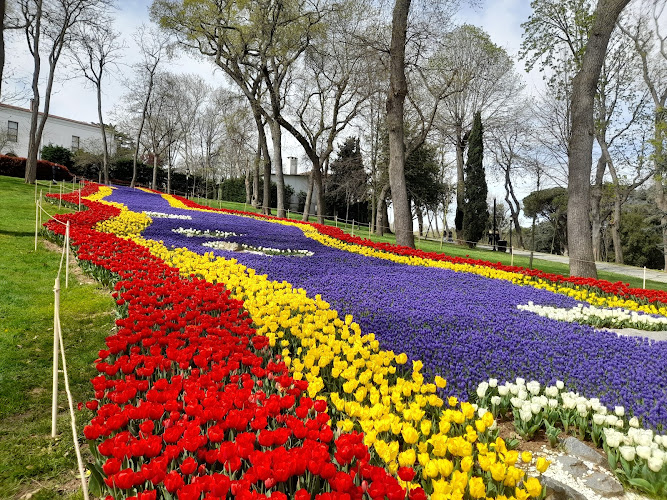
İBB Emirgan Grove

Seljuk Civilization Museum
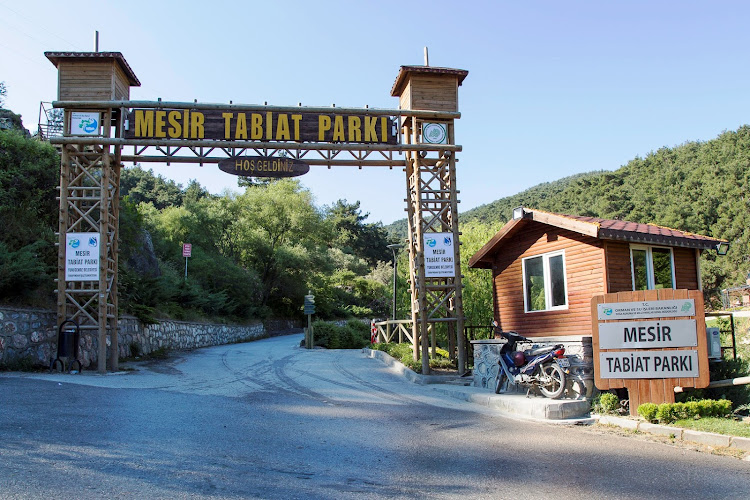
Mesir Tabiat Parkı
Find Accommodations Nearby
Recommended Tours & Activities
Visitor Reviews
There are no reviews yet. Be the first one to write one.
Share Your Experience
Have you visited Gazi Osman Paşa Plevne Müzesi? Help other travelers by leaving a review.