
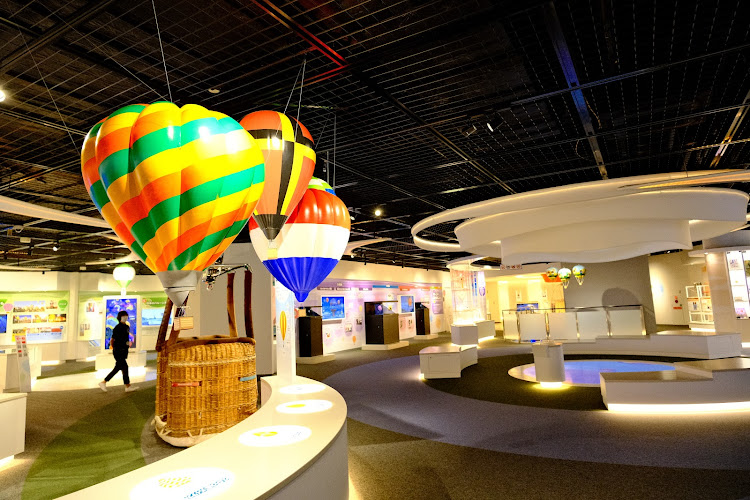
Saga Balloon Museum
About Saga Balloon Museum
Description
The Saga Balloon Museum sits as a small, focused celebration of hot air ballooning in Saga, Japan. It is a place where technical curiosity meets the playful thrill of watching a huge fabric envelope float in the sky. Rather than pretending to be a sprawling history museum, the site concentrates on the ballooning experience: the mechanics of lift, the international culture around balloon competitions, and—best of all—hands-on exhibits that let visitors actually feel what piloting a balloon might be like.
The museum's main draw is an interactive simulator that mimics the sensations of a hot air balloon flight: wind patterns, burner control, ascent and descent. It is a surprisingly effective teaching tool, and even people who thought ballooning was only for daredevils leave with a solid understanding of how it works. Alongside the simulator, the exhibit halls display scaled models, historic photos from international balloon events, pilot gear, and panels that explain meteorology and flight strategy in plain language. Technical jargon is kept to a minimum, which is appreciated by families and newcomers, though there are enough deeper details for aviation buffs to linger.
There is a tactile, almost joyful quality to the place. Children press buttons; adults grin when they bind a virtual tether and watch a balloon catch an updraft on screen. The gift shop sells postcards, miniature envelopes, and quirky souvenirs that are actually worth buying—yes, that one. And there is a small cafe on site where visitors can warm up after an early-morning visit or plan the rest of their day in Saga Prefecture. Practical amenities like wheelchair-accessible entrances, restrooms, and on-site parking make the museum straightforward to reach and navigate for most travelers.
It should be said: the museum is compact. It does not take an entire day, and people who expect a sprawling national museum might be disappointed. But for what it aims to do—educate, amuse, and funnel enthusiasm toward the region's legendary balloon culture—it is hard to beat. The exhibit mix is balanced: some sections are highly polished and clearly funded, while others feel more local and charmingly modest. That contrast is part of the appeal; it feels curated by people who live and breathe the festival circuit rather than by a distant bureaucracy.
Practical note learned the hard way by many visitors: the museum shines brightest when combined with a visit to the nearby fields during the Saga International Balloon Fiesta season. Even outside festival dates, people often schedule a museum stop before heading to river walks, local castles, or seafood markets. In short, the Saga Balloon Museum works equally well as a quick diverting stop or as the centerpiece of a half-day itinerary in Saga City.
Key Features
- Interactive flight simulator that recreates hot air balloon piloting with adjustable weather scenarios
- Hands-on exhibits explaining burners, envelopes, baskets, and flight navigation
- Collections of historic and international ballooning photographs and pilot artifacts
- Small but well-stocked gift shop with local-themed souvenirs and model balloons
- On-site cafe / restaurant for light meals, snacks, and coffee
- Wheelchair accessible entrance, restroom, and parking facilities
- Good for children: kid-friendly panels, push-button displays, and short educational films
- On-site parking with paid options and nearby public transport stops for visitors without cars
- Local interpretive materials available to contextualize Saga's ballooning history and the international festival
Best Time to Visit
The best time to visit the Saga Balloon Museum depends a bit on what the traveler wants. For context, Saga Prefecture's balloon season peaks in late autumn, with the famous Saga International Balloon Fiesta usually held in early November. If the museum is part of a trip timed to that festival, then early November is the clear choice—arrive a day or two before the mass ascent to learn more about balloon mechanics and pilot culture, and the museum helps clarify what to watch for during the live events.
But the museum is also perfectly enjoyable year-round. Shoulder seasons—spring and autumn—tend to be milder and less crowded in Saga City, making visits more relaxed. Weekdays outside school holiday periods are the calmest: quieter galleries, easier simulator booking, and a less hectic cafe. Weekends during festival buildup can be lively and fun, but expect a queue for hands-on attractions. If someone wants a quieter experience, mid-morning on a weekday is a safe bet.
Weather matters more for ballooning outdoors than the indoor museum, of course. If the goal is to pair a museum visit with viewing balloons over the Kase River plains, then check forecasts: calm, clear mornings are ideal. Still, the museum provides a rewarding experience even in rain or wind, so it is a good fallback plan when the skies refuse to cooperate.
How to Get There
The Saga Balloon Museum is accessible by a combination of car and public transport. For travelers with a rental car, the museum offers on-site parking and paid parking options nearby; driving is convenient and allows easy access to other Saga attractions afterward. GPS and local signage typically guide drivers toward museum parking areas—still, allow a few extra minutes for parking and walking, especially on busier days.
For those relying on public transportation, regional trains and buses connect Saga City and surrounding towns. A short bus or taxi ride from the main Saga station usually gets visitors to the museum area; local transit schedules are efficient but not hyper-frequent, so plan around published times. Taxis are reasonably priced for short hops and are a good option for groups or visitors with limited time. Travelers coming from farther afield—Fukuoka or the larger Kyushu transport hubs—can expect a 45–90 minute train/bus combination depending on transfers.
Walkability depends on the starting point. The museum is not in an isolated industrial park, but it is also not plopped in a dense downtown core; pairing the visit with a short taxi or bus ride is often the smoothest approach. For international visitors who appreciate clarity: check train times in advance and consider downloading a local transit app or keeping a printed schedule. And yes, driving does give the most flexibility, especially for hitting several Saga sights in one day.
Tips for Visiting
Practical tips can make the difference between a so-so stop and a memorable experience. Here are the things that seasoned visitors tend to pass along:
- Buy simulator slots early. The flight simulator is popular and time-limited; reserve a slot on arrival or, if available, book in advance. If one really wants to nerd out on piloting, go for an early slot and plan the rest of the visit around it.
- Combine with a local outing. The museum complements a morning at the balloon fields or an afternoon at Saga Castle. Plan a half-day route: museum, cafe lunch, short stroll along the Kase River, then maybe a market visit.
- Bring a light jacket. Exhibits may include film rooms with air conditioning or an observation area that’s breezy, so a small layer is useful year-round.
- Allow 1.5–2 hours. Most visitors find this sufficient to explore exhibits, try the simulator, browse the shop, and have a coffee. Longer stays are fine if the person has a deep interest in ballooning and wants to study displays closely.
- Check for English materials. The museum prioritizes accessibility and often provides English descriptions for major exhibits, but the depth varies. Travel companions who read Japanese will sometimes get extra detail from staff; however, the core interactive exhibits are intuitive.
- Families: kids will light up here. There are kid-friendly elements and short films that hold attention. Still, keep an eye on younger children near technical displays and simulator equipment.
- Accessibility: the site is wheelchair-friendly. Entrances, parking, and restrooms are designed for accessibility, which is good to know when traveling with mobility concerns.
- Eat locally. The museum cafe is handy, but nearby eateries offer regional specialties—Saga beef and fresh seafood—that pair nicely with a museum day.
- Manage expectations. The museum is focused and sometimes modest in scale. Visitors who come looking for an immersive, hands-on primer on hot air ballooning will be delighted; those expecting a vast national museum may leave wanting more.
- Time visits around events. If travel plans are flexible, catching the Saga International Balloon Fiesta or a smaller local meet will amplify the experience. The museum is a great primer before watching real balloons launch.
- Bring a camera. Displays and simulator moments create good photos. But be mindful of any signs restricting flash or filming in specific areas.
- Watch for special exhibits. The museum occasionally hosts temporary displays or guest speakers related to flight, design, or regional crafts—these can be unexpectedly insightful and are worth checking the schedule for.
All told, the Saga Balloon Museum is a compact, smartly curated stop that rewards curiosity. It respects the technical roots of ballooning while keeping things fun and accessible. The museum might not be massive, but it has heart, and it often sparks the exact kind of wanderlust that sends travelers out into Saga's fields at dawn to watch real balloons take off into the cool air. That image—giant colorful fabrics rising against a pale Kyushu morning—is what many visitors take away, and the museum does a fine job of making that moment make sense.
Key Features
- Interactive hot-air balloon flight simulator
- Super Hi-Vision theater with fiesta footage
- Historical balloon artifacts including early Japanese balloons
- Projection-mapping and photo-friendly exhibits
- Educational displays on balloon mechanics and international competitions
More Details
Updated August 30, 2025
Table of Contents
Description
The Saga Balloon Museum sits as a small, focused celebration of hot air ballooning in Saga, Japan. It is a place where technical curiosity meets the playful thrill of watching a huge fabric envelope float in the sky. Rather than pretending to be a sprawling history museum, the site concentrates on the ballooning experience: the mechanics of lift, the international culture around balloon competitions, and—best of all—hands-on exhibits that let visitors actually feel what piloting a balloon might be like.
The museum’s main draw is an interactive simulator that mimics the sensations of a hot air balloon flight: wind patterns, burner control, ascent and descent. It is a surprisingly effective teaching tool, and even people who thought ballooning was only for daredevils leave with a solid understanding of how it works. Alongside the simulator, the exhibit halls display scaled models, historic photos from international balloon events, pilot gear, and panels that explain meteorology and flight strategy in plain language. Technical jargon is kept to a minimum, which is appreciated by families and newcomers, though there are enough deeper details for aviation buffs to linger.
There is a tactile, almost joyful quality to the place. Children press buttons; adults grin when they bind a virtual tether and watch a balloon catch an updraft on screen. The gift shop sells postcards, miniature envelopes, and quirky souvenirs that are actually worth buying—yes, that one. And there is a small cafe on site where visitors can warm up after an early-morning visit or plan the rest of their day in Saga Prefecture. Practical amenities like wheelchair-accessible entrances, restrooms, and on-site parking make the museum straightforward to reach and navigate for most travelers.
It should be said: the museum is compact. It does not take an entire day, and people who expect a sprawling national museum might be disappointed. But for what it aims to do—educate, amuse, and funnel enthusiasm toward the region’s legendary balloon culture—it is hard to beat. The exhibit mix is balanced: some sections are highly polished and clearly funded, while others feel more local and charmingly modest. That contrast is part of the appeal; it feels curated by people who live and breathe the festival circuit rather than by a distant bureaucracy.
Practical note learned the hard way by many visitors: the museum shines brightest when combined with a visit to the nearby fields during the Saga International Balloon Fiesta season. Even outside festival dates, people often schedule a museum stop before heading to river walks, local castles, or seafood markets. In short, the Saga Balloon Museum works equally well as a quick diverting stop or as the centerpiece of a half-day itinerary in Saga City.
Key Features
- Interactive flight simulator that recreates hot air balloon piloting with adjustable weather scenarios
- Hands-on exhibits explaining burners, envelopes, baskets, and flight navigation
- Collections of historic and international ballooning photographs and pilot artifacts
- Small but well-stocked gift shop with local-themed souvenirs and model balloons
- On-site cafe / restaurant for light meals, snacks, and coffee
- Wheelchair accessible entrance, restroom, and parking facilities
- Good for children: kid-friendly panels, push-button displays, and short educational films
- On-site parking with paid options and nearby public transport stops for visitors without cars
- Local interpretive materials available to contextualize Saga’s ballooning history and the international festival
Best Time to Visit
The best time to visit the Saga Balloon Museum depends a bit on what the traveler wants. For context, Saga Prefecture’s balloon season peaks in late autumn, with the famous Saga International Balloon Fiesta usually held in early November. If the museum is part of a trip timed to that festival, then early November is the clear choice—arrive a day or two before the mass ascent to learn more about balloon mechanics and pilot culture, and the museum helps clarify what to watch for during the live events.
But the museum is also perfectly enjoyable year-round. Shoulder seasons—spring and autumn—tend to be milder and less crowded in Saga City, making visits more relaxed. Weekdays outside school holiday periods are the calmest: quieter galleries, easier simulator booking, and a less hectic cafe. Weekends during festival buildup can be lively and fun, but expect a queue for hands-on attractions. If someone wants a quieter experience, mid-morning on a weekday is a safe bet.
Weather matters more for ballooning outdoors than the indoor museum, of course. If the goal is to pair a museum visit with viewing balloons over the Kase River plains, then check forecasts: calm, clear mornings are ideal. Still, the museum provides a rewarding experience even in rain or wind, so it is a good fallback plan when the skies refuse to cooperate.
How to Get There
The Saga Balloon Museum is accessible by a combination of car and public transport. For travelers with a rental car, the museum offers on-site parking and paid parking options nearby; driving is convenient and allows easy access to other Saga attractions afterward. GPS and local signage typically guide drivers toward museum parking areas—still, allow a few extra minutes for parking and walking, especially on busier days.
For those relying on public transportation, regional trains and buses connect Saga City and surrounding towns. A short bus or taxi ride from the main Saga station usually gets visitors to the museum area; local transit schedules are efficient but not hyper-frequent, so plan around published times. Taxis are reasonably priced for short hops and are a good option for groups or visitors with limited time. Travelers coming from farther afield—Fukuoka or the larger Kyushu transport hubs—can expect a 45–90 minute train/bus combination depending on transfers.
Walkability depends on the starting point. The museum is not in an isolated industrial park, but it is also not plopped in a dense downtown core; pairing the visit with a short taxi or bus ride is often the smoothest approach. For international visitors who appreciate clarity: check train times in advance and consider downloading a local transit app or keeping a printed schedule. And yes, driving does give the most flexibility, especially for hitting several Saga sights in one day.
Tips for Visiting
Practical tips can make the difference between a so-so stop and a memorable experience. Here are the things that seasoned visitors tend to pass along:
- Buy simulator slots early. The flight simulator is popular and time-limited; reserve a slot on arrival or, if available, book in advance. If one really wants to nerd out on piloting, go for an early slot and plan the rest of the visit around it.
- Combine with a local outing. The museum complements a morning at the balloon fields or an afternoon at Saga Castle. Plan a half-day route: museum, cafe lunch, short stroll along the Kase River, then maybe a market visit.
- Bring a light jacket. Exhibits may include film rooms with air conditioning or an observation area that’s breezy, so a small layer is useful year-round.
- Allow 1.5–2 hours. Most visitors find this sufficient to explore exhibits, try the simulator, browse the shop, and have a coffee. Longer stays are fine if the person has a deep interest in ballooning and wants to study displays closely.
- Check for English materials. The museum prioritizes accessibility and often provides English descriptions for major exhibits, but the depth varies. Travel companions who read Japanese will sometimes get extra detail from staff; however, the core interactive exhibits are intuitive.
- Families: kids will light up here. There are kid-friendly elements and short films that hold attention. Still, keep an eye on younger children near technical displays and simulator equipment.
- Accessibility: the site is wheelchair-friendly. Entrances, parking, and restrooms are designed for accessibility, which is good to know when traveling with mobility concerns.
- Eat locally. The museum cafe is handy, but nearby eateries offer regional specialties—Saga beef and fresh seafood—that pair nicely with a museum day.
- Manage expectations. The museum is focused and sometimes modest in scale. Visitors who come looking for an immersive, hands-on primer on hot air ballooning will be delighted; those expecting a vast national museum may leave wanting more.
- Time visits around events. If travel plans are flexible, catching the Saga International Balloon Fiesta or a smaller local meet will amplify the experience. The museum is a great primer before watching real balloons launch.
- Bring a camera. Displays and simulator moments create good photos. But be mindful of any signs restricting flash or filming in specific areas.
- Watch for special exhibits. The museum occasionally hosts temporary displays or guest speakers related to flight, design, or regional crafts—these can be unexpectedly insightful and are worth checking the schedule for.
All told, the Saga Balloon Museum is a compact, smartly curated stop that rewards curiosity. It respects the technical roots of ballooning while keeping things fun and accessible. The museum might not be massive, but it has heart, and it often sparks the exact kind of wanderlust that sends travelers out into Saga’s fields at dawn to watch real balloons take off into the cool air. That image—giant colorful fabrics rising against a pale Kyushu morning—is what many visitors take away, and the museum does a fine job of making that moment make sense.
Key Highlights
- Interactive hot-air balloon flight simulator
- Super Hi-Vision theater with fiesta footage
- Historical balloon artifacts including early Japanese balloons
- Projection-mapping and photo-friendly exhibits
- Educational displays on balloon mechanics and international competitions
Location
Places to Stay Near Saga Balloon Museum
Find and Book a Tour
Explore More Travel Guides
No reviews found! Be the first to review!
Traveler Reviews for Saga Balloon Museum
There are no reviews yet. Be the first one to write one.
Have you visited Saga Balloon Museum? Help other travelers by sharing your review.
Nearby Attractions
You Might Also Like
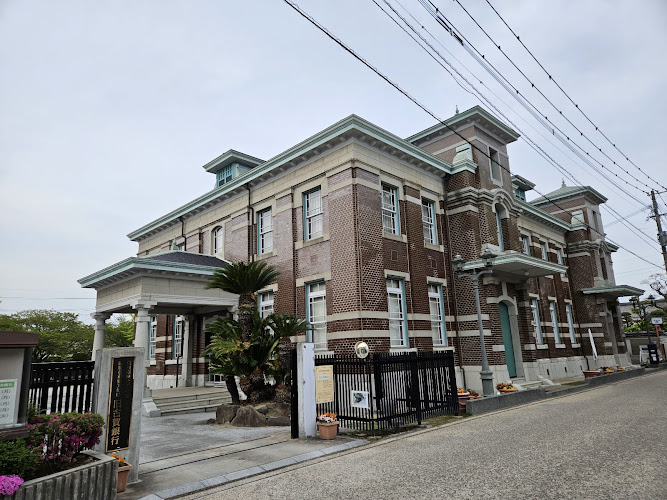
Former Koga Bank (Saga City Cultural Museum)
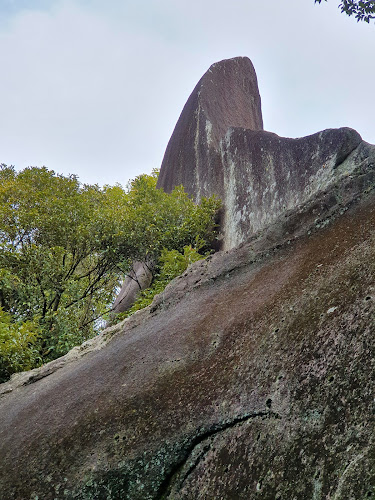
Kyoseki Park

Saga Shrine
Find Accommodations Nearby
Recommended Tours & Activities
Visitor Reviews
There are no reviews yet. Be the first one to write one.
Share Your Experience
Have you visited Saga Balloon Museum? Help other travelers by leaving a review.