

Porta Grazia
About Porta Grazia
Description
Porta Grazia in Messina, Italy, is more than just an old gateway, it’s a fascinating relic of the city’s layered history. Originally constructed in the late 16th century under Spanish rule, this grand archway once served as one of the main entrances into the fortified city. Today it stands in Piazza Casa Pia as a striking reminder of Messina’s strategic and cultural importance over the centuries. You don’t just stumble upon Porta Grazia–you feel like it’s watching over the square, catching both locals on their morning errands and wide-eyed travelers looking for a sense of the city’s past.
The architectural style is noticeably Mannerist, with its sweeping curves, heavy stonework, and intricate details that still manage to hold up despite centuries of earthquakes and warfare. Messina has been through a lot, from natural disasters to bombings, but Porta Grazia has survived, even if not in its original location. This strength adds a certain weight when you stand before it—like you’re looking at both fragility and resilience carved into stone. Some visitors stroll past with just a glance, while others (myself included when I first saw it) stop longer, letting the imagination wander back to when soldiers and merchants crossed under its archway.
While it might not feel as dramatic as the city’s famous Cathedral or as colorful as the bustling port, Porta Grazia has its own quiet charm. It has a way of grounding you and reminding you of Messina’s role as a crossroads between Mediterranean worlds. Think of it as one of those landmarks that doesn’t try to overwhelm you, but rewards you if you take the time to linger.
Key Features
- A 16th-century gateway originally built as part of the city’s defensive walls
- Distinctive Mannerist architecture blending military strength with artistic flourishes
- Detailed sculptural decorations by architect Giovanni Angelo Montorsoli, a pupil of Michelangelo
- Relocated to Piazza Casa Pia after city restructuring and reconstruction efforts
- One of the oldest surviving fragments of Messina’s former fortifications
- Wheelchair accessible entrance and easy to visit for families with children
Best Time to Visit
The beauty of Porta Grazia is that it’s outdoors and always accessible, so there’s no ticket booth or opening and closing hours to worry about. That said, timing does affect the kind of experience you’ll have. Early mornings provide a quieter atmosphere, with locals heading to cafes nearby and the soft light hitting the stone in a way that makes the carvings stand out. If you’re into photography, this is the sweet spot—you’ll catch the textures without the harsh glare of midday sun.
Afternoons, especially in spring and summer, mean more people in the square. It’s busier, sure, but also livelier. If you’re the type who enjoys people-watching, you might prefer wandering by then. I once sat on a bench near Porta Grazia in May and ended up chatting with a local university student about how the gate still represents “the soul of the city.” Sometimes chance encounters like that make the visit even more memorable.
Evenings can also be lovely. While the lighting isn’t as ideal for seeing intricate carvings, the ambiance shifts. The square slows down a little, and you see the gateway almost as a backdrop to everyday life—it becomes less about pure history and more about how history weaves into the present.
How to Get There
Messina is well-connected by train, bus, and ferry, so reaching Porta Grazia isn’t complicated. Once you’re in the city center, it’s an easy walk from many of the main squares and landmarks. If you’re arriving by ferry from the mainland, you’ll actually pass nearby, making it a convenient first stop on your itinerary.
Public buses also stop close to Piazza Casa Pia, and taxis or rideshares are widely available if you’re carrying luggage or feeling tired after a long trip. I personally recommend walking, though—it lets you notice the smaller things: street markets, little shrines, and the way everyday life spills into the piazzas. Porta Grazia feels more meaningful when you arrive on foot, as if retracing the steps of those who did so for centuries before.
Tips for Visiting
For such a compact landmark, there are surprisingly a few ways to make your visit to Porta Grazia in Messina Italy more rewarding. Here’s what you might want to keep in mind:
- Pair it with nearby attractions: Porta Grazia doesn’t demand a lot of time on its own, so combine it with a visit to Messina Cathedral, Museo Regionale, or a leisurely walk down Via Garibaldi.
- Take your time with the details: Look closely at the sculpted coats of arms and figures. Even after years of wear, they reveal the artistry involved.
- Accessible and family-friendly: The square where Porta Grazia stands is easy to navigate with strollers or wheelchairs, making it stress-free for families and travelers with mobility needs.
- Bring a guidebook or digital guide: There are no plaques with lengthy explanations, so having context will make you appreciate what you’re seeing instead of just treating it like “a pretty arch.”
- Good photo spot: The arch frames the piazza in the background nicely. Try different angles—sometimes a shot from a little distance captures its proportions best.
- Stay a while: Don’t just snap a picture and leave. Grab a coffee from a nearby café and take a seat. Watch daily life move around Porta Grazia—kids playing, friends meeting, cars zipping by. It gives the gate a dynamic sense of time passing through it.
Porta Grazia may not be as famous as some landmarks in Sicily, but it holds an authenticity that travelers often crave. It’s a piece of history folded right into modern life, still standing proud in the face of centuries of change. That’s the fine balance Messina seems to strike so often—survival, beauty, and a touch of surprise for those who take the time to notice.
Key Features
- A 16th-century gateway originally built as part of the city’s defensive walls
- Distinctive Mannerist architecture blending military strength with artistic flourishes
- Detailed sculptural decorations by architect Giovanni Angelo Montorsoli, a pupil of Michelangelo
- Relocated to Piazza Casa Pia after city restructuring and reconstruction efforts
- One of the oldest surviving fragments of Messina’s former fortifications
- Wheelchair accessible entrance and easy to visit for families with children
More Details
Updated October 2, 2025
Table of Contents
Description
Porta Grazia in Messina, Italy, is more than just an old gateway, it’s a fascinating relic of the city’s layered history. Originally constructed in the late 16th century under Spanish rule, this grand archway once served as one of the main entrances into the fortified city. Today it stands in Piazza Casa Pia as a striking reminder of Messina’s strategic and cultural importance over the centuries. You don’t just stumble upon Porta Grazia–you feel like it’s watching over the square, catching both locals on their morning errands and wide-eyed travelers looking for a sense of the city’s past.
The architectural style is noticeably Mannerist, with its sweeping curves, heavy stonework, and intricate details that still manage to hold up despite centuries of earthquakes and warfare. Messina has been through a lot, from natural disasters to bombings, but Porta Grazia has survived, even if not in its original location. This strength adds a certain weight when you stand before it—like you’re looking at both fragility and resilience carved into stone. Some visitors stroll past with just a glance, while others (myself included when I first saw it) stop longer, letting the imagination wander back to when soldiers and merchants crossed under its archway.
While it might not feel as dramatic as the city’s famous Cathedral or as colorful as the bustling port, Porta Grazia has its own quiet charm. It has a way of grounding you and reminding you of Messina’s role as a crossroads between Mediterranean worlds. Think of it as one of those landmarks that doesn’t try to overwhelm you, but rewards you if you take the time to linger.
Key Features
- A 16th-century gateway originally built as part of the city’s defensive walls
- Distinctive Mannerist architecture blending military strength with artistic flourishes
- Detailed sculptural decorations by architect Giovanni Angelo Montorsoli, a pupil of Michelangelo
- Relocated to Piazza Casa Pia after city restructuring and reconstruction efforts
- One of the oldest surviving fragments of Messina’s former fortifications
- Wheelchair accessible entrance and easy to visit for families with children
Best Time to Visit
The beauty of Porta Grazia is that it’s outdoors and always accessible, so there’s no ticket booth or opening and closing hours to worry about. That said, timing does affect the kind of experience you’ll have. Early mornings provide a quieter atmosphere, with locals heading to cafes nearby and the soft light hitting the stone in a way that makes the carvings stand out. If you’re into photography, this is the sweet spot—you’ll catch the textures without the harsh glare of midday sun.
Afternoons, especially in spring and summer, mean more people in the square. It’s busier, sure, but also livelier. If you’re the type who enjoys people-watching, you might prefer wandering by then. I once sat on a bench near Porta Grazia in May and ended up chatting with a local university student about how the gate still represents “the soul of the city.” Sometimes chance encounters like that make the visit even more memorable.
Evenings can also be lovely. While the lighting isn’t as ideal for seeing intricate carvings, the ambiance shifts. The square slows down a little, and you see the gateway almost as a backdrop to everyday life—it becomes less about pure history and more about how history weaves into the present.
How to Get There
Messina is well-connected by train, bus, and ferry, so reaching Porta Grazia isn’t complicated. Once you’re in the city center, it’s an easy walk from many of the main squares and landmarks. If you’re arriving by ferry from the mainland, you’ll actually pass nearby, making it a convenient first stop on your itinerary.
Public buses also stop close to Piazza Casa Pia, and taxis or rideshares are widely available if you’re carrying luggage or feeling tired after a long trip. I personally recommend walking, though—it lets you notice the smaller things: street markets, little shrines, and the way everyday life spills into the piazzas. Porta Grazia feels more meaningful when you arrive on foot, as if retracing the steps of those who did so for centuries before.
Tips for Visiting
For such a compact landmark, there are surprisingly a few ways to make your visit to Porta Grazia in Messina Italy more rewarding. Here’s what you might want to keep in mind:
- Pair it with nearby attractions: Porta Grazia doesn’t demand a lot of time on its own, so combine it with a visit to Messina Cathedral, Museo Regionale, or a leisurely walk down Via Garibaldi.
- Take your time with the details: Look closely at the sculpted coats of arms and figures. Even after years of wear, they reveal the artistry involved.
- Accessible and family-friendly: The square where Porta Grazia stands is easy to navigate with strollers or wheelchairs, making it stress-free for families and travelers with mobility needs.
- Bring a guidebook or digital guide: There are no plaques with lengthy explanations, so having context will make you appreciate what you’re seeing instead of just treating it like “a pretty arch.”
- Good photo spot: The arch frames the piazza in the background nicely. Try different angles—sometimes a shot from a little distance captures its proportions best.
- Stay a while: Don’t just snap a picture and leave. Grab a coffee from a nearby café and take a seat. Watch daily life move around Porta Grazia—kids playing, friends meeting, cars zipping by. It gives the gate a dynamic sense of time passing through it.
Porta Grazia may not be as famous as some landmarks in Sicily, but it holds an authenticity that travelers often crave. It’s a piece of history folded right into modern life, still standing proud in the face of centuries of change. That’s the fine balance Messina seems to strike so often—survival, beauty, and a touch of surprise for those who take the time to notice.
Key Highlights
- A 16th-century gateway originally built as part of the city’s defensive walls
- Distinctive Mannerist architecture blending military strength with artistic flourishes
- Detailed sculptural decorations by architect Giovanni Angelo Montorsoli, a pupil of Michelangelo
- Relocated to Piazza Casa Pia after city restructuring and reconstruction efforts
- One of the oldest surviving fragments of Messina’s former fortifications
- Wheelchair accessible entrance and easy to visit for families with children
Location
Places to Stay Near Porta Grazia
Find and Book a Tour
Explore More Travel Guides
No reviews found! Be the first to review!
Traveler Reviews for Porta Grazia
There are no reviews yet. Be the first one to write one.
Have you visited Porta Grazia? Help other travelers by sharing your review.
You Might Also Like
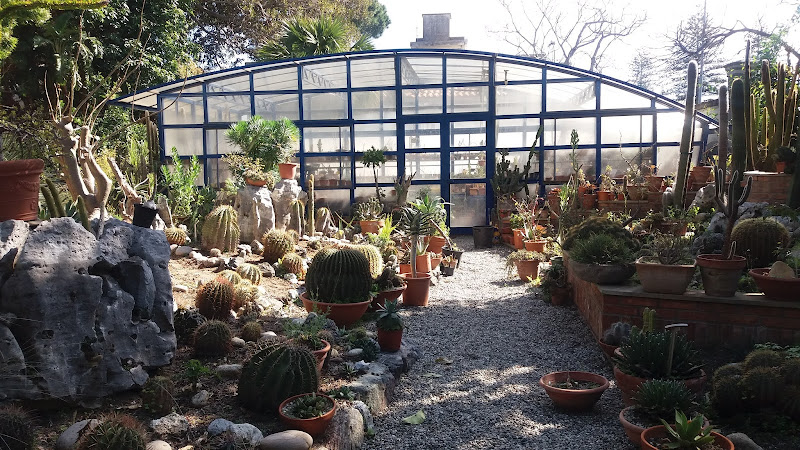
University Botanical Garden
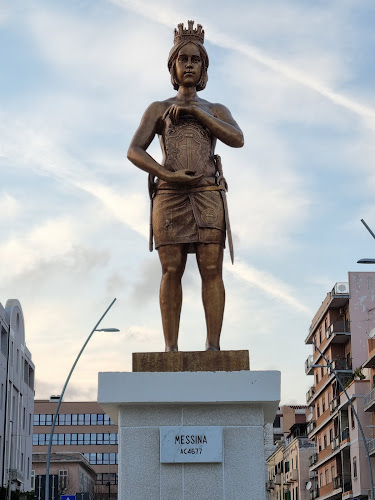
Statua Messina
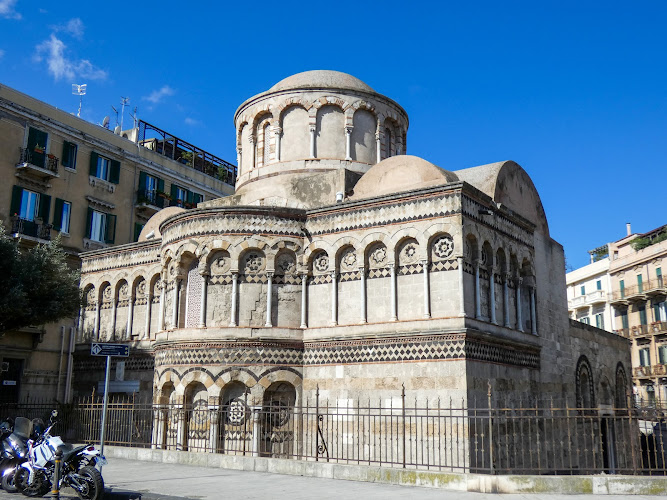
Chiesa Santissima Annunziata dei Catalani
Find Accommodations Nearby
Recommended Tours & Activities
Visitor Reviews
There are no reviews yet. Be the first one to write one.
Share Your Experience
Have you visited Porta Grazia? Help other travelers by leaving a review.