
Tajhat Road
About Tajhat Road
Description
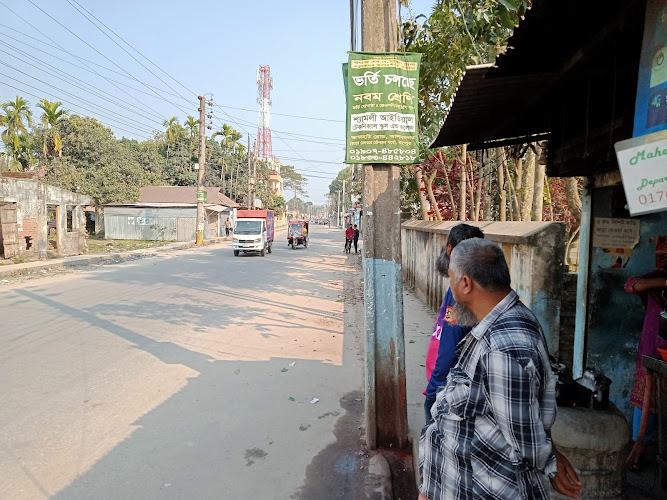
Tajhat Road in Rangpur, Bangladesh, feels like one of those places that quietly surprise you. It’s not the kind of road that screams for attention, but rather one that reveals its charm slowly — in the rhythm of rickshaws, the chatter of tea stalls, and the distant hum of city life blending with the calm of history. The road leads toward the famous Tajhat Palace, but it’s much more than just a route. It’s a slice of Rangpur’s everyday life — a mix of old colonial-era architecture, modern shops, and the kind of street scenes that make you pause and take it all in.
Walking down Tajhat Road, you’ll notice how the air feels different — a little slower, a little more grounded. You might see school kids in uniforms darting between traffic, vendors balancing baskets of guavas, or travelers stopping to photograph the grand palace gates. And if you’re like me, you’ll probably end up chatting with a local or two who’ll tell you stories about the road’s past — how it once served as a royal approach to the Tajhat Zamindar’s estate, and how it’s grown into a vital artery of Rangpur’s modern identity.
There’s something deeply human about Tajhat Road. It’s not polished or overly touristy, which is exactly what makes it special. You don’t just see it — you feel it. The sounds, the smells, the colors — they all come together to tell a story of a city that’s evolving but still holds onto its roots. For travelers who crave authenticity over gloss, Tajhat Road is one of those places that quietly stays with you long after you’ve left.
Key Features
- Historical Connection: The road is directly linked to the iconic Tajhat Palace, a symbol of Rangpur’s aristocratic past and architectural beauty.
- Local Life: It’s a living, breathing street filled with small businesses, tea stalls, and friendly locals who are always ready for a chat.
- Street Food Delights: You’ll find vendors selling everything from spicy chotpoti to sweet jilapi — flavors that define the region.
- Photography Opportunities: The blend of heritage buildings, street life, and natural light makes it a photographer’s playground.
- Accessibility: Well-connected to Rangpur city center, making it easy for both locals and travelers to explore without hassle.
- Peaceful Ambiance: Despite being a busy road, it somehow maintains a calm, laid-back vibe — perfect for leisurely walks.
Best Time to Visit
If you’re planning to explore Tajhat Road, the cooler months from November to February are the sweet spot. The weather is pleasant, the skies are clear, and you can actually enjoy walking without breaking a sweat every five minutes. I once visited in early December, and honestly, it felt perfect — the air had that crisp, wintery feel that makes a cup of roadside tea taste ten times better.
During the monsoon, from June to September, the road takes on a different personality. It’s lush and green, but also a bit unpredictable. Puddles form quickly, and traffic slows down. But if you don’t mind a bit of rain (and maybe a few muddy shoes), it can be quite magical — the kind of experience that makes you feel like you’re part of the city’s rhythm rather than just passing through.
Summer, on the other hand, can be intense. The heat and humidity can drain even the most enthusiastic traveler. Still, if you go early in the morning or around sunset, when the light softens and the day cools, you’ll see the road come alive in its own way — families strolling, vendors calling out their last sales, and the palace glowing in the fading light.
How to Get There
Reaching Tajhat Road is pretty straightforward. If you’re already in Rangpur city, it’s just a short ride from the main town area. You can hop on a rickshaw, take a local tempo, or if you’re feeling adventurous, rent a bicycle and make your way there at your own pace. The road itself is well-paved and lined with signs that make navigation easy, even for first-time visitors.
For those coming from other cities like Dhaka, buses run regularly to Rangpur. Once you arrive at the central bus terminal, Tajhat Road is just a quick ride away. And if you’re traveling by private car, the route is scenic — you’ll pass through fields, small villages, and glimpses of rural life that make the journey as enjoyable as the destination itself.
Just a small tip from my own experience — if you’re using a ridesharing app or asking a local driver for directions, mention “Tajhat Palace” rather than just “Tajhat Road.” It’s the landmark everyone recognizes, and it’ll save you a few minutes of confusion.
Tips for Visiting
Here’s the thing about Tajhat Road — it’s best enjoyed slowly. Don’t rush it. Take your time to wander, to notice the little details that make it special. Here are a few personal tips to make the most out of your visit:
- Go Early: Mornings are the best time to experience the road before it gets busy. You’ll catch the soft golden light and see the locals starting their day.
- Stay Hydrated: Especially if you’re walking or exploring during midday. There are plenty of small shops selling bottled water and fresh coconut juice.
- Talk to People: The locals are genuinely friendly. Ask them about the palace, the road’s history, or even where to find the best samosas — you’ll get some great stories and maybe even a few new friends.
- Bring a Camera: The mix of old and new architecture, colorful signboards, and everyday life makes for fantastic photos. Just remember to ask permission before taking close-up shots of people.
- Wear Comfortable Shoes: You’ll be walking quite a bit, and some parts of the road can be uneven.
- Try the Street Food: Don’t skip the local snacks — they’re part of the experience. I still remember the taste of a freshly fried puri I had there; simple, but unforgettable.
- Evening Visits: If you can, come back around sunset. The sky turns a deep orange, and the palace at the end of the road looks absolutely stunning against it.
And maybe this is just me, but I always find that places like Tajhat Road are best explored without a strict plan. Let yourself get a little lost. Follow the smell of food, the sound of laughter, or the sight of something interesting down a side lane. That’s where the real magic happens — in the unplanned moments that make travel feel alive.
In the end, Tajhat Road isn’t just a road. It’s a living story of Rangpur — one that connects its royal past with its bustling present. Whether you’re a history buff, a photographer, or just someone who loves discovering places that feel real and unfiltered, this road offers a glimpse into the heart of northern Bangladesh. And if you give it the time it deserves, it might just leave you with your own story to tell.
Key Features
- Key Features
- Best Time to Visit
- How to Get There
- Tips for Visiting
More Details
Updated November 9, 2025
Table of Contents
Description
Tajhat Road in Rangpur, Bangladesh, feels like one of those places that quietly surprise you. It’s not the kind of road that screams for attention, but rather one that reveals its charm slowly — in the rhythm of rickshaws, the chatter of tea stalls, and the distant hum of city life blending with the calm of history. The road leads toward the famous Tajhat Palace, but it’s much more than just a route. It’s a slice of Rangpur’s everyday life — a mix of old colonial-era architecture, modern shops, and the kind of street scenes that make you pause and take it all in.
Walking down Tajhat Road, you’ll notice how the air feels different — a little slower, a little more grounded. You might see school kids in uniforms darting between traffic, vendors balancing baskets of guavas, or travelers stopping to photograph the grand palace gates. And if you’re like me, you’ll probably end up chatting with a local or two who’ll tell you stories about the road’s past — how it once served as a royal approach to the Tajhat Zamindar’s estate, and how it’s grown into a vital artery of Rangpur’s modern identity.
There’s something deeply human about Tajhat Road. It’s not polished or overly touristy, which is exactly what makes it special. You don’t just see it — you feel it. The sounds, the smells, the colors — they all come together to tell a story of a city that’s evolving but still holds onto its roots. For travelers who crave authenticity over gloss, Tajhat Road is one of those places that quietly stays with you long after you’ve left.
Key Features
- Historical Connection: The road is directly linked to the iconic Tajhat Palace, a symbol of Rangpur’s aristocratic past and architectural beauty.
- Local Life: It’s a living, breathing street filled with small businesses, tea stalls, and friendly locals who are always ready for a chat.
- Street Food Delights: You’ll find vendors selling everything from spicy chotpoti to sweet jilapi — flavors that define the region.
- Photography Opportunities: The blend of heritage buildings, street life, and natural light makes it a photographer’s playground.
- Accessibility: Well-connected to Rangpur city center, making it easy for both locals and travelers to explore without hassle.
- Peaceful Ambiance: Despite being a busy road, it somehow maintains a calm, laid-back vibe — perfect for leisurely walks.
Best Time to Visit
If you’re planning to explore Tajhat Road, the cooler months from November to February are the sweet spot. The weather is pleasant, the skies are clear, and you can actually enjoy walking without breaking a sweat every five minutes. I once visited in early December, and honestly, it felt perfect — the air had that crisp, wintery feel that makes a cup of roadside tea taste ten times better.
During the monsoon, from June to September, the road takes on a different personality. It’s lush and green, but also a bit unpredictable. Puddles form quickly, and traffic slows down. But if you don’t mind a bit of rain (and maybe a few muddy shoes), it can be quite magical — the kind of experience that makes you feel like you’re part of the city’s rhythm rather than just passing through.
Summer, on the other hand, can be intense. The heat and humidity can drain even the most enthusiastic traveler. Still, if you go early in the morning or around sunset, when the light softens and the day cools, you’ll see the road come alive in its own way — families strolling, vendors calling out their last sales, and the palace glowing in the fading light.
How to Get There
Reaching Tajhat Road is pretty straightforward. If you’re already in Rangpur city, it’s just a short ride from the main town area. You can hop on a rickshaw, take a local tempo, or if you’re feeling adventurous, rent a bicycle and make your way there at your own pace. The road itself is well-paved and lined with signs that make navigation easy, even for first-time visitors.
For those coming from other cities like Dhaka, buses run regularly to Rangpur. Once you arrive at the central bus terminal, Tajhat Road is just a quick ride away. And if you’re traveling by private car, the route is scenic — you’ll pass through fields, small villages, and glimpses of rural life that make the journey as enjoyable as the destination itself.
Just a small tip from my own experience — if you’re using a ridesharing app or asking a local driver for directions, mention “Tajhat Palace” rather than just “Tajhat Road.” It’s the landmark everyone recognizes, and it’ll save you a few minutes of confusion.
Tips for Visiting
Here’s the thing about Tajhat Road — it’s best enjoyed slowly. Don’t rush it. Take your time to wander, to notice the little details that make it special. Here are a few personal tips to make the most out of your visit:
- Go Early: Mornings are the best time to experience the road before it gets busy. You’ll catch the soft golden light and see the locals starting their day.
- Stay Hydrated: Especially if you’re walking or exploring during midday. There are plenty of small shops selling bottled water and fresh coconut juice.
- Talk to People: The locals are genuinely friendly. Ask them about the palace, the road’s history, or even where to find the best samosas — you’ll get some great stories and maybe even a few new friends.
- Bring a Camera: The mix of old and new architecture, colorful signboards, and everyday life makes for fantastic photos. Just remember to ask permission before taking close-up shots of people.
- Wear Comfortable Shoes: You’ll be walking quite a bit, and some parts of the road can be uneven.
- Try the Street Food: Don’t skip the local snacks — they’re part of the experience. I still remember the taste of a freshly fried puri I had there; simple, but unforgettable.
- Evening Visits: If you can, come back around sunset. The sky turns a deep orange, and the palace at the end of the road looks absolutely stunning against it.
And maybe this is just me, but I always find that places like Tajhat Road are best explored without a strict plan. Let yourself get a little lost. Follow the smell of food, the sound of laughter, or the sight of something interesting down a side lane. That’s where the real magic happens — in the unplanned moments that make travel feel alive.
In the end, Tajhat Road isn’t just a road. It’s a living story of Rangpur — one that connects its royal past with its bustling present. Whether you’re a history buff, a photographer, or just someone who loves discovering places that feel real and unfiltered, this road offers a glimpse into the heart of northern Bangladesh. And if you give it the time it deserves, it might just leave you with your own story to tell.
Key Highlights
- Key Features
- Best Time to Visit
- How to Get There
- Tips for Visiting
Location
Places to Stay Near Tajhat Road
Find and Book a Tour
Explore More Travel Guides
No reviews found! Be the first to review!
Traveler Reviews for Tajhat Road
There are no reviews yet. Be the first one to write one.
Have you visited Tajhat Road? Help other travelers by sharing your review.
You Might Also Like
Rangpur Medical College (RpMC)
Dewanbari
Debi Chowdhurani Exavated Pond
Find Accommodations Nearby
Recommended Tours & Activities
Visitor Reviews
There are no reviews yet. Be the first one to write one.
Share Your Experience
Have you visited Tajhat Road? Help other travelers by leaving a review.