

Ruinas
About Ruinas
Description
There’s something quietly powerful about standing among the Ruinas — the kind of place where time doesn’t just pass; it lingers. The air feels heavy with stories, and every stone seems to whisper a fragment of history. The Ruinas, a historical landmark in the heart of Hidalgo, Mexico, isn’t the sort of destination that shouts for attention. Instead, it draws you in slowly, like a good book you didn’t expect to love. It’s the kind of spot that makes you pause, look around, and wonder about the lives that once filled this silent, enduring space.
What makes these ruins so captivating isn’t just their age or the mystery that clings to them, but the way nature has quietly claimed them back. Moss creeps over cracked walls, wildflowers peek through the stones, and birds nest in corners where once stood windows. It’s hauntingly beautiful — a perfect blend of decay and resilience. You can almost imagine the hum of voices from centuries ago if you stand still long enough. And honestly, that’s what I love about places like this: they remind you how fleeting human presence can be, yet how lasting our marks are.
Many travelers come here expecting a quick stop — a few photos, maybe a short walk — but often end up staying longer than planned. There’s a strange peace here, a sense of grounding that’s hard to find in the rush of modern travel. The Ruinas aren’t polished or overly restored, and that’s part of their charm. They’re raw, authentic, and unapologetically real. If you’ve ever been drawn to places that feel a bit off the beaten path, this one might just steal a piece of your heart.
Key Features
- Ancient stone structures that reveal the architectural style of early colonial Mexico.
- Scenic surroundings that combine rugged terrain with patches of greenery and wild flora.
- Quiet, uncrowded environment perfect for reflection, sketching, or photography.
- Subtle remnants of carvings and inscriptions that hint at the site’s historical significance.
- Panoramic views of the surrounding landscape, especially striking during sunrise and sunset.
- Accessibility for both casual visitors and history enthusiasts looking for deeper exploration.
One thing that stands out about the Ruinas is how they manage to feel both intimate and expansive. You can wander through narrow corridors one moment and then step into open courtyards the next. It’s like walking through a forgotten chapter of Mexico’s story — one that hasn’t been overrun by tourist buses or souvenir stalls. The textures, the light, even the silence, all combine to create an experience that’s hard to describe but easy to feel.
Best Time to Visit
If you ask me, the best time to visit the Ruinas is during the dry months, roughly from November to April. The weather is pleasantly cool, and the skies are often a soft, endless blue. Mornings are especially magical — there’s a light mist that hangs low, giving the ruins a dreamlike quality. By midday, the sun warms the stones, and you can sit on a ledge, close your eyes, and just soak in the stillness. Summer, on the other hand, brings a burst of green, but also sudden rain showers that can make the ground slippery. So if you’re planning to explore every nook and cranny, stick to the drier season.
Weekdays tend to be quieter, which adds to the site’s meditative feel. I once visited on a Tuesday morning and didn’t see another soul for nearly an hour — just the sound of wind brushing through the grass and a few distant birds. It felt like stepping into another time entirely. If you’re after that kind of solitude, aim for early mornings or late afternoons. The light at those hours is perfect for photography too, casting long shadows that make the ruins look even more dramatic.
How to Get There
Reaching the Ruinas is relatively straightforward, though it depends on your starting point. Most travelers arrive from the nearby city of Pachuca de Soto, which serves as a convenient base. From there, it’s a short drive — about twenty minutes if traffic behaves. The road winds gently through the hills, offering glimpses of the countryside that make the journey part of the experience. If you’re like me and enjoy taking the scenic route, you’ll probably find yourself stopping along the way just to take in the view.
Public transportation options are available, but they can be a bit unpredictable. I’d recommend renting a car or joining a small local tour if you prefer a hassle-free trip. Some adventurous travelers even bike up to the site, which is doable if you’re reasonably fit and don’t mind a few steep climbs. Just remember to bring water — the sun can be surprisingly strong even on cooler days. Once you arrive, there’s a small area to park, and from there, it’s a short walk to the main ruins. The path isn’t paved, but that’s part of its rustic charm.
Tips for Visiting
Before setting out, wear comfortable shoes — the ground can be uneven, and you’ll want the freedom to explore without worrying about your footing. Bring a hat, sunscreen, and plenty of water, especially if you’re visiting during midday hours. There aren’t many facilities nearby, which is both a blessing and a challenge. It keeps the site peaceful, but it also means you’ll need to plan ahead. A small backpack with snacks and essentials goes a long way.
Photography lovers will find endless inspiration here. Try capturing the textures — the rough stone walls, the play of light through broken arches, the contrast between shadow and sunlight. If you’re into storytelling through images, this place practically does half the work for you. And don’t just look through your lens; take a few minutes to simply stand there and absorb the atmosphere. It’s easy to get caught up in documenting everything, but sometimes the best memories are the ones you keep in your head.
Respect the site, of course. These ruins have stood for centuries, and part of their magic lies in their fragility. Avoid climbing on unstable walls or removing any stones, no matter how tempting it might be to take a “souvenir.” Instead, take your time to learn from the space — its silence, its textures, its quiet dignity. You’ll leave with something far more meaningful than a rock or a trinket.
Lastly, if you’re traveling with friends or family, give everyone a few moments to explore on their own. There’s something deeply personal about how people connect with places like this. For me, it was standing in a half-collapsed corridor, watching the sunlight filter through a gap in the wall, realizing how small we are in the grand sweep of time. For someone else, it might be a single carved stone or the sound of the wind. Either way, the Ruinas have a way of leaving an imprint — quiet, subtle, but lasting.
In the end, visiting the Ruinas isn’t just about seeing an old site. It’s about feeling history breathe around you, about stepping into a story that’s still being written. Whether you’re a history buff, a photographer, or simply a curious wanderer, this place invites you to slow down and listen. And if you do, you might just hear the echoes of the past whispering back.
Key Features
- Ancient stone structures that reveal the architectural style of early colonial Mexico.
- Scenic surroundings that combine rugged terrain with patches of greenery and wild flora.
- Quiet, uncrowded environment perfect for reflection, sketching, or photography.
- Subtle remnants of carvings and inscriptions that hint at the site’s historical significance.
- Panoramic views of the surrounding landscape, especially striking during sunrise and sunset.
- Accessibility for both casual visitors and history enthusiasts looking for deeper exploration.
More Details
Updated November 9, 2025
Table of Contents There’s something quietly powerful about standing among the Ruinas — the kind of place where time doesn’t just pass; it lingers. The air feels heavy with stories, and every stone seems to whisper a fragment of history. The Ruinas, a historical landmark in the heart of Hidalgo, Mexico, isn’t the sort of destination that shouts for attention. Instead, it draws you in slowly, like a good book you didn’t expect to love. It’s the kind of spot that makes you pause, look around, and wonder about the lives that once filled this silent, enduring space. What makes these ruins so captivating isn’t just their age or the mystery that clings to them, but the way nature has quietly claimed them back. Moss creeps over cracked walls, wildflowers peek through the stones, and birds nest in corners where once stood windows. It’s hauntingly beautiful — a perfect blend of decay and resilience. You can almost imagine the hum of voices from centuries ago if you stand still long enough. And honestly, that’s what I love about places like this: they remind you how fleeting human presence can be, yet how lasting our marks are. Many travelers come here expecting a quick stop — a few photos, maybe a short walk — but often end up staying longer than planned. There’s a strange peace here, a sense of grounding that’s hard to find in the rush of modern travel. The Ruinas aren’t polished or overly restored, and that’s part of their charm. They’re raw, authentic, and unapologetically real. If you’ve ever been drawn to places that feel a bit off the beaten path, this one might just steal a piece of your heart. One thing that stands out about the Ruinas is how they manage to feel both intimate and expansive. You can wander through narrow corridors one moment and then step into open courtyards the next. It’s like walking through a forgotten chapter of Mexico’s story — one that hasn’t been overrun by tourist buses or souvenir stalls. The textures, the light, even the silence, all combine to create an experience that’s hard to describe but easy to feel. If you ask me, the best time to visit the Ruinas is during the dry months, roughly from November to April. The weather is pleasantly cool, and the skies are often a soft, endless blue. Mornings are especially magical — there’s a light mist that hangs low, giving the ruins a dreamlike quality. By midday, the sun warms the stones, and you can sit on a ledge, close your eyes, and just soak in the stillness. Summer, on the other hand, brings a burst of green, but also sudden rain showers that can make the ground slippery. So if you’re planning to explore every nook and cranny, stick to the drier season. Weekdays tend to be quieter, which adds to the site’s meditative feel. I once visited on a Tuesday morning and didn’t see another soul for nearly an hour — just the sound of wind brushing through the grass and a few distant birds. It felt like stepping into another time entirely. If you’re after that kind of solitude, aim for early mornings or late afternoons. The light at those hours is perfect for photography too, casting long shadows that make the ruins look even more dramatic. Reaching the Ruinas is relatively straightforward, though it depends on your starting point. Most travelers arrive from the nearby city of Pachuca de Soto, which serves as a convenient base. From there, it’s a short drive — about twenty minutes if traffic behaves. The road winds gently through the hills, offering glimpses of the countryside that make the journey part of the experience. If you’re like me and enjoy taking the scenic route, you’ll probably find yourself stopping along the way just to take in the view. Public transportation options are available, but they can be a bit unpredictable. I’d recommend renting a car or joining a small local tour if you prefer a hassle-free trip. Some adventurous travelers even bike up to the site, which is doable if you’re reasonably fit and don’t mind a few steep climbs. Just remember to bring water — the sun can be surprisingly strong even on cooler days. Once you arrive, there’s a small area to park, and from there, it’s a short walk to the main ruins. The path isn’t paved, but that’s part of its rustic charm. Before setting out, wear comfortable shoes — the ground can be uneven, and you’ll want the freedom to explore without worrying about your footing. Bring a hat, sunscreen, and plenty of water, especially if you’re visiting during midday hours. There aren’t many facilities nearby, which is both a blessing and a challenge. It keeps the site peaceful, but it also means you’ll need to plan ahead. A small backpack with snacks and essentials goes a long way. Photography lovers will find endless inspiration here. Try capturing the textures — the rough stone walls, the play of light through broken arches, the contrast between shadow and sunlight. If you’re into storytelling through images, this place practically does half the work for you. And don’t just look through your lens; take a few minutes to simply stand there and absorb the atmosphere. It’s easy to get caught up in documenting everything, but sometimes the best memories are the ones you keep in your head. Respect the site, of course. These ruins have stood for centuries, and part of their magic lies in their fragility. Avoid climbing on unstable walls or removing any stones, no matter how tempting it might be to take a “souvenir.” Instead, take your time to learn from the space — its silence, its textures, its quiet dignity. You’ll leave with something far more meaningful than a rock or a trinket. Lastly, if you’re traveling with friends or family, give everyone a few moments to explore on their own. There’s something deeply personal about how people connect with places like this. For me, it was standing in a half-collapsed corridor, watching the sunlight filter through a gap in the wall, realizing how small we are in the grand sweep of time. For someone else, it might be a single carved stone or the sound of the wind. Either way, the Ruinas have a way of leaving an imprint — quiet, subtle, but lasting. In the end, visiting the Ruinas isn’t just about seeing an old site. It’s about feeling history breathe around you, about stepping into a story that’s still being written. Whether you’re a history buff, a photographer, or simply a curious wanderer, this place invites you to slow down and listen. And if you do, you might just hear the echoes of the past whispering back.Description
Key Features
Best Time to Visit
How to Get There
Tips for Visiting
Key Highlights
- Ancient stone structures that reveal the architectural style of early colonial Mexico.
- Scenic surroundings that combine rugged terrain with patches of greenery and wild flora.
- Quiet, uncrowded environment perfect for reflection, sketching, or photography.
- Subtle remnants of carvings and inscriptions that hint at the site’s historical significance.
- Panoramic views of the surrounding landscape, especially striking during sunrise and sunset.
- Accessibility for both casual visitors and history enthusiasts looking for deeper exploration.
Location
Places to Stay Near Ruinas
Find and Book a Tour
Explore More Travel Guides
No reviews found! Be the first to review!
Traveler Reviews for Ruinas
There are no reviews yet. Be the first one to write one.
Have you visited Ruinas? Help other travelers by sharing your review.
You Might Also Like
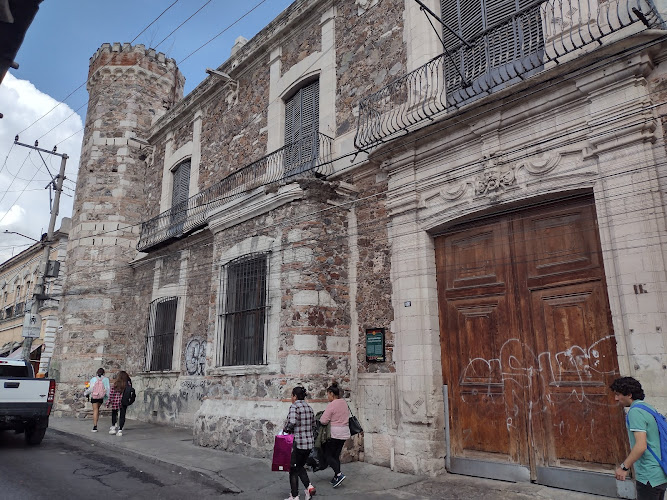
Edificio de las Cajas Reales de Pachuca

Mural Casas
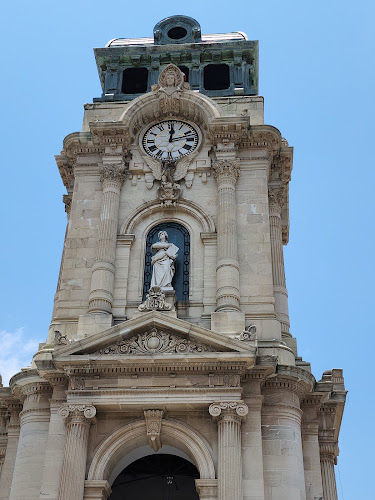
Monumental Clock
Find Accommodations Nearby
Recommended Tours & Activities
Visitor Reviews
There are no reviews yet. Be the first one to write one.
Share Your Experience
Have you visited Ruinas? Help other travelers by leaving a review.