
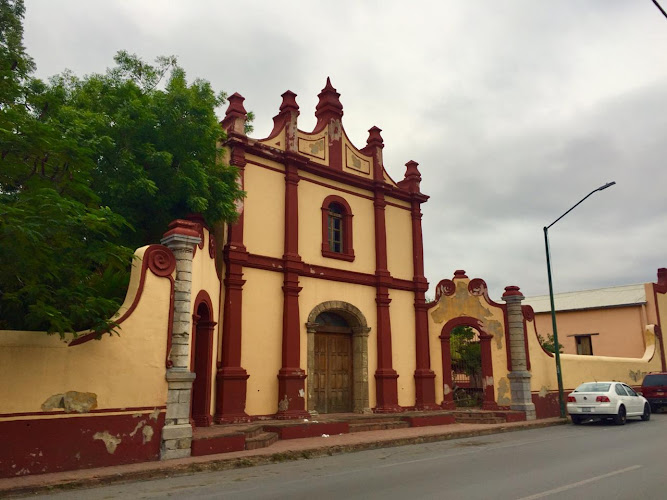
Museo Regional de Historia de Tamaulipas
About Museo Regional de Historia de Tamaulipas
Description
The Museo Regional de Historia de Tamaulipas is one of those places that quietly surprises you. It’s not flashy or overwhelming, but it has this calm, dignified presence that pulls you in. Housed in a late 19th-century building that once served as a convent, an asylum, a military barracks, and even government offices, the museum feels like it’s lived a dozen lives before settling into its current role. There’s something poetic about that—walking through its corridors, you can almost sense the echoes of history that the walls have absorbed over the years.
Inside, the museum unfolds like a storybook of Tamaulipas itself. The exhibits trace the region’s journey from its Huastec origins to the modern state it is today. You’ll find ancient artifacts, colonial relics, portraits of revolutionary figures, and displays that tell the story of the people who shaped this part of Mexico. I remember the first time I visited—I was caught off guard by how personal it felt. It wasn’t just about dusty relics but about real people, real struggles, and real pride. Each room has a different rhythm, a different mood, and by the time you reach the end, you feel like you’ve traveled through centuries in just a few steps.
The museum’s layout is easy to follow, and it’s surprisingly accessible for a historical building. Wheelchair access is available throughout, and the staff are genuinely friendly—happy to answer questions or share a quick anecdote about a particular exhibit. It’s not a massive museum, but that’s part of its charm. You can take your time, wander at your own pace, and actually absorb what you’re seeing without feeling rushed. And if you’re traveling with kids, it’s a good stop for them too. The displays are engaging enough to keep young minds curious without overwhelming them.
There’s a peaceful garden area that offers a nice break between exhibits. I sat there for a while, under a bit of shade, just listening to the sounds of the city outside mixing with the quiet inside. It’s a lovely contrast—history and modern life brushing shoulders. That’s kind of what this museum is about: connection. Between past and present, between people and place, between memory and discovery.
Key Features
- Housed in a beautifully restored 19th-century building with deep historical roots
- Exhibits covering Tamaulipas’ history from pre-Hispanic times to the modern era
- Eleven exhibition rooms with artifacts, portraits, and interactive displays
- Accessible facilities including wheelchair-friendly entrances, restrooms, and parking
- Peaceful garden area ideal for short breaks during your visit
- Free admission, making it an affordable cultural experience
- Educational displays suitable for both adults and children
- Regular cultural events, temporary exhibitions, and school visits
What really stands out is how the museum balances education with atmosphere. It doesn’t feel like a textbook—it feels like a conversation with the past. And that’s rare. The curators have done a great job of blending traditional exhibits with modern presentation techniques, so even if you’re not a “museum person,” you’ll probably find yourself drawn in. I especially liked the section on local independence movements—it gives a raw, human side to the historical narrative that’s often missing elsewhere.
Best Time to Visit
Honestly, there’s no bad time to visit, but if you want to make the most of it, go during the cooler months—say November through February. The weather in Ciudad Victoria can get pretty warm, and since you’ll likely want to stroll around the surrounding historic center afterward, a mild day makes the experience much more comfortable. Mornings are usually quieter, which means you can take your time exploring without the buzz of larger crowds. I went on a weekday morning once, and it felt like having the whole place to myself.
If you’re the type who enjoys local events or cultural activities, keep an eye out for special exhibitions or anniversary celebrations. The museum occasionally hosts temporary displays or community events that give an extra layer of local flavor. And if you’re into photography, the natural light in the courtyard during late afternoon is just perfect—soft, golden, and flattering to the old architecture.
How to Get There
Reaching the museum is fairly straightforward since it’s located right in the heart of Ciudad Victoria’s historic center. Most visitors arrive by car or taxi, but if you’re staying nearby, it’s an easy walk from many hotels and restaurants. Public transportation options are available too, though I’d recommend walking if possible—it gives you a chance to take in the local atmosphere, grab a coffee, or stop by one of the nearby plazas along the way.
Parking isn’t usually a problem, and there’s accessible parking for visitors who need it. The area around the museum is safe and pedestrian-friendly, with plenty of signage to guide you. And if you’re the kind of traveler who likes to combine stops, there are other cultural spots nearby worth checking out, like local art galleries and small shops selling regional crafts. It’s the kind of neighborhood that rewards slow exploration.
Tips for Visiting
Here’s the thing—this isn’t the kind of museum you rush through. Take your time. Read the descriptions, notice the details, and let yourself get lost in the stories. I’d recommend setting aside at least an hour, maybe two if you’re really into history or photography. The lighting and architecture make for some great shots, especially if you’re into capturing textures and old-world charm.
Bring a bottle of water, especially if you’re visiting during warmer months. While the museum itself is cool and shaded, the walk there or around the surrounding streets can get pretty hot. And since there’s no restaurant inside, it’s a good idea to plan your meal before or after your visit—there are plenty of local eateries nearby where you can grab authentic Tamaulipas cuisine. Personally, I like to end my visit with a plate of gorditas from a spot just around the corner. It’s become a little tradition of mine.
If you’re traveling with kids, make it interactive. Ask them questions about what they see, or let them pick their favorite exhibit. The museum’s approachable size makes it perfect for families. And for those who might have mobility concerns, rest assured—the building is thoughtfully equipped with ramps and accessible restrooms, which isn’t always the case with historical sites in Mexico.
One more thing: don’t skip the garden. It’s easy to overlook, but it’s such a peaceful spot. Sit for a few minutes, take in the surroundings, and think about how many people have walked through those same doors over the decades. It’s a humbling, grounding experience—one that reminds you why traveling isn’t just about seeing new places, but about connecting with the stories that make them special.
In short, the Museo Regional de Historia de Tamaulipas is more than a museum—it’s a glimpse into the soul of the region. Whether you’re a history buff, a casual traveler, or someone just looking to understand Tamaulipas a little better, this place delivers. It’s quiet, authentic, and deeply human. And honestly, that’s what makes it worth your time.
Key Features
- Housed in a beautifully restored 19th-century building with deep historical roots
- Exhibits covering Tamaulipas’ history from pre-Hispanic times to the modern era
- Eleven exhibition rooms with artifacts, portraits, and interactive displays
- Accessible facilities including wheelchair-friendly entrances, restrooms, and parking
- Peaceful garden area ideal for short breaks during your visit
- Free admission, making it an affordable cultural experience
- Educational displays suitable for both adults and children
- Regular cultural events, temporary exhibitions, and school visits
More Details
Updated November 10, 2025
Table of Contents
- Description
- Key Features
- Best Time to Visit
- How to Get There
- Tips for Visiting
- Key Highlights
- Location
- Places to Stay Near Museo Regional de Historia de Tamaulipas
- Find and Book a Tour
- Explore More Travel Guides
- Nearby Places You Might Like
- Traveler Reviews for Museo Regional de Historia de Tamaulipas
- Share Your Experience
Description
The Museo Regional de Historia de Tamaulipas is one of those places that quietly surprises you. It’s not flashy or overwhelming, but it has this calm, dignified presence that pulls you in. Housed in a late 19th-century building that once served as a convent, an asylum, a military barracks, and even government offices, the museum feels like it’s lived a dozen lives before settling into its current role. There’s something poetic about that—walking through its corridors, you can almost sense the echoes of history that the walls have absorbed over the years.
Inside, the museum unfolds like a storybook of Tamaulipas itself. The exhibits trace the region’s journey from its Huastec origins to the modern state it is today. You’ll find ancient artifacts, colonial relics, portraits of revolutionary figures, and displays that tell the story of the people who shaped this part of Mexico. I remember the first time I visited—I was caught off guard by how personal it felt. It wasn’t just about dusty relics but about real people, real struggles, and real pride. Each room has a different rhythm, a different mood, and by the time you reach the end, you feel like you’ve traveled through centuries in just a few steps.
The museum’s layout is easy to follow, and it’s surprisingly accessible for a historical building. Wheelchair access is available throughout, and the staff are genuinely friendly—happy to answer questions or share a quick anecdote about a particular exhibit. It’s not a massive museum, but that’s part of its charm. You can take your time, wander at your own pace, and actually absorb what you’re seeing without feeling rushed. And if you’re traveling with kids, it’s a good stop for them too. The displays are engaging enough to keep young minds curious without overwhelming them.
There’s a peaceful garden area that offers a nice break between exhibits. I sat there for a while, under a bit of shade, just listening to the sounds of the city outside mixing with the quiet inside. It’s a lovely contrast—history and modern life brushing shoulders. That’s kind of what this museum is about: connection. Between past and present, between people and place, between memory and discovery.
Key Features
- Housed in a beautifully restored 19th-century building with deep historical roots
- Exhibits covering Tamaulipas’ history from pre-Hispanic times to the modern era
- Eleven exhibition rooms with artifacts, portraits, and interactive displays
- Accessible facilities including wheelchair-friendly entrances, restrooms, and parking
- Peaceful garden area ideal for short breaks during your visit
- Free admission, making it an affordable cultural experience
- Educational displays suitable for both adults and children
- Regular cultural events, temporary exhibitions, and school visits
What really stands out is how the museum balances education with atmosphere. It doesn’t feel like a textbook—it feels like a conversation with the past. And that’s rare. The curators have done a great job of blending traditional exhibits with modern presentation techniques, so even if you’re not a “museum person,” you’ll probably find yourself drawn in. I especially liked the section on local independence movements—it gives a raw, human side to the historical narrative that’s often missing elsewhere.
Best Time to Visit
Honestly, there’s no bad time to visit, but if you want to make the most of it, go during the cooler months—say November through February. The weather in Ciudad Victoria can get pretty warm, and since you’ll likely want to stroll around the surrounding historic center afterward, a mild day makes the experience much more comfortable. Mornings are usually quieter, which means you can take your time exploring without the buzz of larger crowds. I went on a weekday morning once, and it felt like having the whole place to myself.
If you’re the type who enjoys local events or cultural activities, keep an eye out for special exhibitions or anniversary celebrations. The museum occasionally hosts temporary displays or community events that give an extra layer of local flavor. And if you’re into photography, the natural light in the courtyard during late afternoon is just perfect—soft, golden, and flattering to the old architecture.
How to Get There
Reaching the museum is fairly straightforward since it’s located right in the heart of Ciudad Victoria’s historic center. Most visitors arrive by car or taxi, but if you’re staying nearby, it’s an easy walk from many hotels and restaurants. Public transportation options are available too, though I’d recommend walking if possible—it gives you a chance to take in the local atmosphere, grab a coffee, or stop by one of the nearby plazas along the way.
Parking isn’t usually a problem, and there’s accessible parking for visitors who need it. The area around the museum is safe and pedestrian-friendly, with plenty of signage to guide you. And if you’re the kind of traveler who likes to combine stops, there are other cultural spots nearby worth checking out, like local art galleries and small shops selling regional crafts. It’s the kind of neighborhood that rewards slow exploration.
Tips for Visiting
Here’s the thing—this isn’t the kind of museum you rush through. Take your time. Read the descriptions, notice the details, and let yourself get lost in the stories. I’d recommend setting aside at least an hour, maybe two if you’re really into history or photography. The lighting and architecture make for some great shots, especially if you’re into capturing textures and old-world charm.
Bring a bottle of water, especially if you’re visiting during warmer months. While the museum itself is cool and shaded, the walk there or around the surrounding streets can get pretty hot. And since there’s no restaurant inside, it’s a good idea to plan your meal before or after your visit—there are plenty of local eateries nearby where you can grab authentic Tamaulipas cuisine. Personally, I like to end my visit with a plate of gorditas from a spot just around the corner. It’s become a little tradition of mine.
If you’re traveling with kids, make it interactive. Ask them questions about what they see, or let them pick their favorite exhibit. The museum’s approachable size makes it perfect for families. And for those who might have mobility concerns, rest assured—the building is thoughtfully equipped with ramps and accessible restrooms, which isn’t always the case with historical sites in Mexico.
One more thing: don’t skip the garden. It’s easy to overlook, but it’s such a peaceful spot. Sit for a few minutes, take in the surroundings, and think about how many people have walked through those same doors over the decades. It’s a humbling, grounding experience—one that reminds you why traveling isn’t just about seeing new places, but about connecting with the stories that make them special.
In short, the Museo Regional de Historia de Tamaulipas is more than a museum—it’s a glimpse into the soul of the region. Whether you’re a history buff, a casual traveler, or someone just looking to understand Tamaulipas a little better, this place delivers. It’s quiet, authentic, and deeply human. And honestly, that’s what makes it worth your time.
Key Highlights
- Housed in a beautifully restored 19th-century building with deep historical roots
- Exhibits covering Tamaulipas’ history from pre-Hispanic times to the modern era
- Eleven exhibition rooms with artifacts, portraits, and interactive displays
- Accessible facilities including wheelchair-friendly entrances, restrooms, and parking
- Peaceful garden area ideal for short breaks during your visit
- Free admission, making it an affordable cultural experience
- Educational displays suitable for both adults and children
- Regular cultural events, temporary exhibitions, and school visits
Location
Places to Stay Near Museo Regional de Historia de Tamaulipas
Find and Book a Tour
Explore More Travel Guides
No reviews found! Be the first to review!
Traveler Reviews for Museo Regional de Historia de Tamaulipas
There are no reviews yet. Be the first one to write one.
Have you visited Museo Regional de Historia de Tamaulipas? Help other travelers by sharing your review.
You Might Also Like
87000 Ciudad Victoria, Tamaulipas
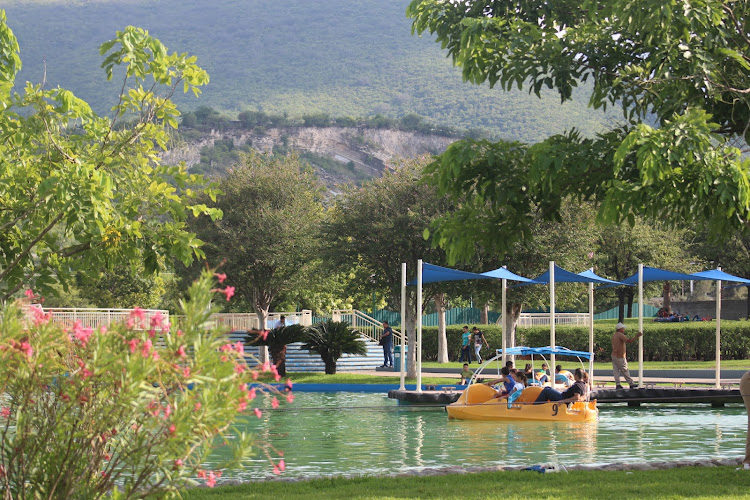
Parque Recreativo Tamatán
Area Verde
Find Accommodations Nearby
Recommended Tours & Activities
Visitor Reviews
There are no reviews yet. Be the first one to write one.
Share Your Experience
Have you visited Museo Regional de Historia de Tamaulipas? Help other travelers by leaving a review.